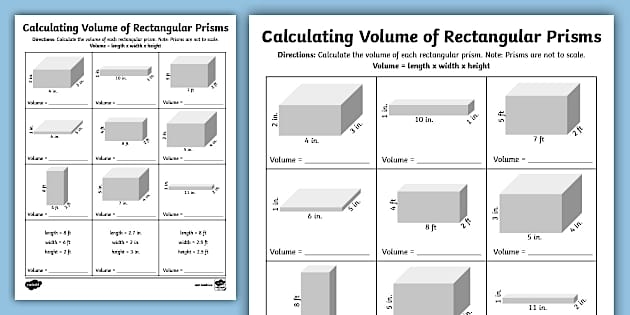
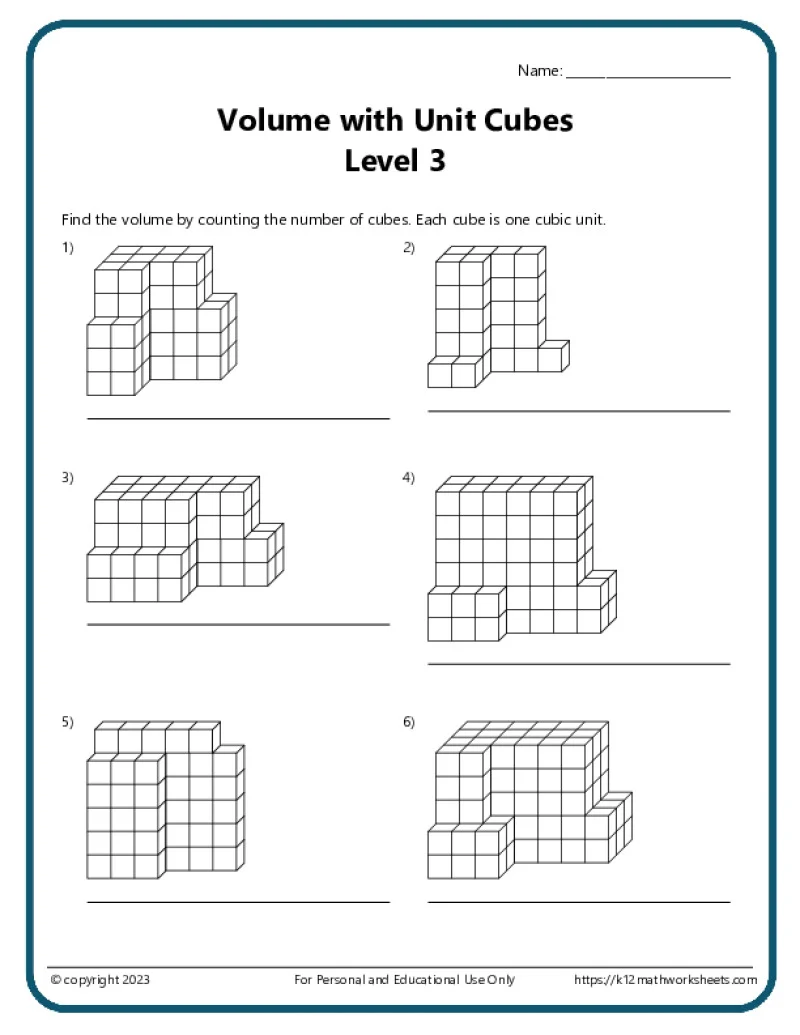
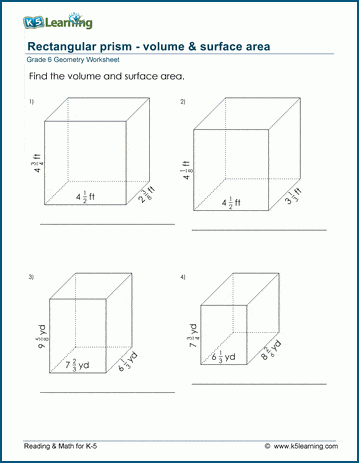
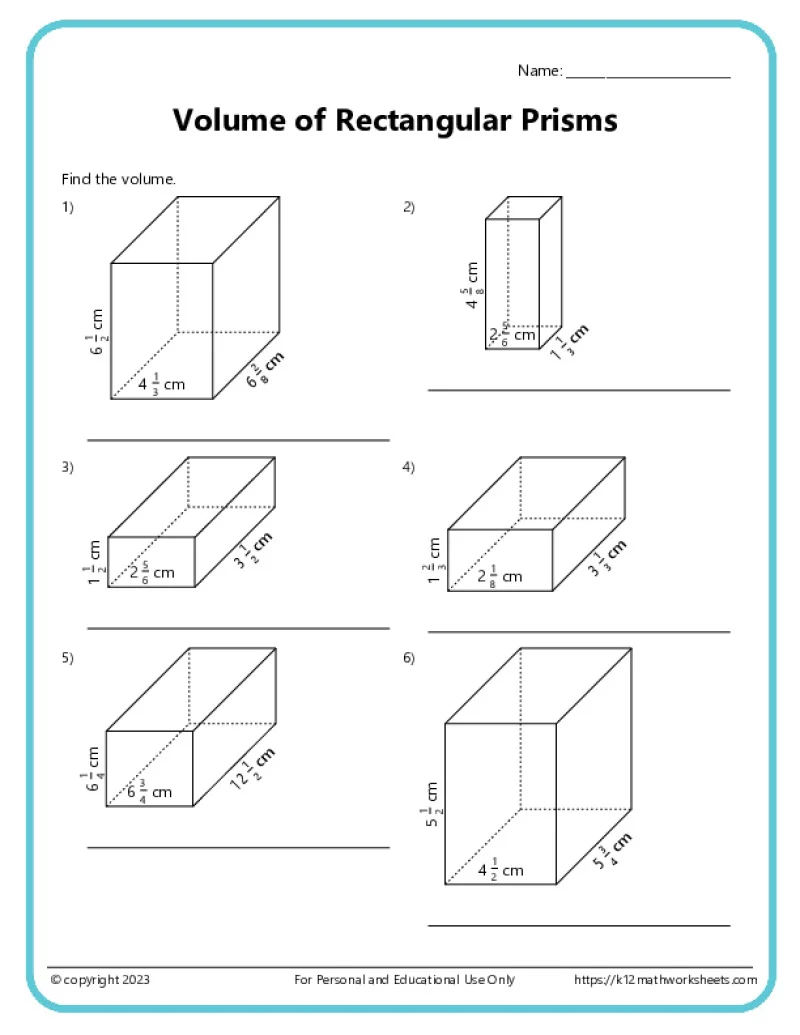
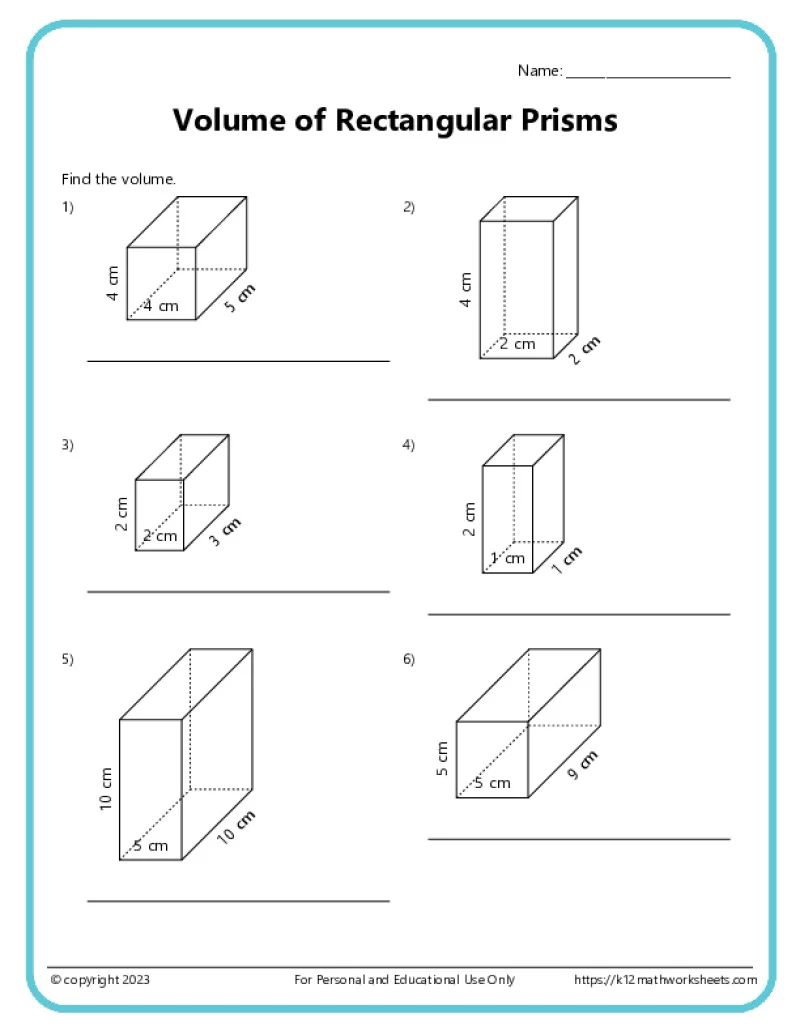
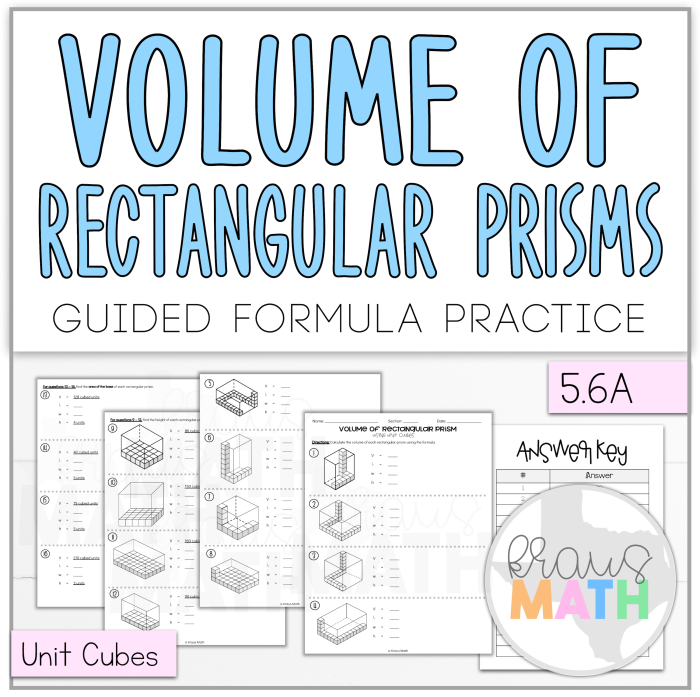
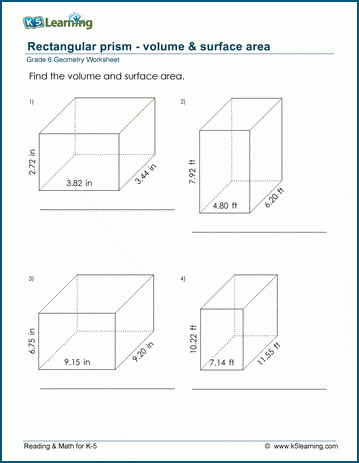
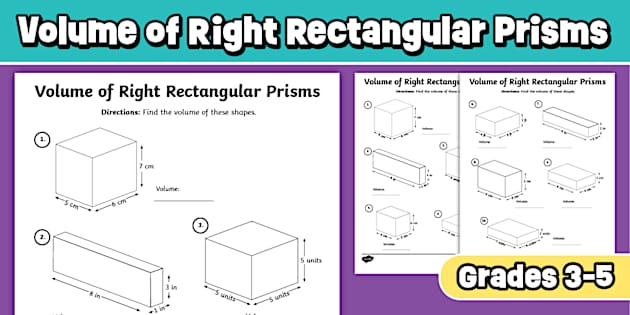
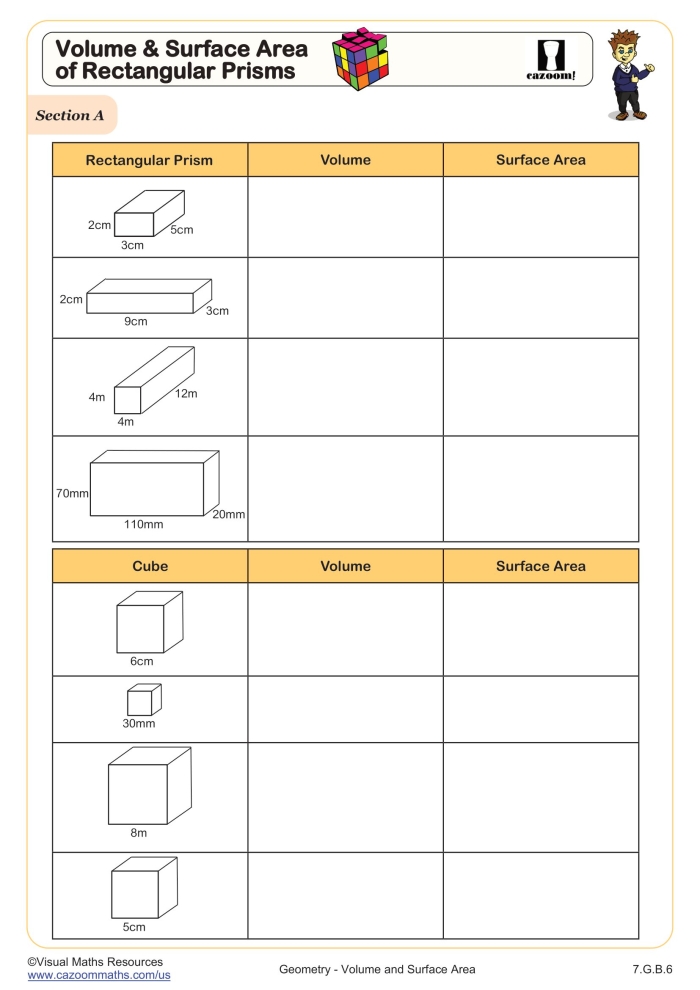
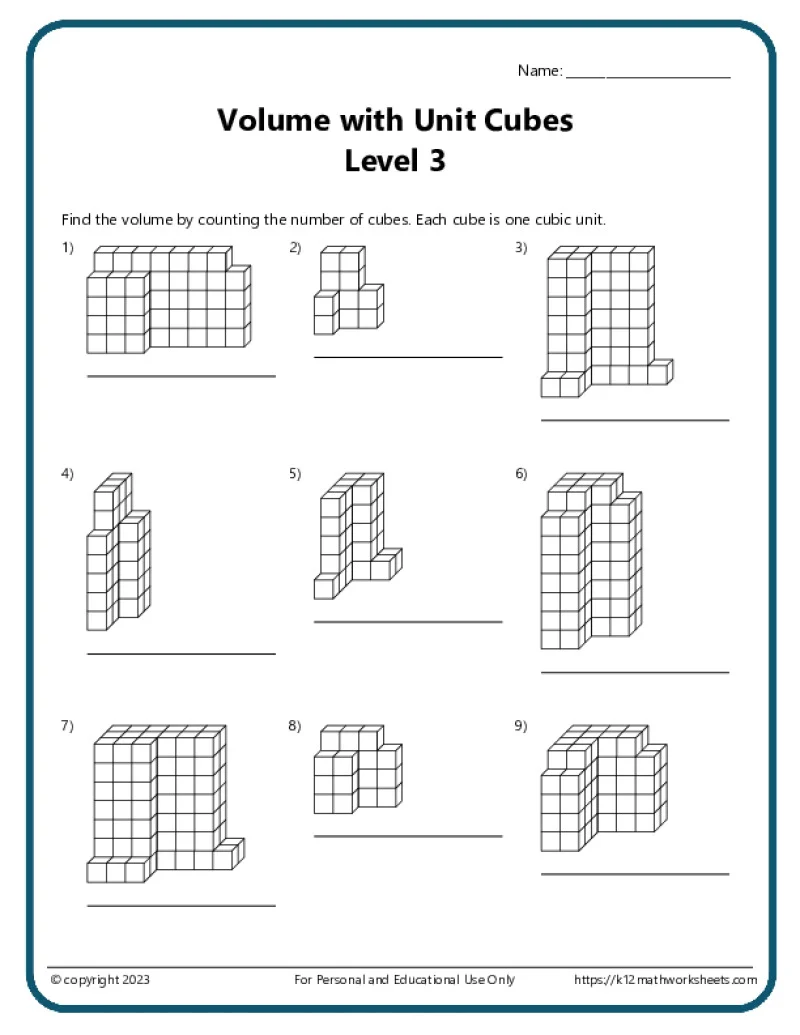
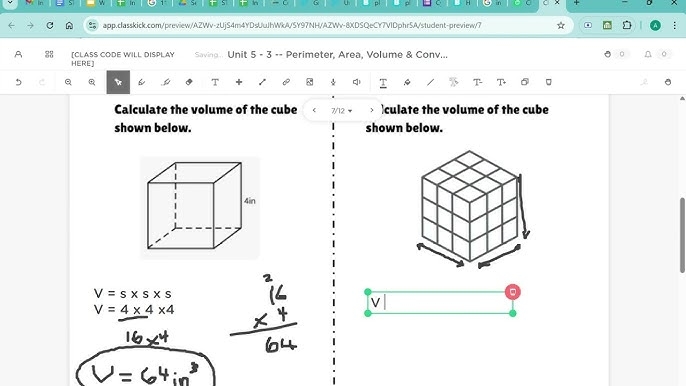
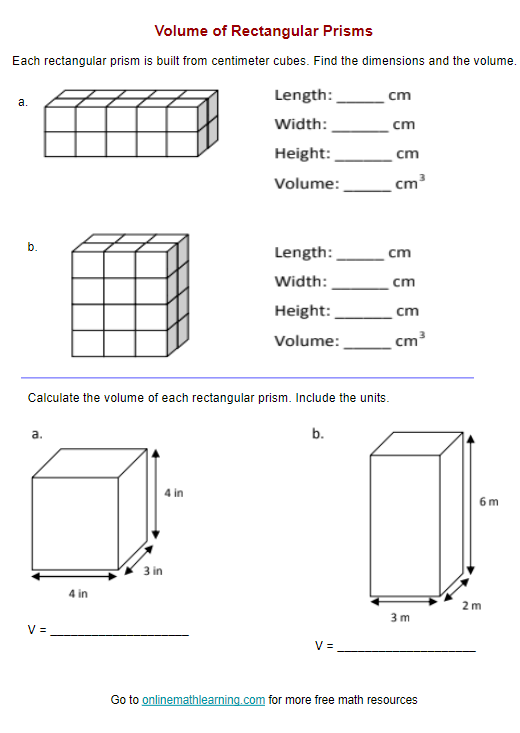
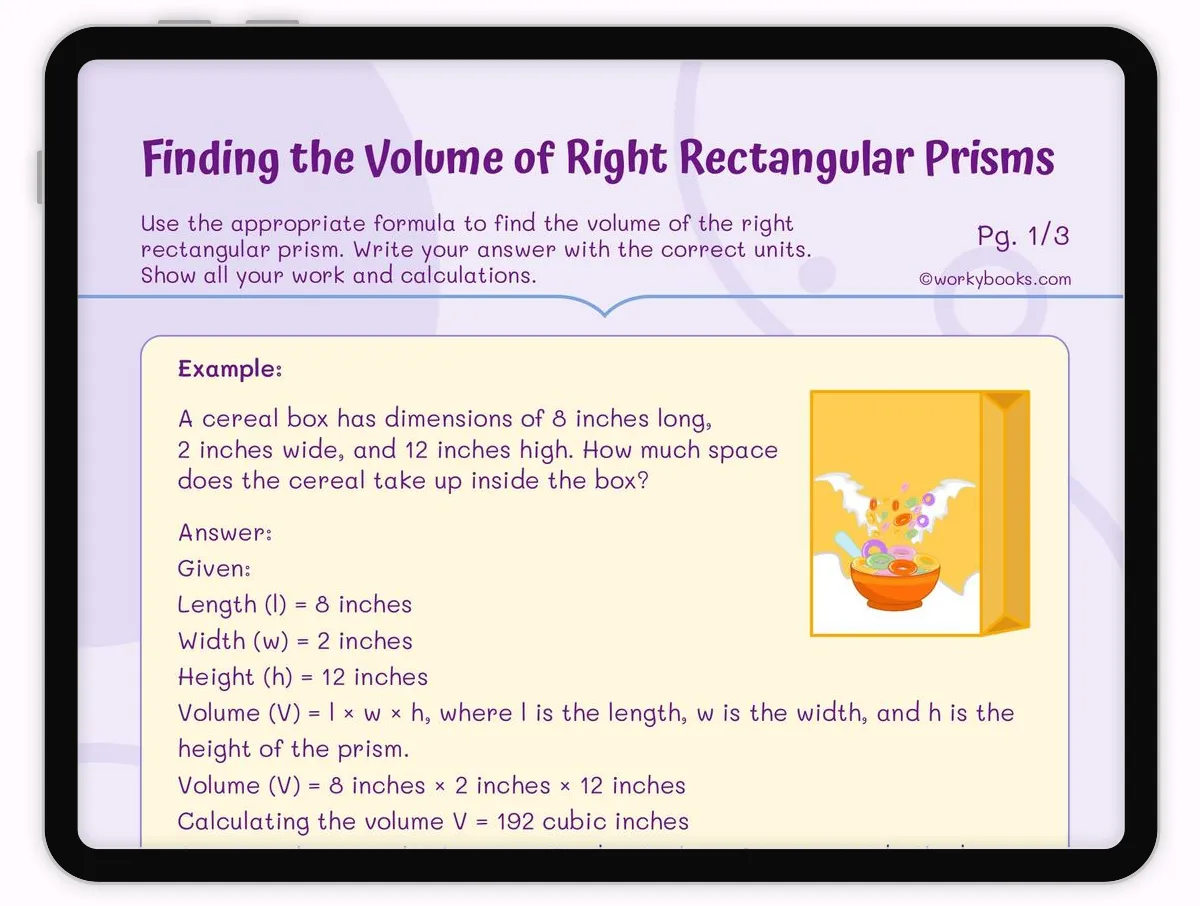
Sixth-grade students often struggle with the abstract concept of volume until they actually work through problems themselves. A solid geometry worksheet focused on rectangular prisms gives them the repetition they need to internalize the formula and build confidence with three-dimensional shapes.
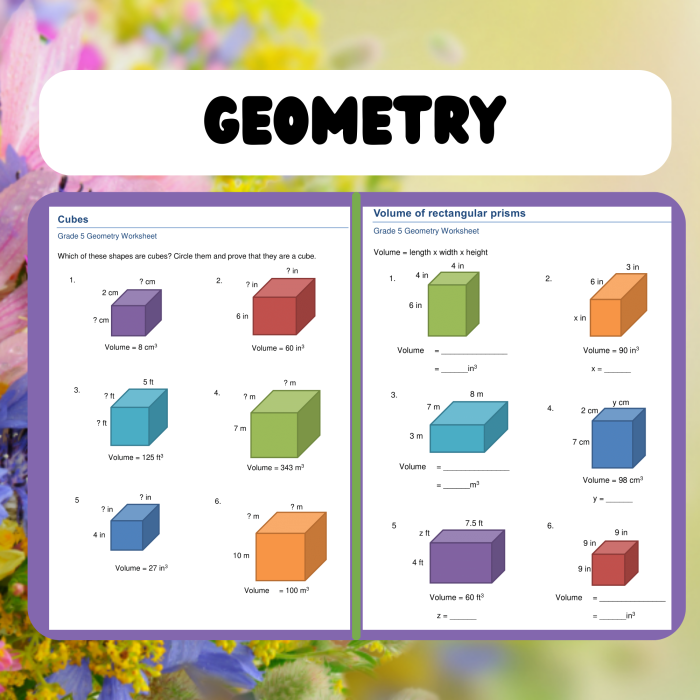
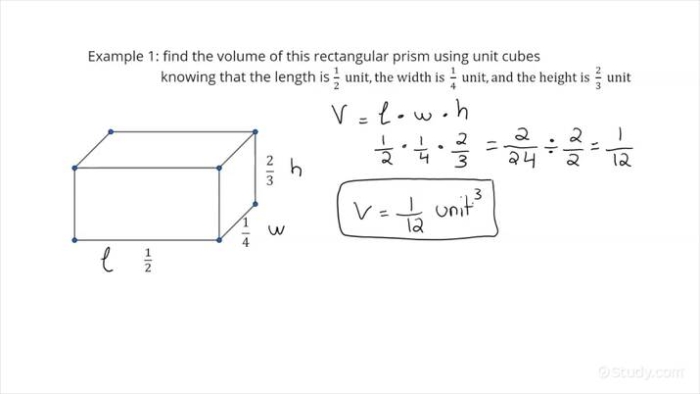
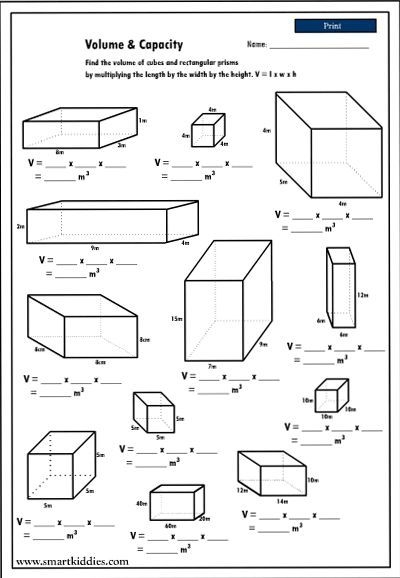
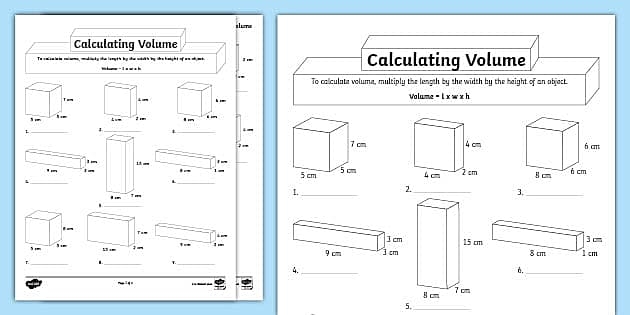
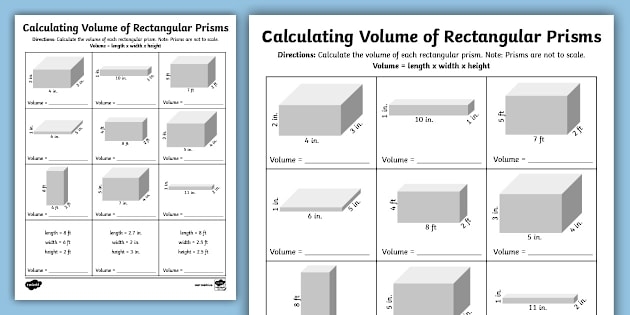
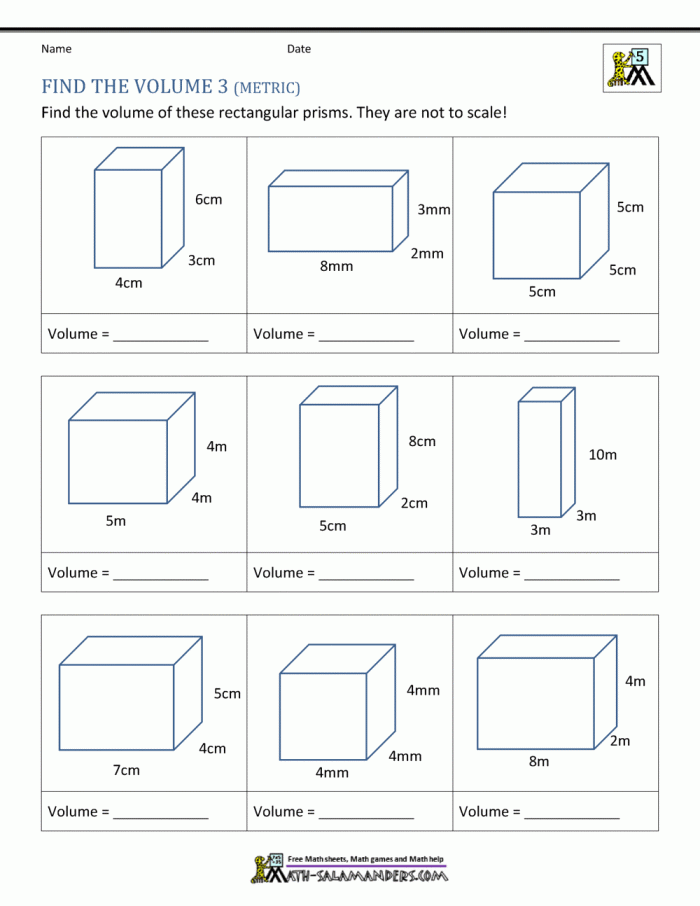
The volume formula for rectangular prisms is straightforward: length times width times height. What makes practice essential is that students need to recognize which measurements correspond to which dimensions, identify when dimensions are given as fractions, and apply the formula consistently across different problem types. When students work through multiple examples on a single worksheet, they begin to see patterns in how the formula operates and why it makes sense conceptually.
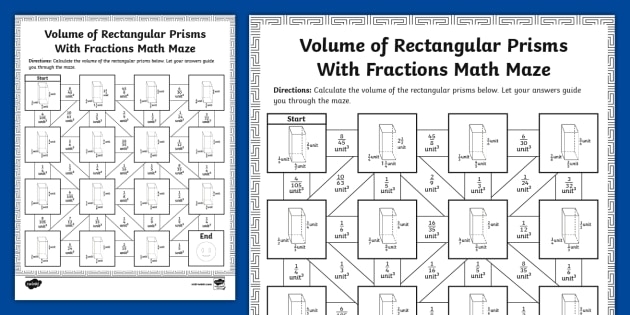
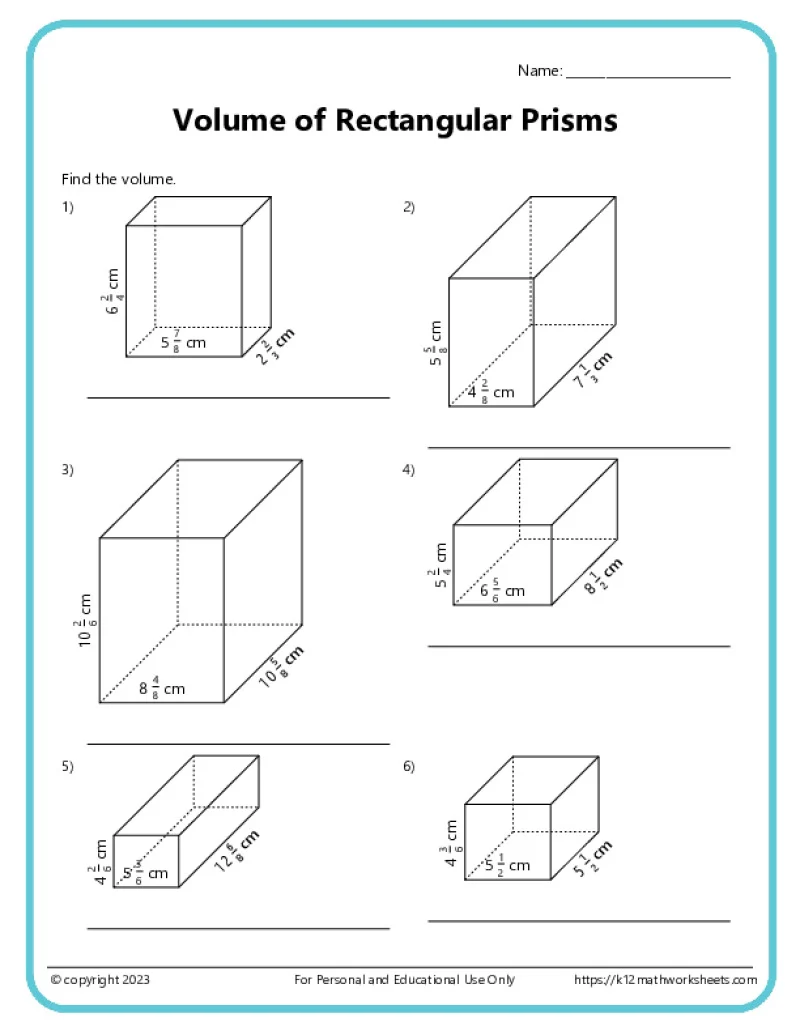
Worksheets that include fractions add an extra layer of complexity that mirrors real-world applications. Many sixth-grade geometry problems feature fractional measurements because construction, design, and engineering often require precision beyond whole numbers. A worksheet that asks students to find the volume of a rectangular prism with dimensions like 2½ by 3¼ by 4 forces them to practice fraction multiplication alongside geometry skills.
Beyond pure geometry, this type of practice supports broader mathematical thinking. The repetition helps students develop procedural fluency, which frees up mental energy for problem-solving in later math courses. Teachers often pair these worksheets with other sixth-grade learning activities. For instance, students strengthening their communication skills through pronouns in compound subjects and objects can also explain their volume calculations in writing, combining math and language arts.
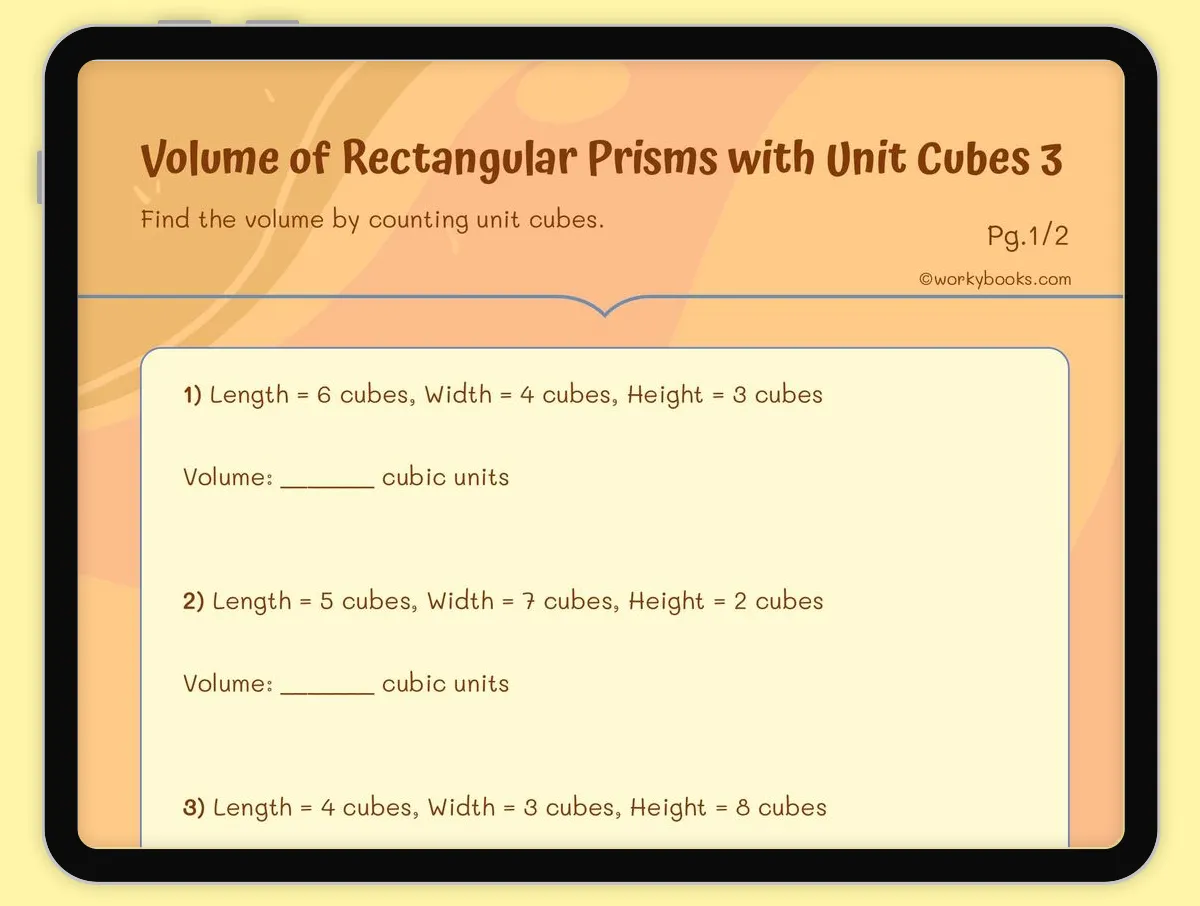
A well-designed worksheet provides enough problems to build mastery without overwhelming students. Spacing out problems with varying dimensions and including a mix of whole numbers and fractions keeps the work engaging while maintaining focus on the core skill.
Hands-On Worksheet Activities