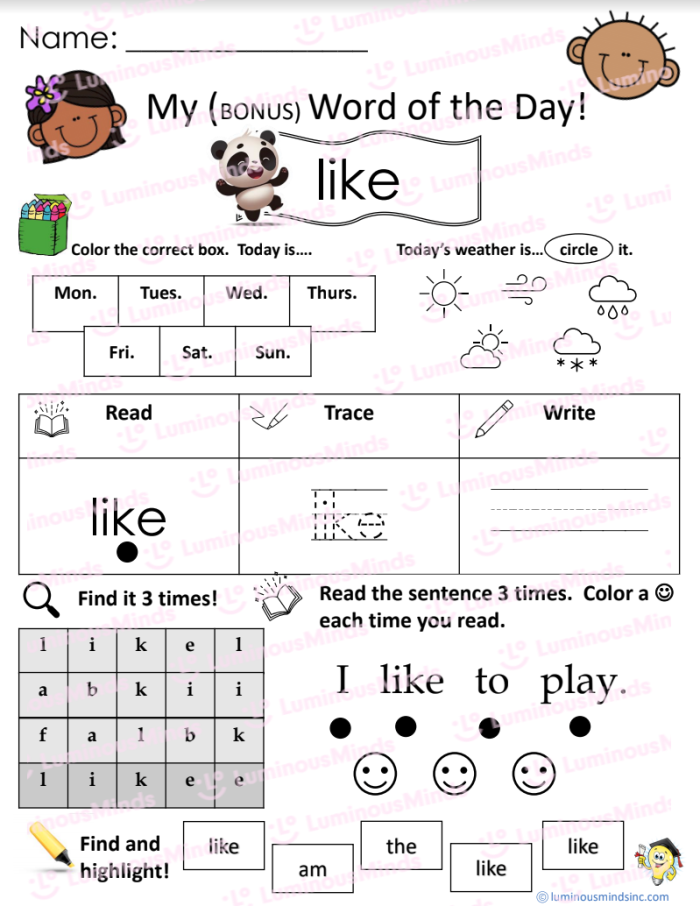
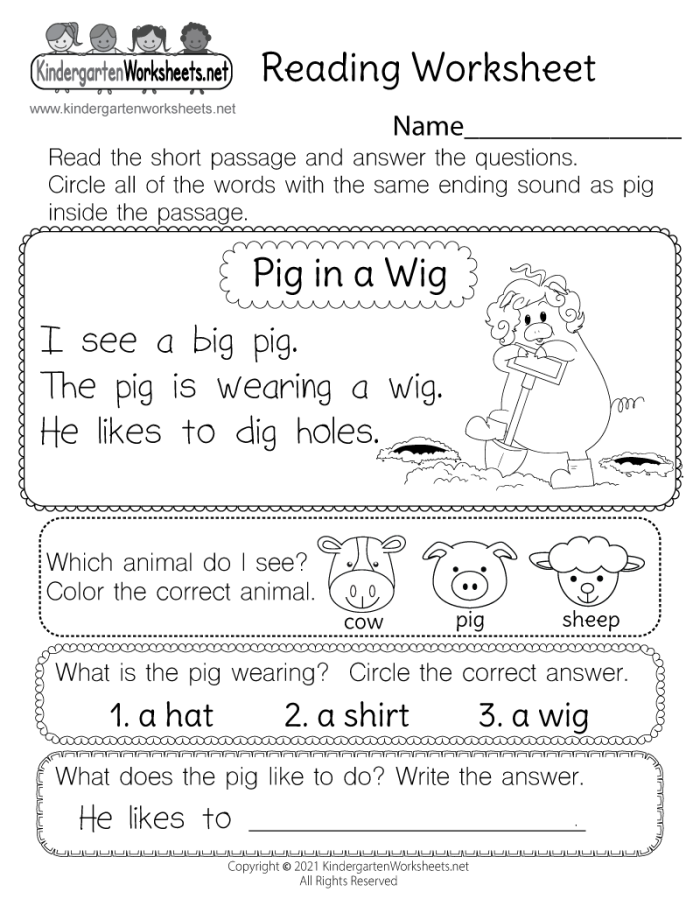
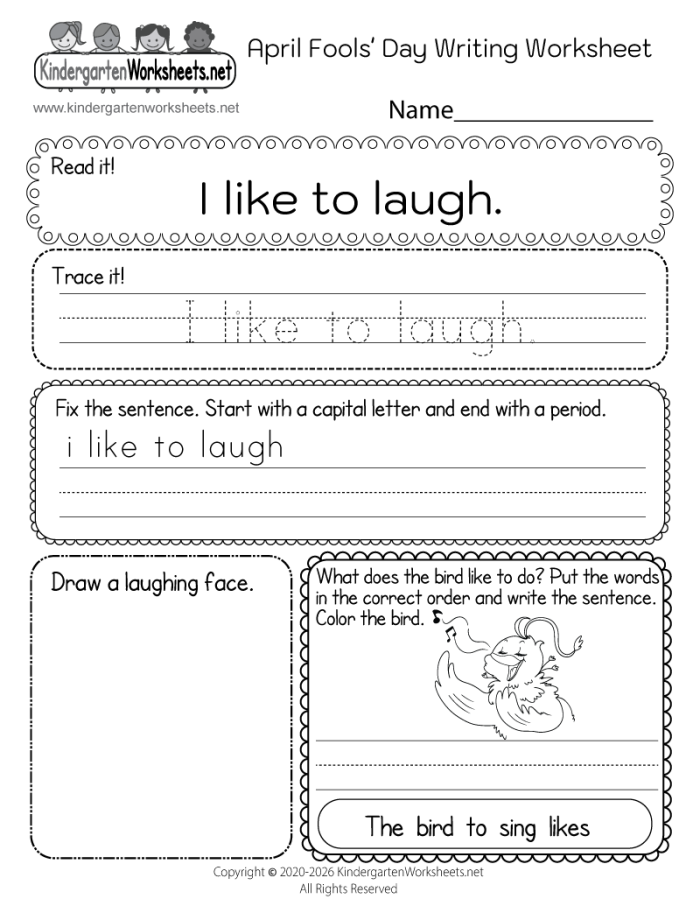
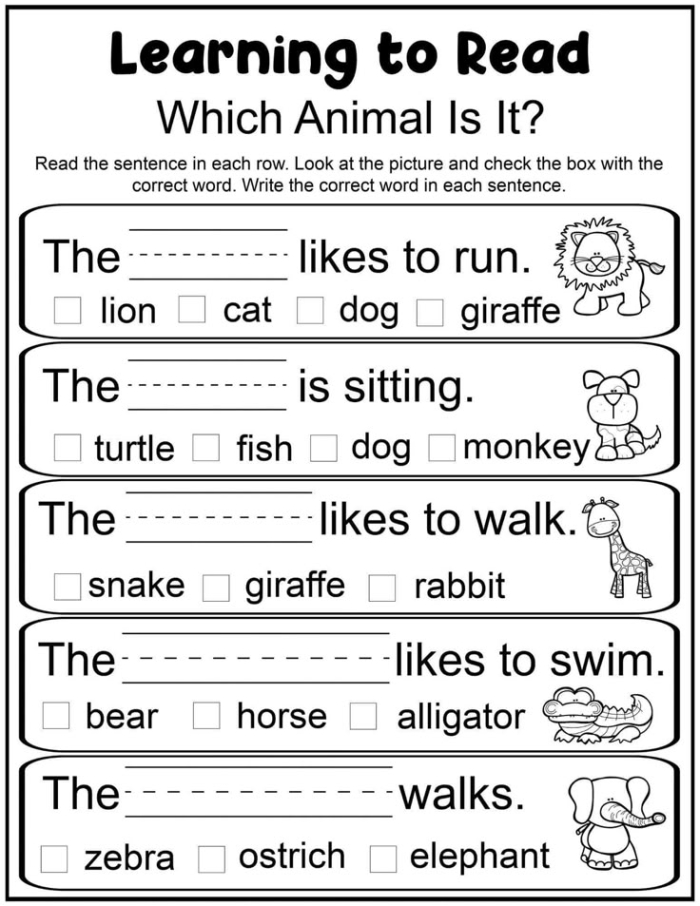
Teachers often make assumptions about what their Pre-K students enjoy reading, but the reality is that every child has unique preferences and interests. Getting to know these preferences early sets the foundation for a lifetime of reading engagement. When you understand what captures your students’ attention, you can guide them toward materials that feel personally meaningful rather than generic.
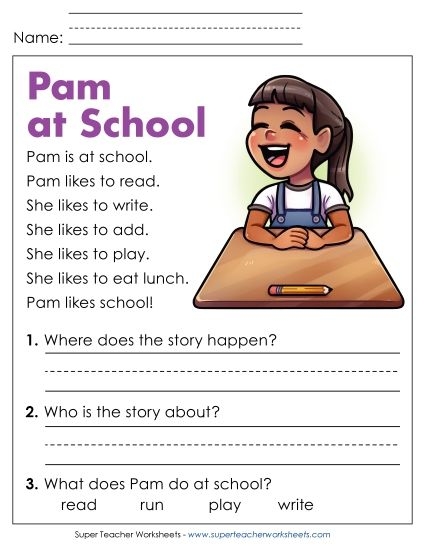
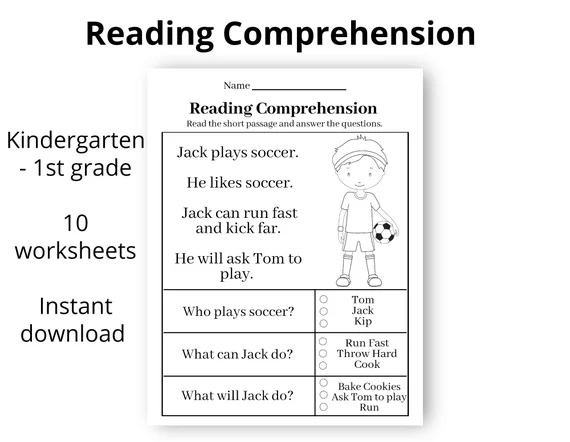
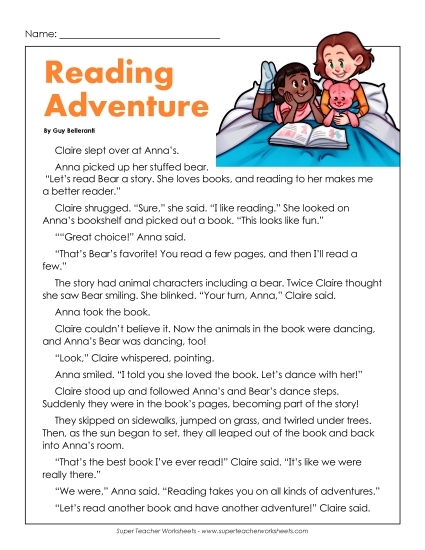
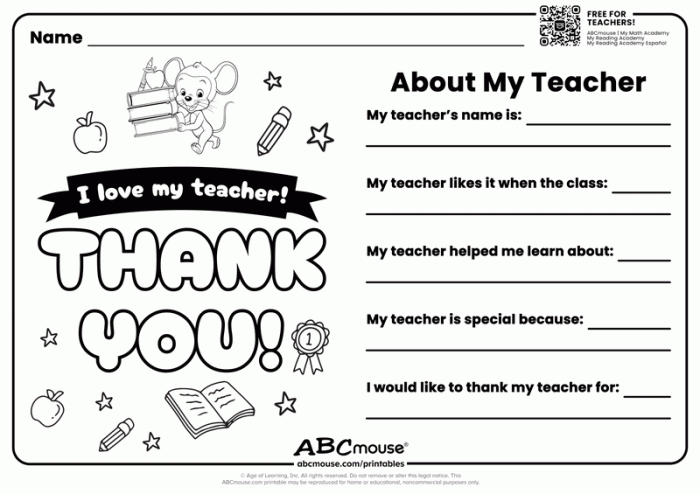
The challenge many educators face is finding an efficient way to gather this information without lengthy one-on-one interviews. A structured worksheet designed for this purpose cuts through the guesswork. By asking targeted questions about favorite animals, colors, activities, and stories, you create a snapshot of each student’s reading interests. This approach works particularly well in Pre-K classrooms where students are just beginning to develop preferences and opinions about stories.
Beyond the practical data collection, these worksheets open doors to important conversations. When you sit down with a student and ask what they like to read, you’re sending a message that their voice matters. They learn that reading choices are personal decisions, not just assignments handed down by adults. These early conversations build confidence and help students see themselves as readers.
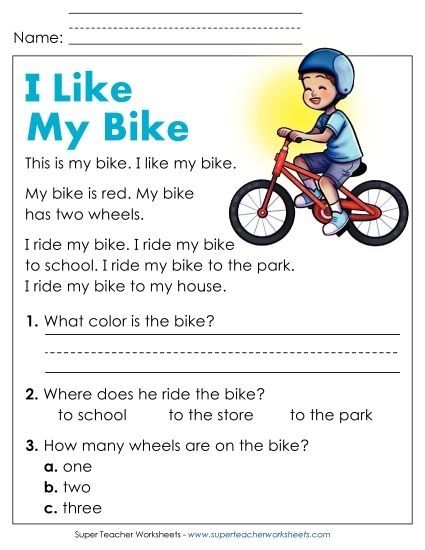
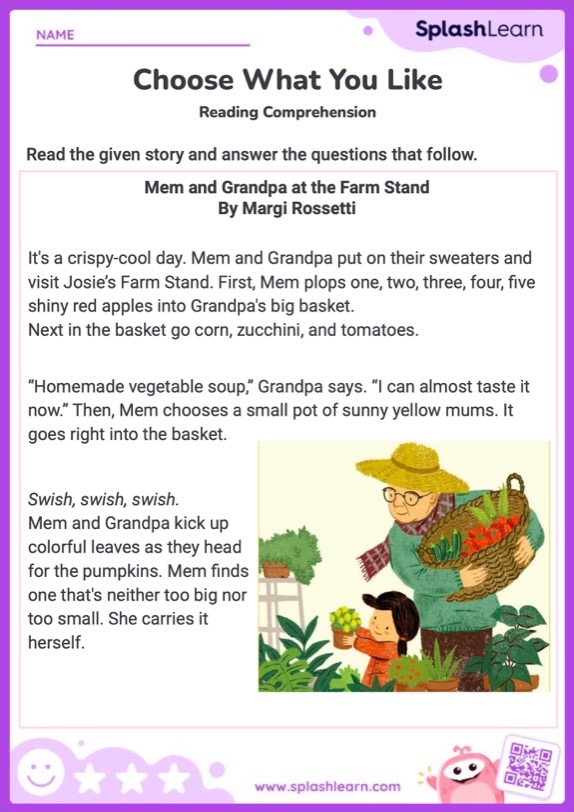
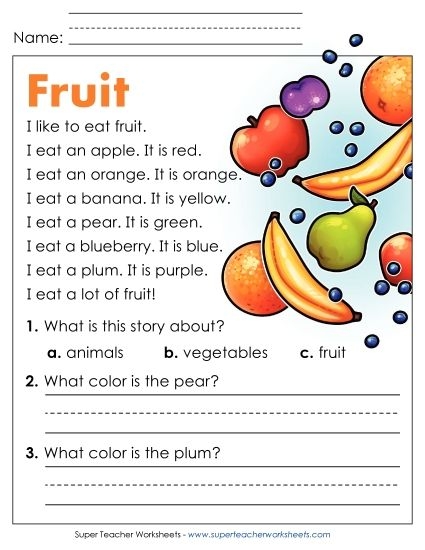
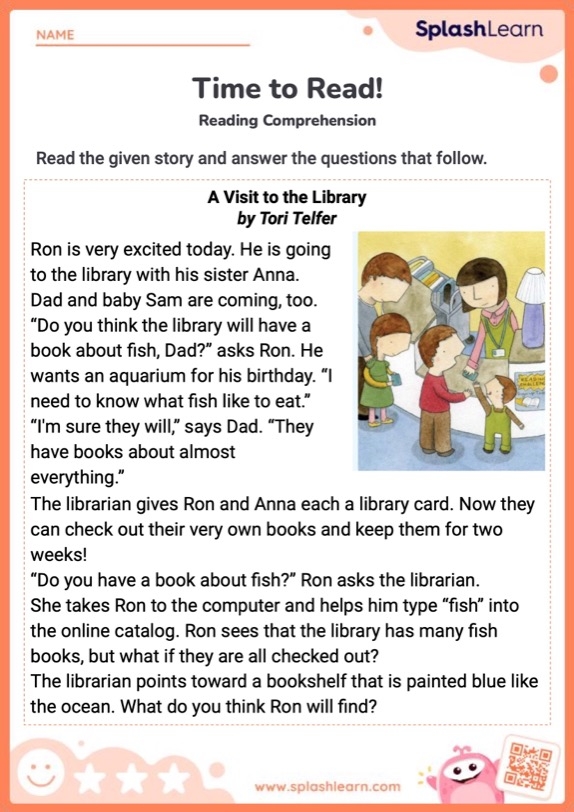
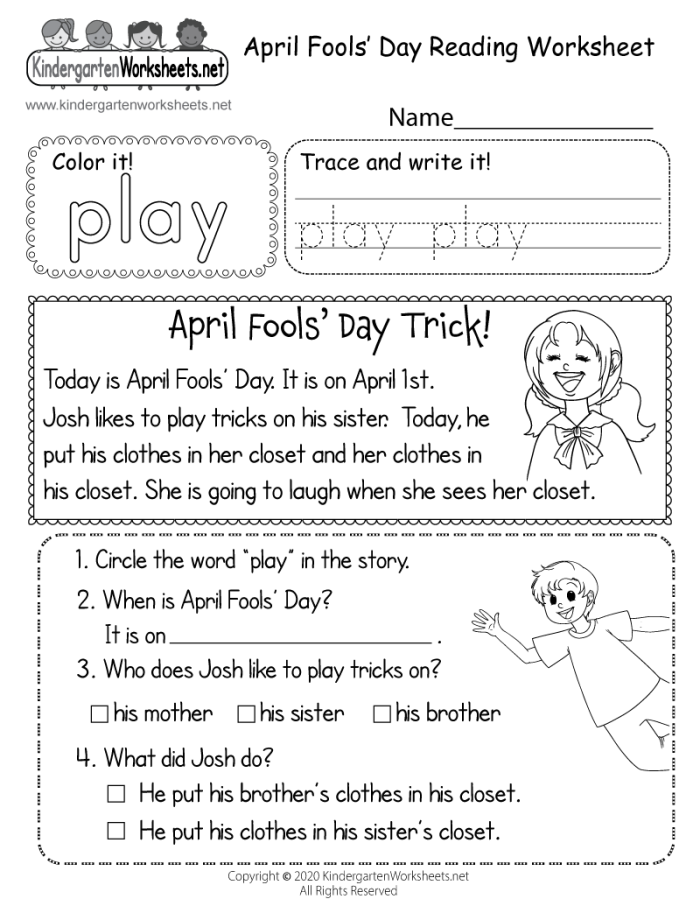
The worksheet format also serves another purpose: it gives students practice with foundational skills. As they point to pictures, circle their favorites, or draw what they enjoy, they’re engaging with visual discrimination and decision-making. This connects naturally to early literacy development, where recognizing patterns and making choices about letters and sounds builds toward reading readiness.
Once you’ve gathered this information, you can use it to shape your classroom library and reading recommendations. If several students show interest in animals, you might introduce books about bunnies and other creatures through storytelling and related activities. Students who love letters and sounds benefit from exploring materials like letter-focused content that makes learning feel like play.
The investment in understanding your students’ interests pays dividends throughout the year. You’ll notice increased engagement during story time, more enthusiastic participation in reading activities, and stronger motivation to explore new books. Starting with a simple worksheet is the key to unlocking these benefits.
Download These Worksheets for Practice