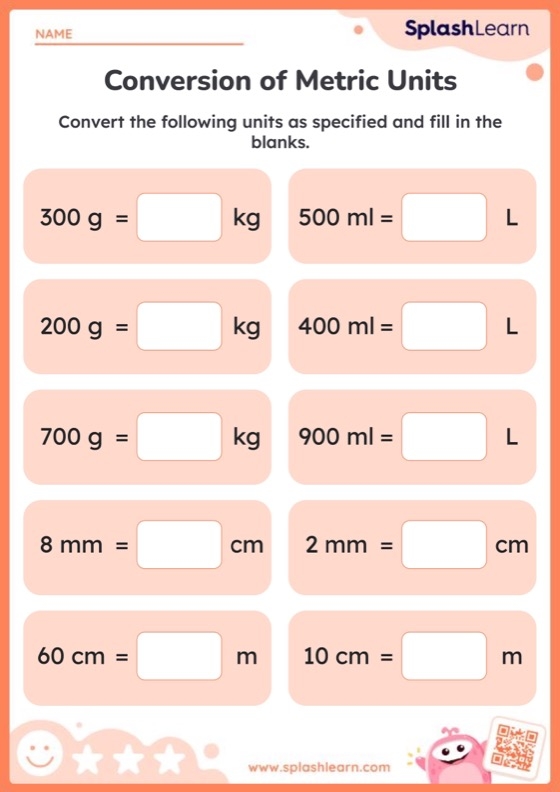
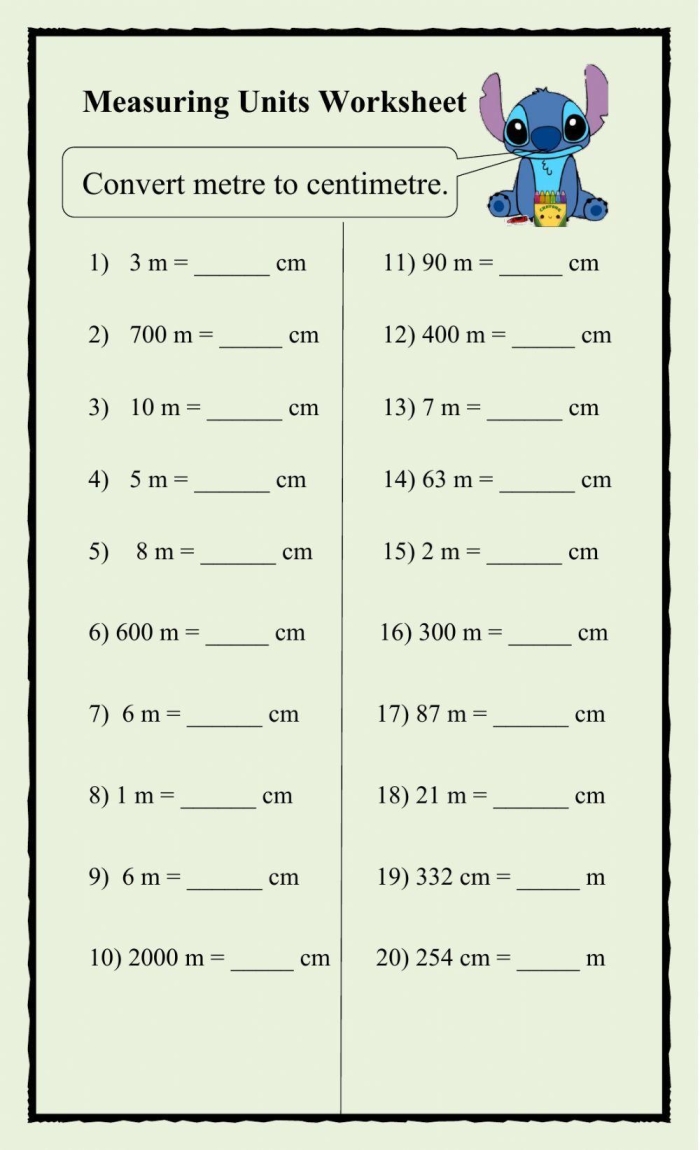
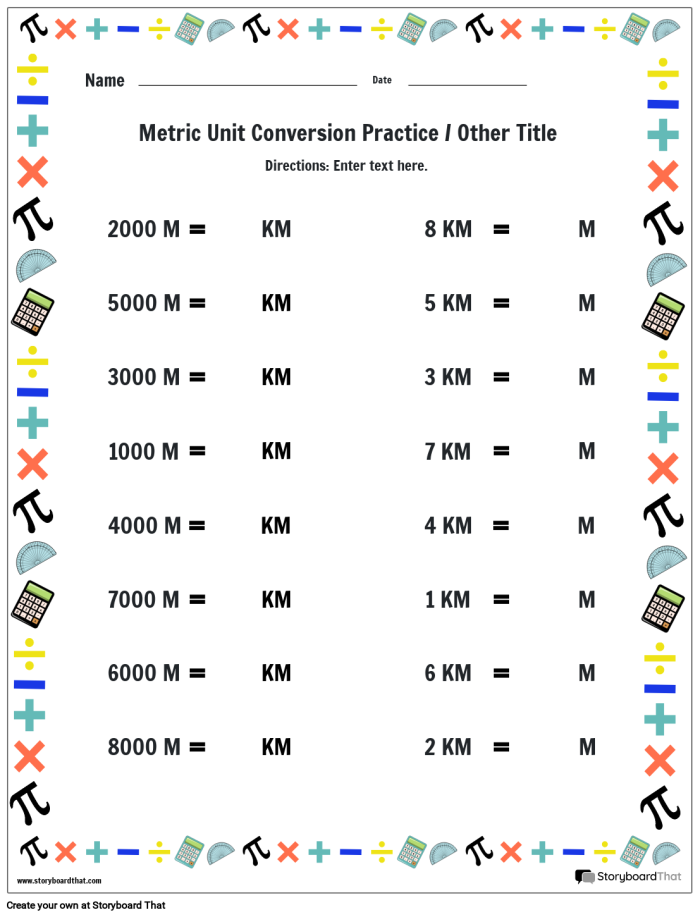
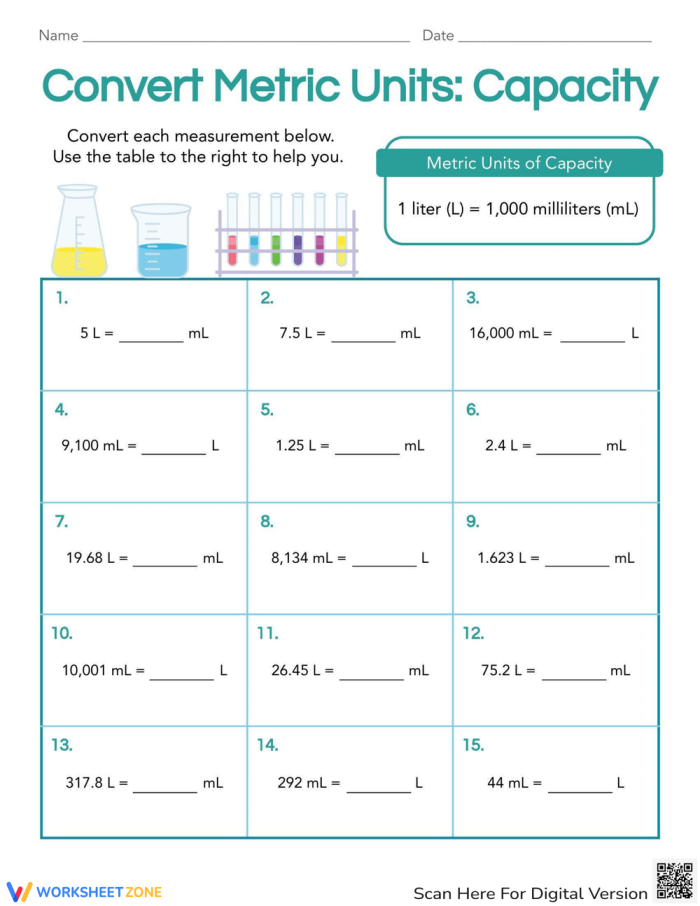
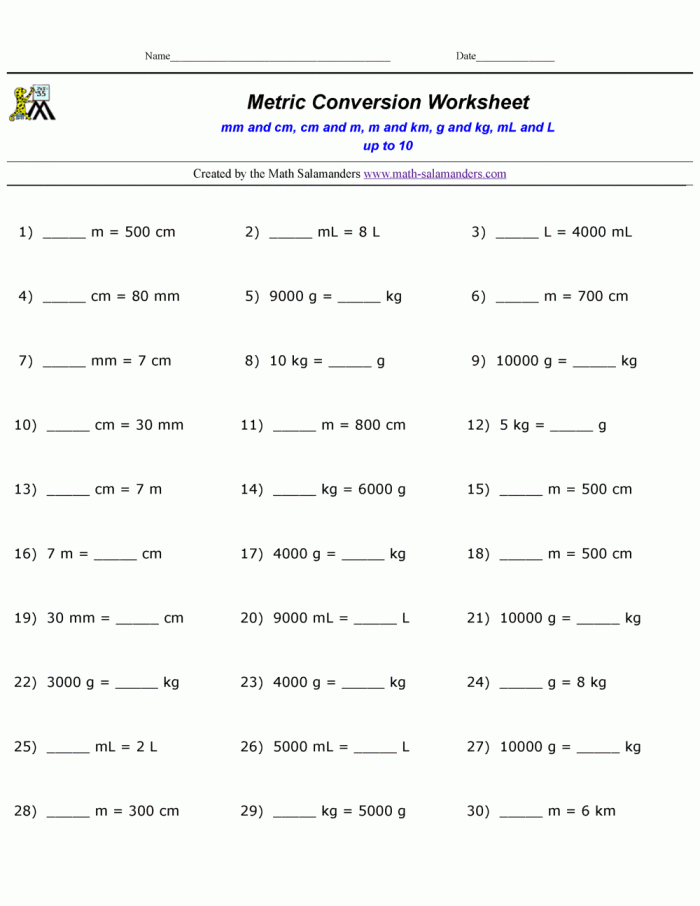
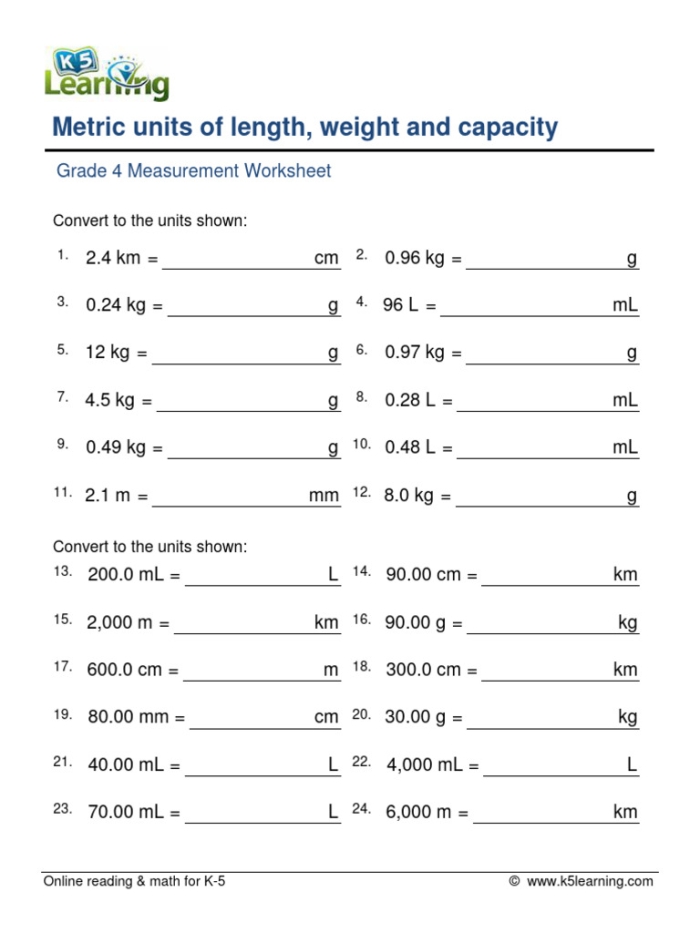
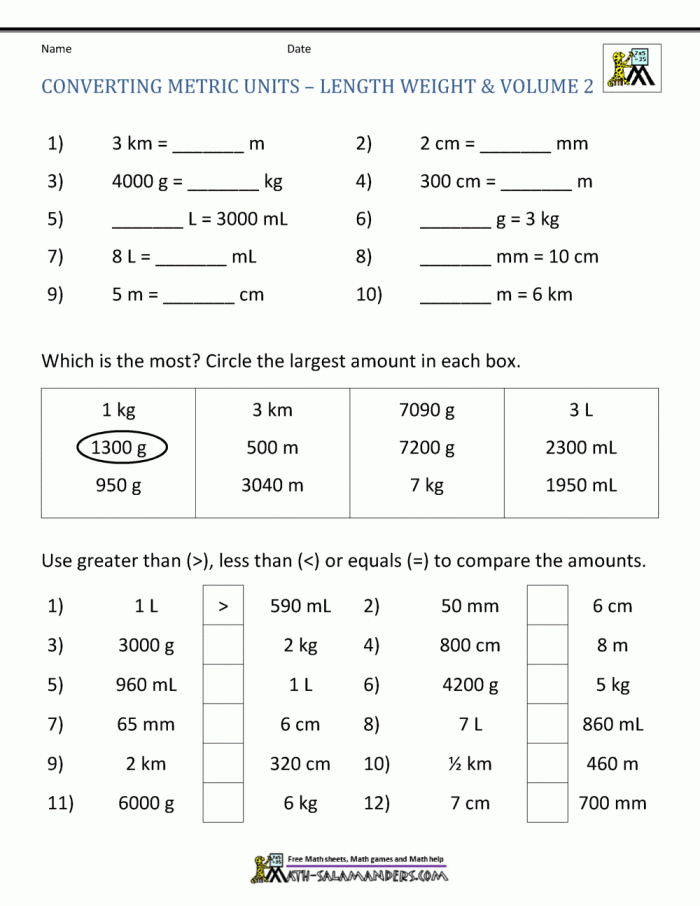
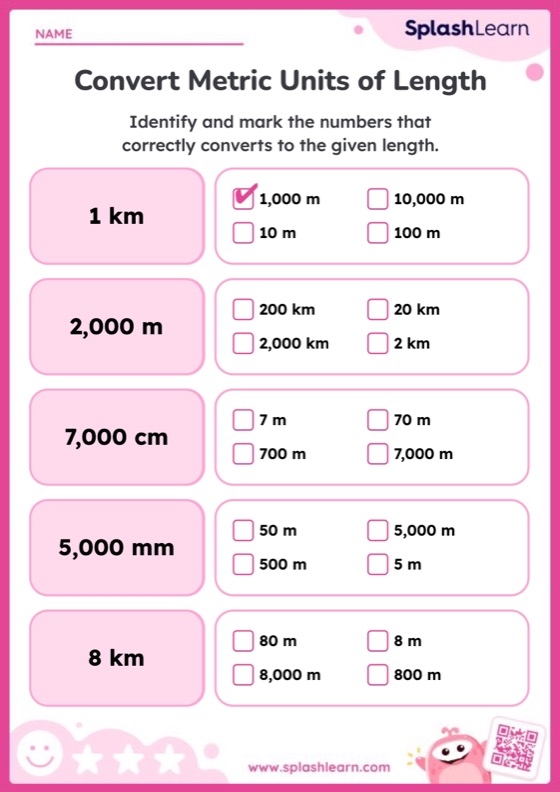
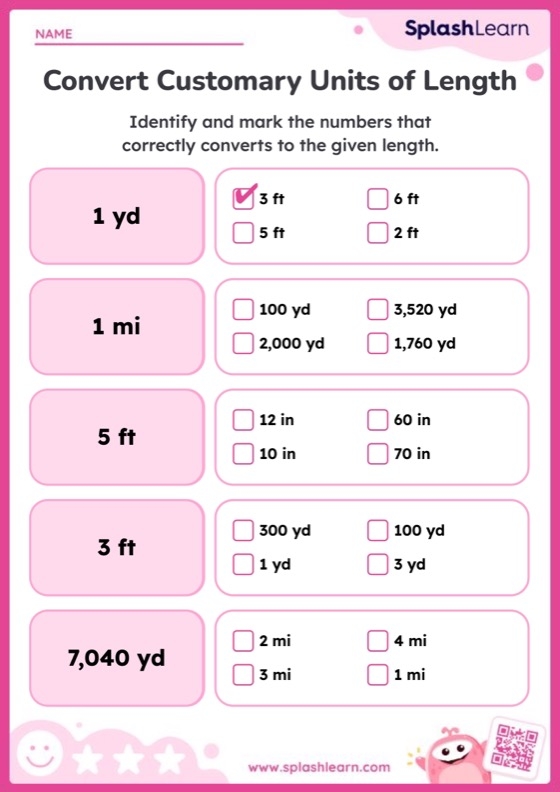
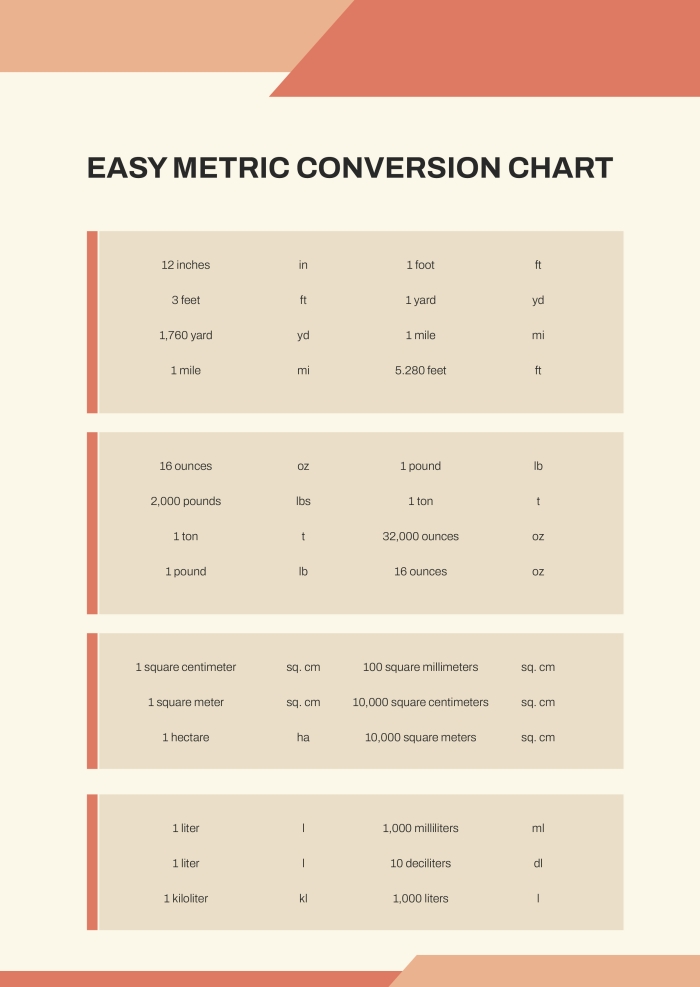
Mastering the metric system is essential for fifth graders, especially when it comes to converting length measurements. This skill not only aids in academic success but also enhances everyday problem-solving abilities. When students practice on a dedicated worksheet, they gain hands-on experience that reinforces their understanding of how metric units relate to one another.
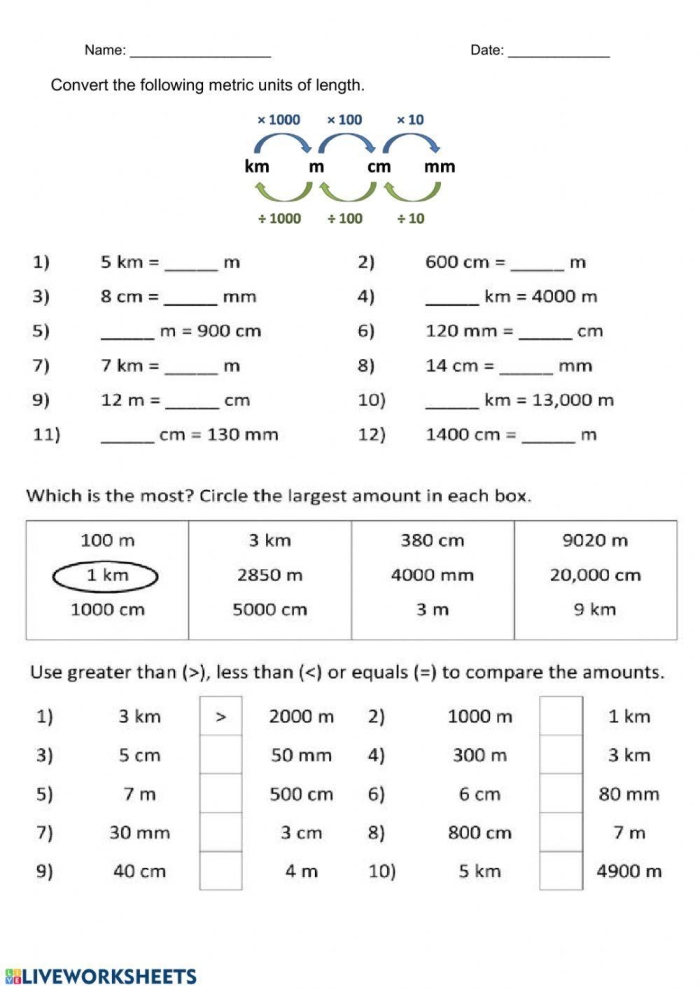
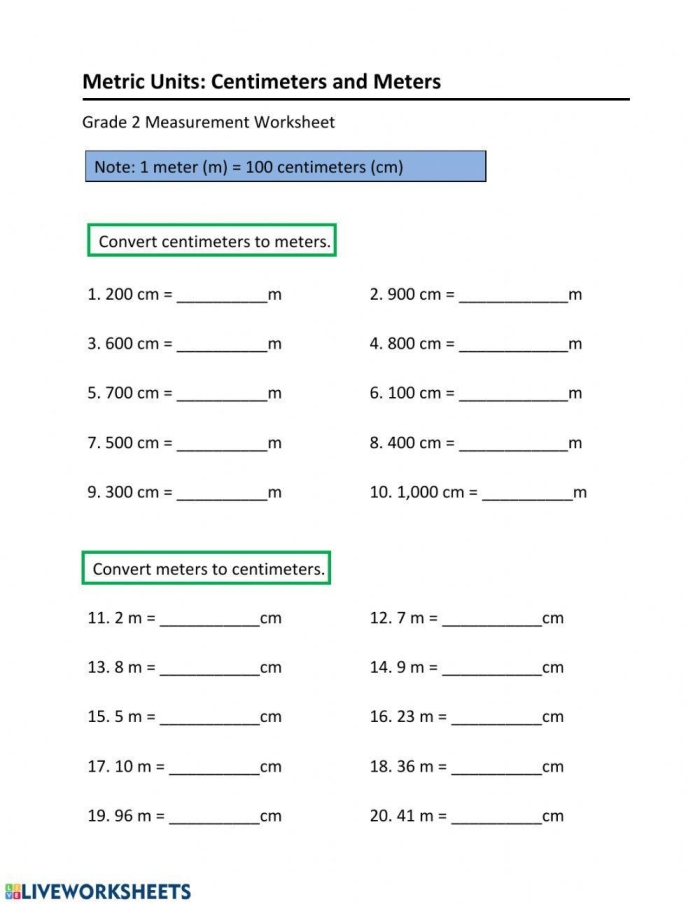
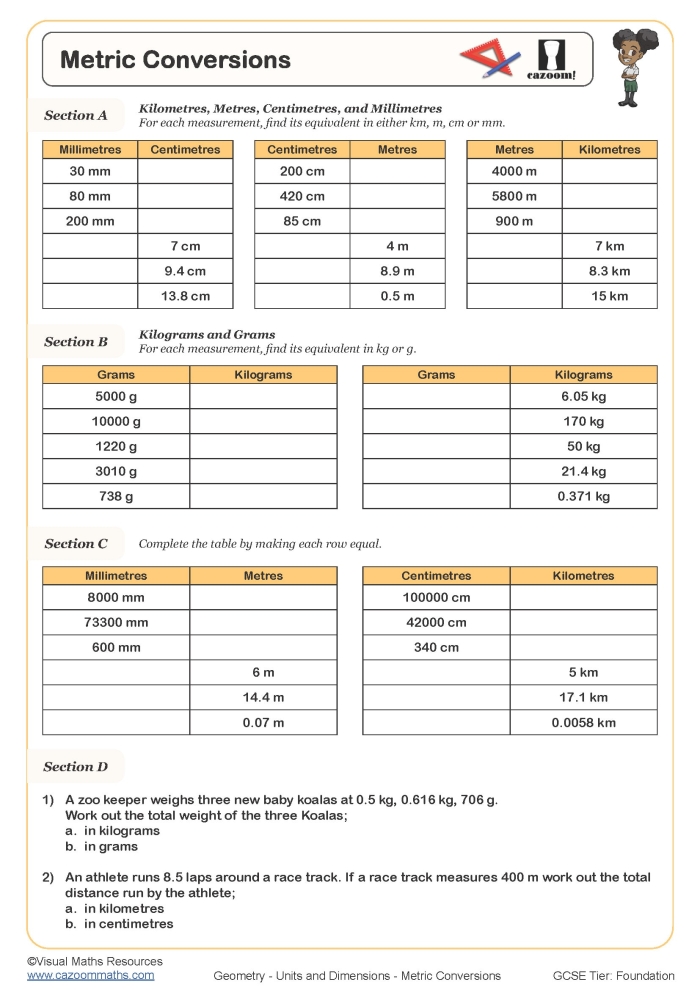
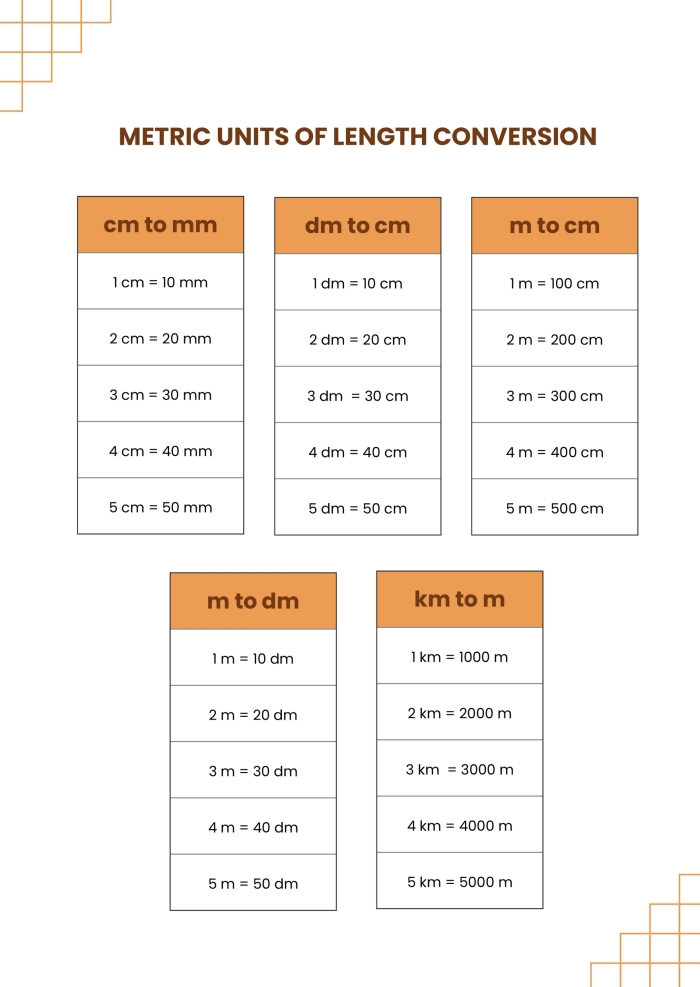
The metric system is based on units such as millimeters, centimeters, meters, and kilometers. For instance, knowing that 1 meter equals 100 centimeters or that 1 kilometer equals 1,000 meters is crucial for making accurate conversions. A worksheet designed specifically for these conversions can help students practice these relationships in a structured way. By engaging with real-world examples, such as measuring the length of a classroom or the height of a building in meters and centimeters, students can see the practical application of what they are learning.
Moreover, worksheets that focus on converting metric units can cater to various learning styles. Visual learners benefit from diagrams that illustrate the different units, while kinesthetic learners might enjoy measuring objects with rulers. This variety in approach makes the learning process not only effective but also enjoyable.
Using a practice worksheet can help solidify these concepts. It allows students to work through conversions step-by-step, ensuring they understand each part of the process. Additionally, students can challenge themselves with problems that require converting between multiple units, strengthening their skills further.
As students work through these exercises in the context of their fifth-grade curriculum, they are not just memorizing facts; they are building a foundation for future math and science studies. The ability to convert metric units seamlessly will serve them well, whether in more advanced classes or in real-life situations.
Worksheet Practice Section