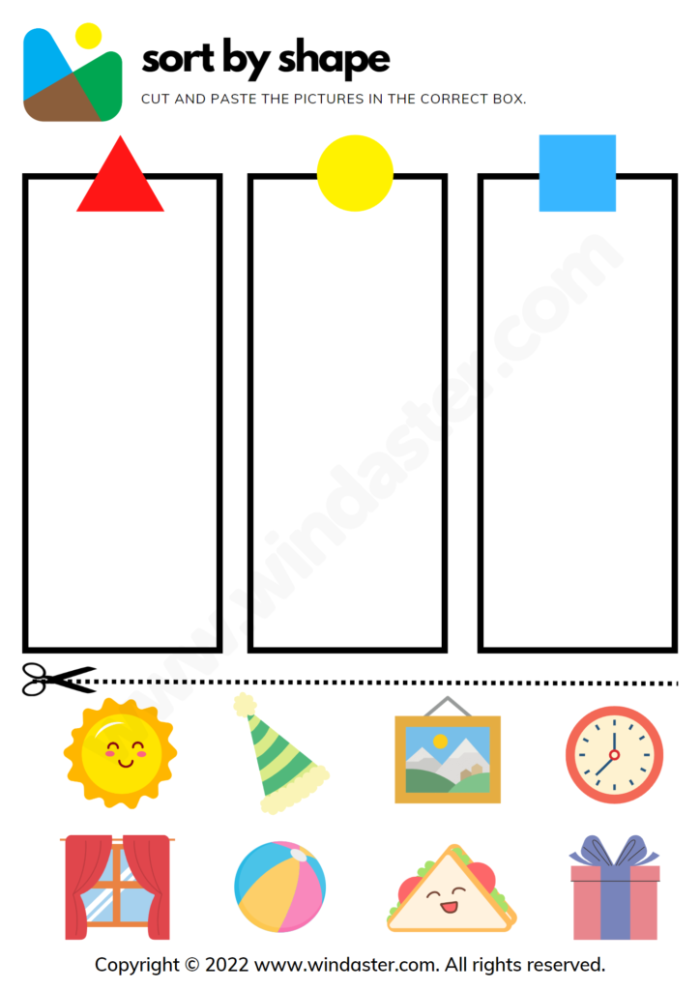
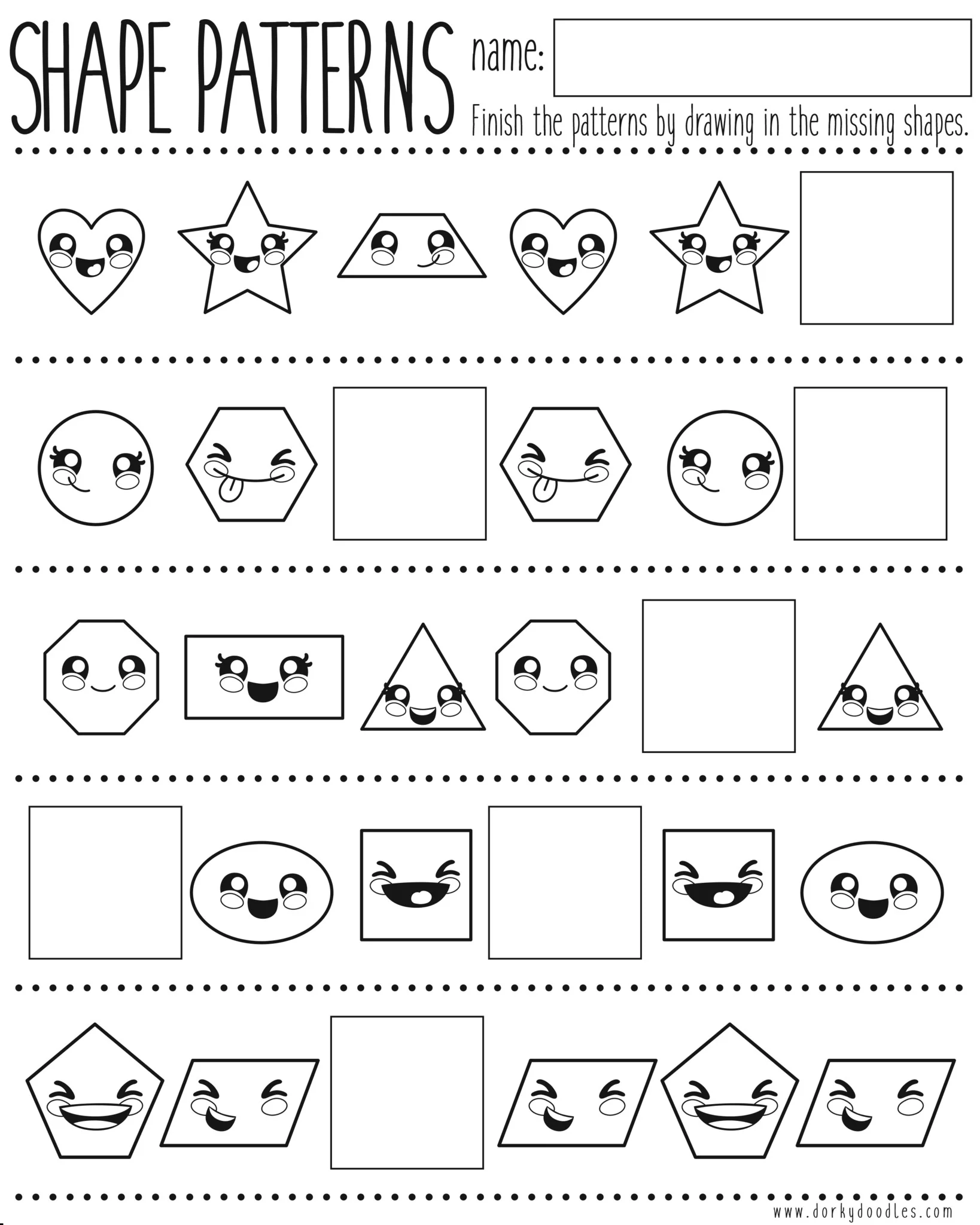
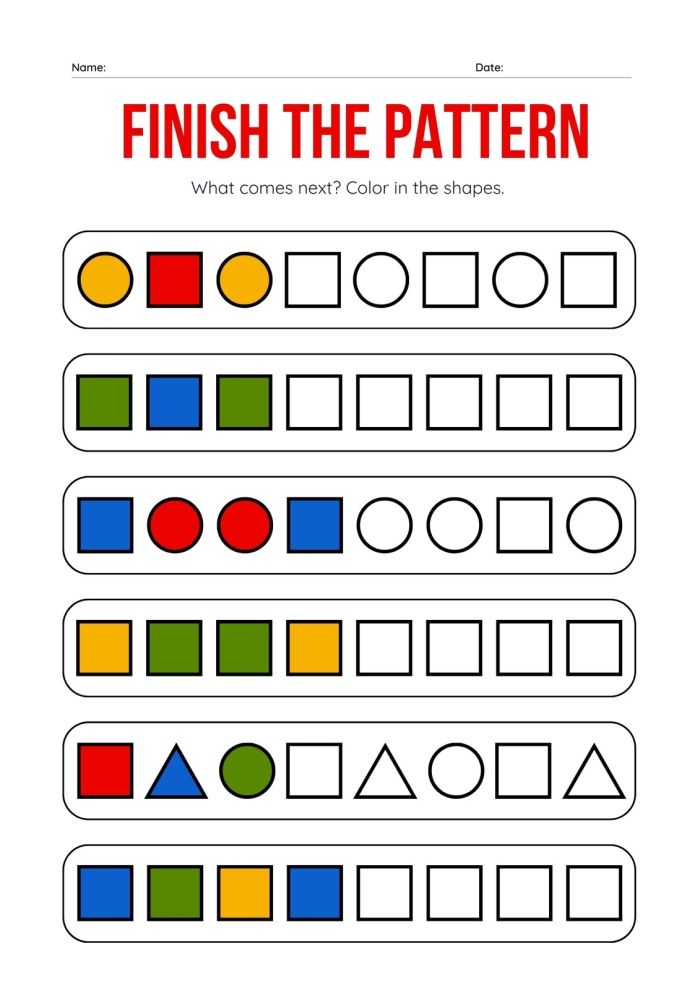
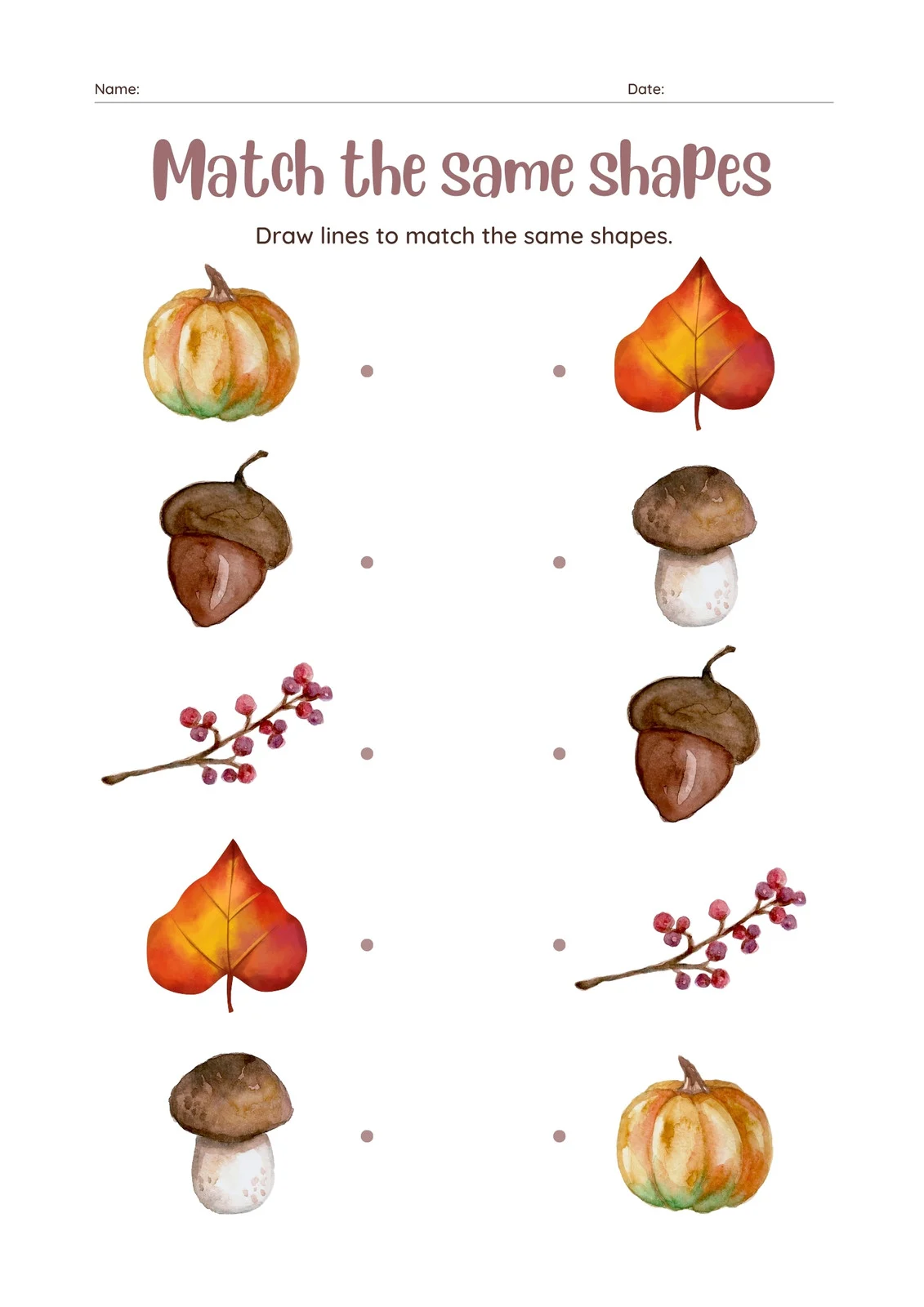
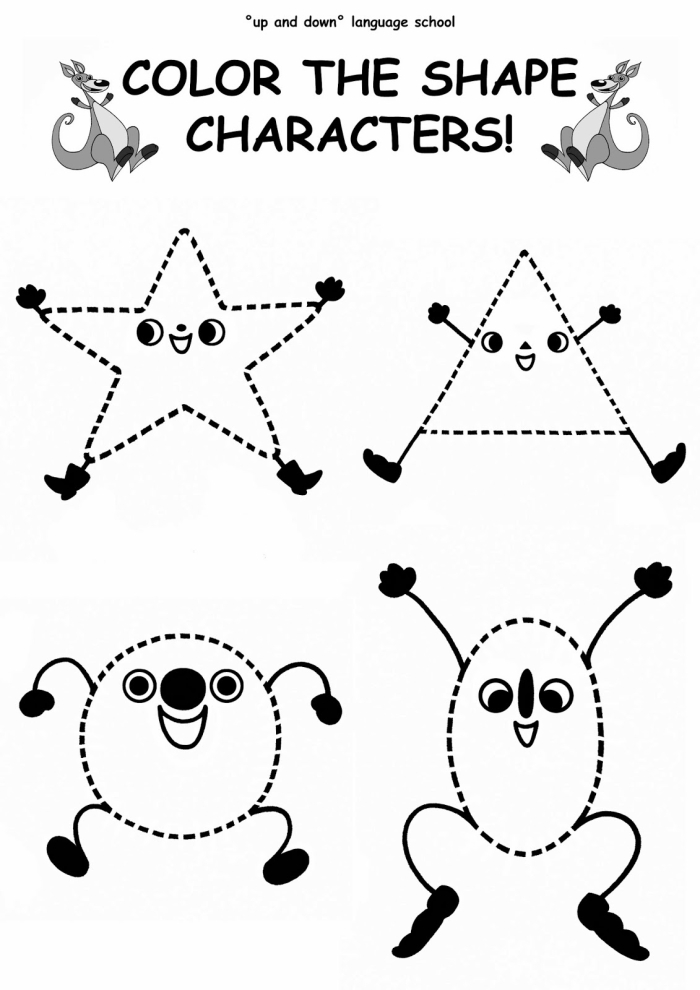
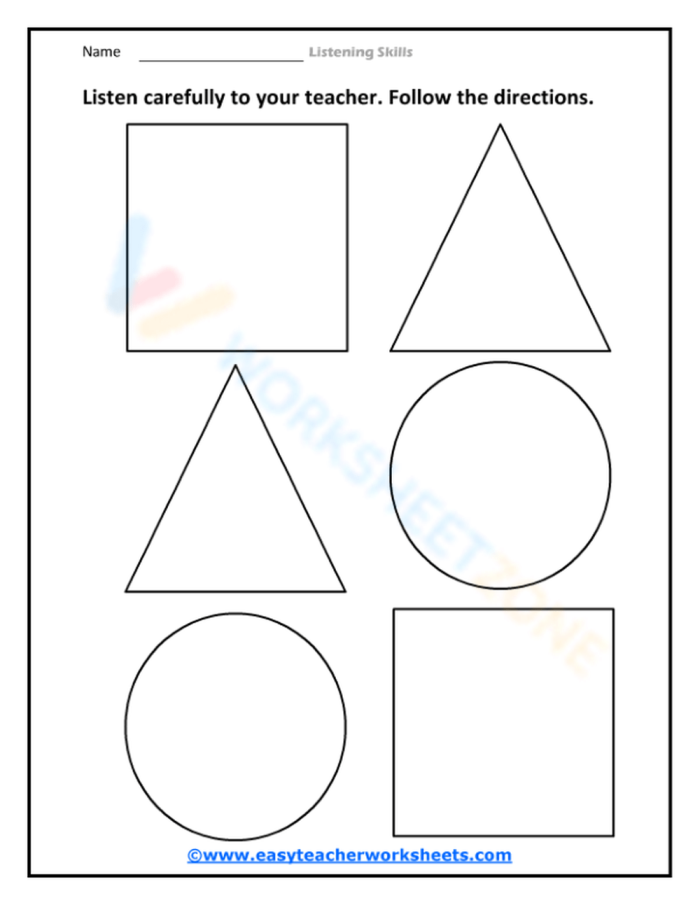
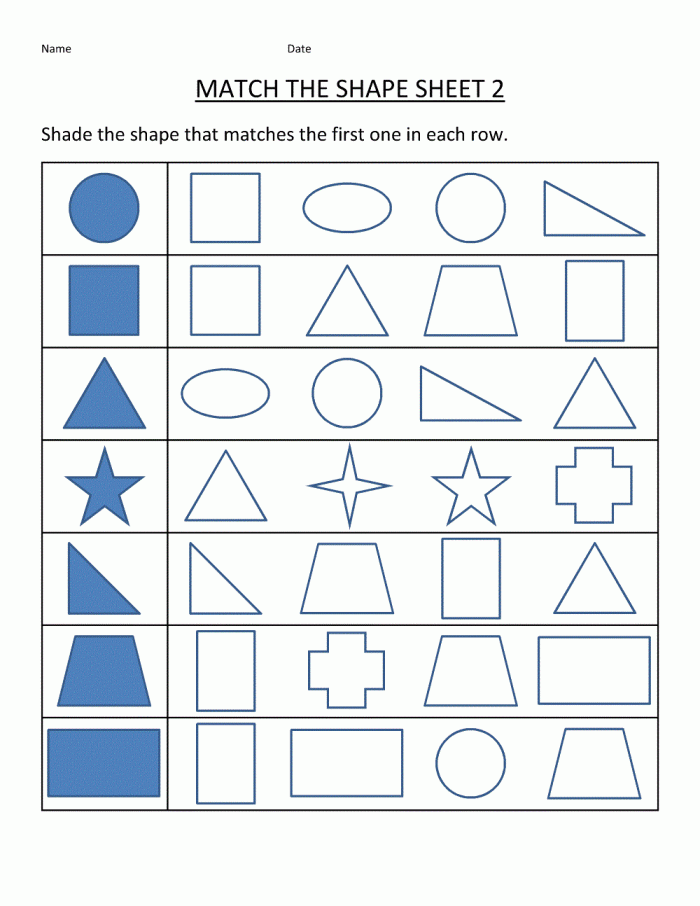
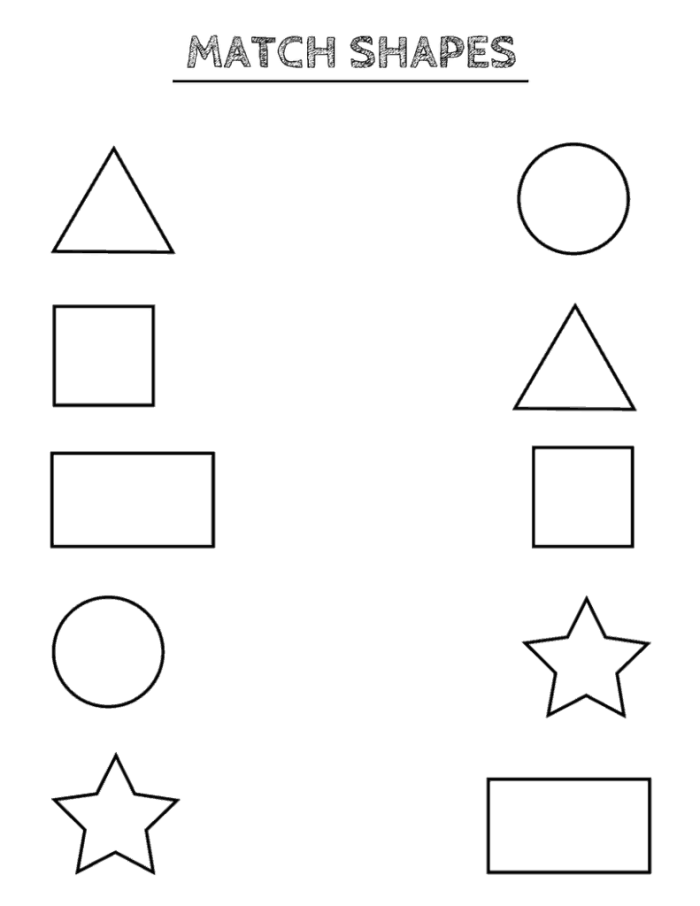
Shape recognition forms one of the earliest math foundations in Pre-K classrooms, yet many teachers struggle to gauge whether their students can actually identify and draw 2D shapes with confidence. This assessment worksheet cuts through the guesswork by offering a straightforward way to measure what your students know and where they need support.
Young learners encounter shapes everywhere: circles in wheels, squares in windows, triangles on roofs. But recognizing a shape in the real world differs from being able to name it or recreate it on paper. That’s where a focused assessment becomes invaluable. Rather than relying on informal observations during playtime, a dedicated worksheet gives you concrete evidence of each child’s abilities. You’ll see which students can distinguish a rectangle from a square, who struggles with the concept of sides and corners, and who needs more hands-on practice before moving forward.
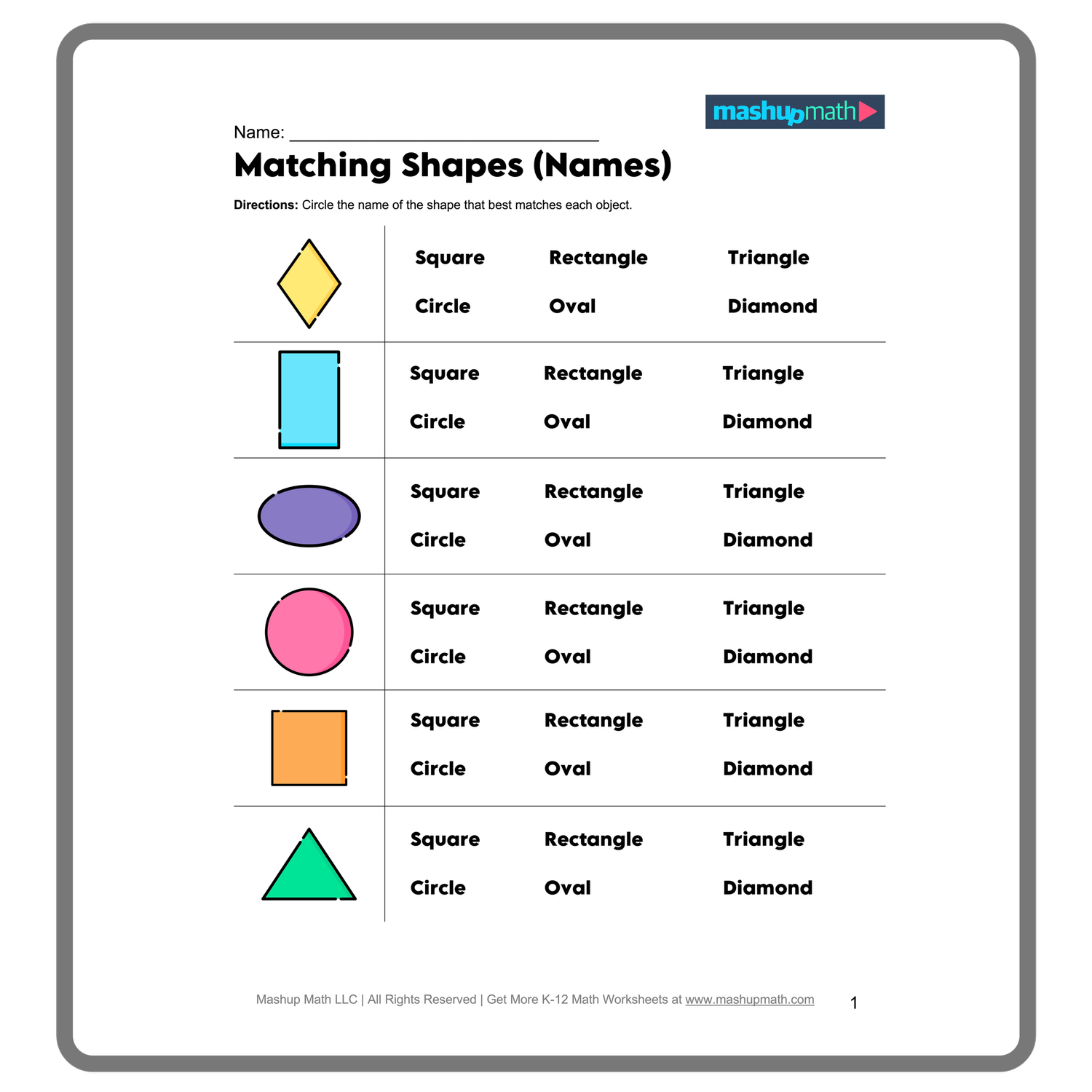
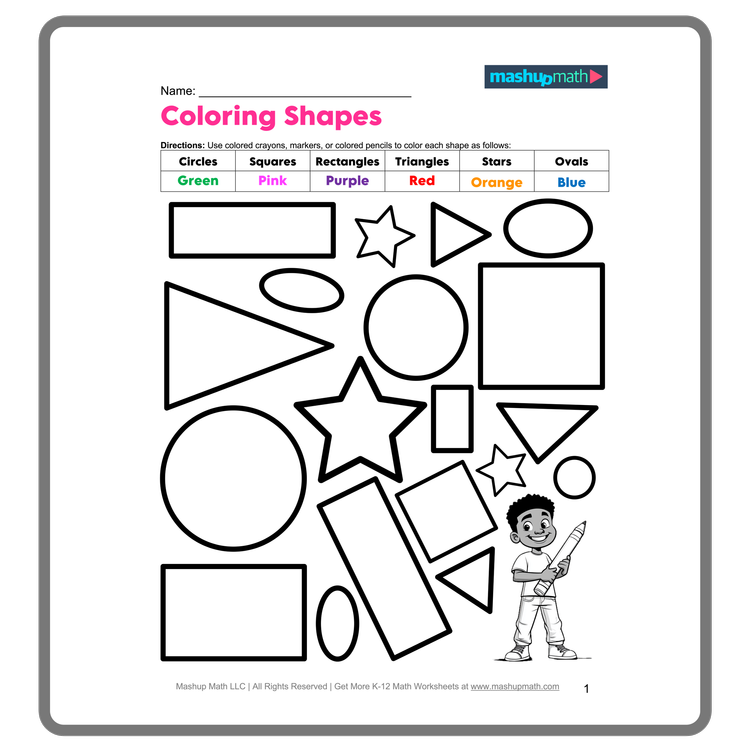
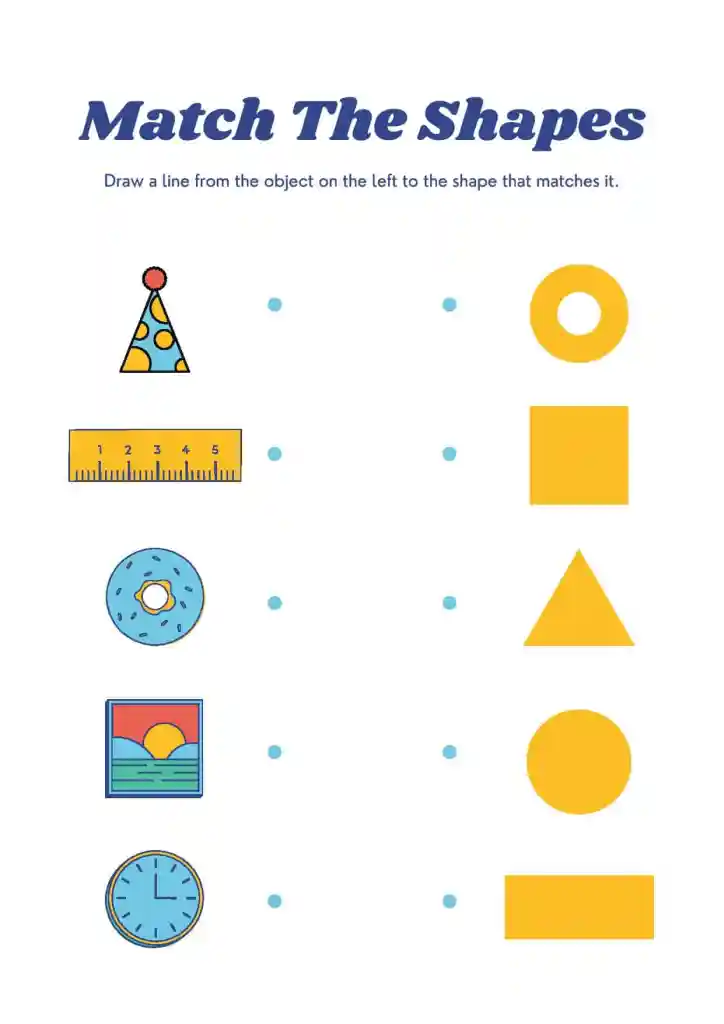
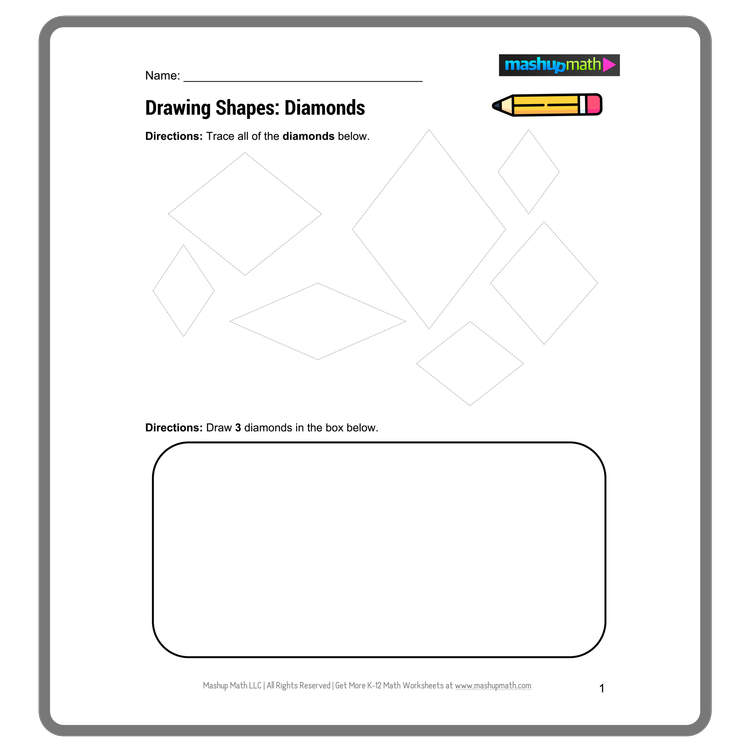
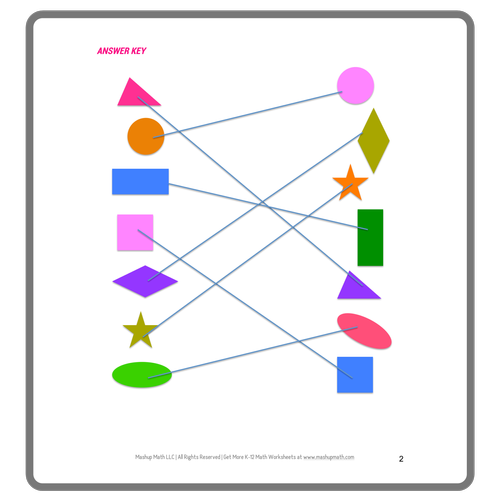
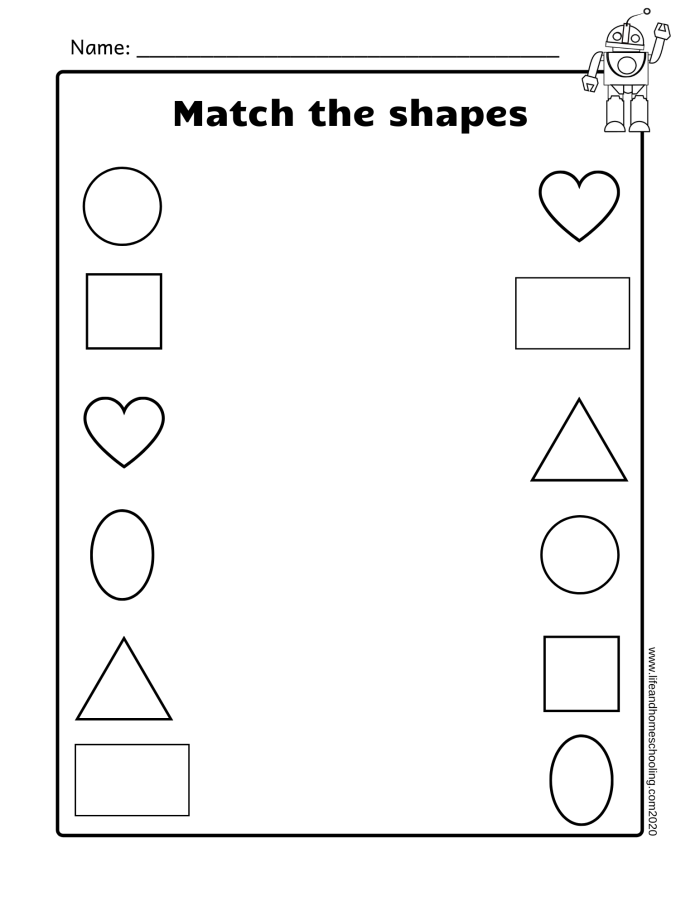
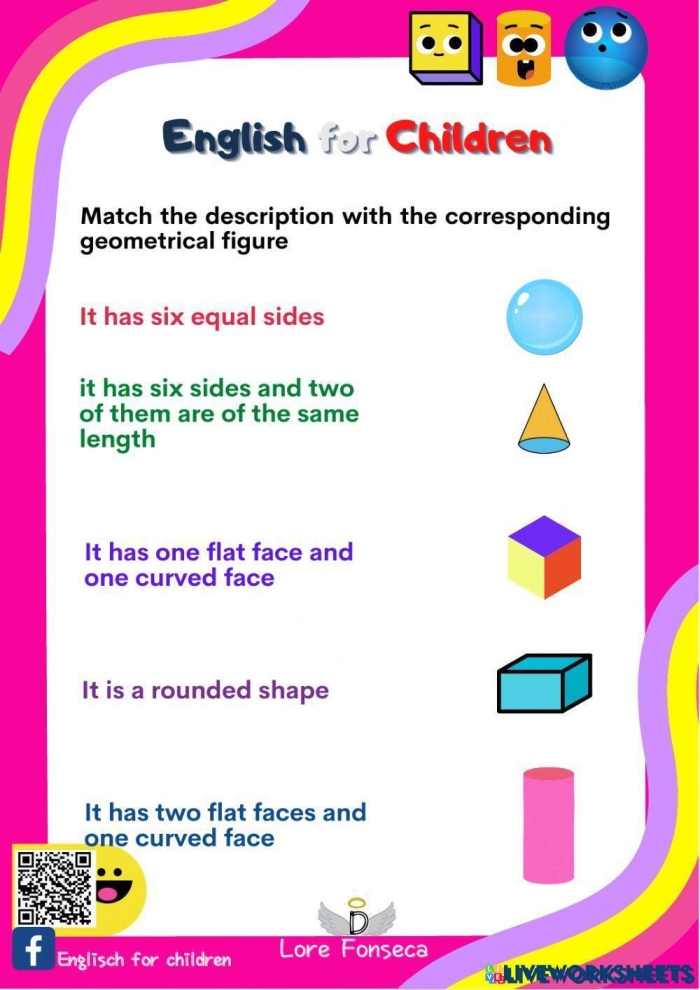
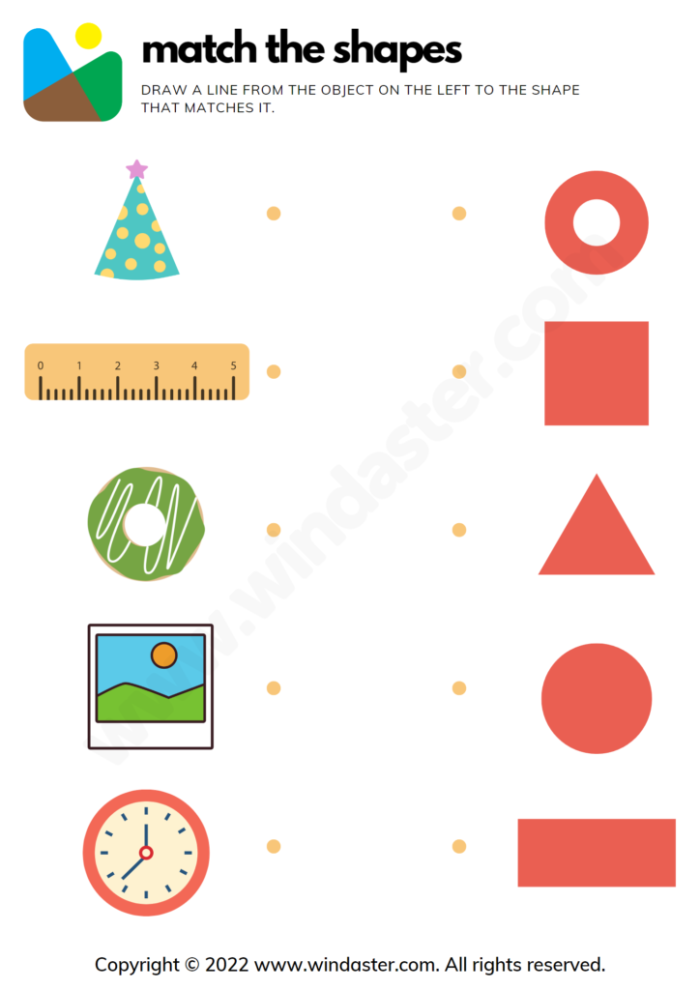
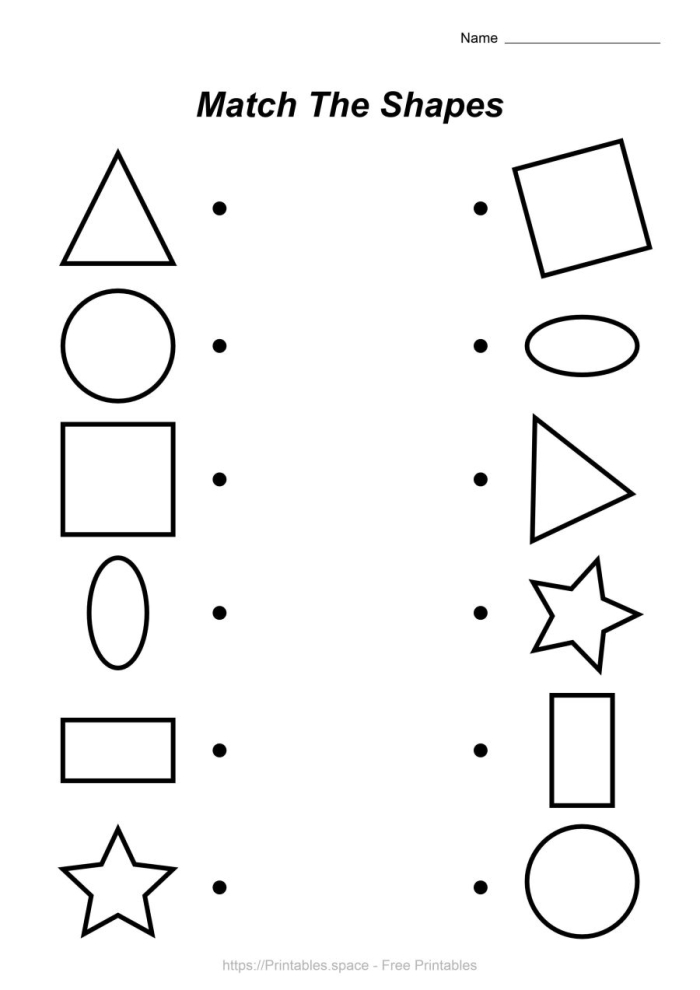
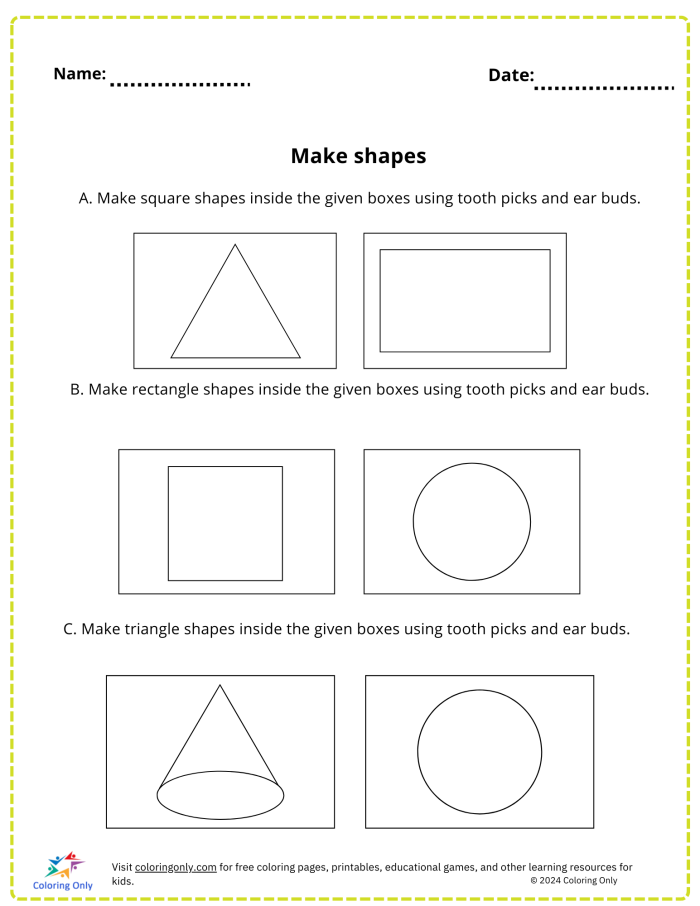
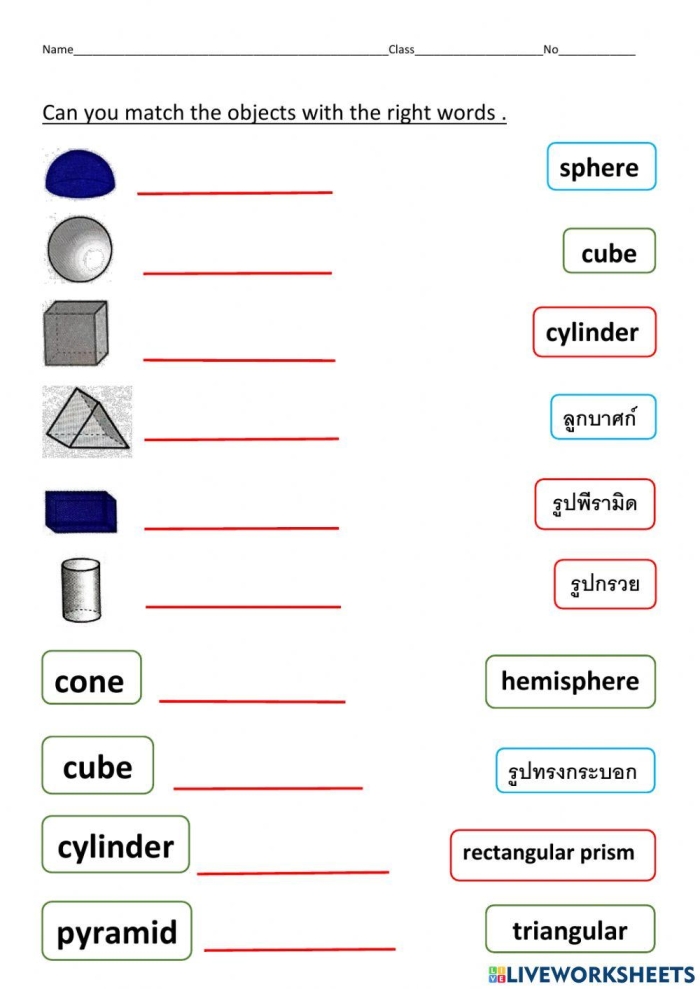
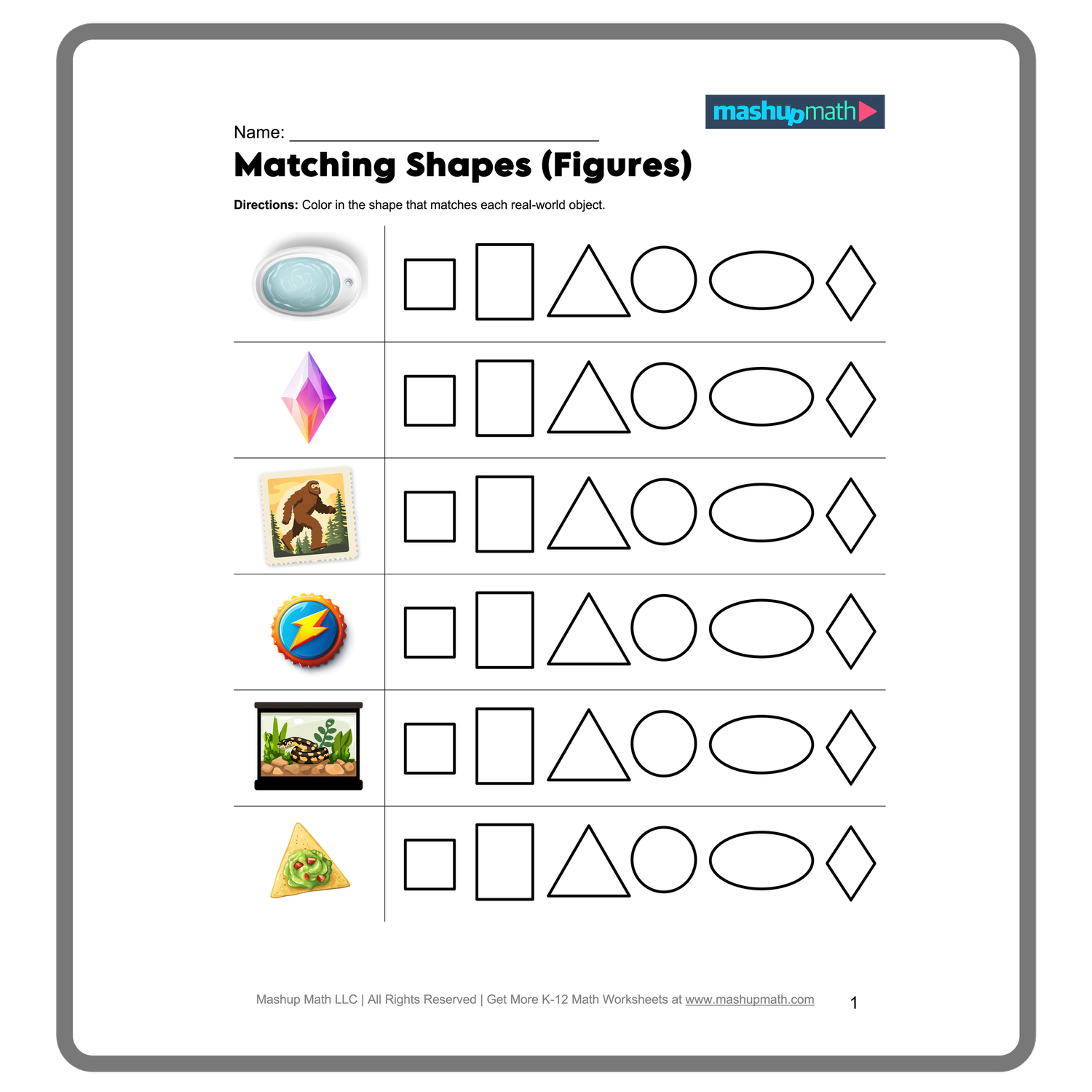
The worksheet typically includes two main components: identification tasks where students match shapes to their names or pick out specific shapes from a mixed group, and drawing exercises where they attempt to recreate basic 2D shapes independently. This dual approach matters because a child might recognize a triangle when shown one but struggle to draw it from memory. Both skills matter for building spatial reasoning and preparing students for more complex math concepts later.
Beyond assessment, these worksheets serve as teaching tools. Students who complete them gain repeated exposure to shape names and properties. The act of drawing reinforces motor skills and shape memory simultaneously. If your Pre-K classroom incorporates addition readiness activities, shape worksheets pair well with counting and grouping exercises.
You might also explore complementary learning materials like resources on letter recognition in Spanish or weather concepts to create a well-rounded assessment approach across multiple skill areas.
Hands-On Worksheet Activities