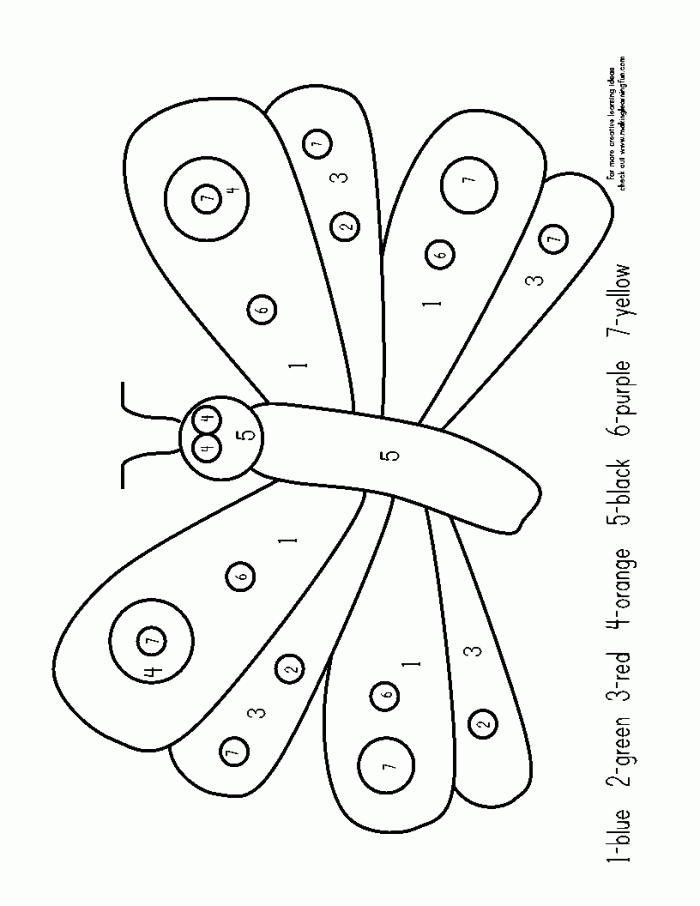
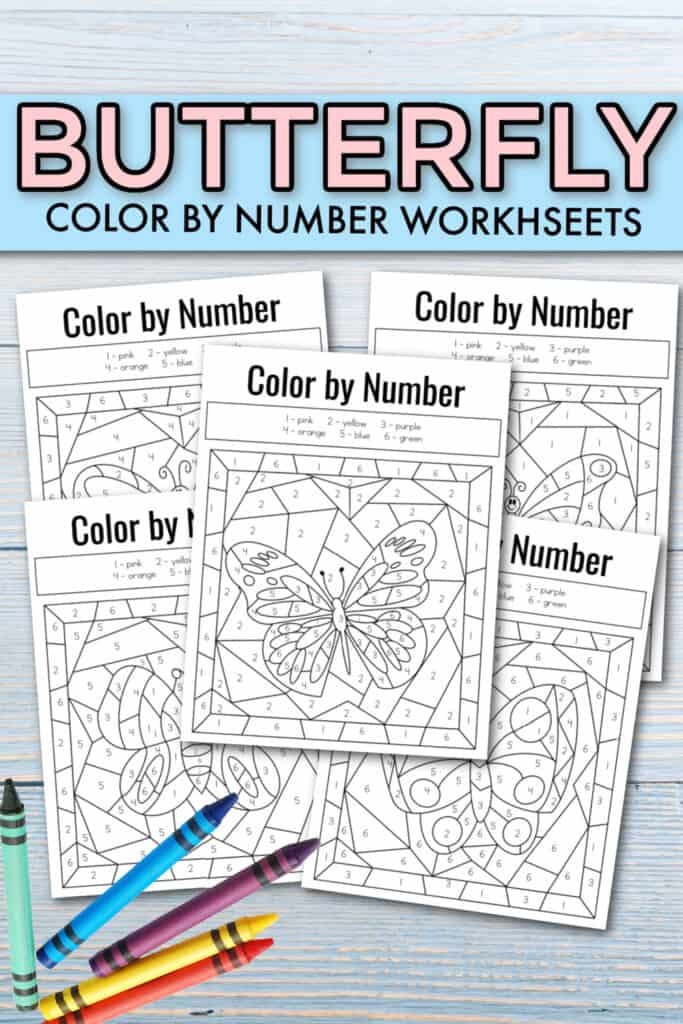
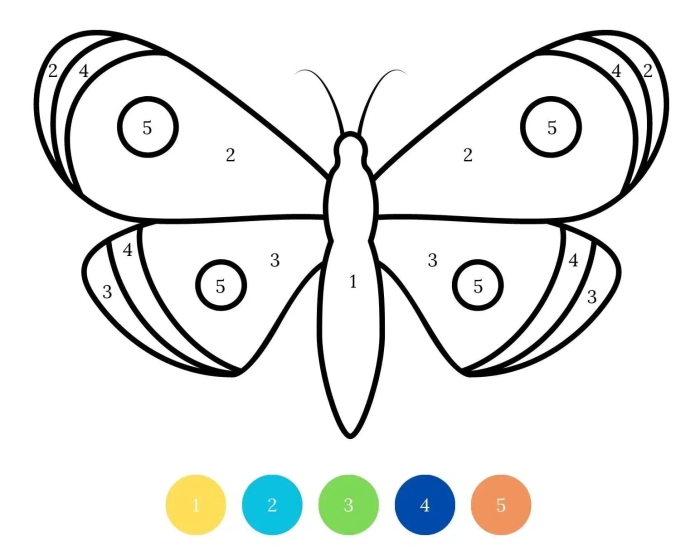
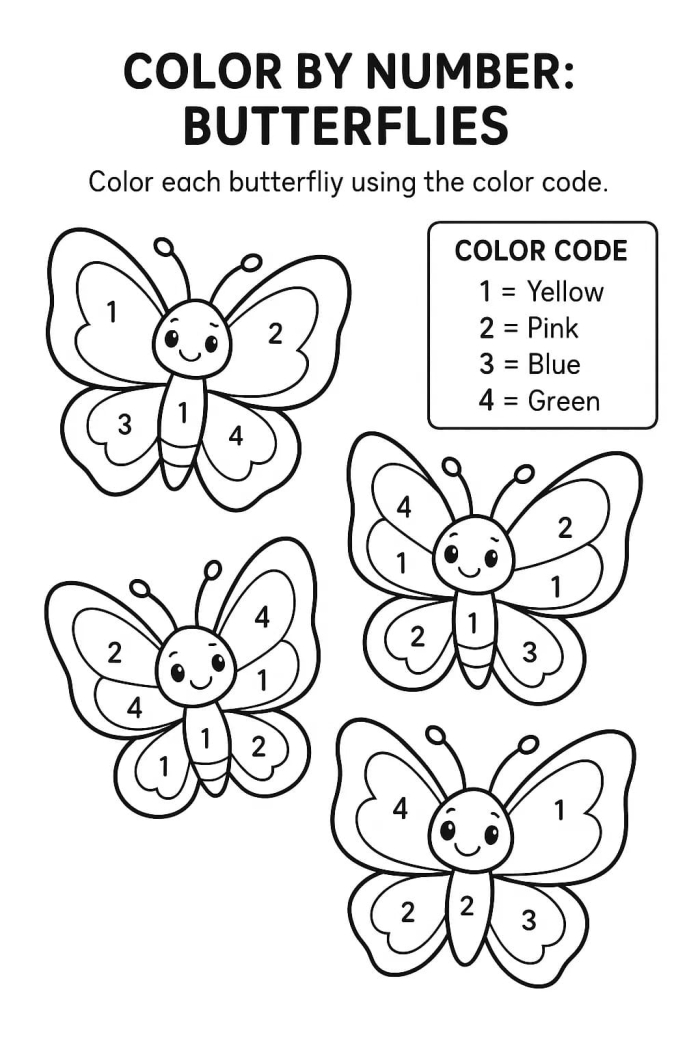
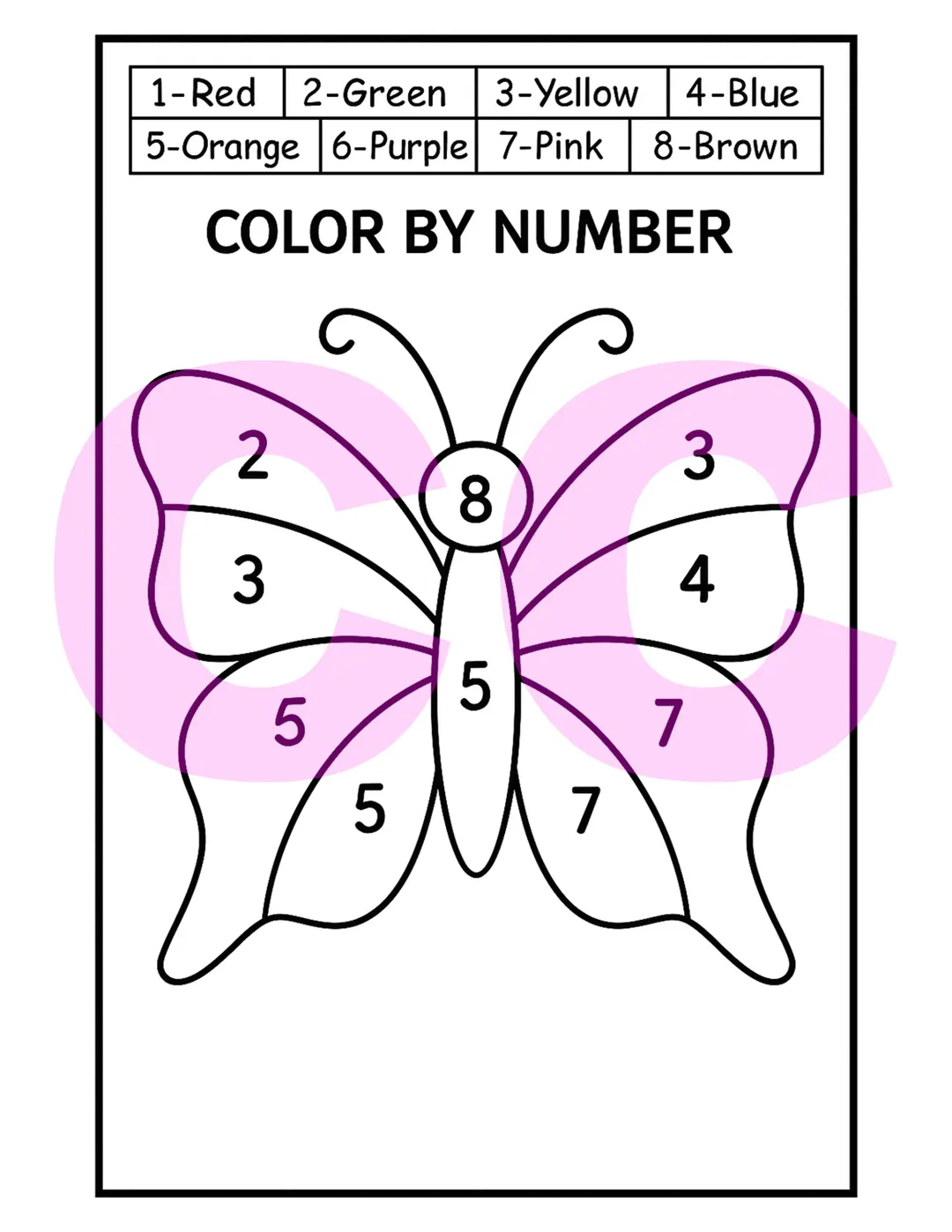
Butterflies are one of the most amazing and beautiful insects, and now they can even teach counting, too. What makes these creatures so special for early learners is that their symmetrical wings and colorful patterns naturally lend themselves to educational activities. When children engage with butterfly-themed learning tools, they’re not just admiring nature—they’re building foundational math skills without realizing it.
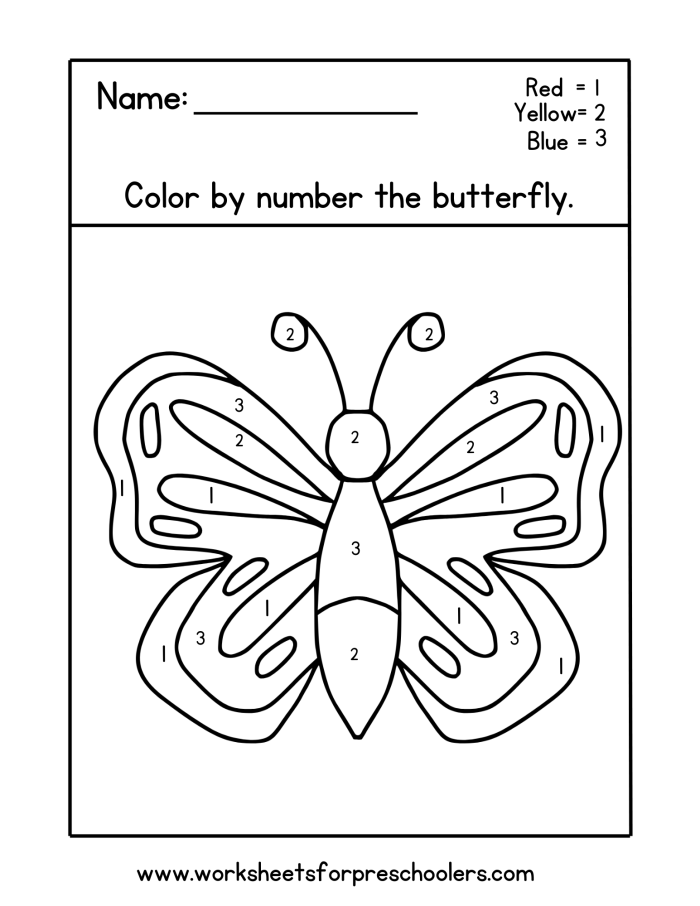
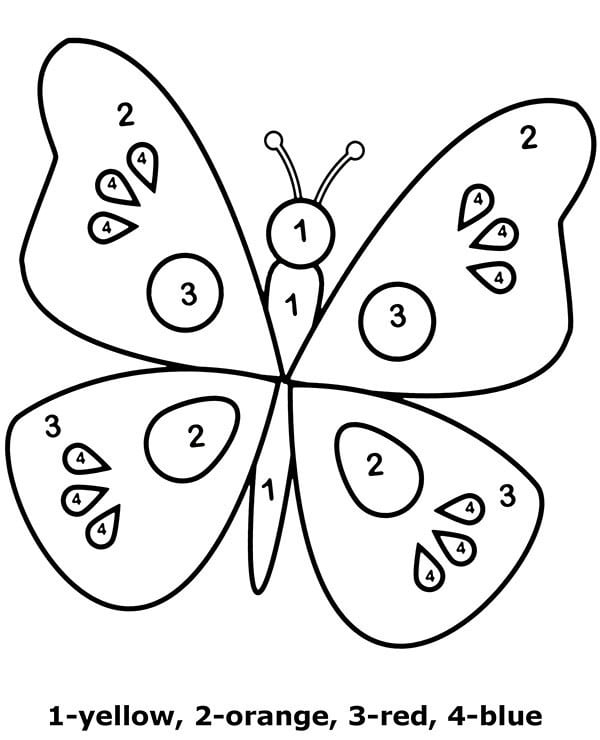
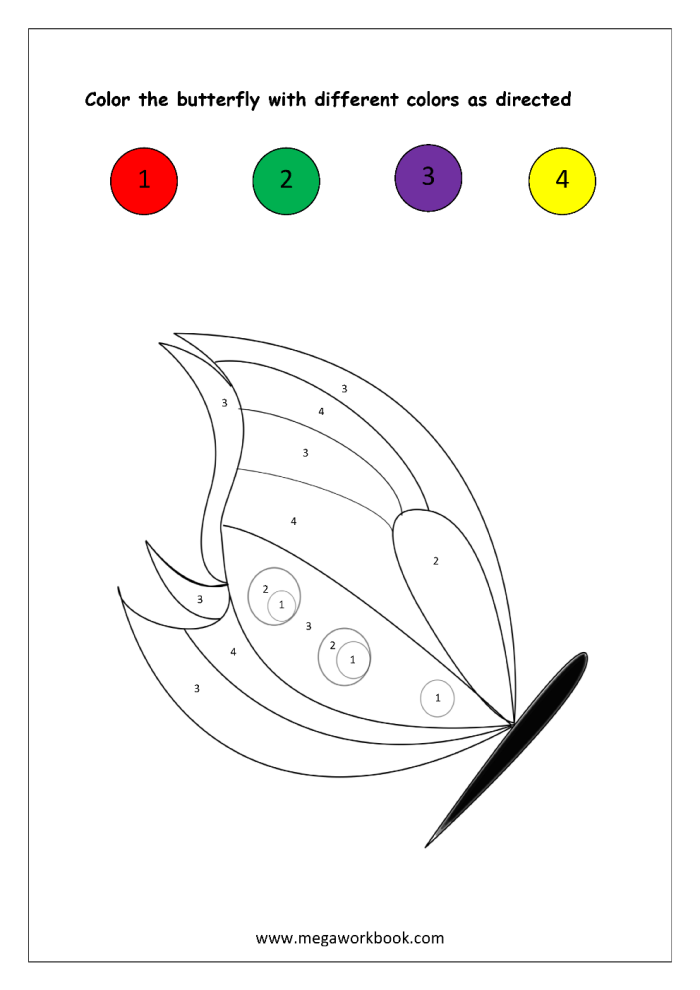
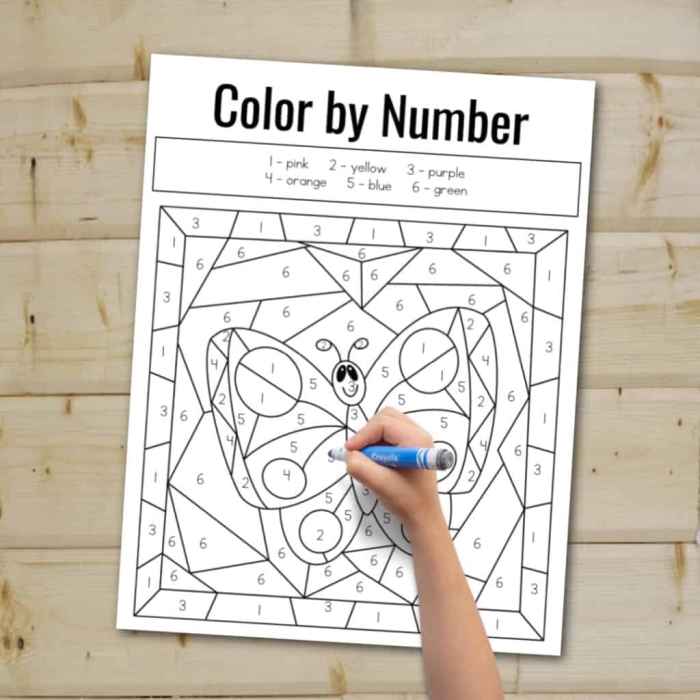
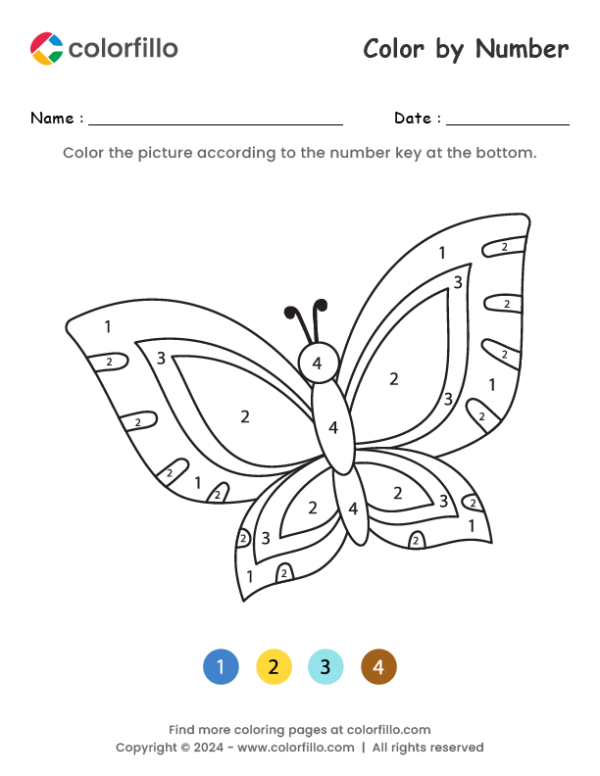
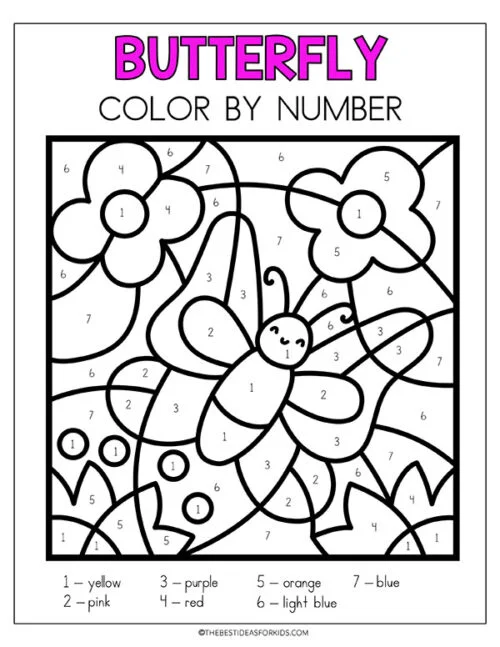
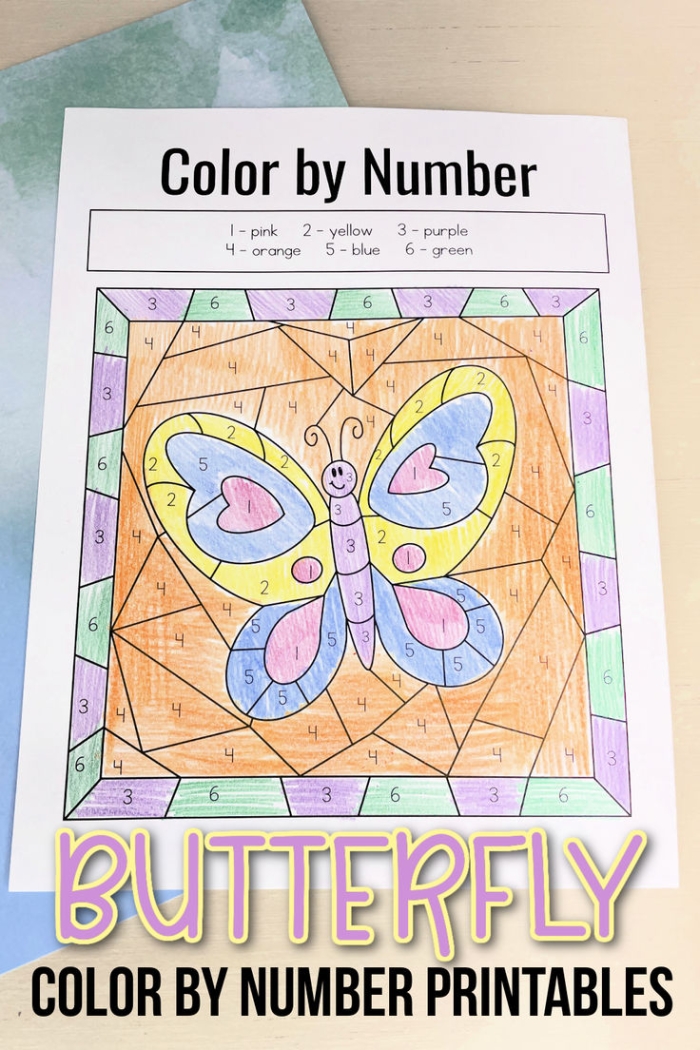
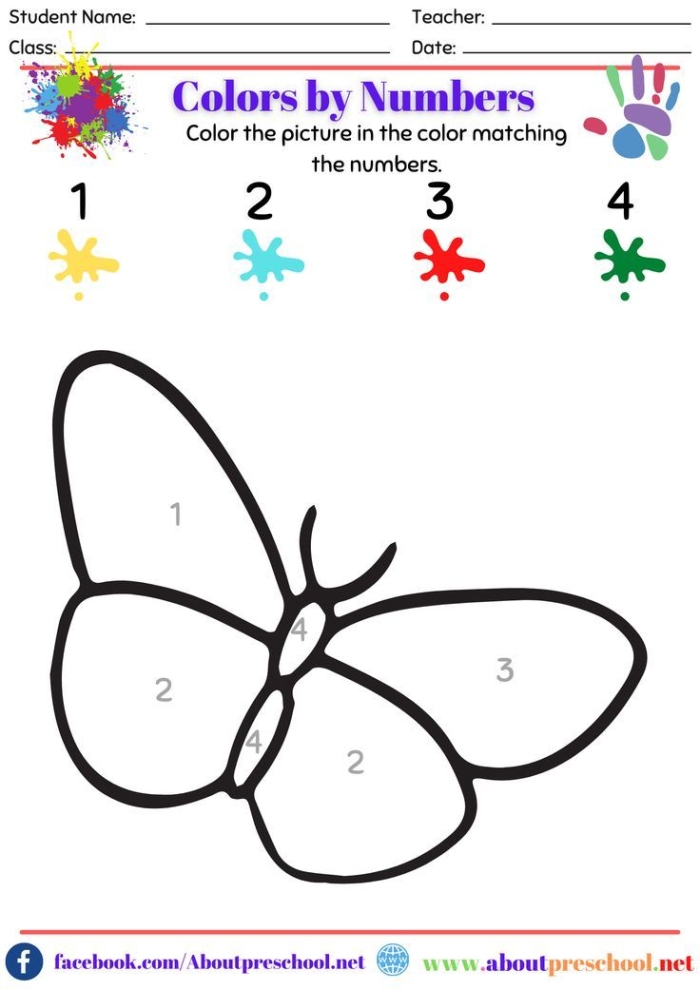
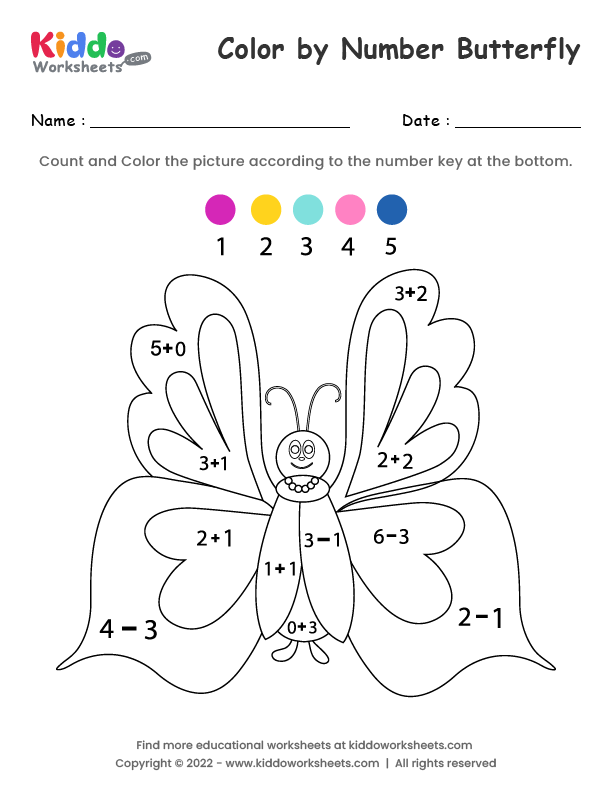
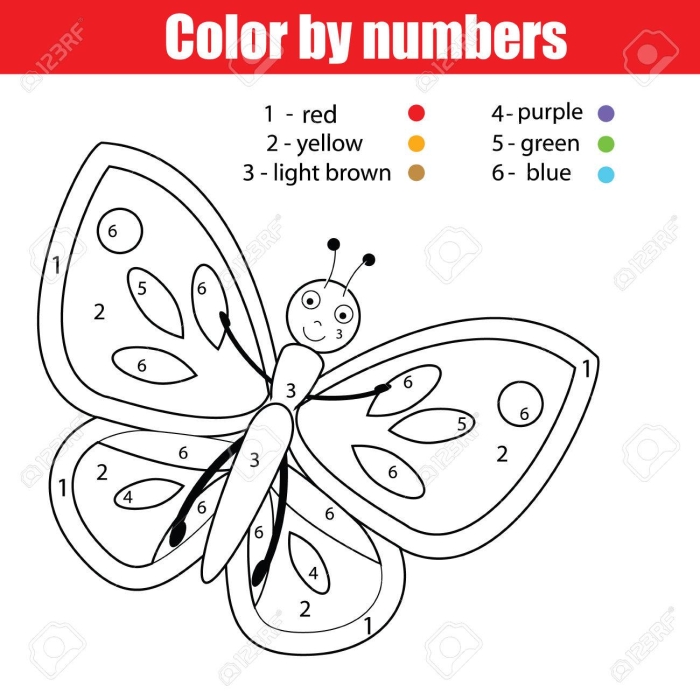
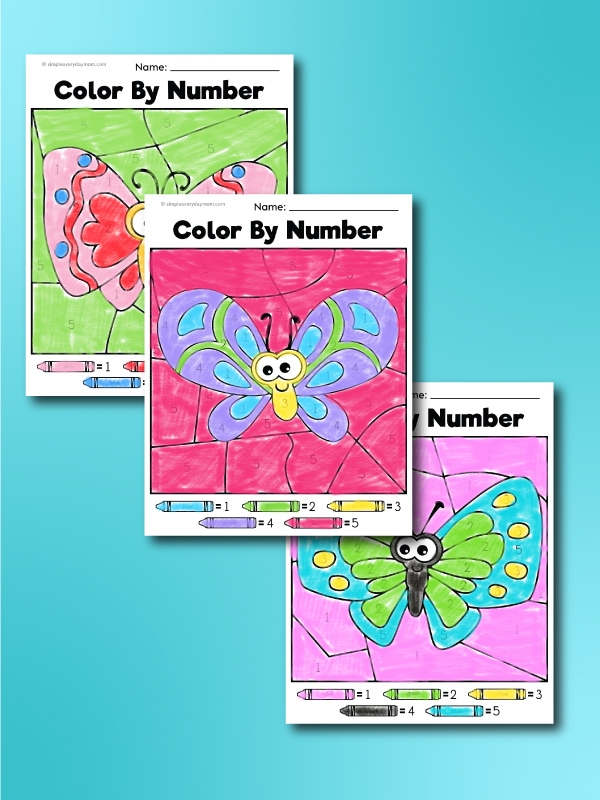
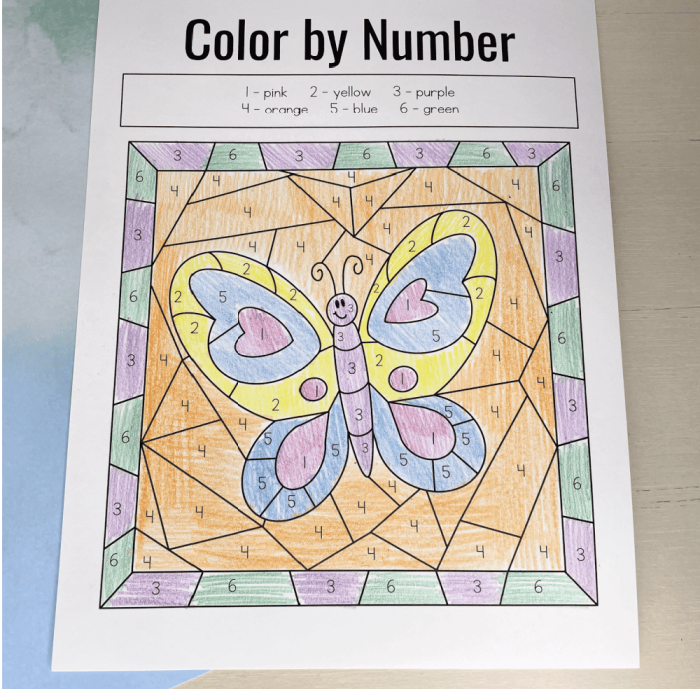
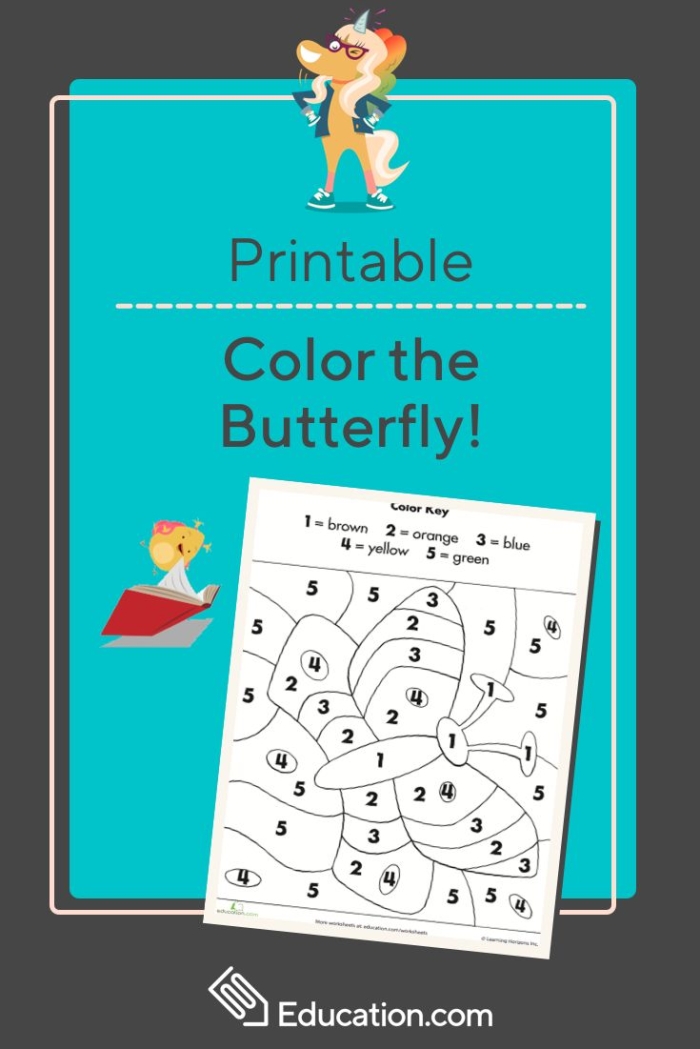
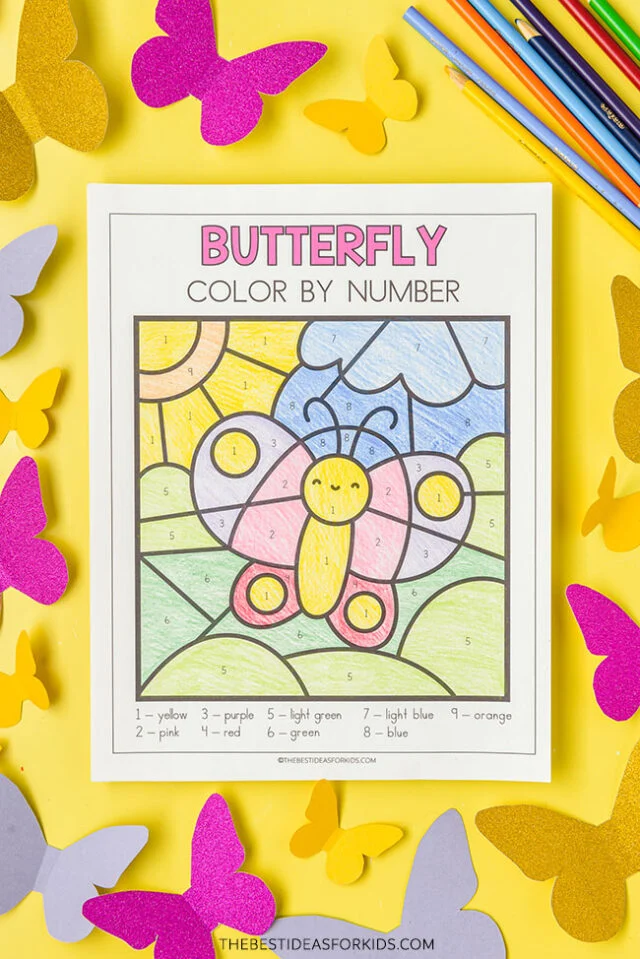
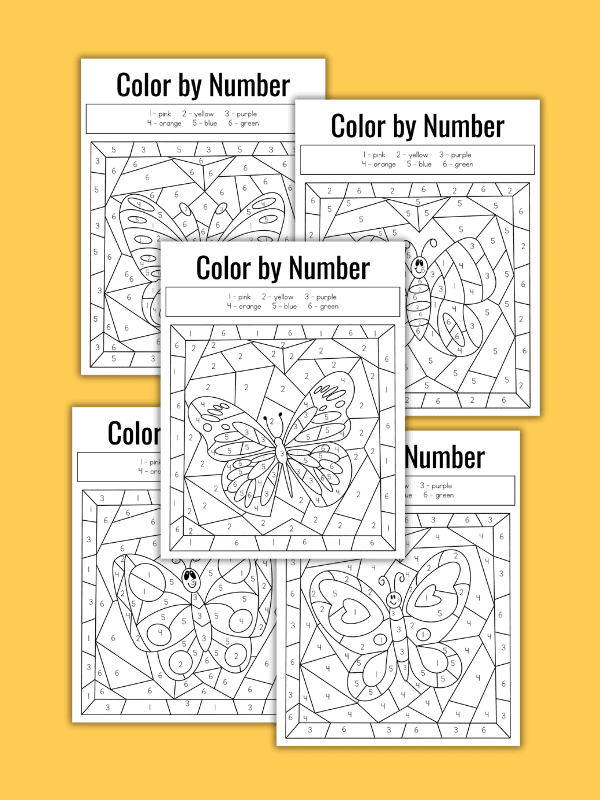
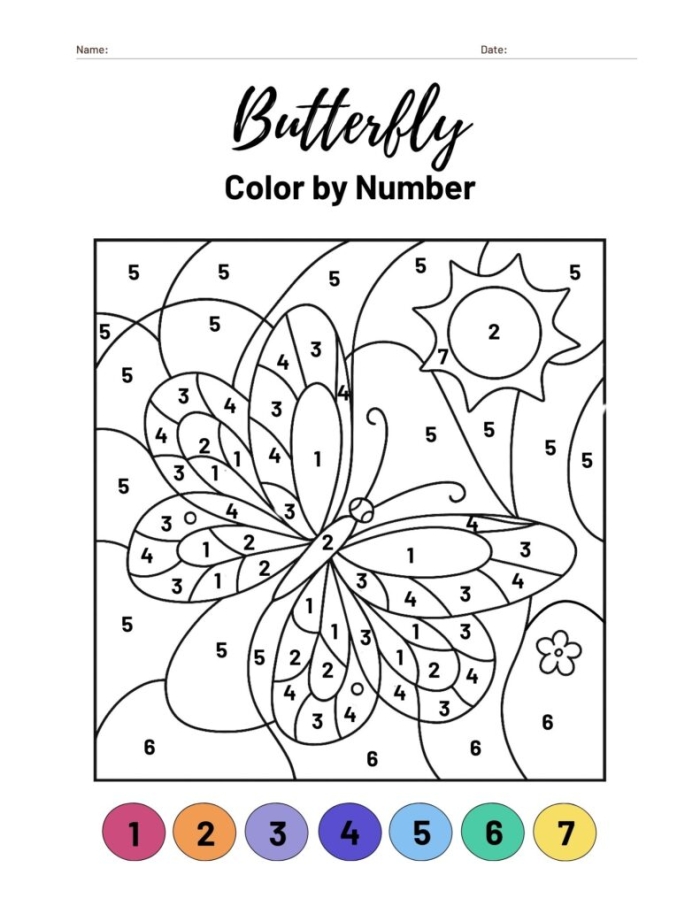
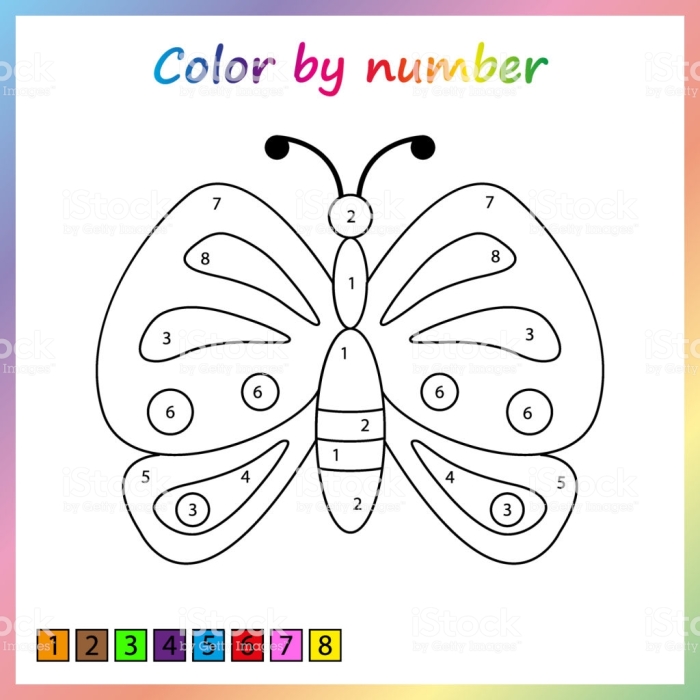
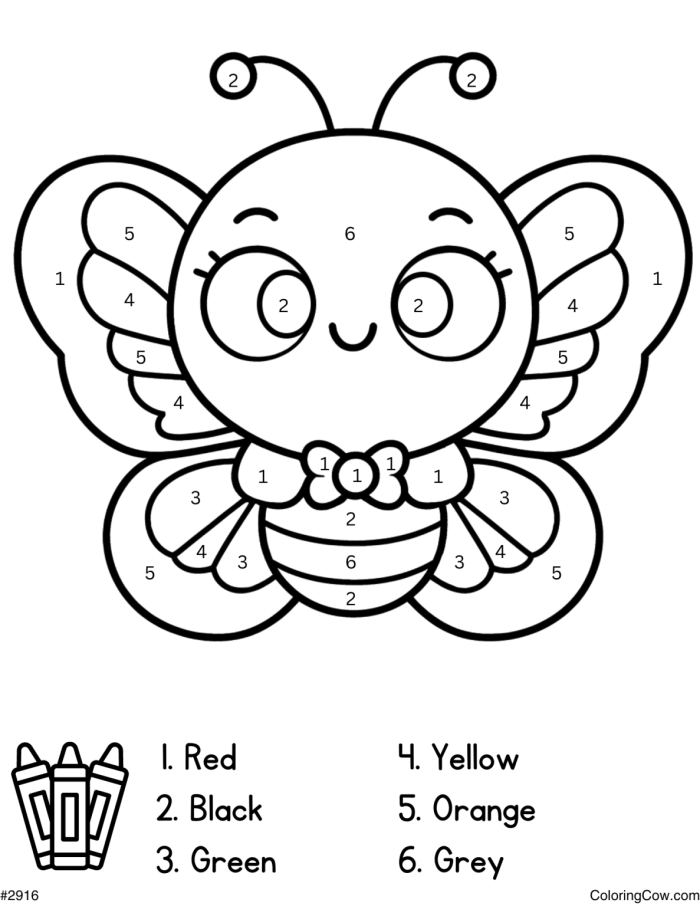
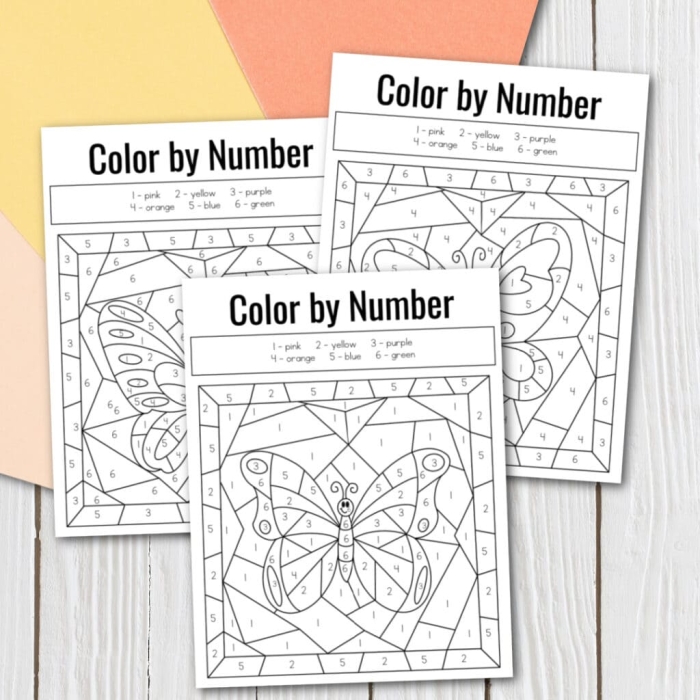
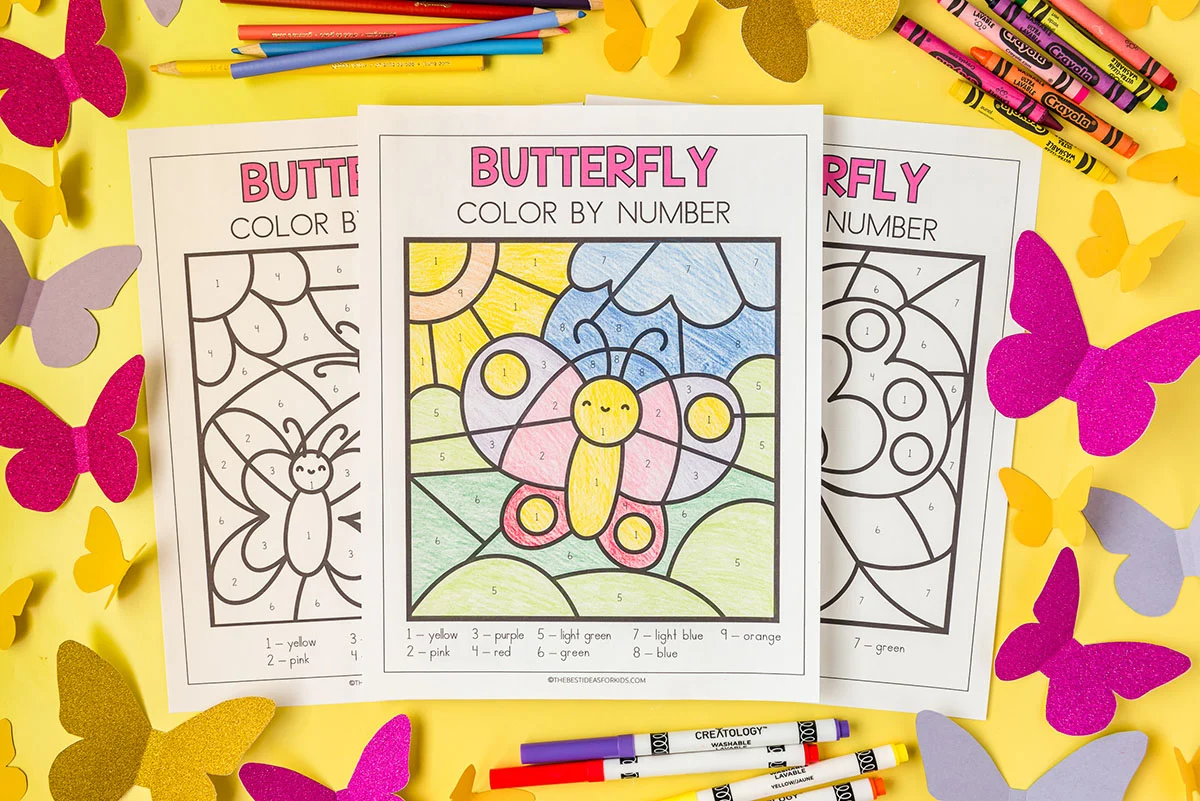
The magic happens when Pre-K students work with color by number butterfly worksheets. These activities combine art with numeracy in a way that keeps young minds engaged. A child might color a butterfly wing section marked with the number 3, then move to another section labeled 5, gradually building number recognition and sequencing. The visual reward of watching a beautiful butterfly emerge as they complete each numbered section creates genuine motivation to continue learning.
What makes butterfly-based learning particularly effective for geometry instruction is how naturally it introduces shape concepts. Butterfly wings demonstrate symmetry, one of the core geometry principles Pre-K students need to understand. As children trace or color matching patterns on both sides of a butterfly’s body, they’re internalizing bilateral symmetry without formal terminology.
Teachers and parents can enhance this learning by pairing butterfly coloring activities with complementary exercises. Activities like dot-to-dot counting sequences reinforce number order, while cutting and shape activities develop the fine motor skills needed for writing numbers later.
The butterfly’s role in early education extends beyond simple counting. These insects naturally capture children’s curiosity about the natural world, making them ideal ambassadors for introducing mathematical concepts in a context that feels meaningful and exciting rather than abstract.
Worksheet Practice Section