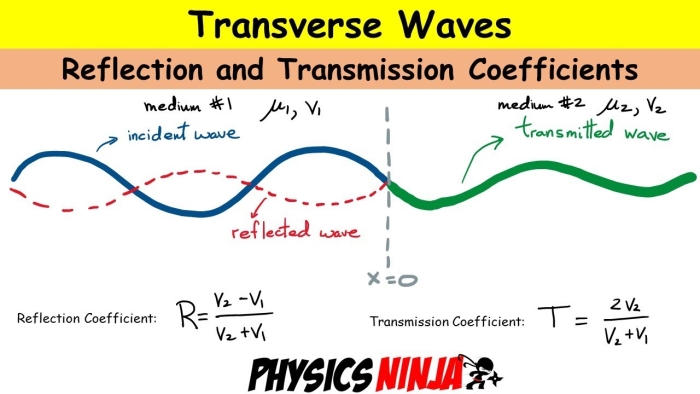
When light hits a mirror, it bounces straight back. When sound enters a thick blanket, it seems to disappear. When ocean waves crash against a rocky cliff, they scatter in all directions. These everyday observations point to something fundamental about how our physical world works: waves behave differently depending on what they encounter.
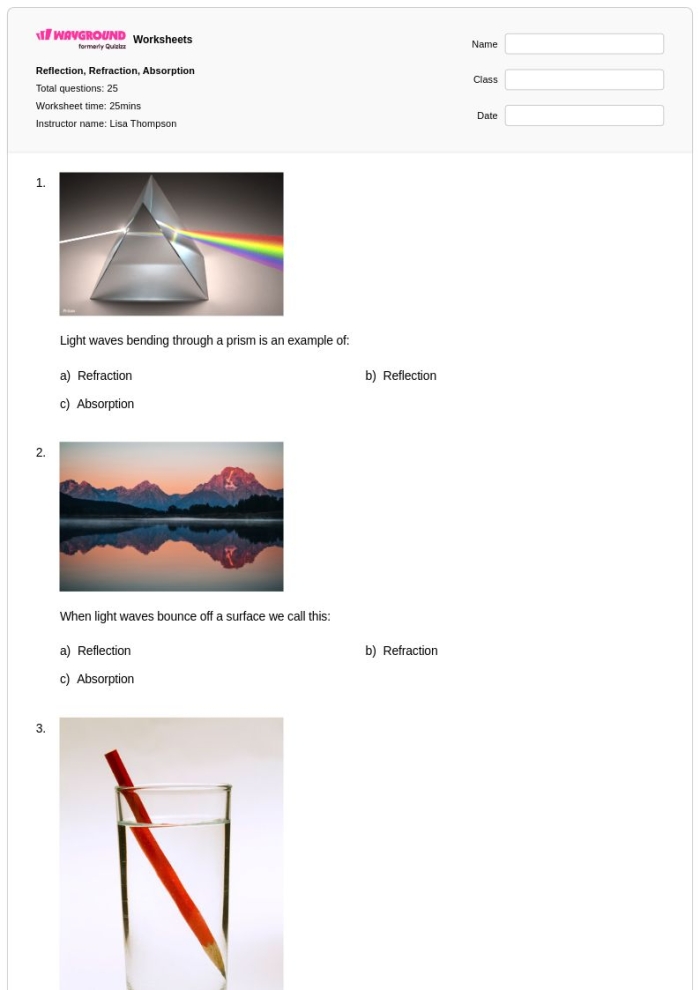
A solid worksheet on wave interactions gives sixth grade students a concrete way to understand these behaviors. Rather than memorizing definitions, learners work through scenarios that show transmission, absorption, and reflection in action. The three concepts form the foundation of how waves move through and interact with different materials.
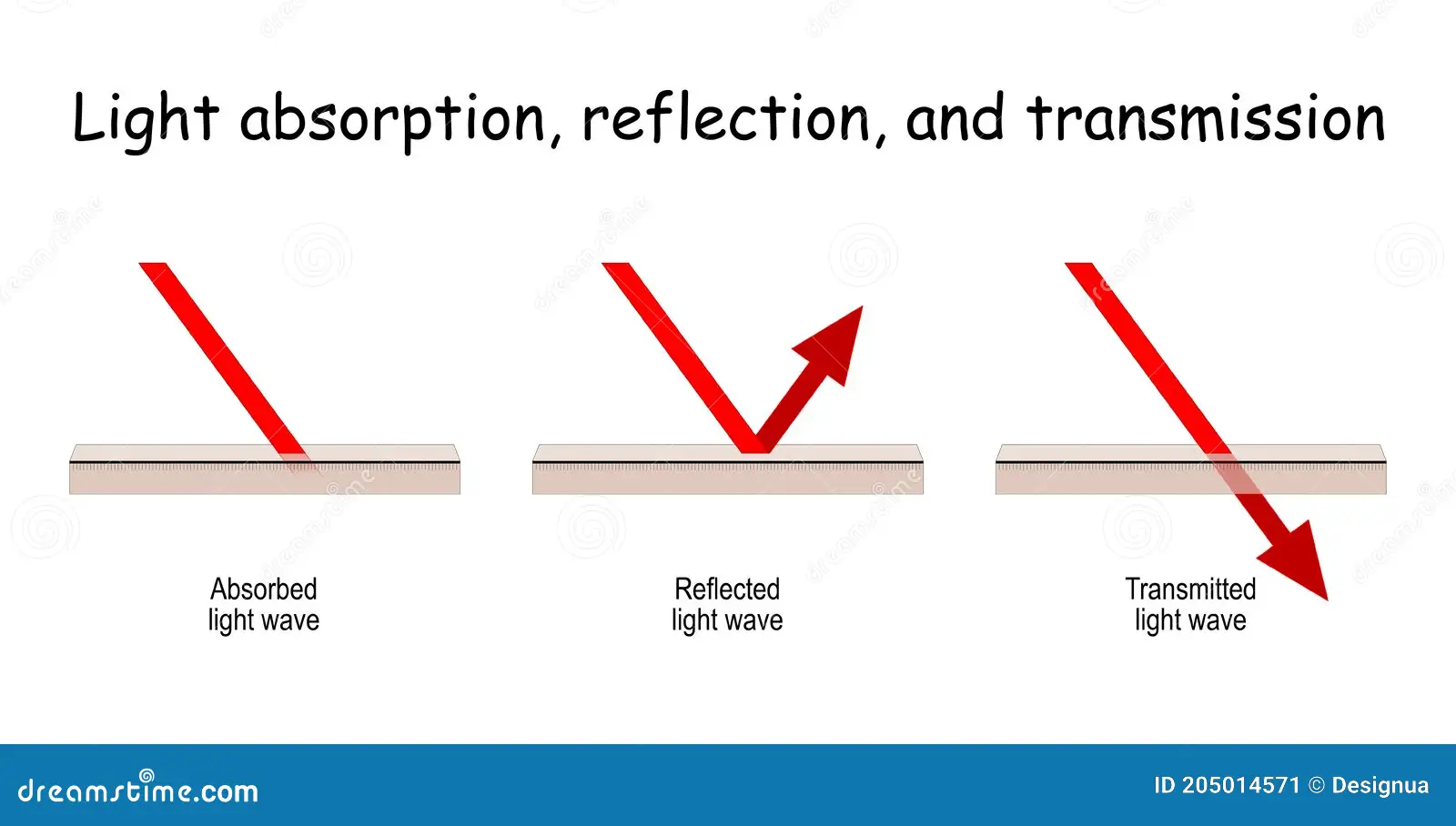
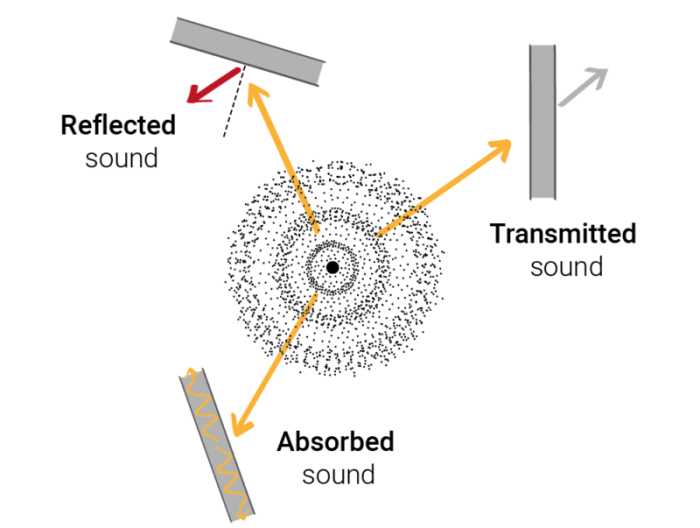
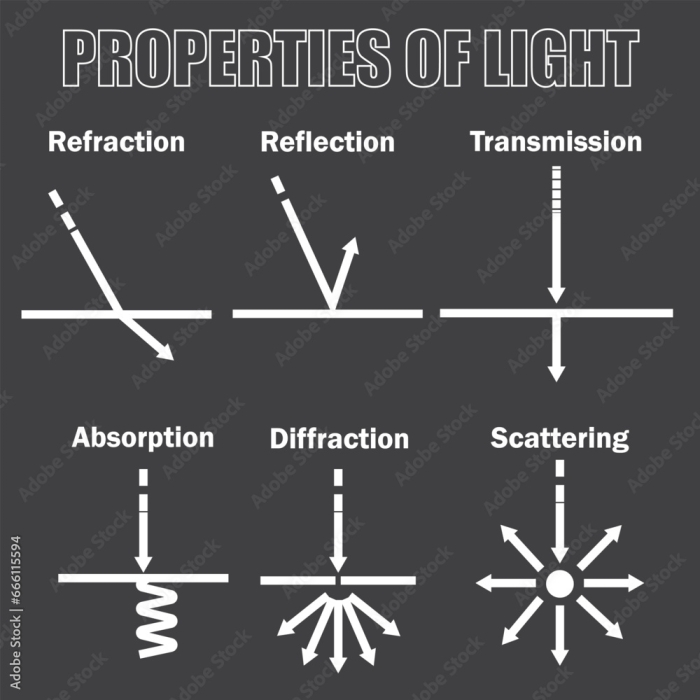
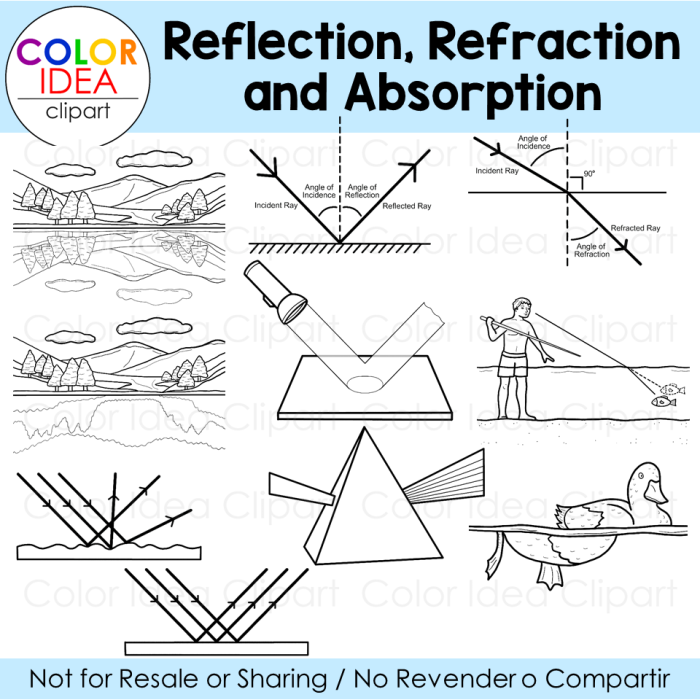
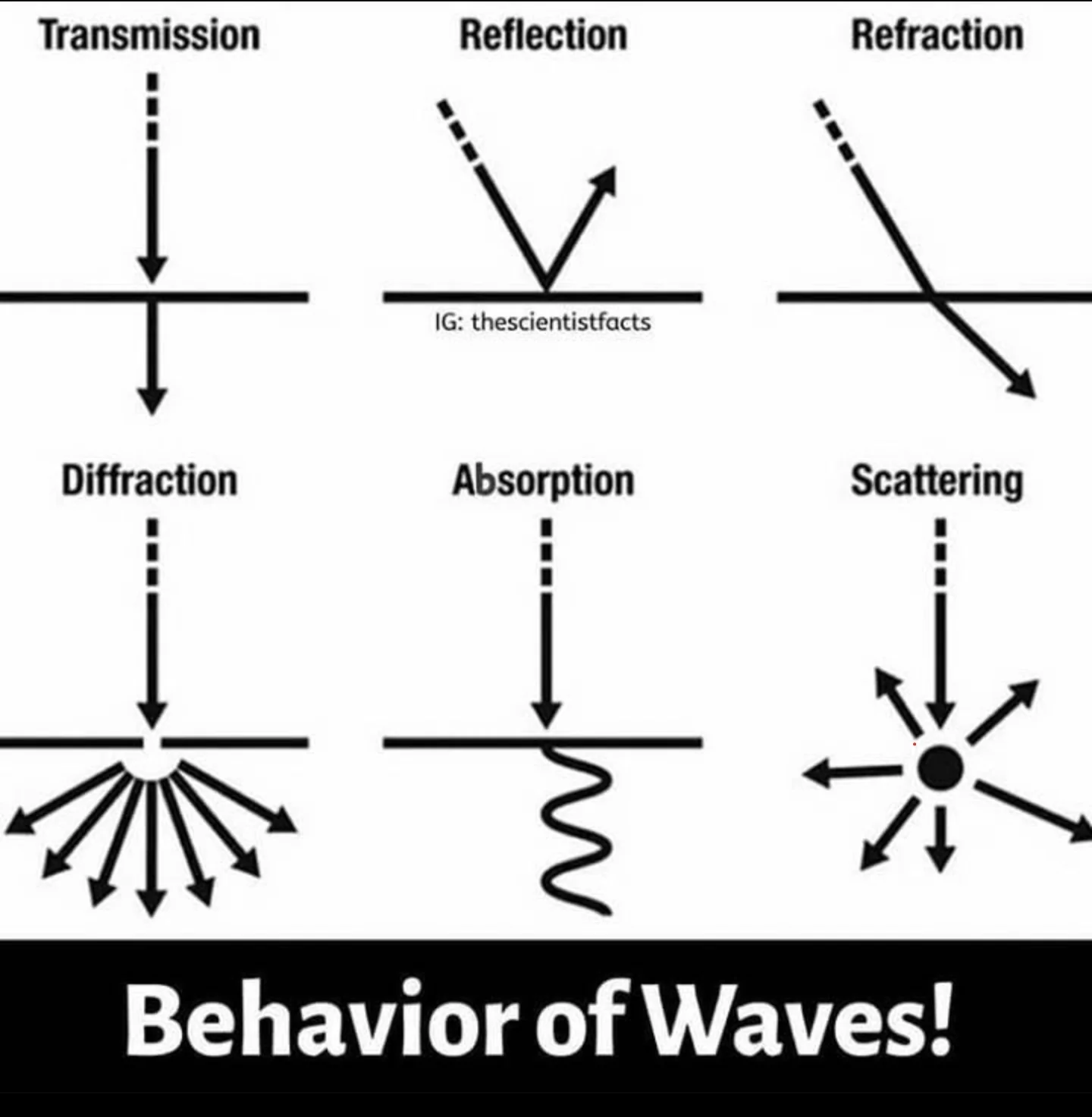
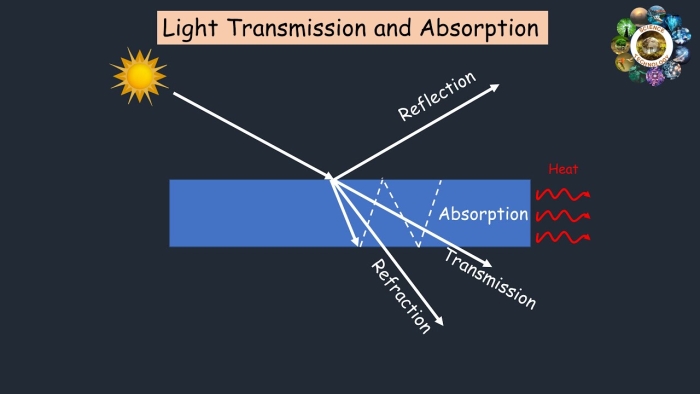
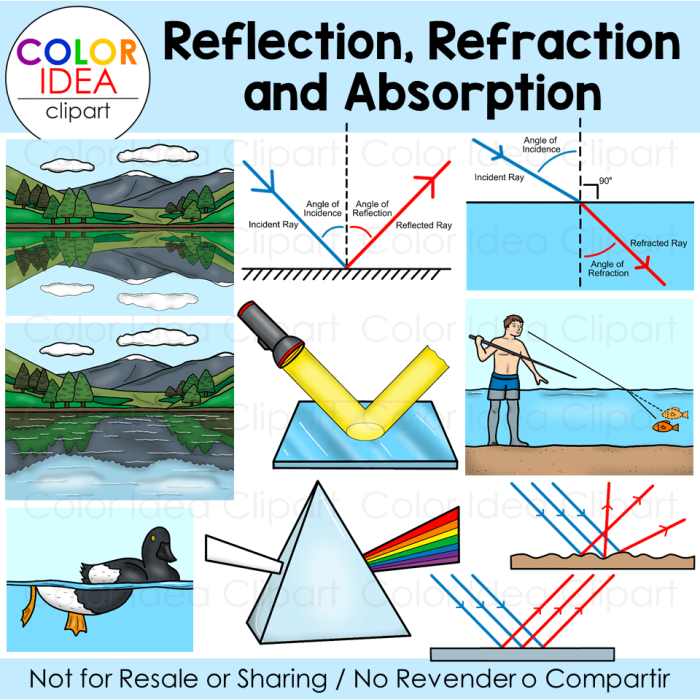
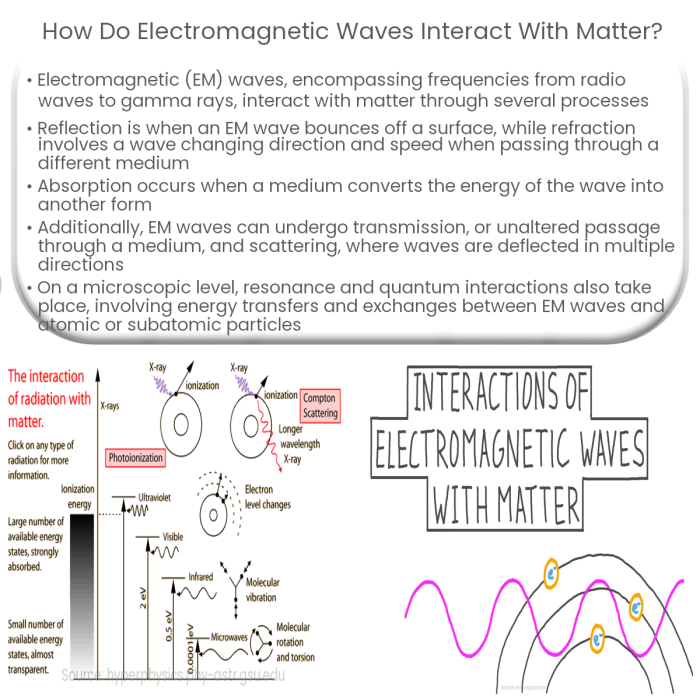
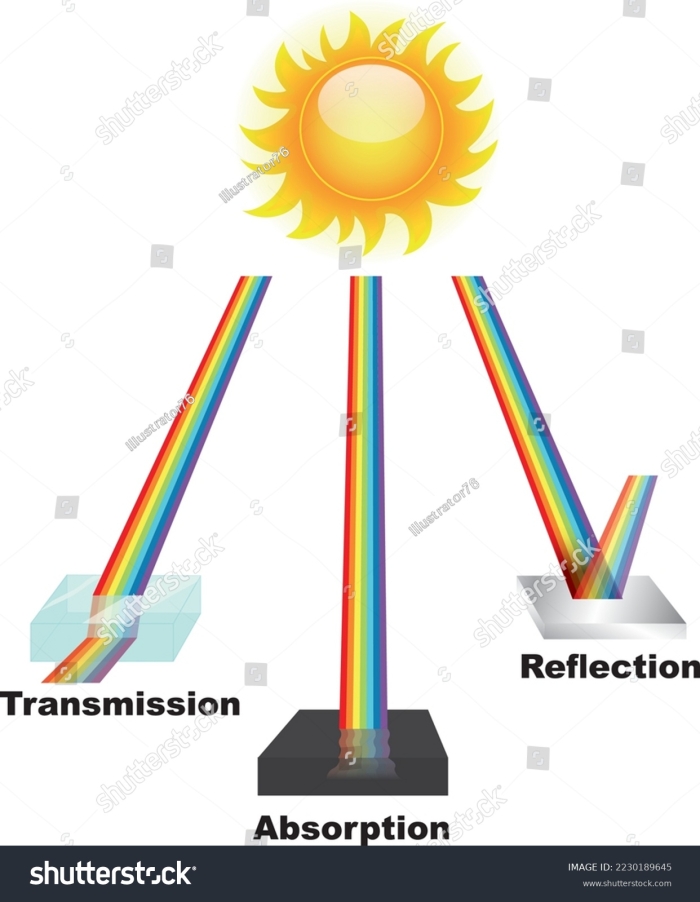
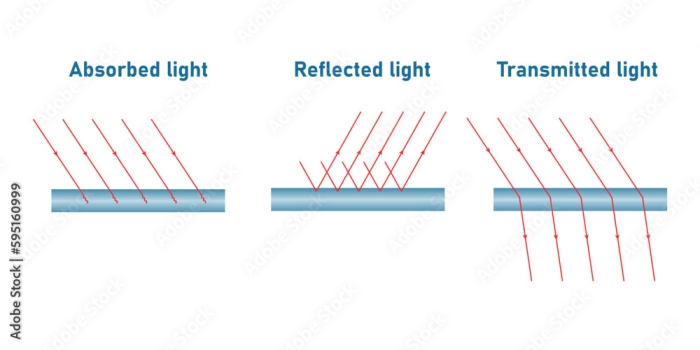
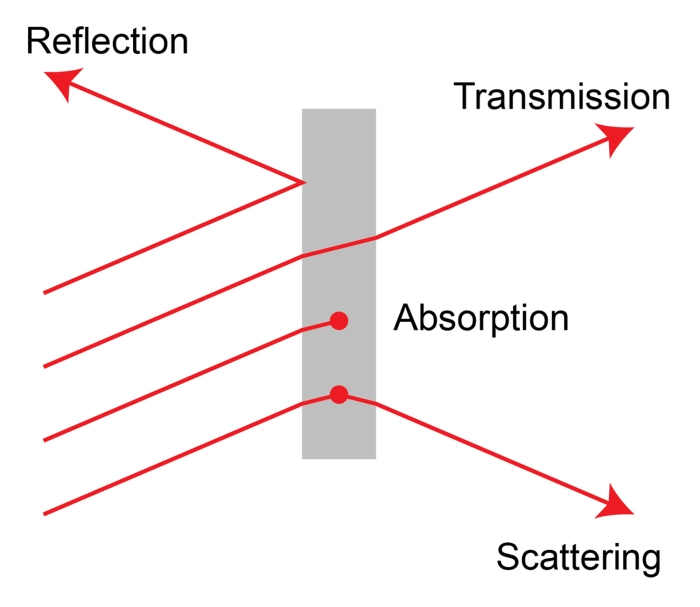
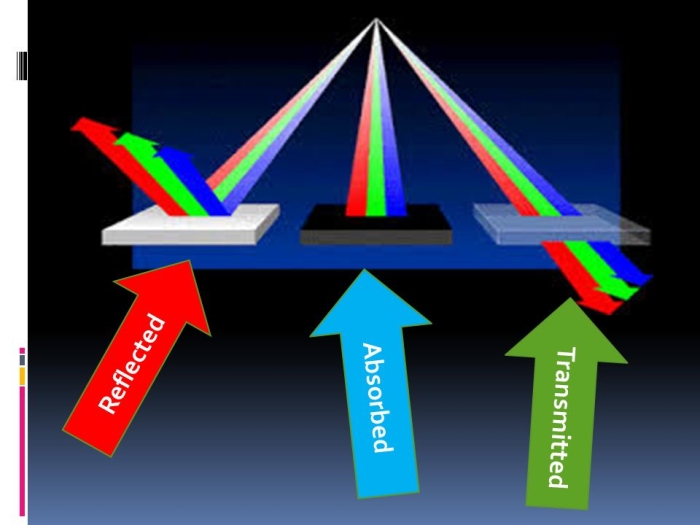
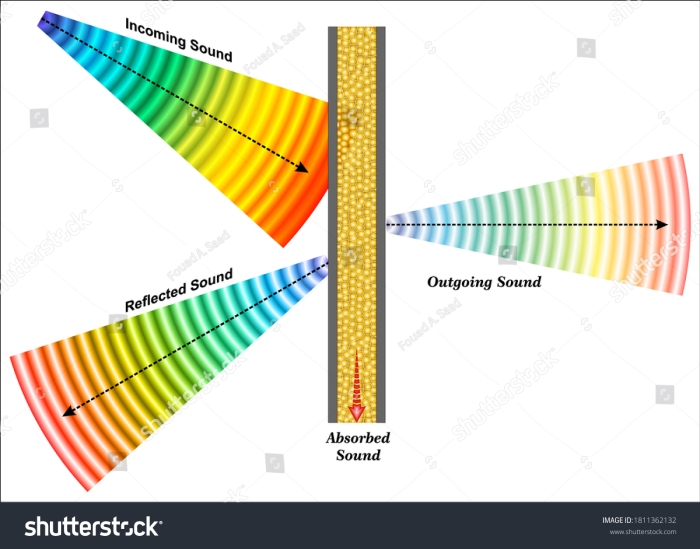
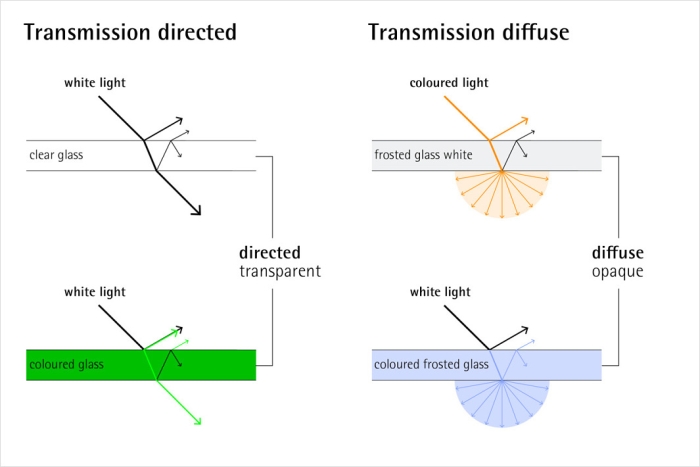
Transmission happens when a wave passes through a material. Light travels through clear glass. Sound moves through air. Water waves can pass beneath the surface. When you can see through something or hear sound on the other side of a door, transmission is occurring.
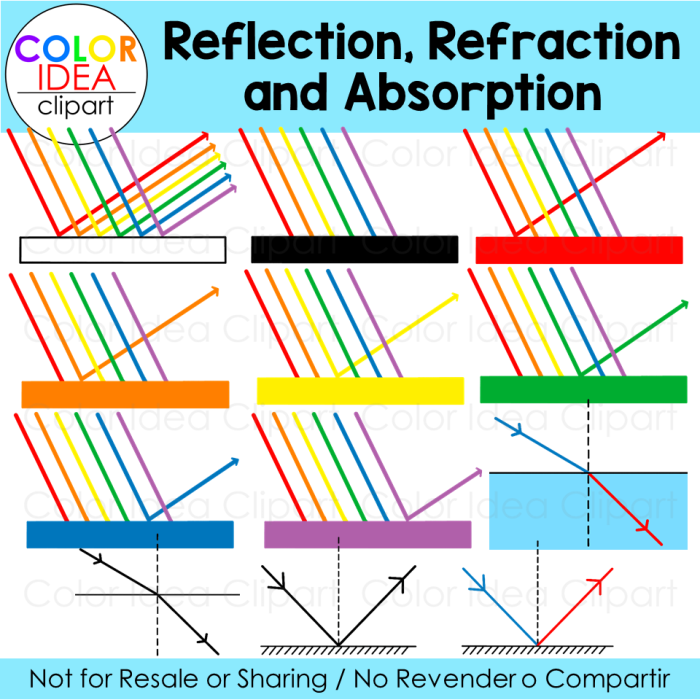
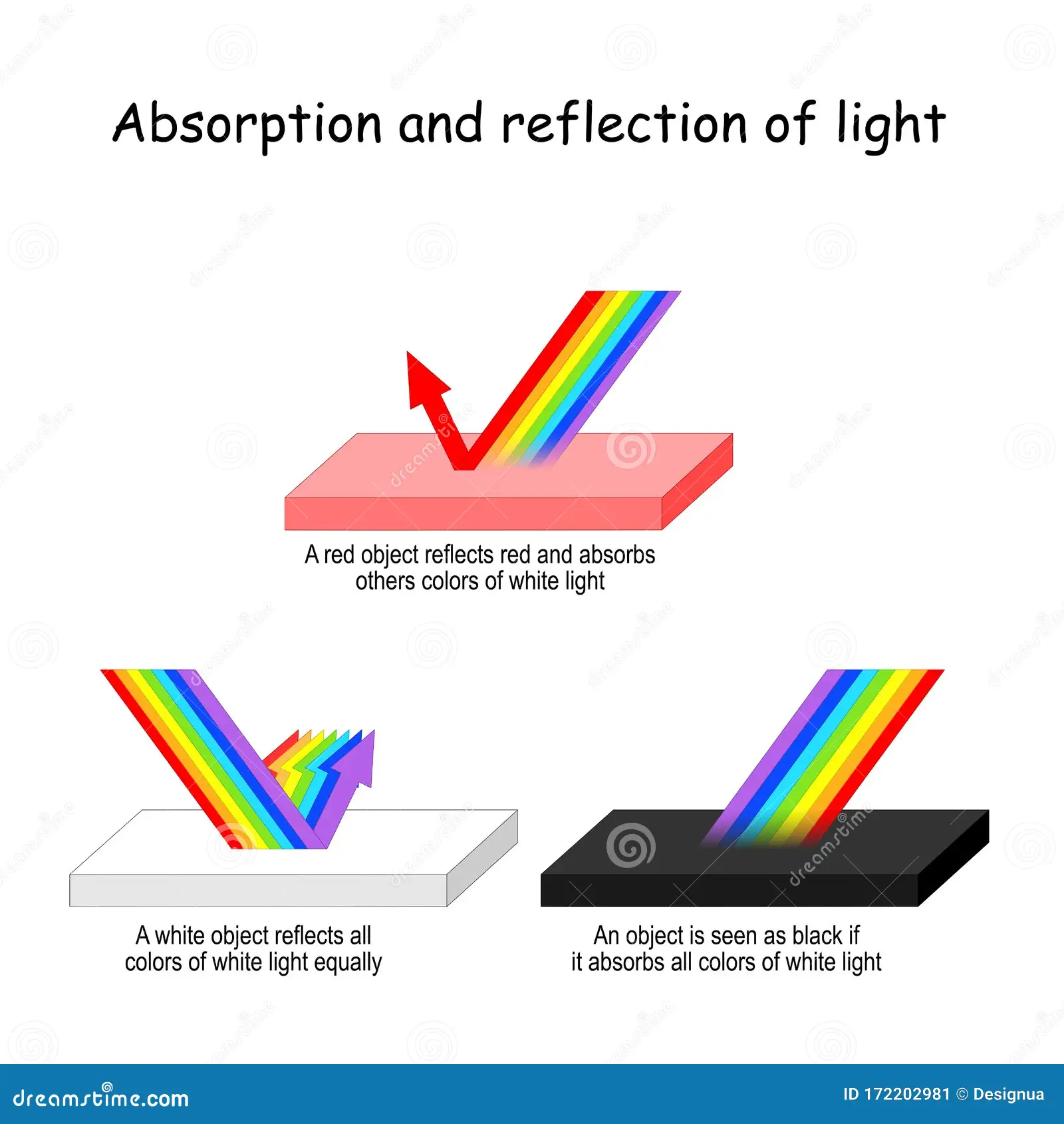
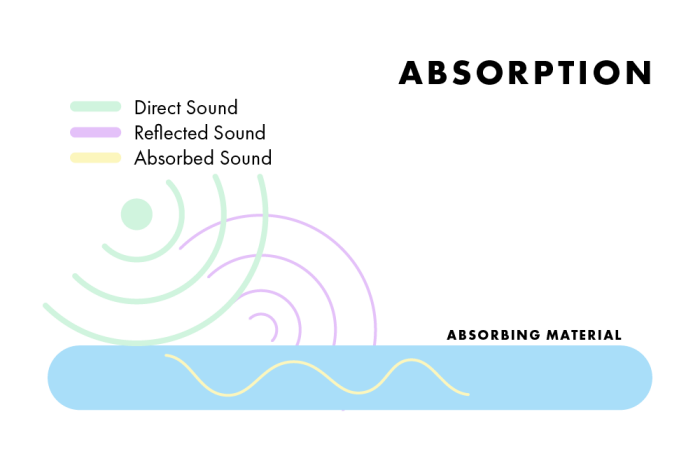
Absorption occurs when a material takes in wave energy instead of letting it pass through or bounce back. A dark cloth absorbs light rather than reflecting it. Foam absorbs sound, which is why recording studios use it on their walls. Sand absorbs some of the energy from ocean waves, which is why waves are smaller in shallow water.
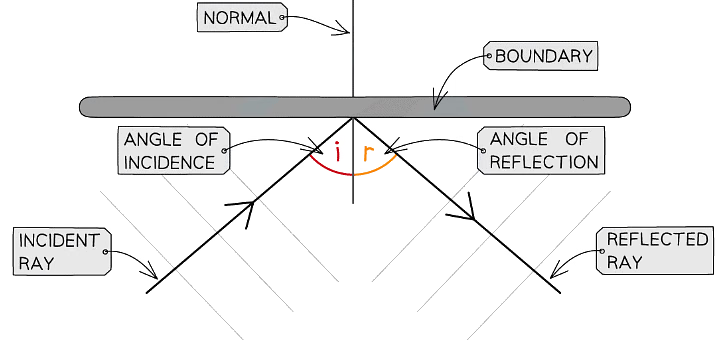
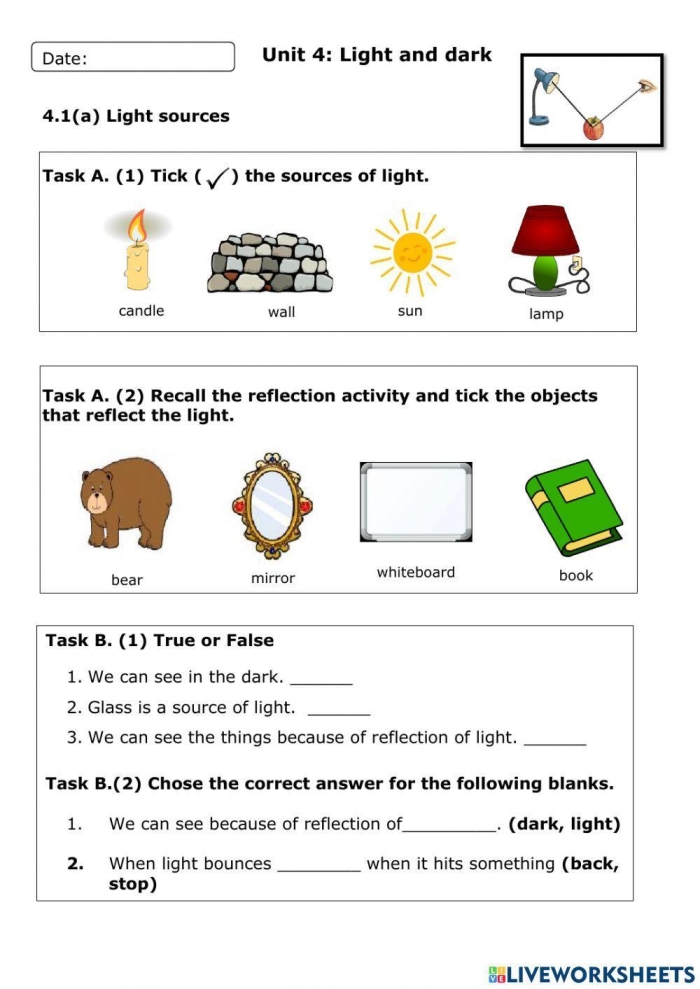
Reflection is when waves bounce off a surface. Mirrors reflect light perfectly. Hard surfaces like tile reflect sound, creating echoes. Metal reflects radio waves, which is why aluminum foil can block signals.
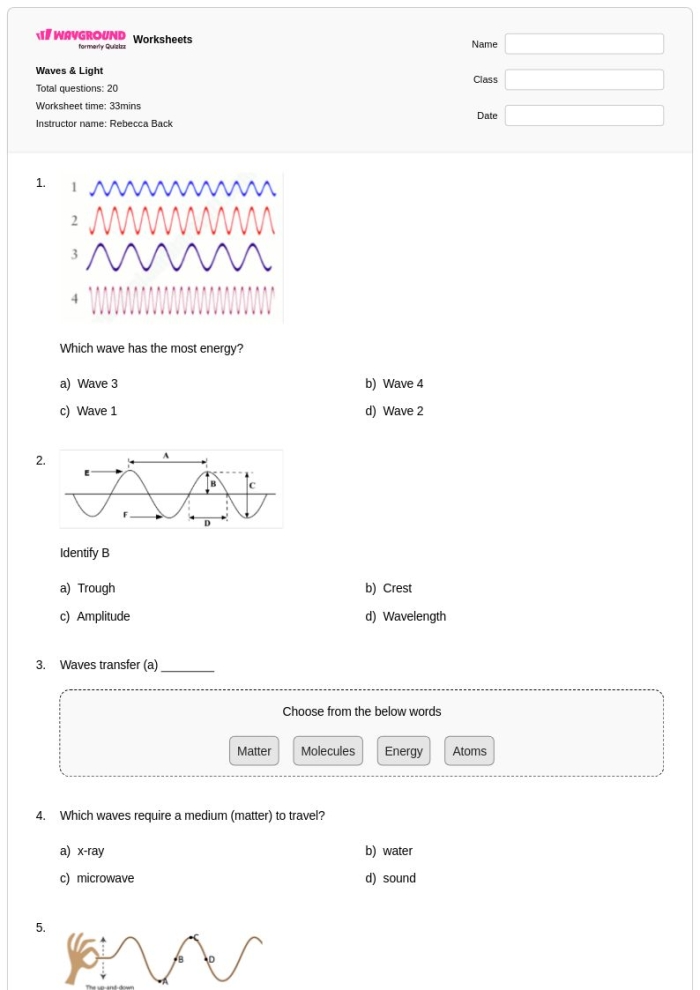
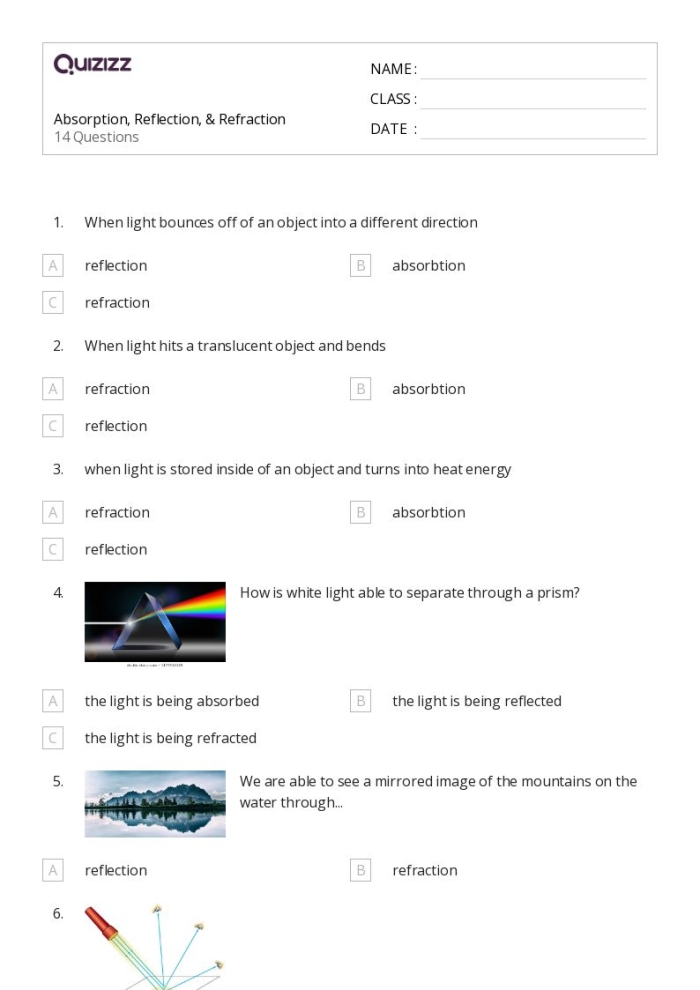
Working through reading comprehension activities and practical examples helps sixth graders see that these concepts aren’t abstract. They’re observable in music, light, water, and everyday life. When students engage with well-designed worksheets, they move beyond passive learning and start asking their own questions about why materials behave the way they do.
These materials work well alongside other science and math learning. For instance, understanding how waves interact with materials connects to geometry concepts like identifying shapes and angles that waves can hit at different degrees. The reading skills developed through science worksheets also strengthen overall literacy development during the middle grades.
Download These Worksheets for Practice