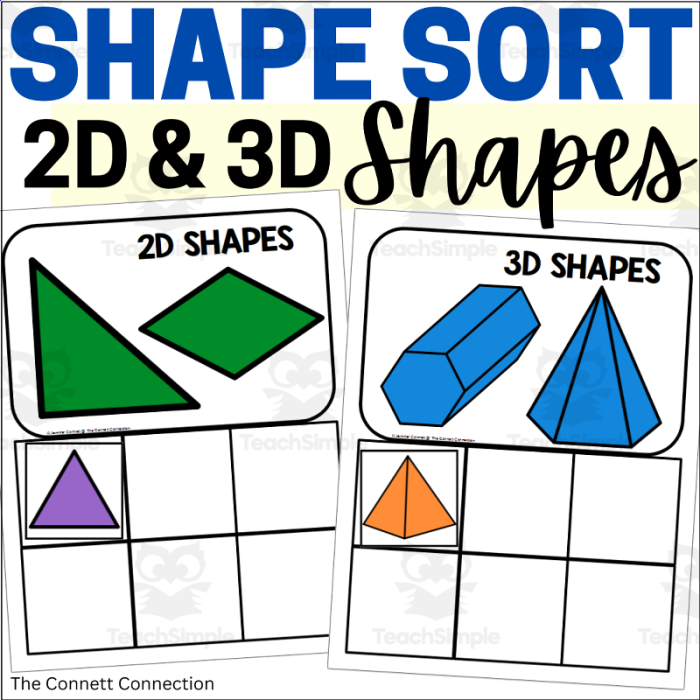
Shape recognition forms the foundation of early math learning, and kindergarteners who can identify circles, squares, triangles, and rectangles are building essential visual discrimination skills. When children learn to name and distinguish between 2D shapes, they’re developing the cognitive tools needed for more advanced geometry concepts down the road.
The challenge many teachers face is determining whether their students truly understand shapes or simply memorize names without grasping the underlying properties. A well-designed assessment worksheet reveals the difference. By asking students to identify shapes in various orientations and sizes, you uncover gaps in their understanding that casual observation might miss. A child might recognize a square when it sits flat but struggle when it appears as a diamond, suggesting they’re relying on position rather than understanding the four equal sides and right angles that define the shape.
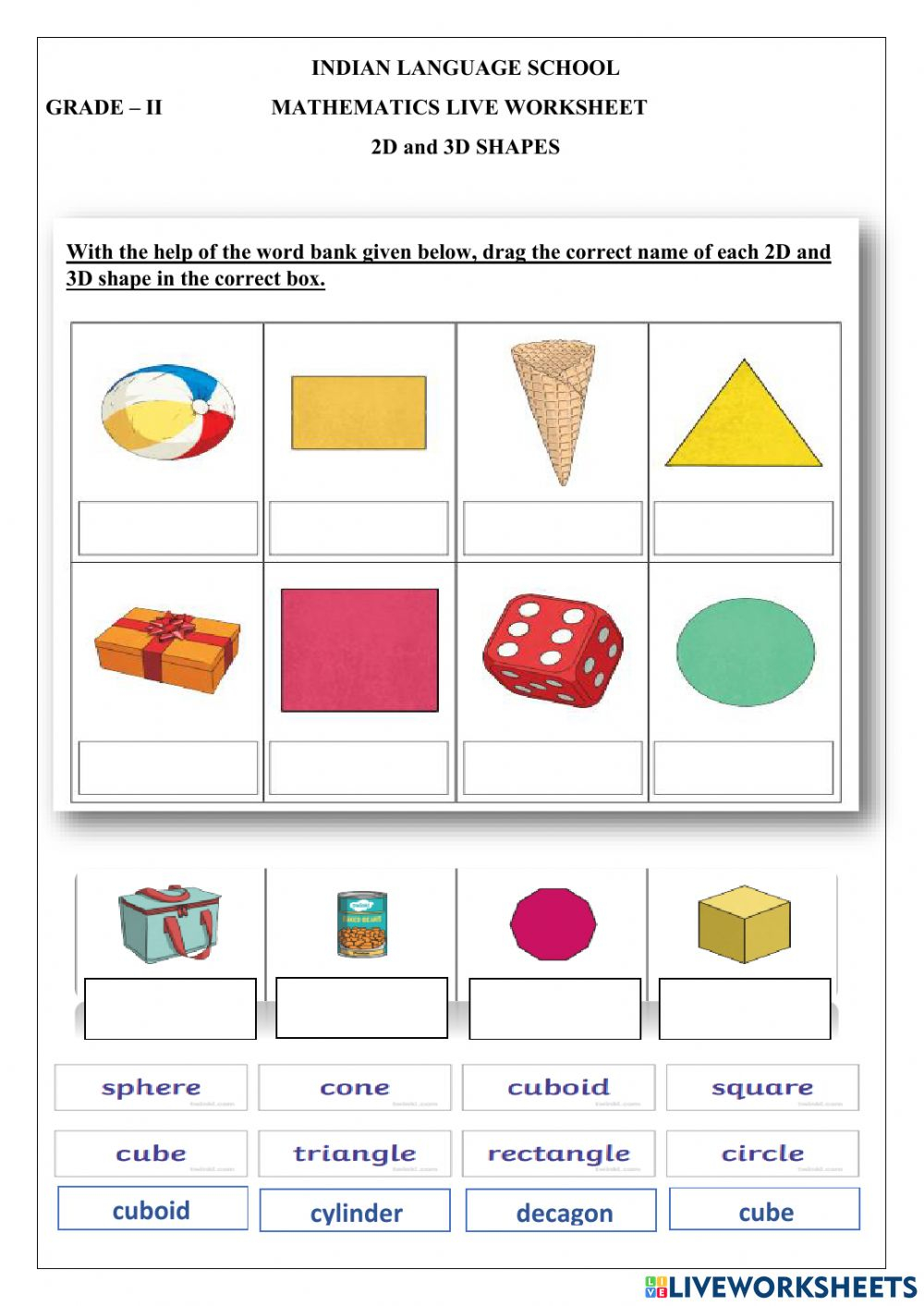
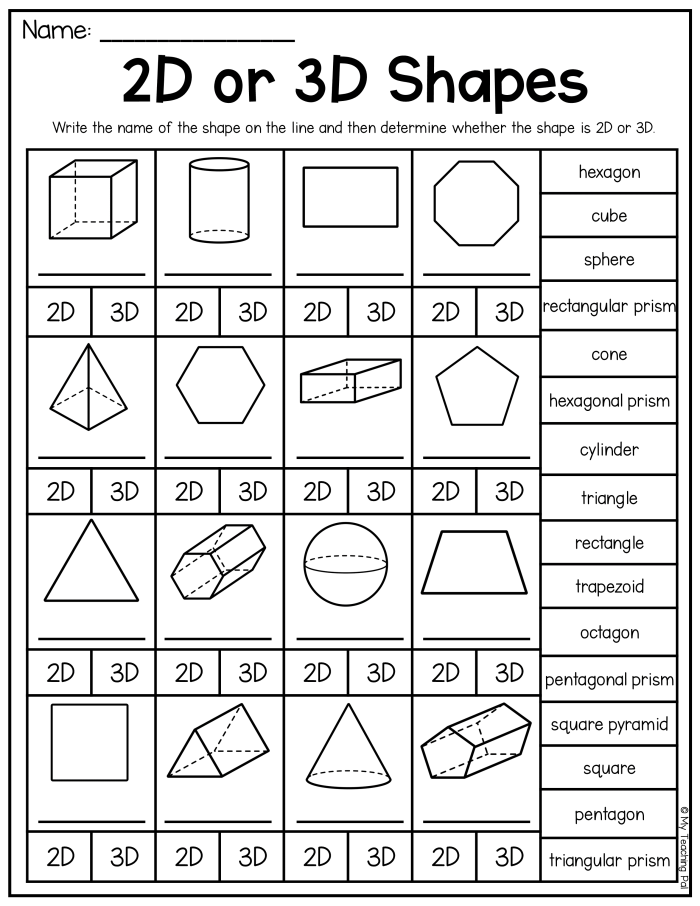
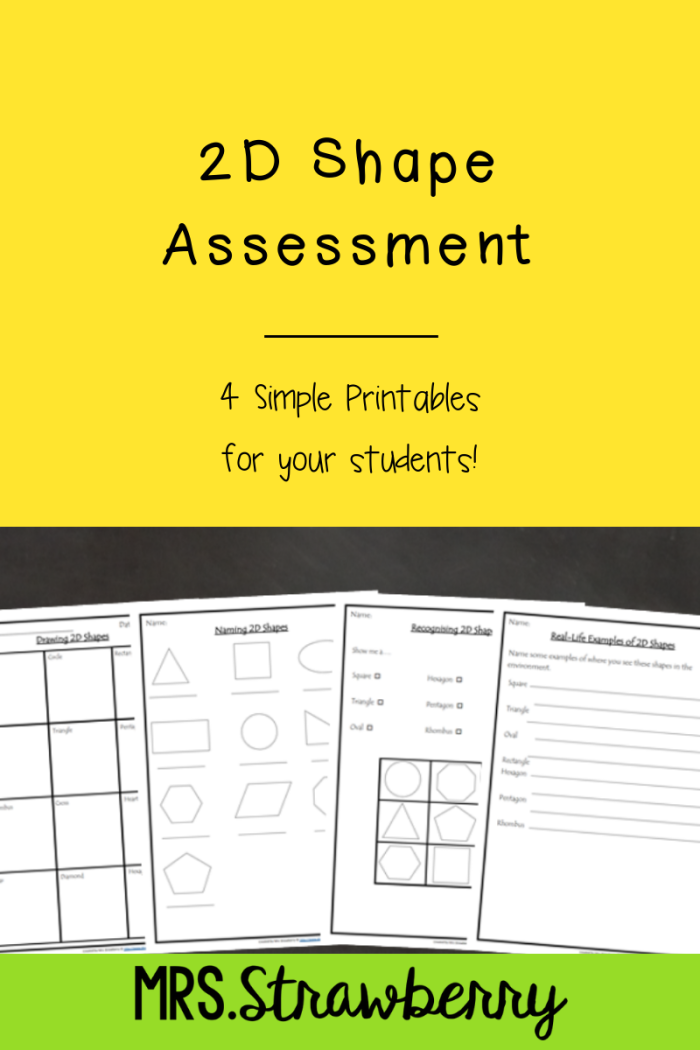
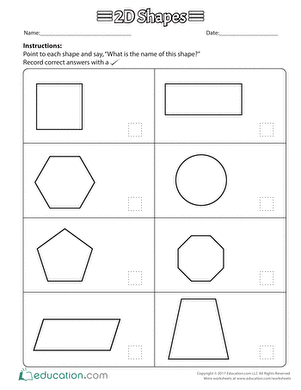
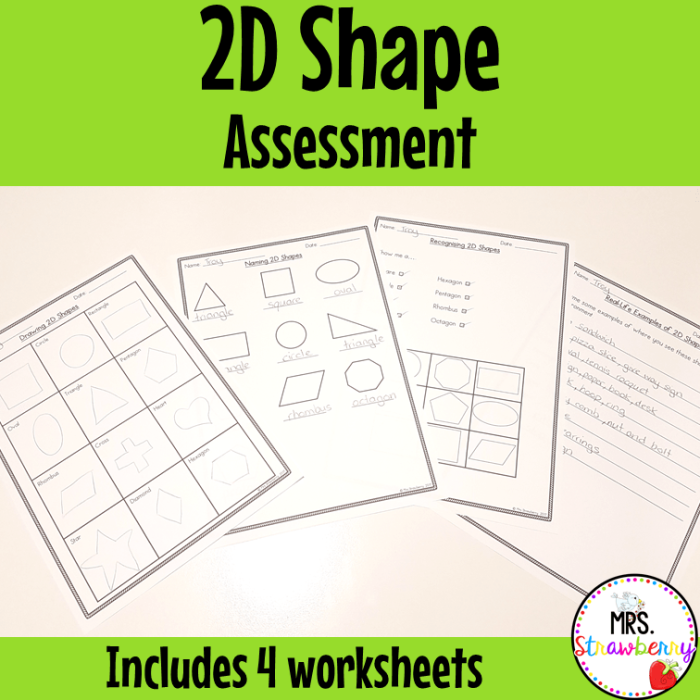
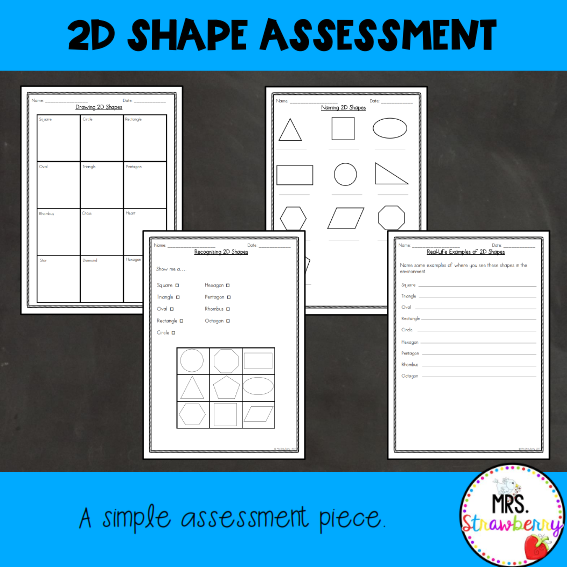
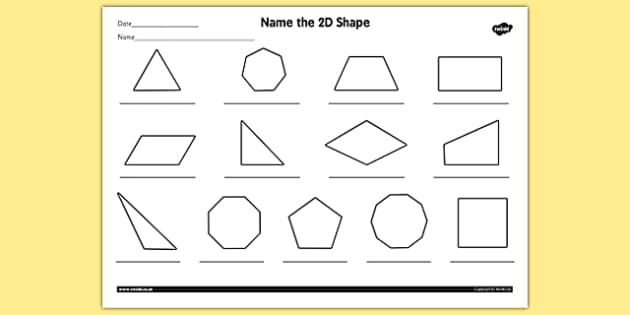
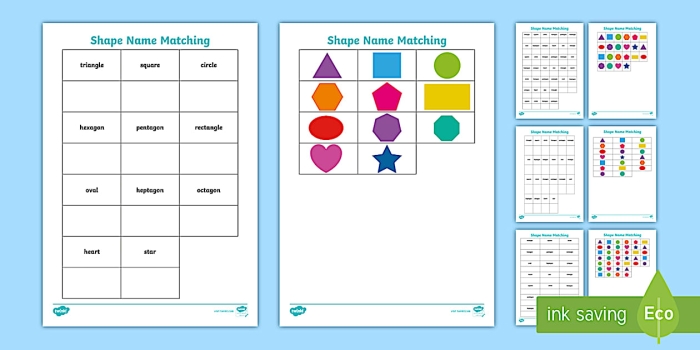
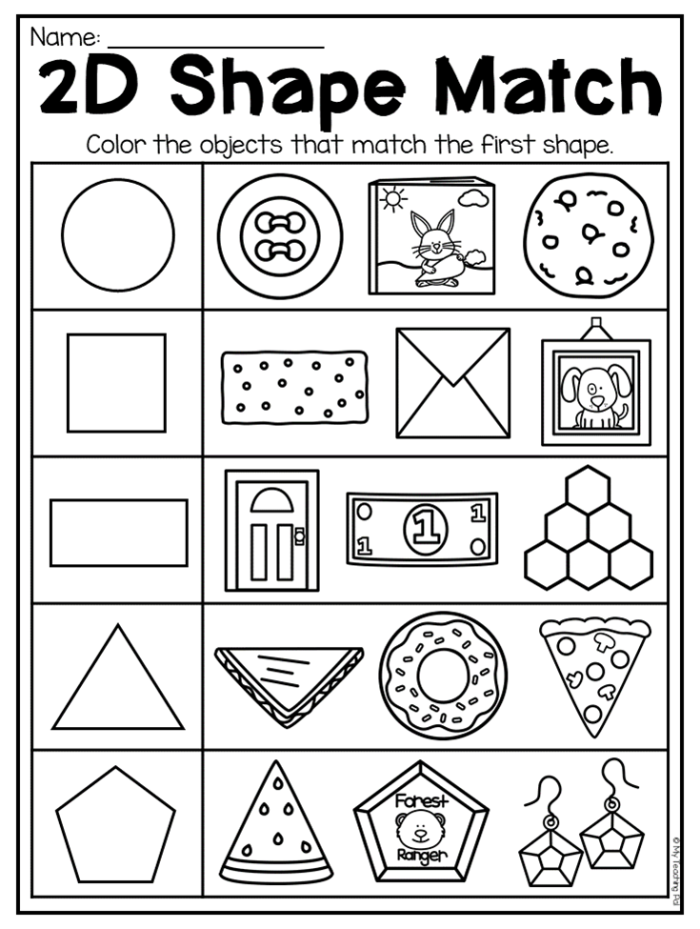
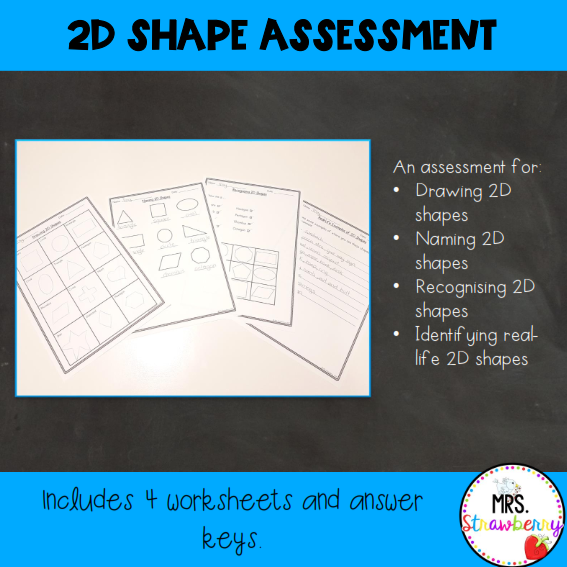
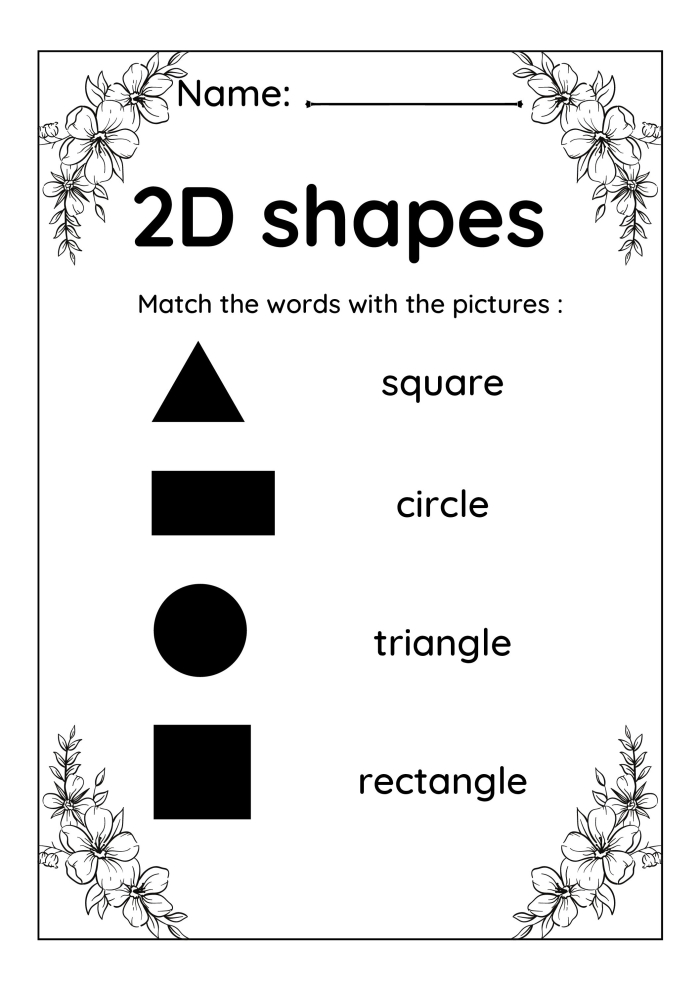
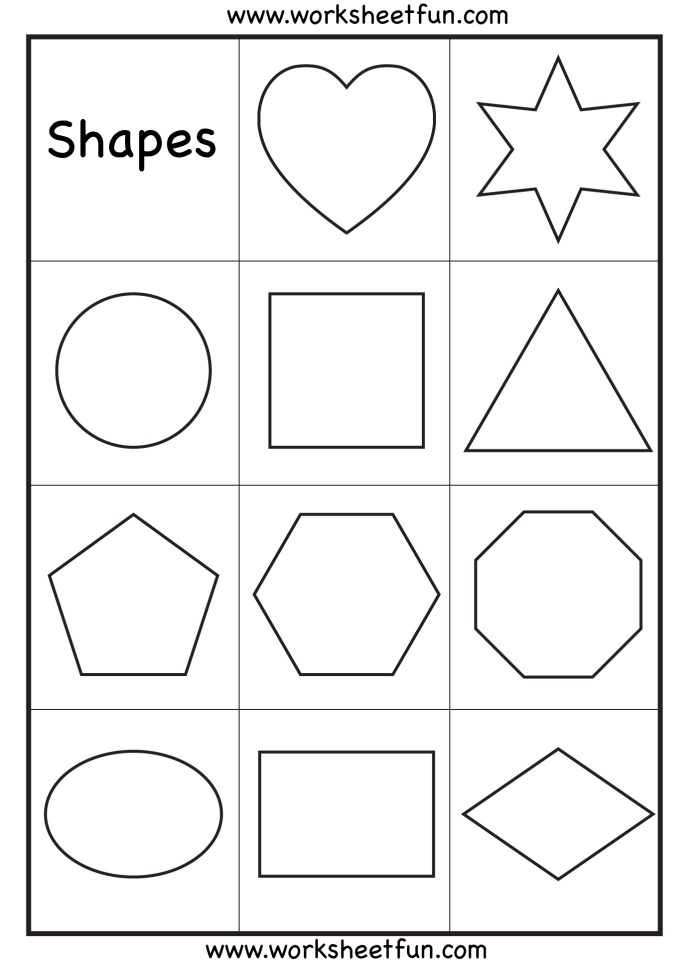
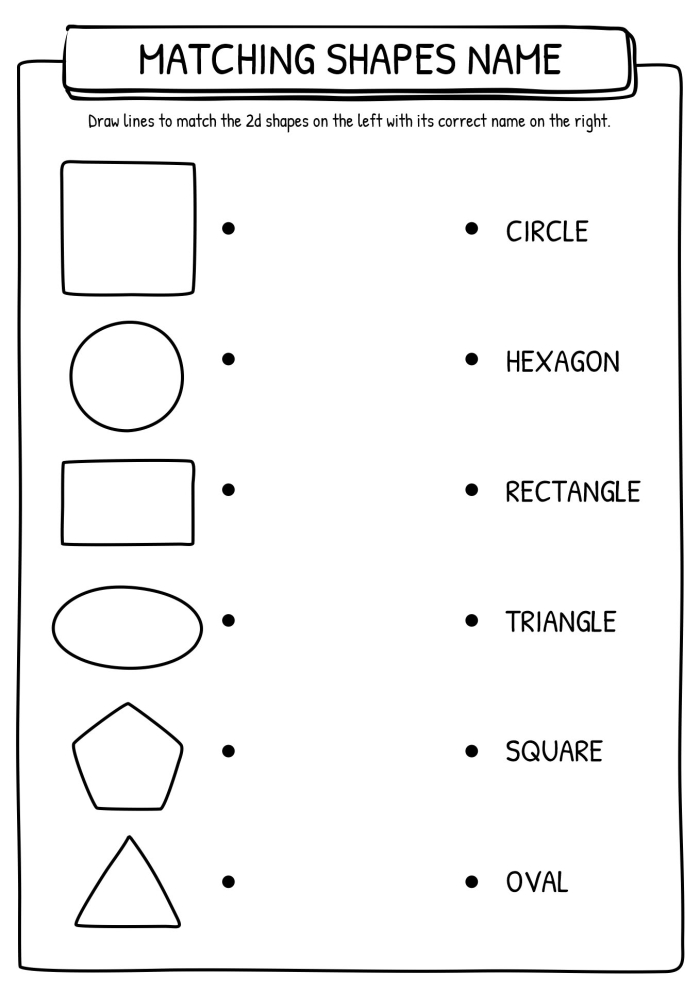
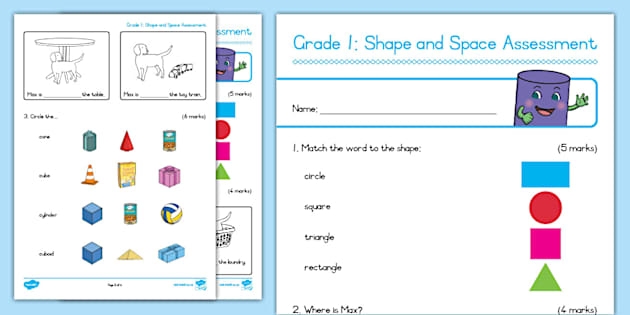
Using a printable Name That Shape: 2D Shape Assessment worksheet gives you concrete data about each student’s progress. These worksheets typically present shapes in different sizes, colors, and orientations, pushing students beyond surface-level recognition. Some versions incorporate addition problems alongside shape identification, helping you assess multiple skills in one activity. This dual-skill approach works well for kindergarten, where teachers often need to evaluate foundational geometry concepts while reinforcing early numeracy.
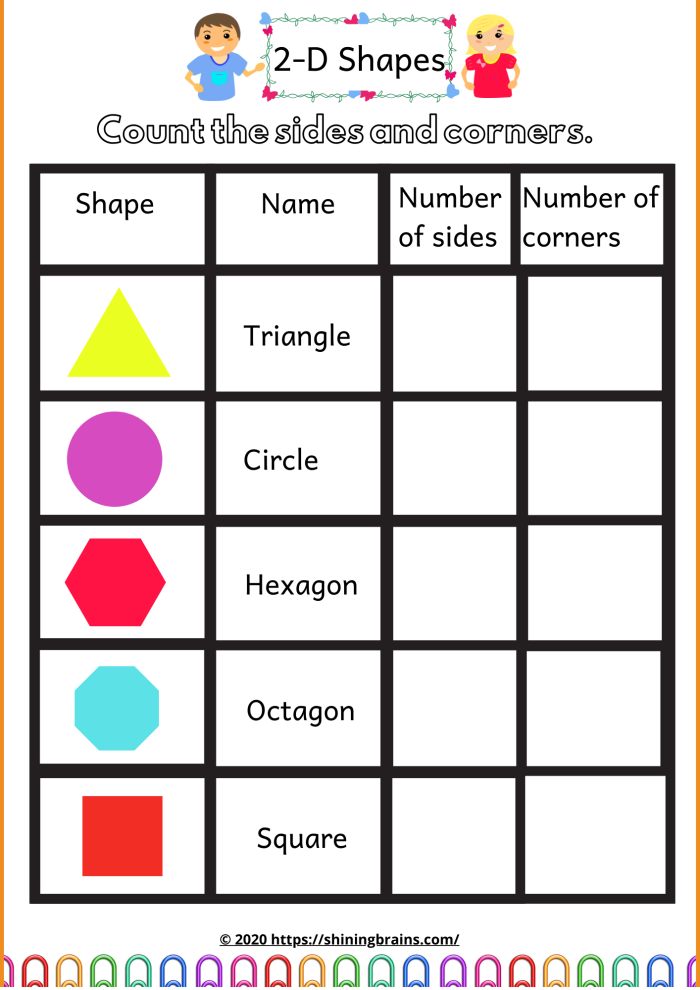
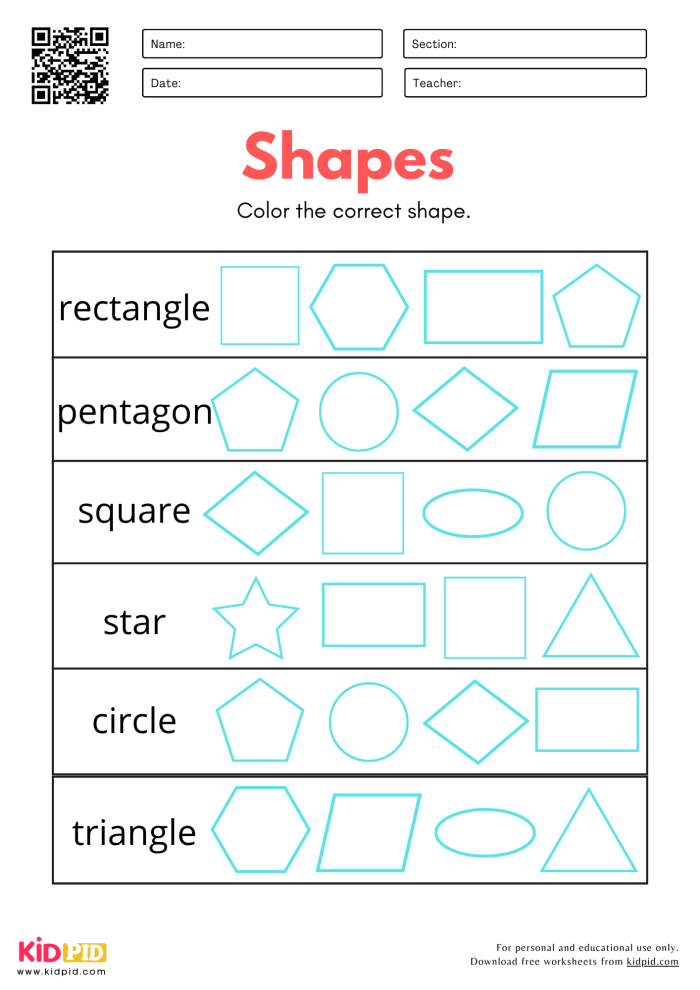
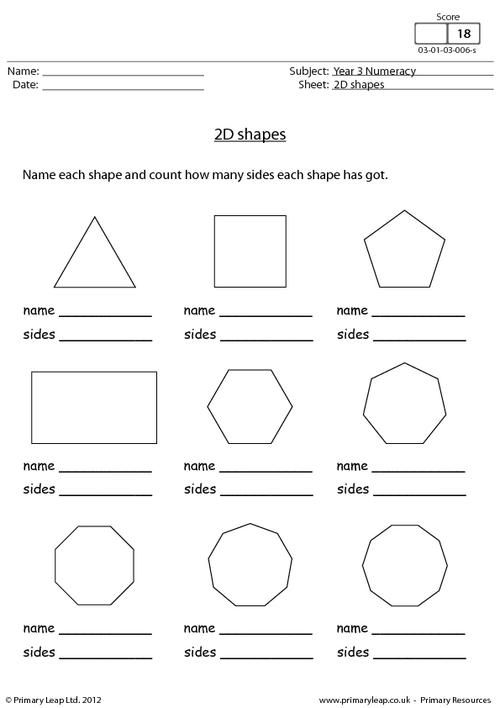
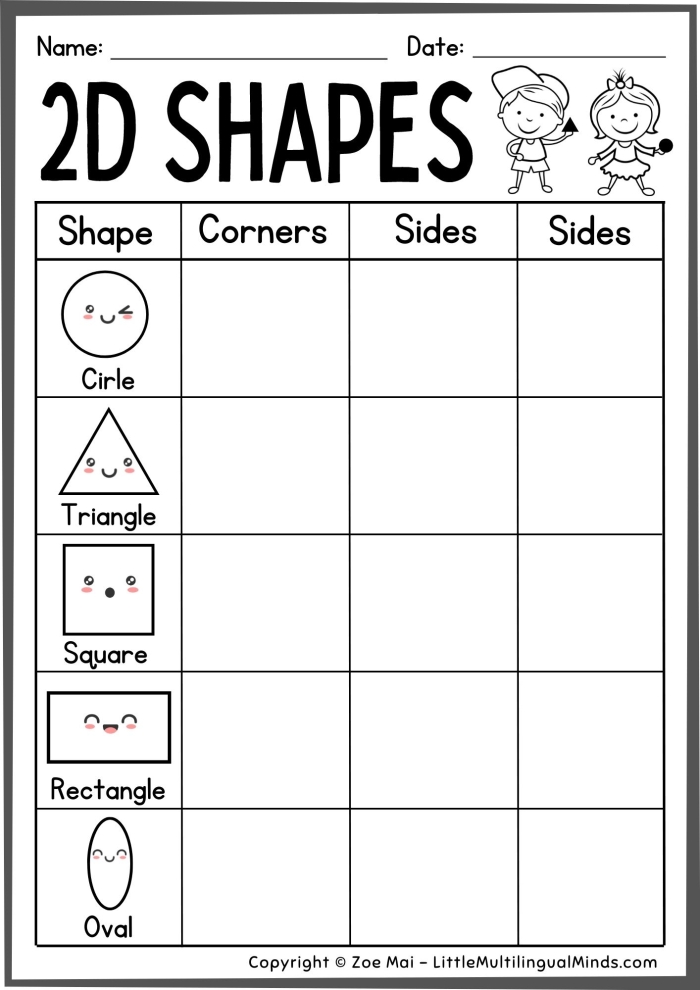
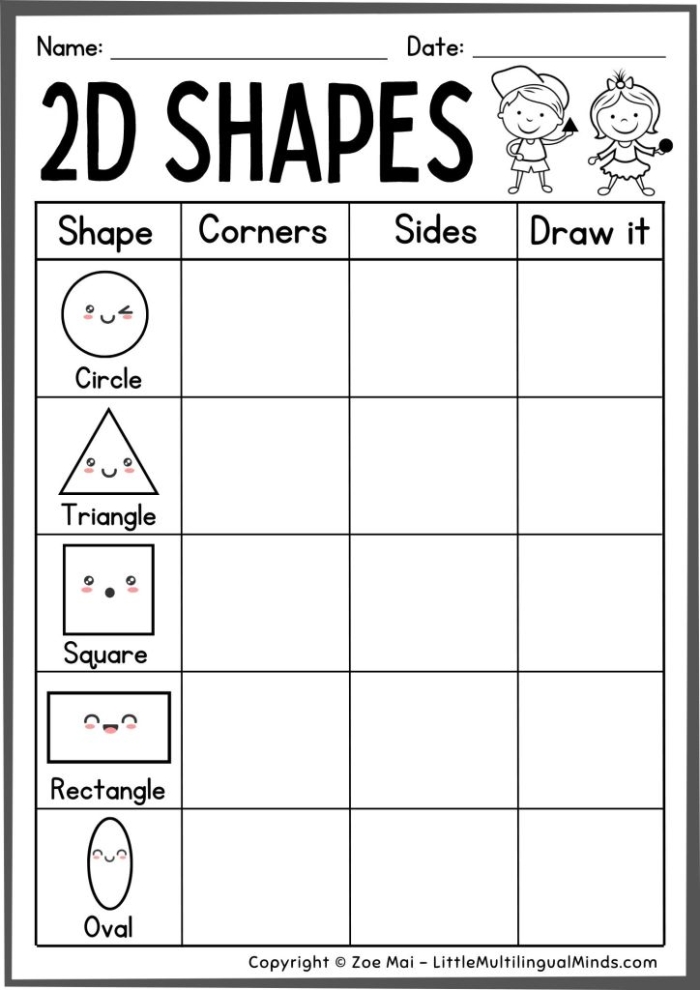
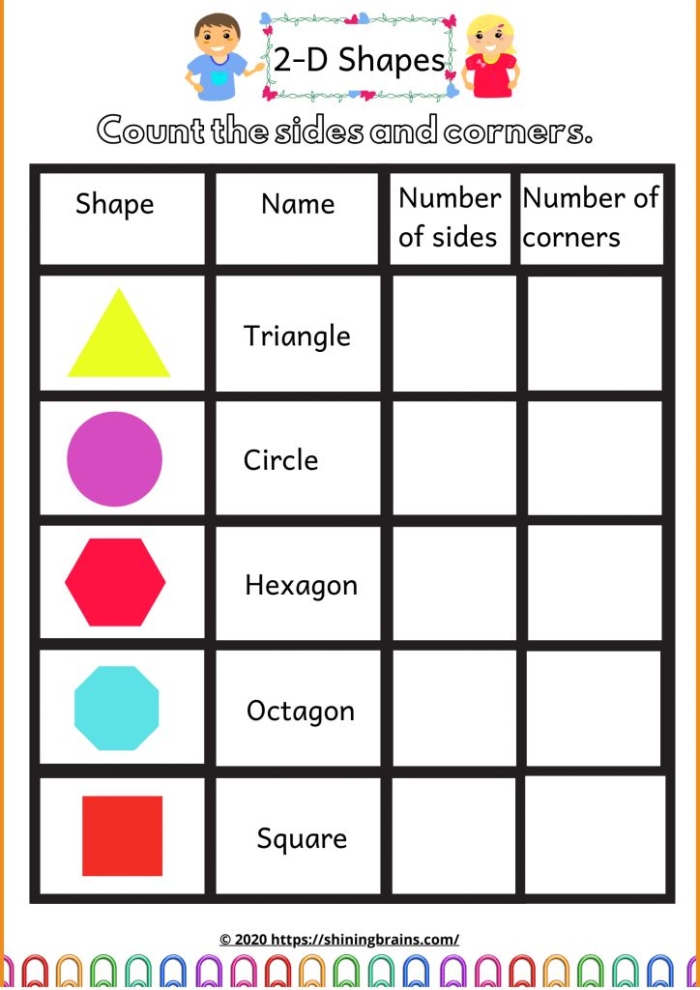
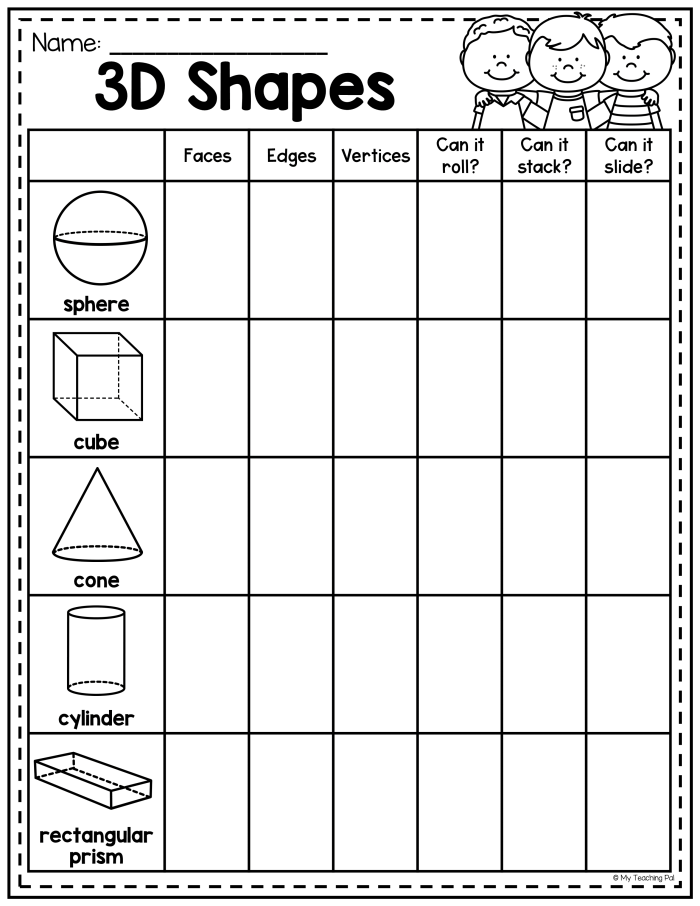
The assessment format matters too. Multiple choice options help struggling students, while open-ended naming tasks challenge advanced learners. You might also include activities where students count sides and corners, connecting shape properties to mathematical reasoning. This bridges the gap between simple identification and deeper geometric understanding.
Having concrete assessment data allows you to differentiate instruction effectively. Students who demonstrate solid shape recognition can move toward more complex activities, while those who need reinforcement benefit from targeted practice before moving forward.
Try These Printable Worksheets