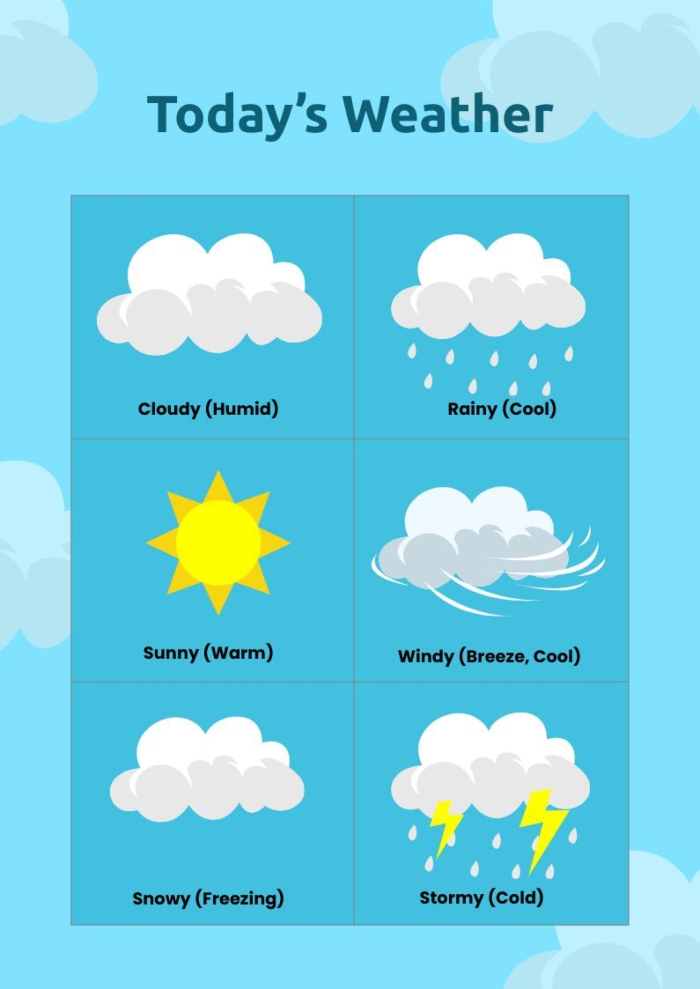
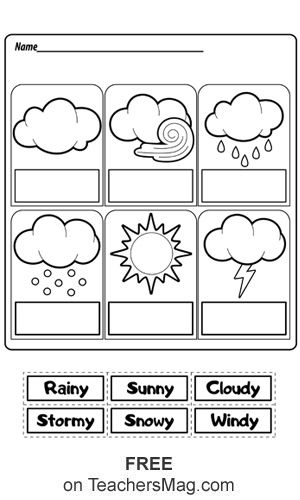
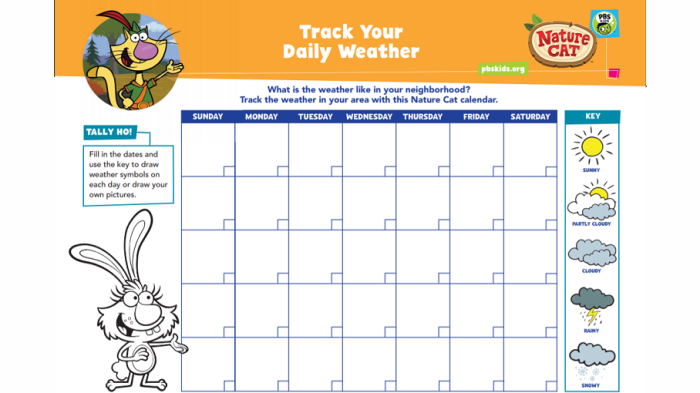
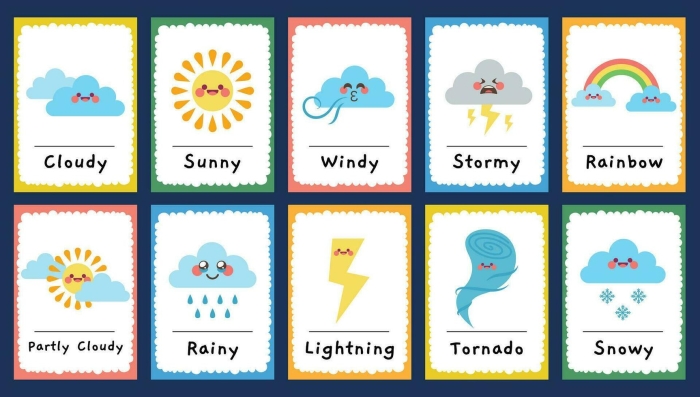
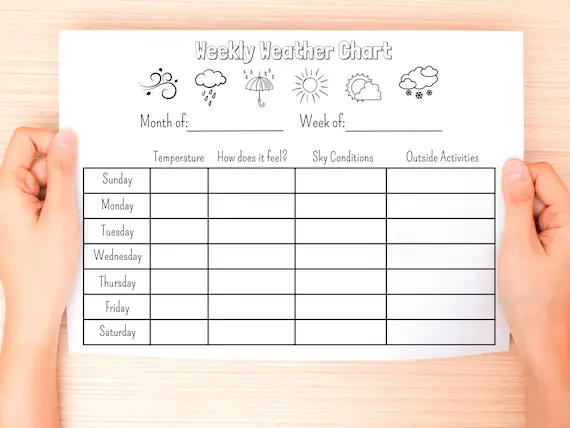
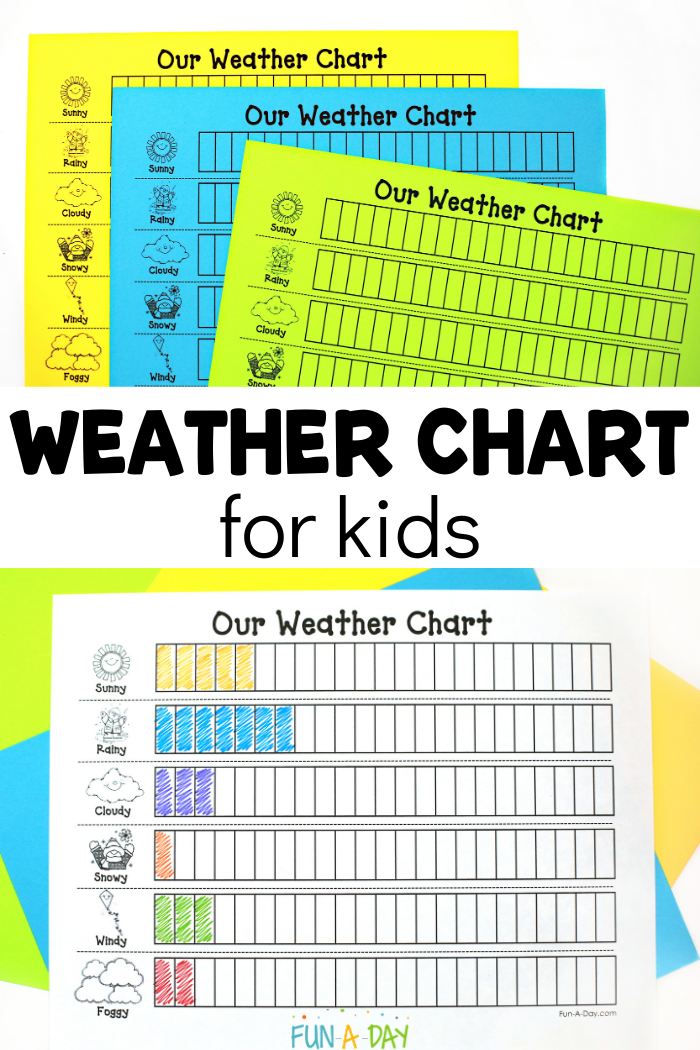
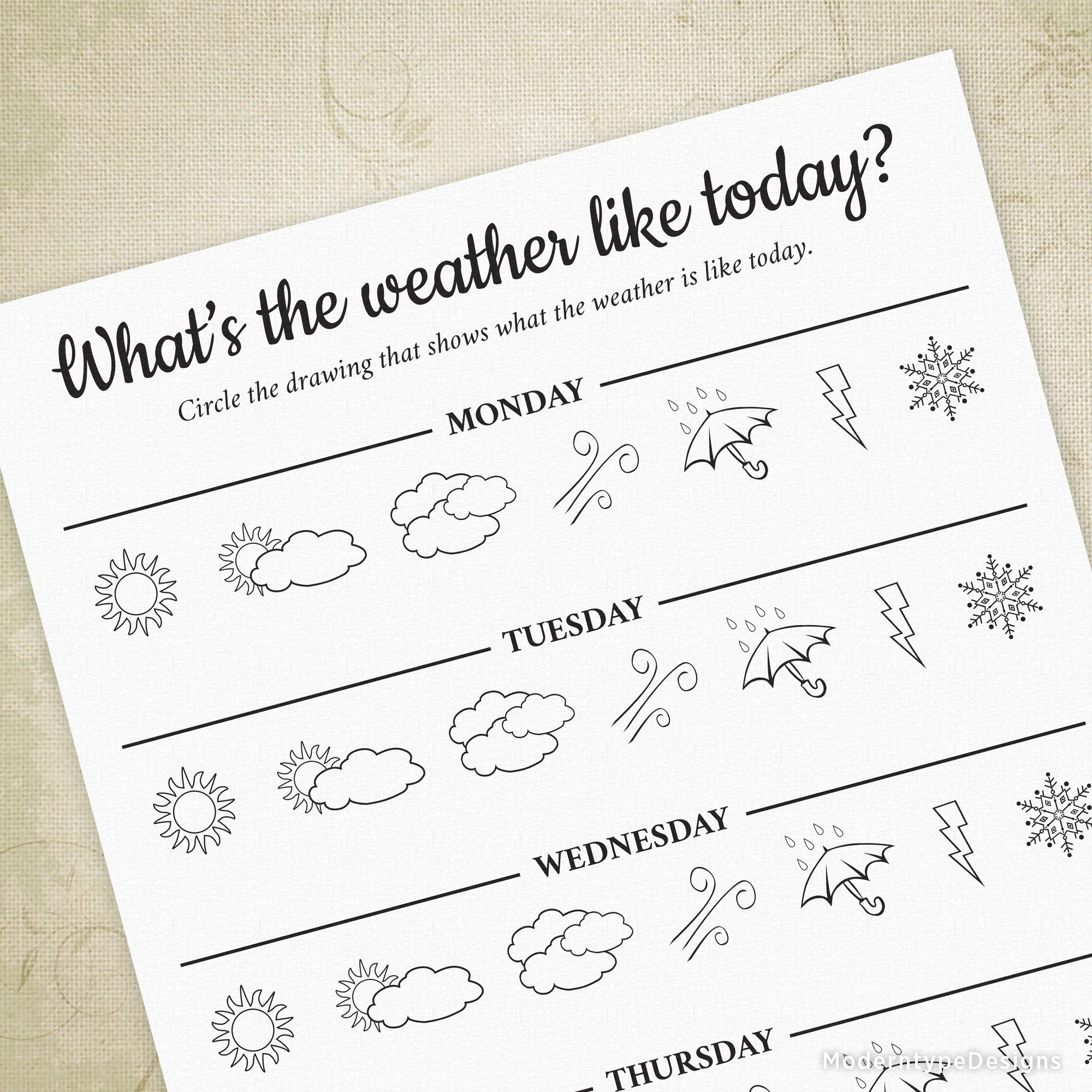
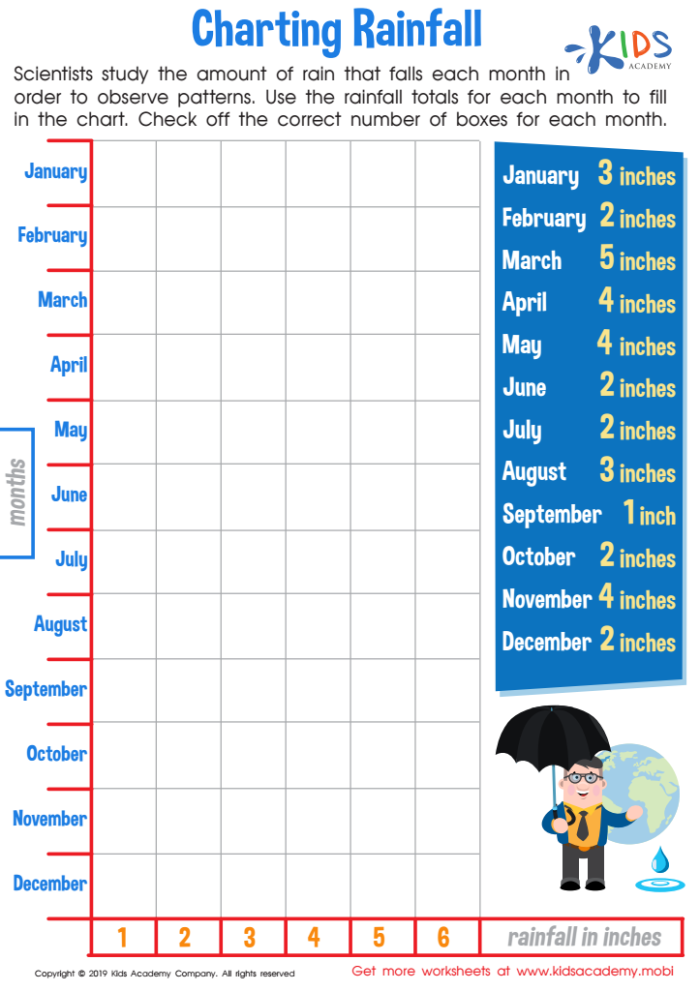
Getting your Pre-K child interested in the world around them doesn’t require fancy equipment or complicated lessons. A simple weather chart becomes a gateway to observation skills and basic data tracking that will serve them well in Earth and Space Science learning. When children record what they see outside each day, they’re building awareness of patterns, seasons, and how weather changes over time.
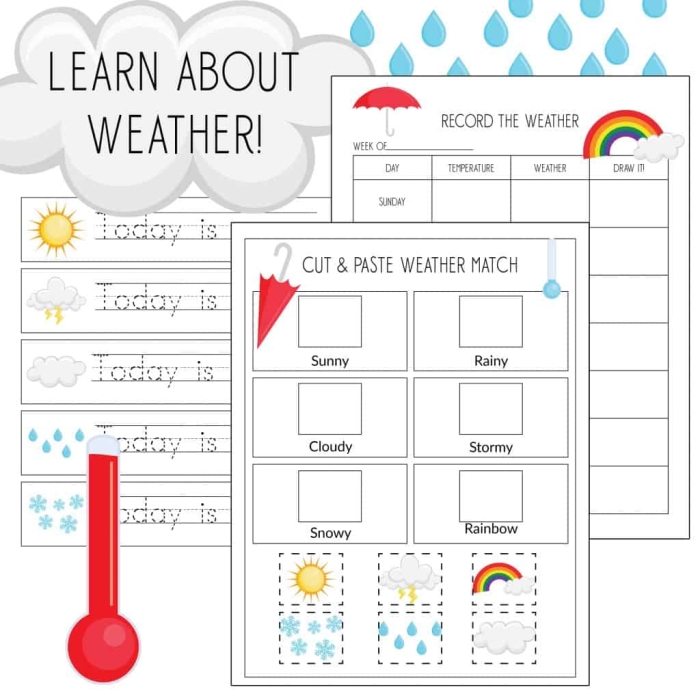
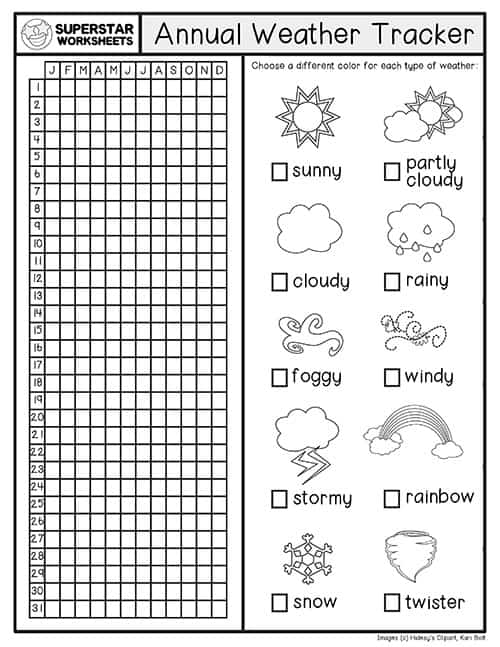
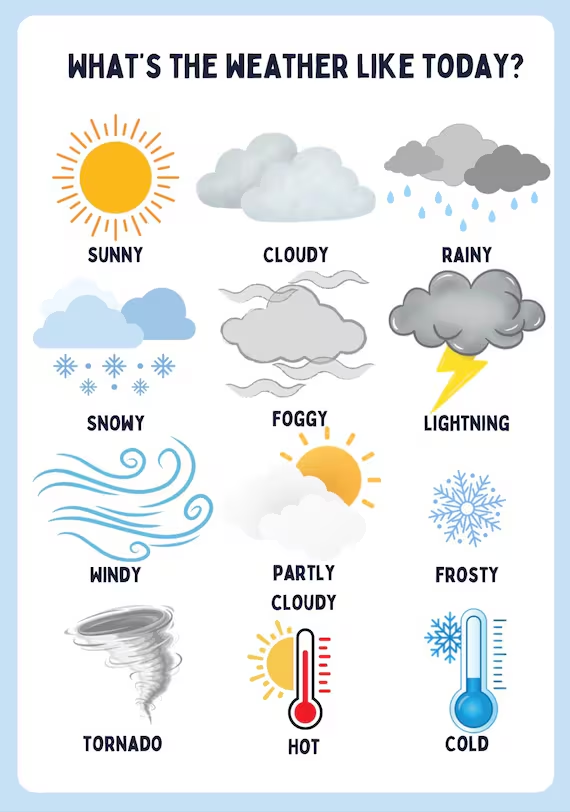
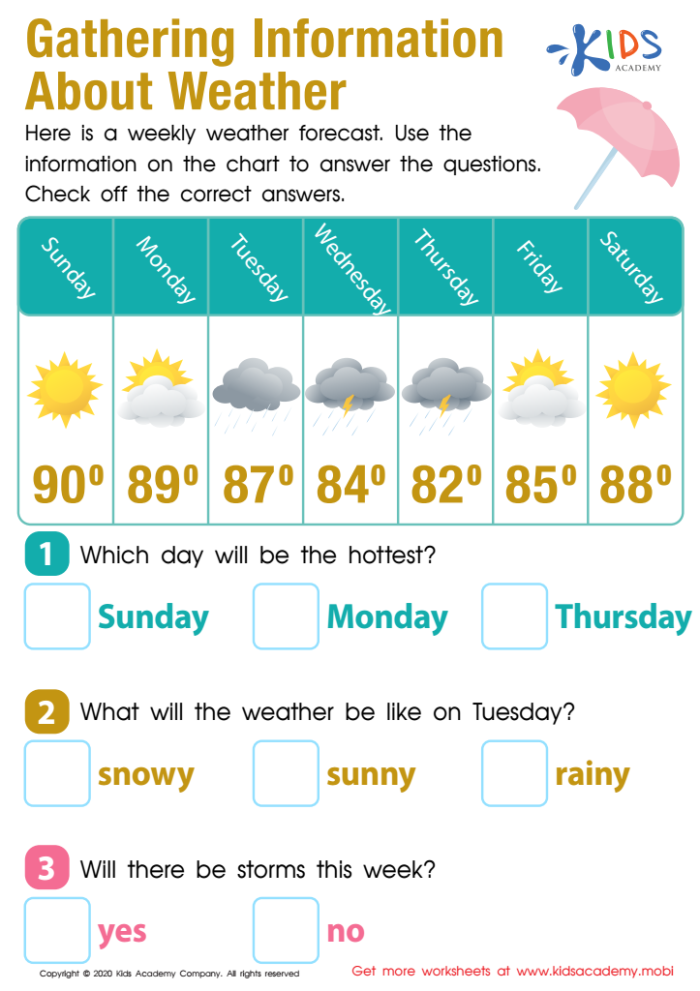
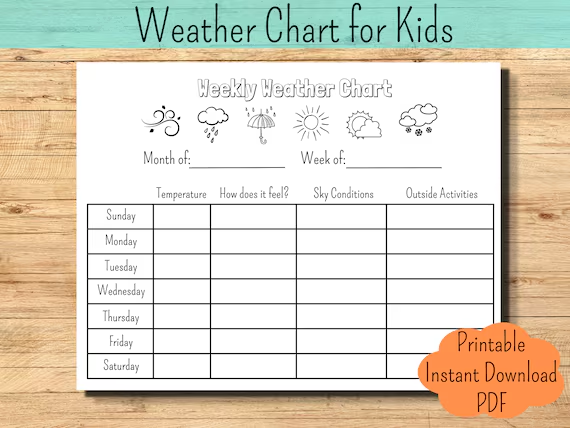
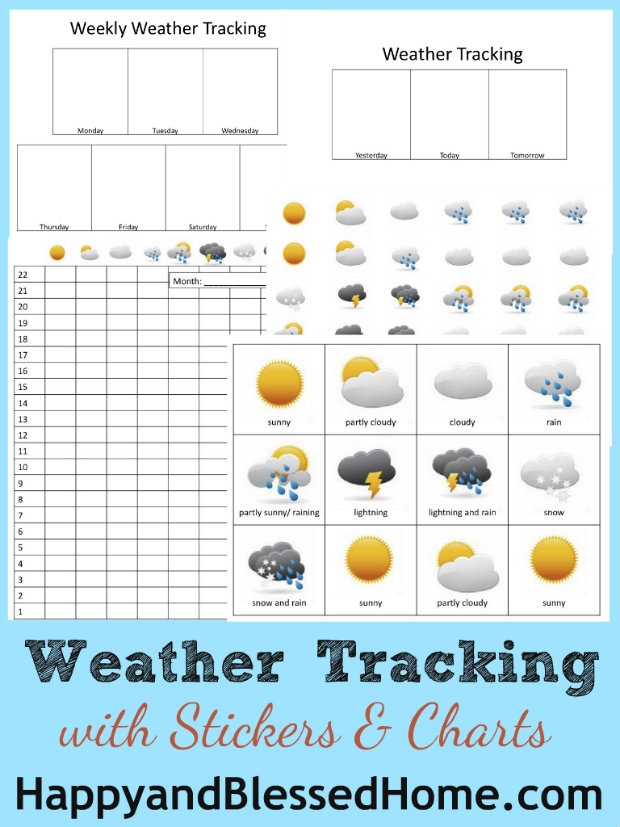
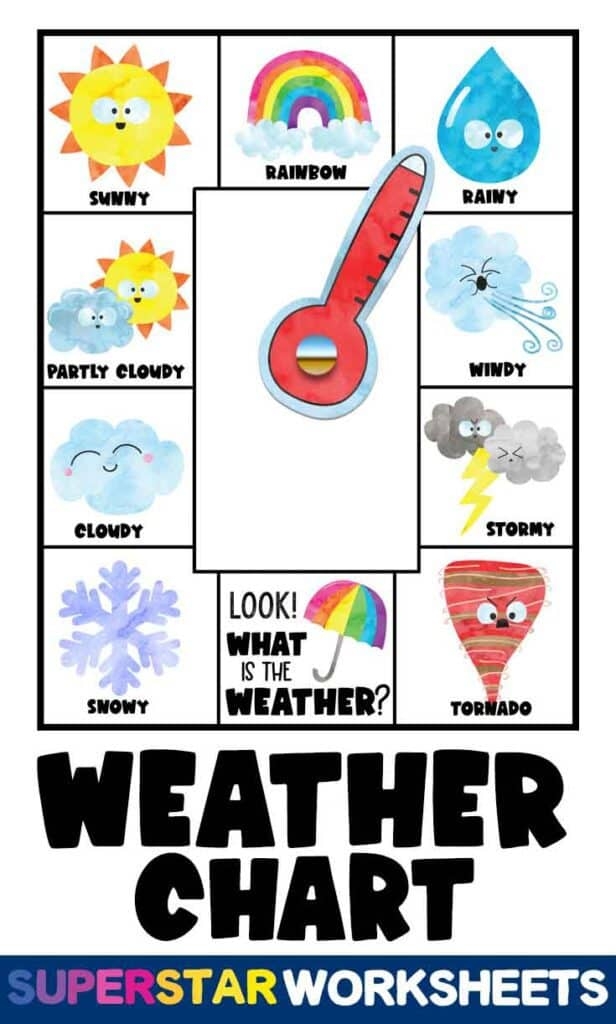
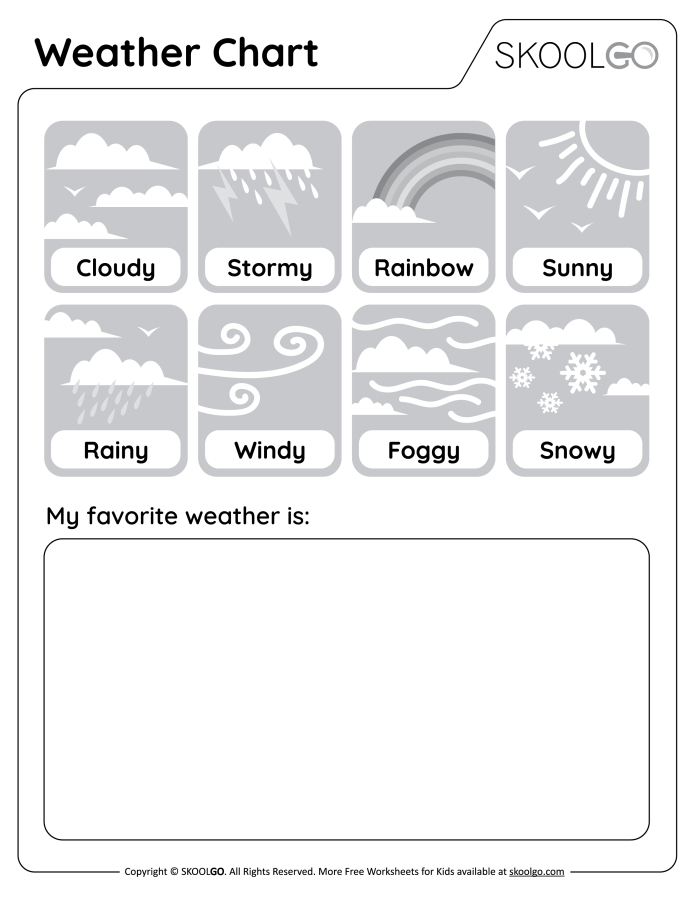
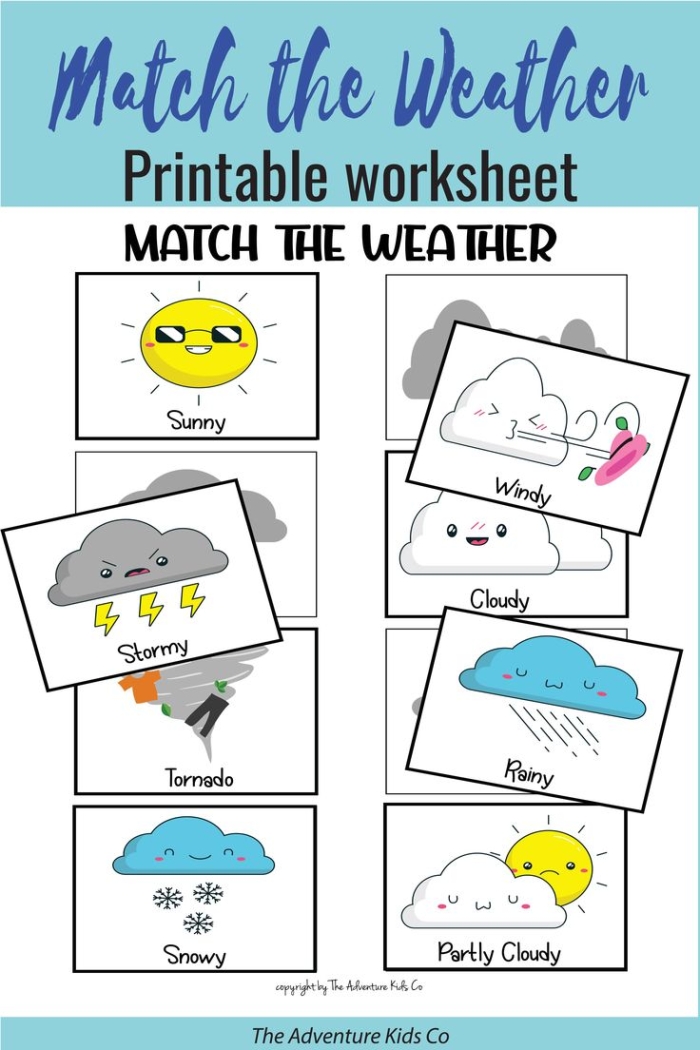
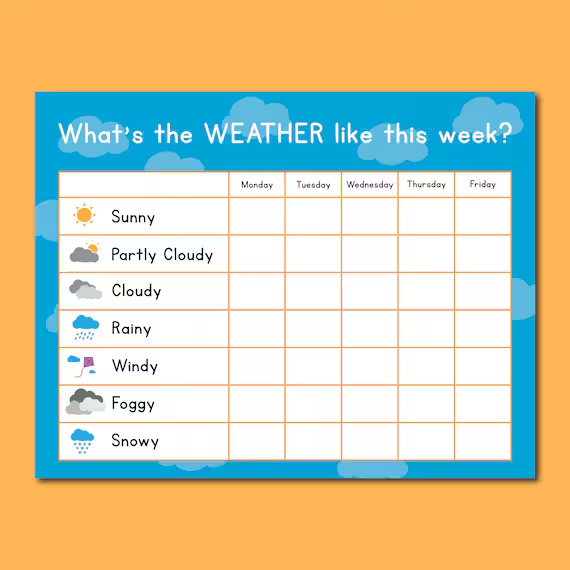
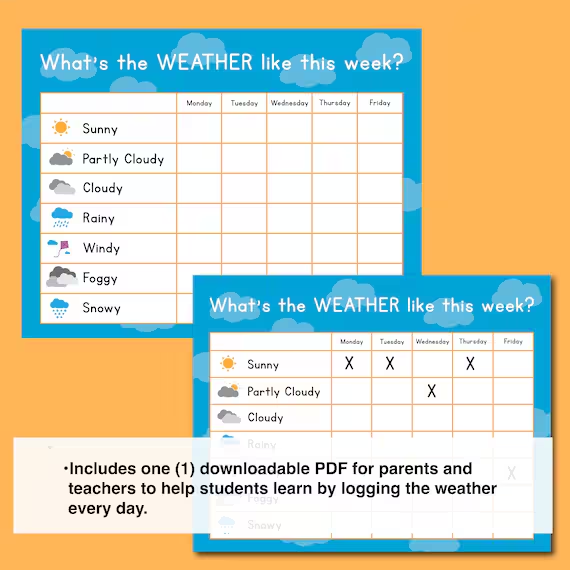
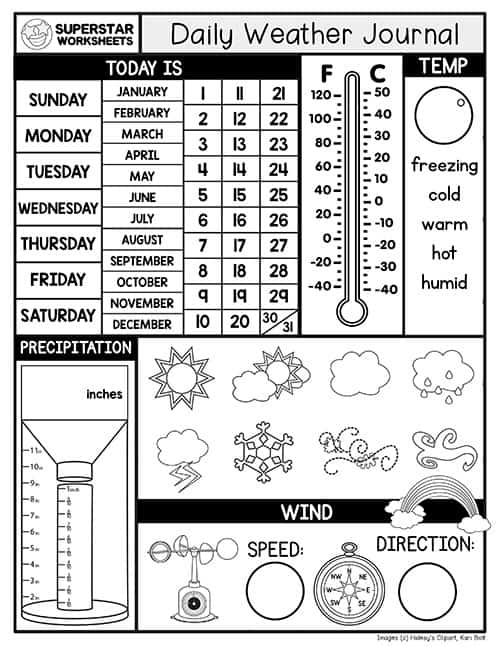
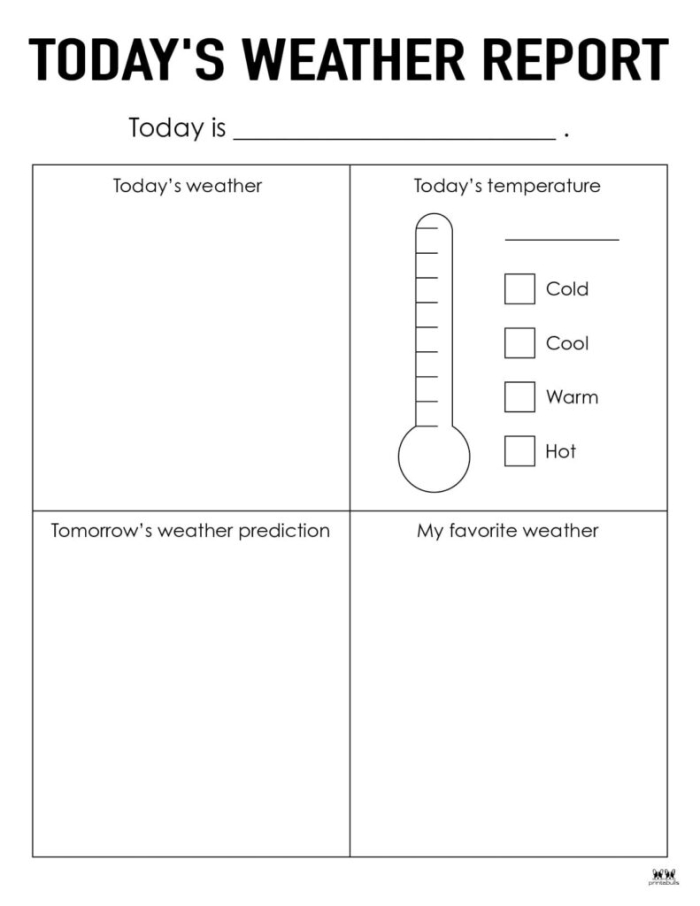
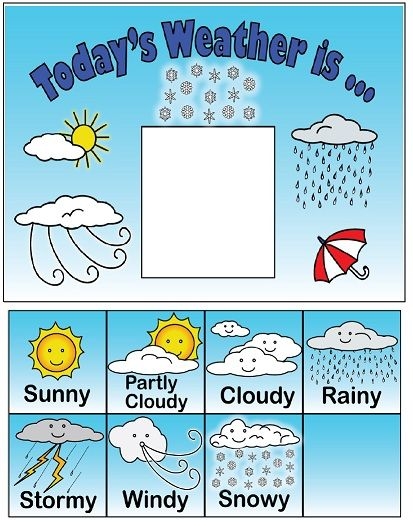
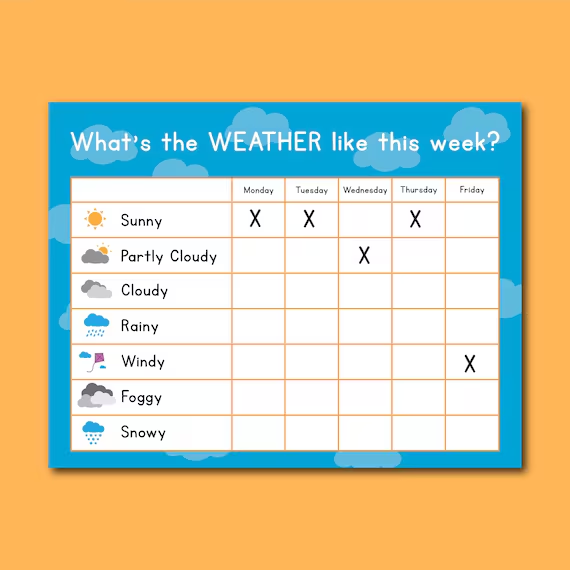
A printable weather chart for kids works by having your child mark or draw the daily weather conditions. They might use symbols for sunny, cloudy, rainy, or snowy days, then track these observations across weeks or months. This hands-on approach teaches graphing concepts naturally, without the pressure of formal instruction. Your blossoming meteorologist begins to notice that certain weather patterns repeat, that some months tend to be rainier, or that winter brings colder days.
The beauty of this activity lies in its simplicity. You don’t need to explain atmospheric pressure or wind systems. Instead, your child learns to look outside, describe what they observe, and record it in a visual format they can understand. This mirrors how real meteorologists gather data, just at a scale appropriate for young learners.
Beyond weather observation, this chart connects to other Pre-K learning areas. As your child practices recording information, they’re developing fine motor skills similar to those used in prewriting skills activities with circles. They’re also building consistency in daily routines, which supports overall school readiness.
Many families find that a weather chart becomes a natural part of morning routines. It takes just a few minutes, yet creates a meaningful conversation starter about what the day will bring. Your child might start asking questions about why it rains or what makes clouds form, sparking curiosity that extends well beyond the worksheet itself.
Worksheet Practice Section