Light moves so fast that we barely notice it traveling at all. When you flip a switch, the room brightens instantly, yet that light has actually journeyed from the bulb to your eyes in a fraction of a second. For third grade students studying physical science, understanding how light travels and the direction it moves opens up a fascinating world of observation and discovery.
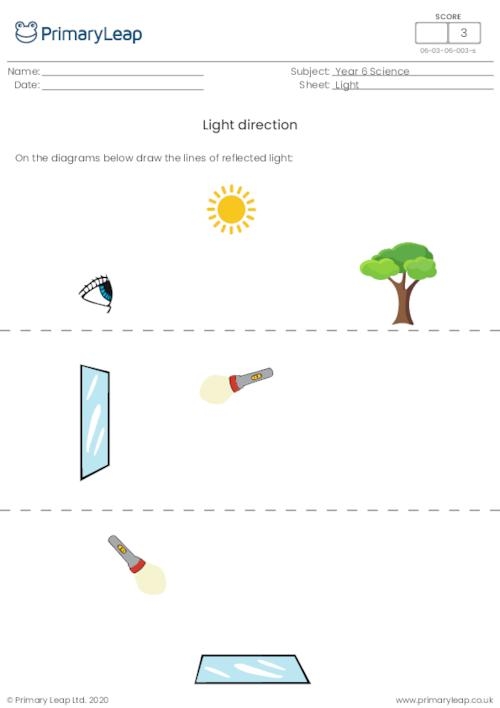
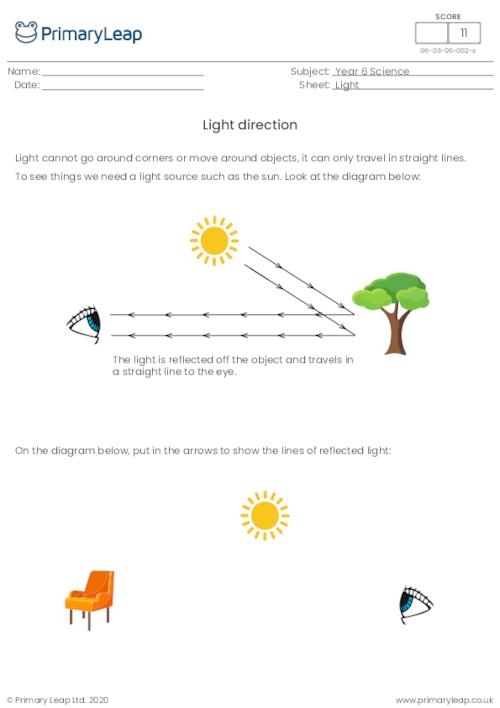
Light always travels in straight lines until something gets in its way. This fundamental rule explains why shadows appear where we expect them and why mirrors reflect light at predictable angles. When light hits an object, it either passes through (if the object is transparent), bounces off (if it’s reflective), or gets absorbed (if it’s dark or opaque). These behaviors happen so quickly that we experience them as instantaneous, but the light itself is constantly moving in specific directions.
The speed of light is approximately 186,000 miles per second, which means it travels around Earth’s equator about seven times in just one second. This incredible velocity is why we see lightning before we hear thunder, even though both happen at the same moment. The light reaches us almost instantly, while the sound takes several seconds to arrive.
To explore this concept hands-on, try a simple experiment at home. Shine a flashlight through a glass of water and observe how the light bends when it enters the water at an angle. This bending, called refraction, shows that light changes direction when moving between different materials. You can also create shadows with different objects and notice how the shadow’s shape and size change based on the light’s direction and distance from the object.
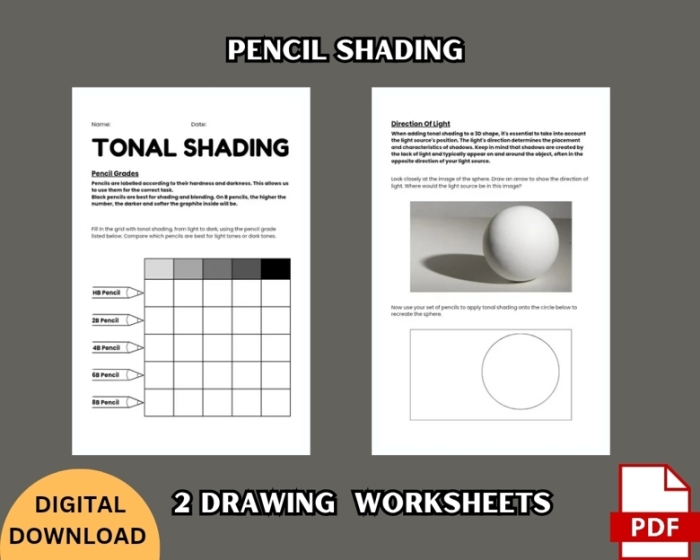
For deeper learning, consider how light’s directional properties help us understand everything from how our eyes see to how cameras capture images. When you’re working through story plot activities or exploring cause and effect with thunderstorms, you’re already thinking about how one thing leads to another, much like how light’s direction determines what we see.
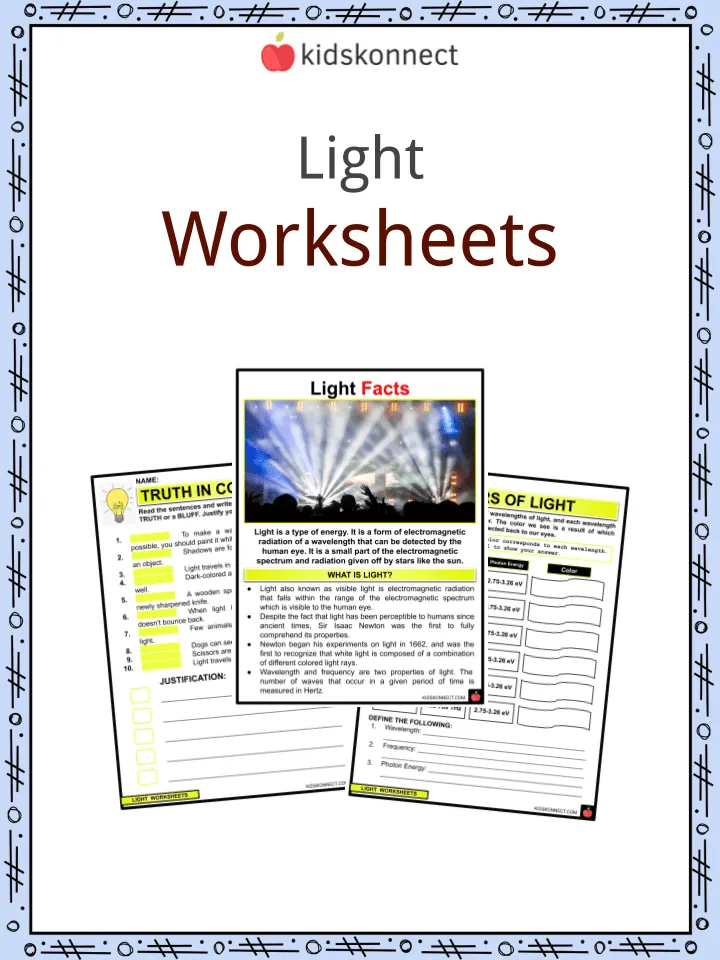
Hands-On Worksheet Activities