Encouraging young readers to explore the sequence of events in a story can be an enriching experience. When you ask, “What happened first?” you invite them to think critically about the narrative structure. This approach not only boosts their reading comprehension but also enhances their storytelling skills.
As your young reader engages with a short story, guide them to identify the beginning, middle, and end. The beginning introduces characters and sets up the situation. This is where the reader learns who the main characters are and what challenges they might face. The middle is where the action unfolds. Here, the plot thickens, and conflict arises, keeping the reader on the edge of their seat. Finally, the end wraps up the story, resolving any conflicts and giving closure to the characters’ journeys.
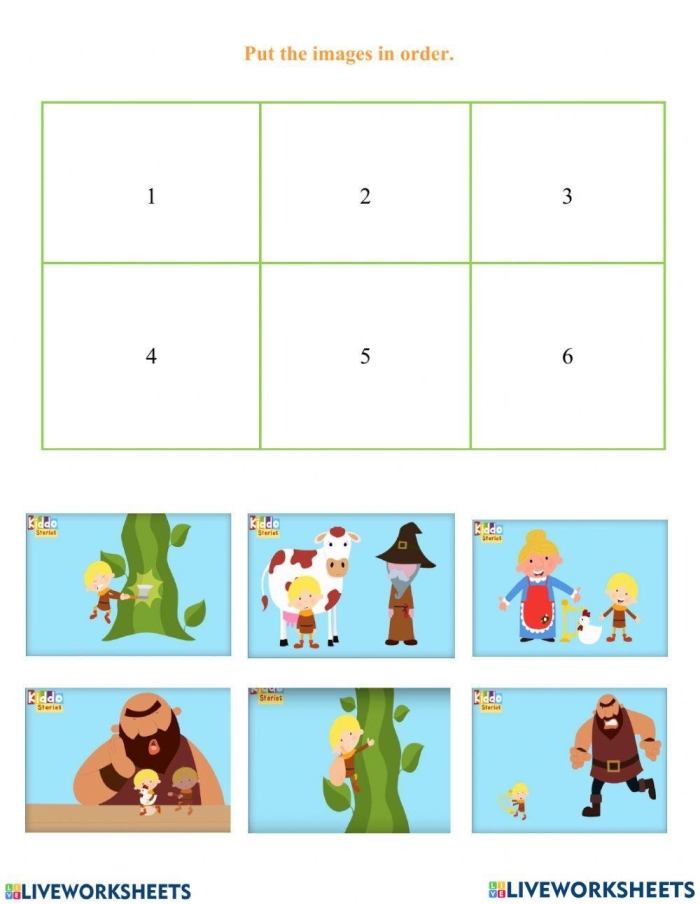
Illustrations play a crucial role in this process. They provide visual context that can help young readers grasp the events more vividly. Encourage them to look closely at the images and connect them to the text. For instance, if a character is shown looking worried, ask your reader how that might relate to the conflict in the story. This practice not only aids understanding but also makes reading a more interactive experience.
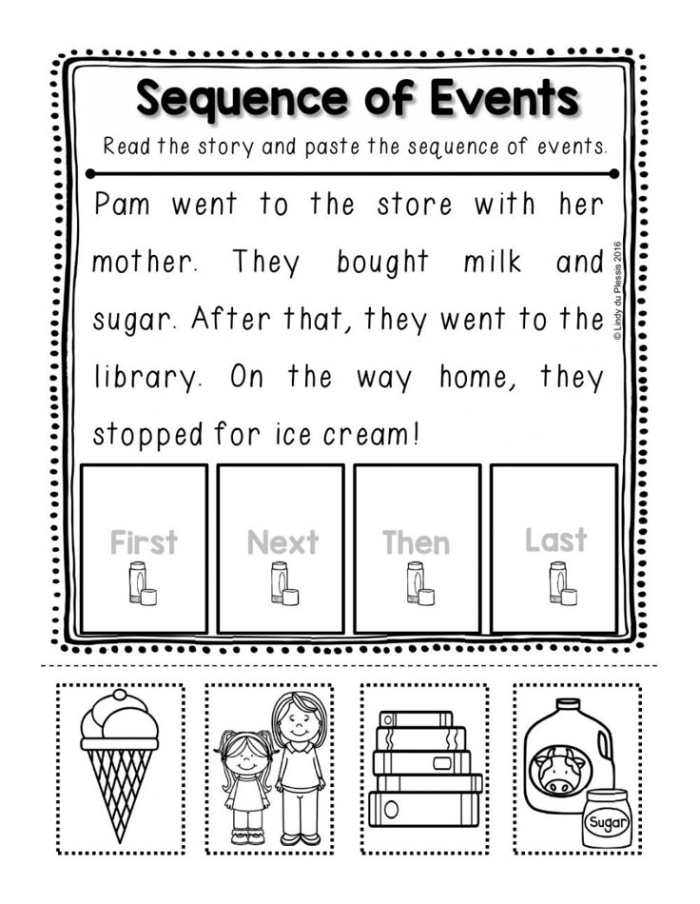
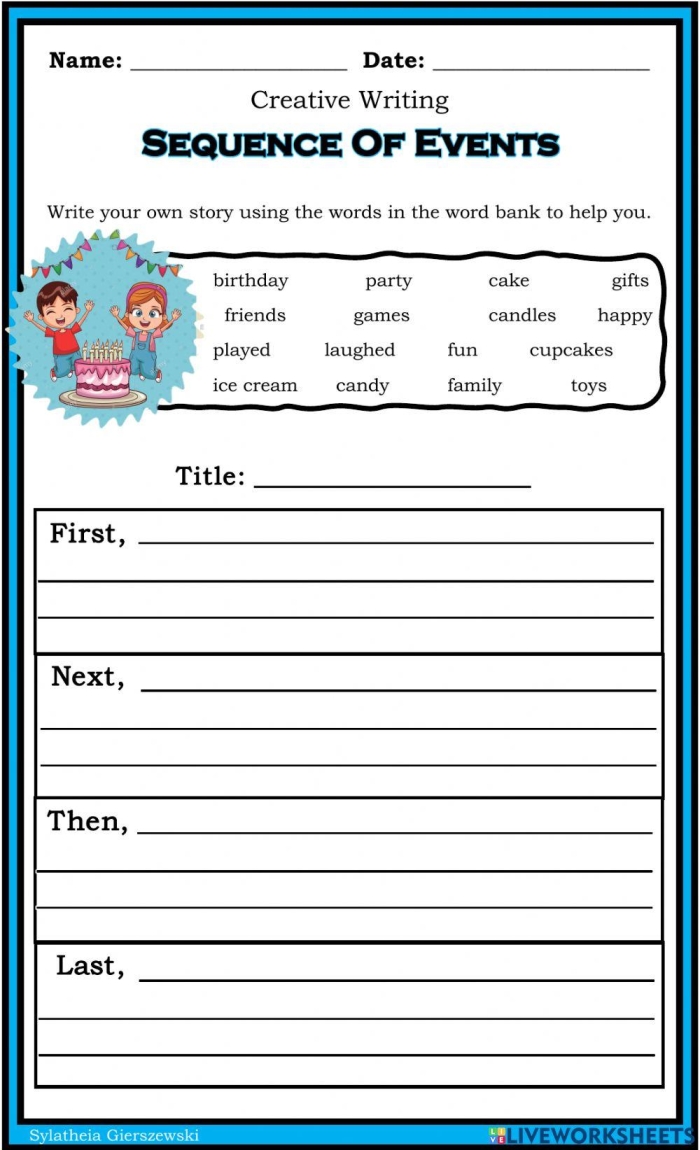
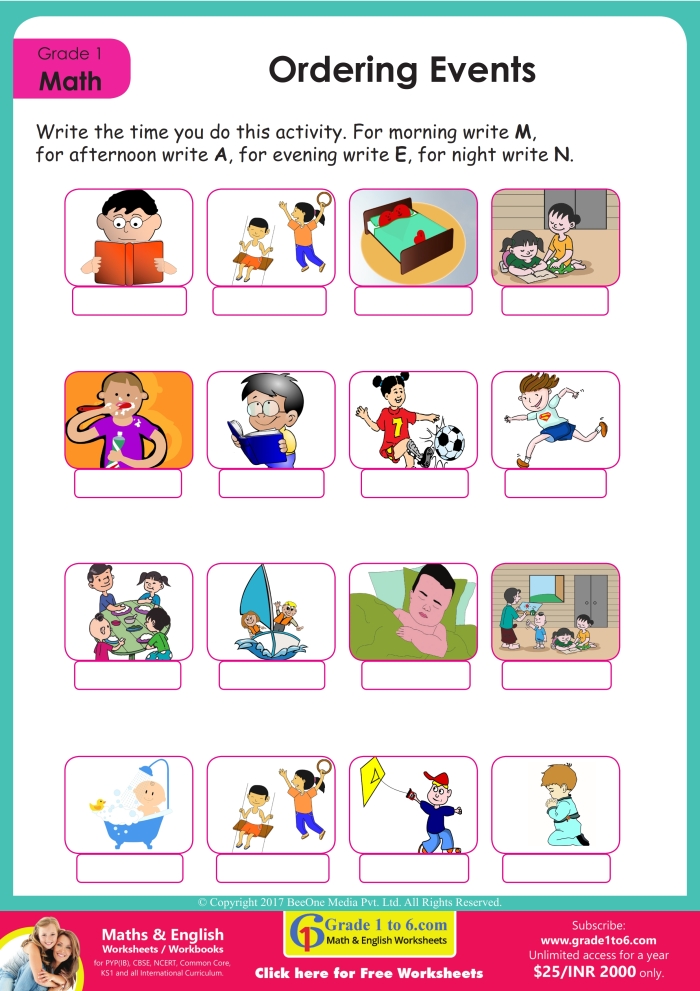
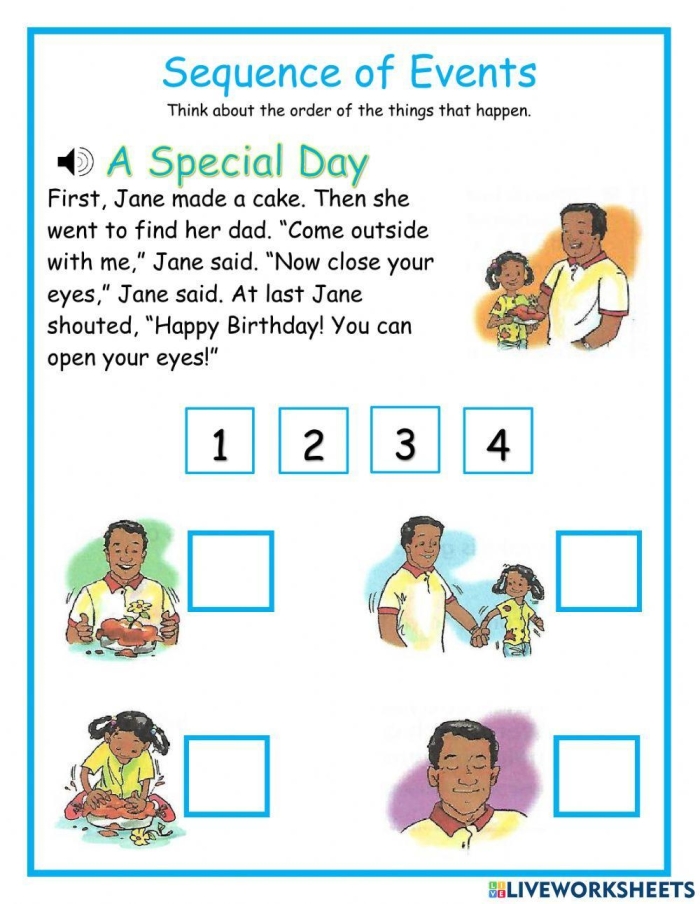
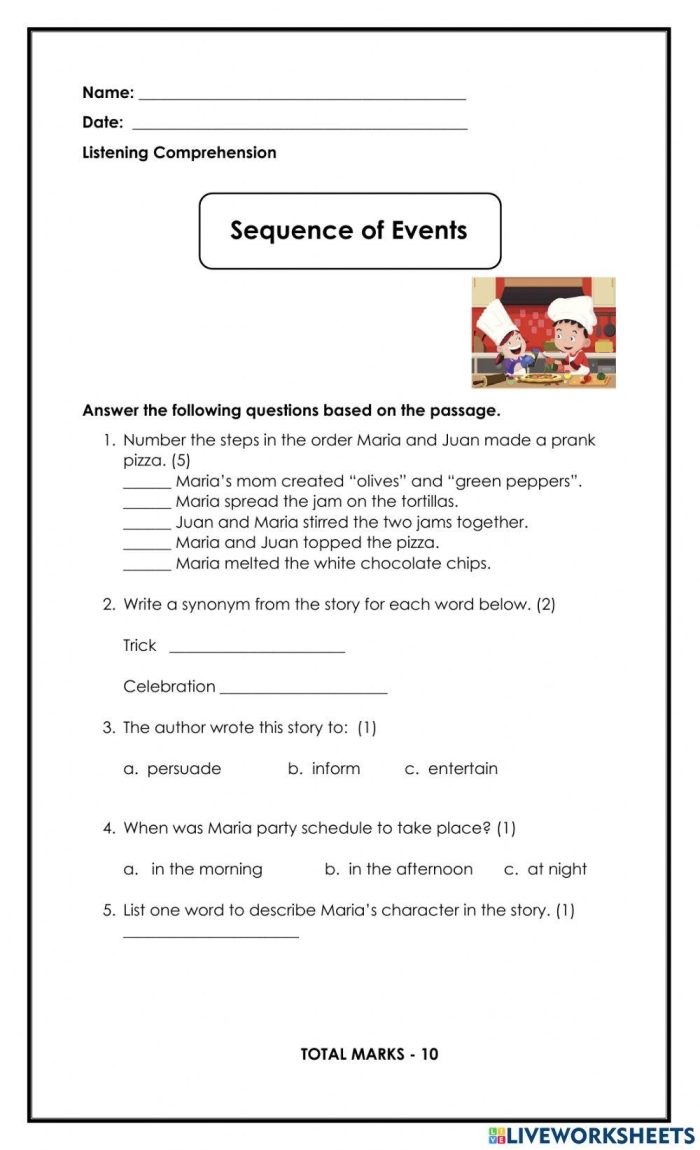
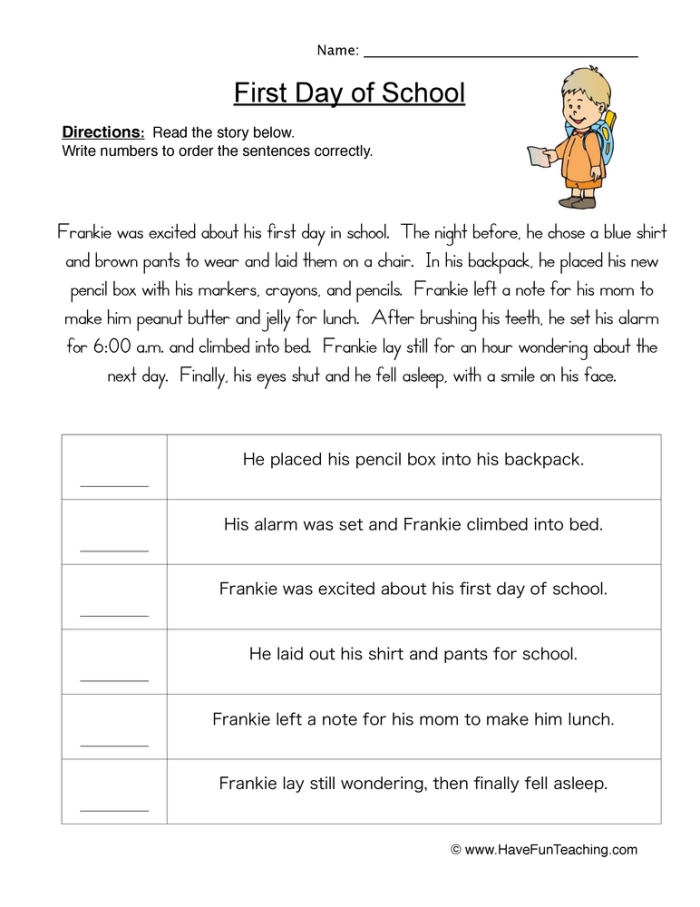
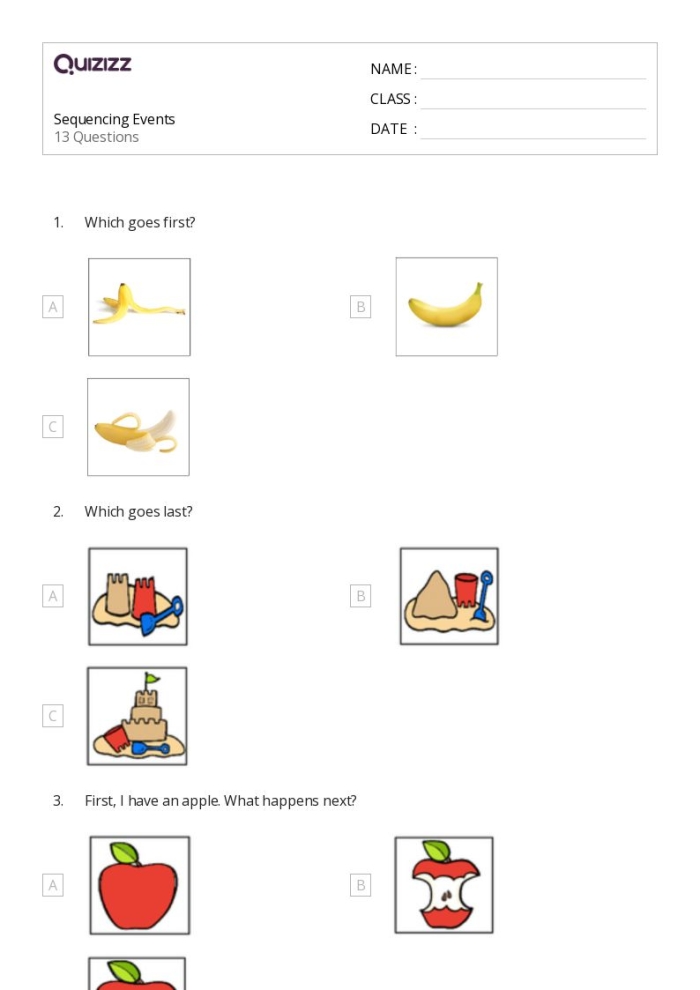
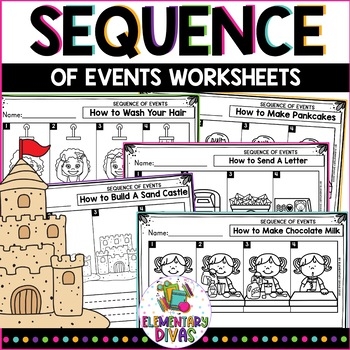
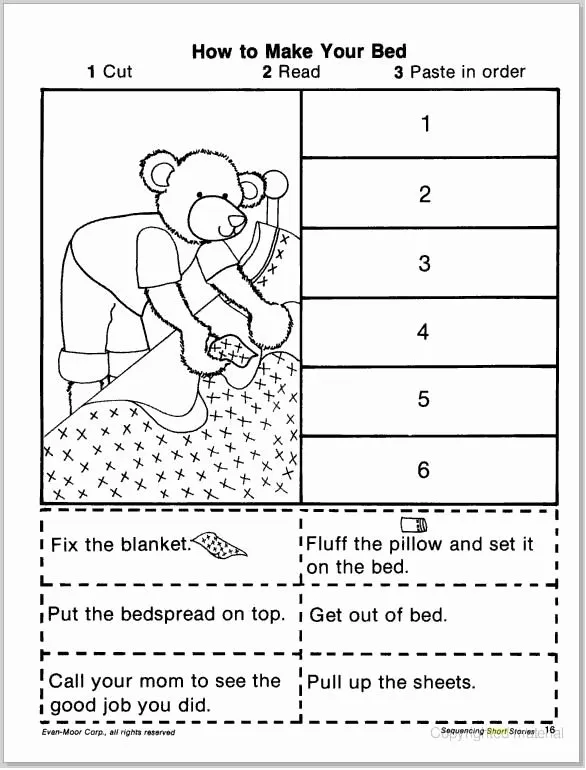
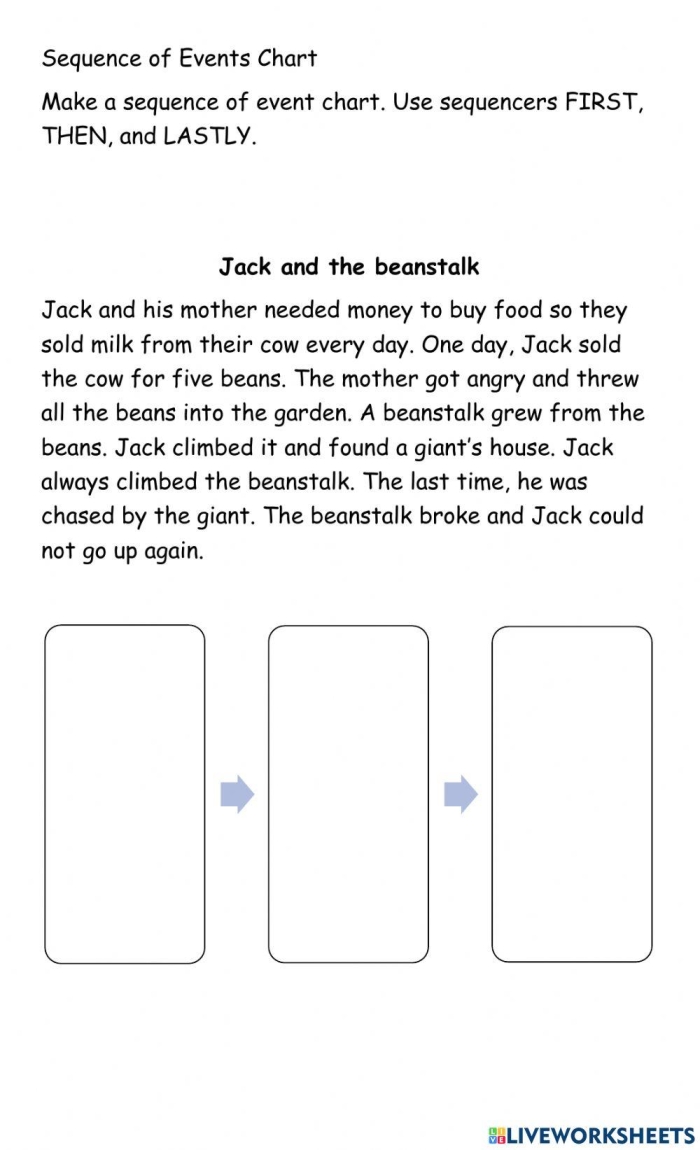
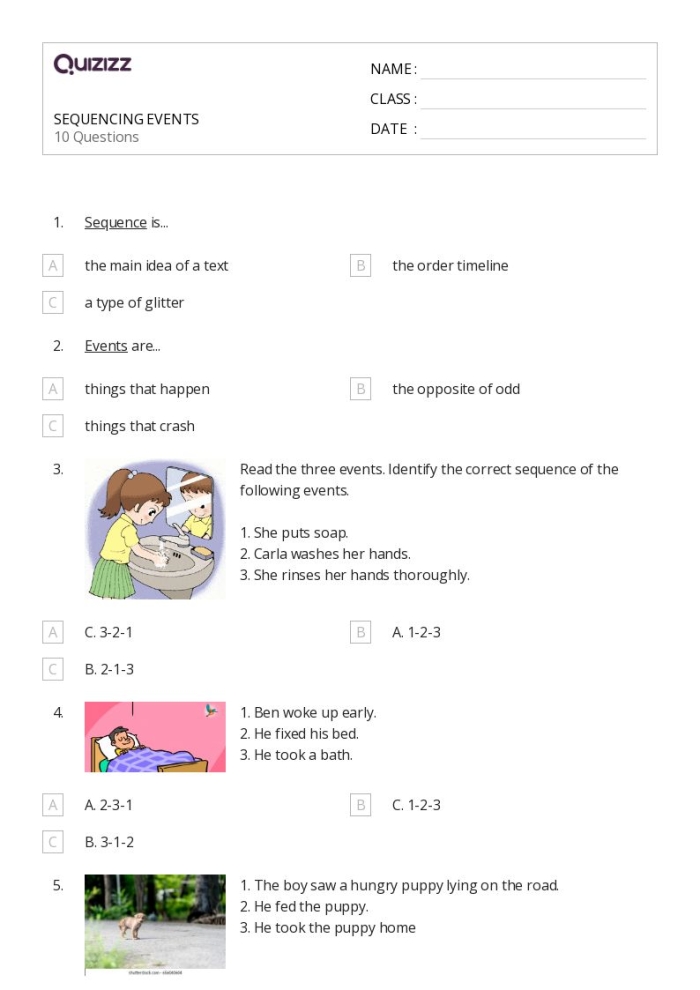
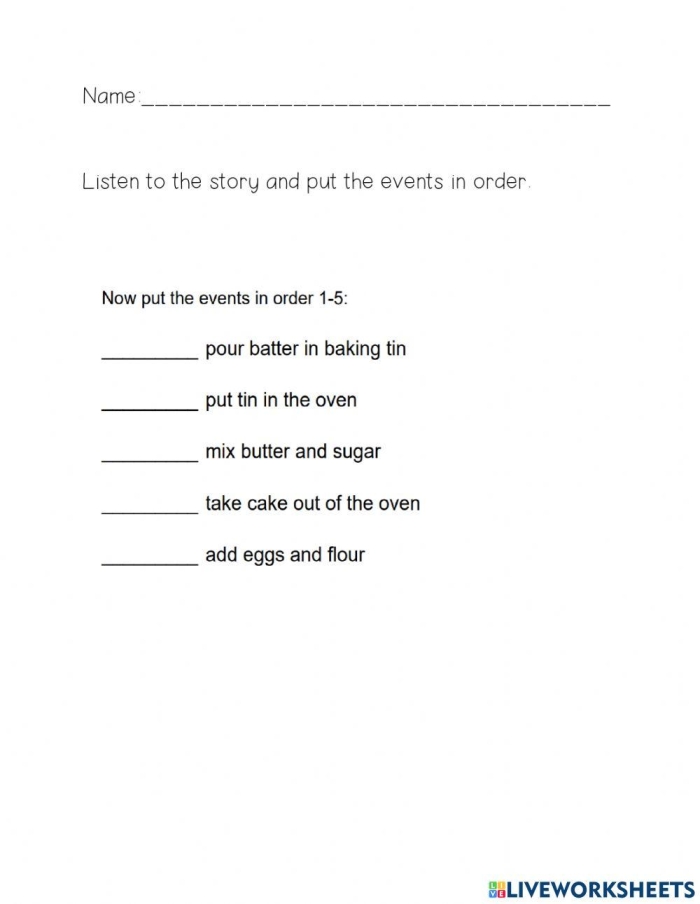
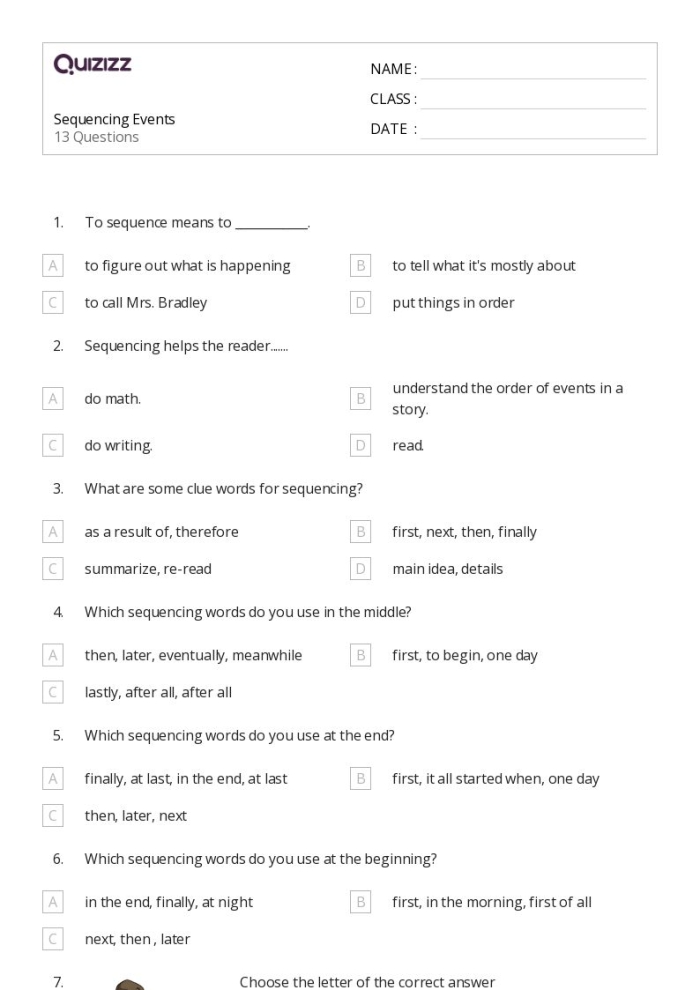
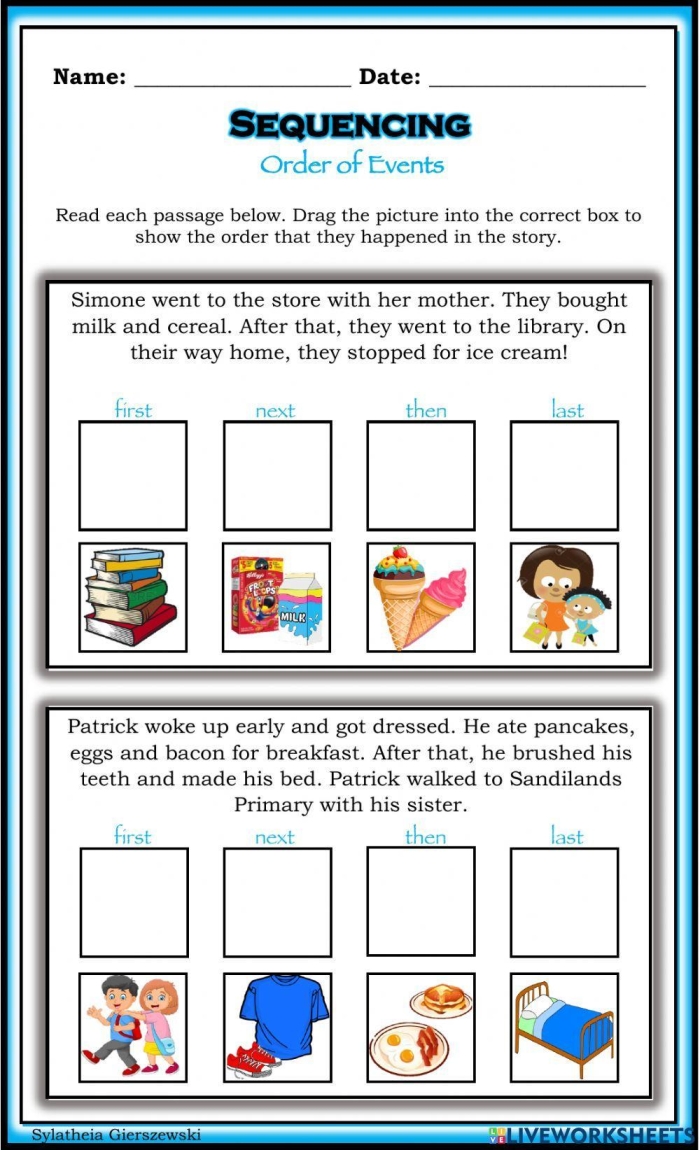
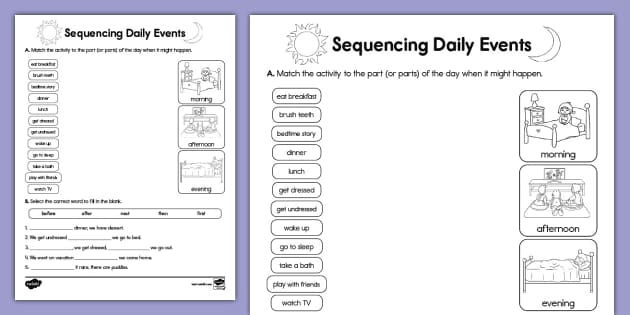
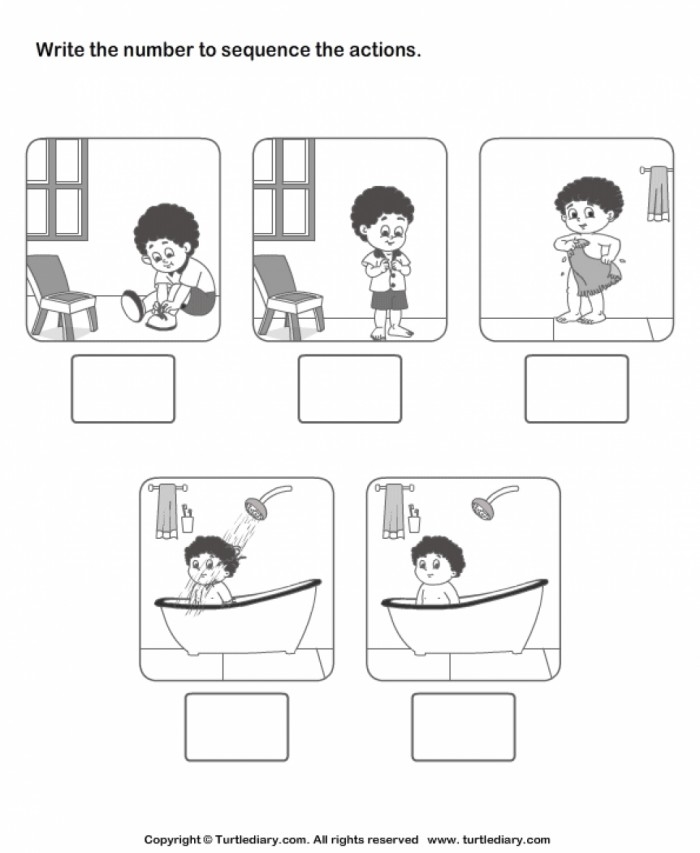
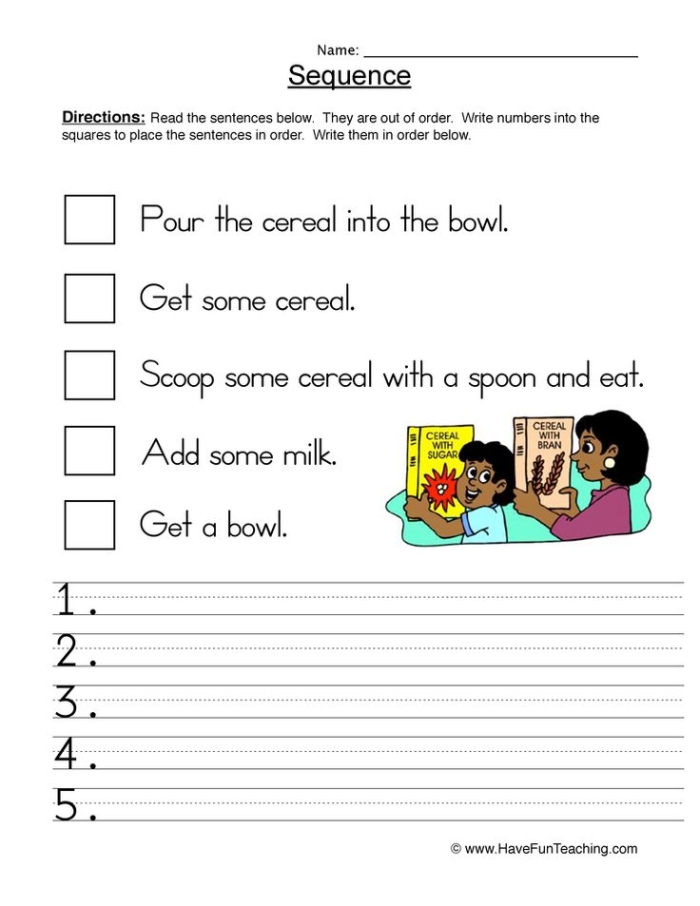
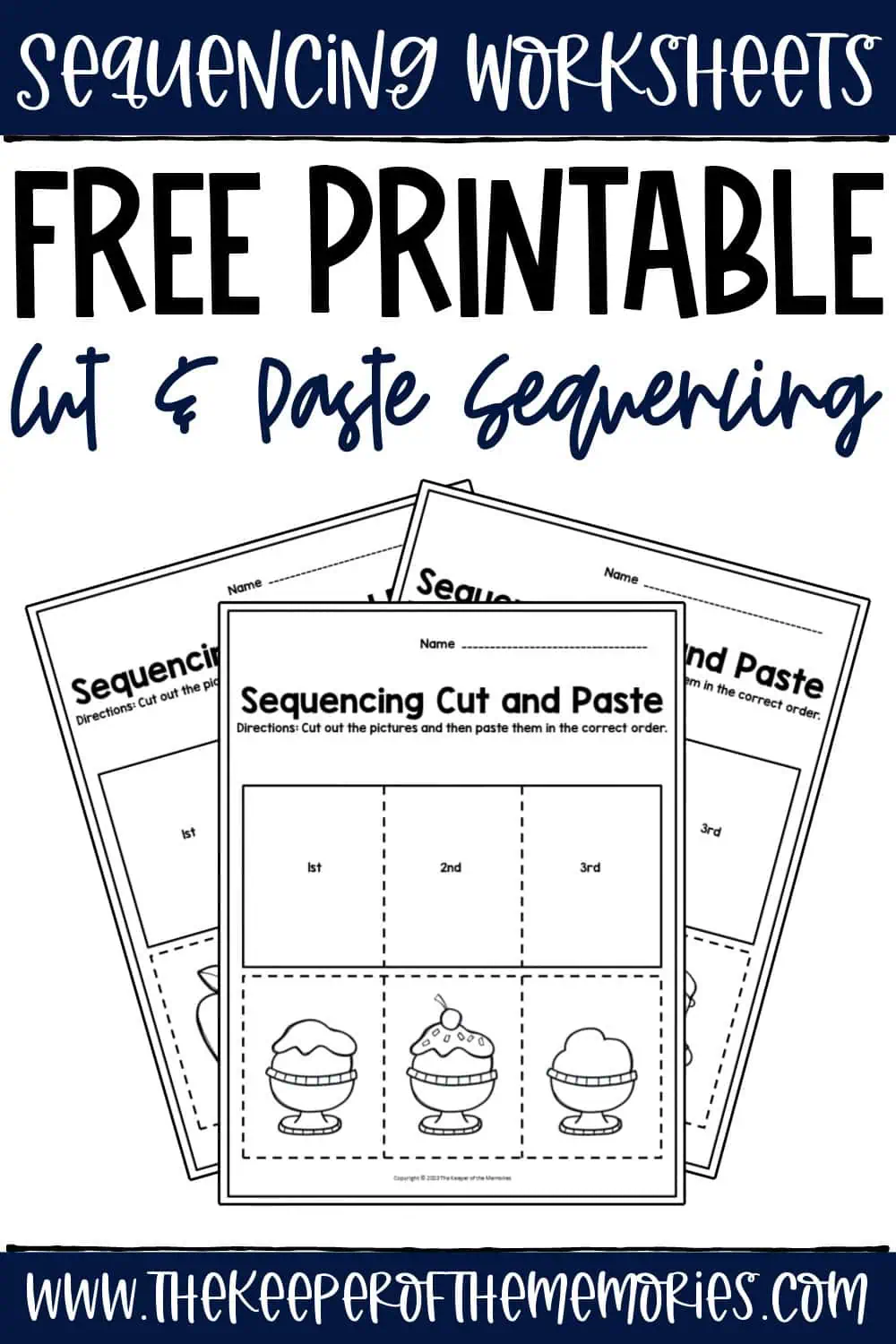
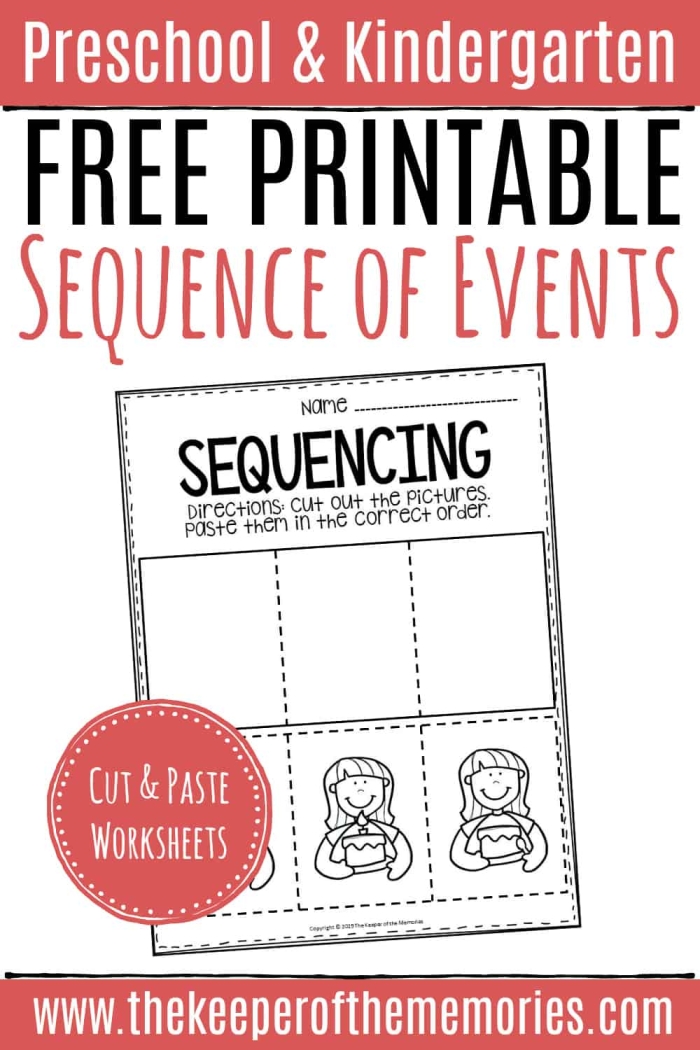
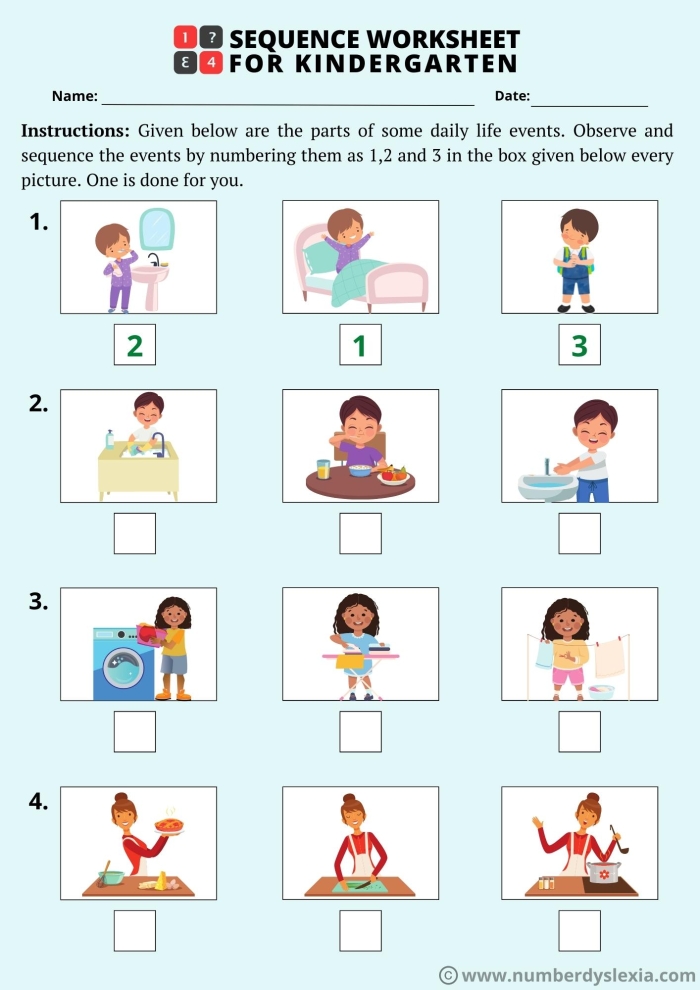
For those looking to reinforce these skills, printable sequence of events worksheets can be a valuable resource. These worksheets can provide structured activities that encourage children to map out stories they read, linking illustrations to specific parts of the narrative. You can find useful worksheets on topics like cause and effect or emotions in art, which can complement their reading activities.
By guiding young readers through the process of identifying the sequence of events, you help them build foundational skills in grammar and mechanics. This not only aids in their current reading but also prepares them for more complex narratives in the future.
Use These Worksheets Today