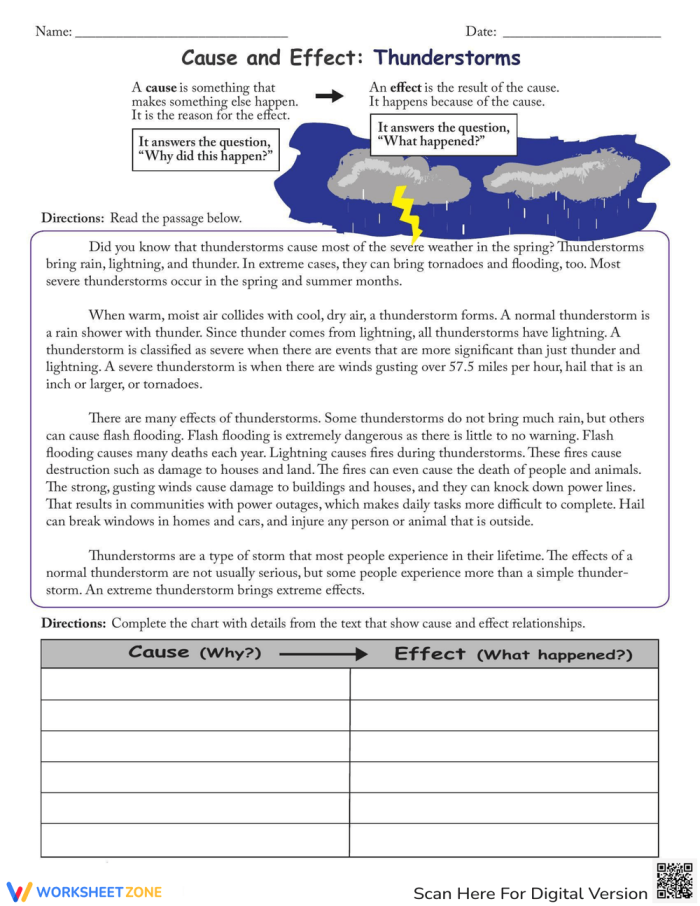
When third graders encounter a nonfiction text about thunderstorms, the real learning happens when they stop passively reading and start asking why things happen. This shift from passive consumption to active questioning transforms their understanding of cause and effect, one of the most important comprehension skills they’ll develop.
The question “Why did that happen?” is deceptively simple but incredibly powerful. When students read that lightning strikes before thunder, they naturally wonder why. When they learn that warm air rises and cool air sinks, they begin connecting this to how thunderstorms form. These connections don’t happen automatically. They need your guidance and support to see how one event causes another, and how understanding those relationships helps them make sense of the world.
Start by reading a short passage about thunderstorms aloud and pausing at key moments to ask why. If the text mentions that dark clouds form before a storm arrives, ask your students what might be happening inside those clouds. Let them struggle a bit with the answer. Their confusion is productive because it shows they’re thinking. Then help them find clues in the text that explain the connection between rising moisture and cloud formation.
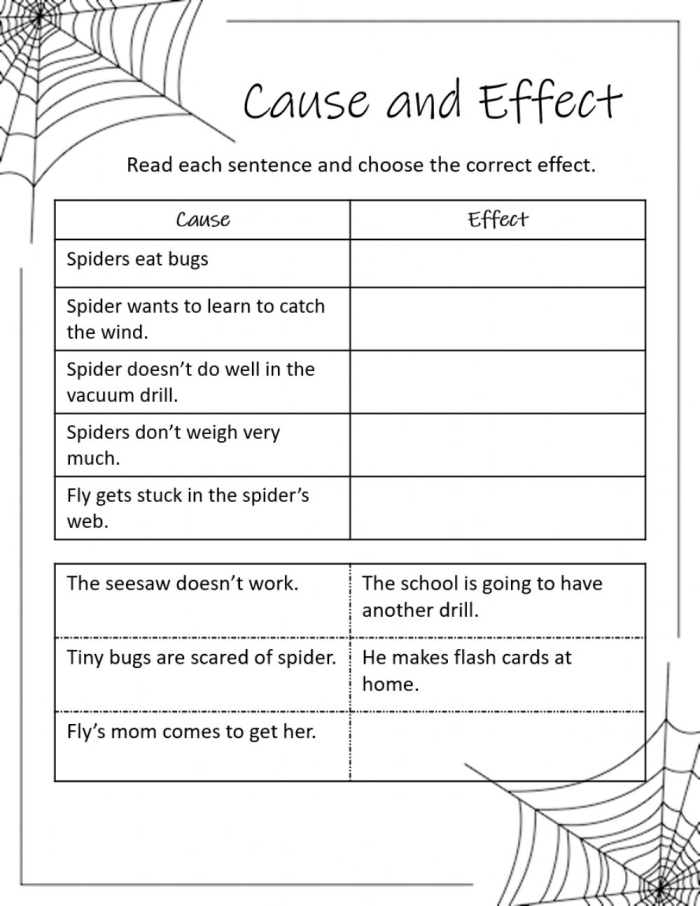
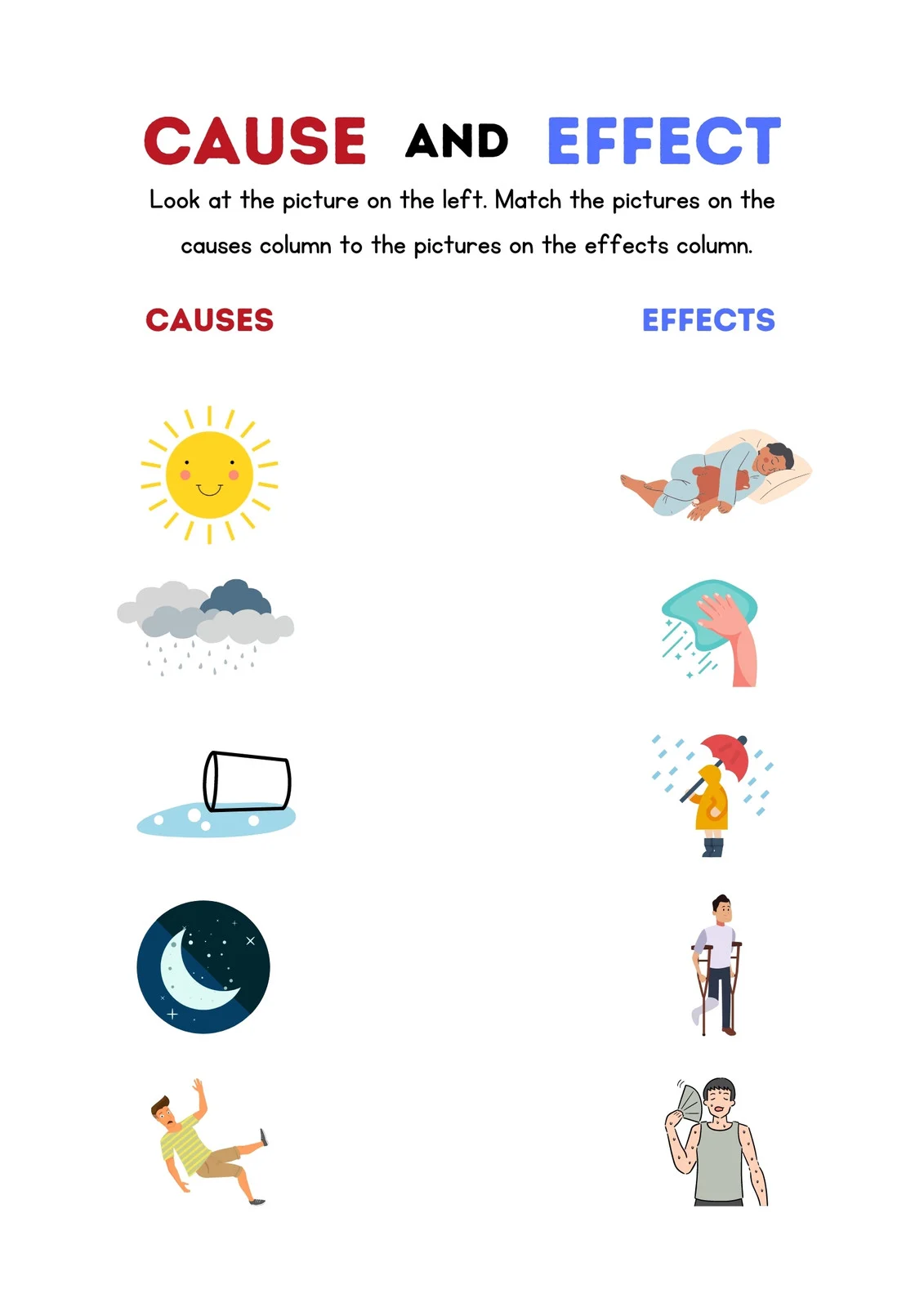
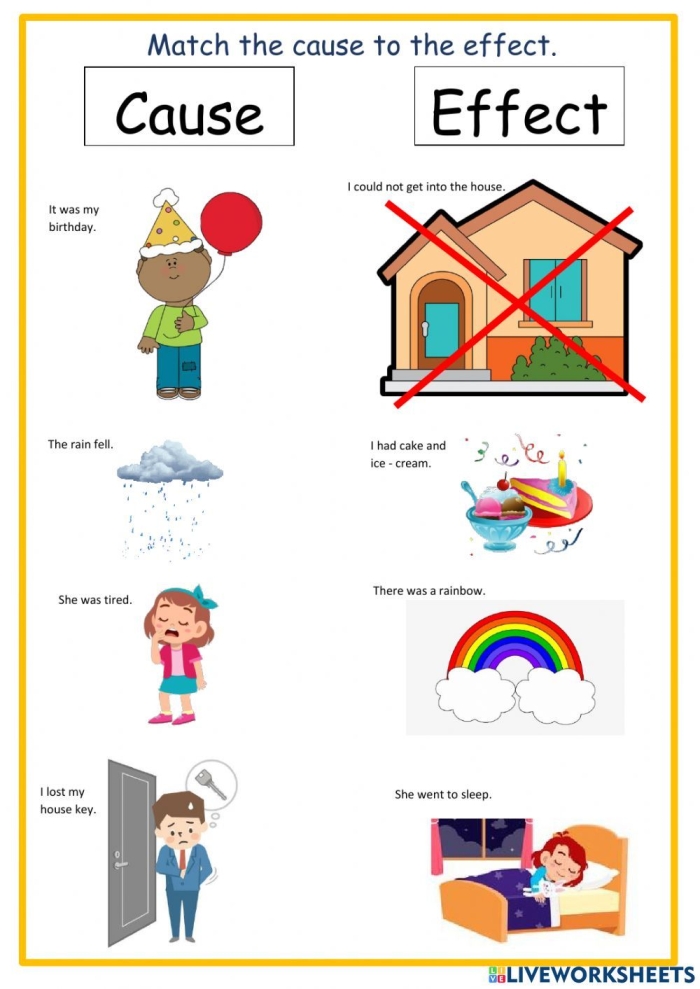
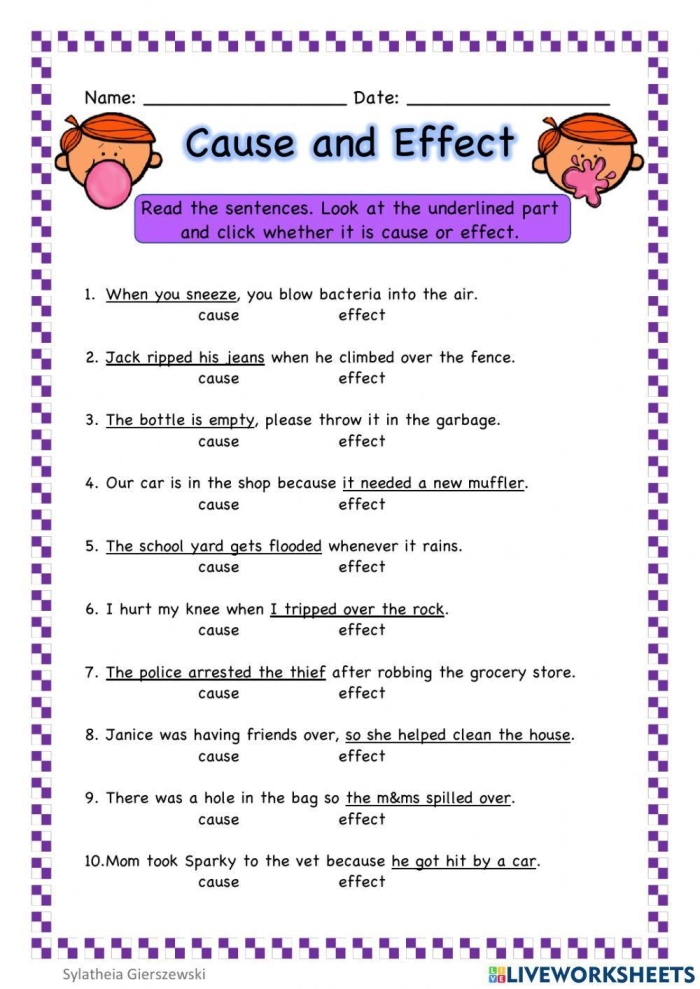
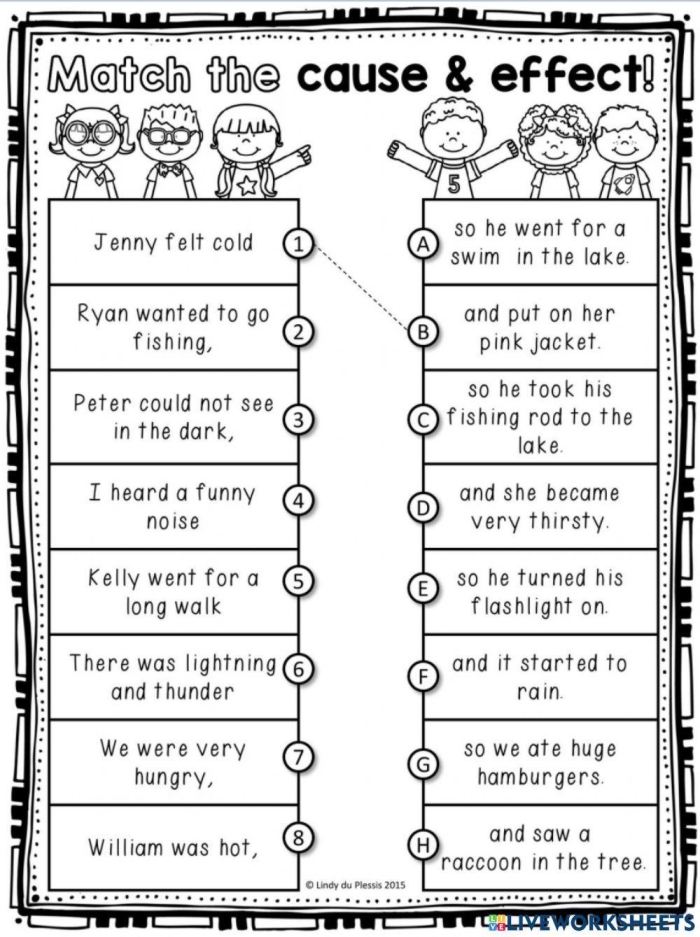
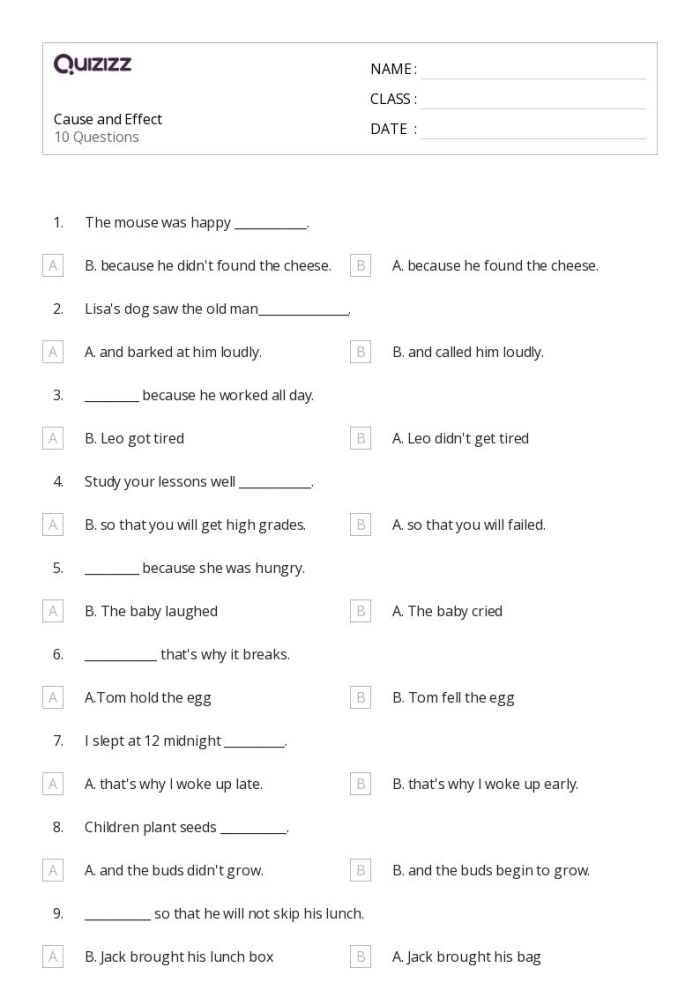
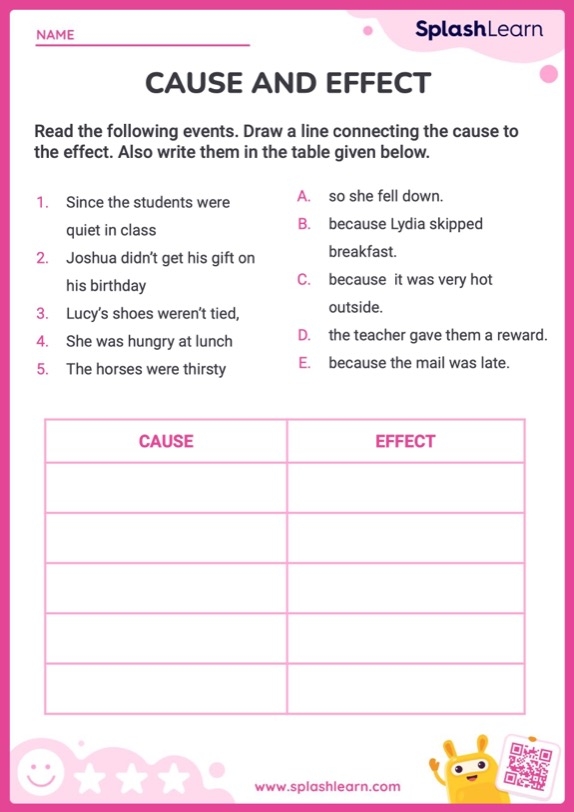
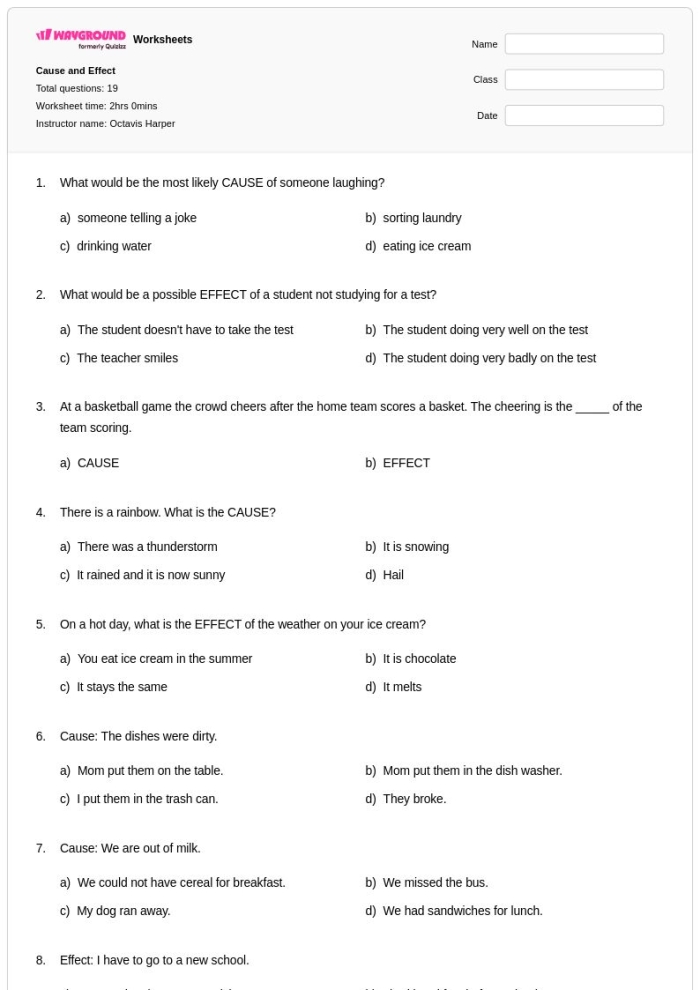
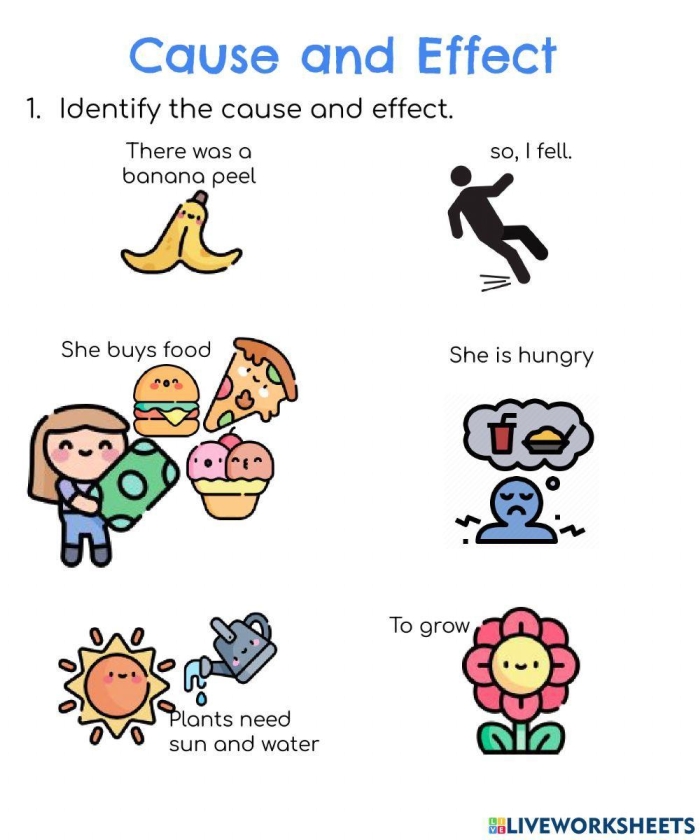
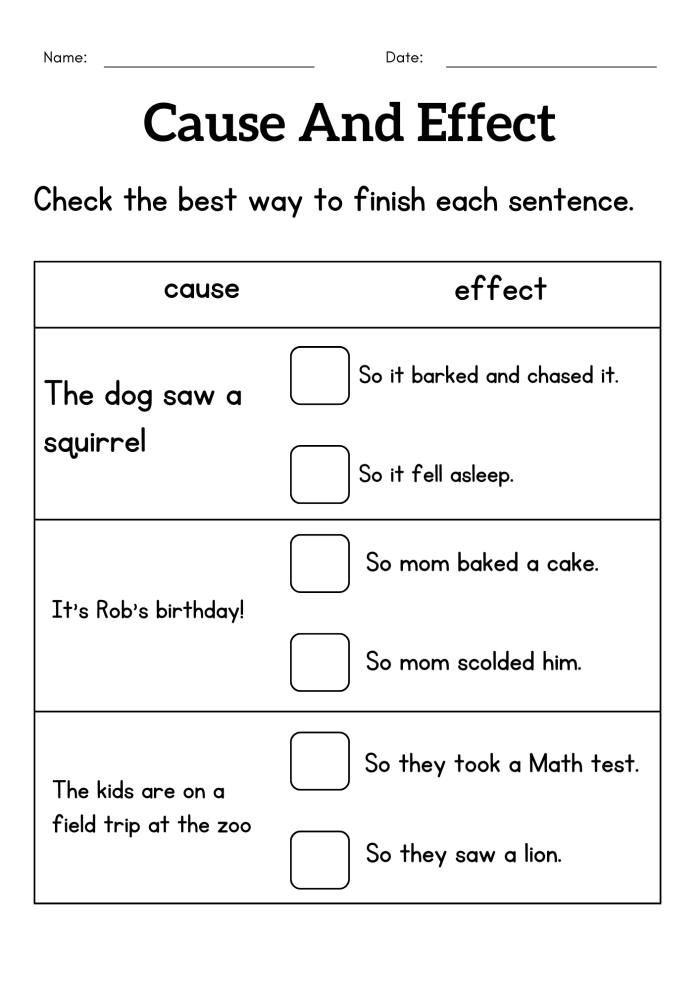
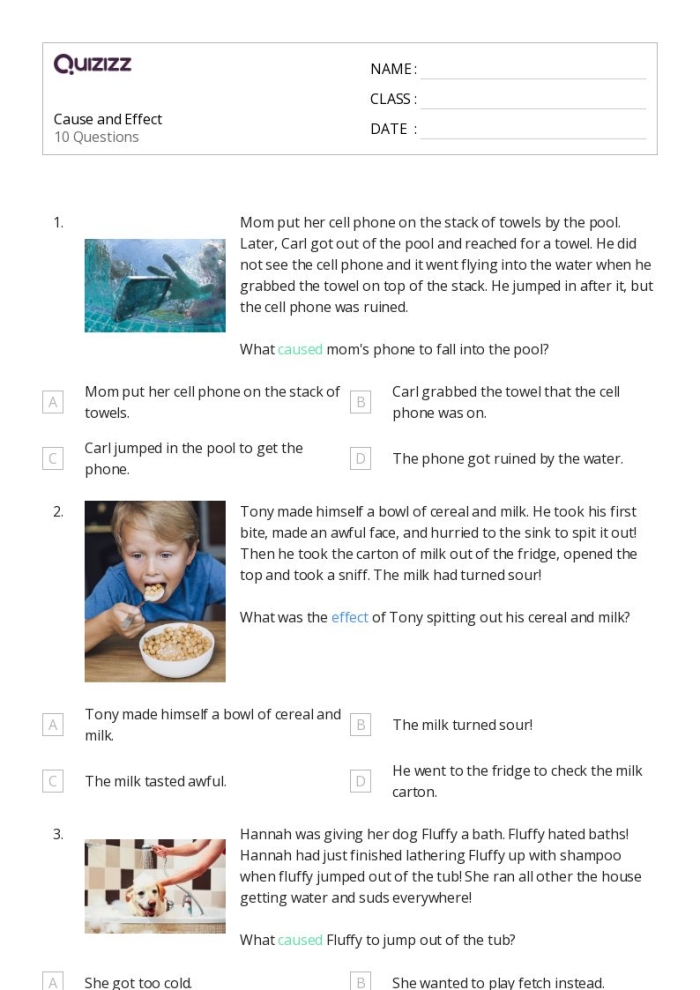
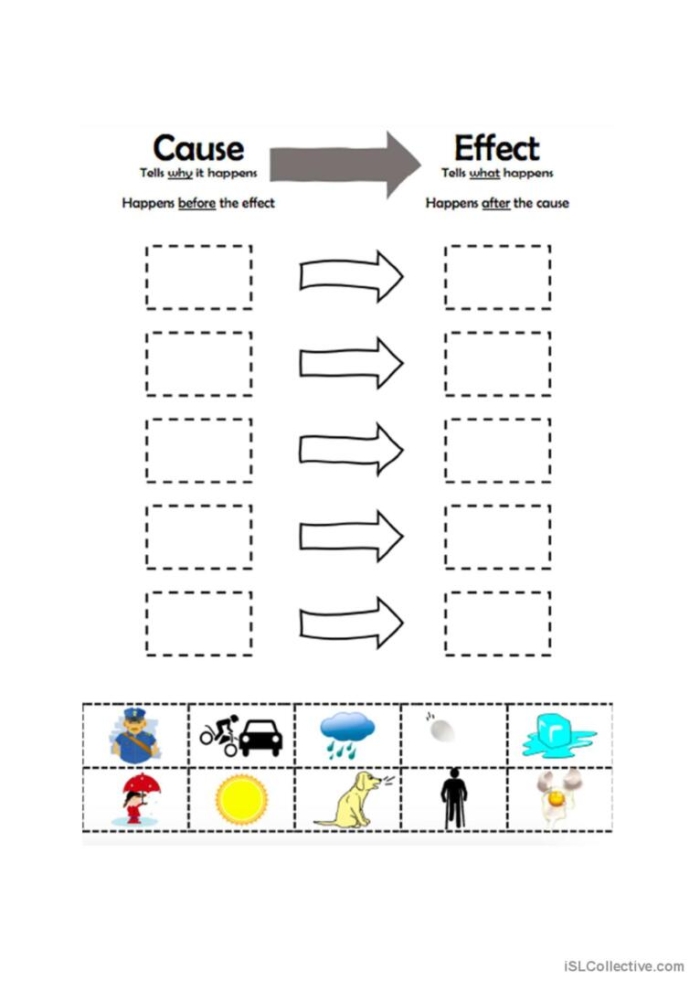
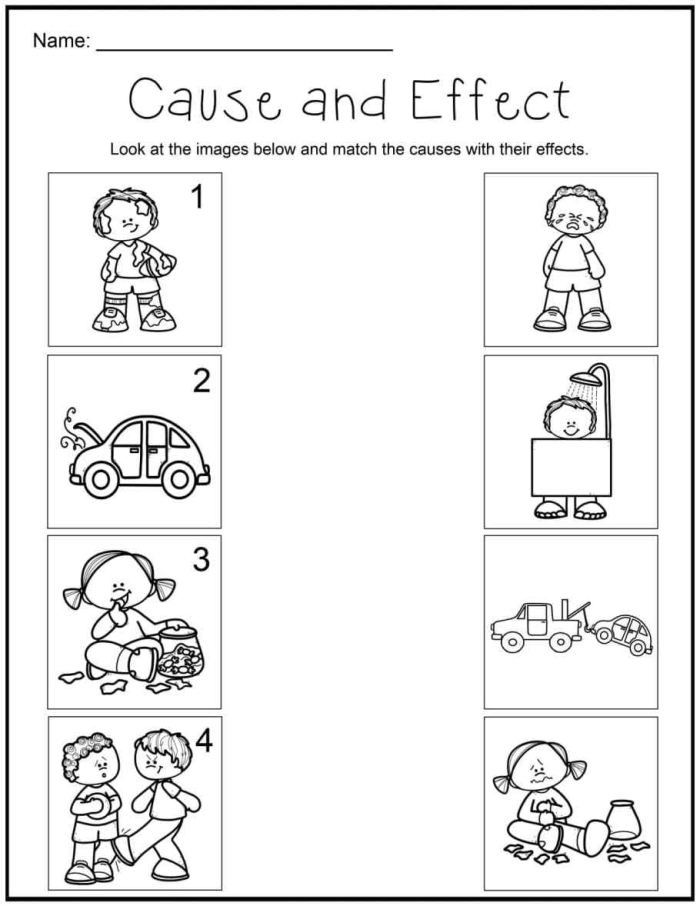
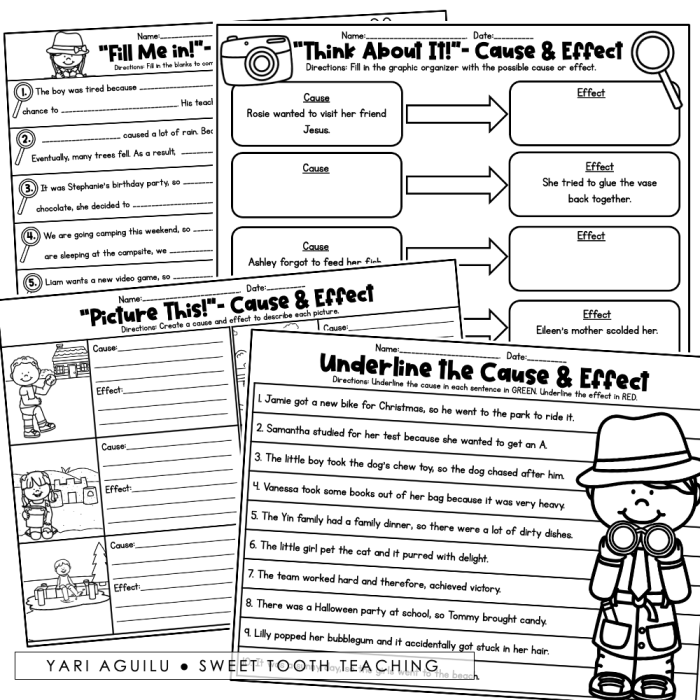
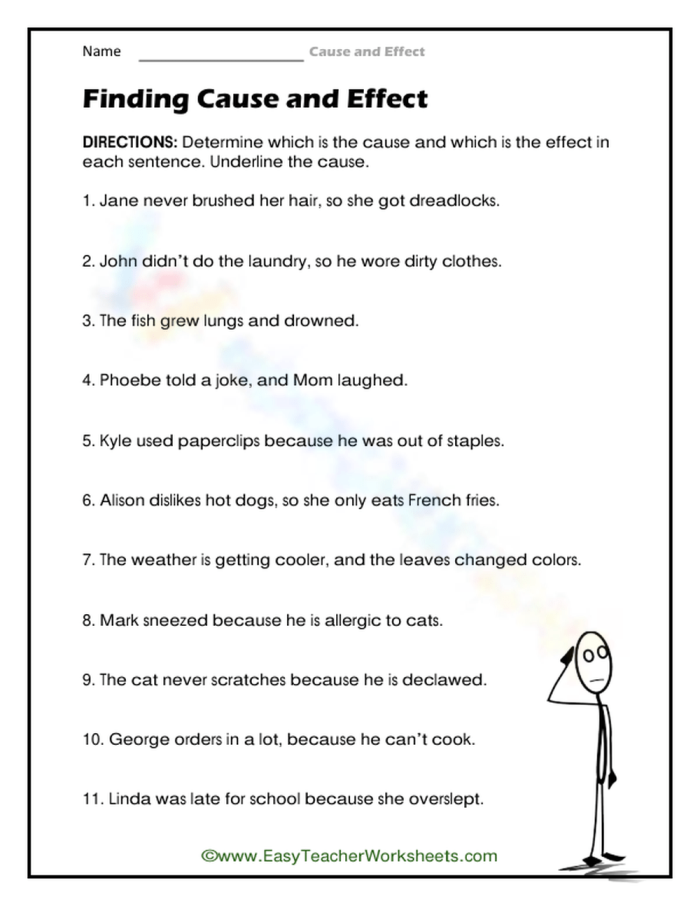
You can strengthen this skill by having students track cause-and-effect relationships on paper. When they identify that water evaporates from oceans and lakes, have them write down what happens next. This visible tracking helps third graders see the chain of events that leads to a thunderstorm. Similar cause-and-effect practice works well when exploring other science topics, like understanding the water cycle or learning about the layers of the earth.
The goal is to build a habit of questioning. Once your students internalize this approach to reading nonfiction, they’ll apply it across subjects. They’ll ask why historical events happened, why math problems work the way they do, and why scientific phenomena occur. That curiosity becomes their most valuable learning tool.
Worksheet Practice Section