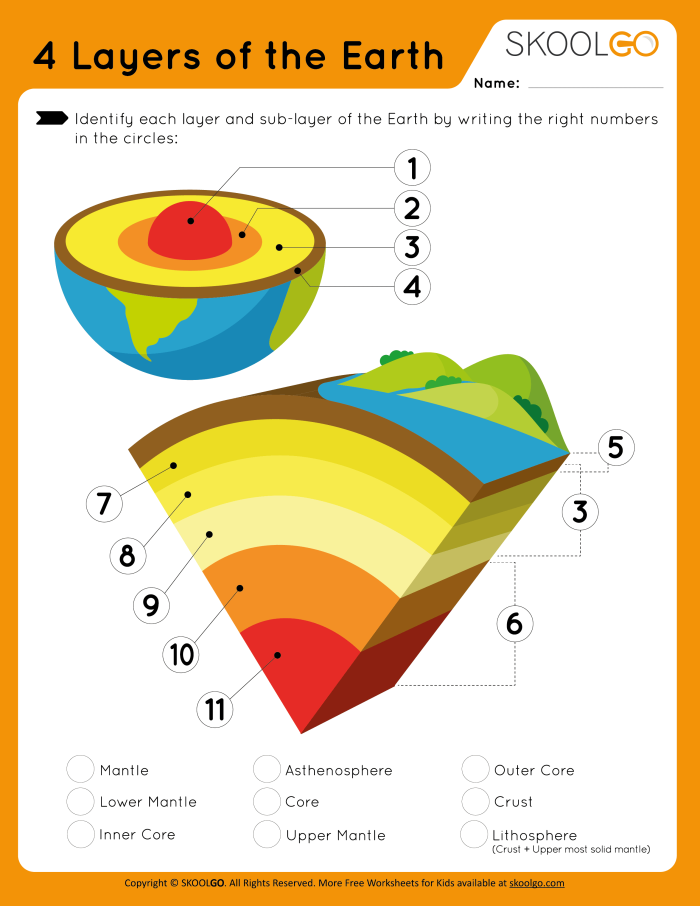
Understanding what lies beneath your feet starts with knowing the basic structure of Earth itself. Most third grade students encounter this concept for the first time, and worksheets designed around the layers of the earth make the topic tangible and memorable. Rather than simply reading about the crust, mantle, and core, students who work through these activities develop a clearer mental picture of how our planet is organized.
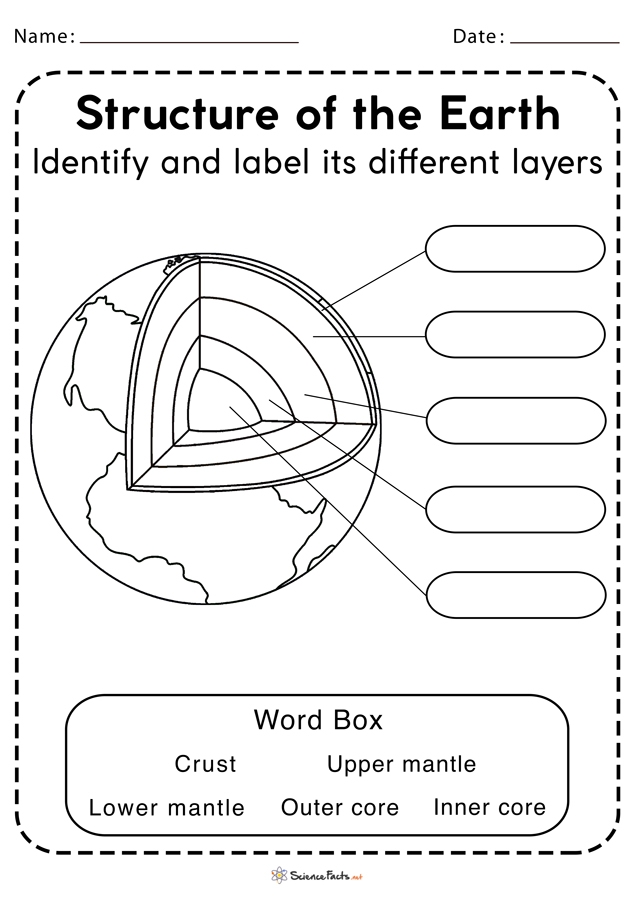
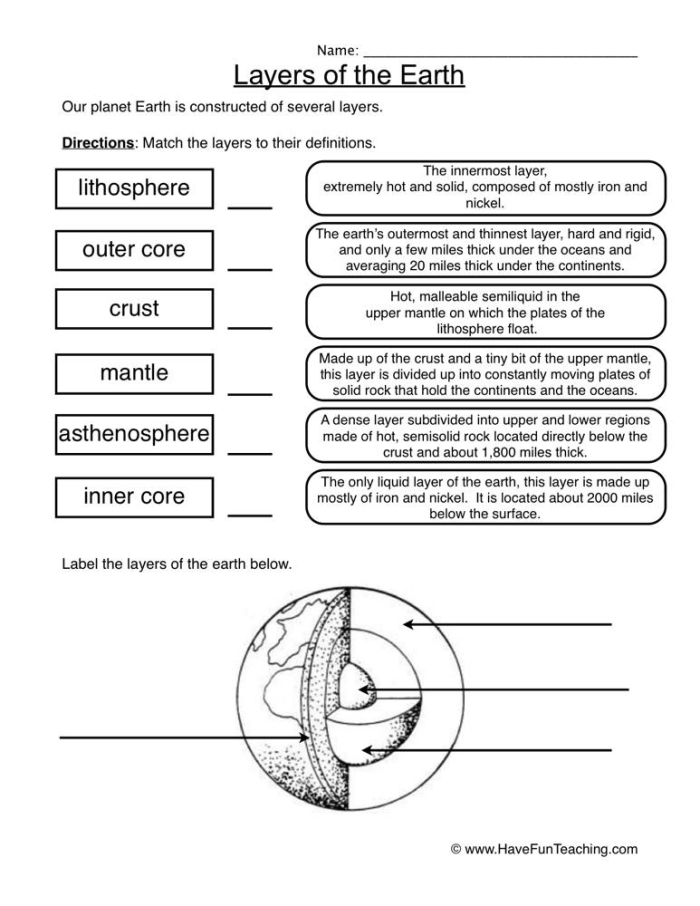
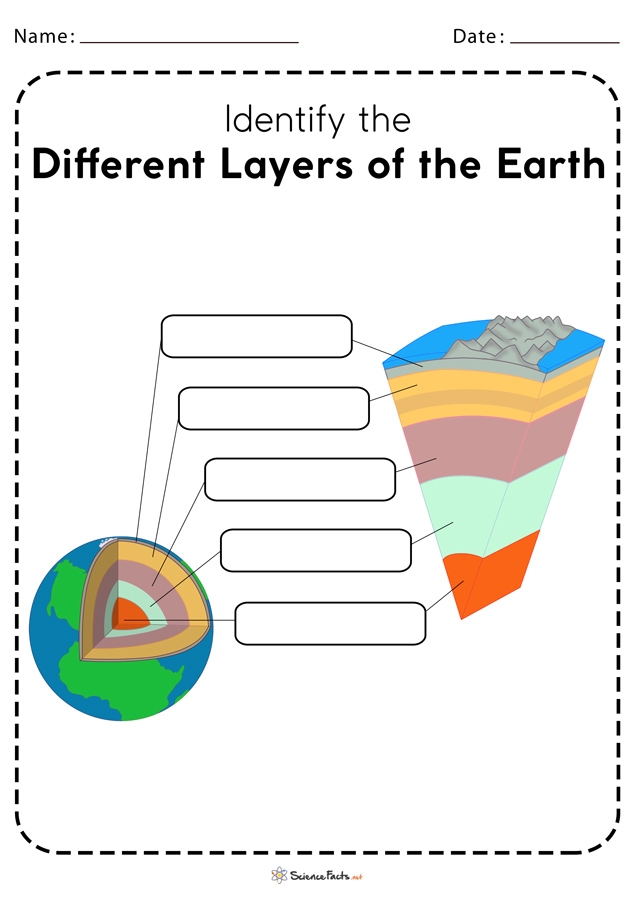
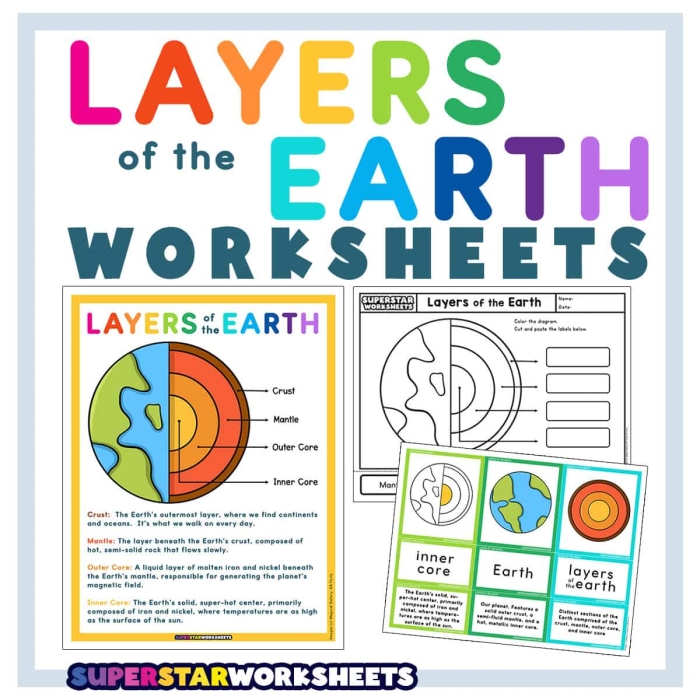
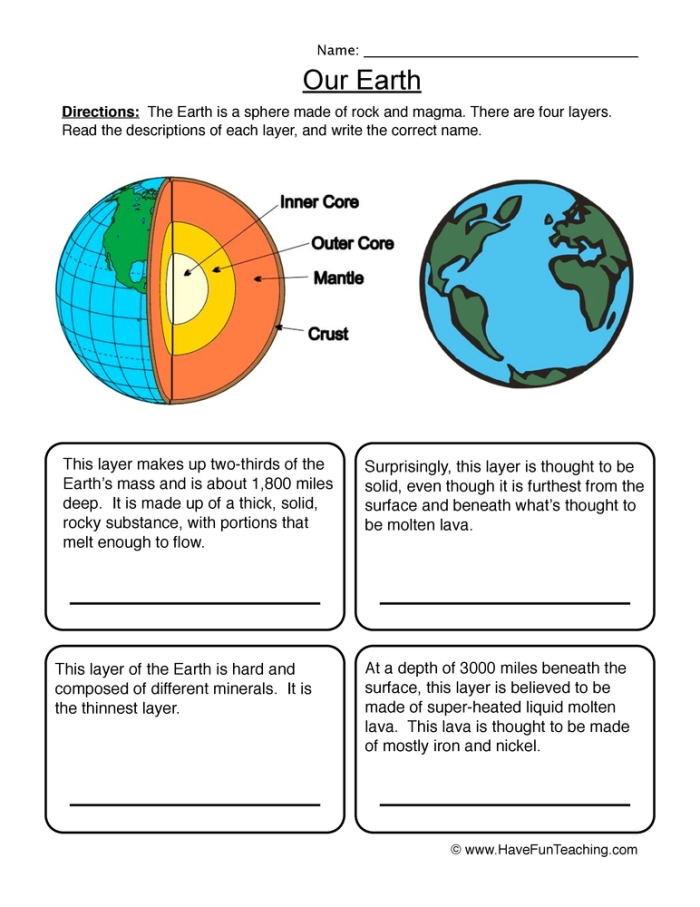
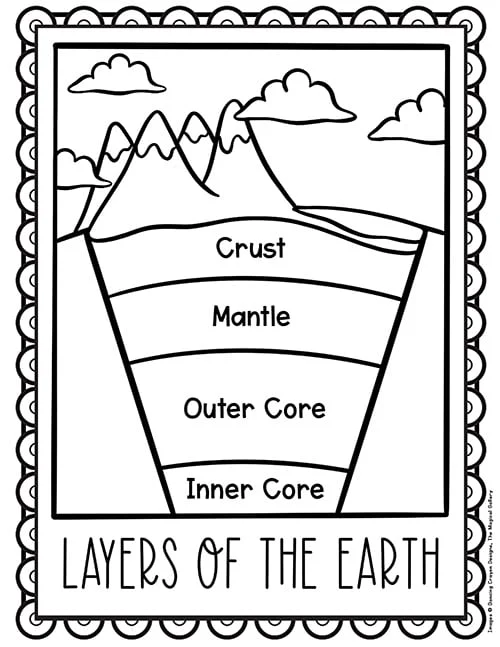
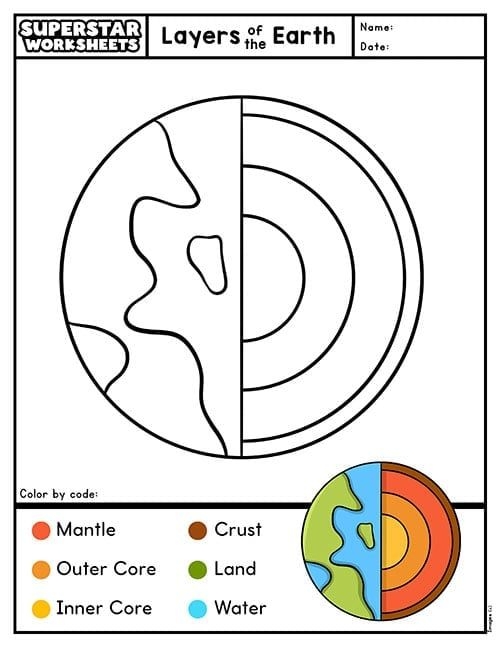
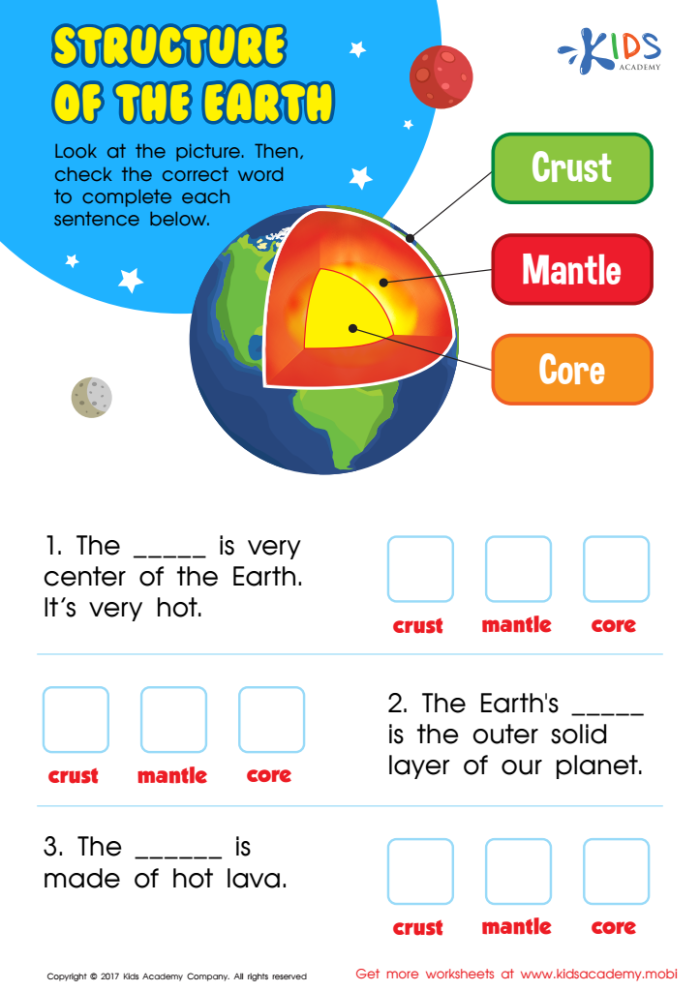
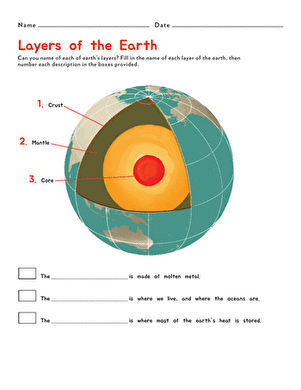
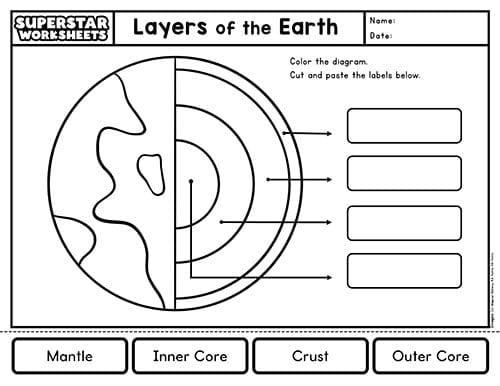
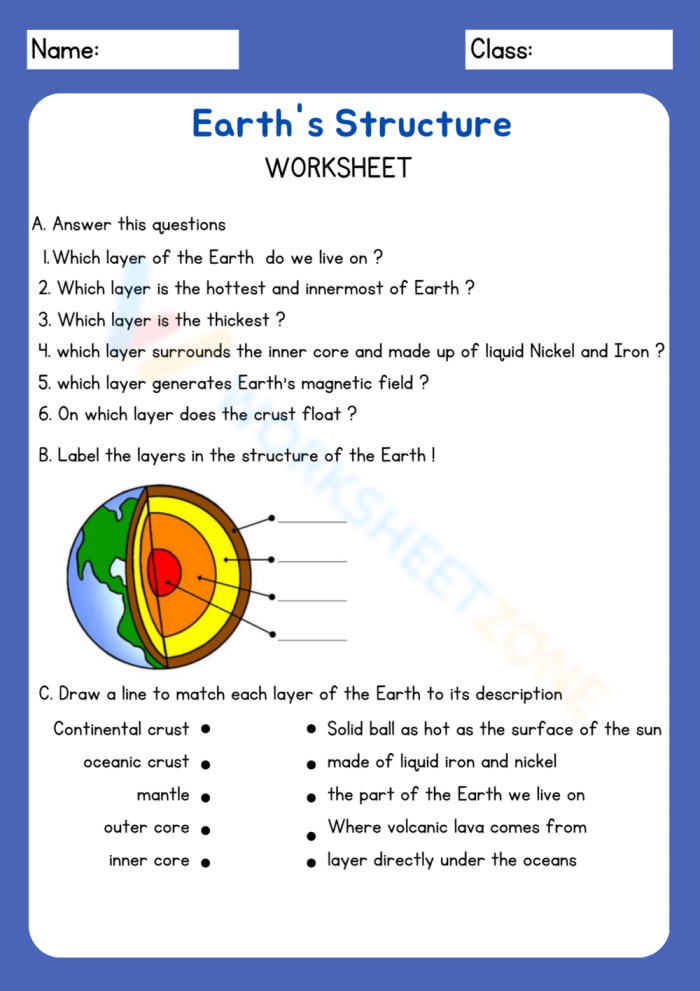
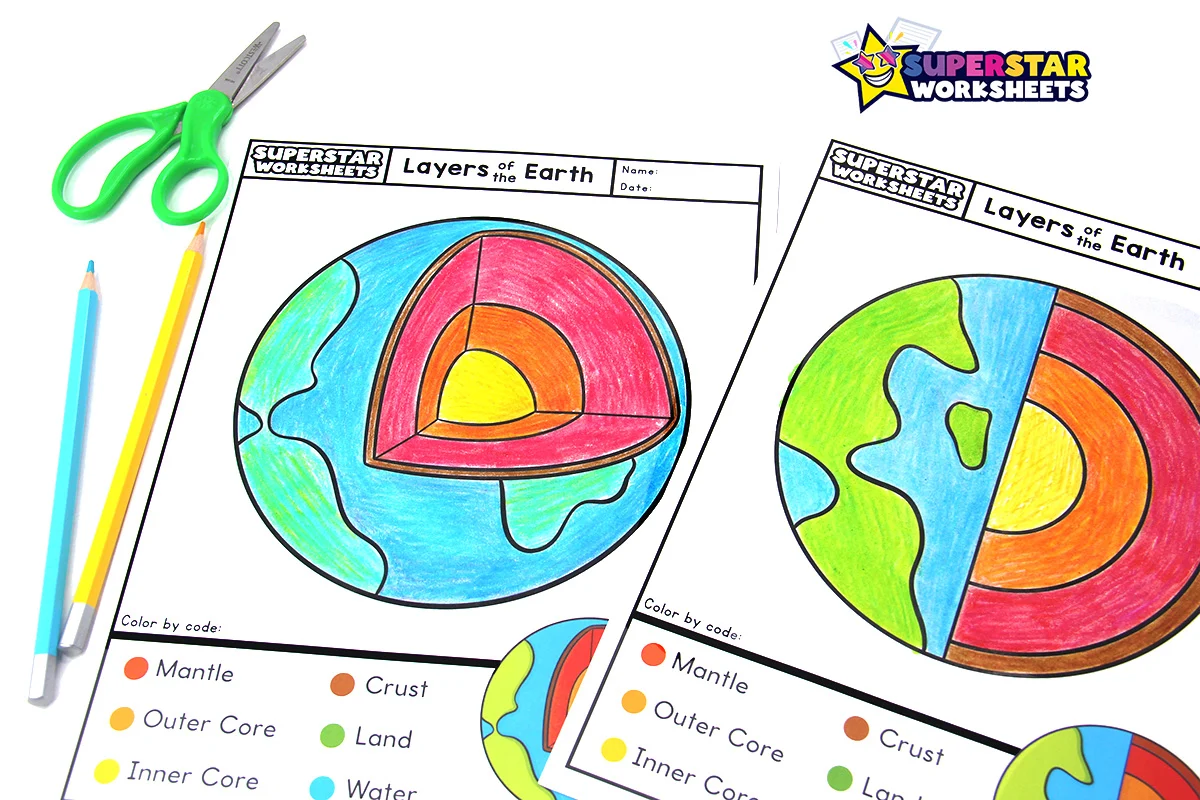
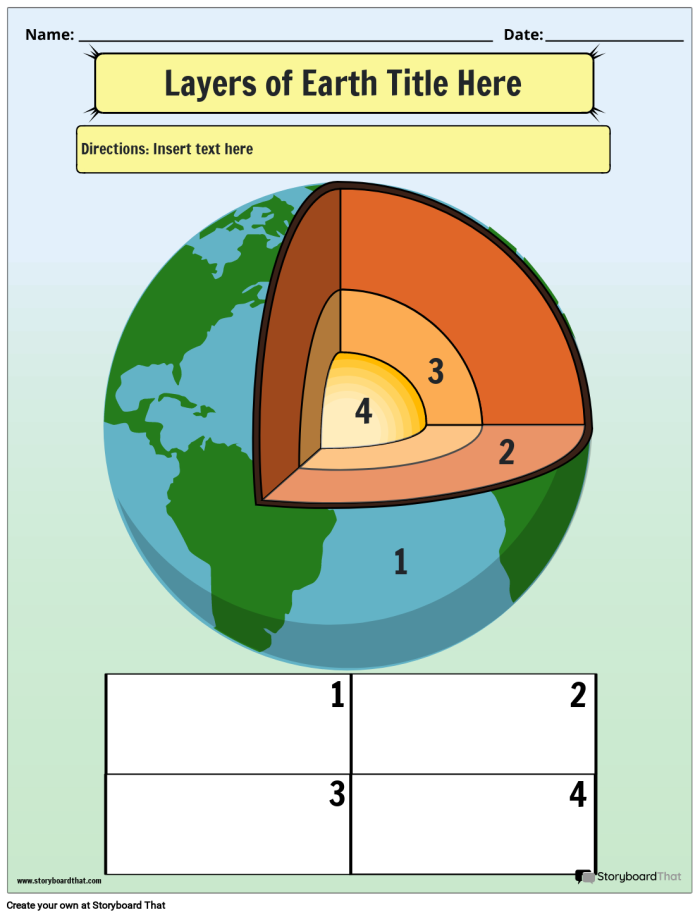
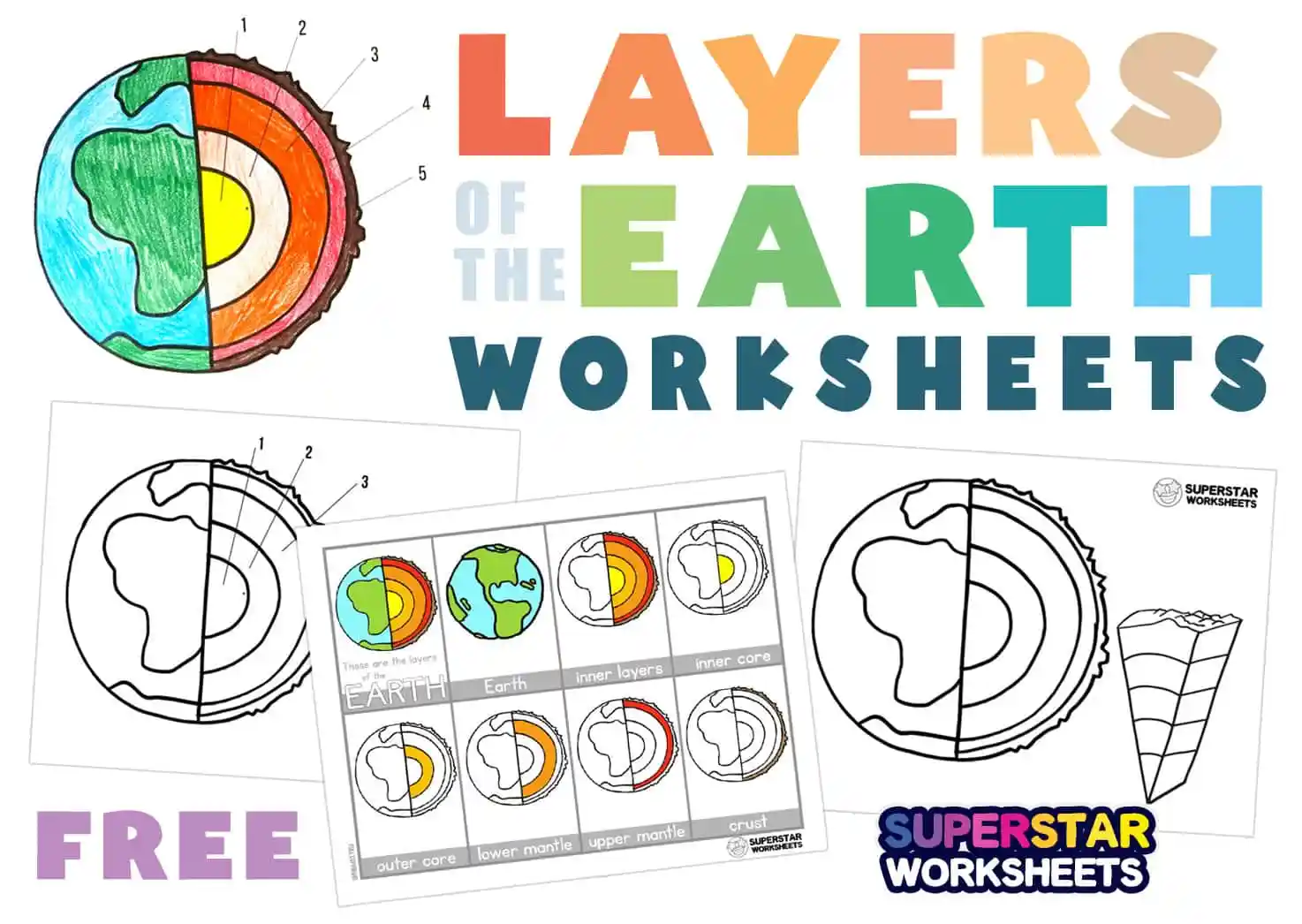
The outermost layer, the crust, is the thin rocky shell where we live. It’s surprisingly thin compared to the rest of the planet, much like the skin on an apple. Beneath it sits the mantle, a thick layer of hot rock that moves slowly over time. Then comes the outer core, a liquid layer made mostly of iron and nickel, followed by the inner core, a solid ball at Earth’s center.
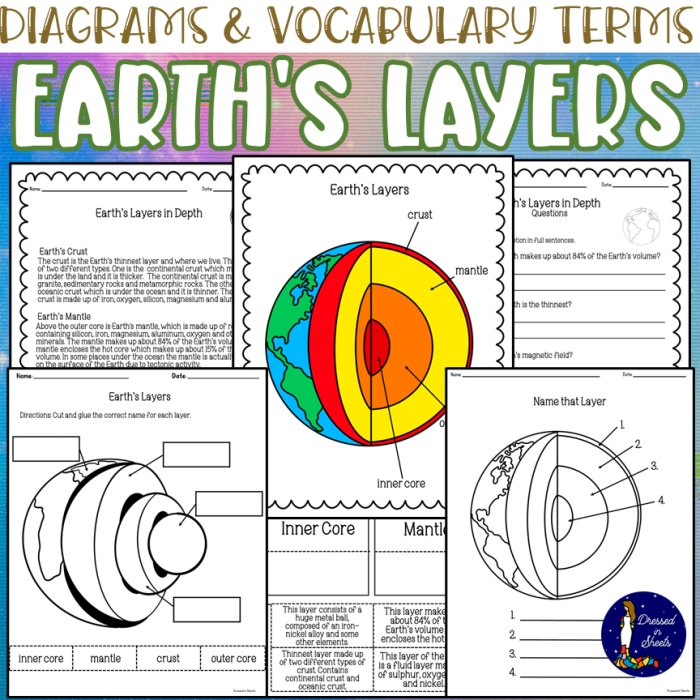
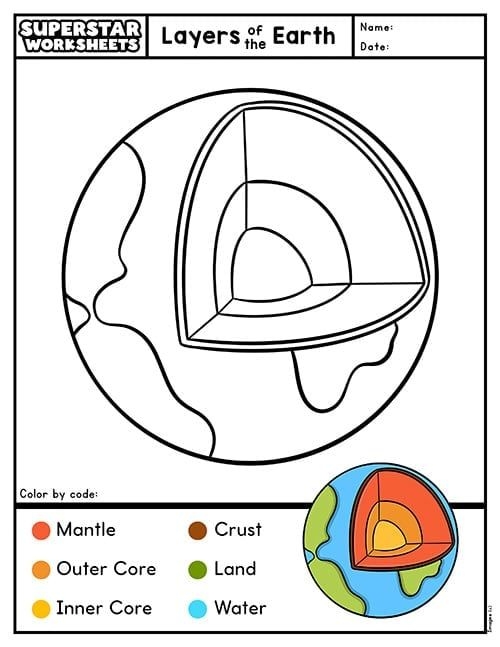
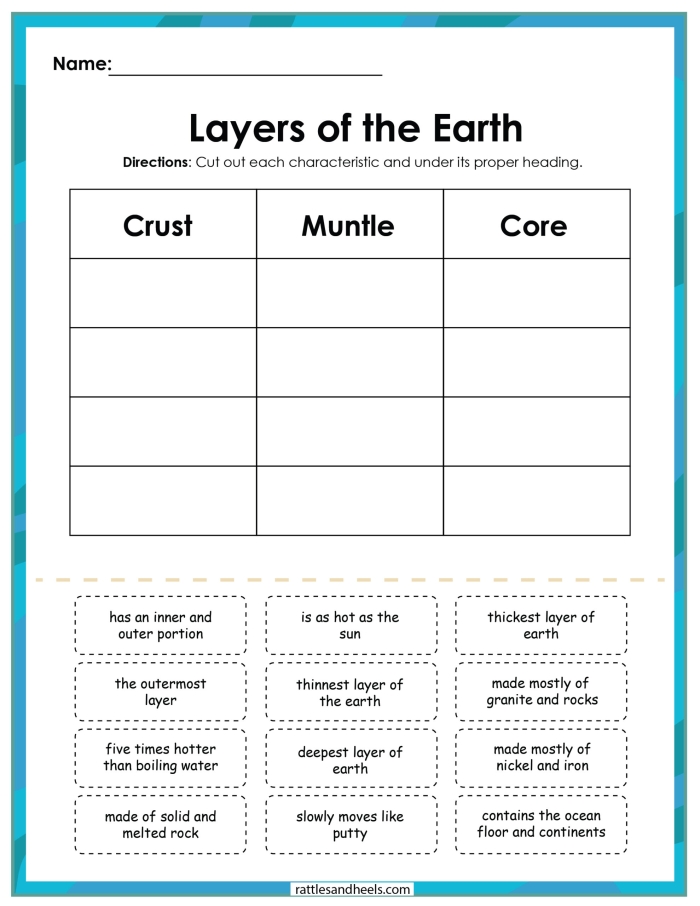
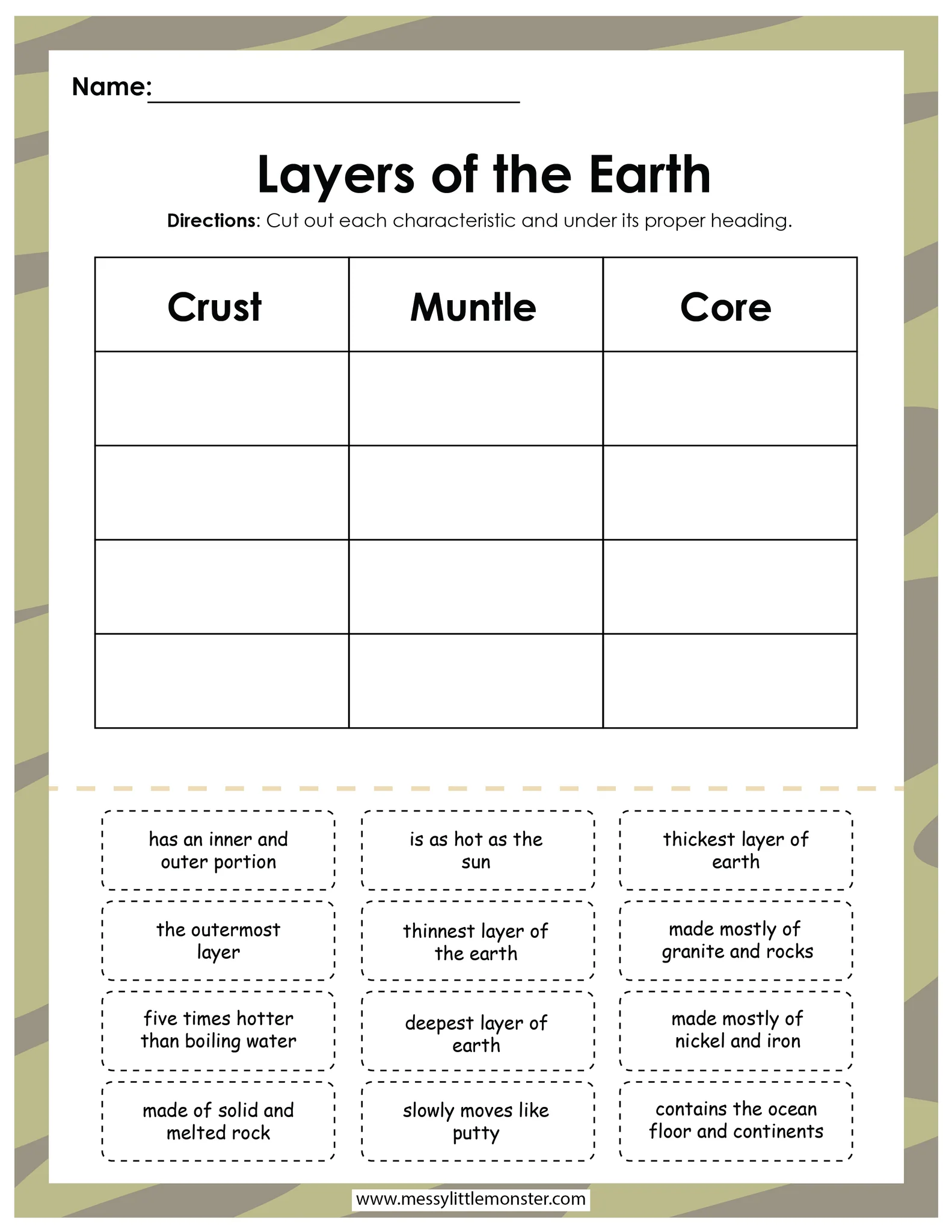
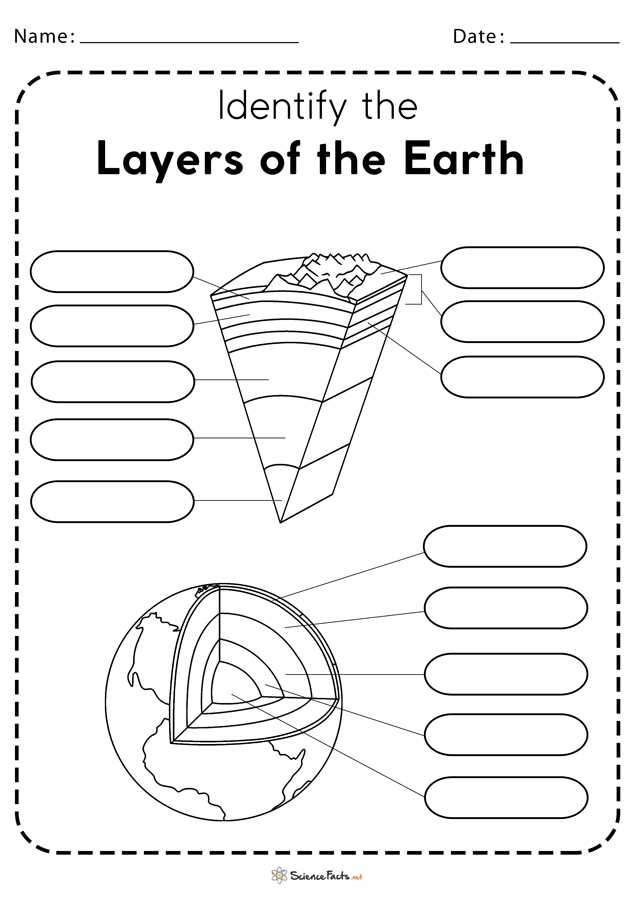
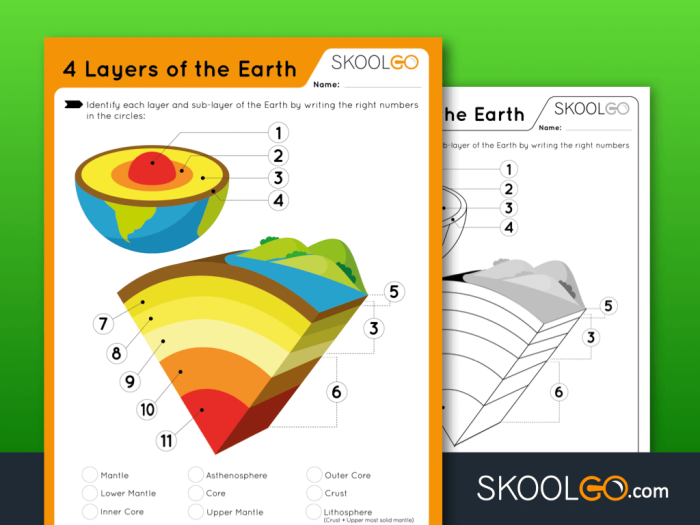
When students work through printable layers of the earth worksheets, they often label diagrams, answer questions about each layer’s characteristics, and sometimes match descriptions to the correct section. This hands-on approach helps third graders retain information better than passive reading alone. Many worksheets also include fun facts, like how the inner core is as hot as the surface of the sun.
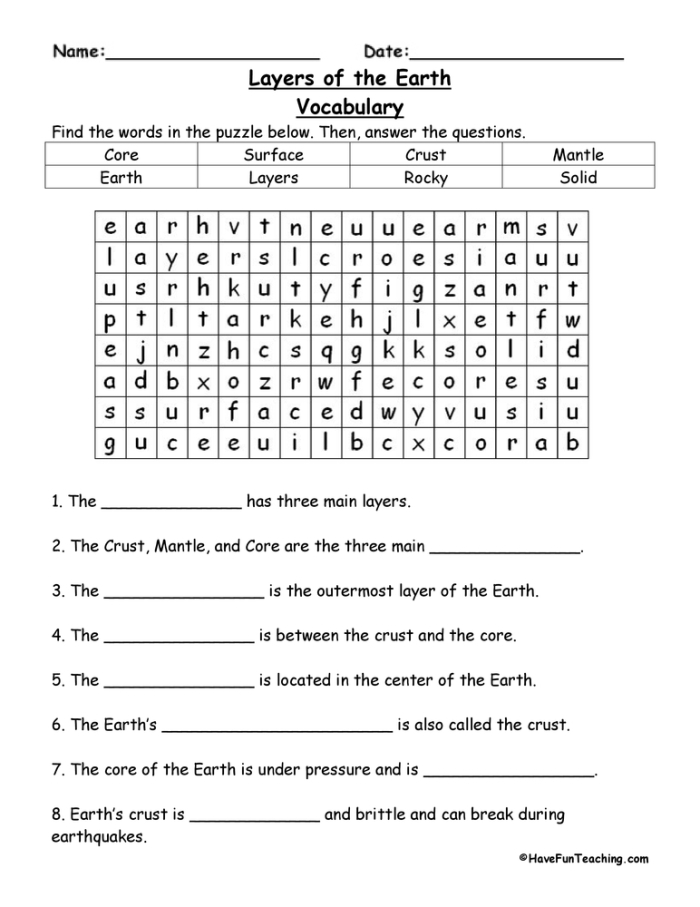
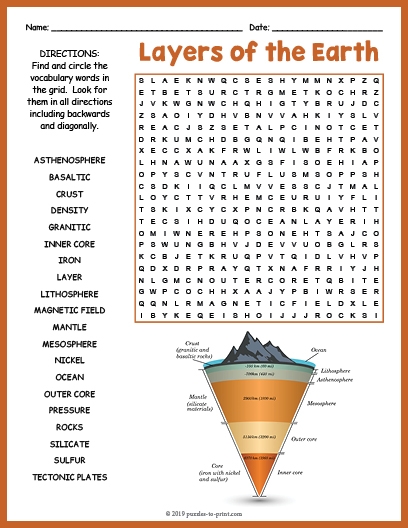
These activities work well alongside other earth science topics. For instance, understanding how Earth’s layers function connects naturally to studying the water cycle and precipitation, since water interacts with the crust and affects geological processes. Students can also strengthen their literacy skills by working on word search activities that reinforce earth science vocabulary.
Whether you’re teaching in a classroom or supporting learning at home, these worksheets provide a straightforward way to help young learners grasp how Earth is structured from surface to center.
Try These Printable Worksheets