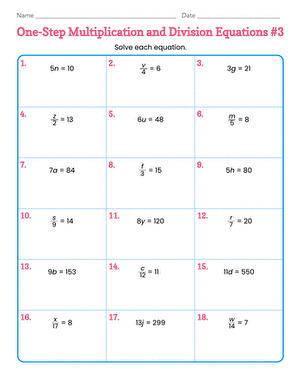
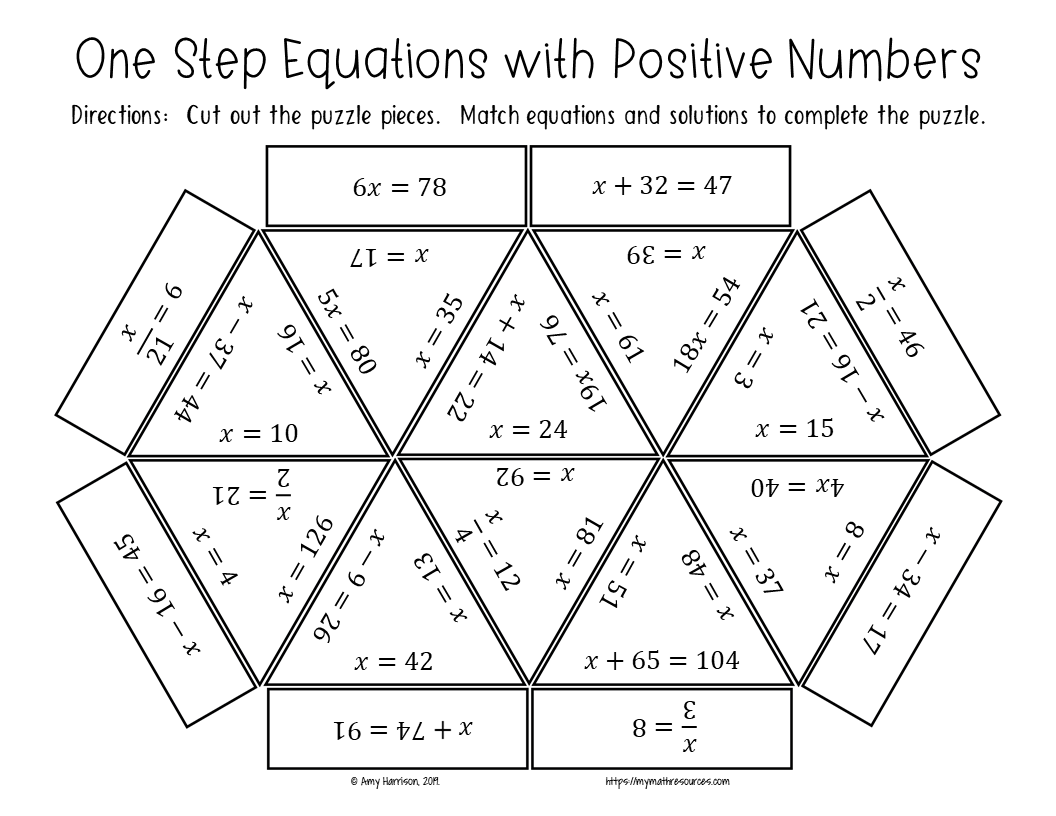
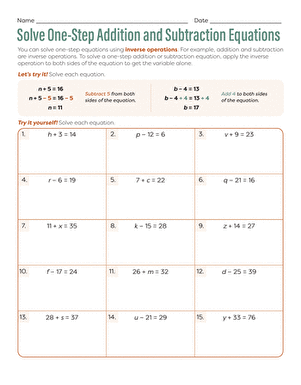
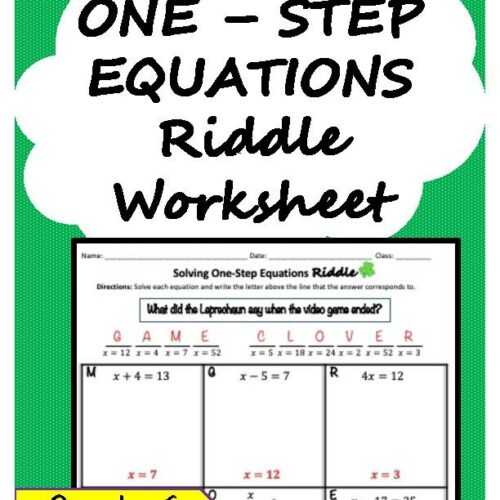
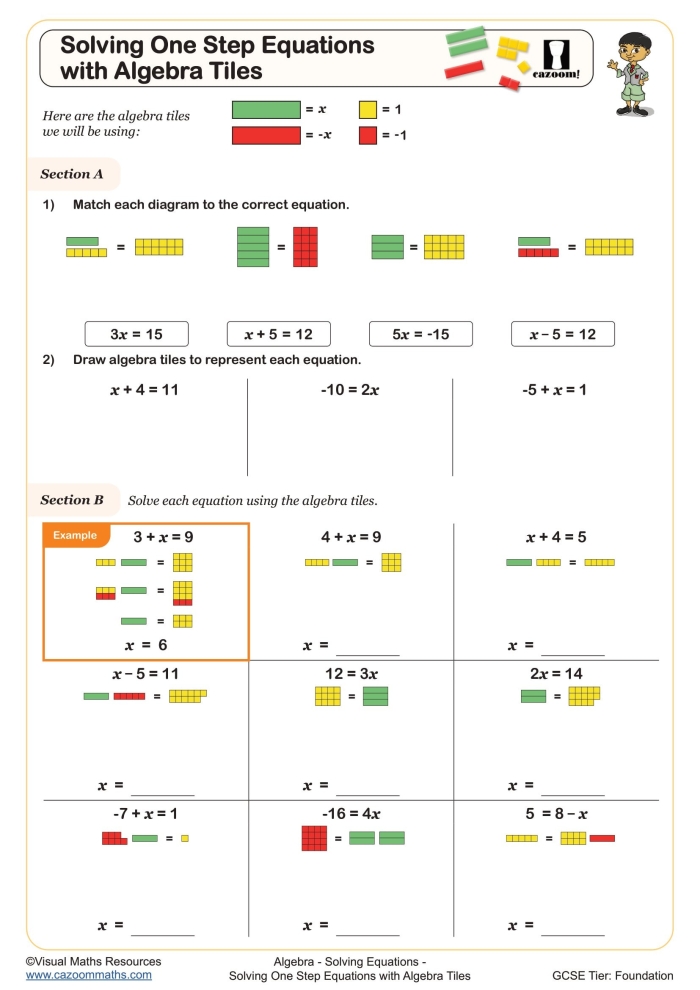
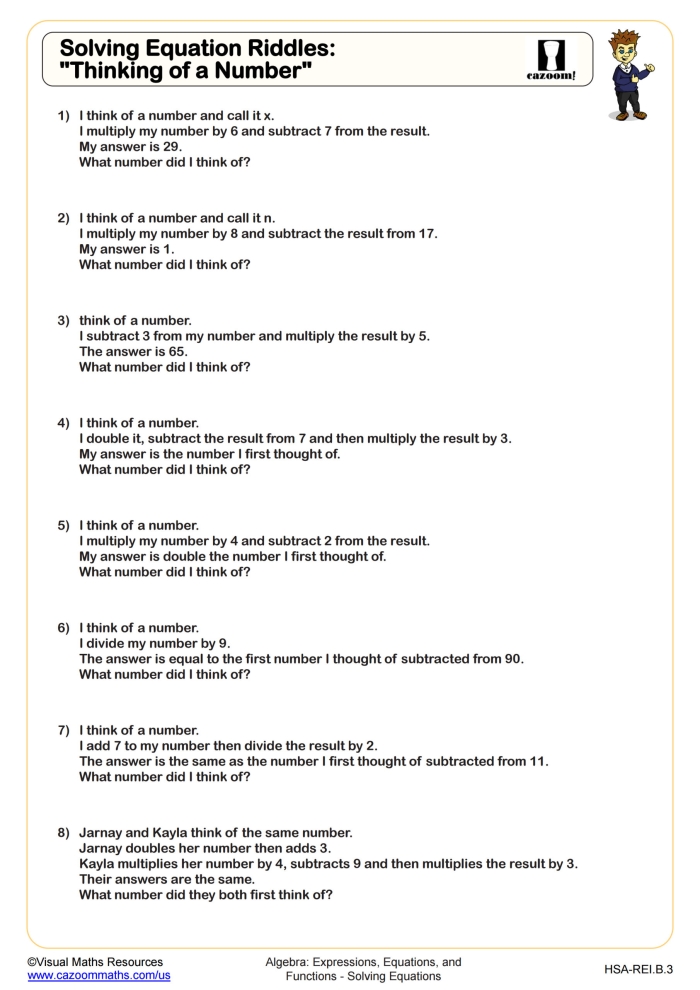
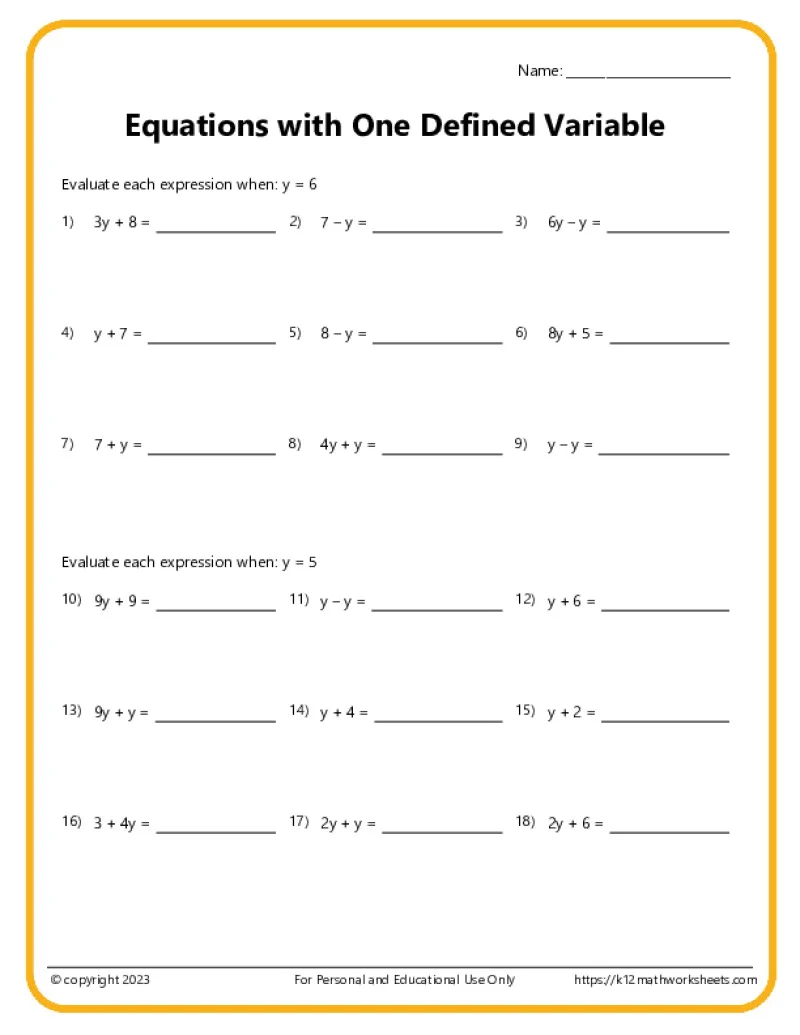
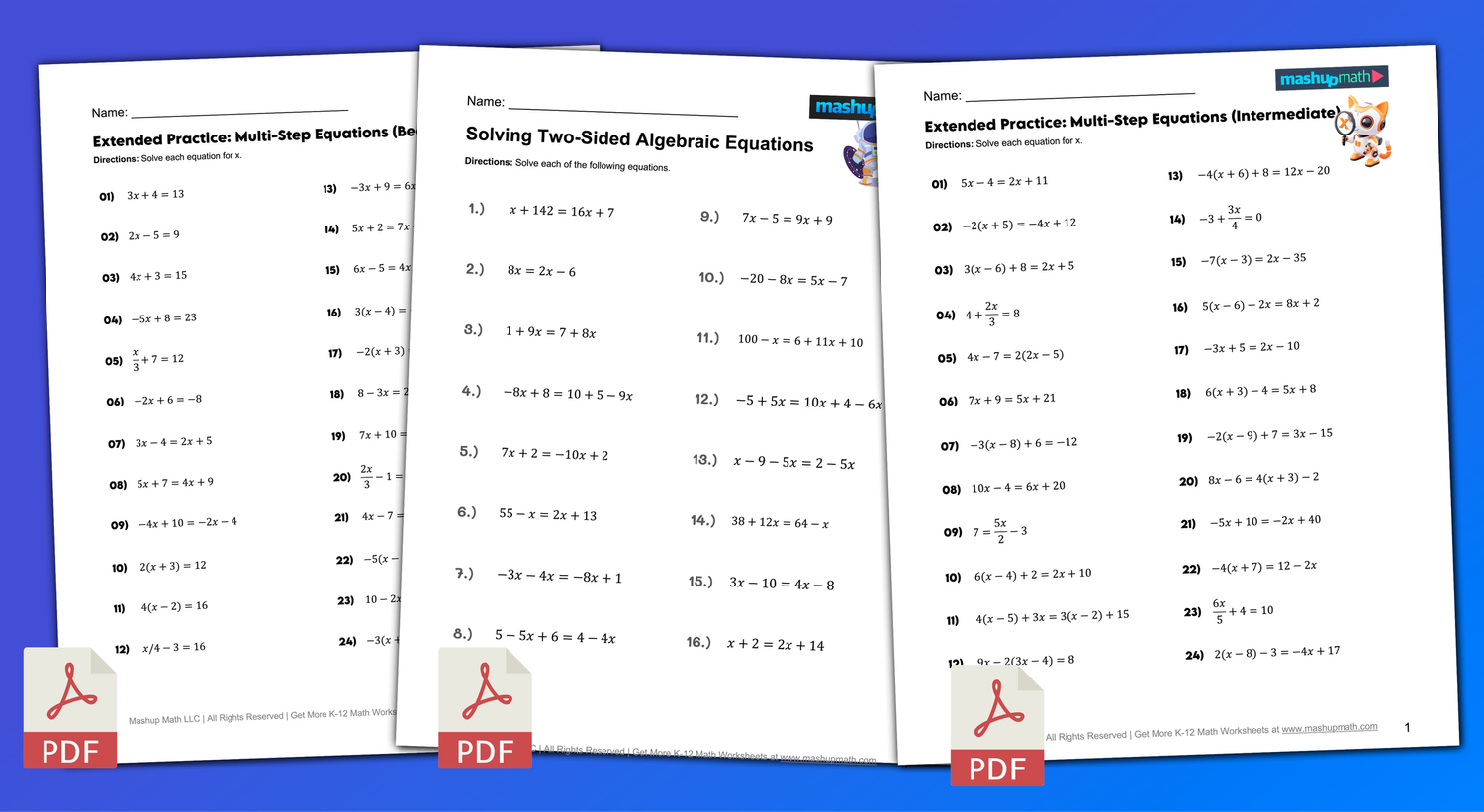
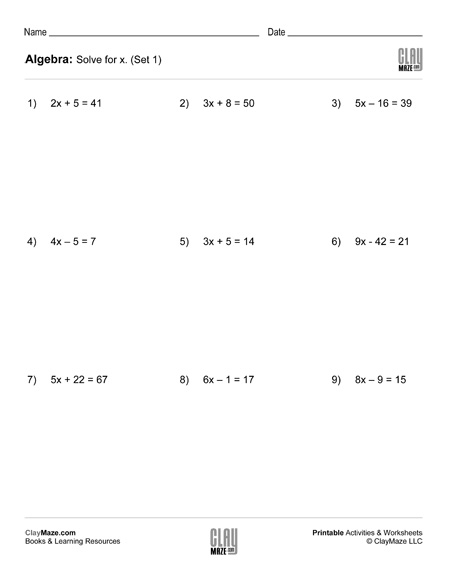
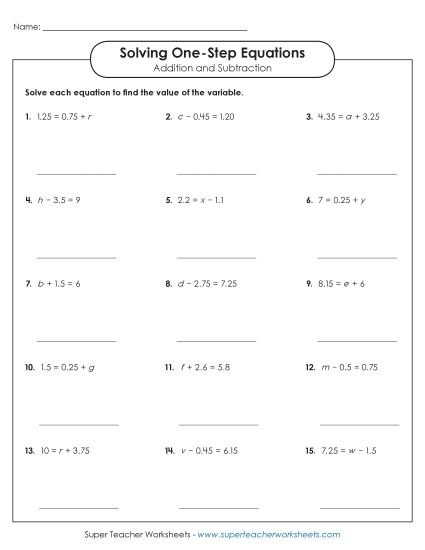
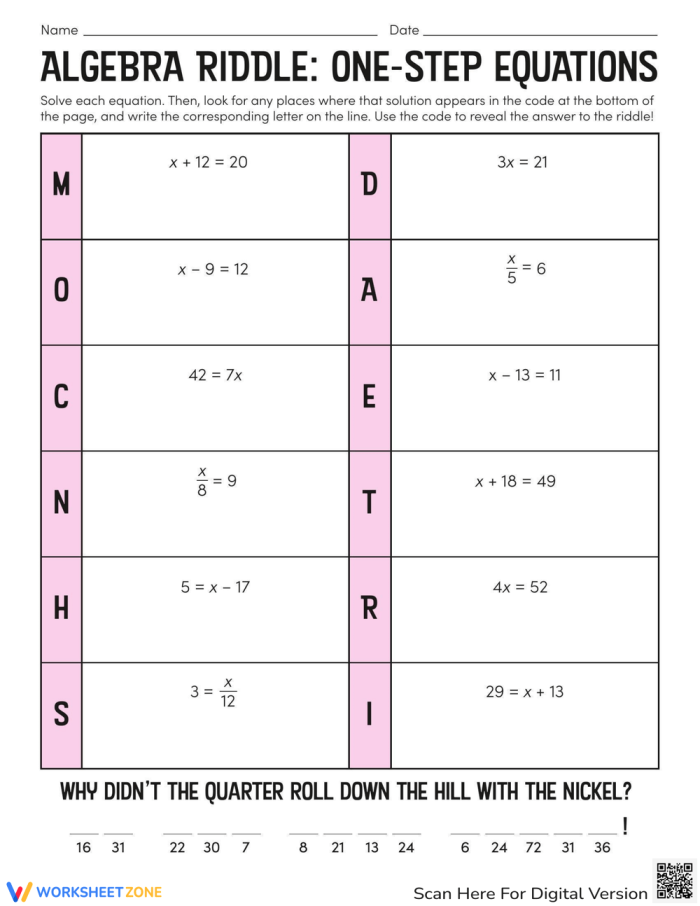
One-variable equations don’t have to feel like a chore. When you frame them as puzzles rather than problems, sixth graders suddenly become invested in finding the answer. An algebra riddle worksheet transforms what could be a tedious drill into something that actually holds a student’s attention.
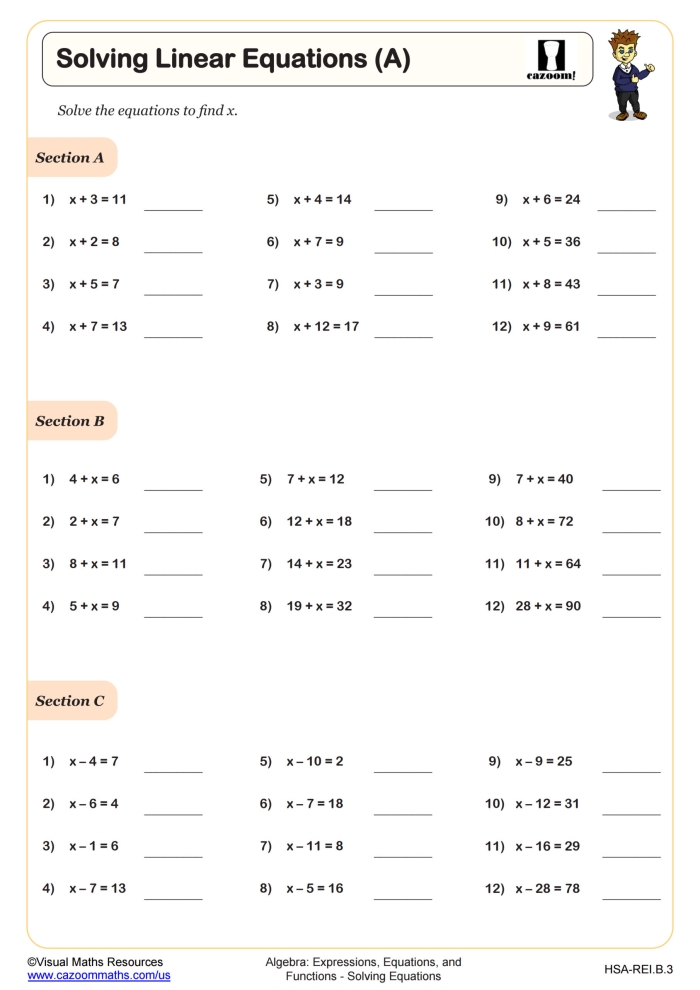
One-step equations form the foundation of algebra. They’re simple enough that students can focus on understanding the core concept: if you do something to one side of an equation, you must do the same to the other. This balance principle matters far more than memorizing steps. A well-designed puzzle worksheet reinforces this idea naturally, without feeling preachy.
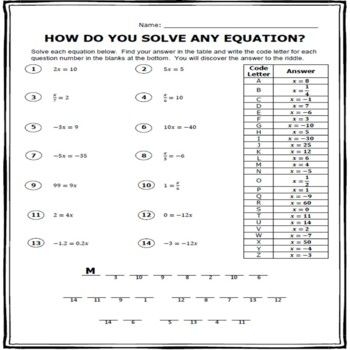
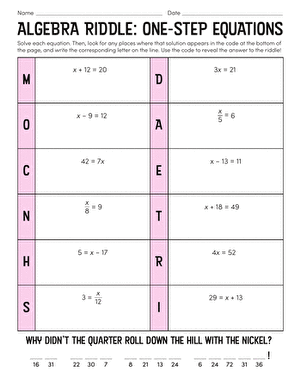
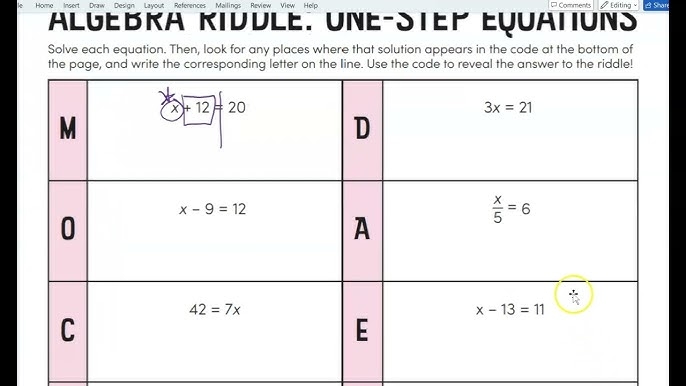
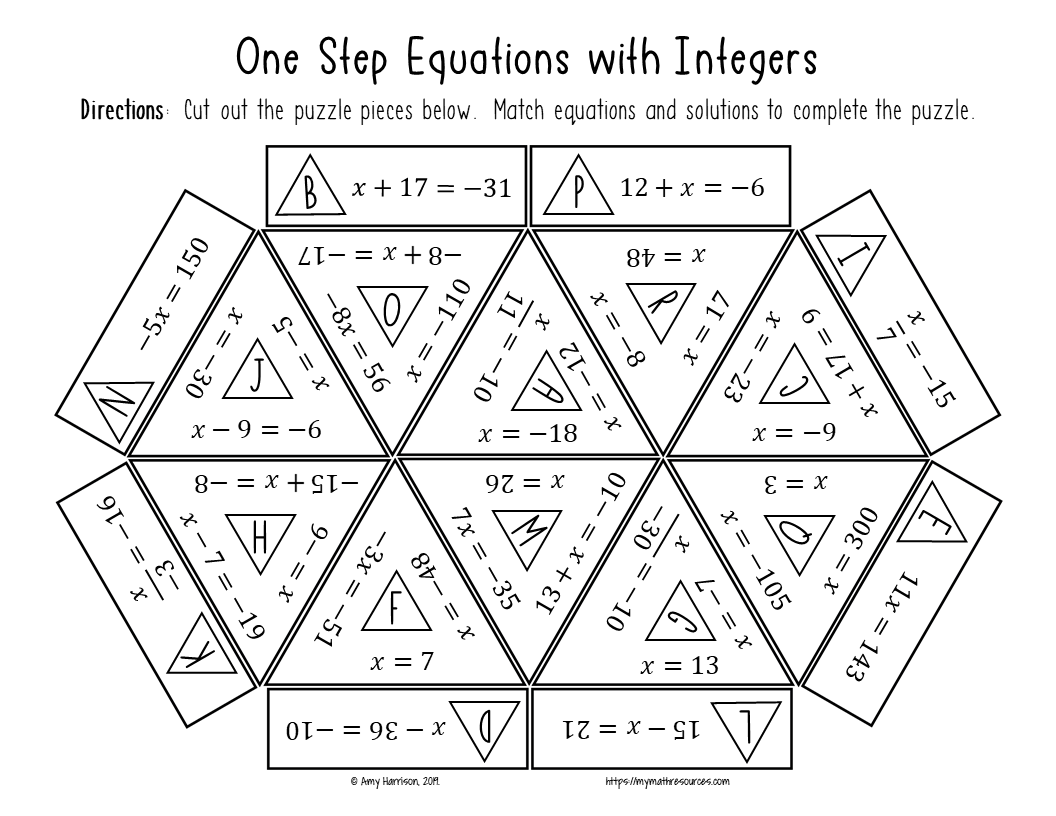
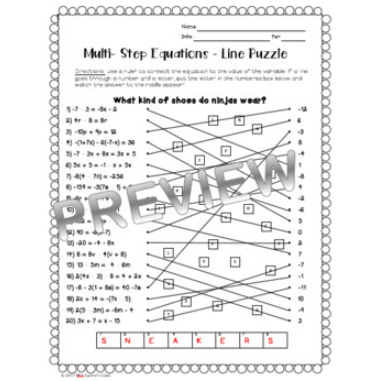
The structure of these worksheets typically works like this: solve the equation, find your answer, then use that number to decode a riddle or unlock a hidden message. The immediate feedback loop keeps students engaged. They know right away whether they solved it correctly because the riddle either makes sense or it doesn’t. This beats waiting for a teacher to mark papers days later.
Geography connections might seem odd for algebra, but context matters. Some worksheets incorporate location-based scenarios, like calculating distances or comparing unit prices across regions. This approach helps students see that equations aren’t abstract—they solve real problems. If you’re looking for materials that blend math with practical application, calculating unit prices in geography contexts offers that bridge.
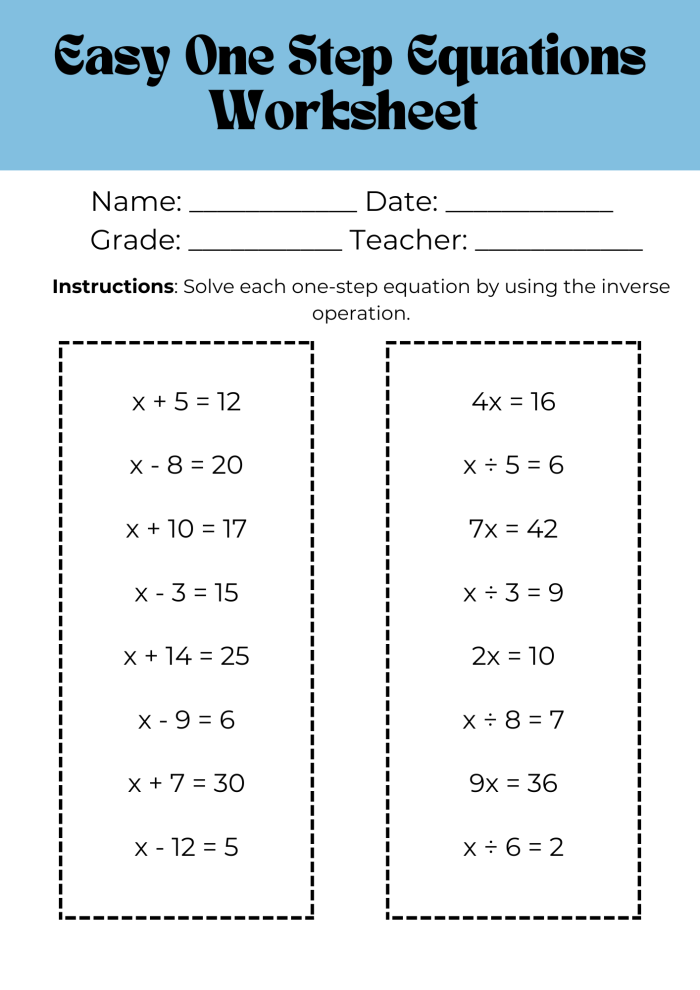
For sixth graders who need targeted practice, algebra riddle worksheets focused on one-step equations provide exactly what works: clear problems, immediate verification, and just enough engagement to prevent minds from wandering. The puzzle format isn’t a gimmick. It’s a legitimate teaching tool that acknowledges how students actually learn best.
Use These Worksheets Today