Getting young writers to express their thoughts on paper doesn’t have to feel like pulling teeth. When you give first grade students a structured way to organize their ideas before writing, something shifts. They move from staring at a blank page to confidently sharing opinions they actually care about.
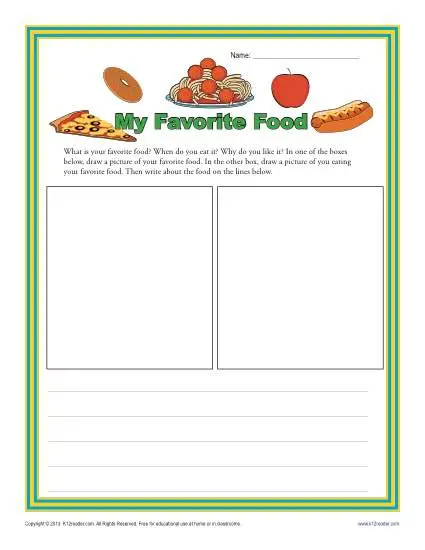
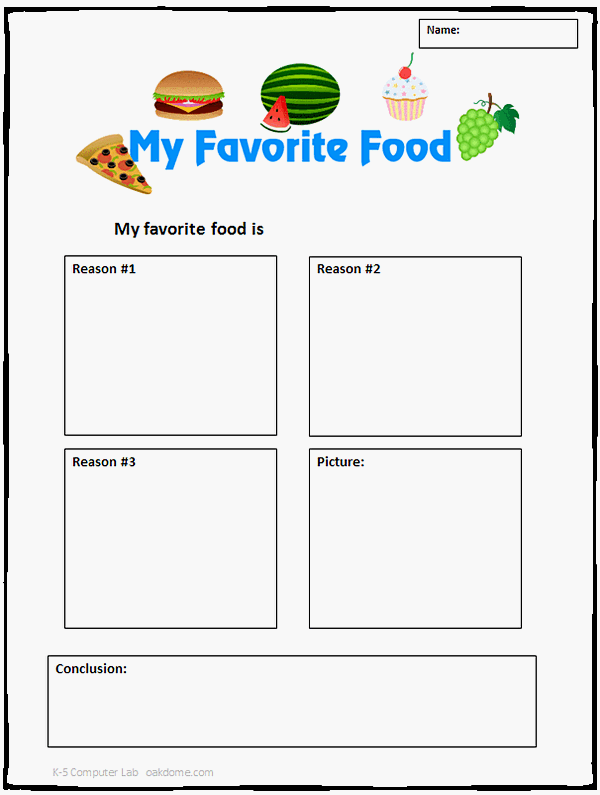
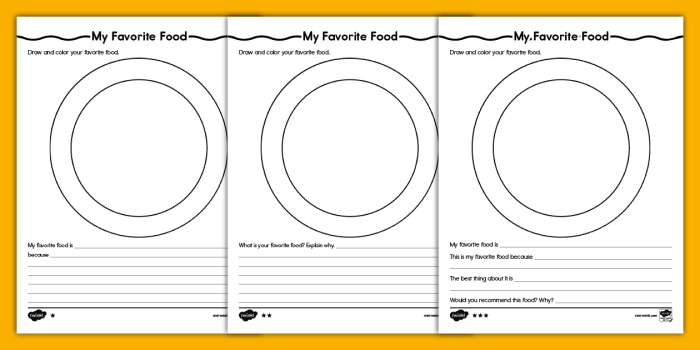
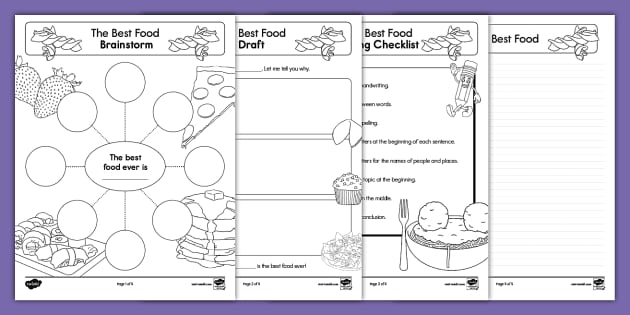
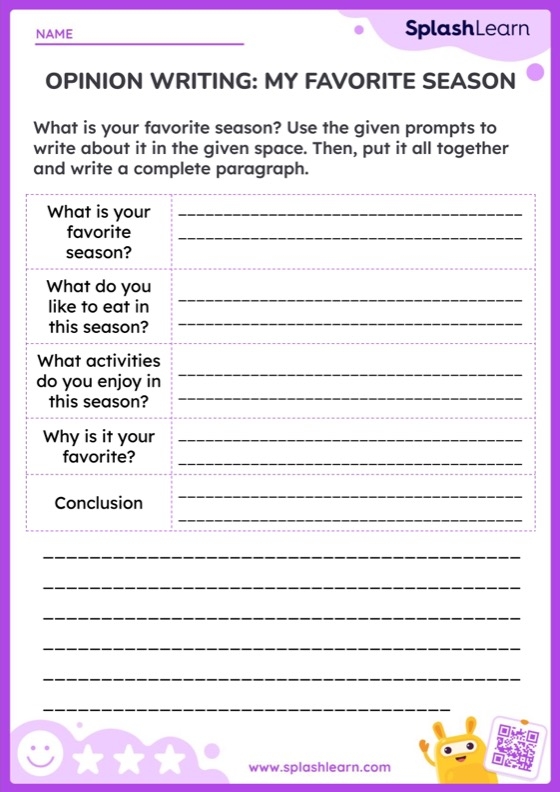
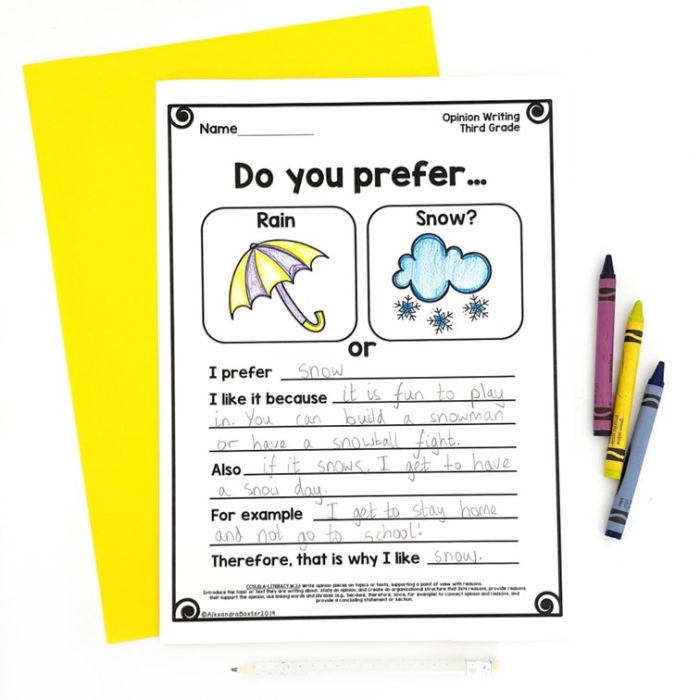
This graphic organizer approach works because it removes one major obstacle: deciding what to write. Instead of facing an open-ended prompt, students complete a simple visual planner that guides them through their thinking. They sketch or write their favorite dinner, list reasons why they love it, and jot down details about how it tastes or smells. This preparation phase turns abstract thinking into concrete notes they can reference while writing.
Once the graphic organizer is filled out, the actual writing becomes much easier. Students have a roadmap. They know their main idea and supporting details are already mapped out. For first grade writers still building confidence with sentence structure and spelling, this scaffolding is invaluable. They can focus on putting their organized thoughts into sentences rather than generating ideas from scratch.
The beauty of this activity lies in its personal relevance. Dinner is something every child experiences, so everyone has genuine opinions to share. One student might write passionately about spaghetti night, while another champions tacos. The specificity matters because it keeps engagement high.
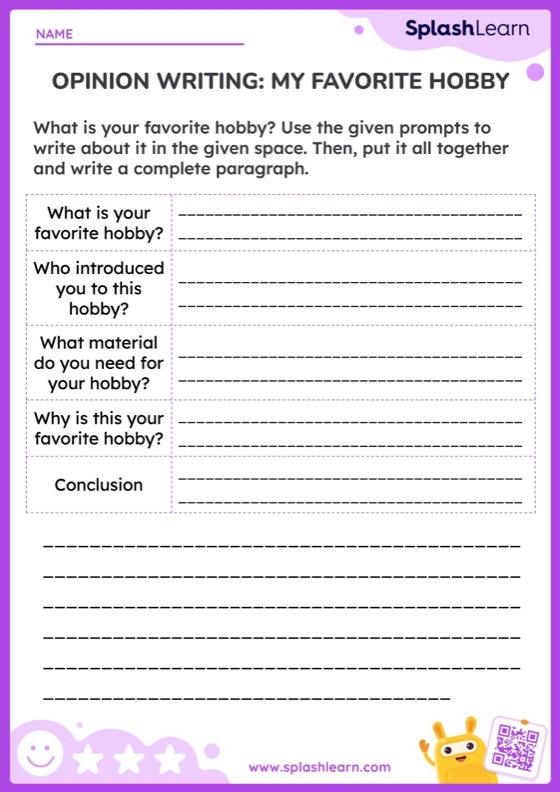
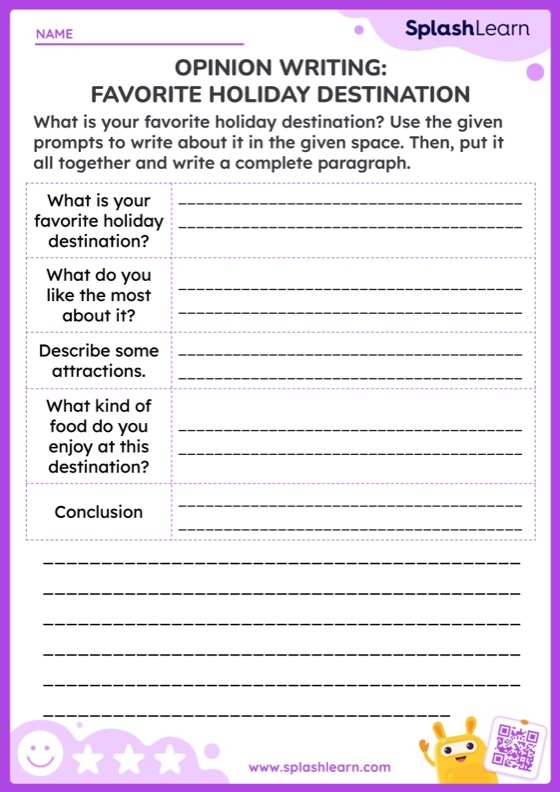
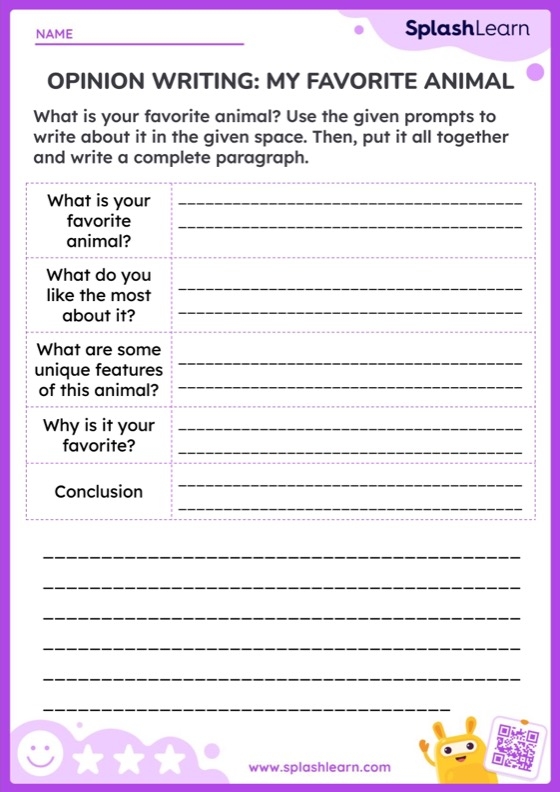
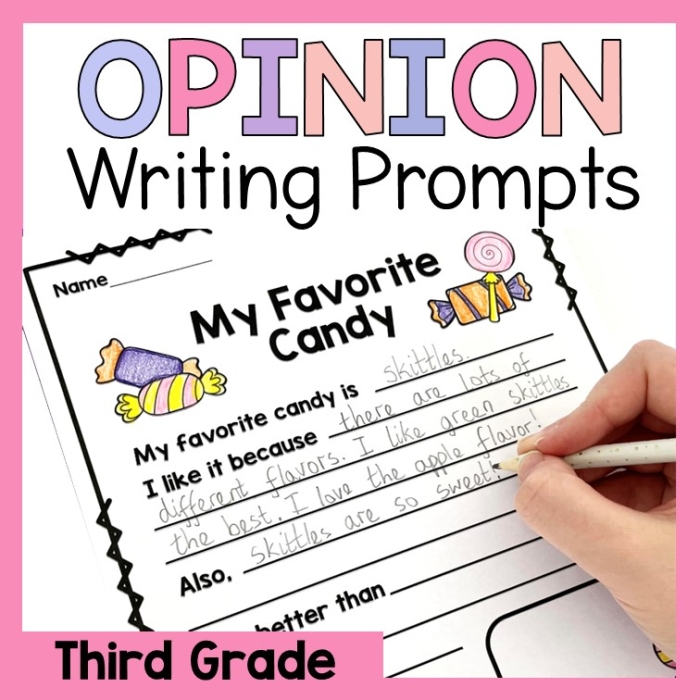
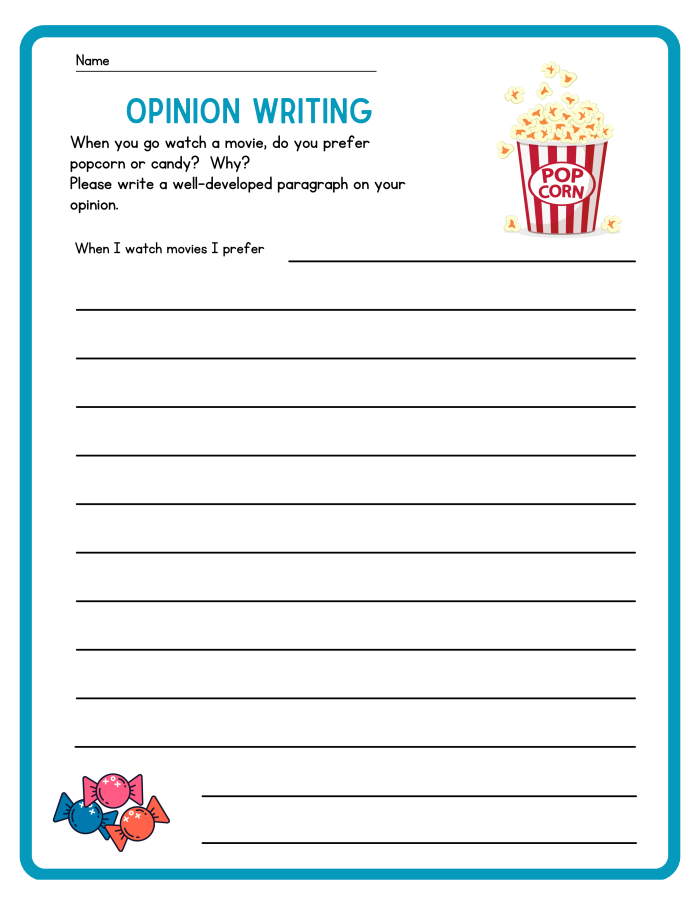
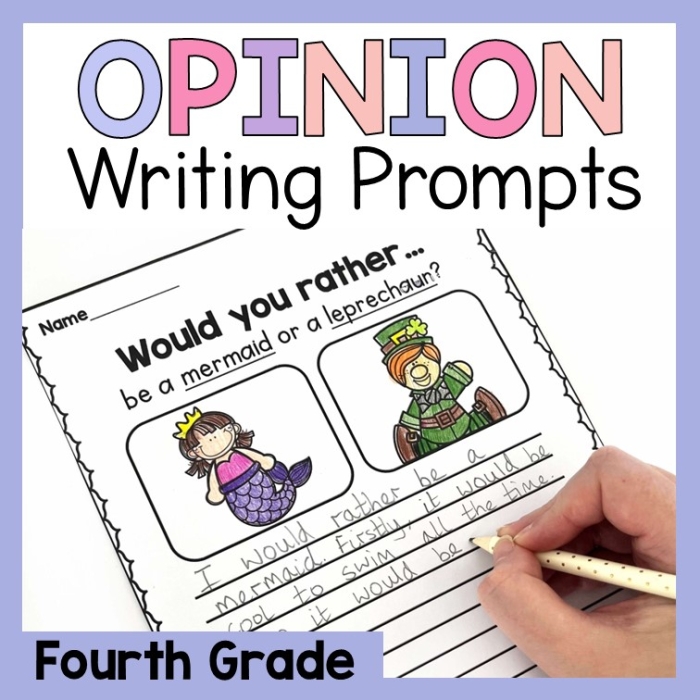
Teachers can enhance this lesson by pairing it with related activities. Using printable resources like opinion writing worksheets focused on favorite foods gives students additional practice with the format. You might also incorporate creative elements alongside the writing work, such as visual art activities that keep young learners engaged across different subjects.
This method teaches first graders that writing has a purpose: sharing what they think and feel about the world around them. That’s a foundation that carries forward long after they move beyond simple dinner descriptions.
Hands-On Worksheet Activities