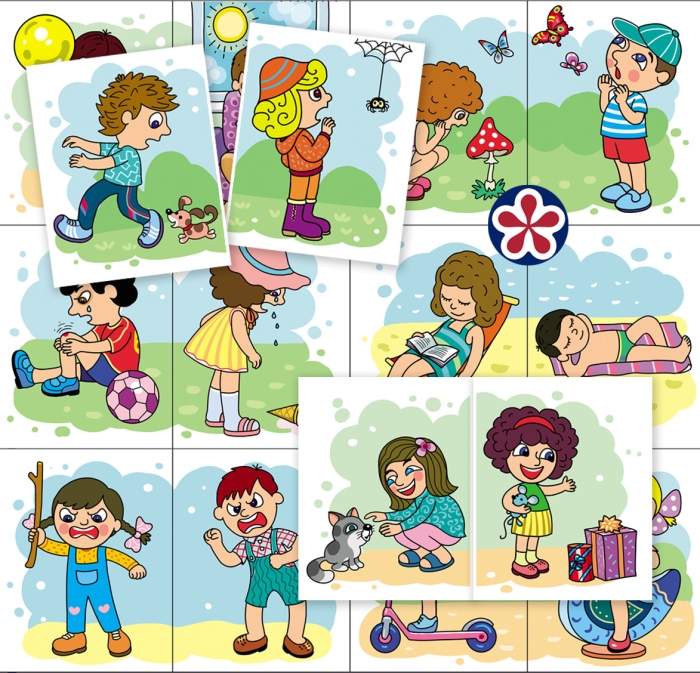
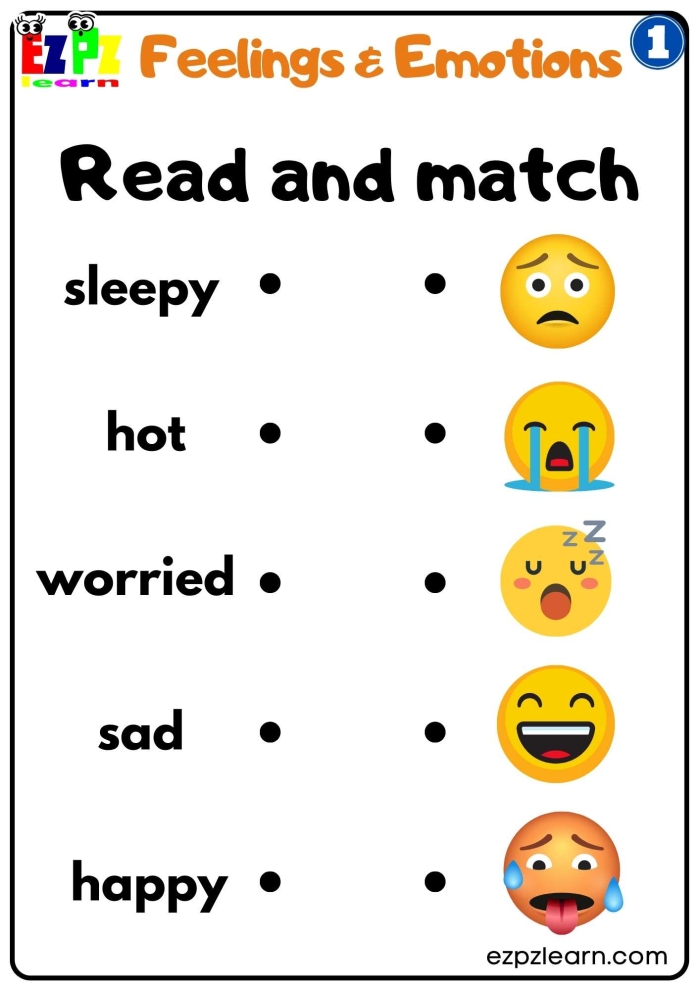
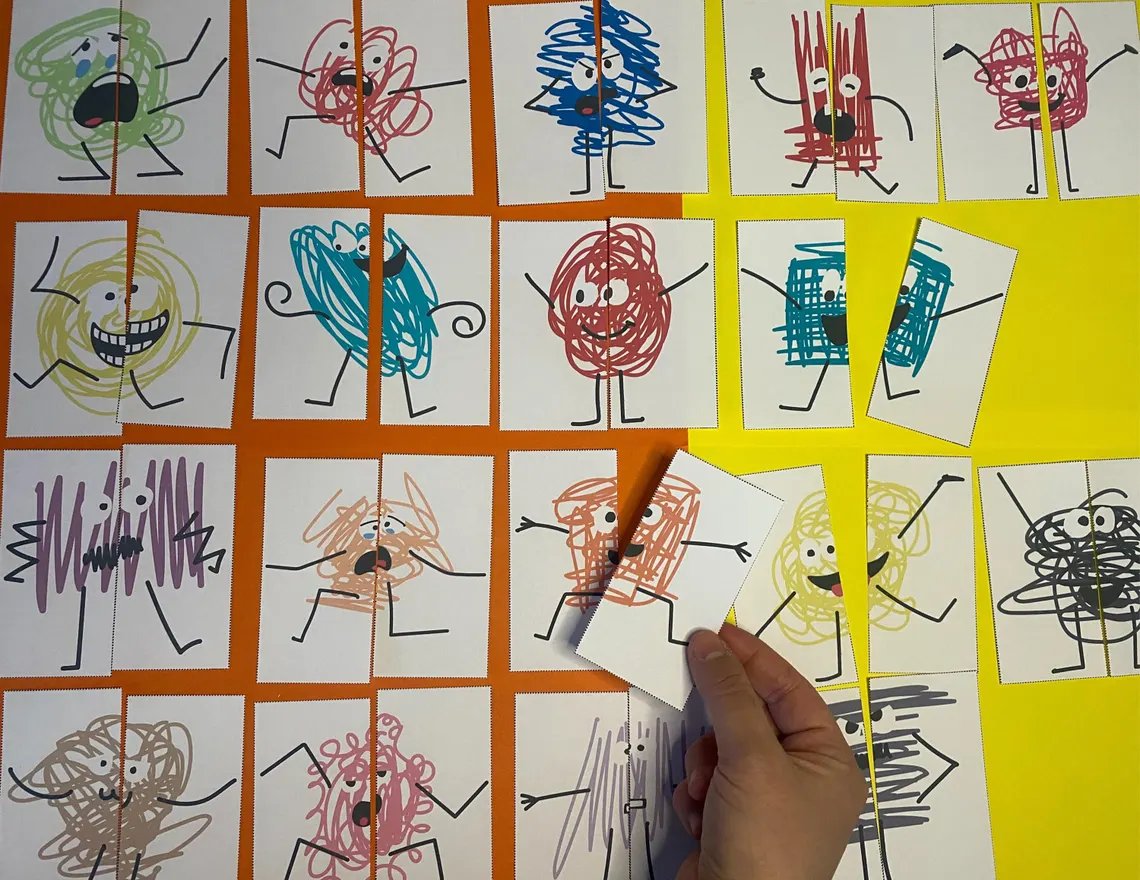
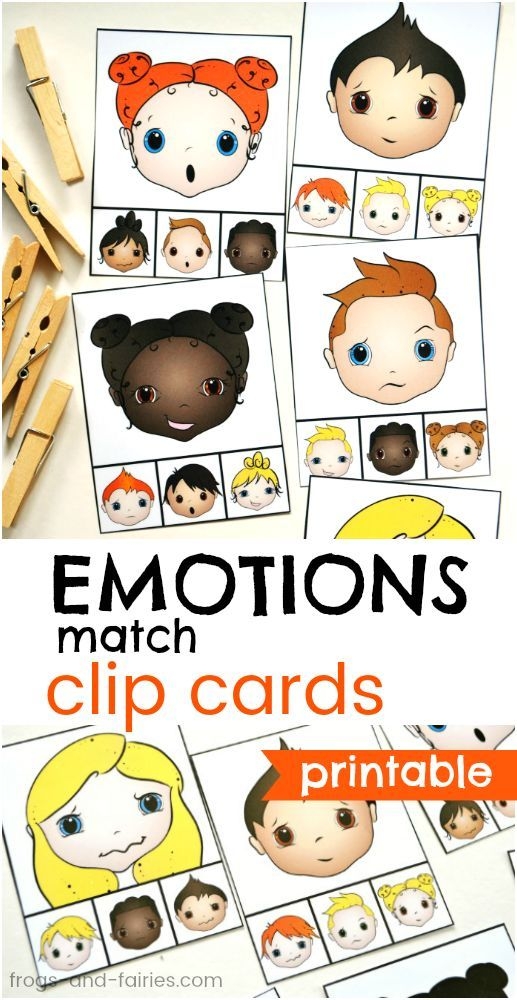
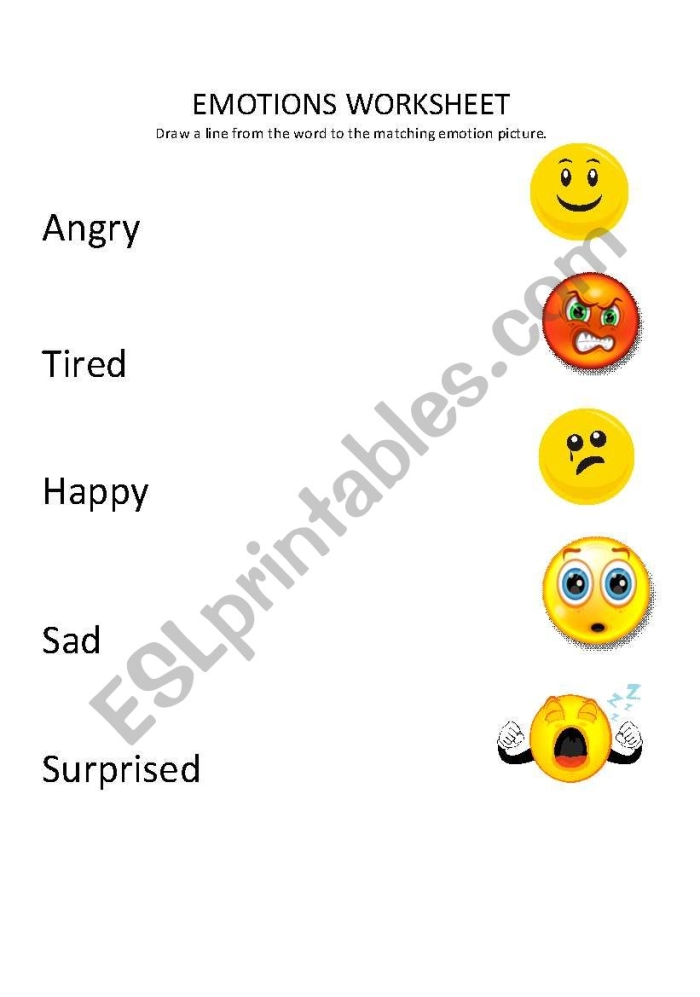
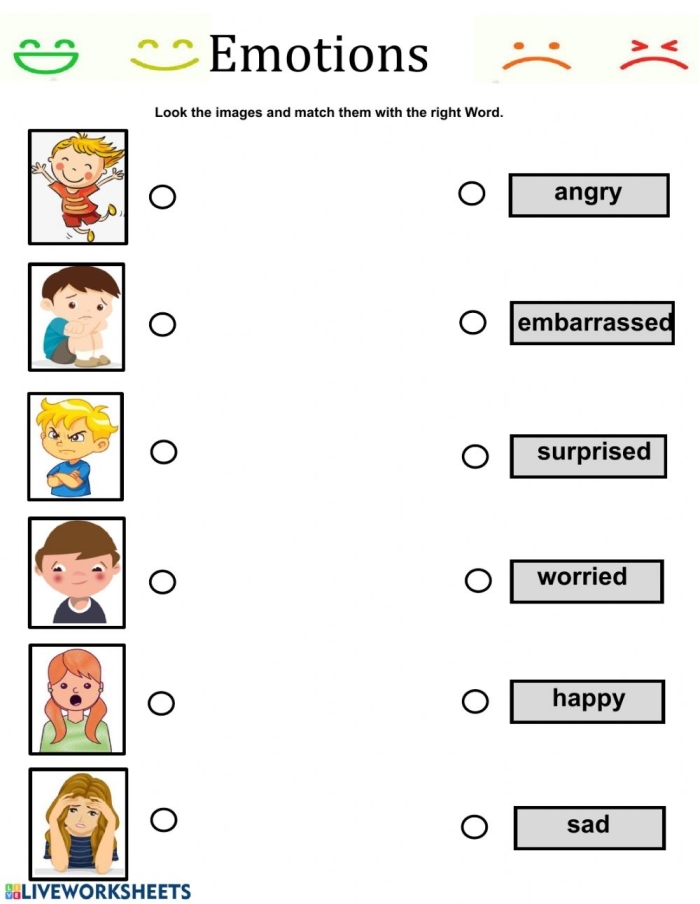
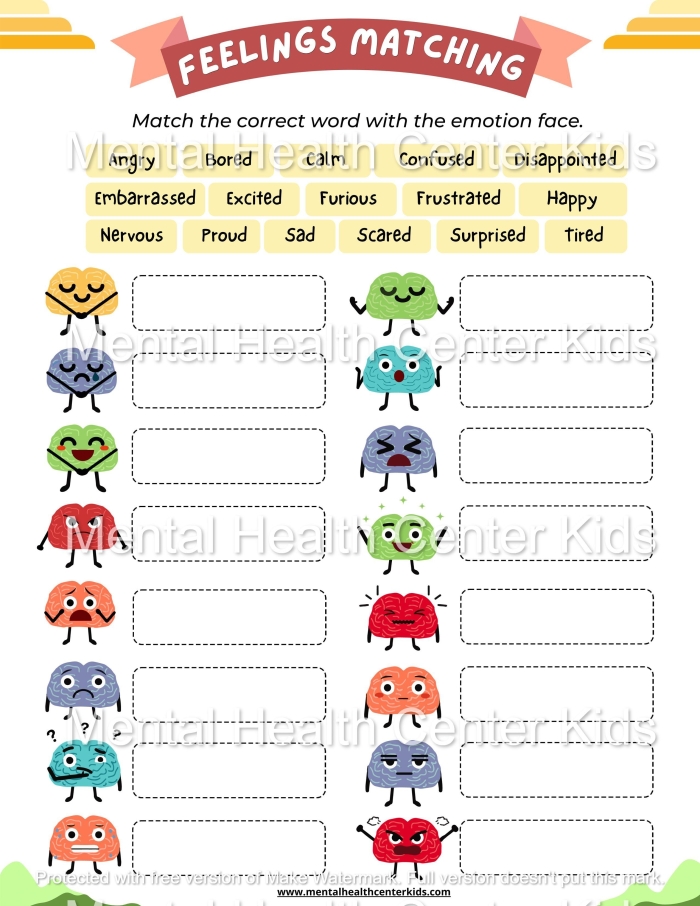
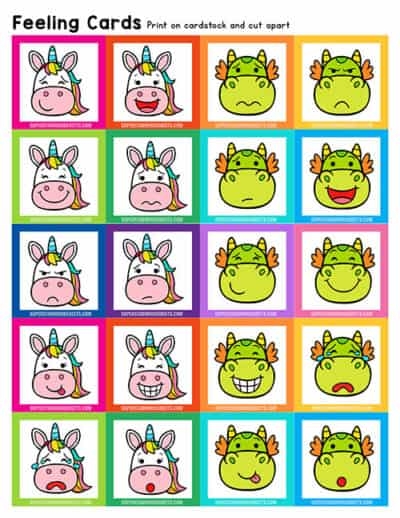
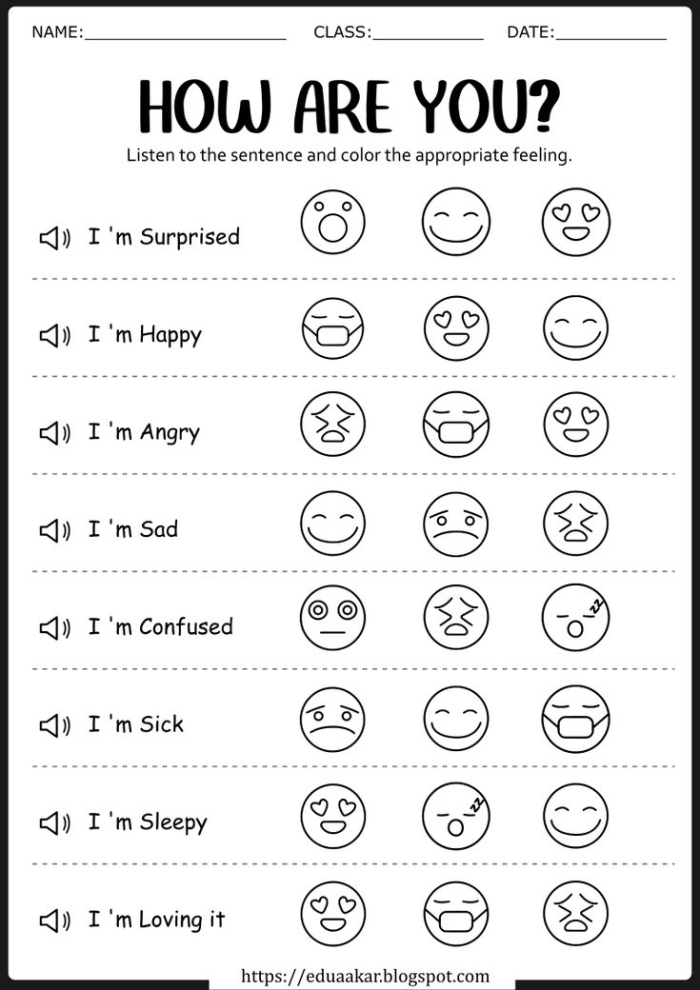
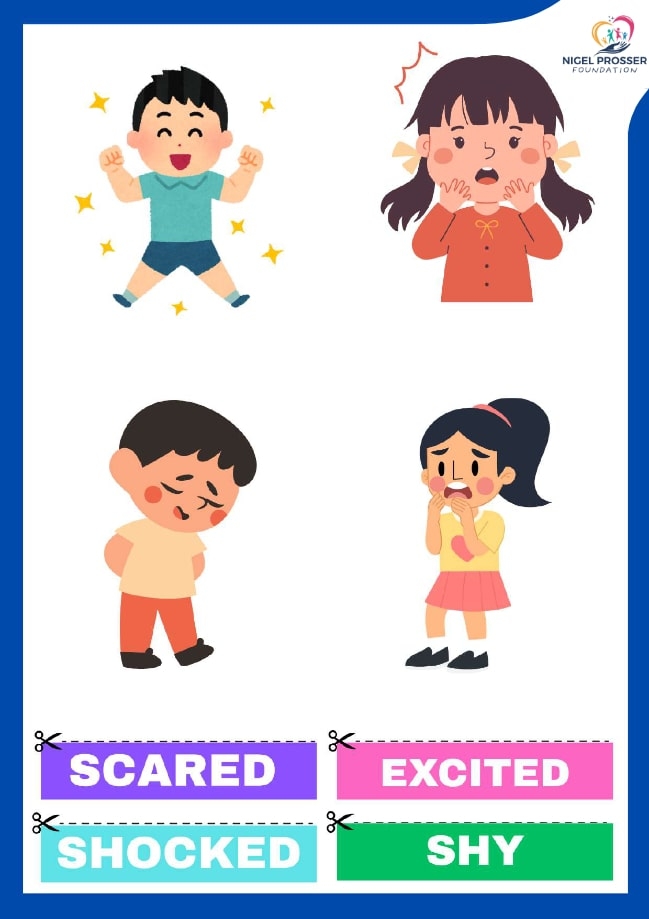
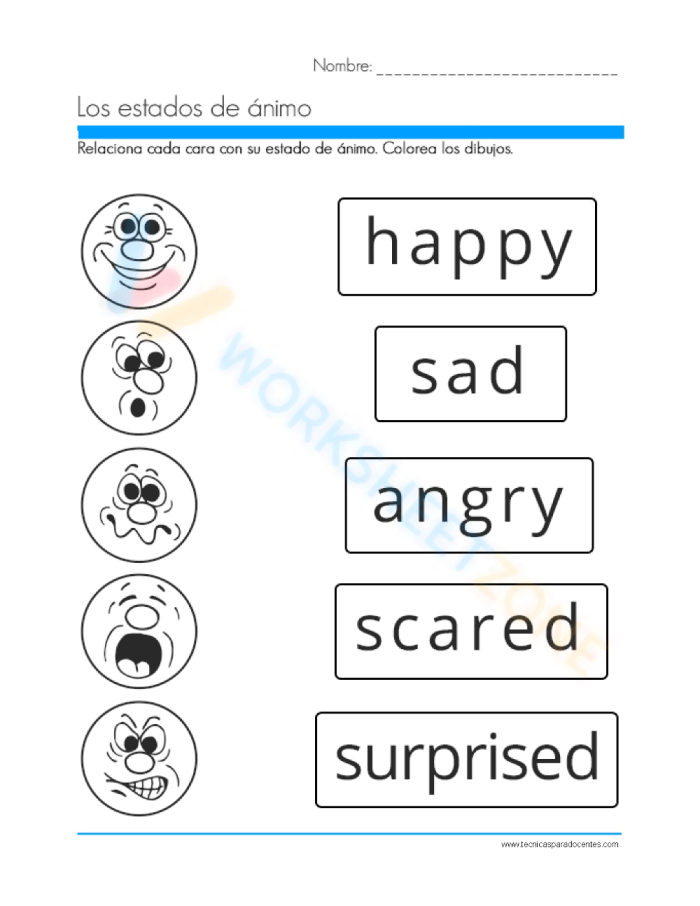
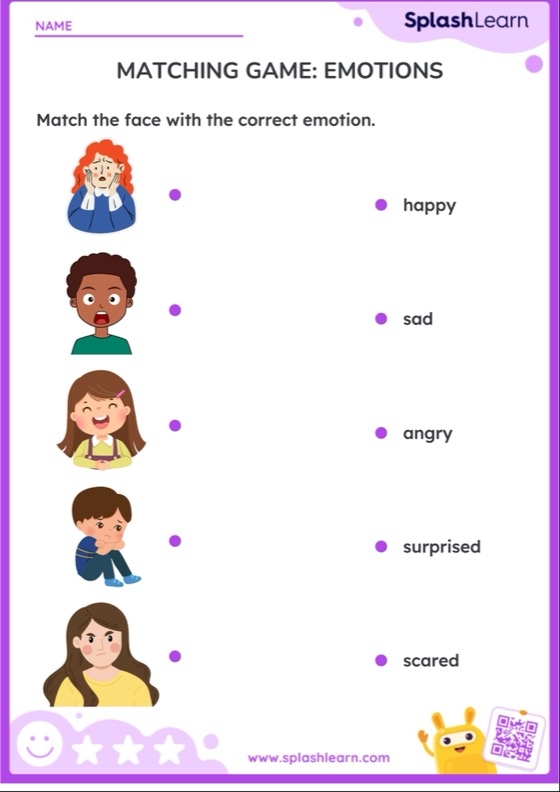
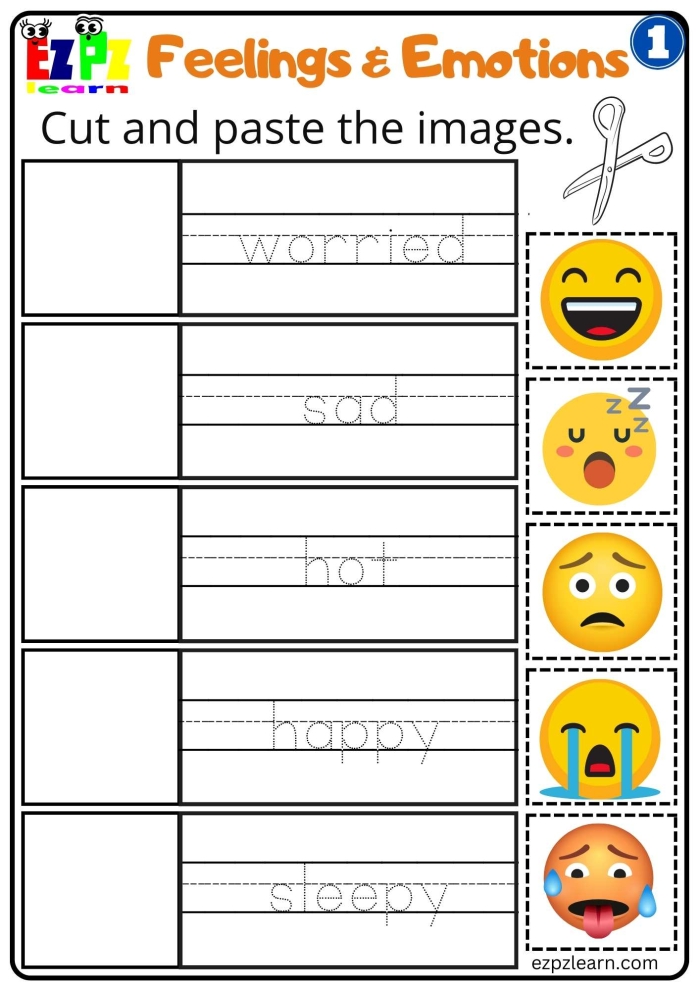
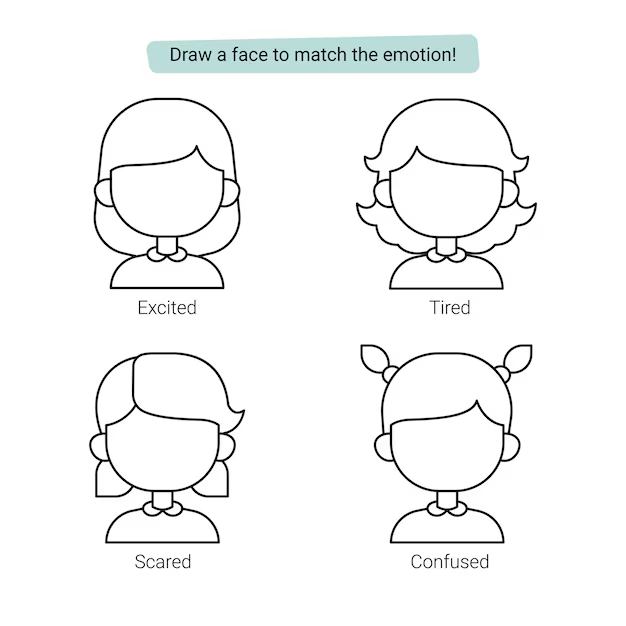
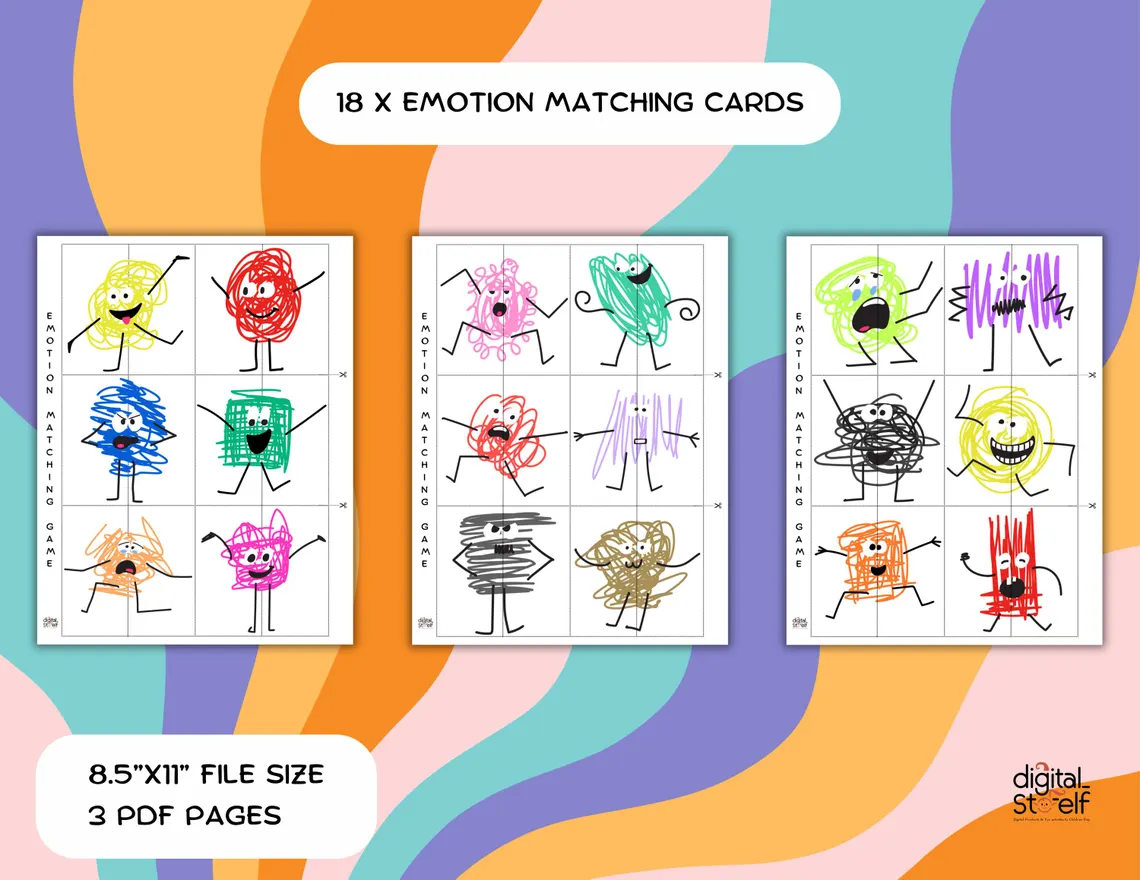
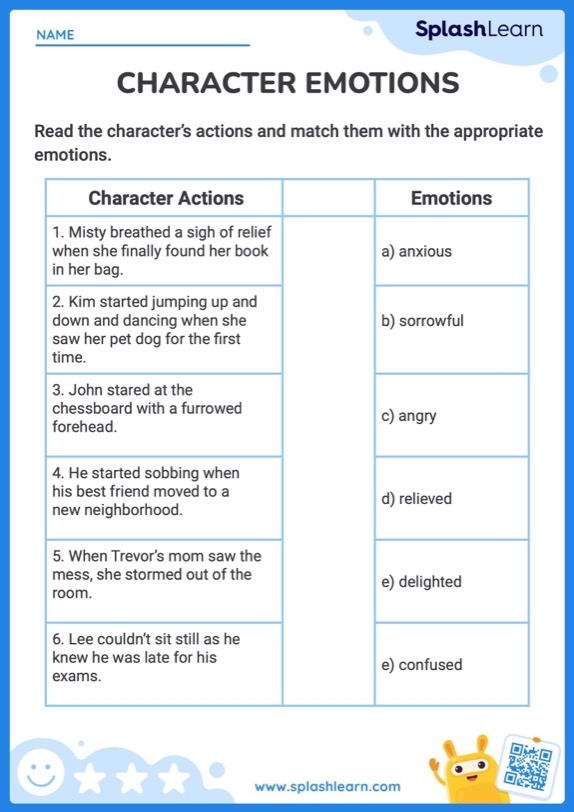
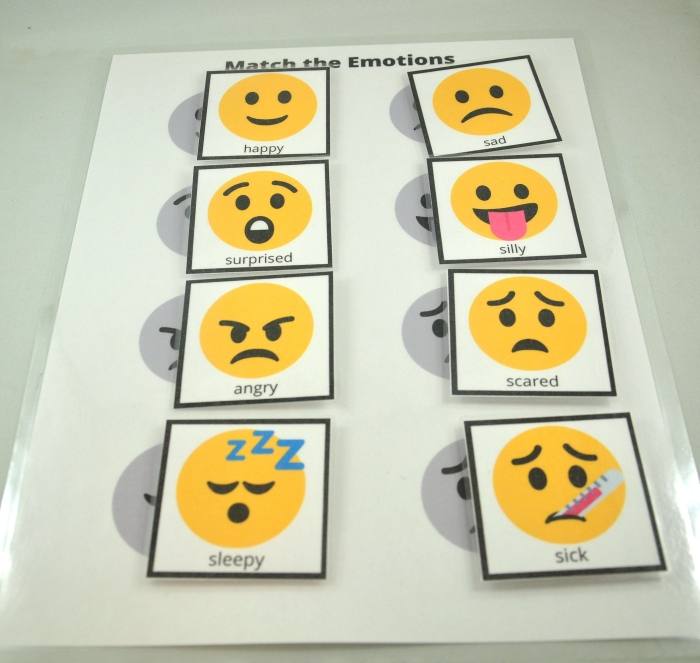
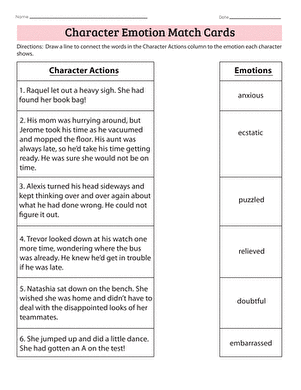
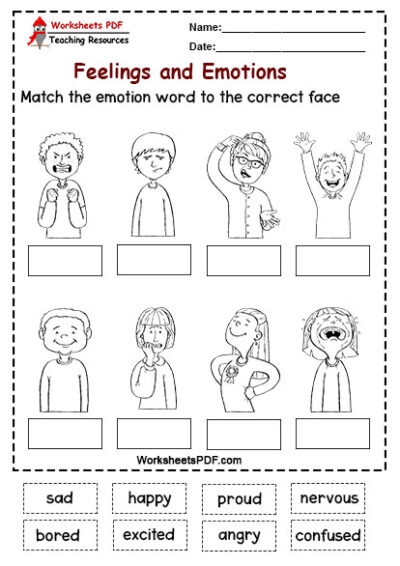
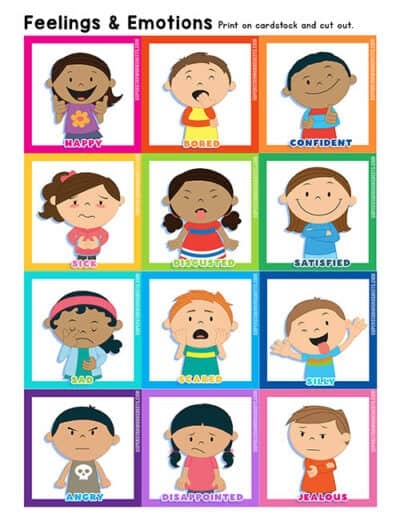
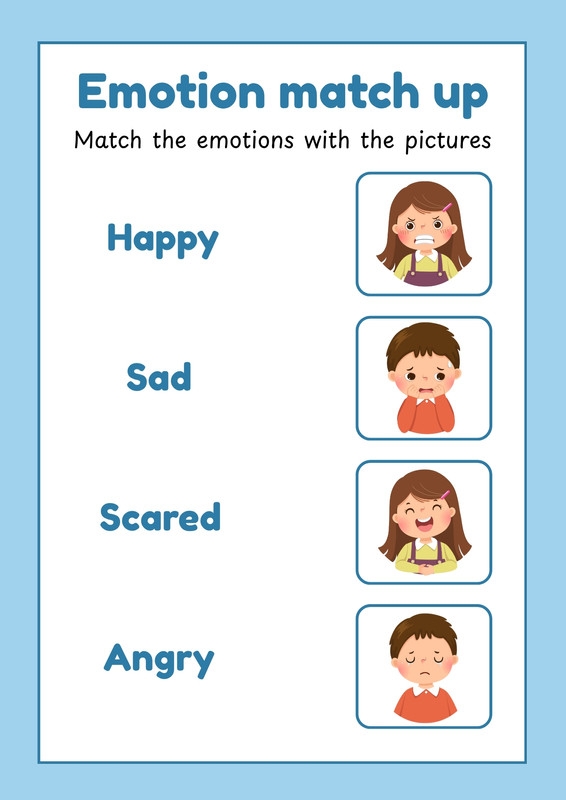
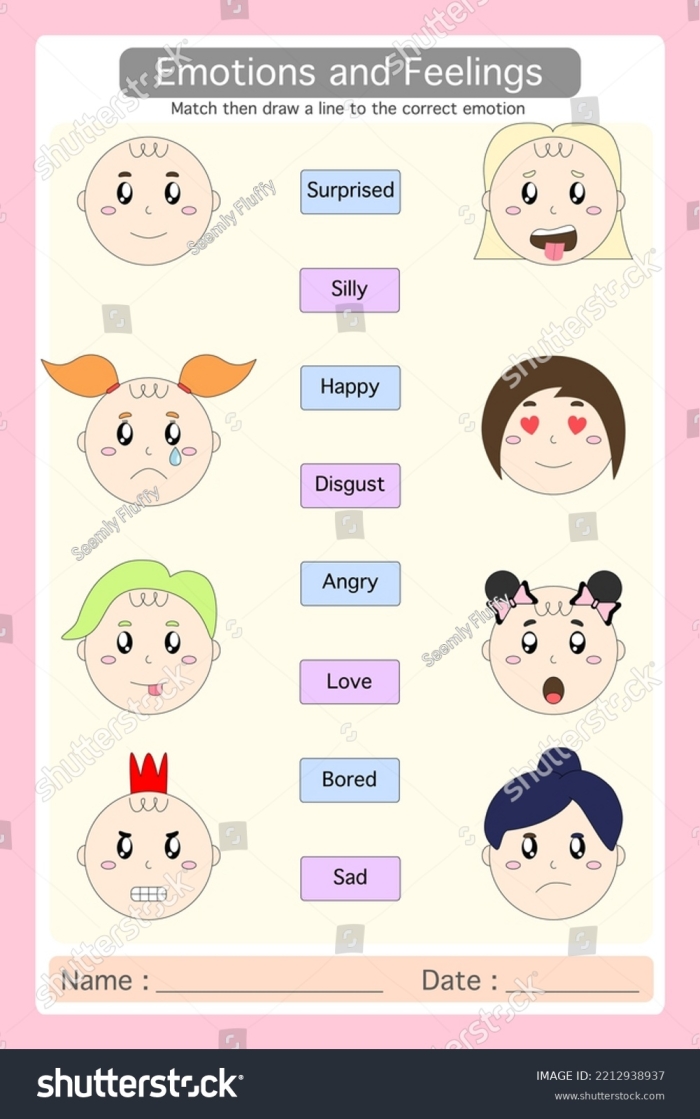
Understanding how a character’s actions relate to their emotions is a crucial skill for young learners, especially in the third grade. This concept not only enhances reading comprehension but also encourages empathy and critical thinking. Using a worksheet designed for character emotion matching can be an effective way to engage students in this practice.
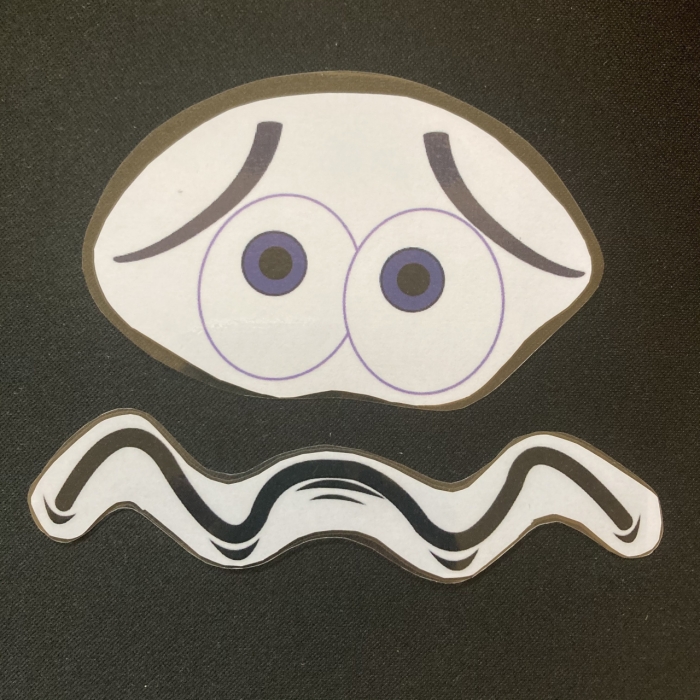
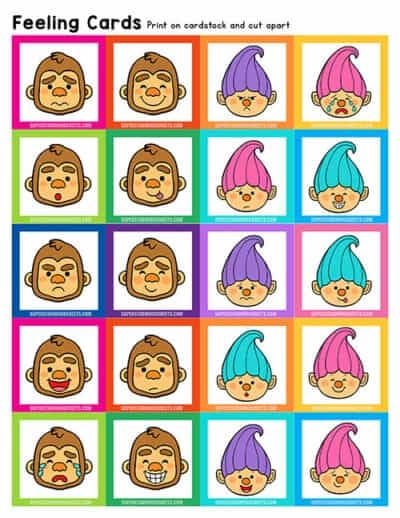
When students work with printable character emotion match cards, they are presented with various scenarios where characters exhibit specific behaviors. For example, a character might be frowning while crossing their arms, suggesting feelings of anger or frustration. By identifying these emotional cues, students can develop a deeper understanding of the narrative and the motivations behind a character’s actions.
The benefits of this exercise extend beyond just reading skills. It encourages children to think about how emotions influence behavior in real life as well. For instance, if a friend is quiet and withdrawn, students can reflect on whether that might indicate sadness or discomfort. This kind of reflection fosters emotional intelligence, which is essential as they grow and interact in diverse environments.
Furthermore, integrating this activity into geometry lessons can be particularly engaging. Students can use character emotion match cards while learning about shapes and spatial reasoning, connecting their understanding of geometry with storytelling. For instance, while studying triangles or rectangles through geometry worksheets, they can match characters’ actions with their feelings, making the learning process more holistic and enjoyable.
To explore more engaging worksheets, check out resources like the Great Grammar Possessive Pronouns or the Division: Let’s Be Fair worksheets. These tools can supplement the character emotion exercises, providing a well-rounded educational experience.
Hands-On Worksheet Activities