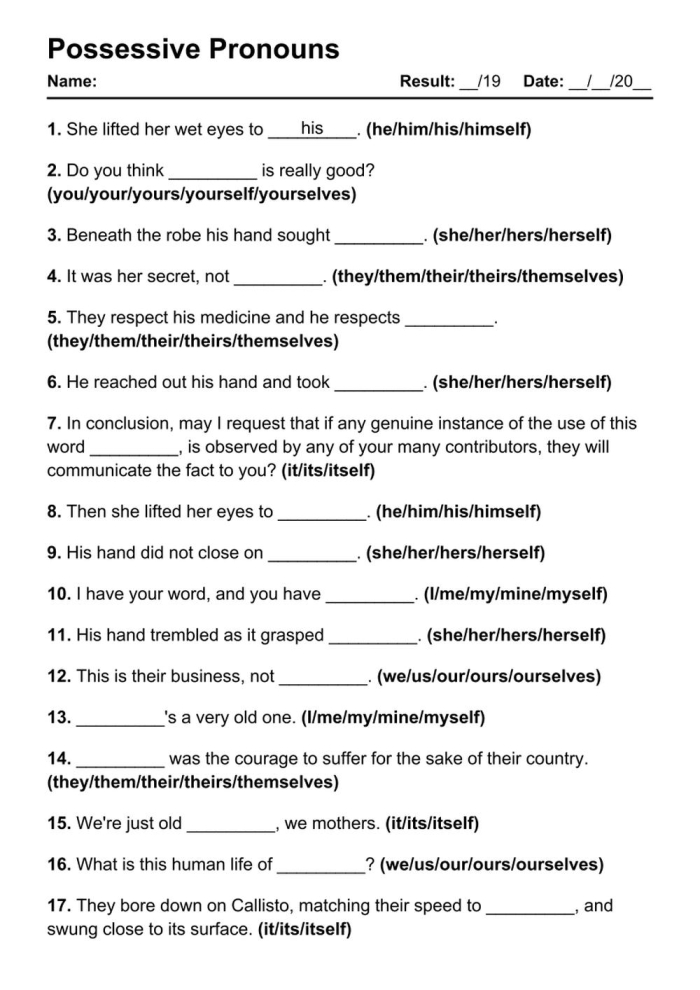
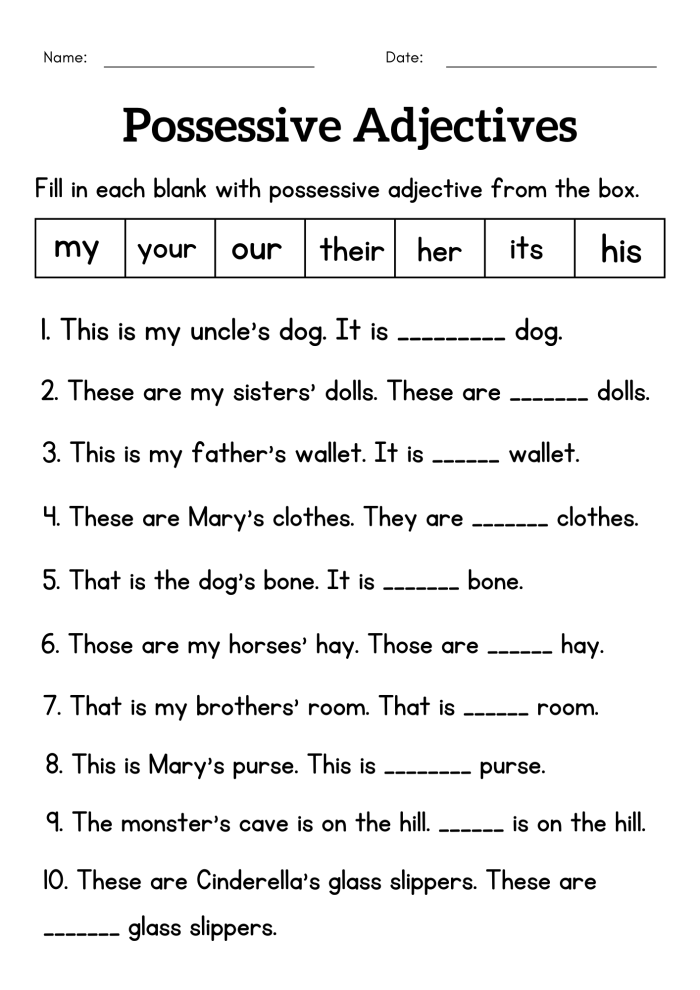
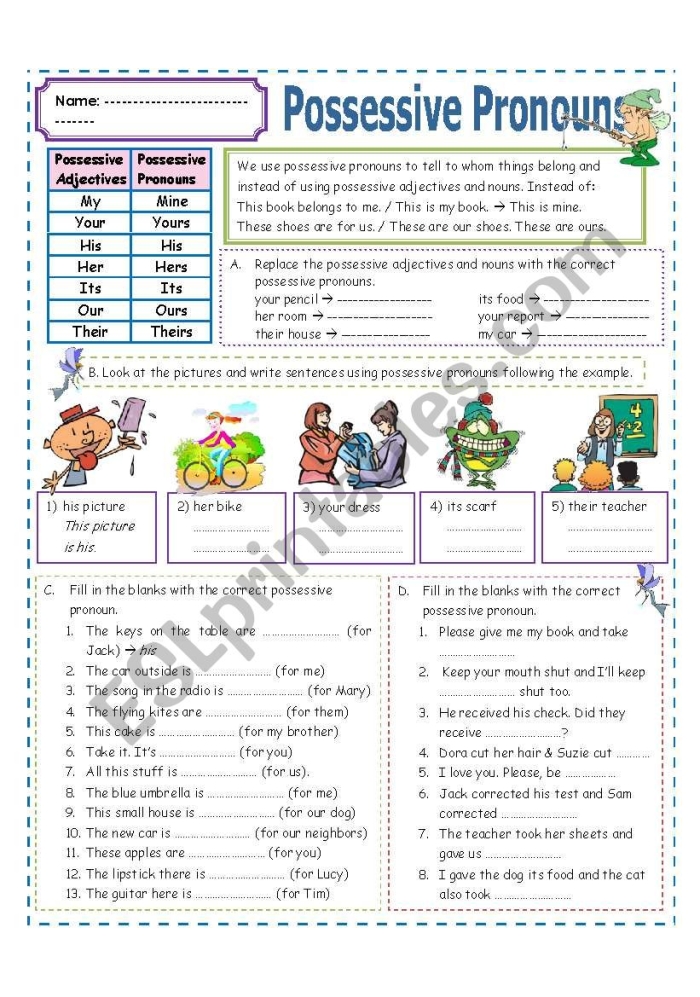
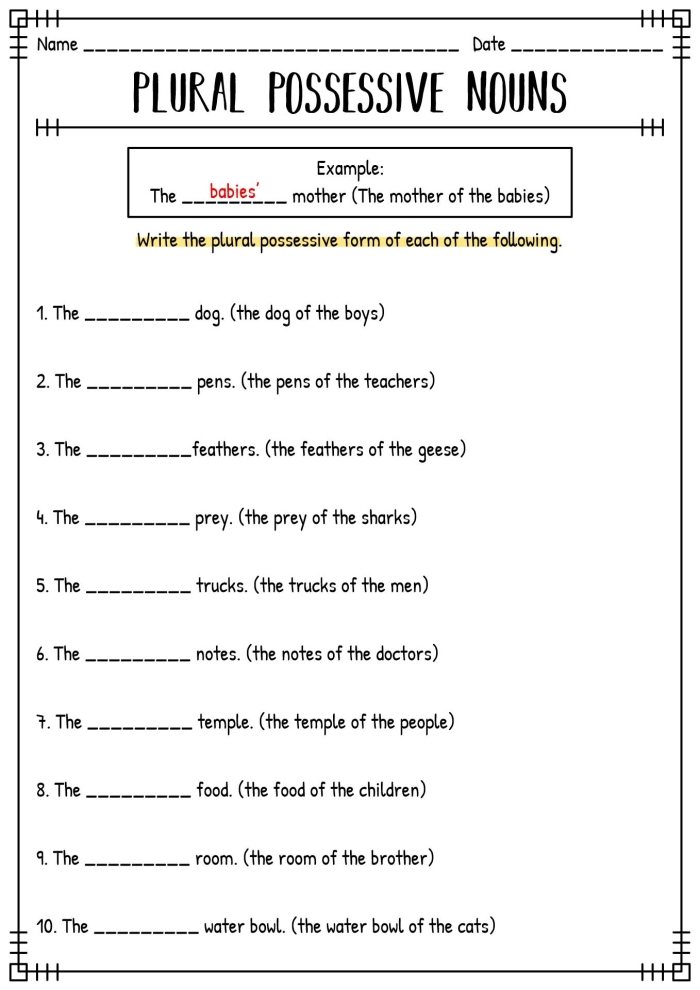
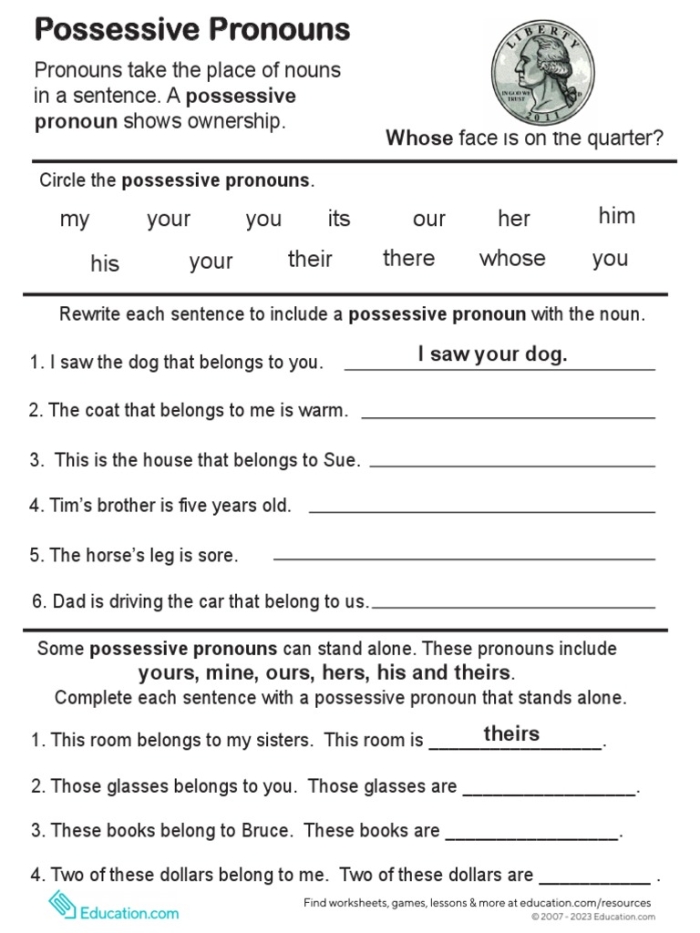
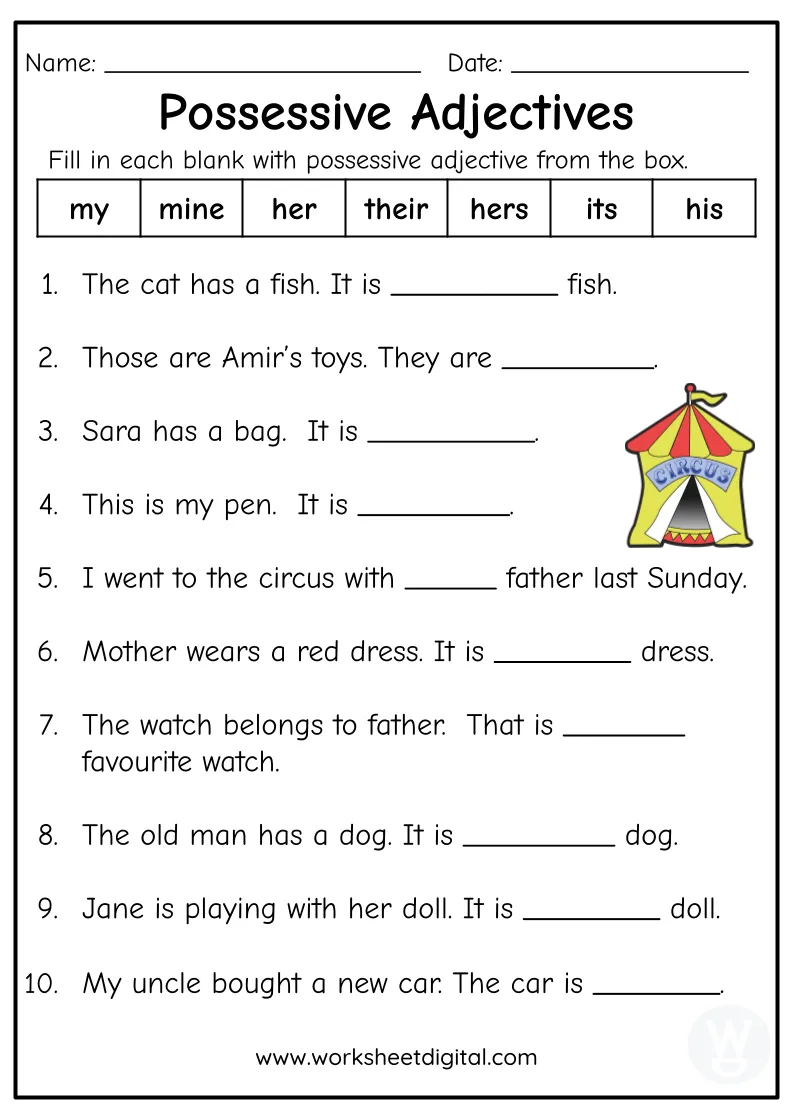
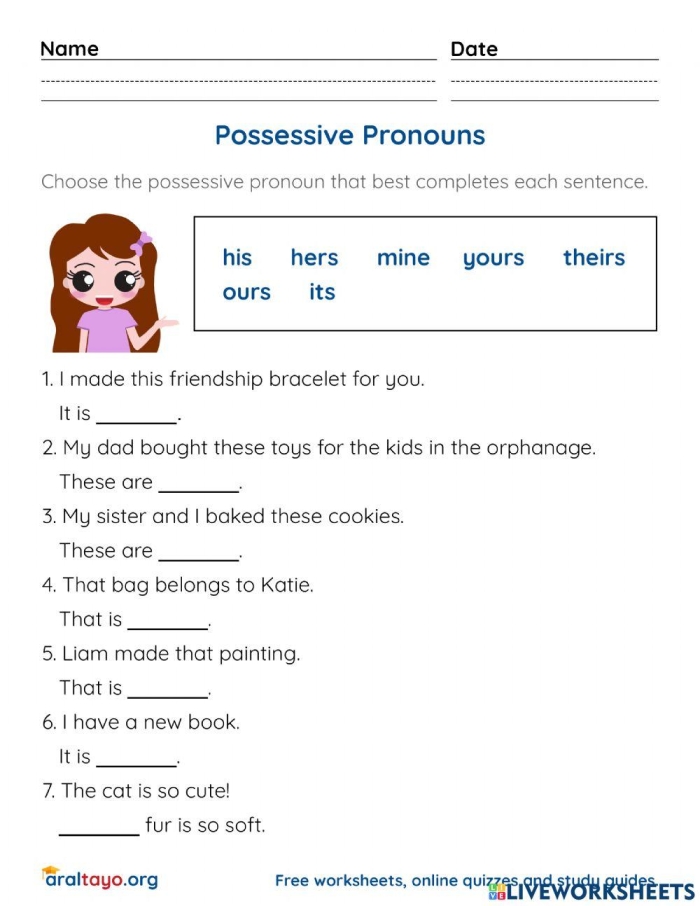
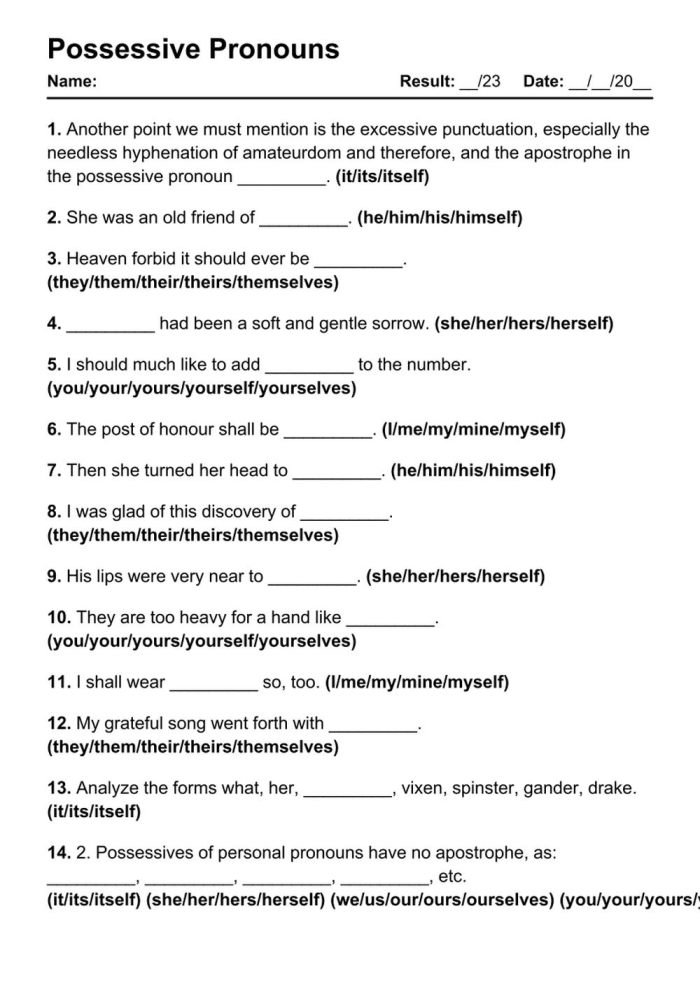
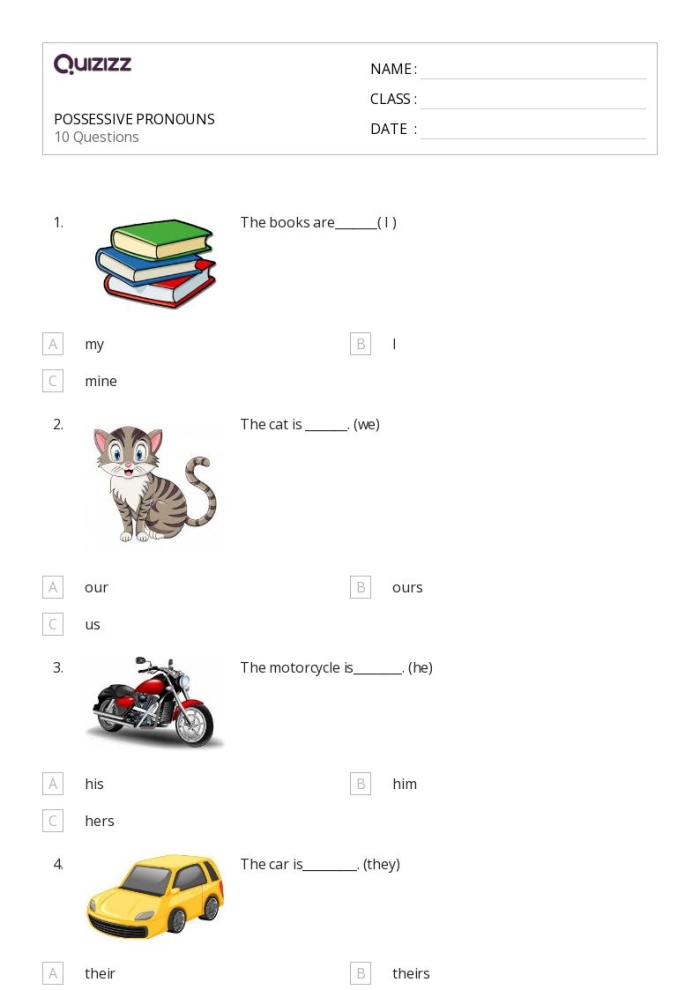
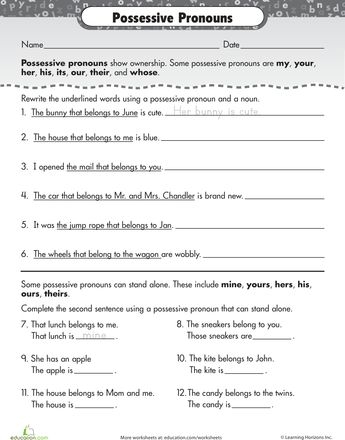
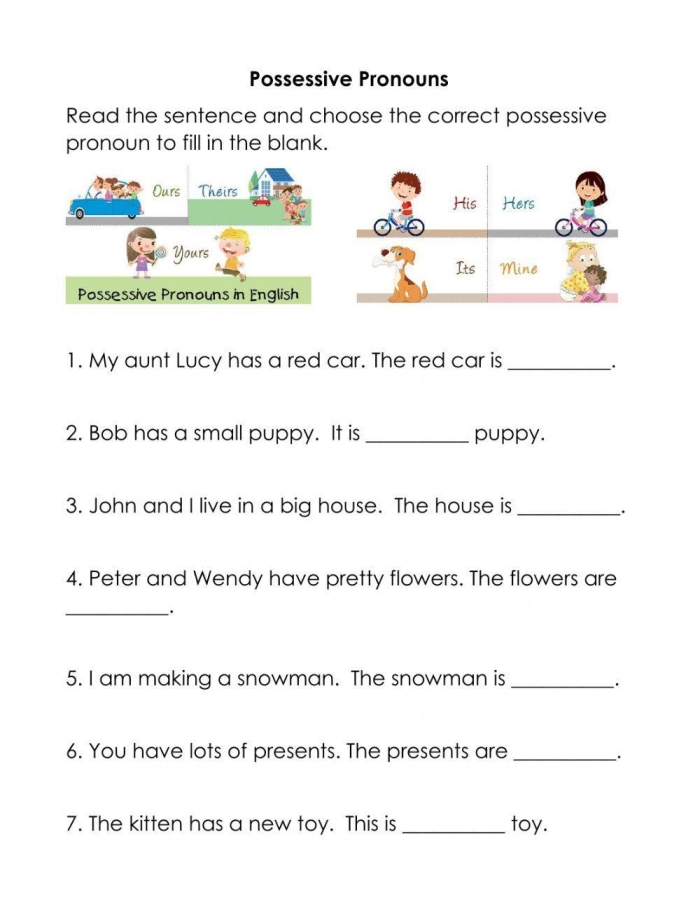
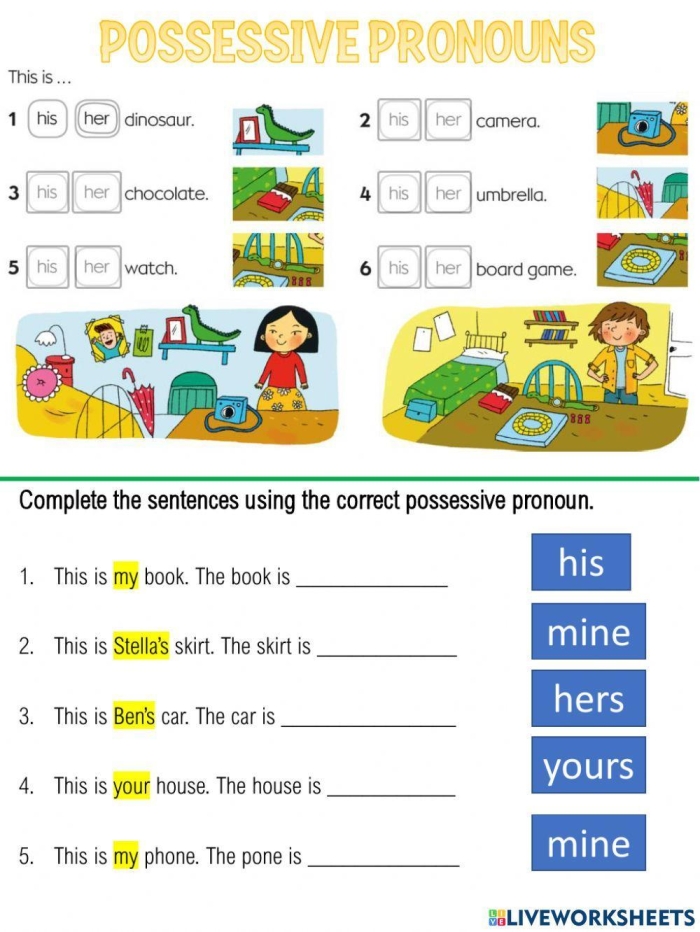
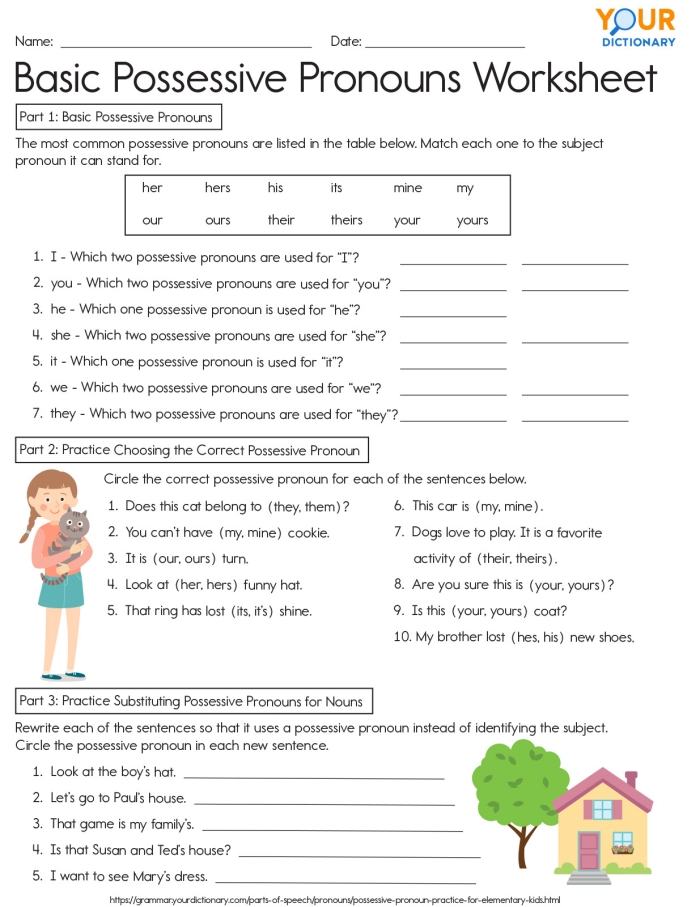
Possessive pronouns trip up plenty of third grade students, and the reason is simple: they look similar to contractions and other pronouns, but they work differently. A solid worksheet focused on possessive pronouns can clear up this confusion faster than explaining it verbally for the hundredth time.
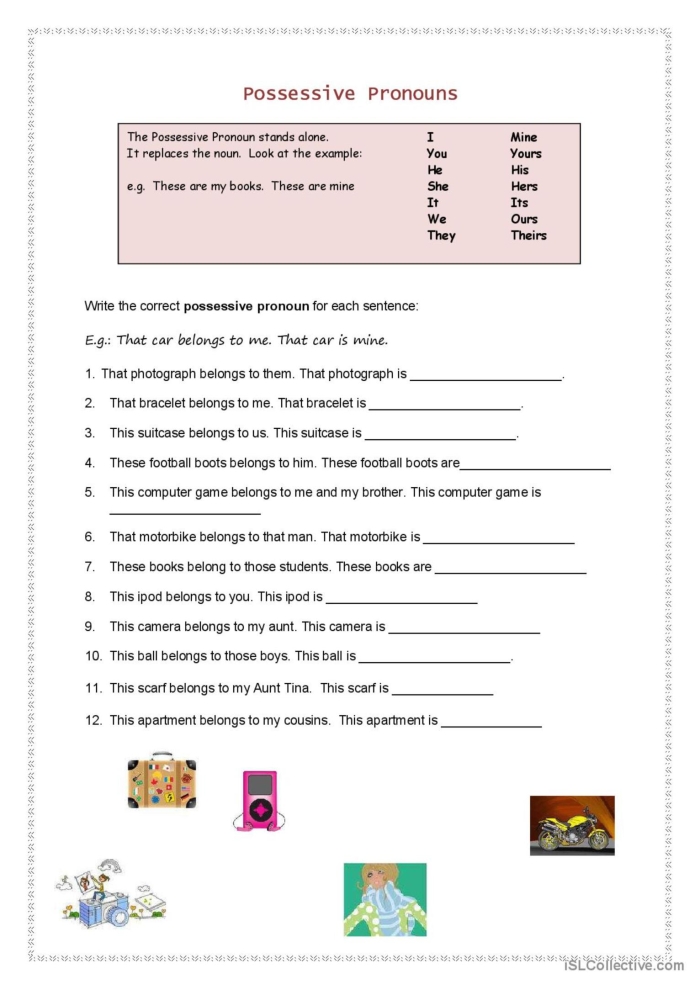
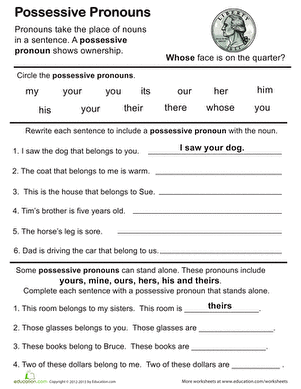
When students grasp possessive pronouns, they’re learning to show ownership without repeating nouns. Instead of saying “Sarah’s book is Sarah’s favorite,” they can say “Her book is hers.” This shift makes writing tighter and more natural. The pronouns involved, mine, yours, his, hers, ours, and theirs, become tools they’ll use constantly in their writing.
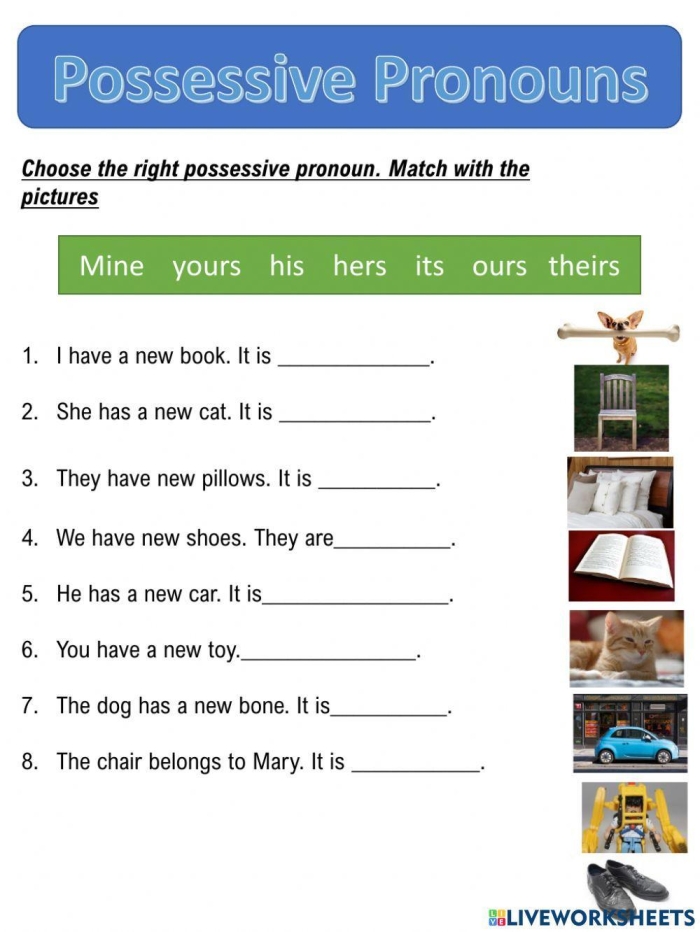
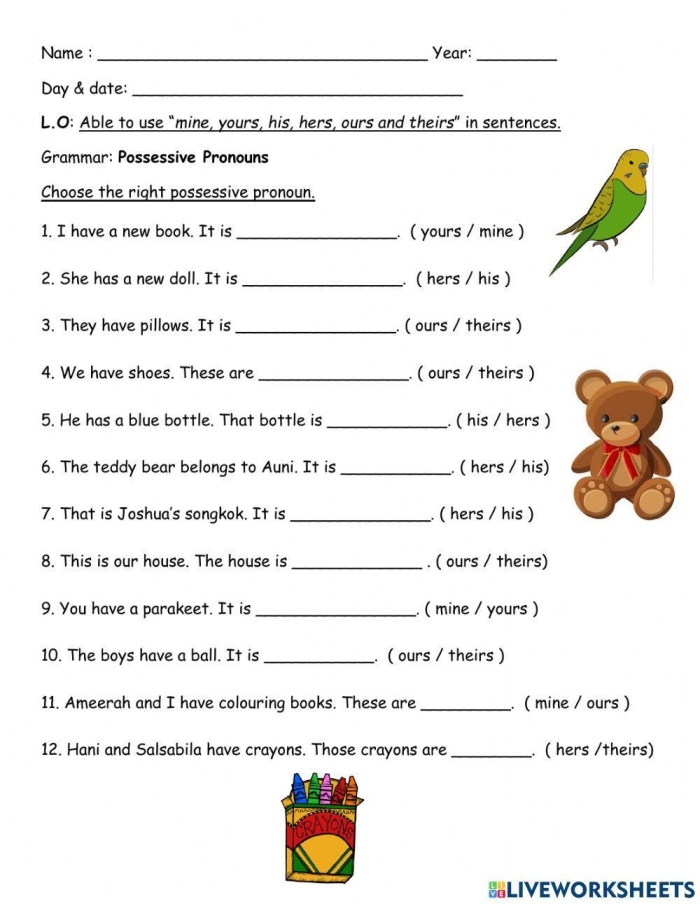
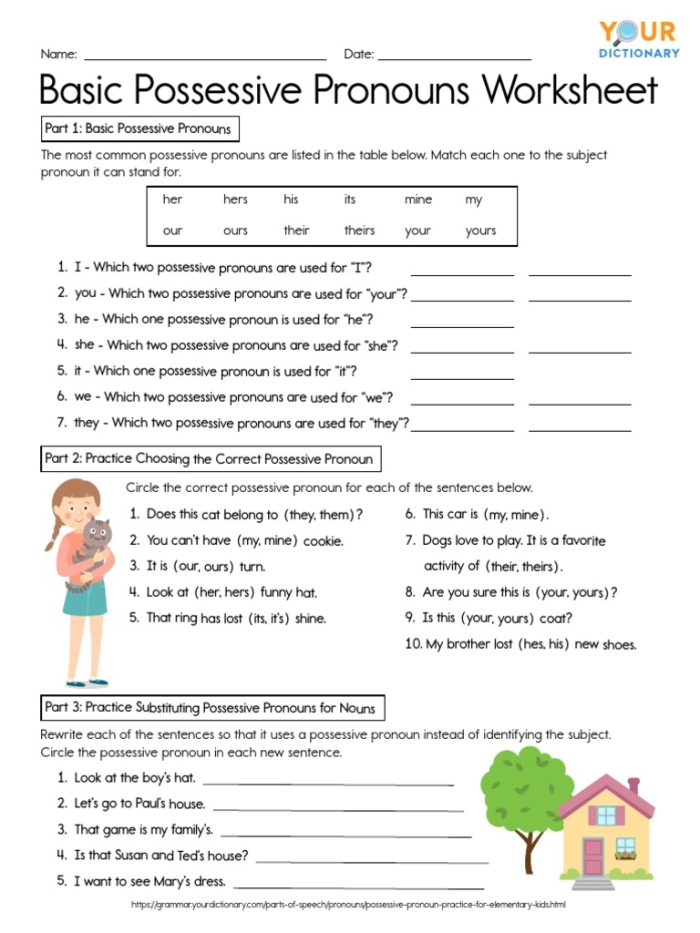
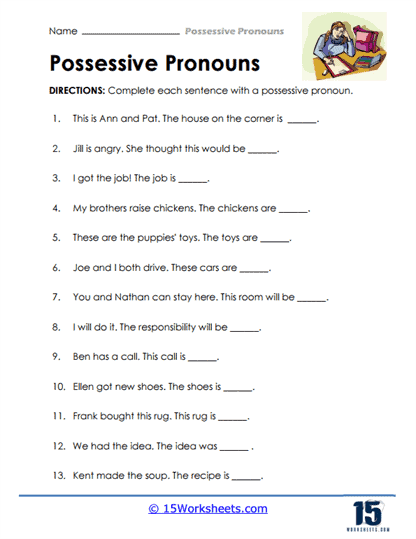
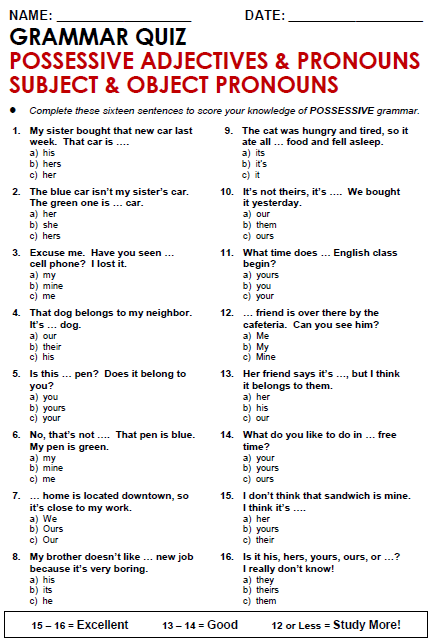
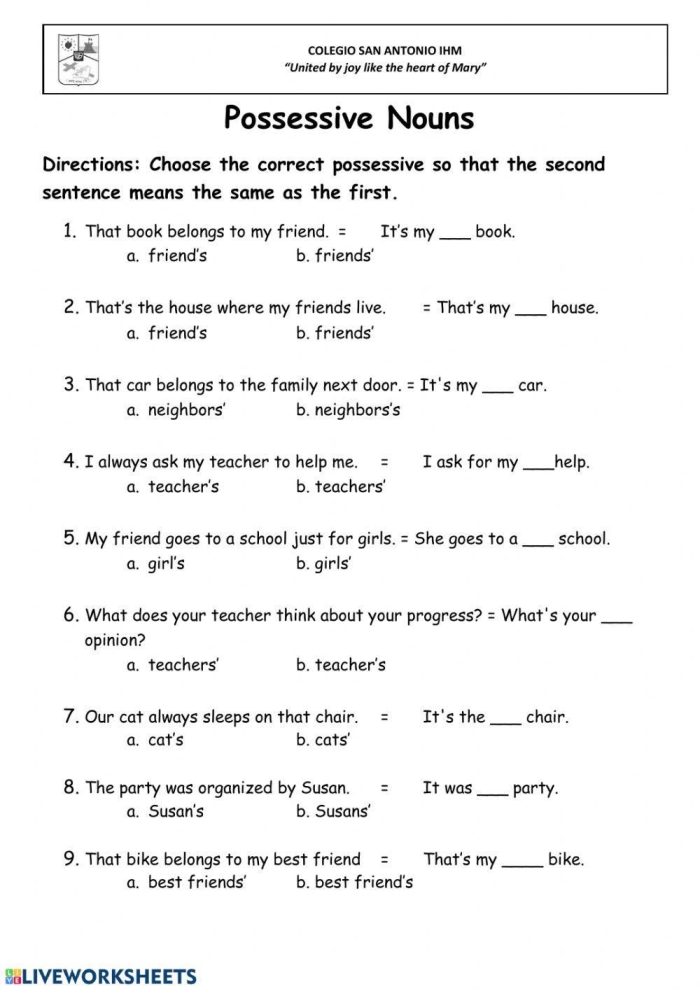
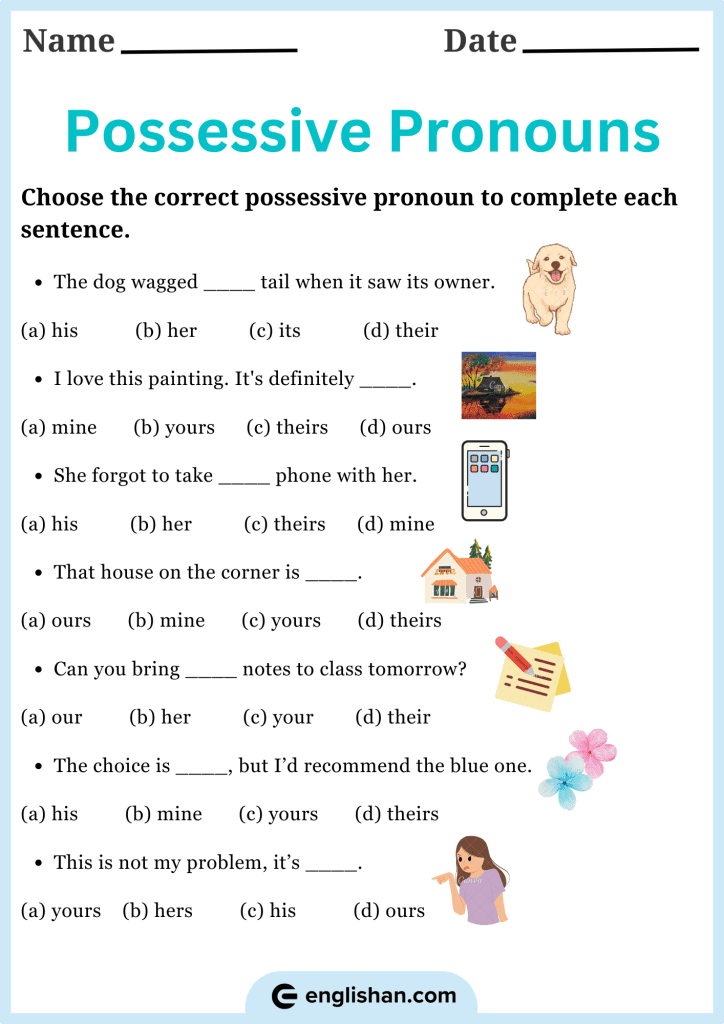
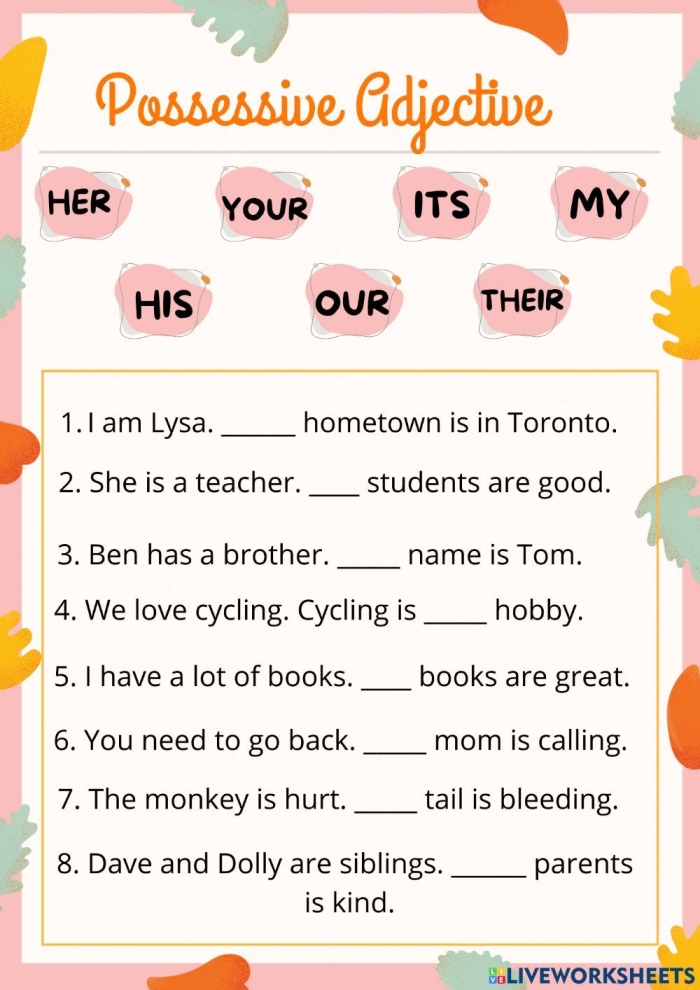
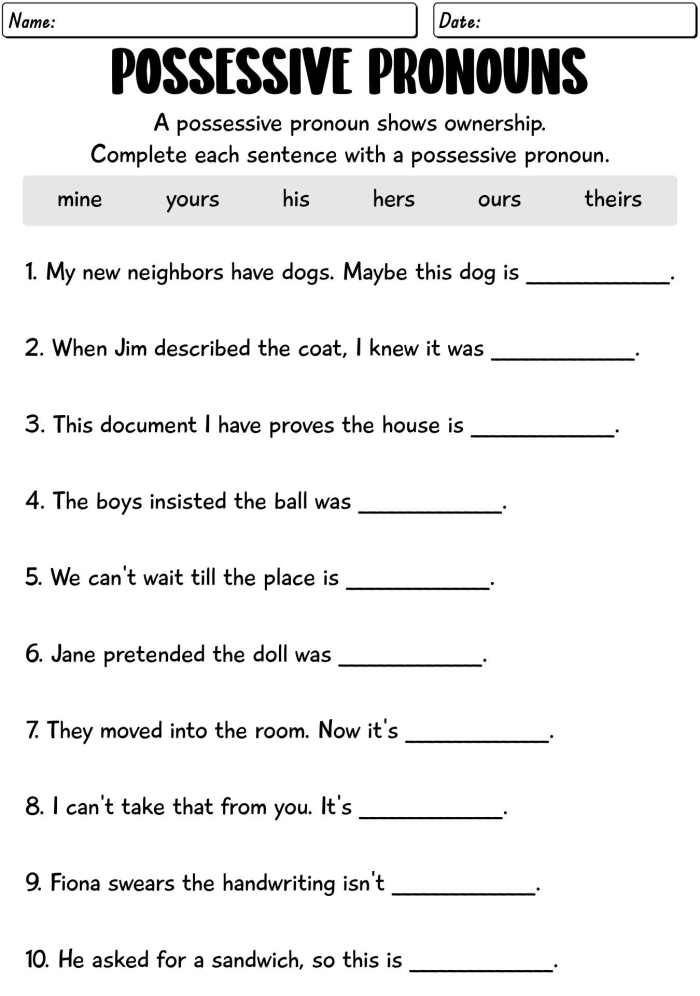
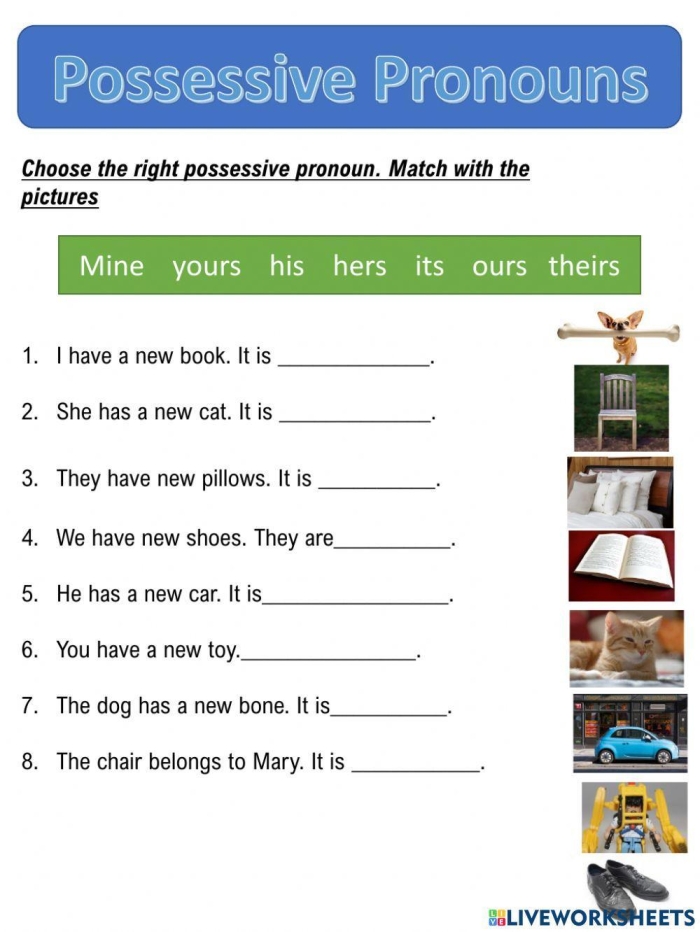
A strong worksheet presents possessive pronouns in context rather than in isolation. Third grade learners benefit from seeing these words in sentences where they need to identify which pronoun fits, or where they need to correct a mistake. When worksheets include visual elements and relatable scenarios, the concepts stick better. For instance, a sentence about sharing toys or school supplies feels more real than abstract grammar rules.
The geometry connection might seem odd, but worksheets that combine multiple skills work well at this level. Just as students learn to identify shapes and their properties in geometry, they can identify possessive pronouns by their function in sentences. Some resources pair grammar practice with other third grade skills, like contractions mixed with ratios and proportions, helping students build connections across subjects.
Repetition matters when building grammar confidence. A dedicated worksheet gives students multiple chances to practice possessive pronouns without the pressure of a formal test. They can work through examples, correct errors, and gradually internalize the rules. By the end, possessive pronouns feel less like grammar trivia and more like a natural part of how they write.
Try These Printable Worksheets