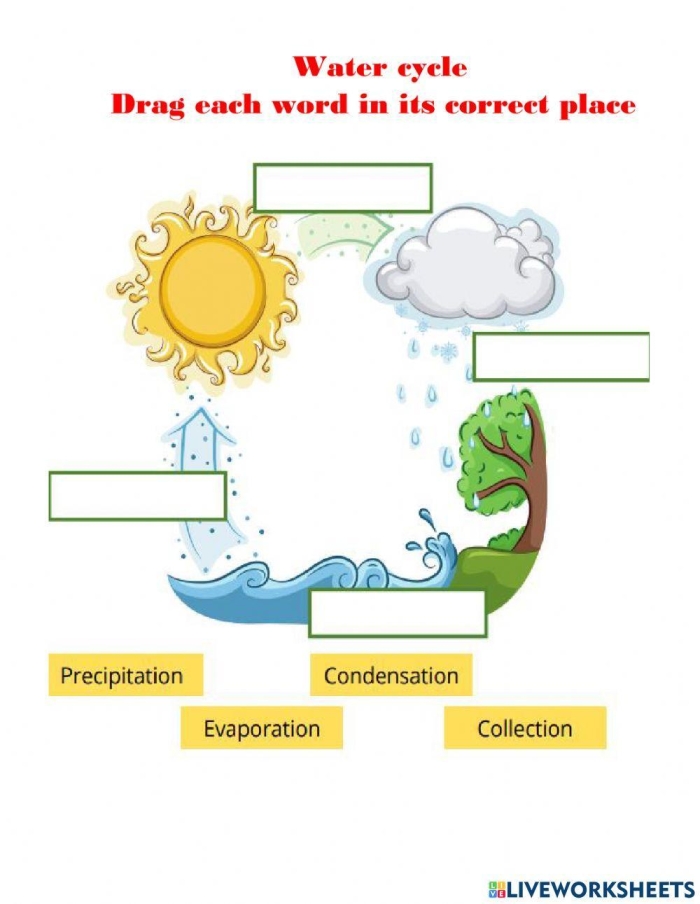
Understanding the water cycle is essential for students, especially in third grade, where they begin to explore the connections between natural events. This resource is designed to help students practice connecting key events in nature by focusing on the water cycle. Through engaging activities, they will read about the different stages of the cycle and note the steps in the order they occur, reinforcing their comprehension of how water moves through our environment.
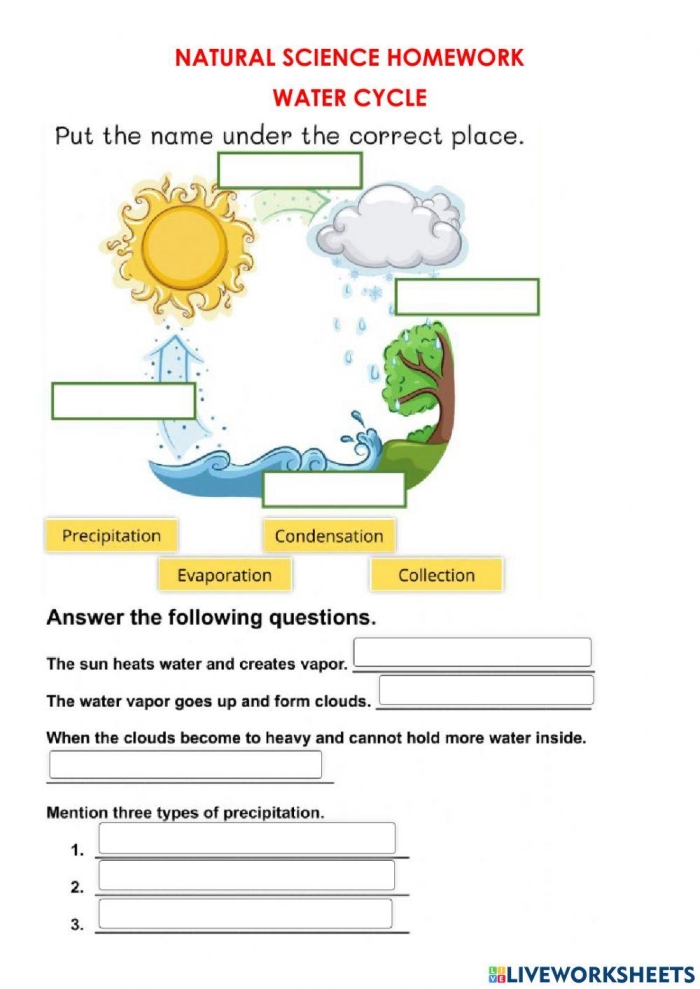
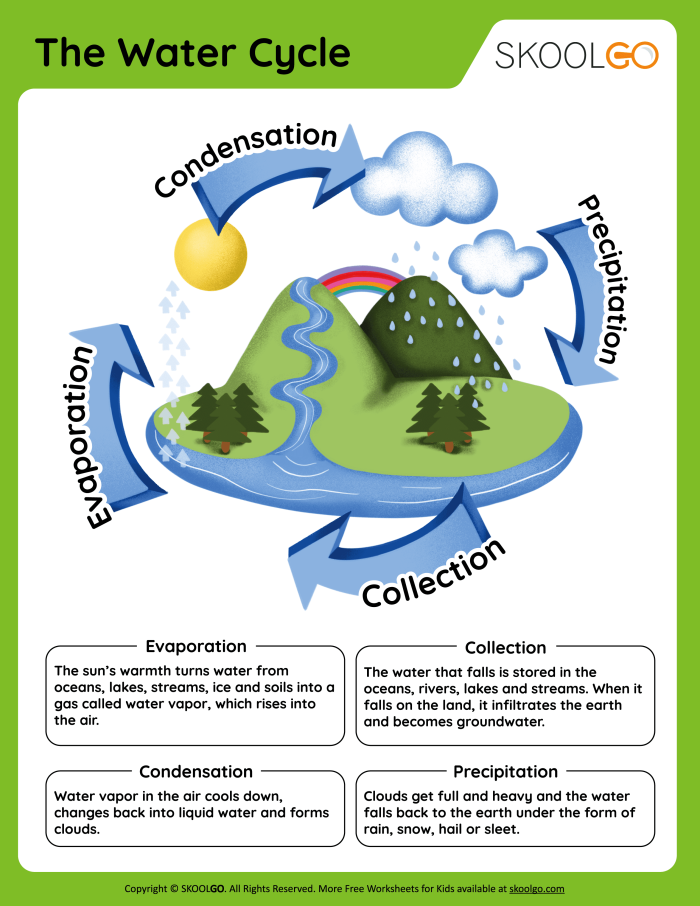
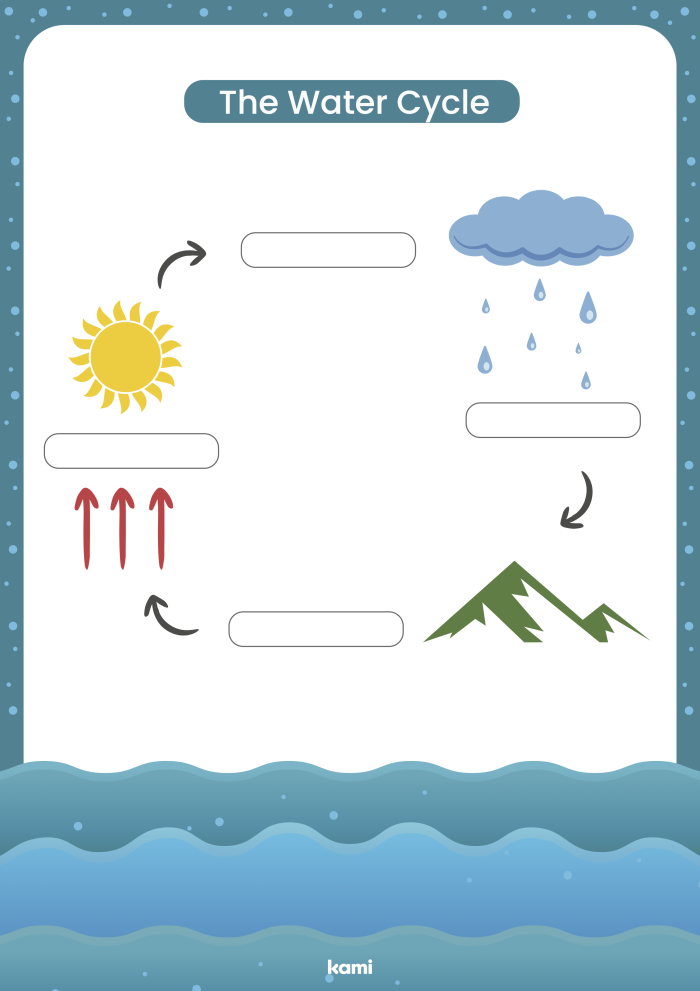
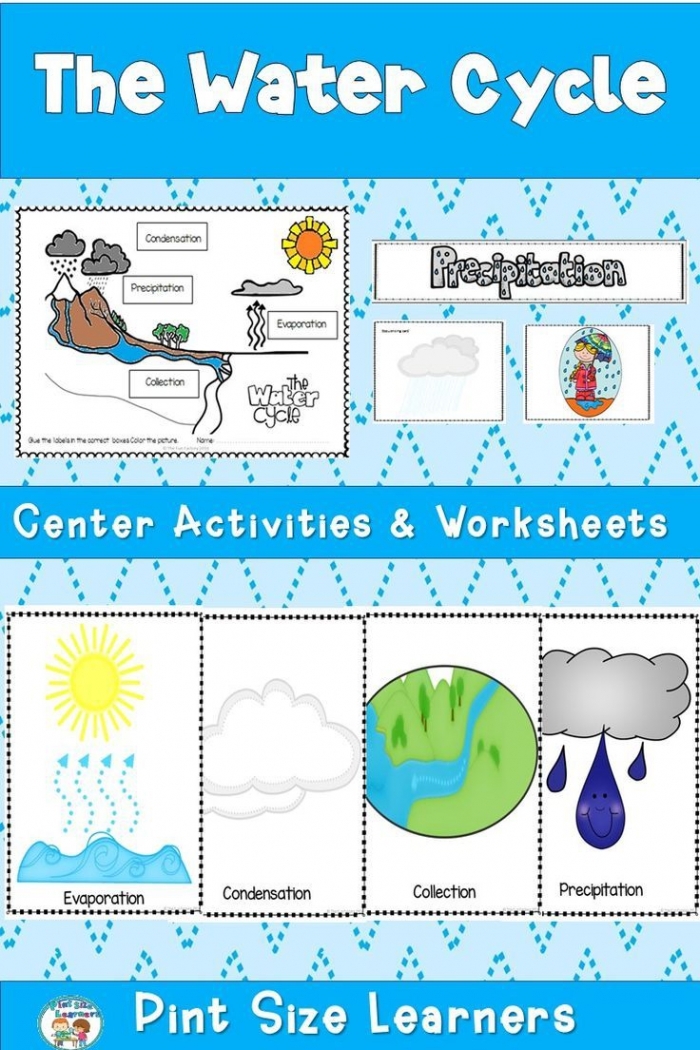
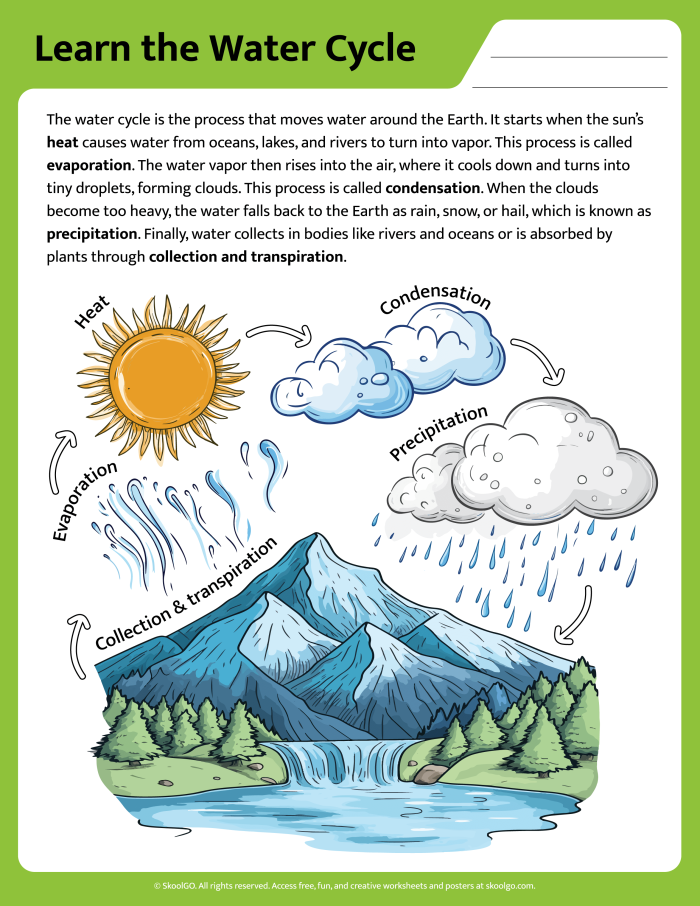
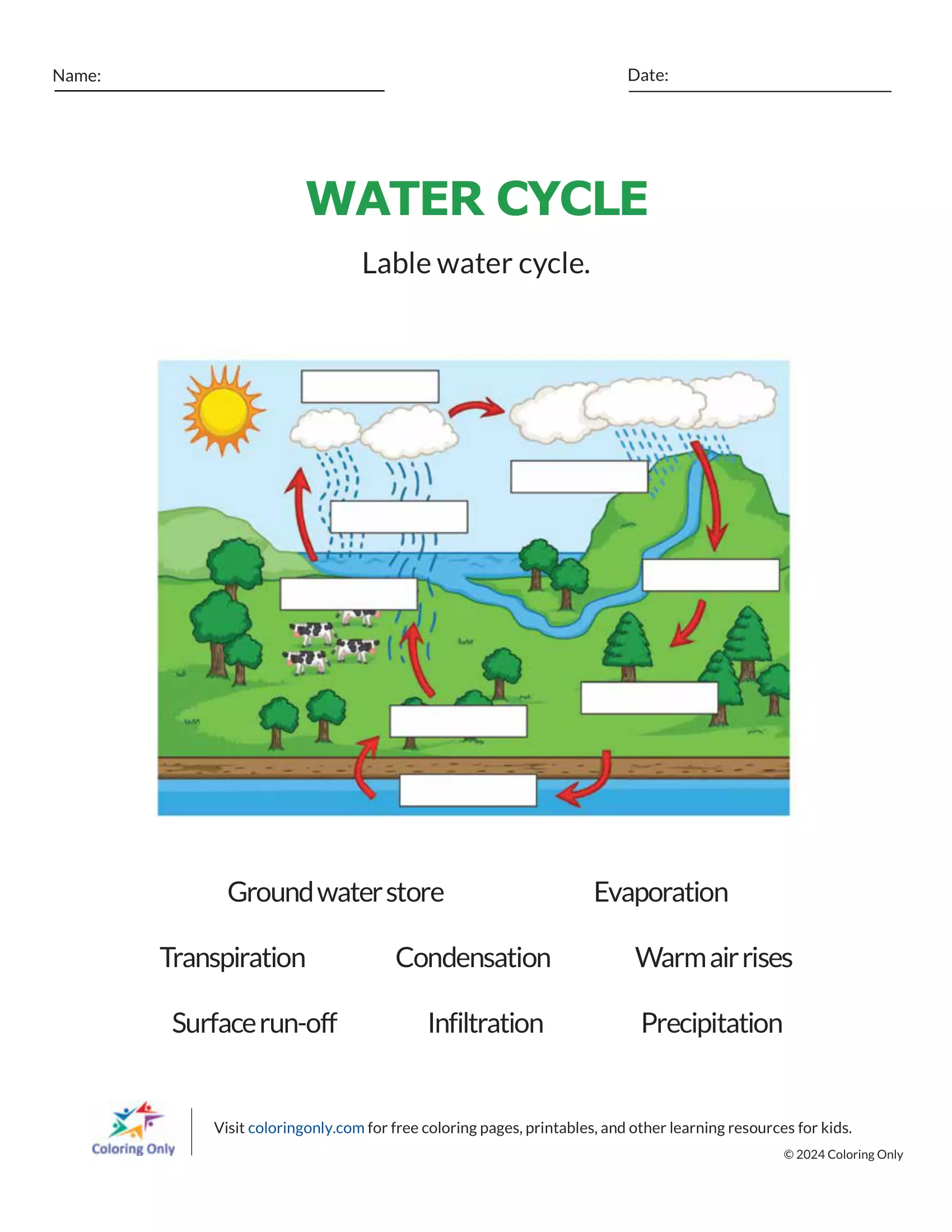
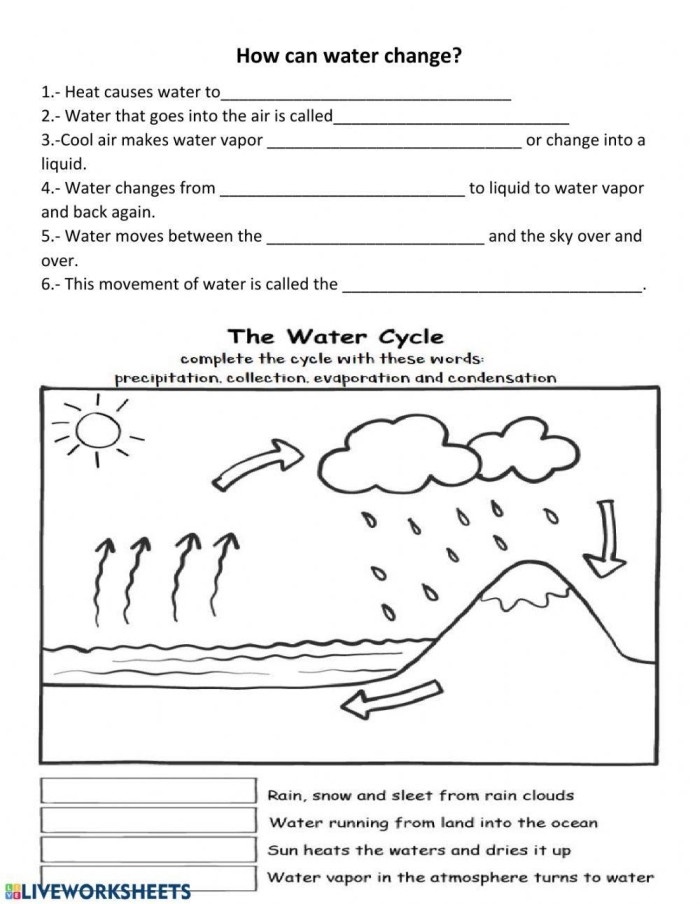
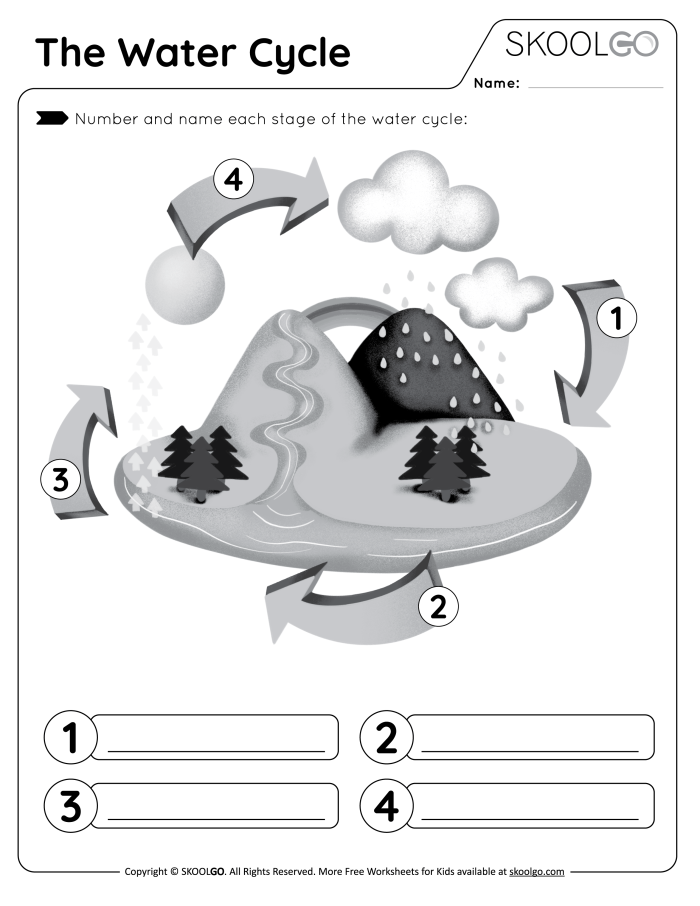
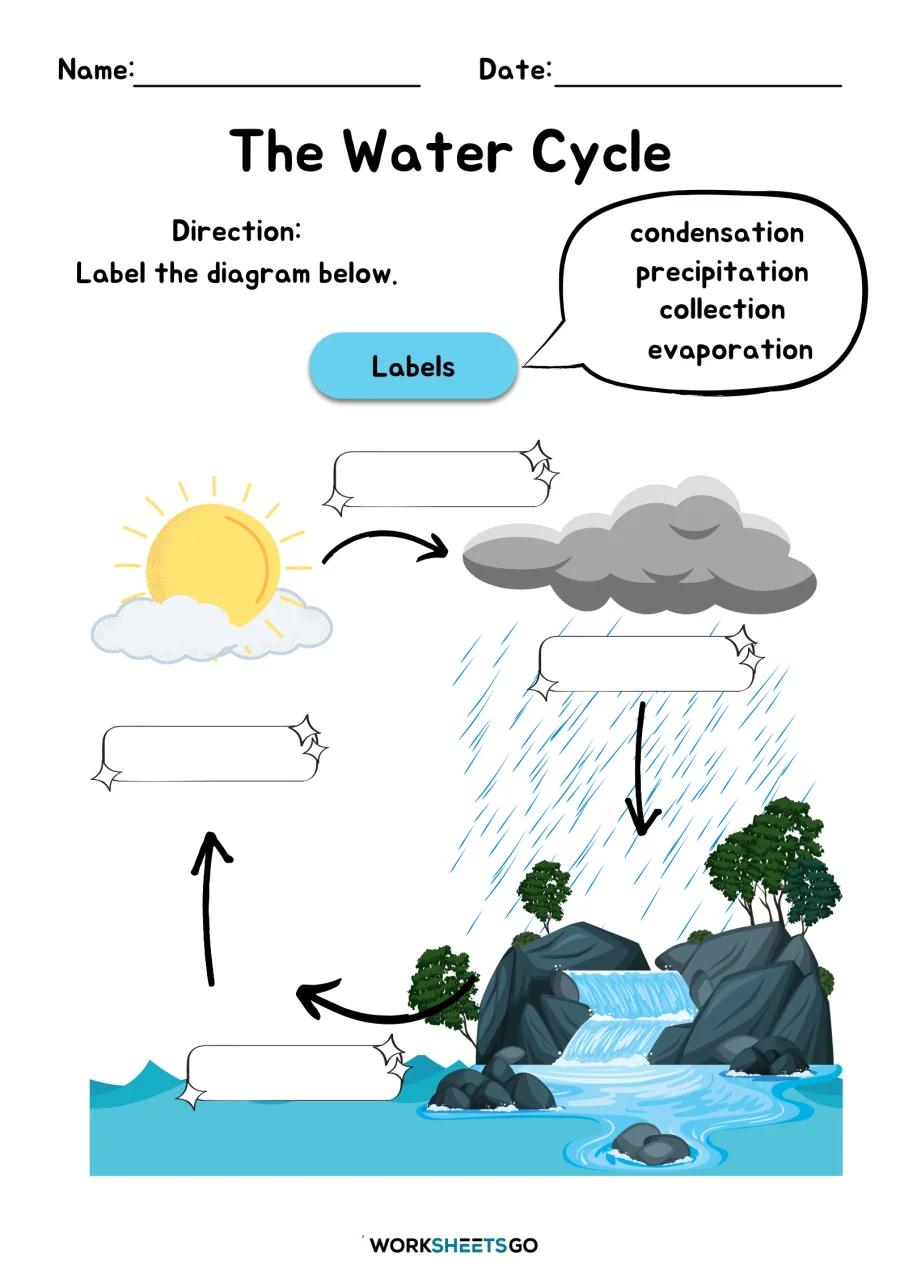
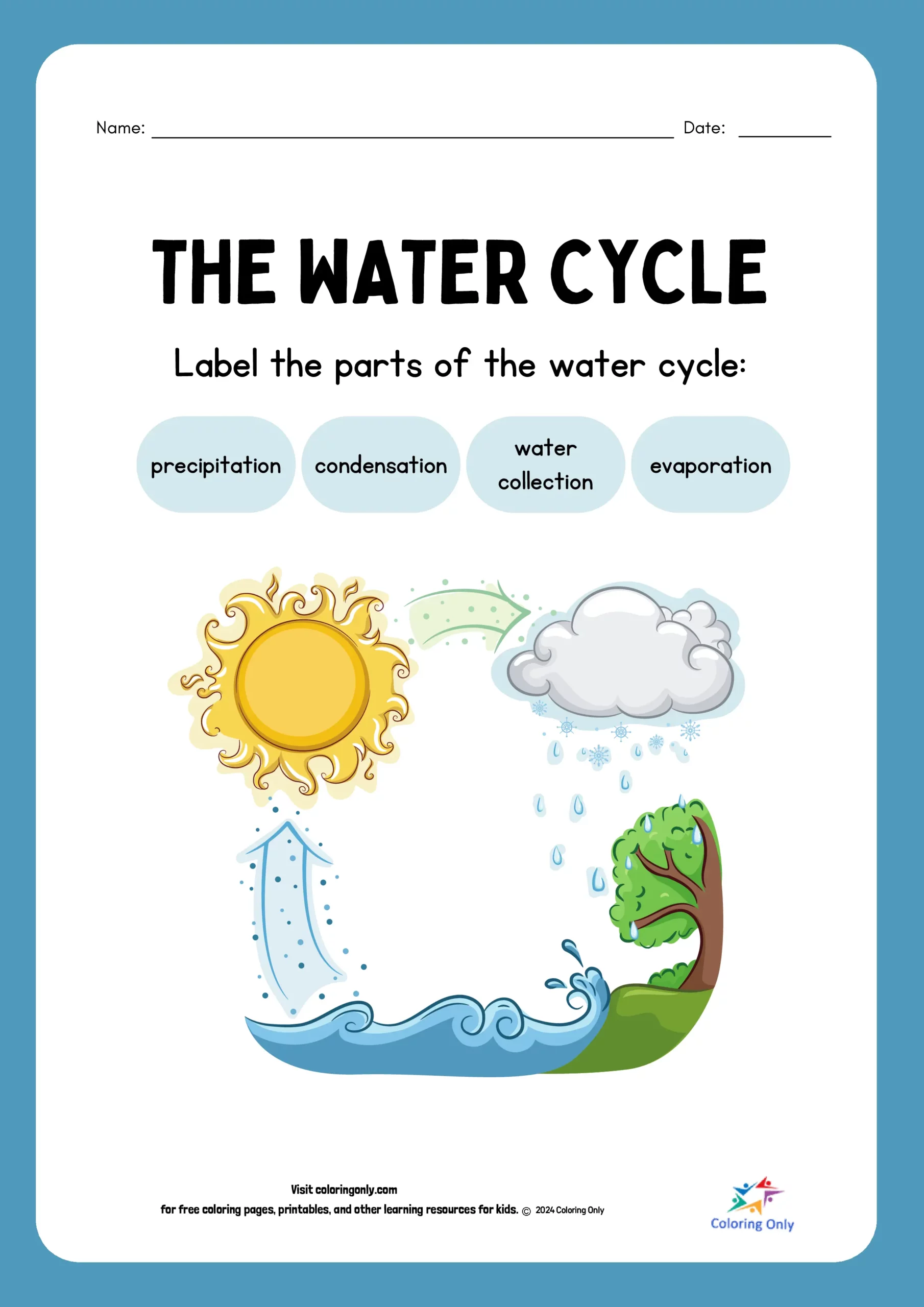
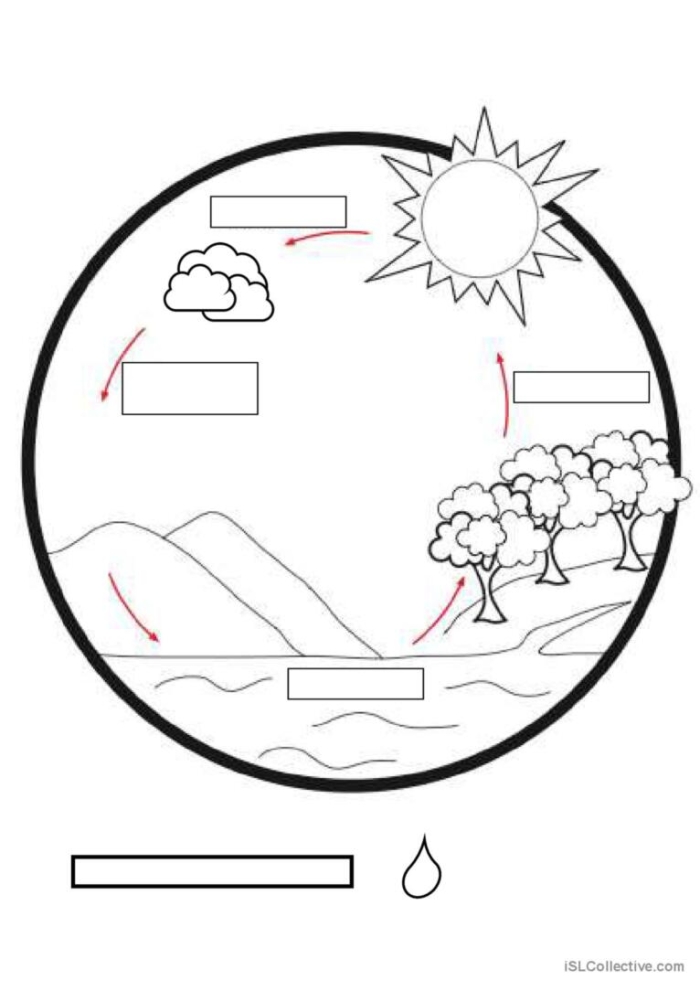
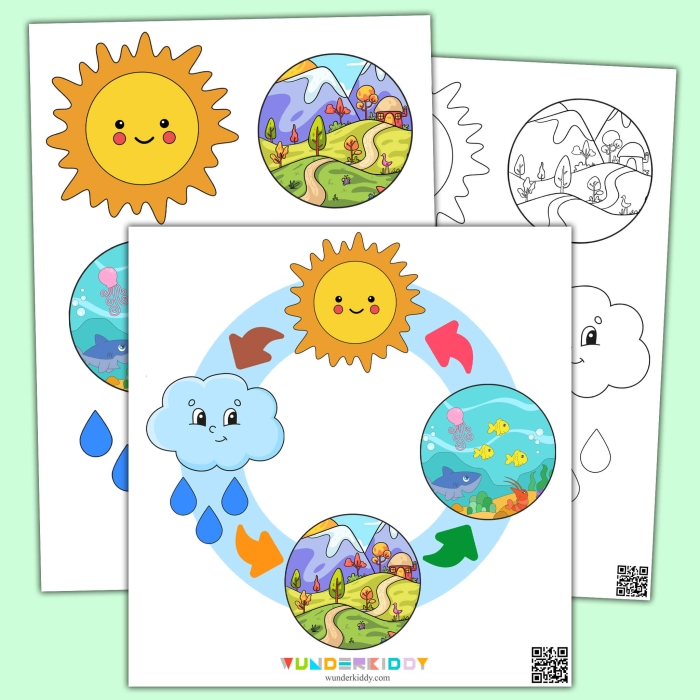
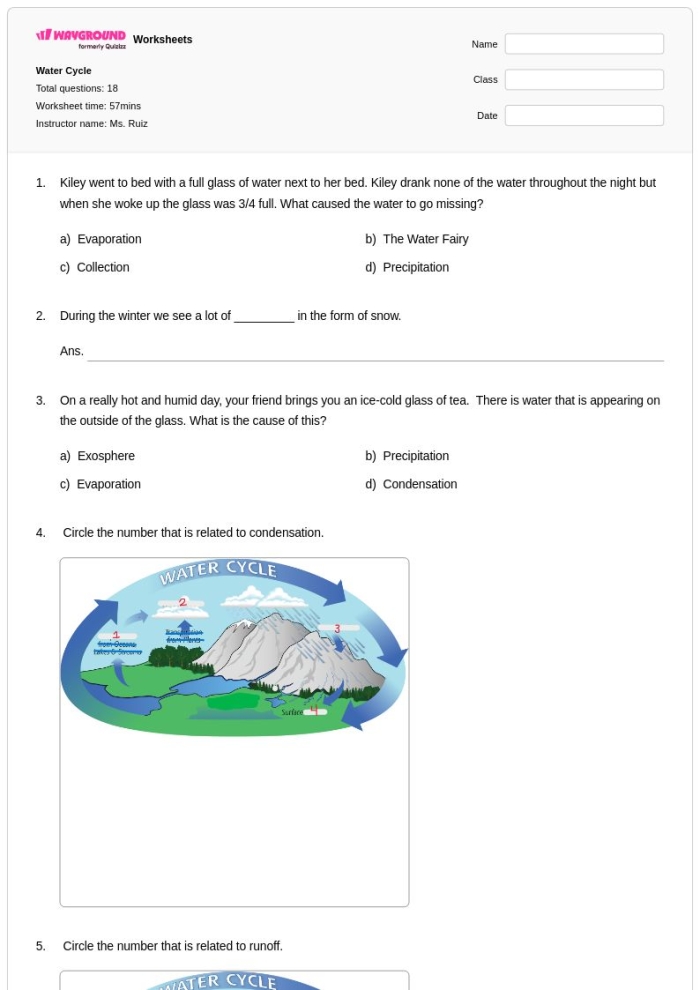
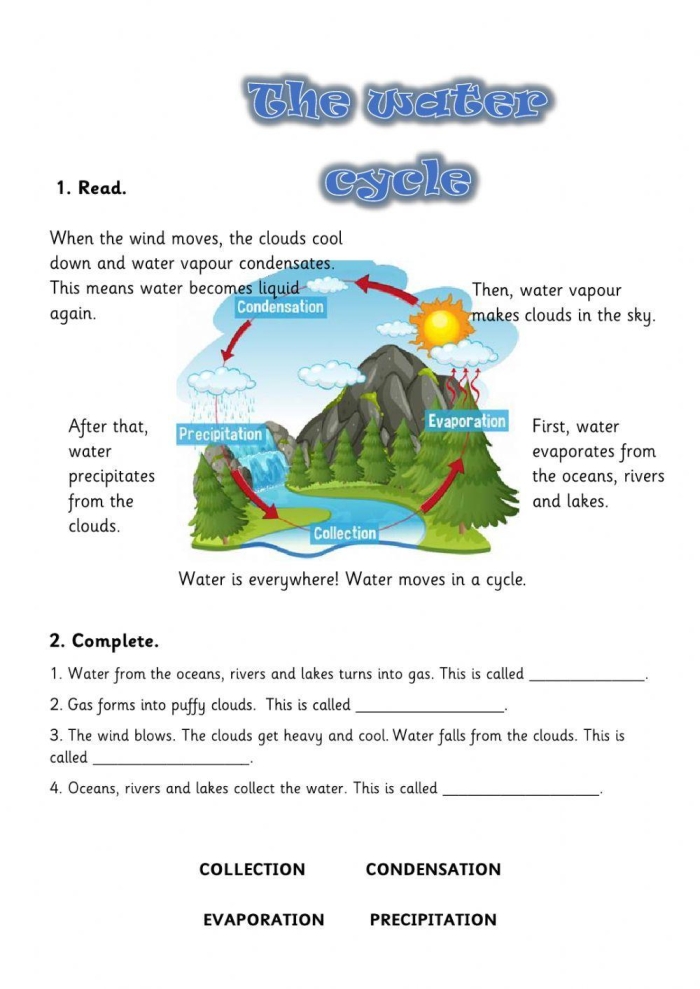
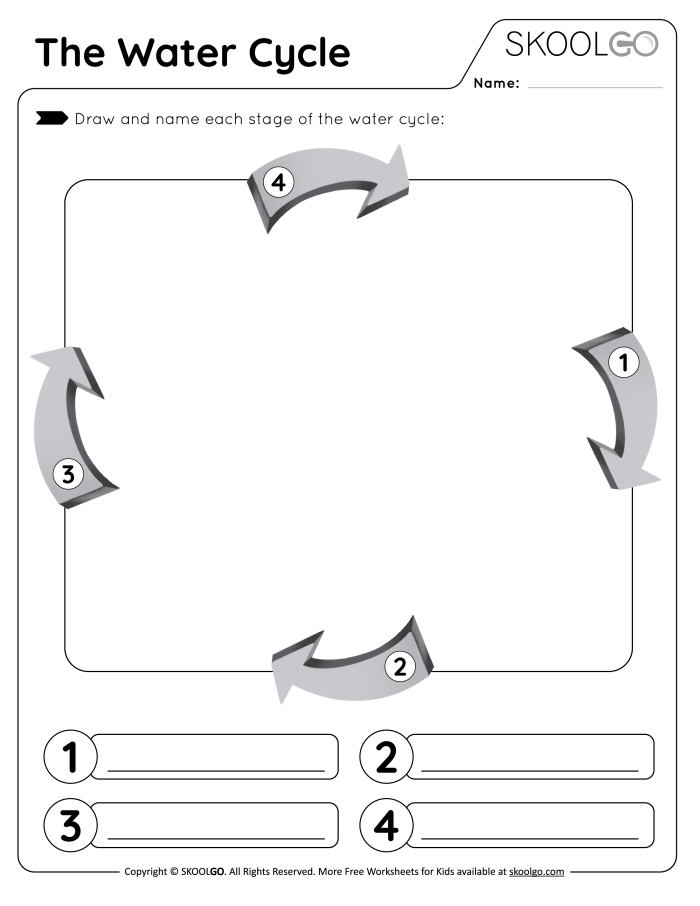
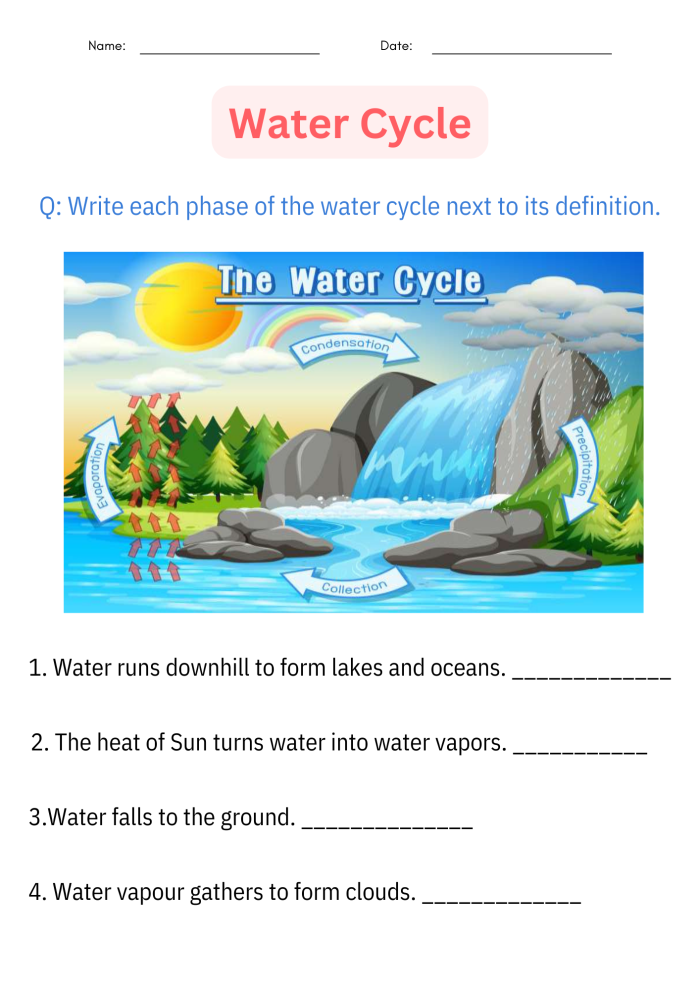
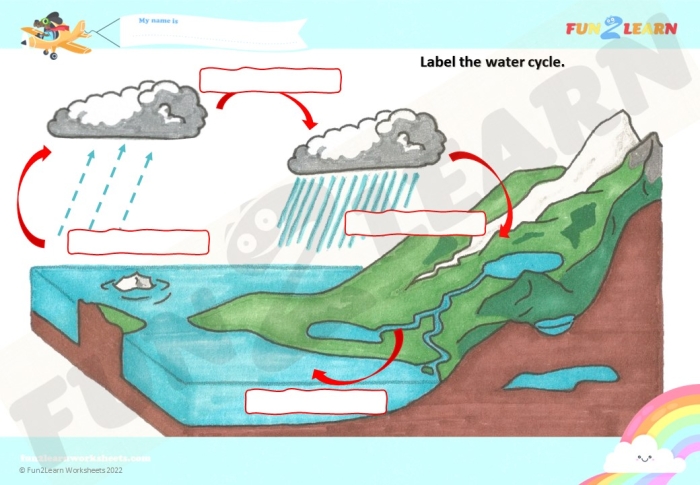
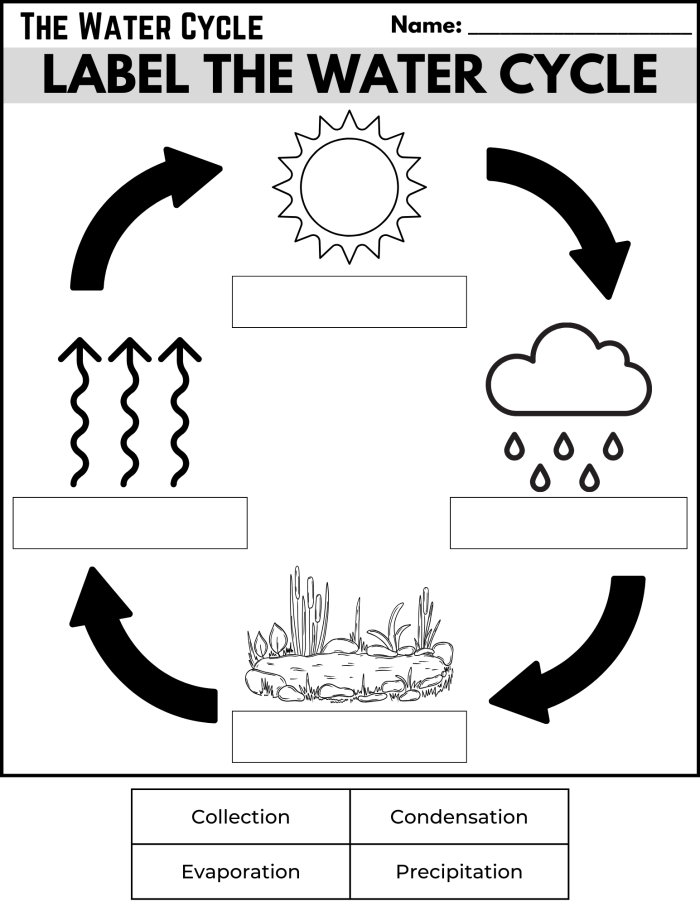
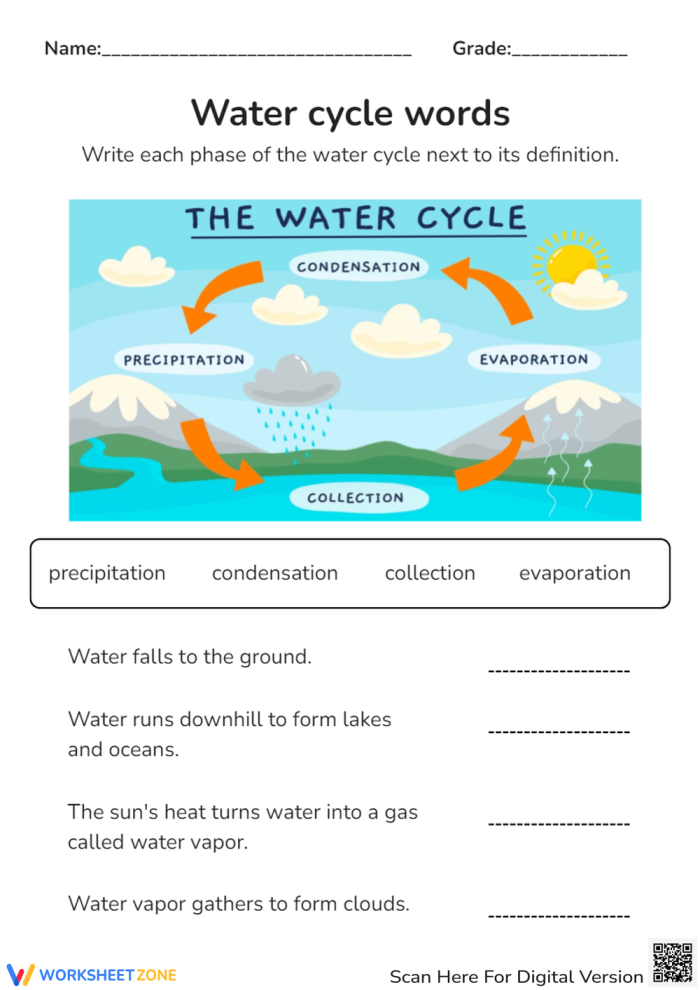
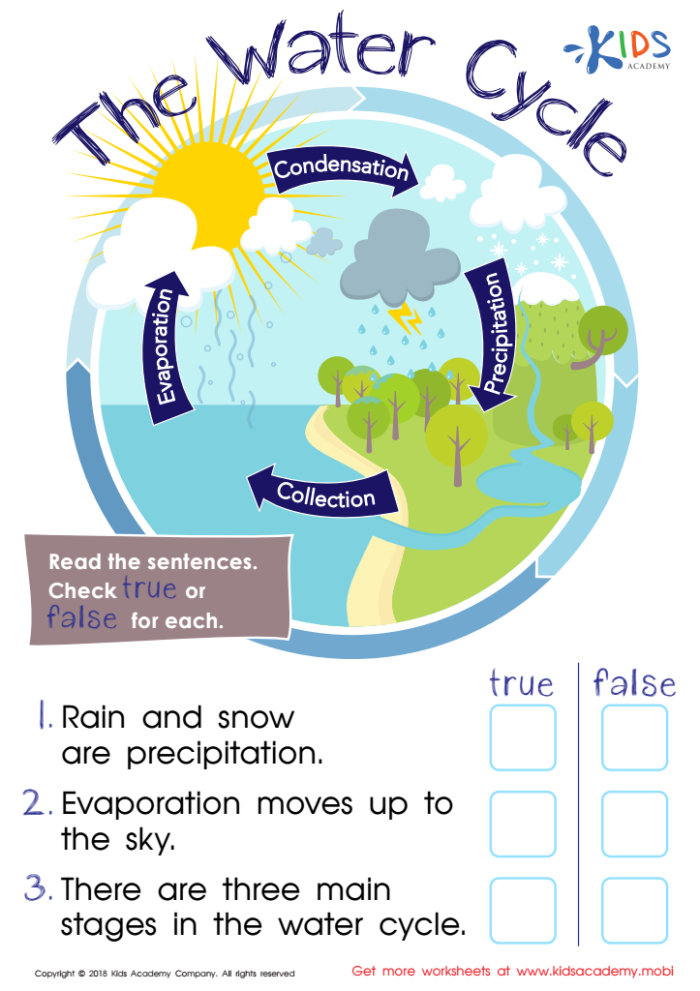
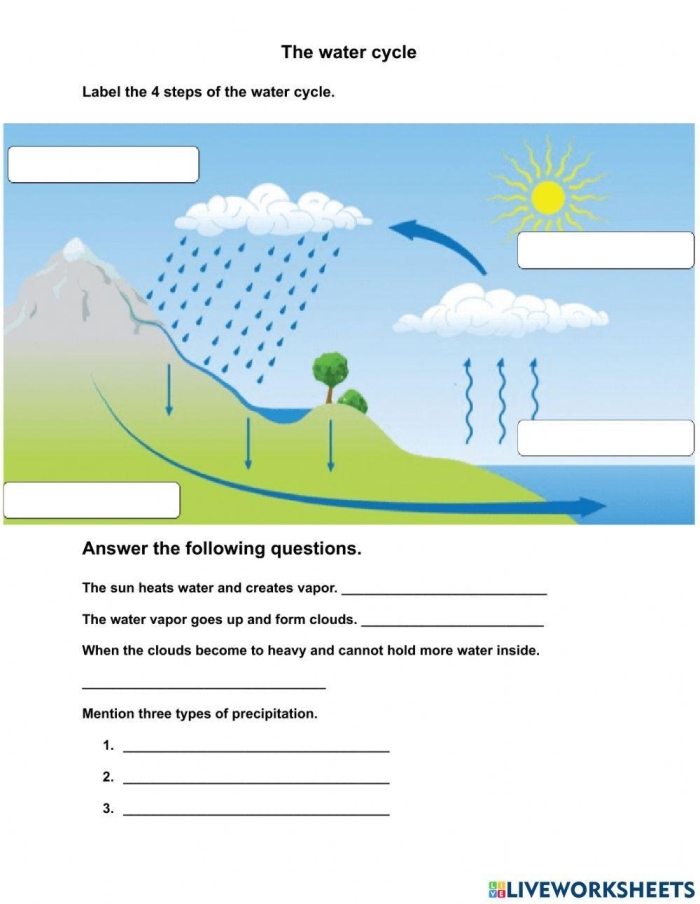
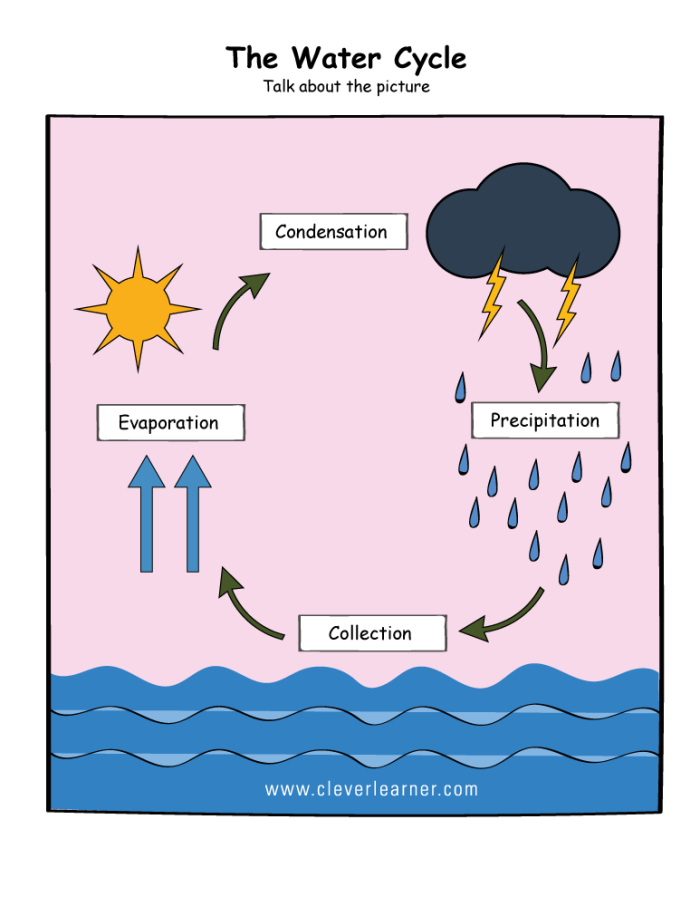
The water cycle includes several key processes: evaporation, condensation, precipitation, and collection. Each stage plays a vital role in maintaining the balance of ecosystems. For instance, when the sun heats water in rivers, lakes, and oceans, it transforms into vapor in a process called evaporation. This vapor rises into the atmosphere, where it cools and condenses into clouds. Eventually, the clouds become heavy with moisture, leading to precipitation in the form of rain or snow, which then collects in bodies of water, starting the cycle anew.
Using printable worksheets, such as those available on Lumina Works, students can actively engage with these concepts. Worksheets designed around the topic of the water cycle can help them visualize and sequence the steps effectively. This not only enhances their understanding but also supports their skills in reading and writing. By practicing with these materials, students can improve their ability to describe the water cycle in their own words, making the learning experience both enjoyable and memorable.
Incorporating this resource into your classroom routine can spark curiosity about nature and the environment. As students connect the dots in the water cycle, they will develop a deeper appreciation for the natural processes that sustain life on Earth. By emphasizing these connections, educators can foster a learning environment that values inquiry and exploration.
Try These Printable Worksheets