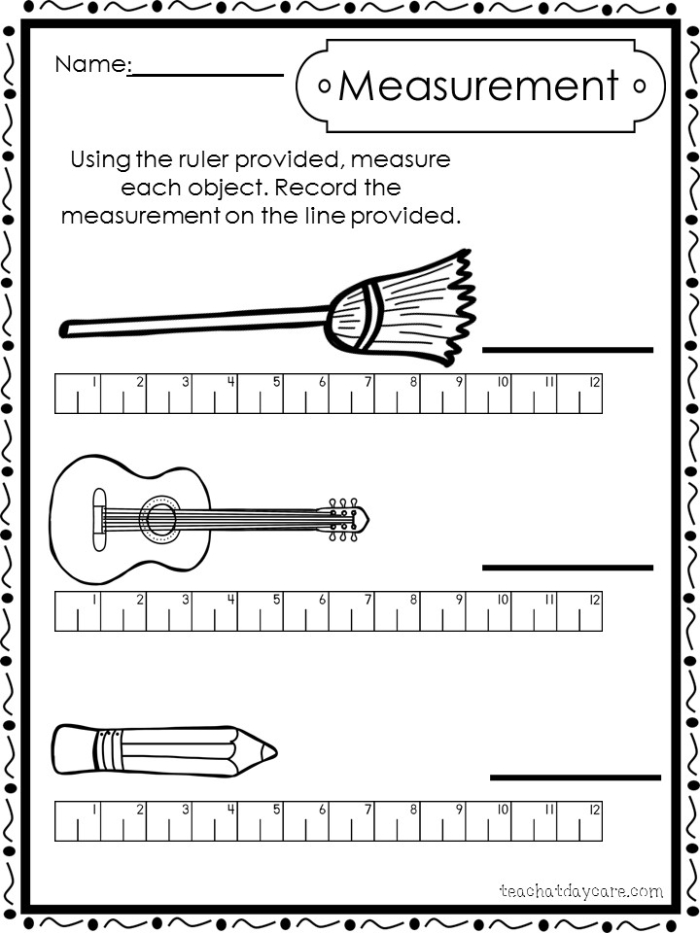
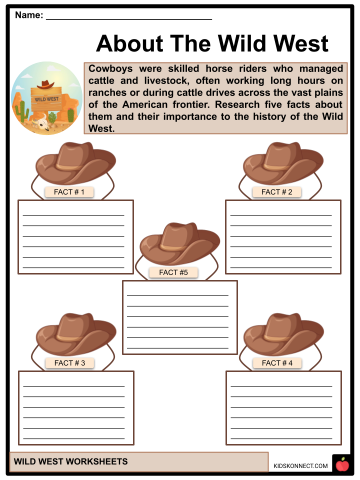
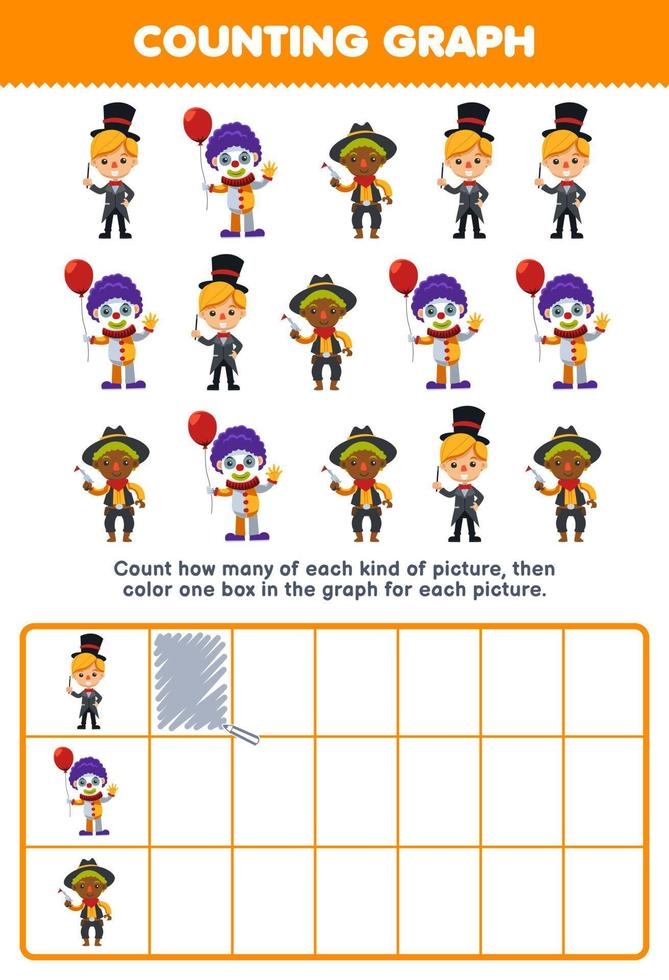
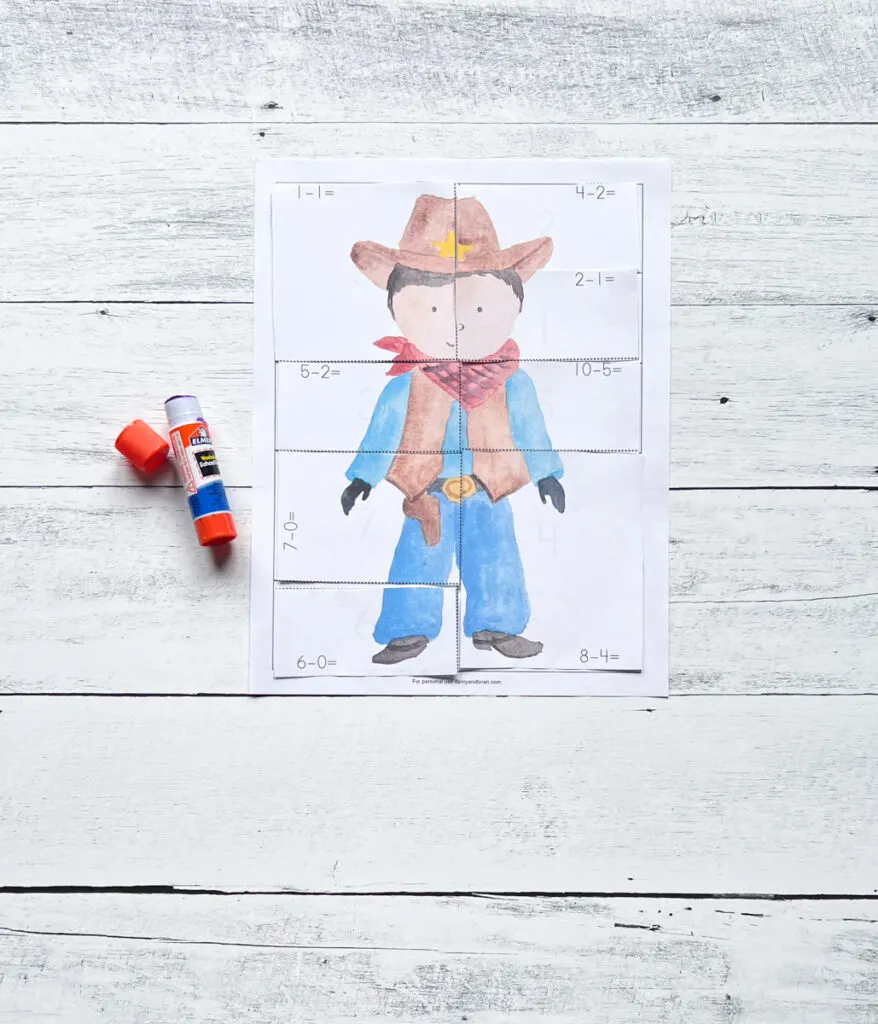
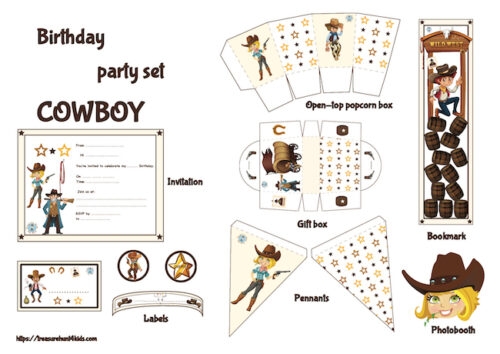
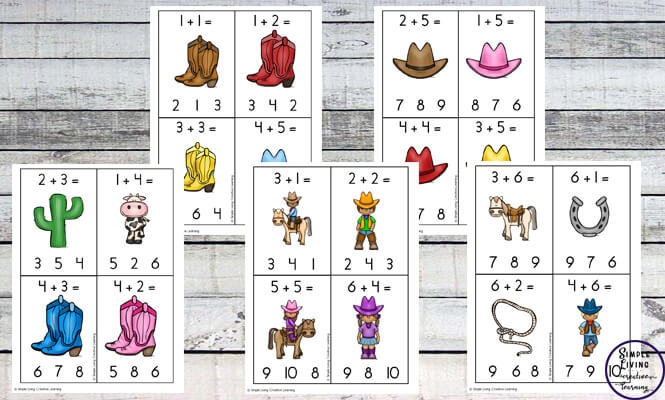
Cut out a colorful ruler and start practicing measuring with this cowboy picture. This hands-on approach transforms measurement from an abstract concept into something second graders can actually see and touch. When kids hold a physical ruler they’ve made themselves, they’re far more likely to understand how inches and centimeters work in real space.
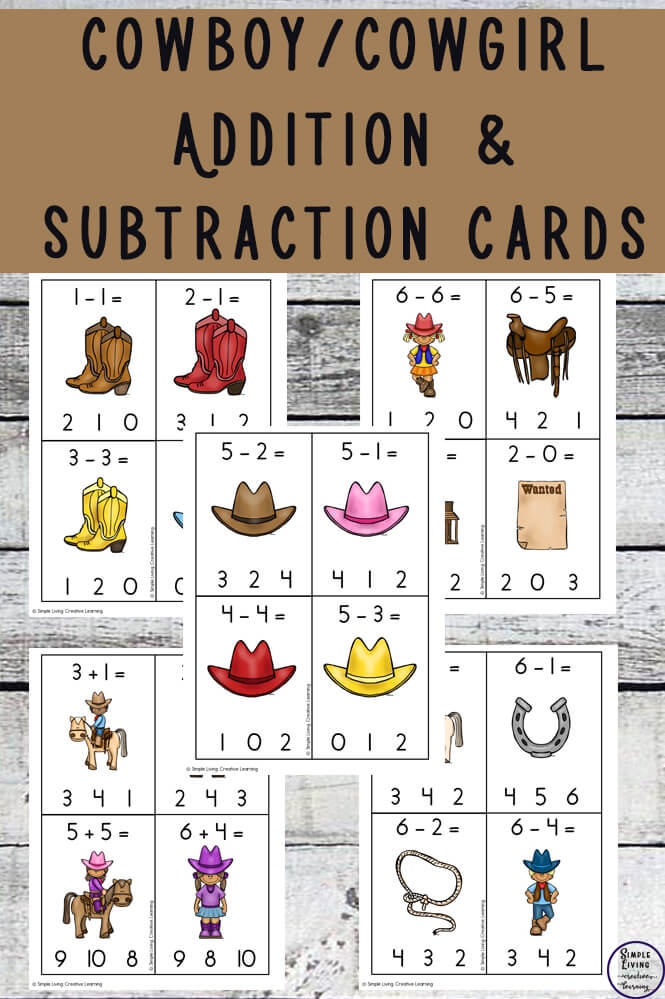
The cowboy theme matters more than you might think. Second grade students respond to engaging visuals and stories. A picture of a cowboy on horseback, complete with a hat, boots, and rope, gives them something to measure toward rather than just random lines on a worksheet. They might measure the height of the cowboy’s hat, the length of the horse, or the distance from the cowboy’s hand to the rope. These specific details make the activity stick in their minds.
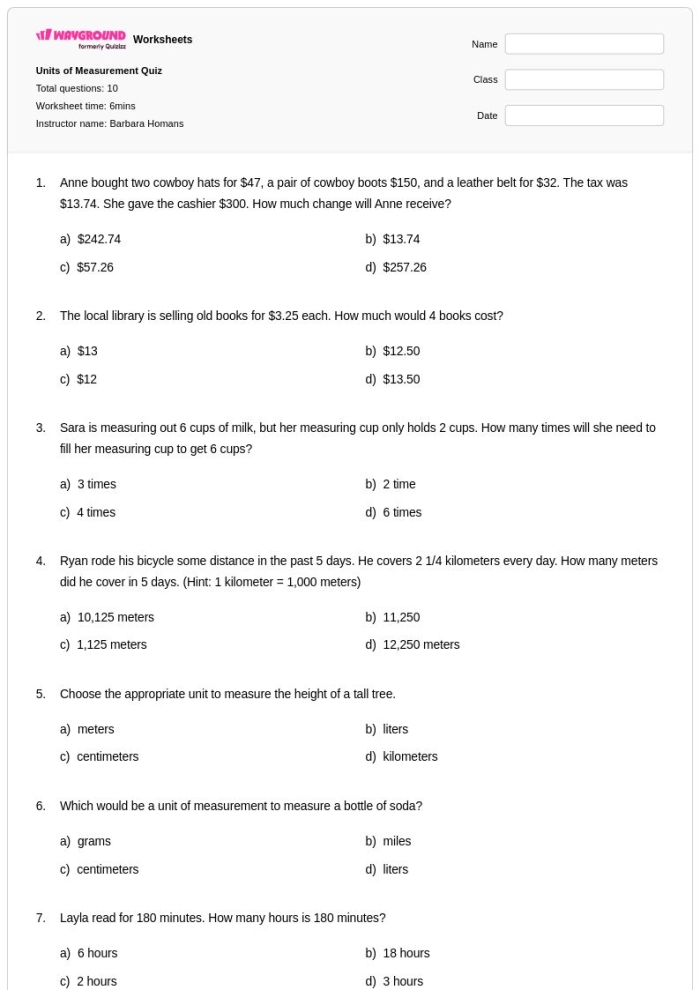
When you pair this activity with other measurement work, you create stronger connections. For example, combining it with geometry worksheets helps students understand shapes within the cowboy image, while time and money worksheets can introduce how to measure value or duration in a cowboy context.
The cutting and coloring process itself builds fine motor skills that second graders need to develop. Holding scissors, controlling the blade, and staying within lines requires focus and coordination. By the time students actually use their ruler to measure, they’ve already invested effort into creating it, which increases their engagement with the task.
You can extend this activity by having students record their measurements and compare them. Did everyone’s cowboy come out the same size? Why or why not? These questions push students toward critical thinking about measurement accuracy and consistency, essential foundations for math literacy in later grades.
Printable Worksheets for Practice