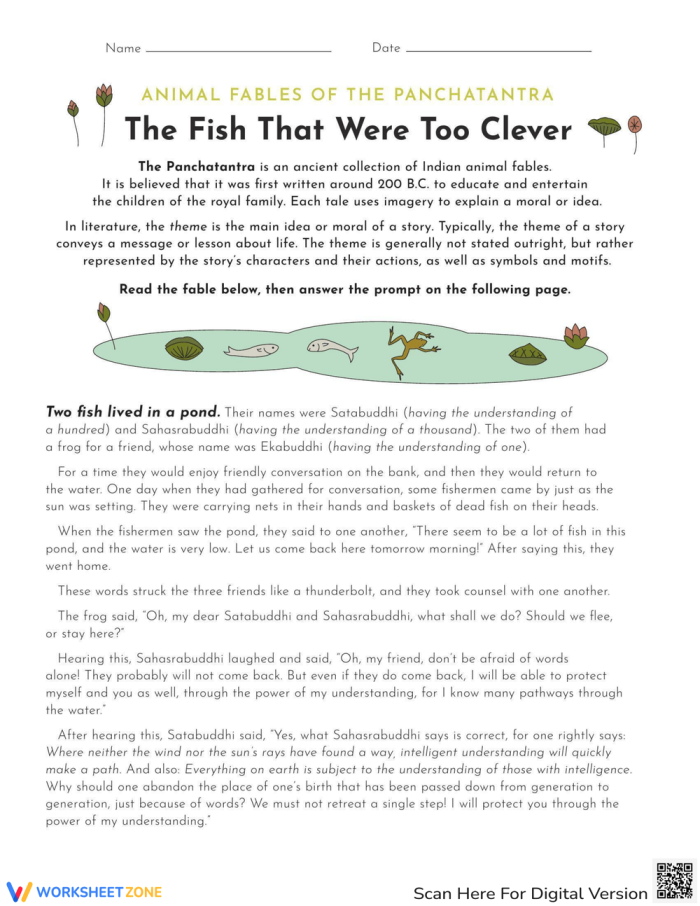
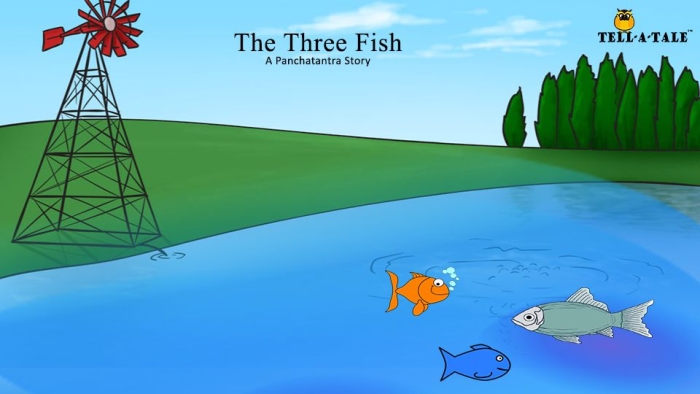
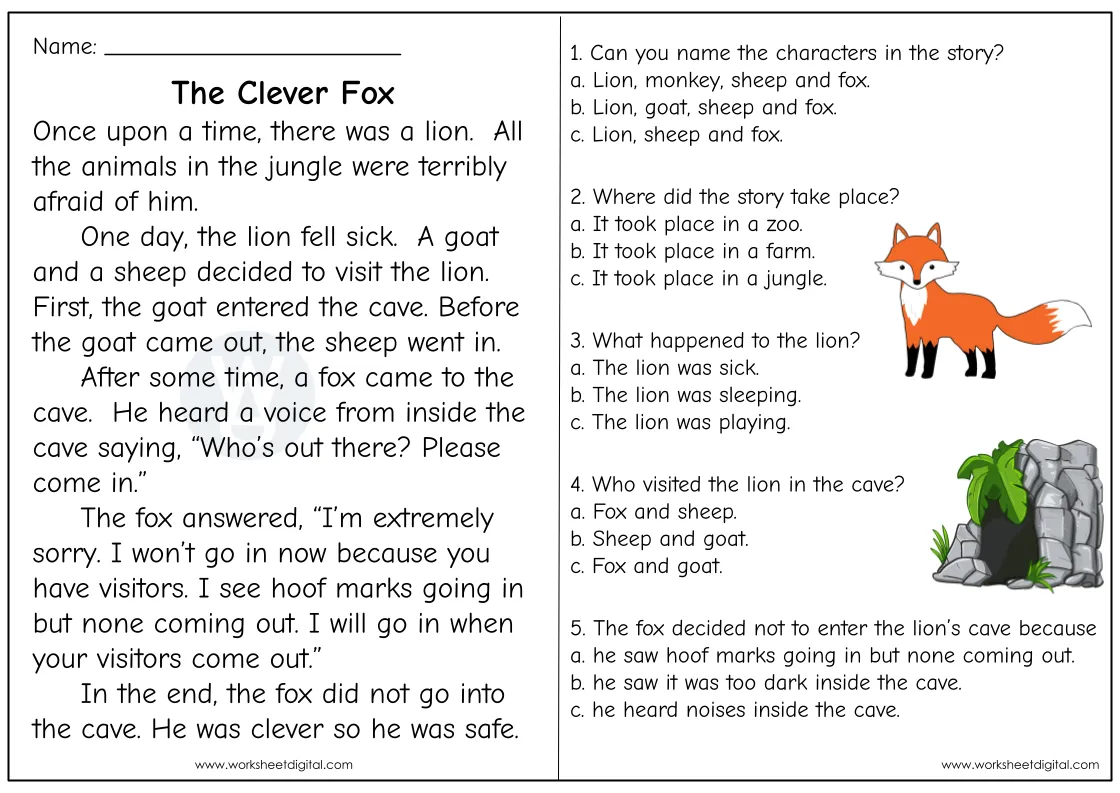
The Panchatantra, an ancient collection of Indian animal fables, offers timeless lessons through its engaging stories. One of the most captivating tales is “The Fish That Were Too Clever.” This story presents an excellent opportunity for fifth-grade children to explore themes of wisdom, caution, and the consequences of arrogance.
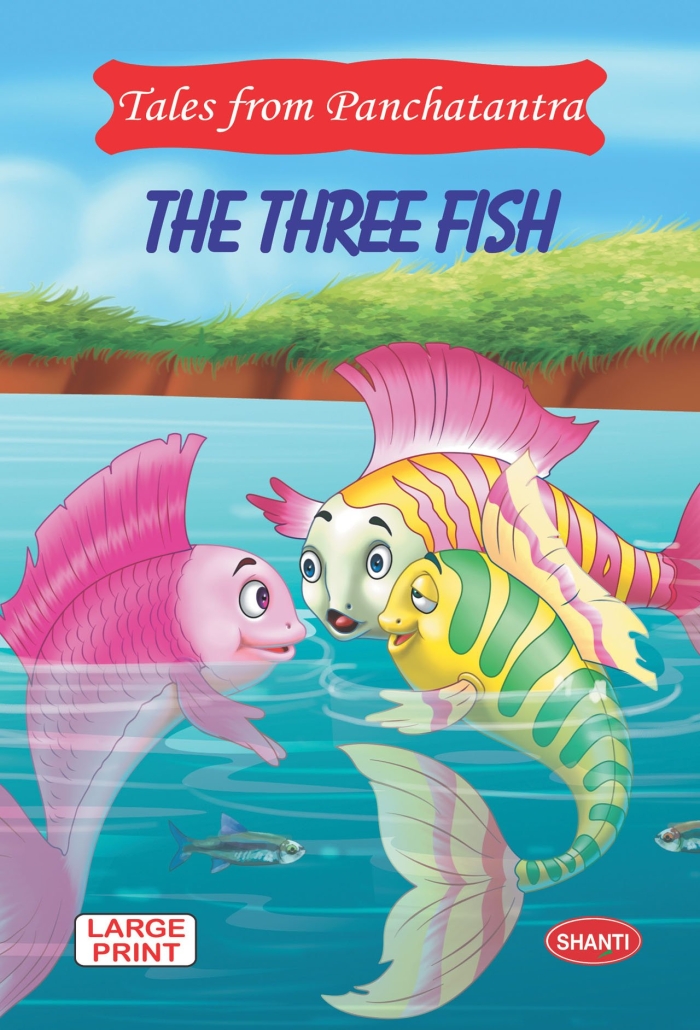
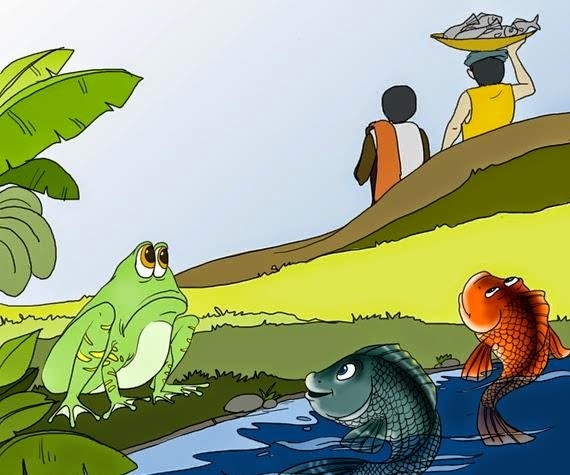
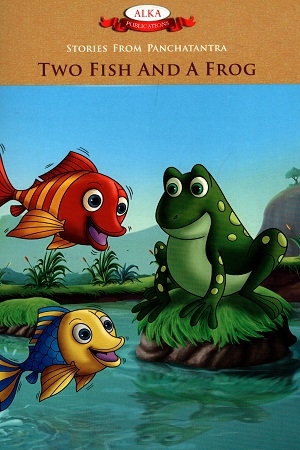
In this fable, two fish are warned by a wise old crab about the dangers that lurk in the pond, particularly from fishermen. However, the fish, confident in their cunning, believe they can outsmart any threat. Their overconfidence ultimately leads to their downfall. This narrative encapsulates a clear theme: intelligence must be tempered with humility and caution. For fifth graders, identifying such themes can enhance their comprehension skills and critical thinking.
When children analyze the story, they can learn to look beyond the surface. Asking questions like “What did the fish overlook?” or “How could they have changed their fate?” can deepen their understanding. This approach not only aids in grasping the moral but also fosters a discussion about real-life applications, such as the importance of listening to advice and recognizing one’s limits.
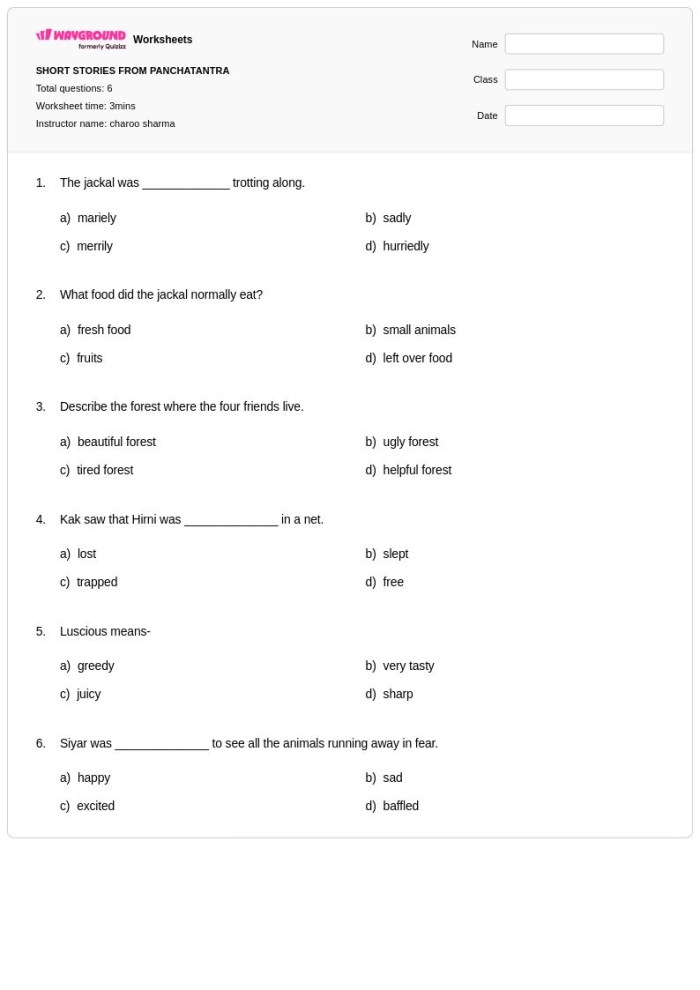
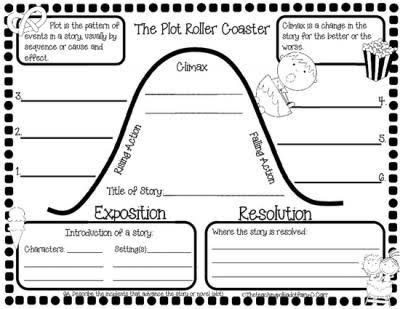
To further engage with this theme, educators can provide worksheets that promote critical thinking. These resources can challenge students to reflect on the characters’ choices, encouraging them to articulate their thoughts more clearly. As they work through these exercises, they can also practice multiplication skills, integrating various learning objectives into one cohesive lesson.
Encouraging fifth graders to explore the themes of stories like “The Fish That Were Too Clever” not only enriches their reading experience but also prepares them for more complex narratives in the future. By connecting these lessons to their everyday lives, children gain a better grasp of moral reasoning and decision-making.
Use These Worksheets Today