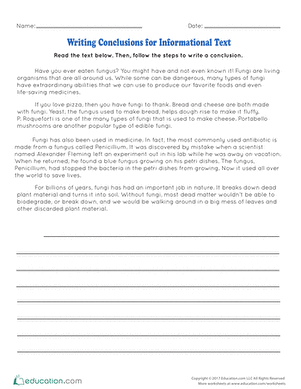
Reading about fungus offers fifth grade students a unique chance to explore one of nature’s most interesting organisms while practicing their writing skills. When students engage with an informational text about fungus, they not only learn about how fungi grow and reproduce but also discover their important roles in ecosystems, such as decomposing dead matter and forming symbiotic relationships with plants. This knowledge provides a solid foundation for practicing writing conclusions, a key part of literacy development in the alphabet and language arts curriculum.
Writing conclusions for informational text can sometimes feel challenging, but breaking down the process into clear, manageable steps helps students focus on summarizing key details without simply repeating information. For example, after reading about the different types of fungi—like mushrooms, molds, and yeasts—students can highlight the main points, such as how fungi help recycle nutrients in soil or the ways some fungi are used in medicines and food production.
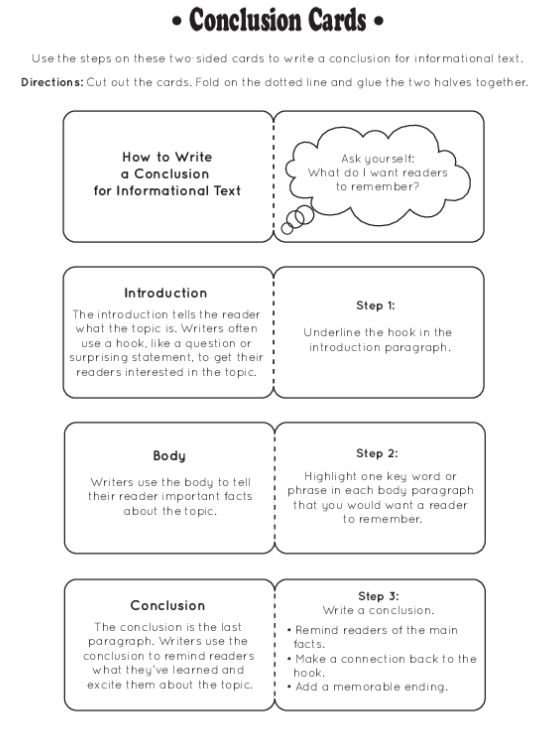
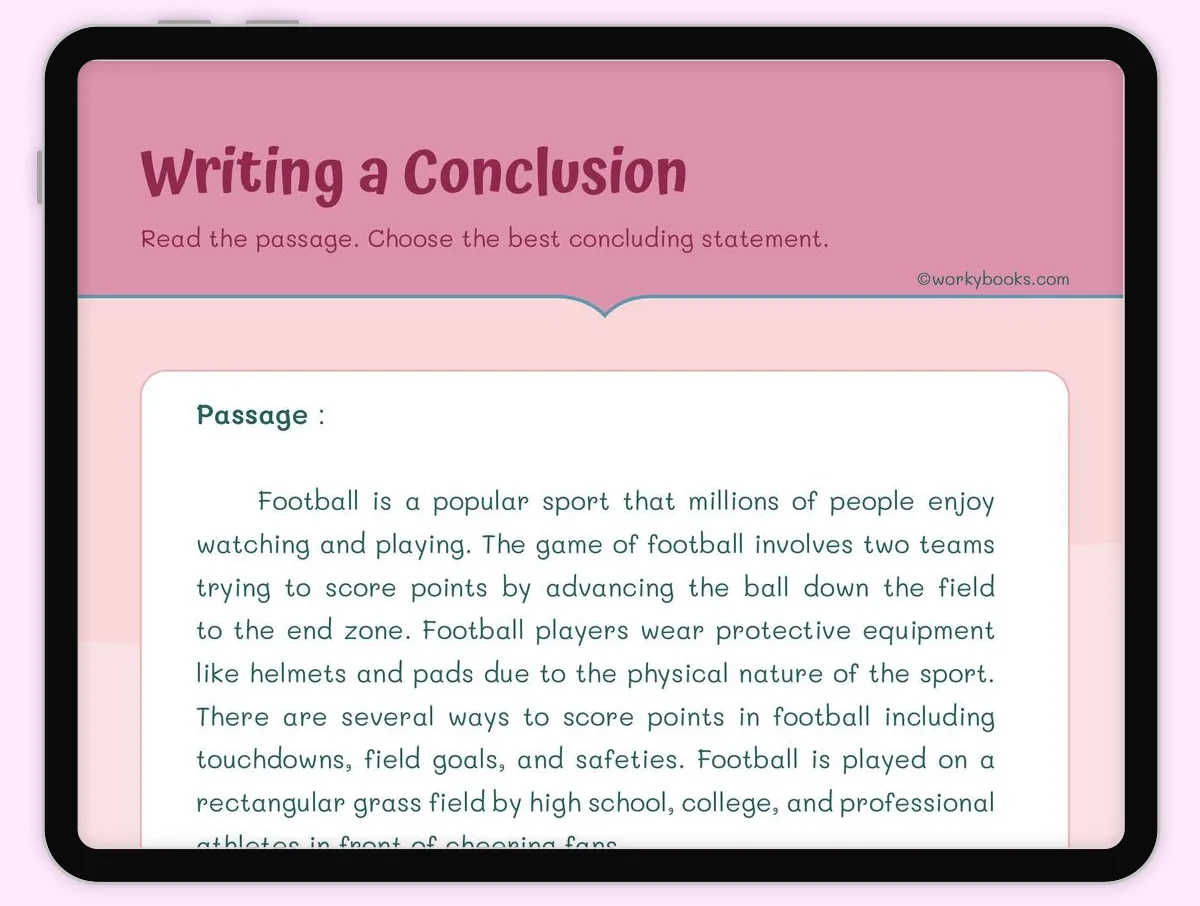
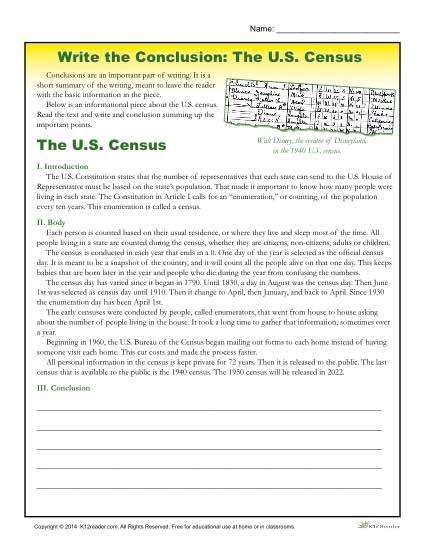
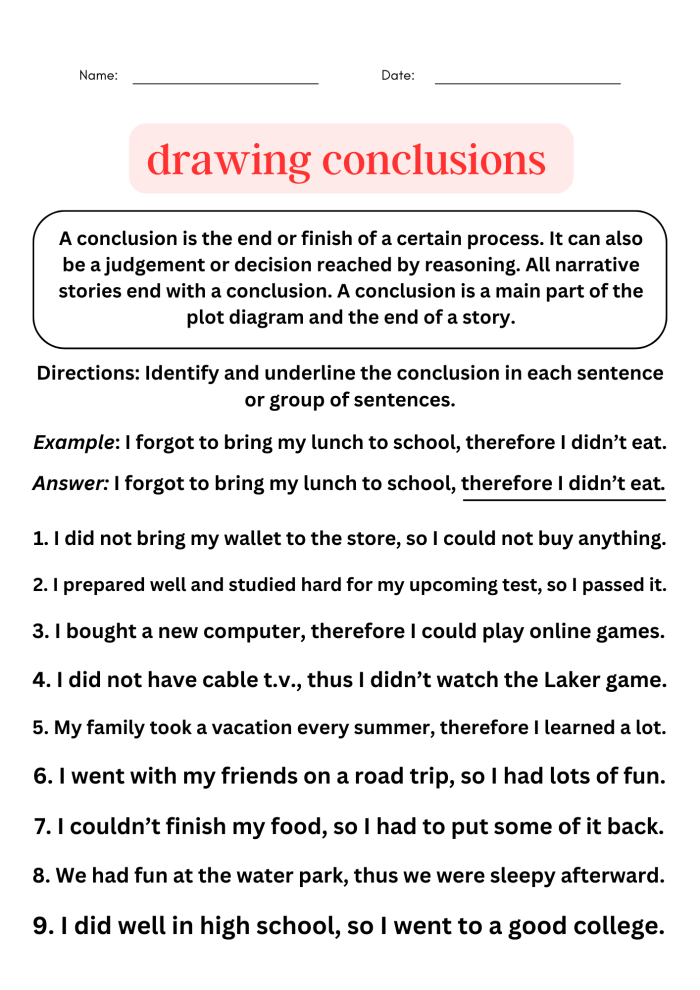
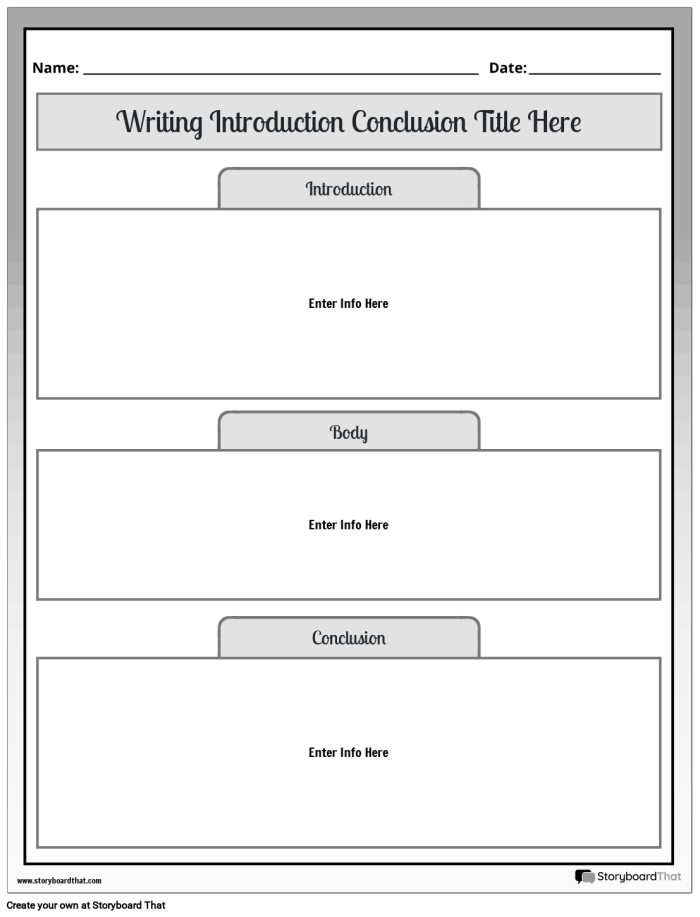
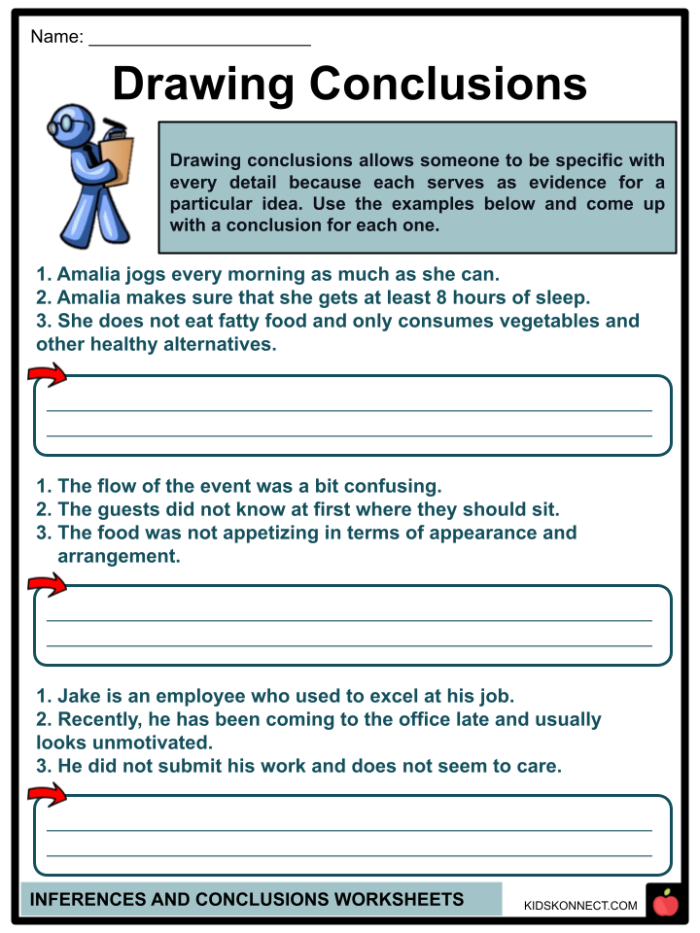
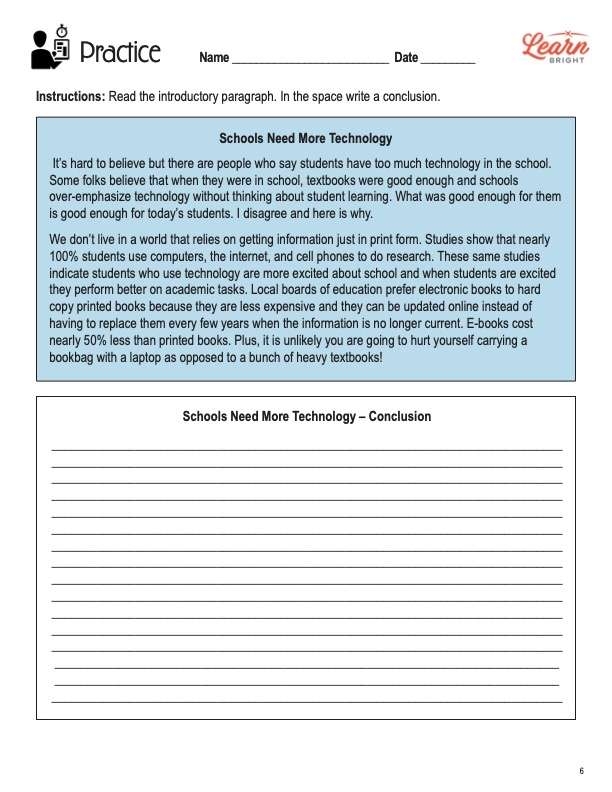
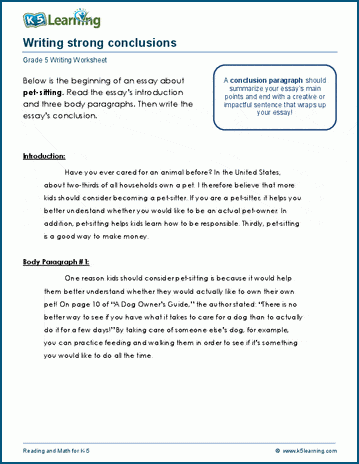
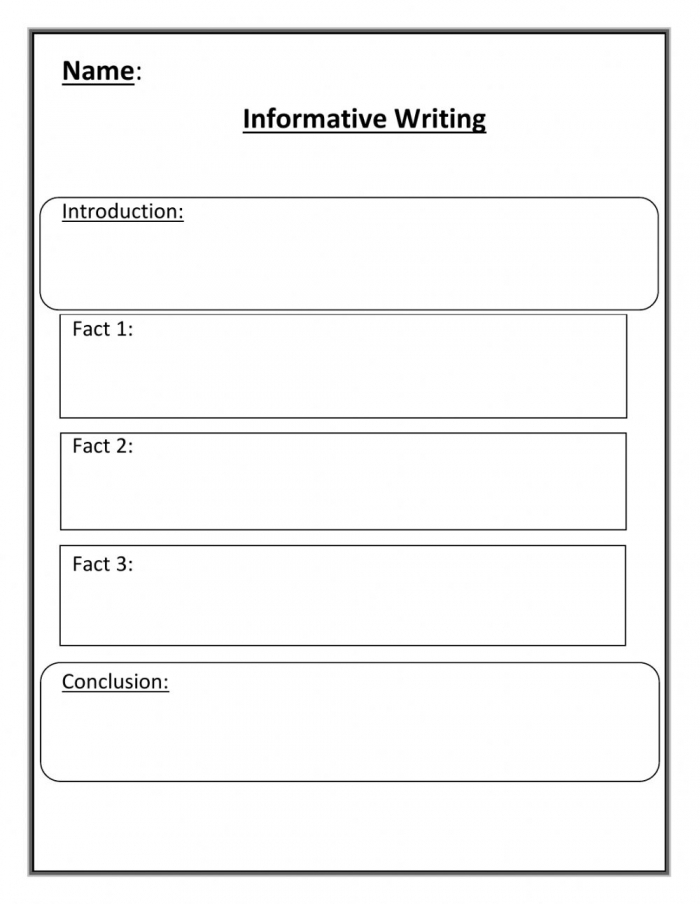
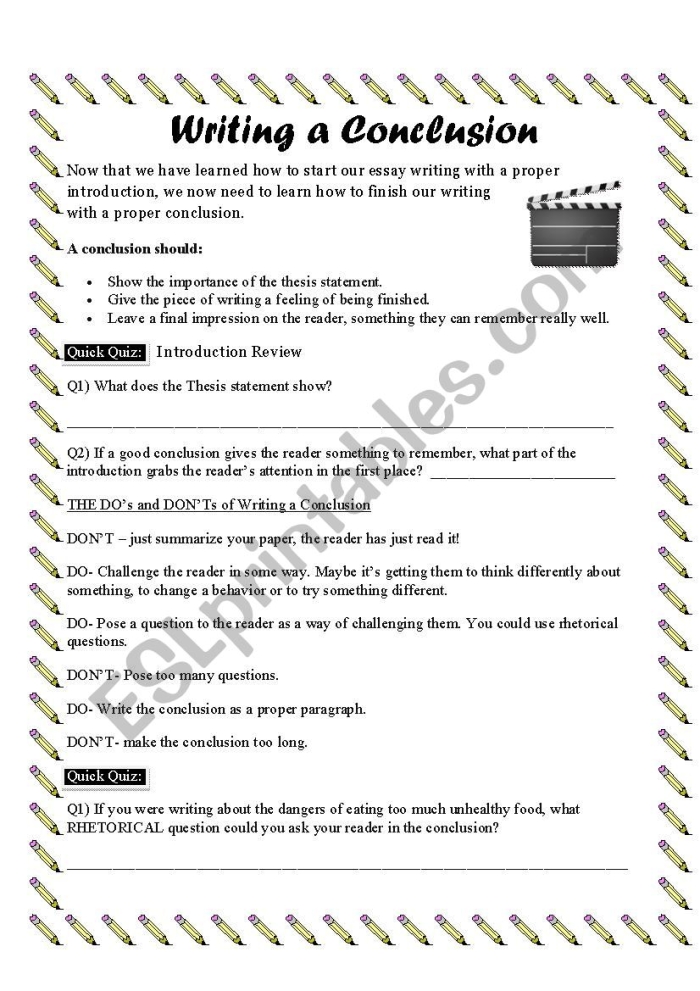
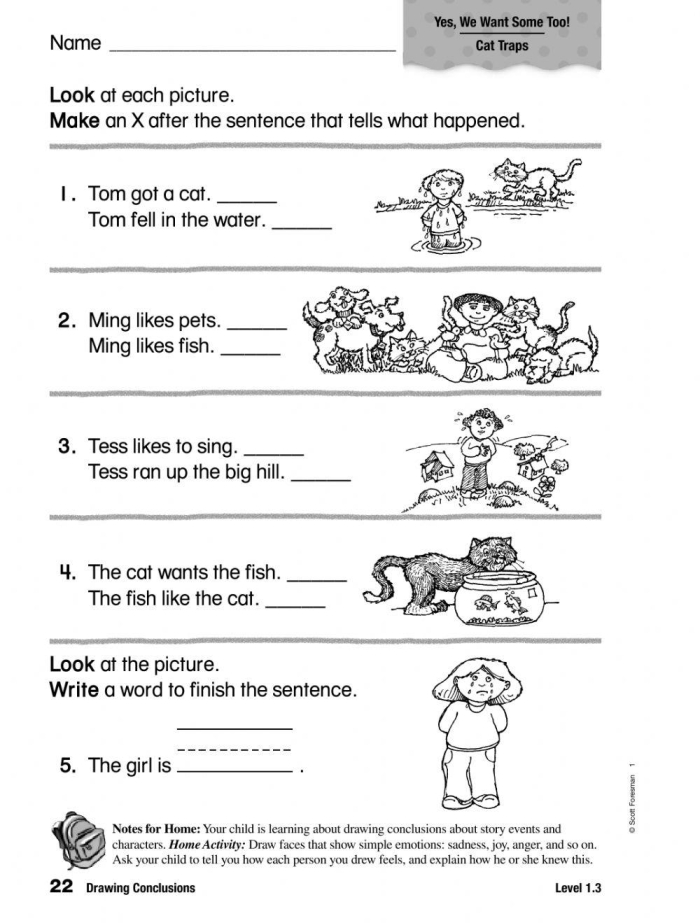
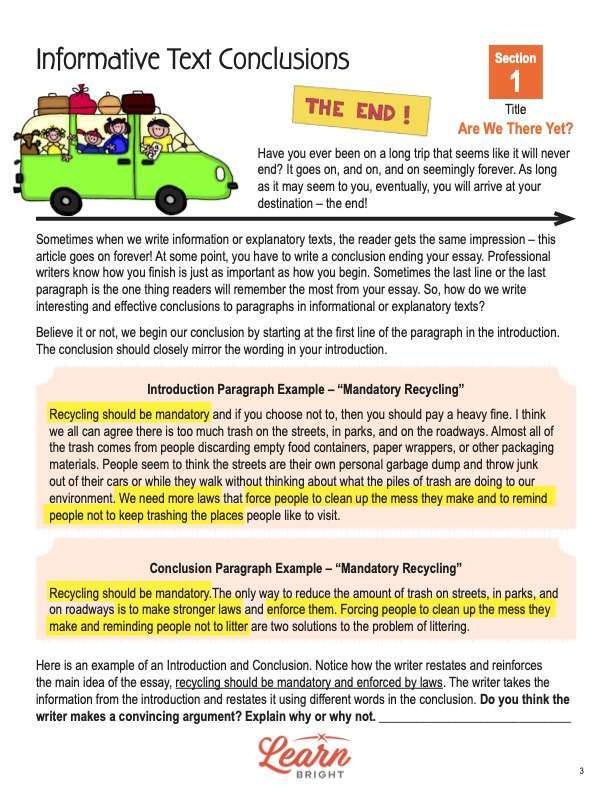
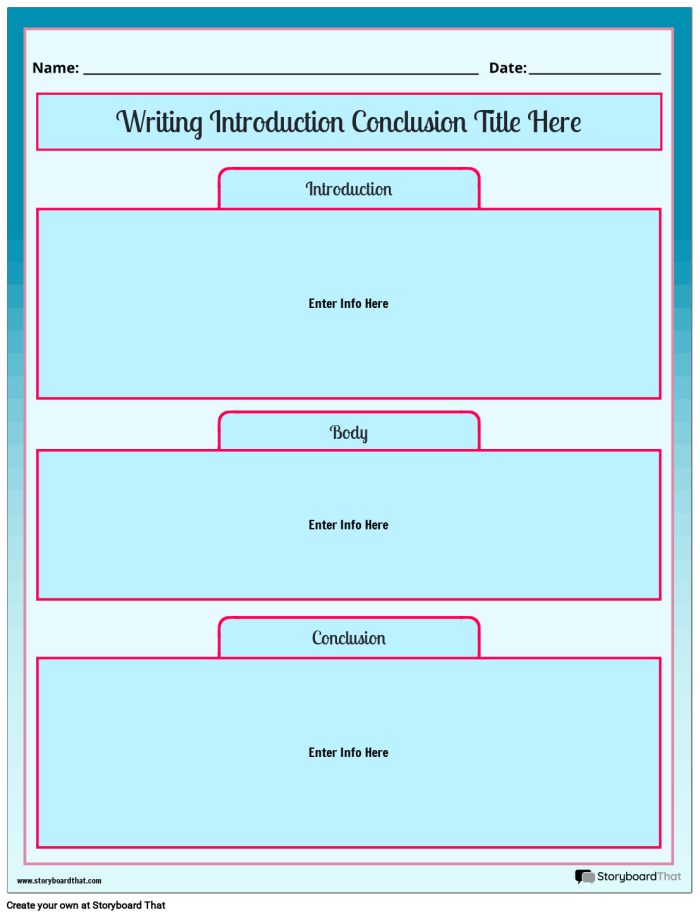
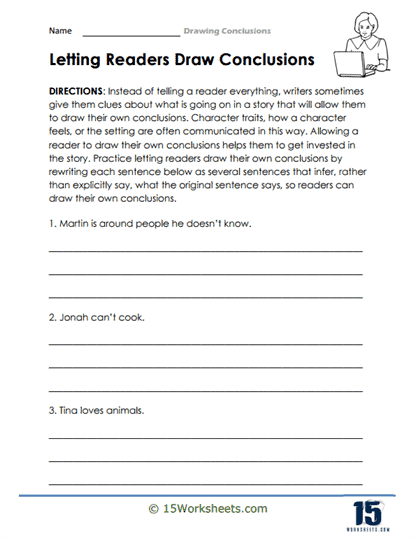
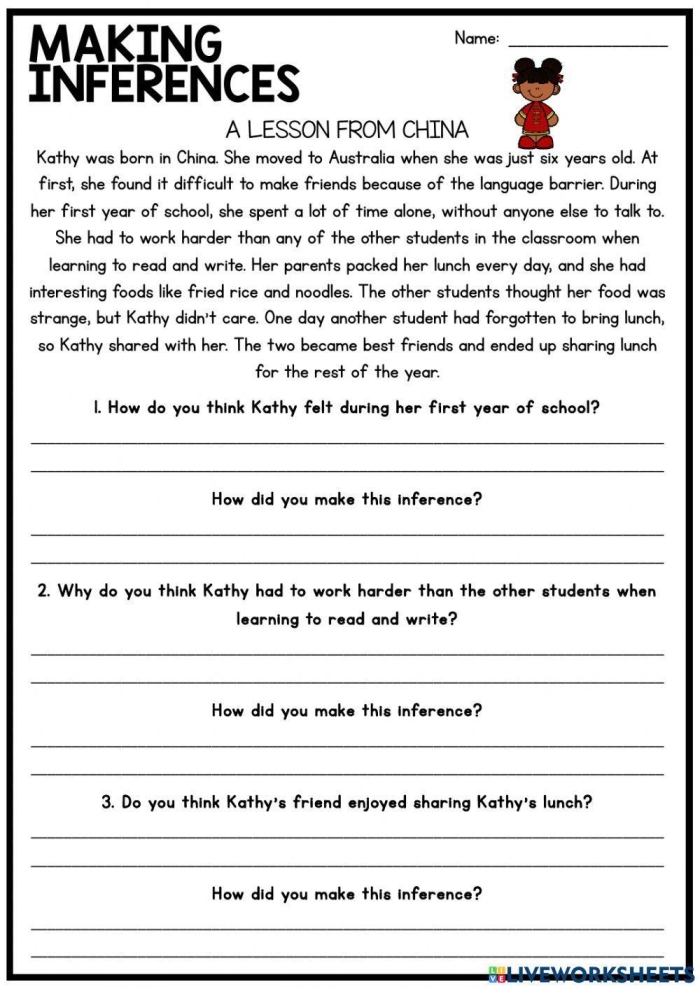
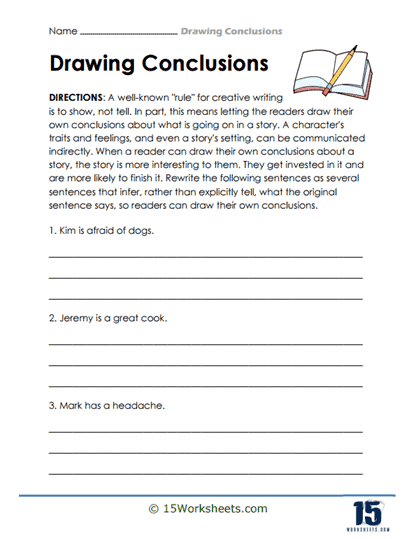
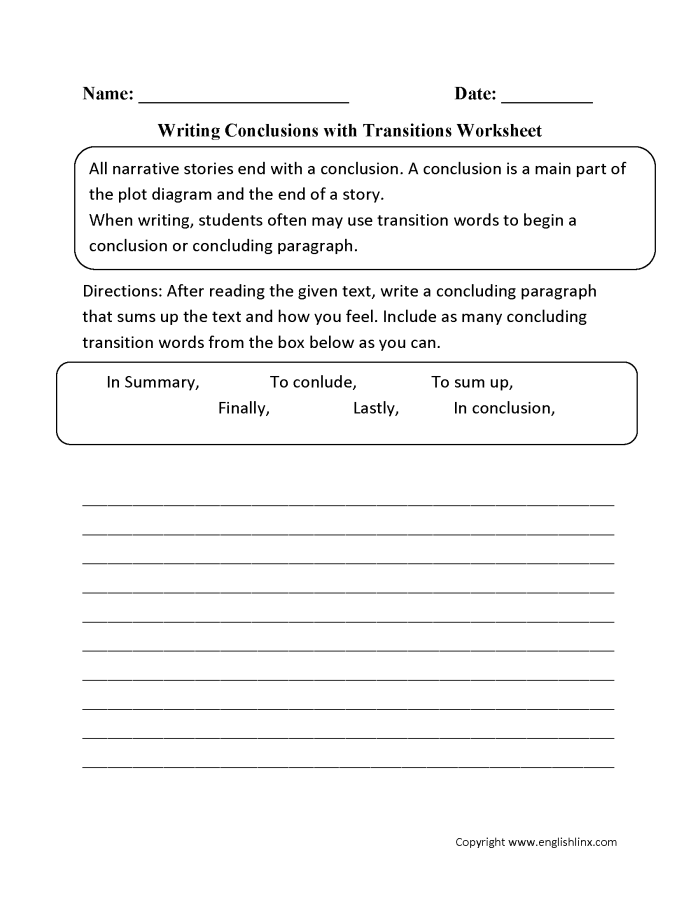
One practical approach involves guiding students to restate the topic, mention a few important facts they learned, and end with a final thought that ties everything together. This method encourages concise, thoughtful writing that reflects comprehension rather than just copying facts. Worksheets designed for this purpose, such as printable writing conclusions for informational text worksheets, offer helpful prompts and sentence starters to support young writers as they organize their ideas.
By focusing on a specific topic like fungus, fifth graders gain confidence in crafting well-structured conclusions that demonstrate their understanding. This skill is transferable and can be reinforced through other activities, such as using context clues with integers and rational numbers or converting units of measurement in geometry, which also require critical thinking and clear explanations.
Teachers and parents looking to support students in these steps can find resources that combine reading comprehension with writing practice, making it easier to integrate science content with language skills. For example, using worksheets that encourage students to connect their reading about fungus to writing about it helps solidify both subject knowledge and essential communication abilities.
Hands-On Worksheet Activities