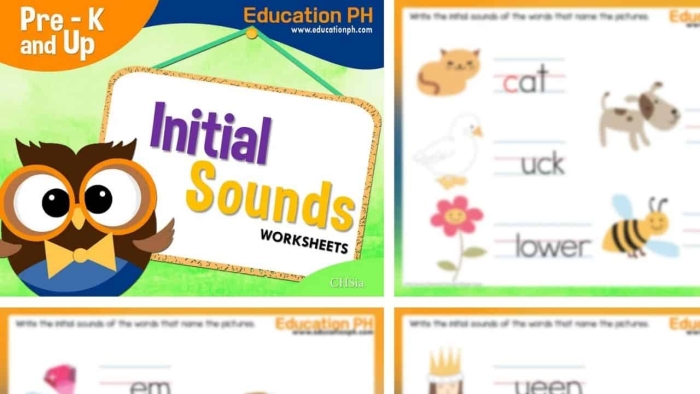
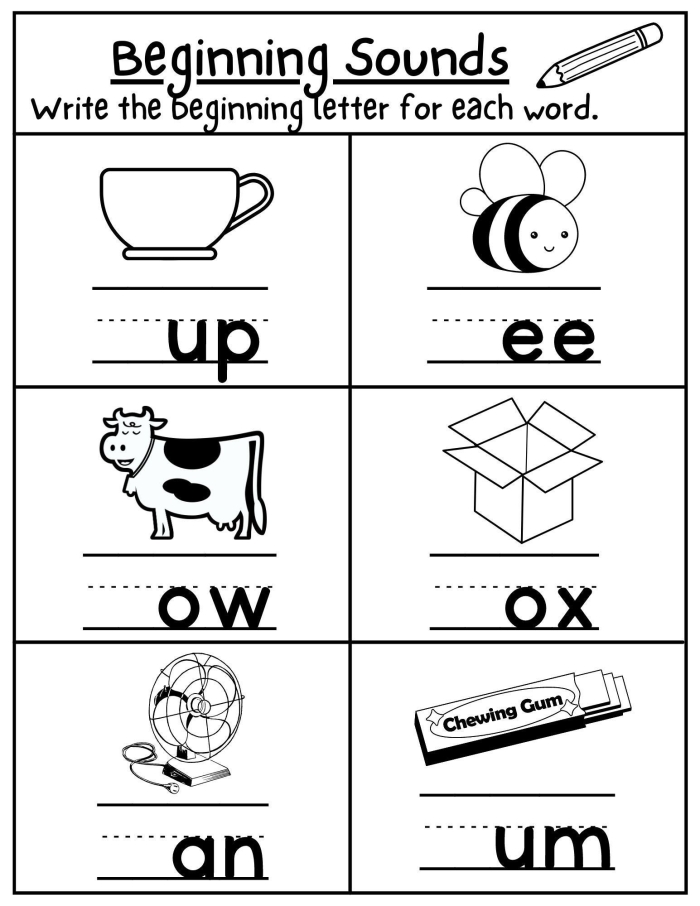
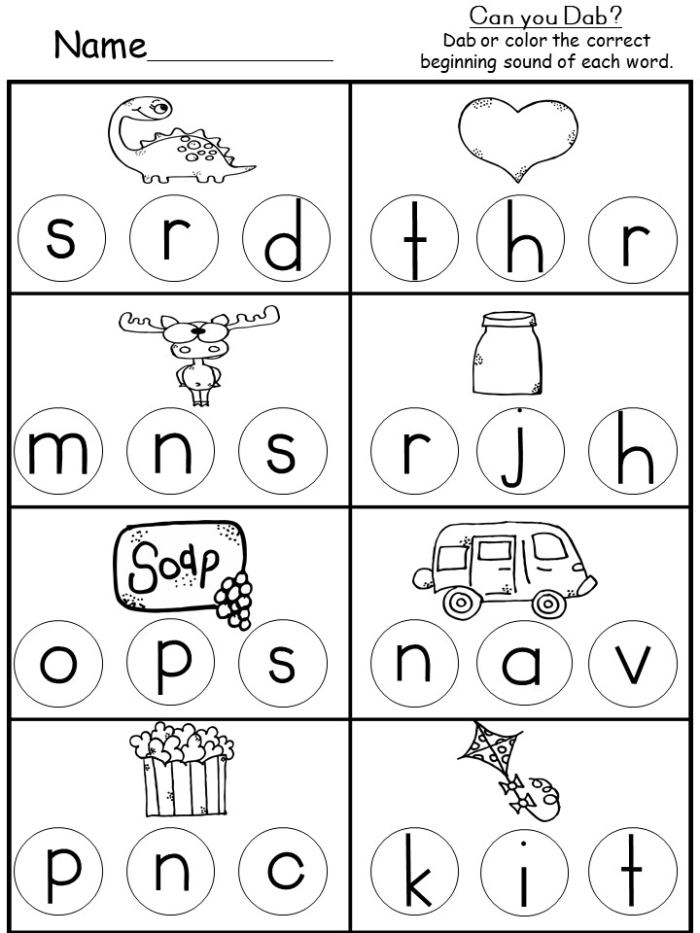
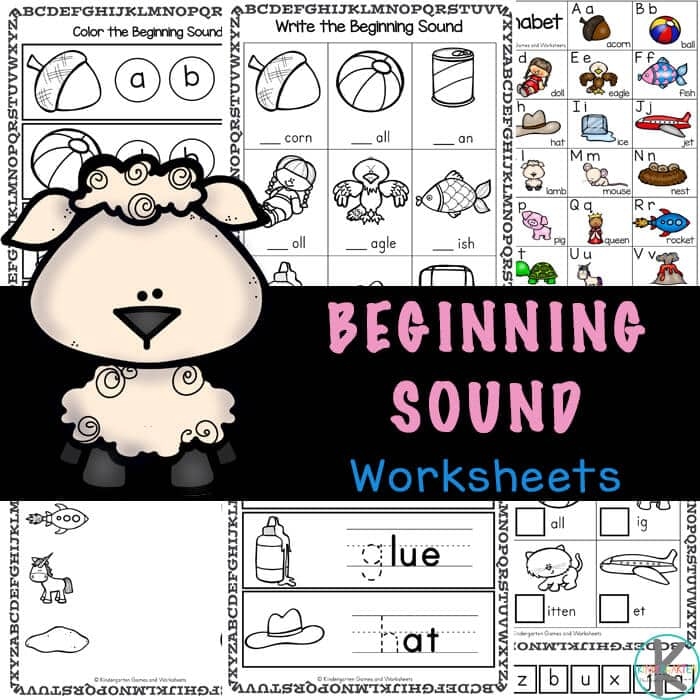
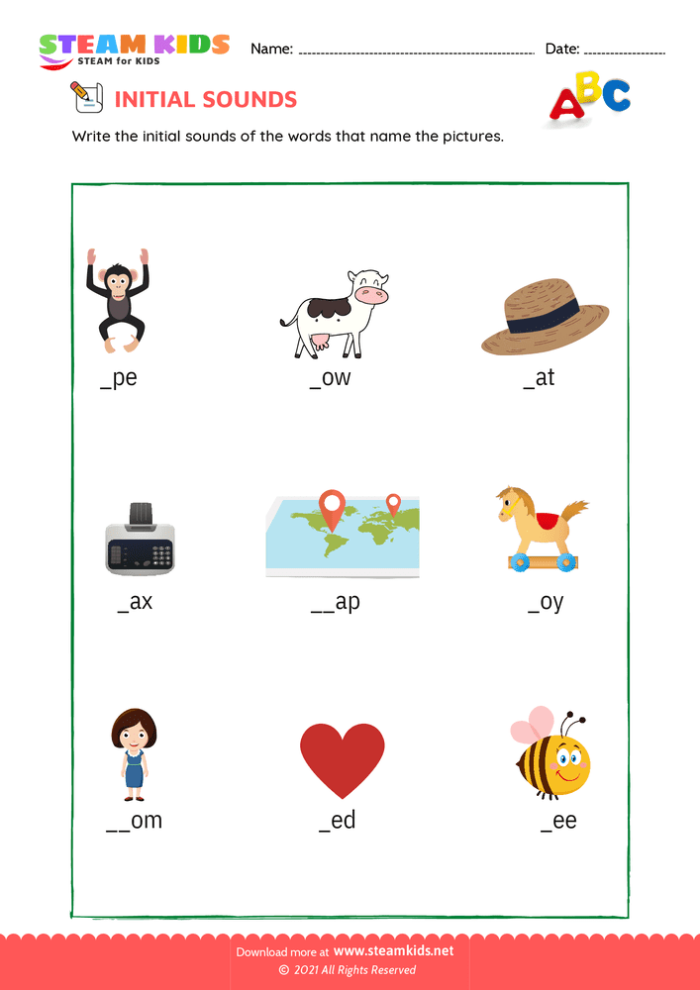
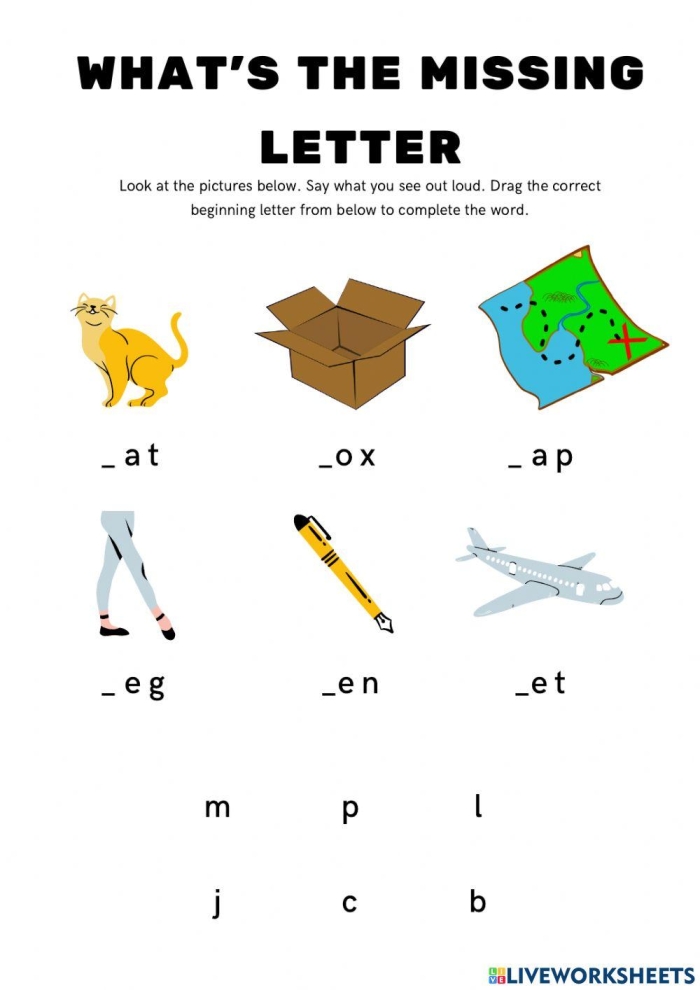
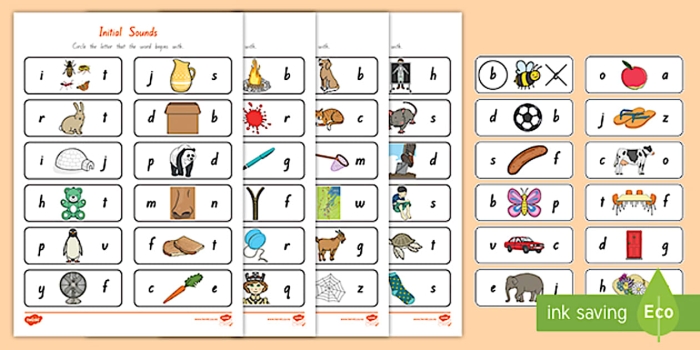
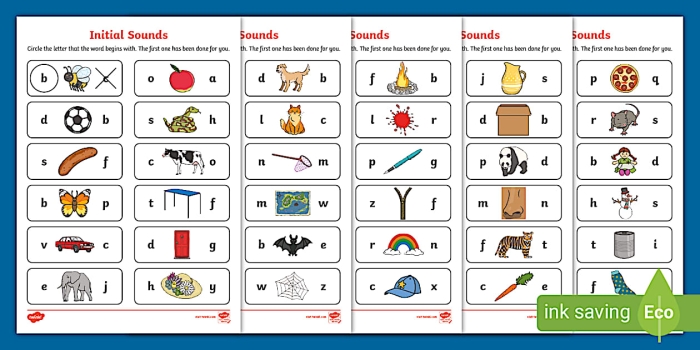
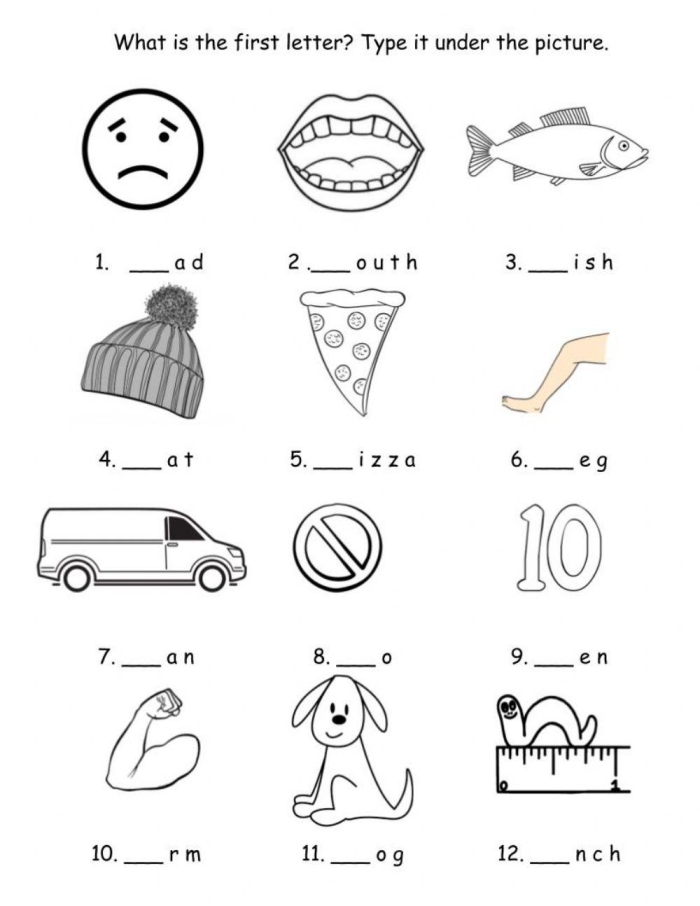
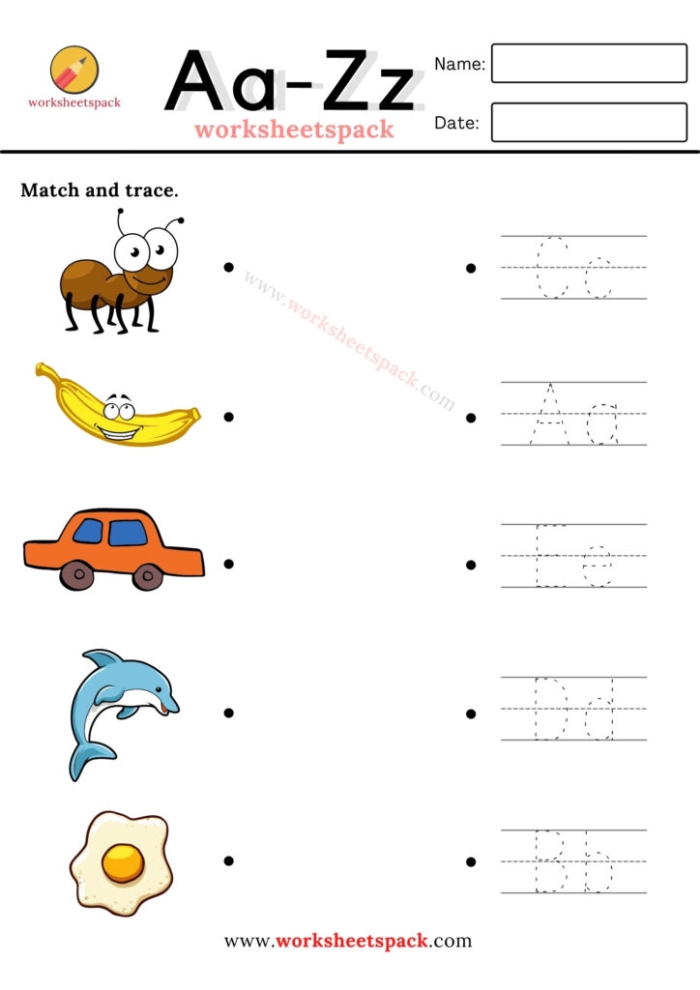
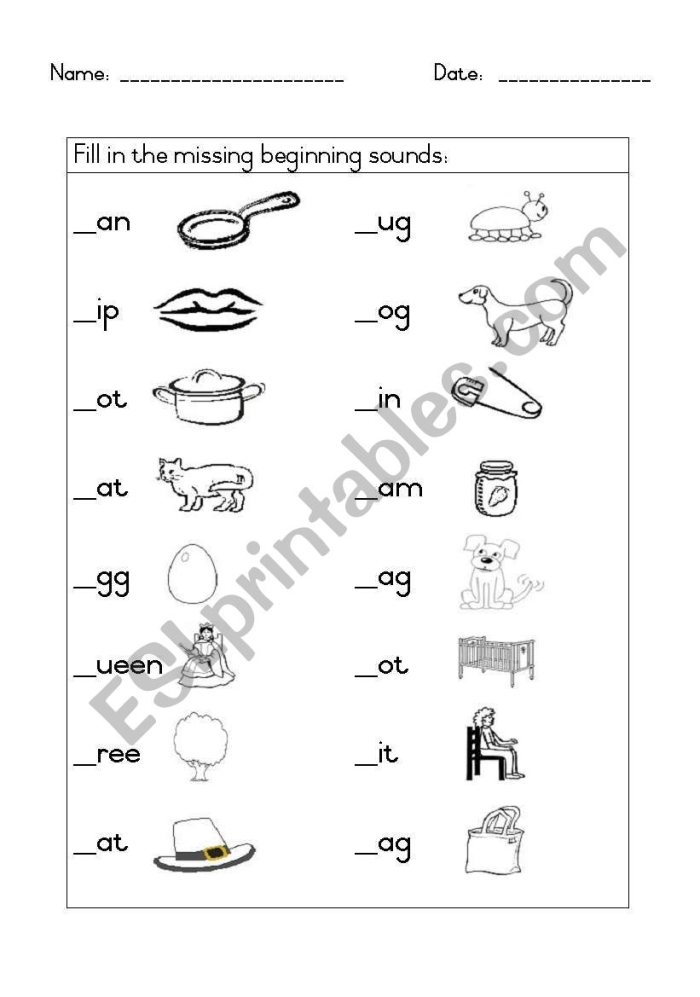
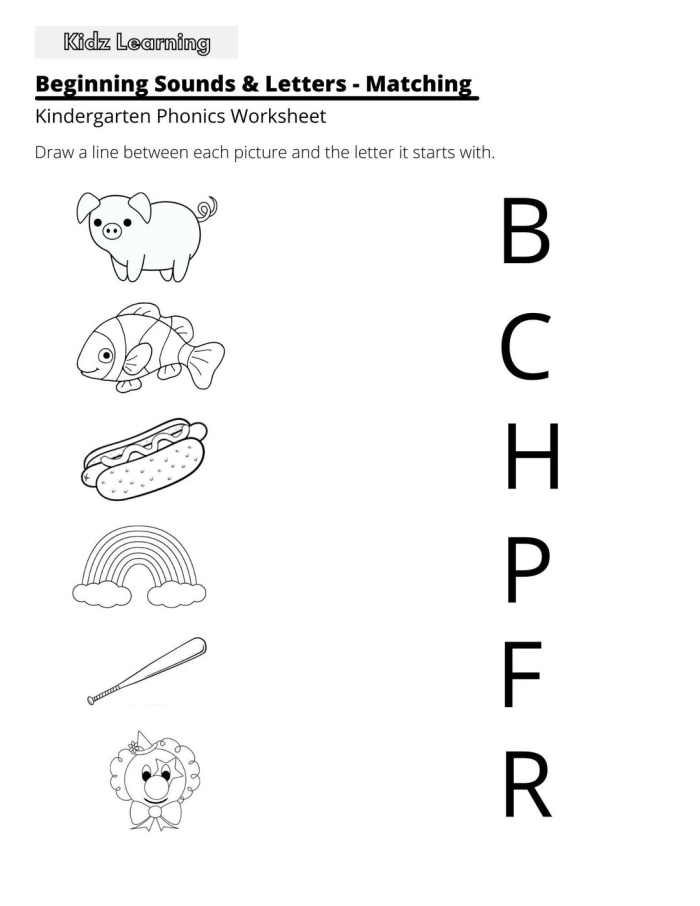
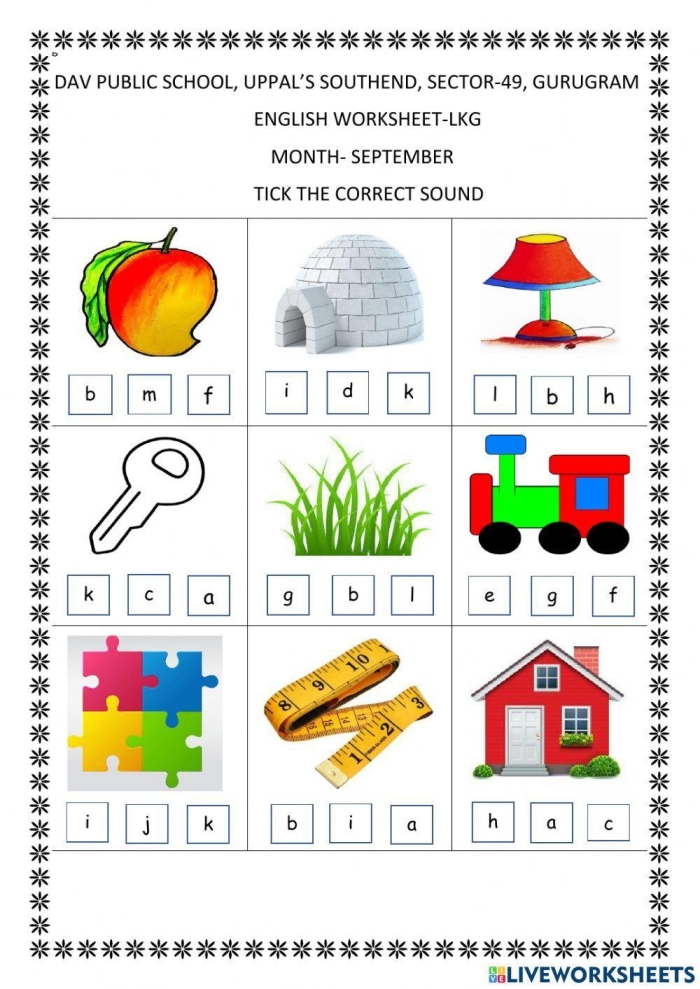
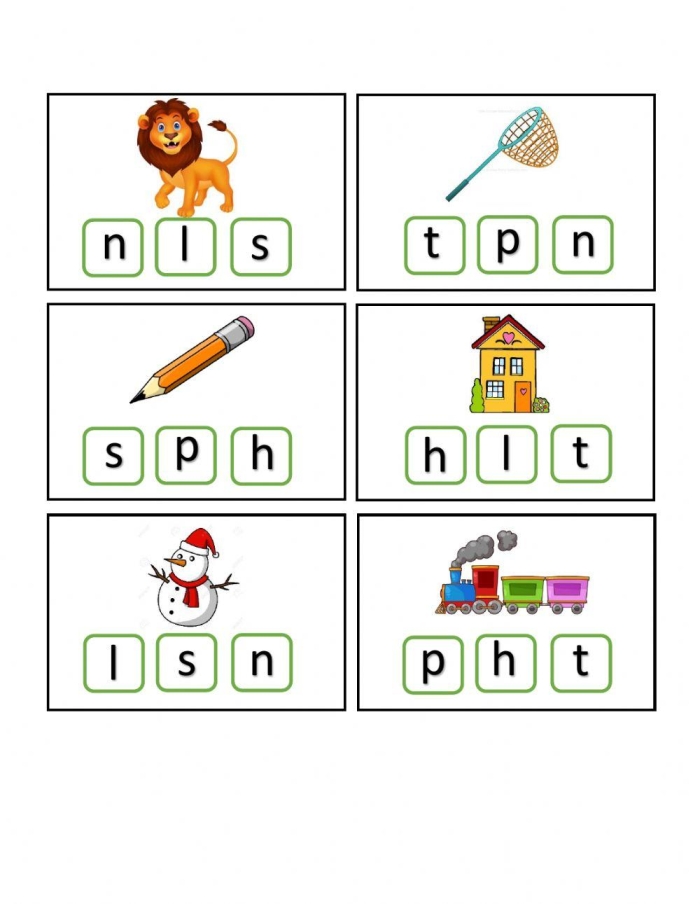
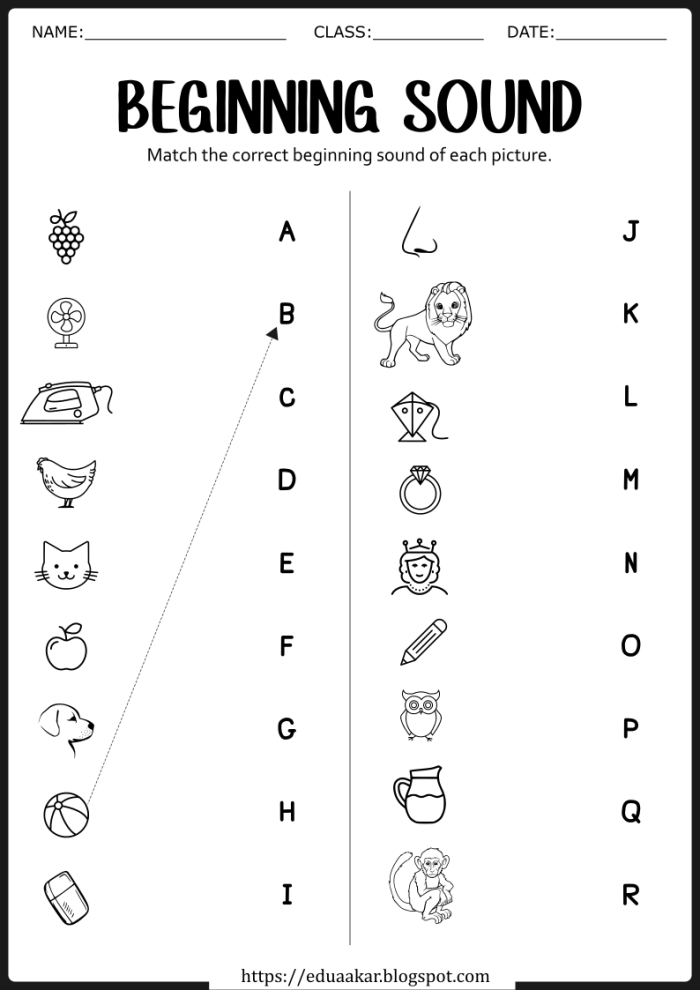
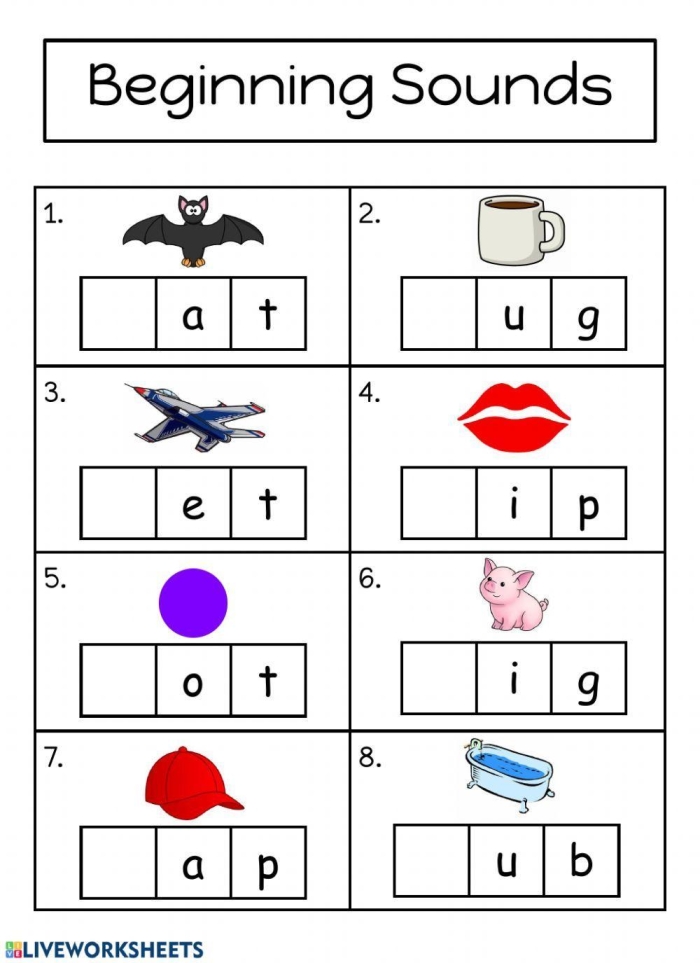
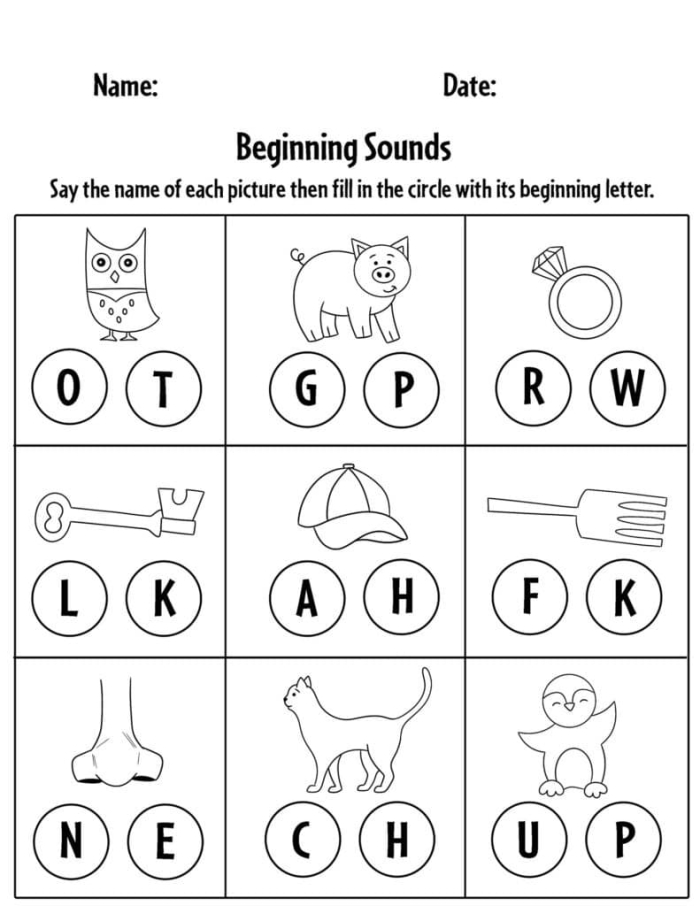
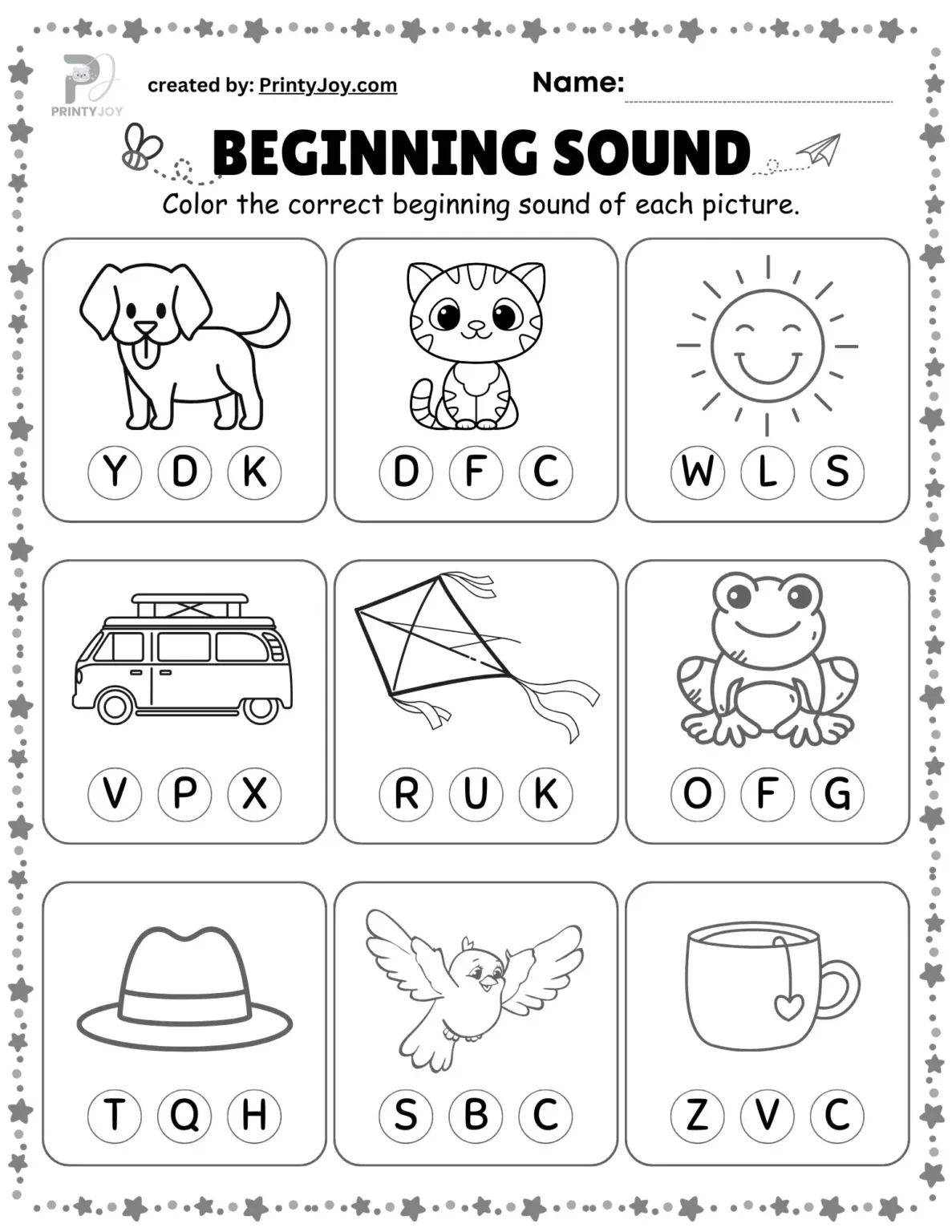
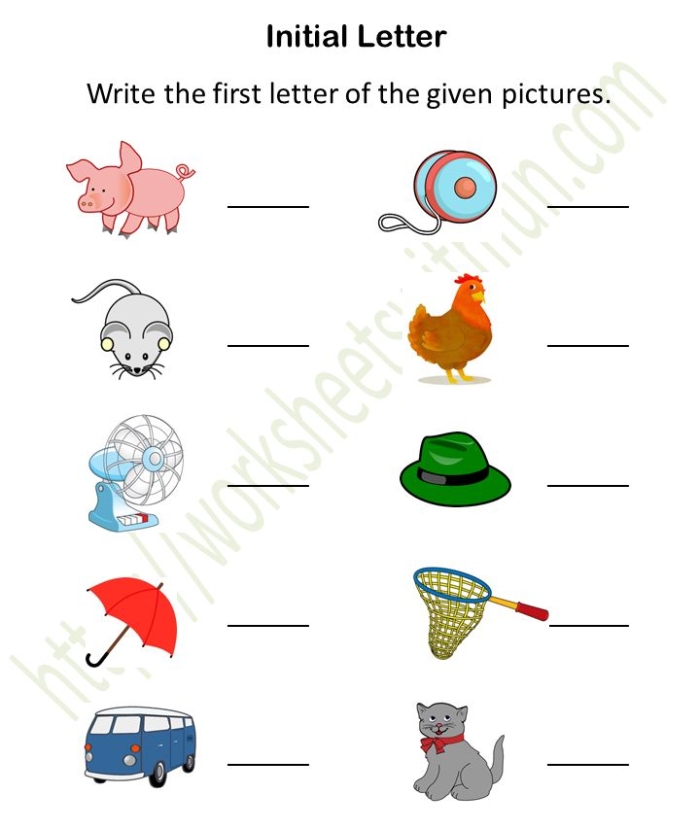
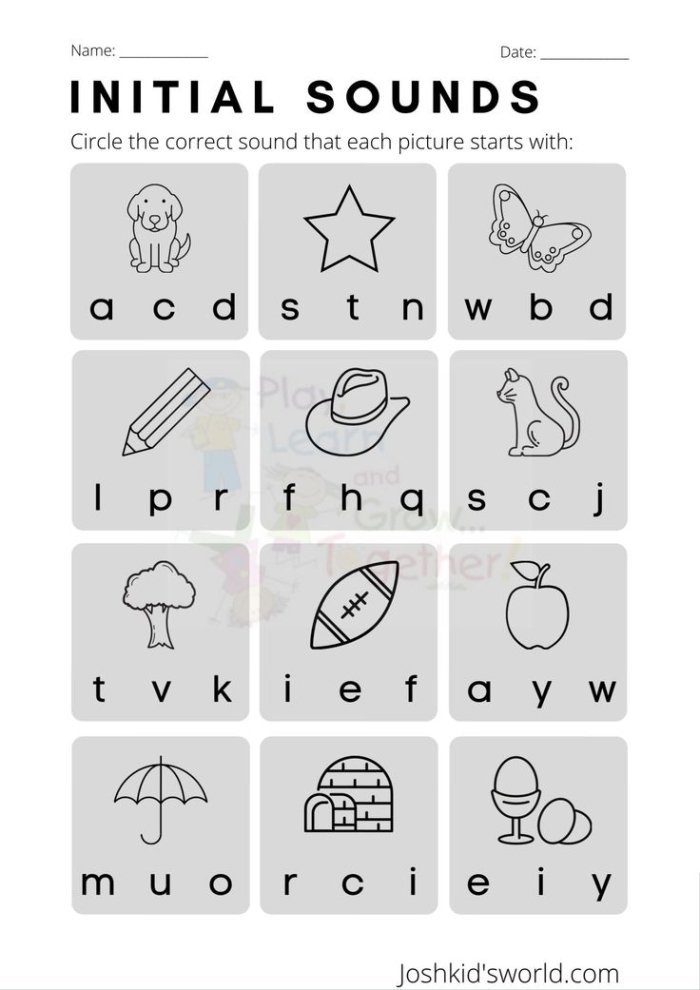
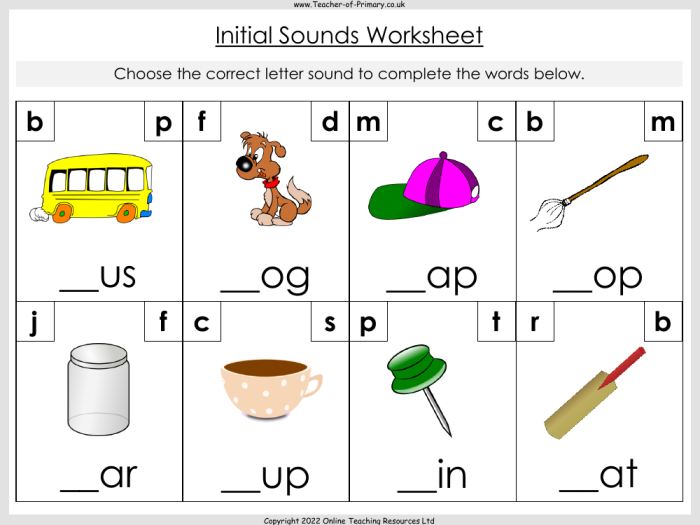
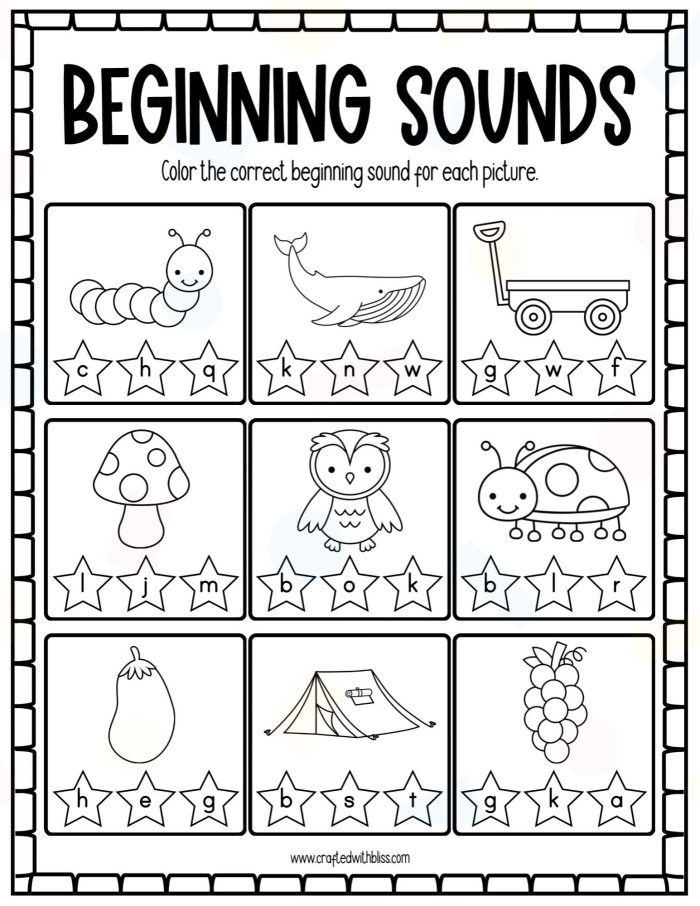
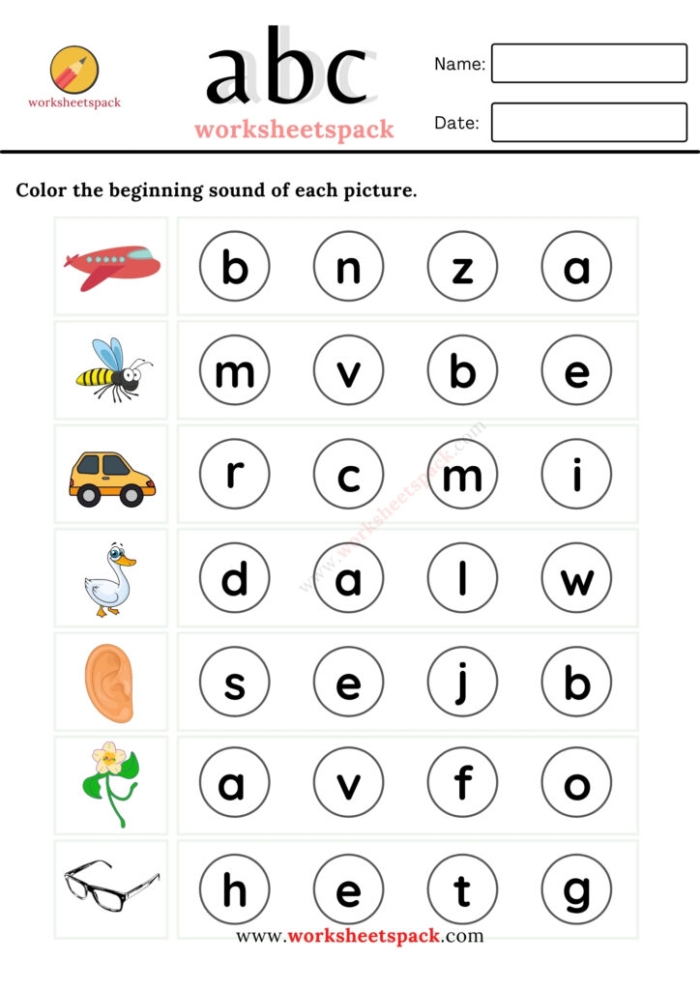
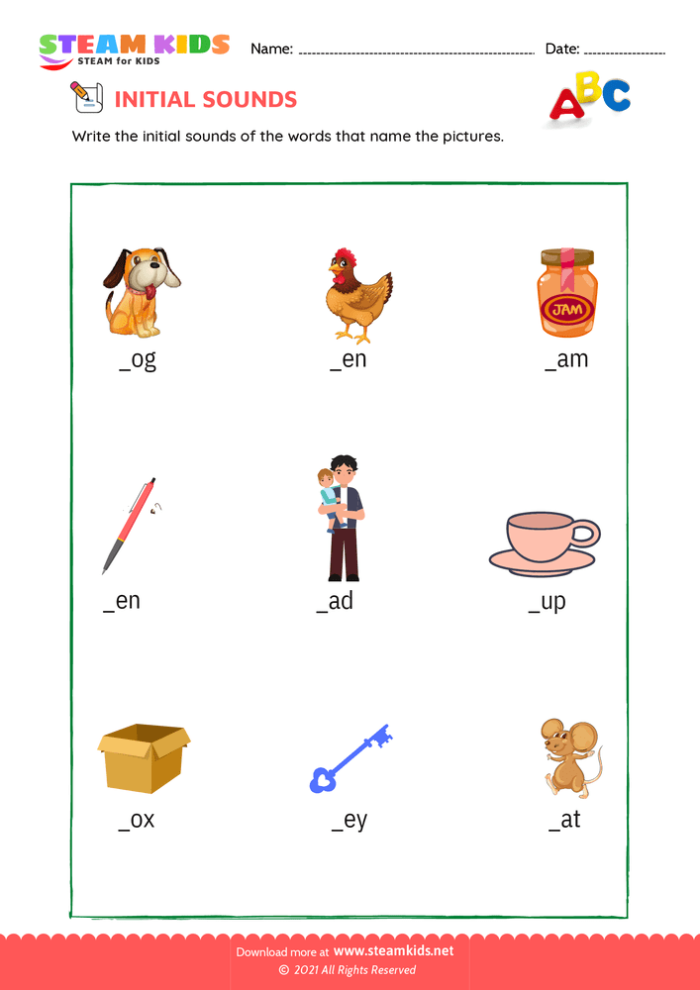
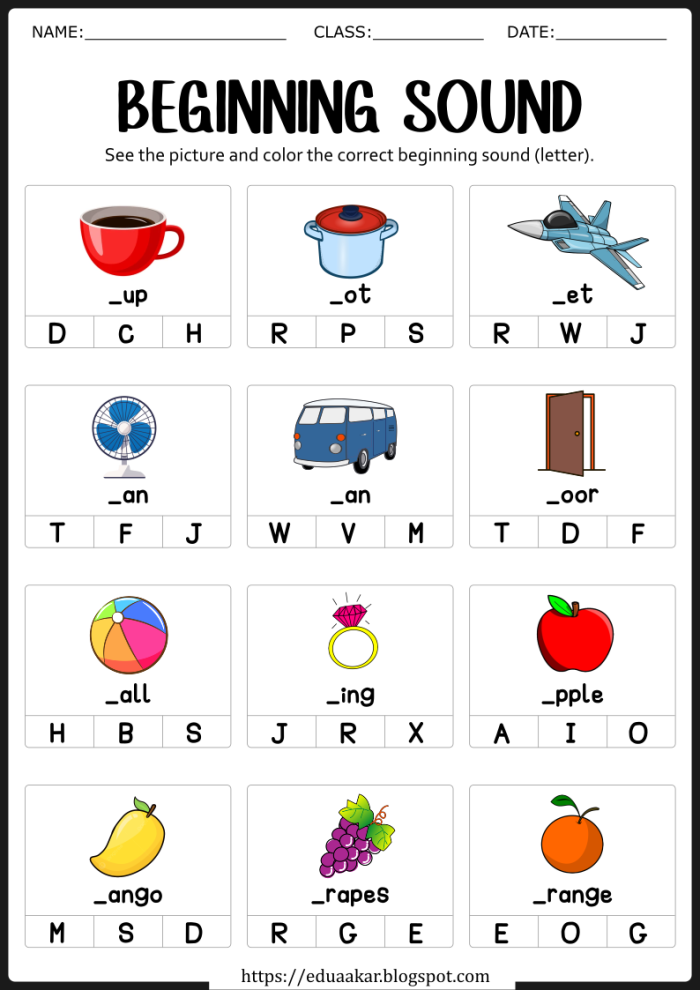
When kindergarteners first encounter the letter B, a simple bow becomes one of their best learning tools. Matching pictures with their beginning letters is one of the most effective ways to build phonemic awareness, and it works because kids are naturally drawn to visual connections.
The beauty of this approach lies in its simplicity. A child sees a picture of a bow, then finds the letter B among several options. This concrete matching activity bridges the gap between recognizing a letter shape and understanding the sound it makes. Unlike abstract letter drills, picture-matching worksheets give young learners something tangible to hold onto.
In kindergarten phonics instruction, initial sounds form the foundation for all future reading skills. When children can reliably identify which letter comes first in a word, they’re developing the phonological awareness that reading researchers know predicts later success. The bow example works particularly well because it’s a familiar object that most children have seen, making the connection memorable.
These worksheets typically include several pictures on a single page, each needing to be matched with its starting letter. A bow might appear alongside images like a ball, a banana, or a bear. This variation keeps the activity from feeling repetitive while reinforcing the same sound over and over. You can extend the learning by having children trace the letter or write it themselves after matching.
Teachers and parents often find that initial sounds phonics worksheets work best when used regularly but briefly, perhaps three to four times per week. Pairing them with other activities like writing and drawing exercises keeps phonics instruction varied and engaging. When children consistently see the same letter paired with different pictures, the connection between letter and sound becomes automatic rather than something they have to think through.
The matching format also allows for differentiation. Some children might match all letters on a page, while others focus on just one or two sounds. This flexibility makes these worksheets useful across a range of kindergarten classrooms, where development varies significantly from child to child.
Use These Worksheets Today