Getting preschoolers excited about measurement can be a fun challenge, especially when you bring in something they naturally love: bugs. Using a simple activity where your child decides which two bugs are the same size turns an abstract concept like measurement into something tangible and playful. This hands-on approach helps young learners develop their observational skills and understanding of size comparison in a way that feels like a game rather than a lesson.
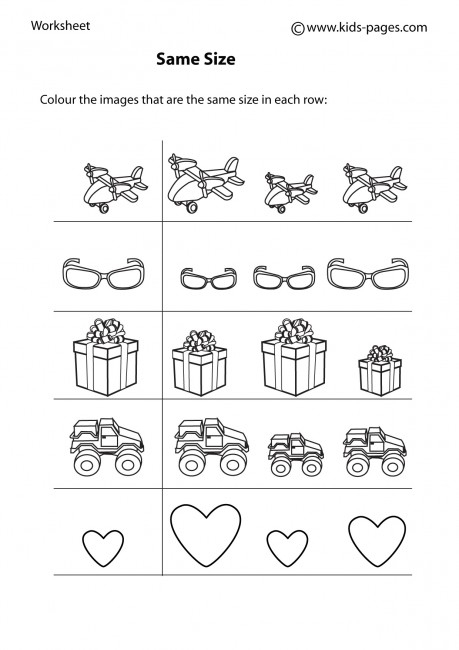
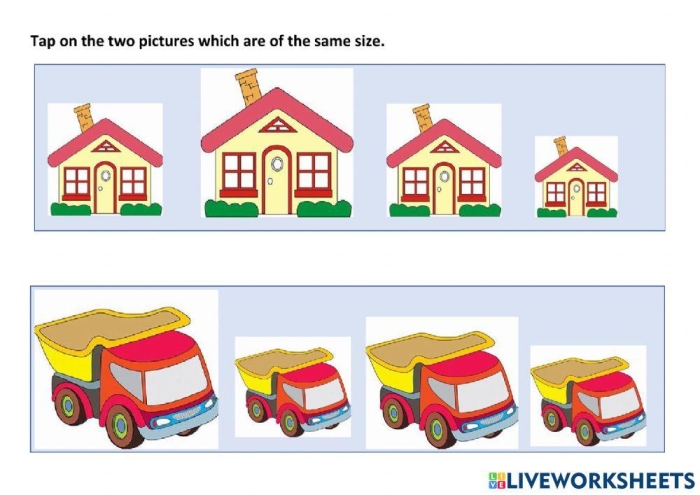
For kids in Pre-K, the idea of “same size” might seem tricky at first. But when you lay out colorful bug images or toys, it becomes easier for them to grasp. You can start by showing a group of bugs—maybe some beetles, ladybugs, and caterpillars—and ask your child to point out which two are the same size. This encourages careful looking, comparing, and even vocabulary building as they describe what they see. It’s a practical stepping stone toward more formal measurement concepts later on.
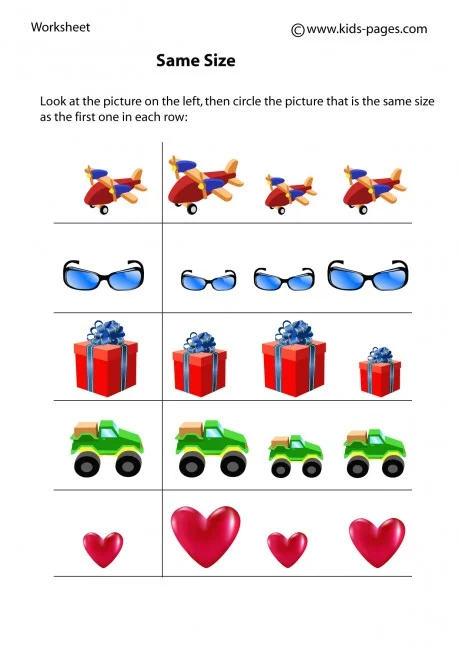
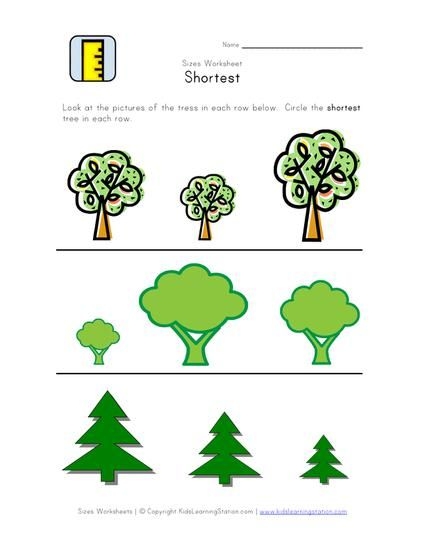
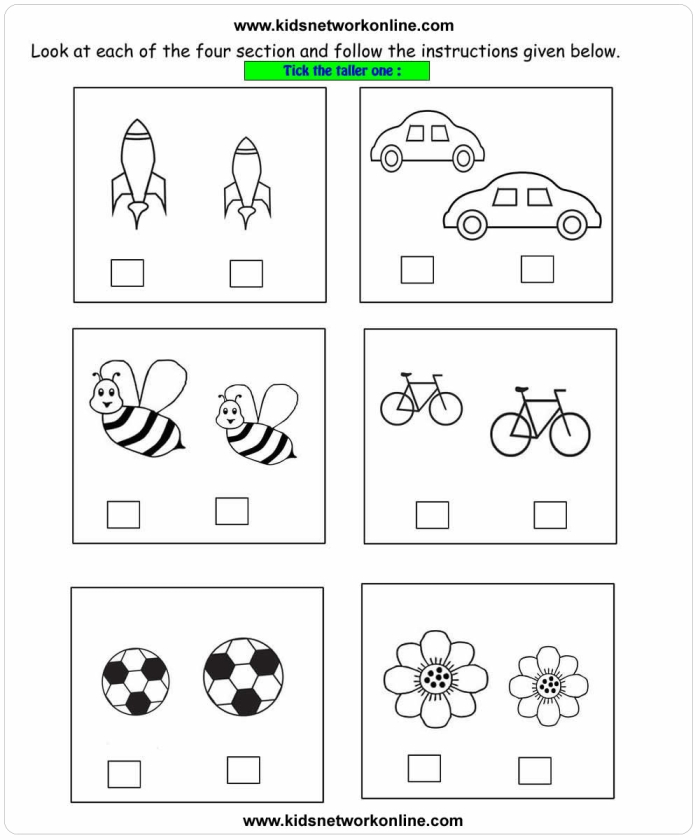
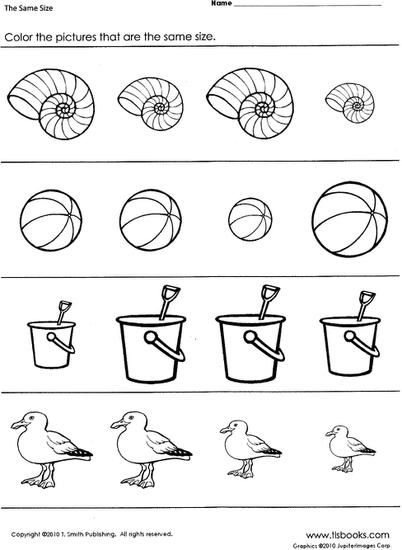
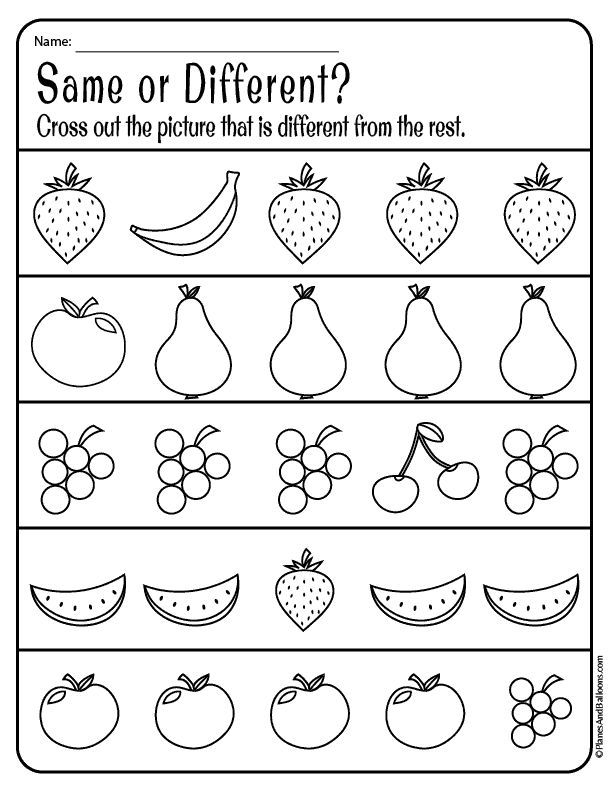
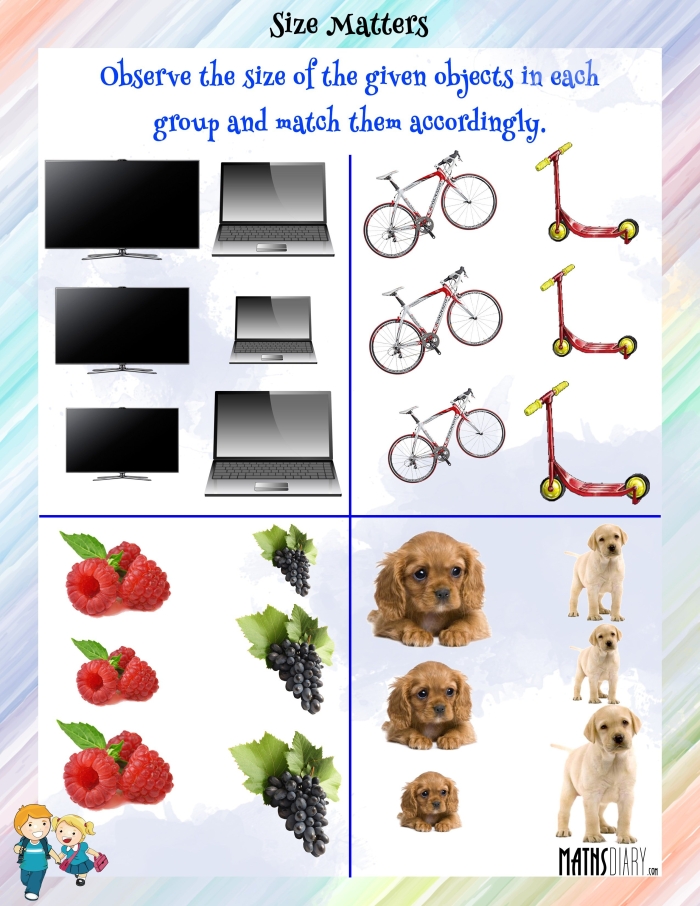
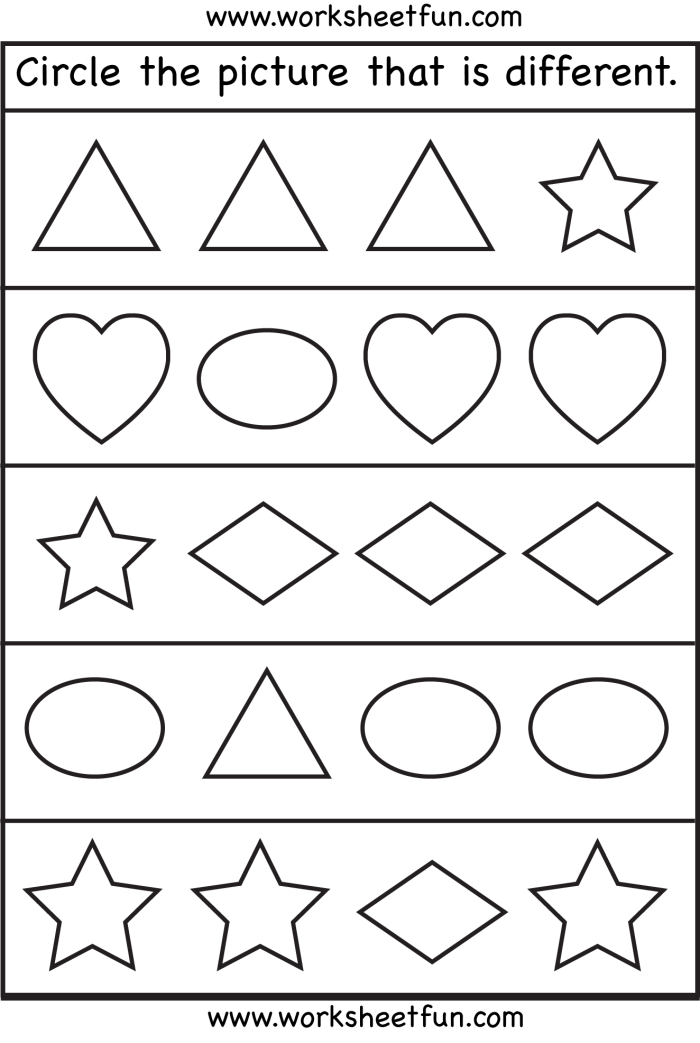
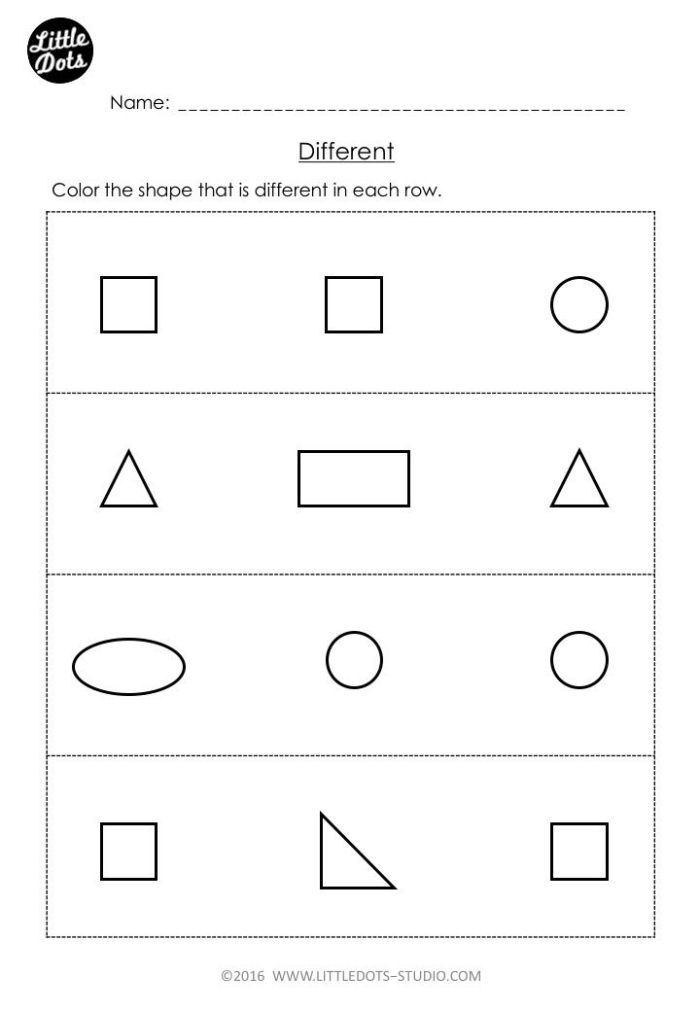
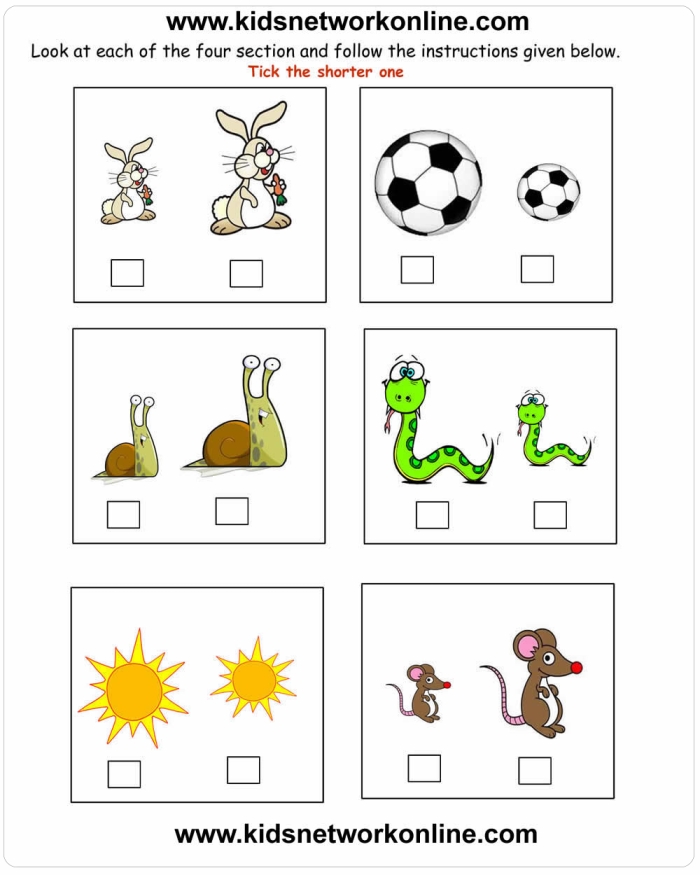
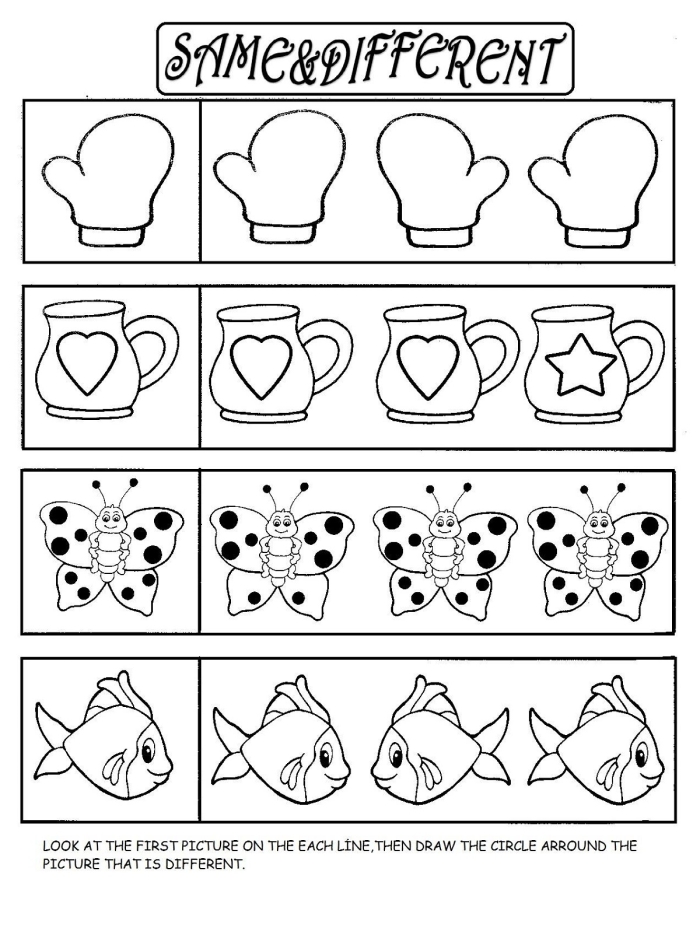
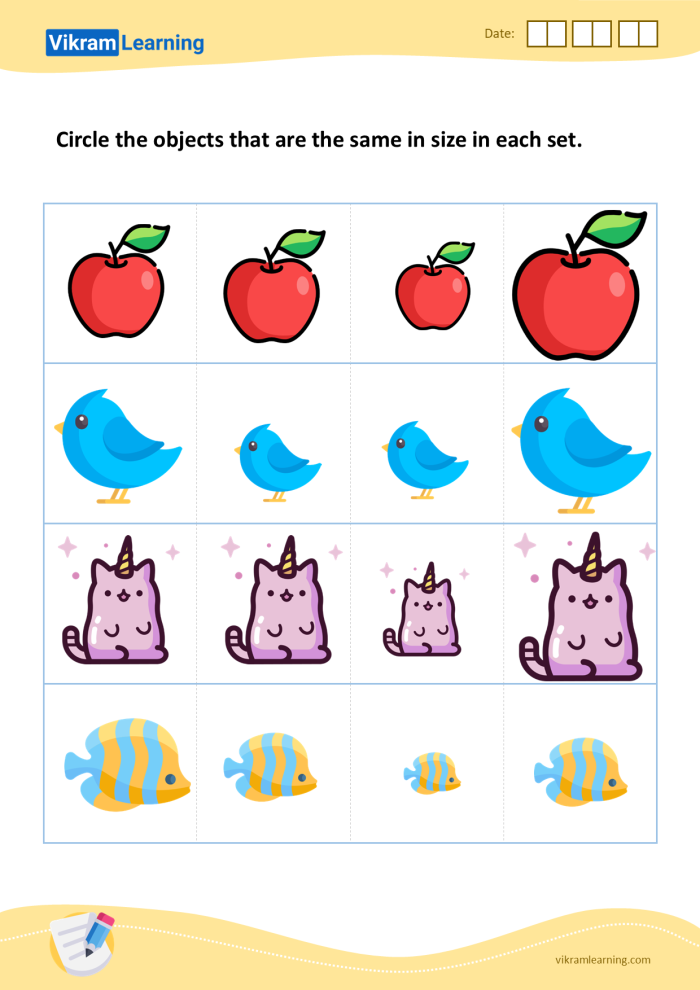
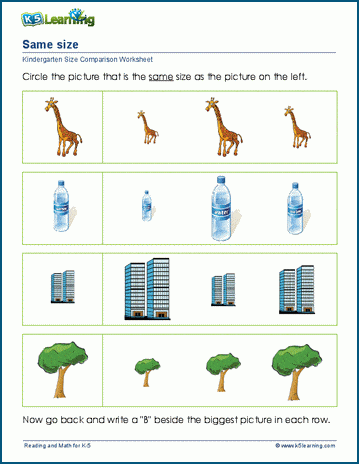
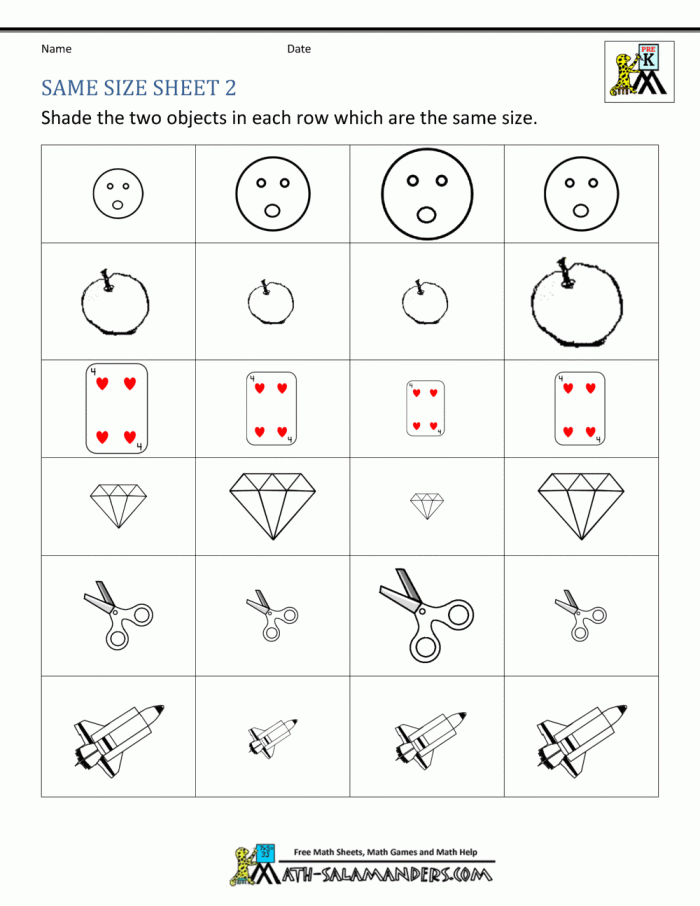
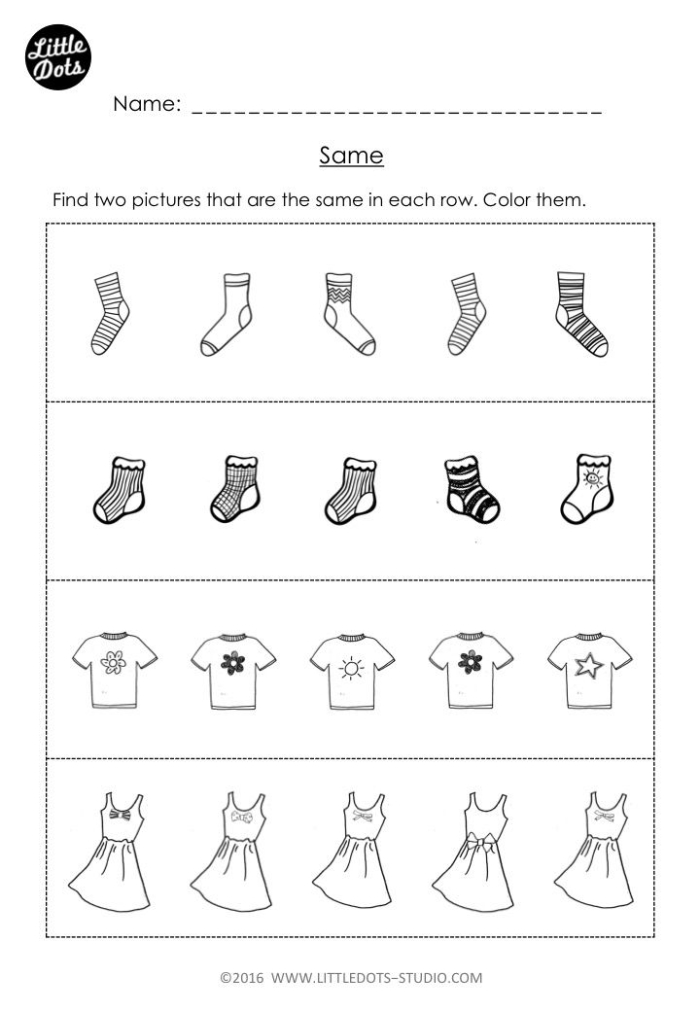
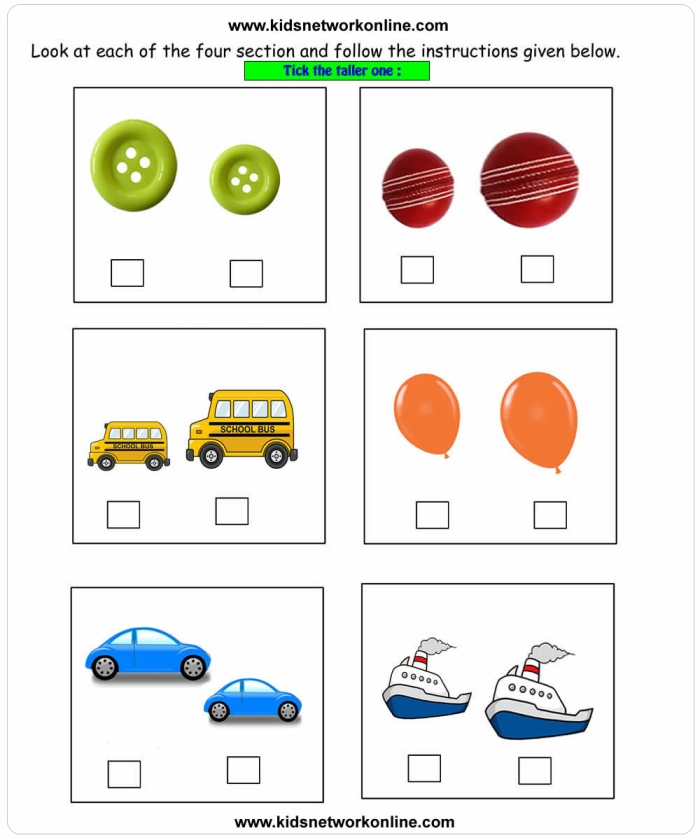
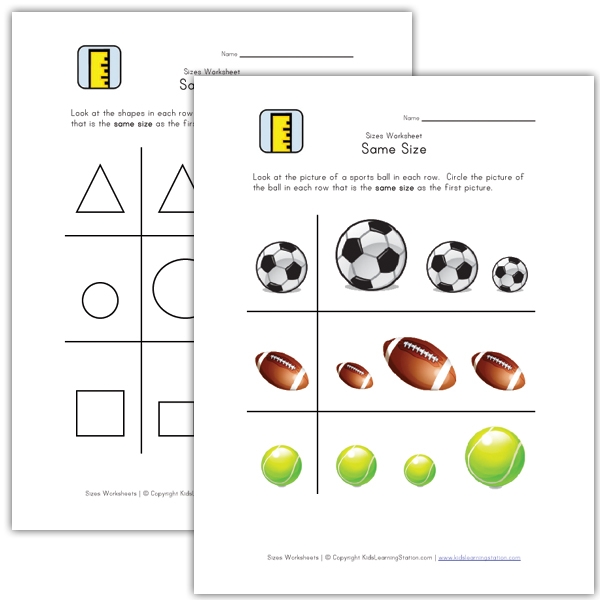
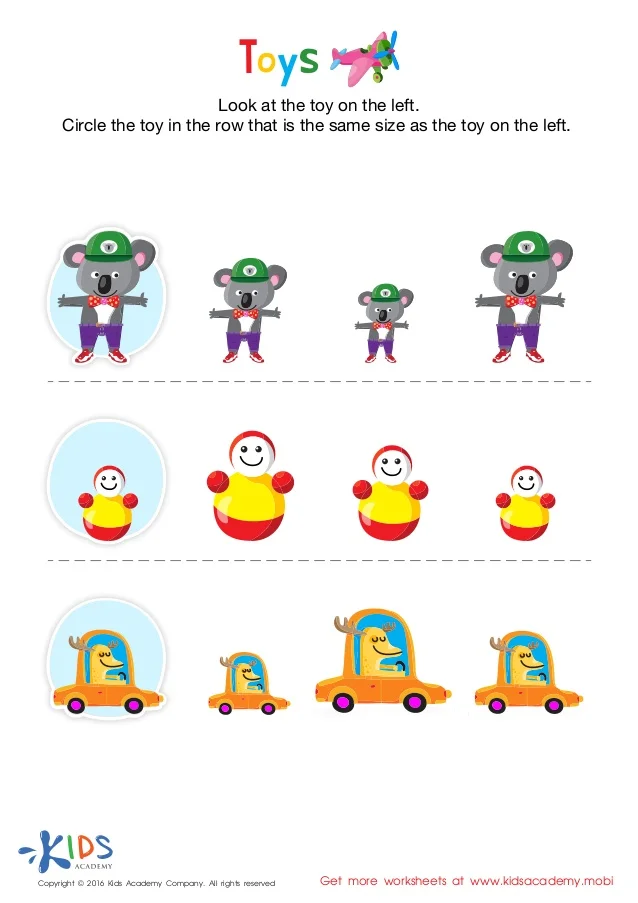
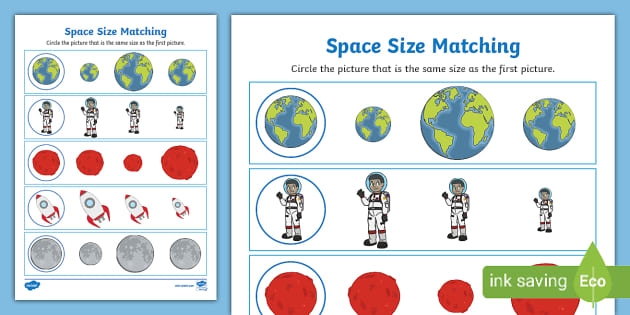
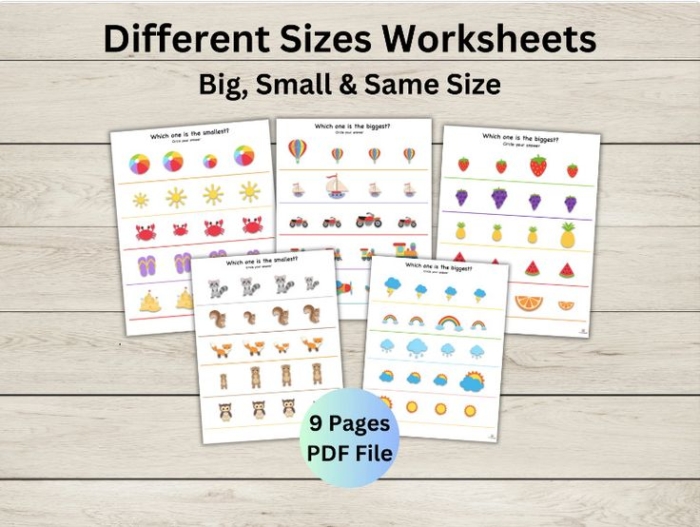
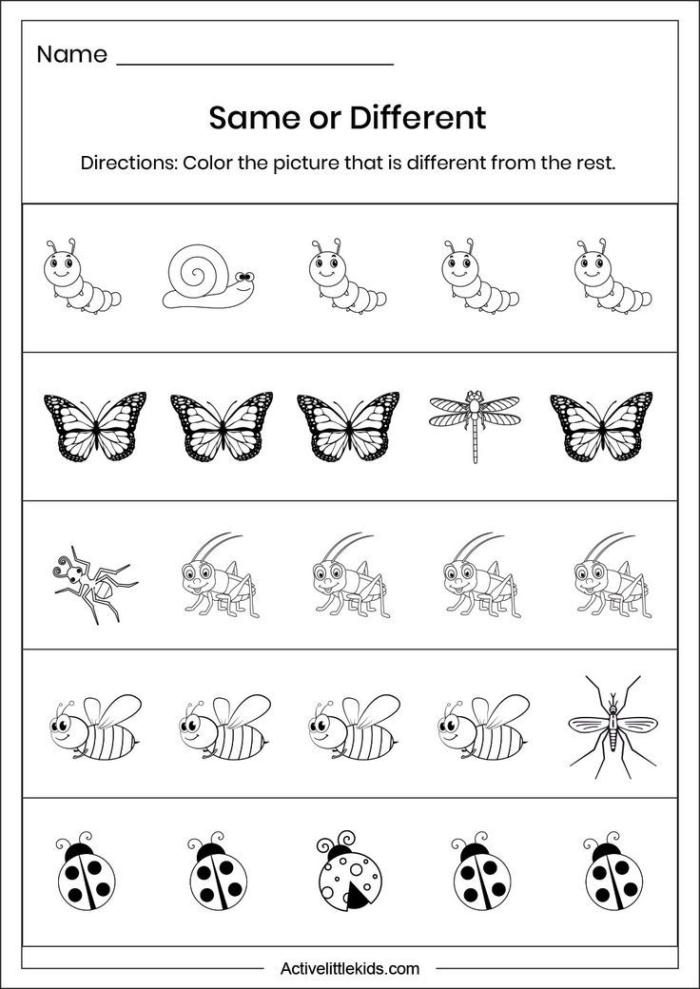
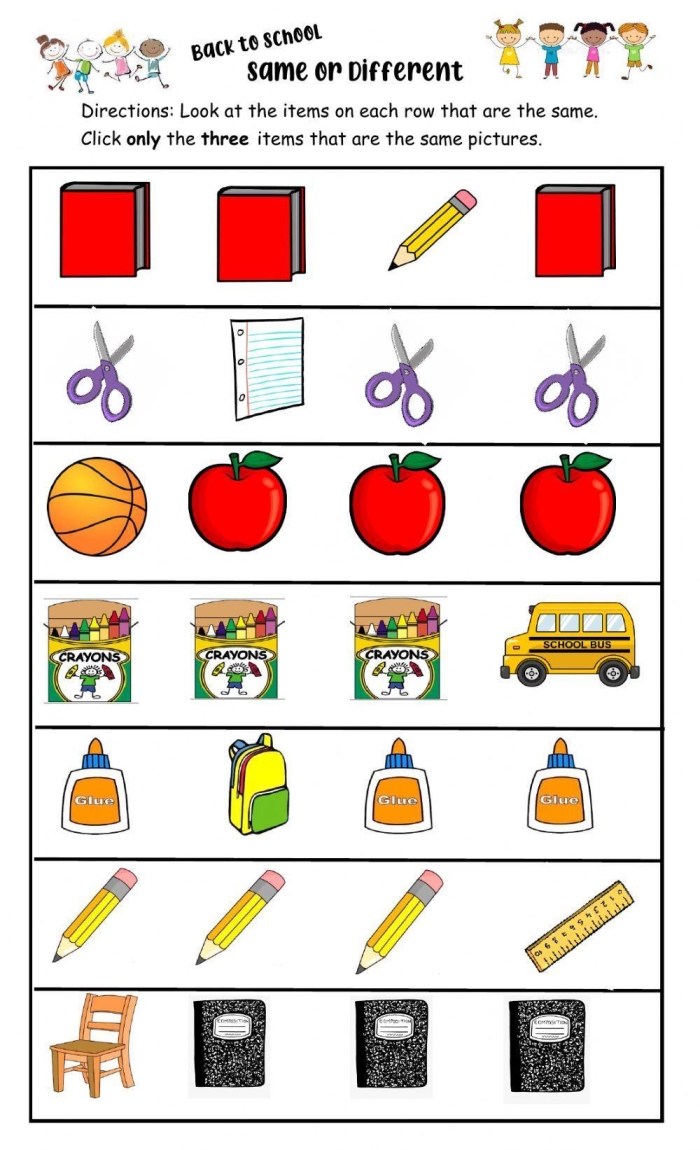
One effective method is to use printable same size worksheets designed for young learners. These worksheets often feature sets of bugs or other simple objects where children circle or color the pairs that match in size. This adds structure to the activity while keeping it fun. If your preschooler enjoys coloring, combining this with a coloring page, like a unicorn-themed sheet, can make the task even more engaging.
Incorporating these exercises into early reading practice also benefits language development. Talking about bugs, sizes, and comparisons strengthens vocabulary and listening skills, which are crucial in Pre-K reading readiness. You might notice your child starting to use words like “bigger,” “smaller,” or “same” more confidently, showing their growing understanding.
To add variety, mixing this with other skills like tracing letters or working on prewriting shapes can round out early learning sessions. For example, after identifying which bugs are the same size, your child might enjoy tracing the letter ‘N’ or practicing circles to build fine motor skills. These combined activities support a well-rounded foundation for both reading and numeracy.
Overall, making measurement relatable through bugs and printable activities helps preschoolers connect with important concepts in a playful, meaningful way. It’s a simple step that encourages curiosity and prepares them for more complex learning ahead.
Practice with These Worksheets