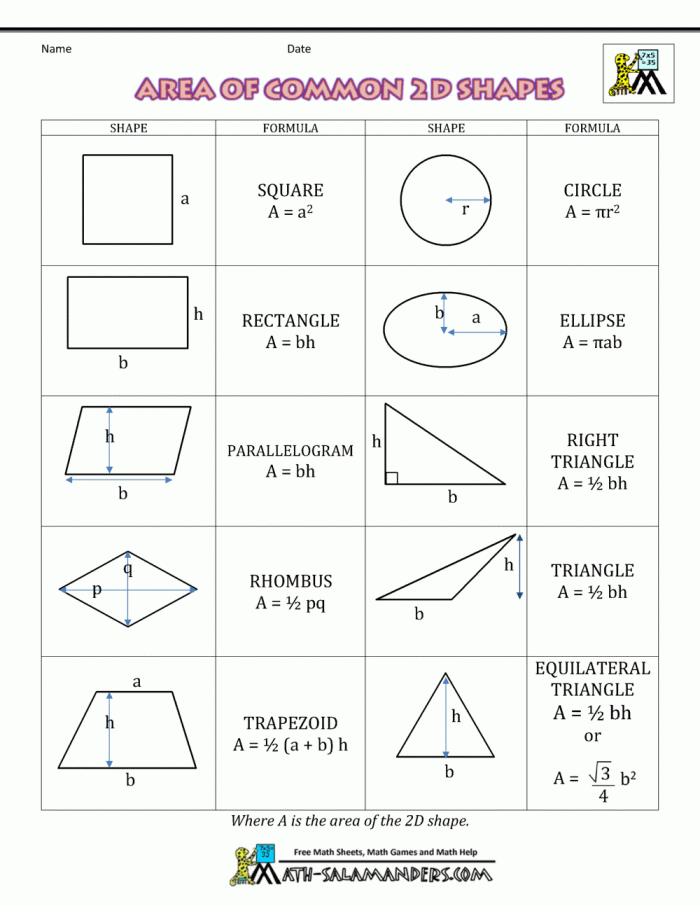
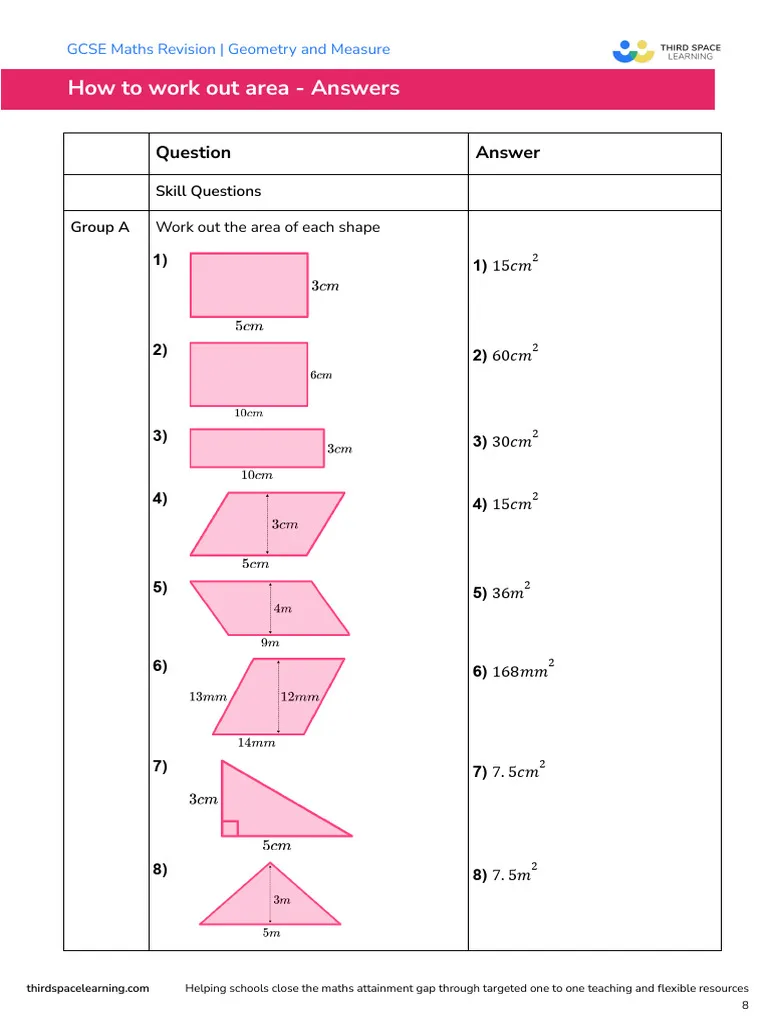
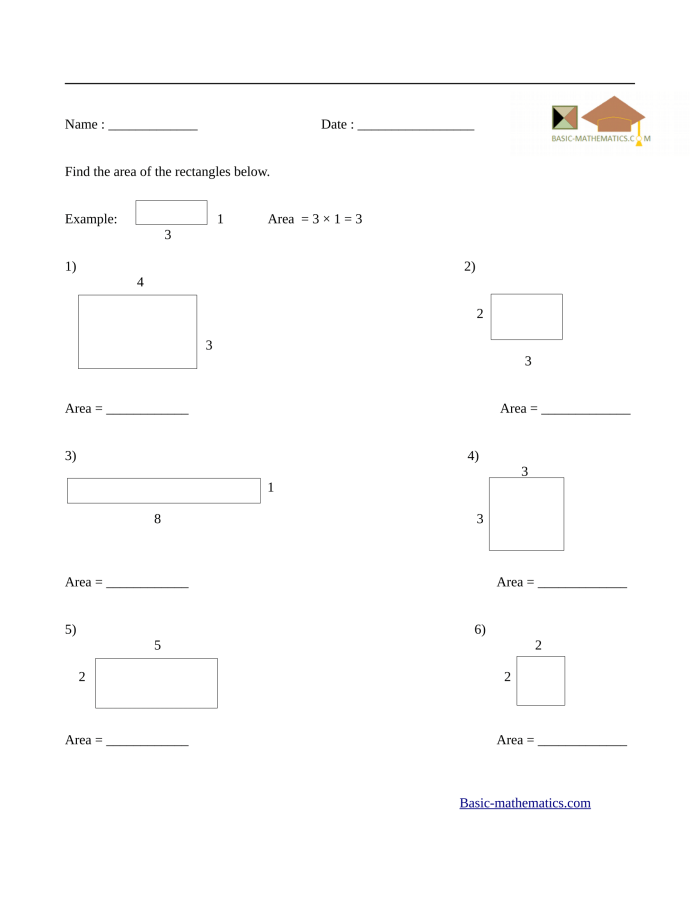
Understanding the concept of area is crucial for third graders as it lays the foundation for more complex mathematical ideas. Area is a quantity that can be calculated both by adding and by multiplying units, making it a versatile tool in geometry. When children start learning about area, they often think of it in the context of simple shapes like squares and rectangles. However, the real beauty of area lies in how it can be approached from different angles.
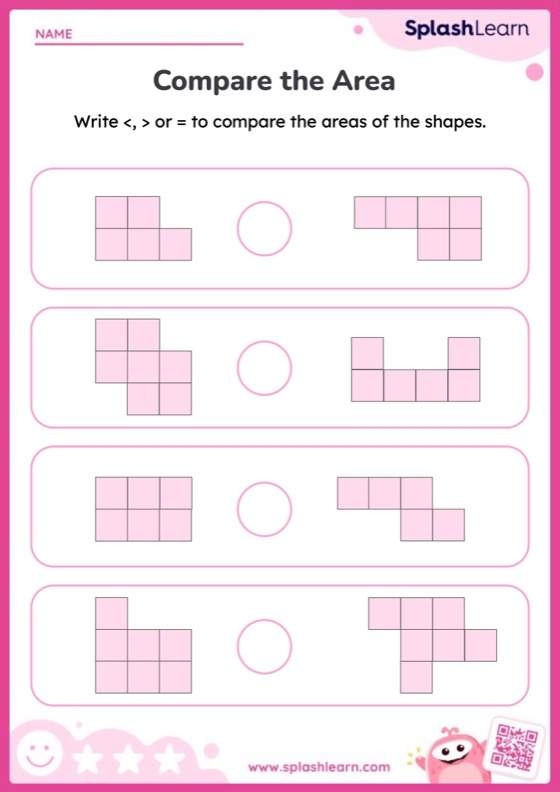
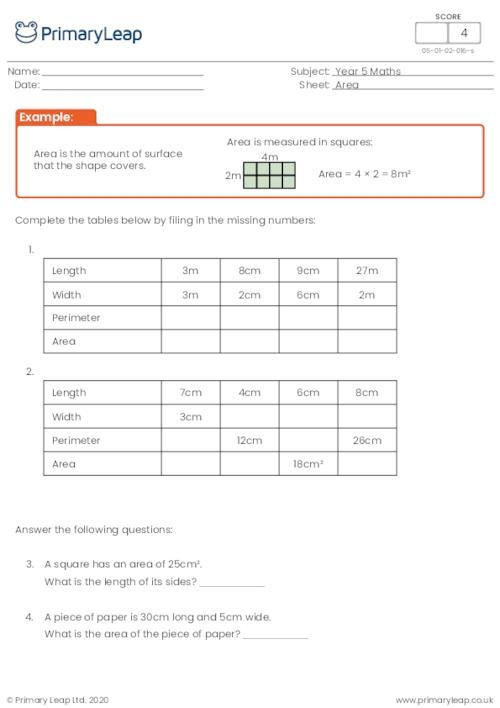
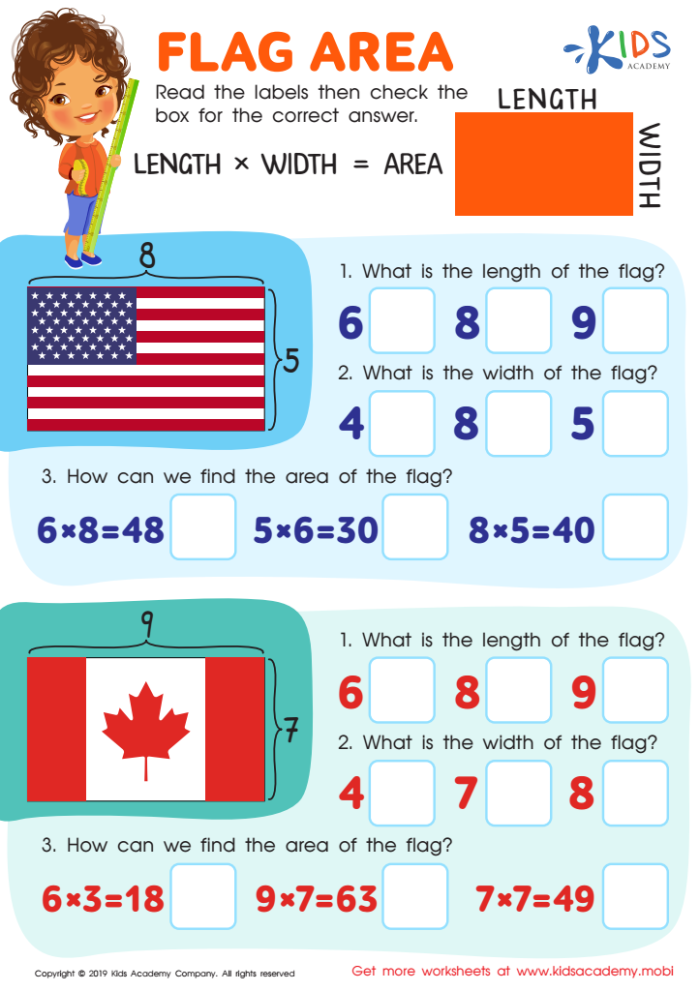
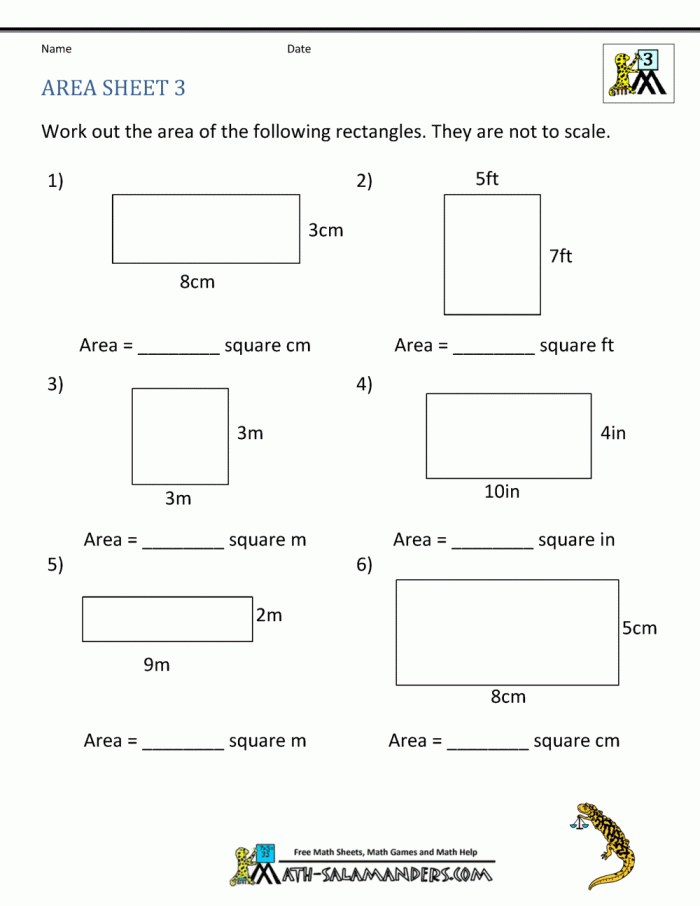
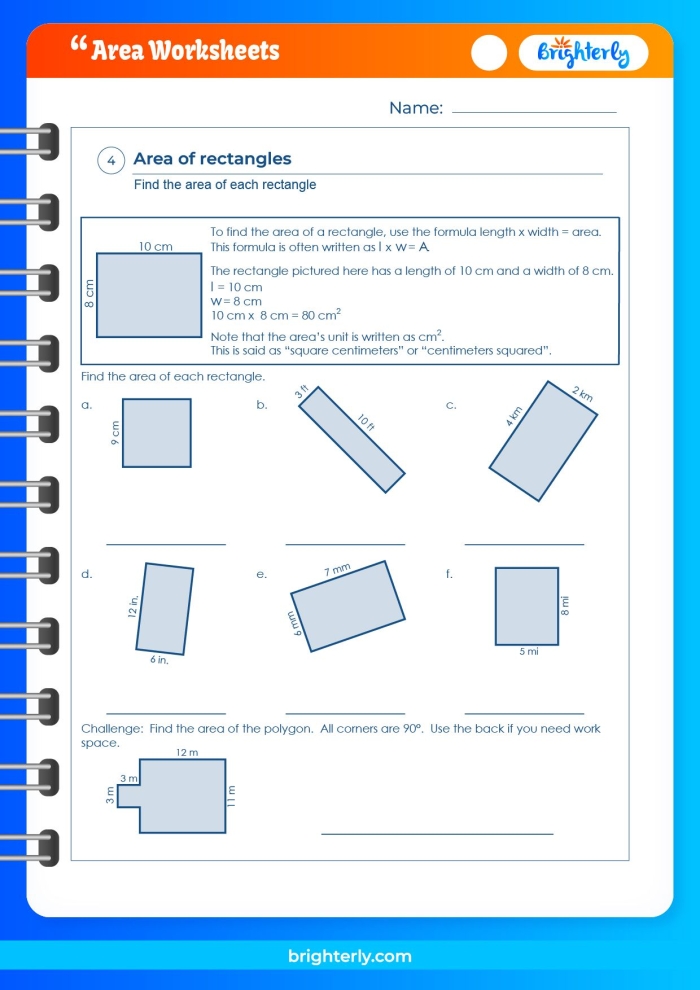
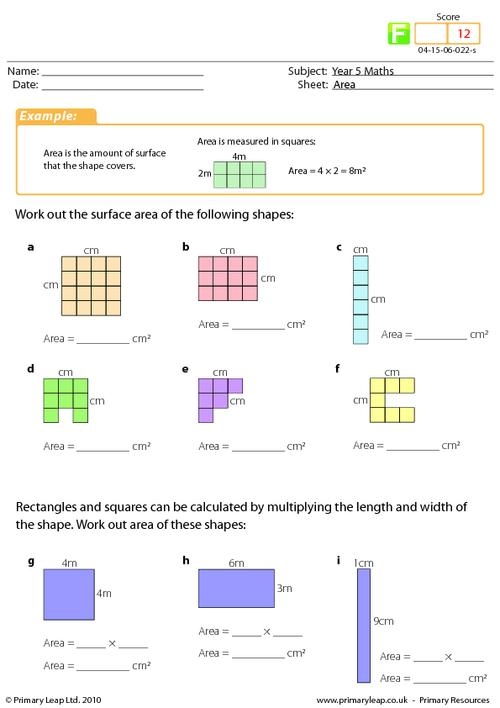
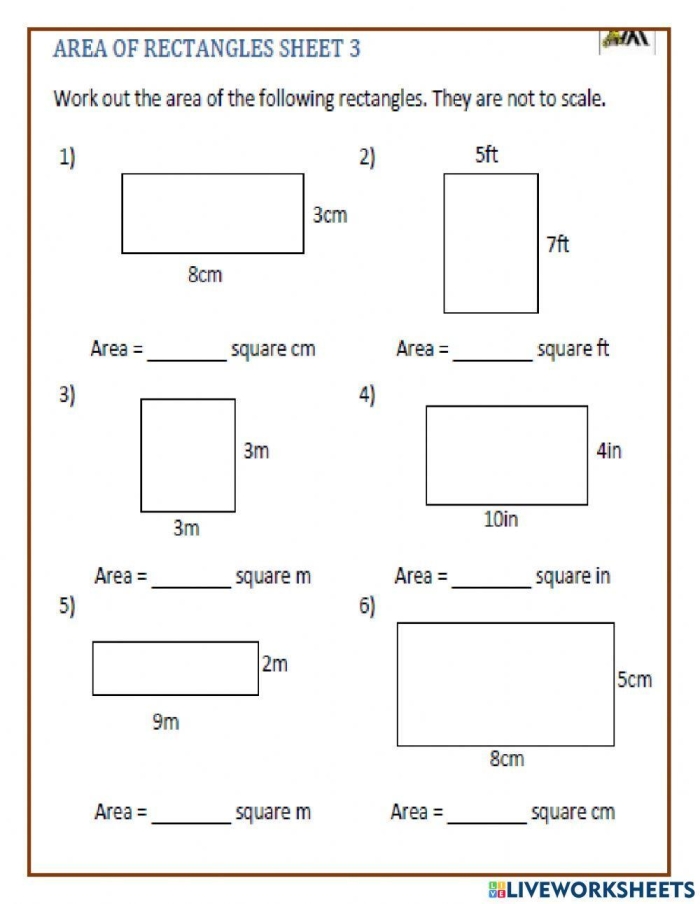
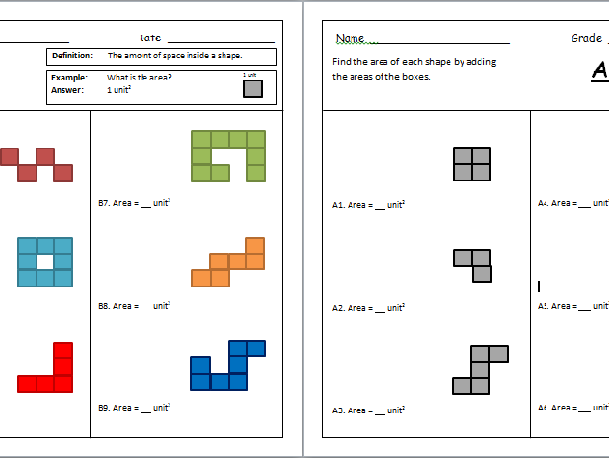
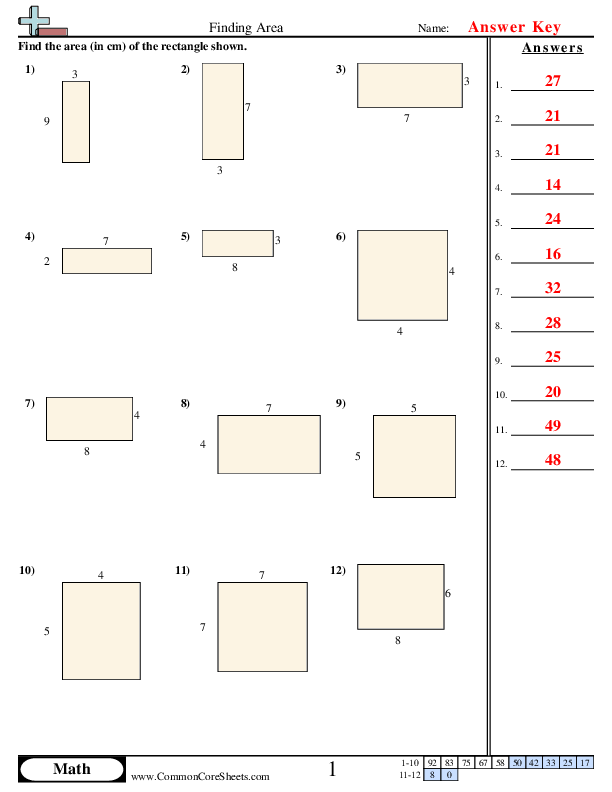
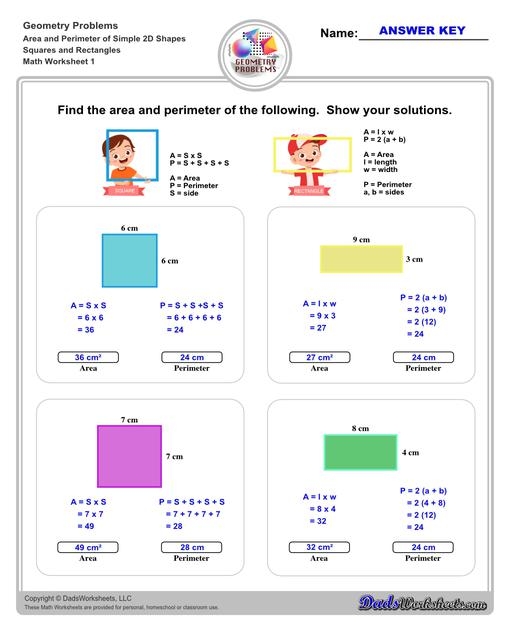
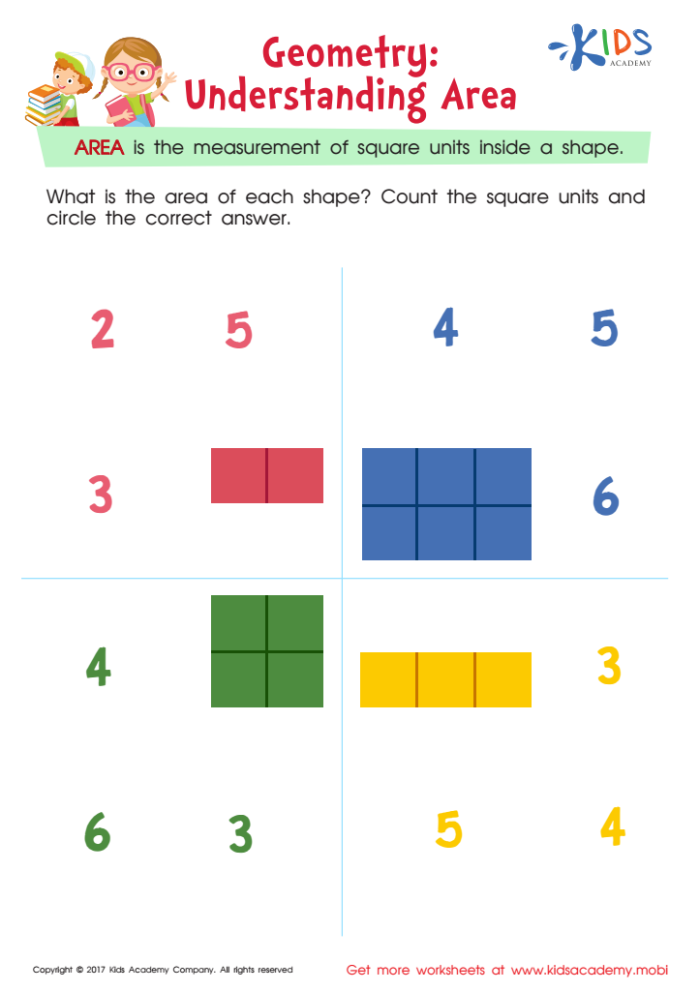
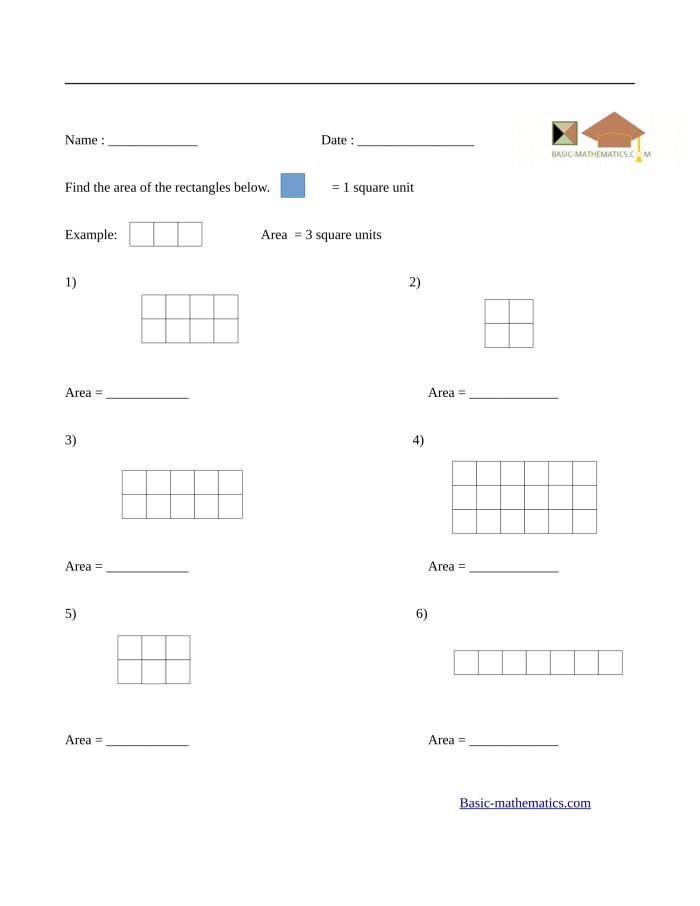
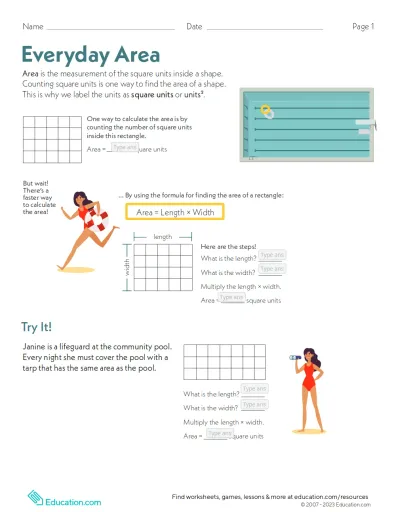
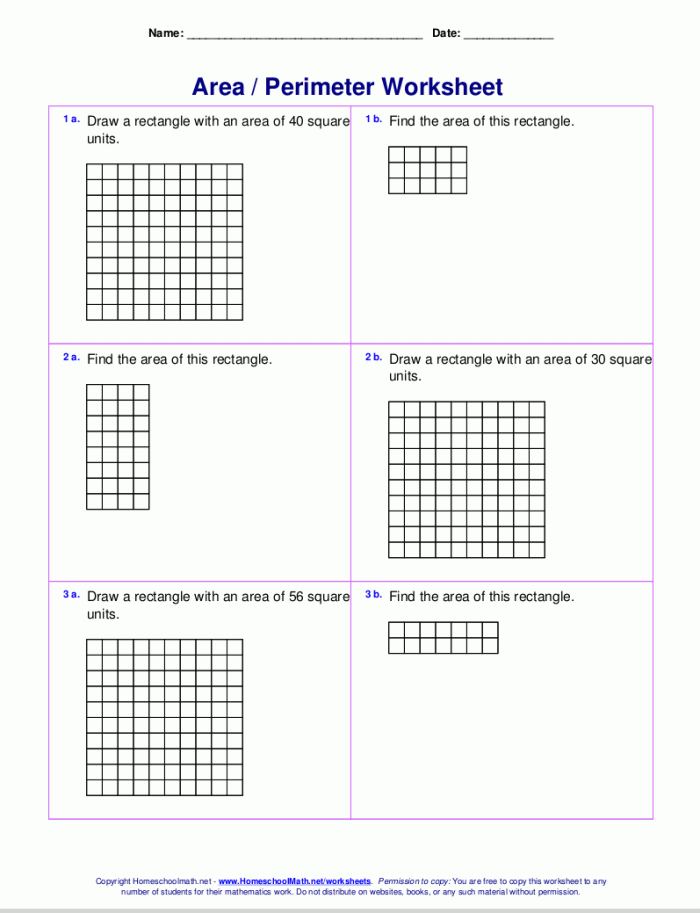
To calculate the area of a rectangle, for example, students multiply the length by the width. If a rectangle measures 4 units long and 3 units wide, the area is 12 square units (4 x 3 = 12). This straightforward multiplication offers a clear and quick way to find the area. On the other hand, they can also visualize area as the total number of unit squares that fit within the shape. If you were to draw a grid over the rectangle, you would see that 12 unit squares can fit inside, reinforcing the concept that area can also be found by adding these unit squares together.
Using practical examples helps solidify this understanding. Consider a classroom where desks are arranged in a rectangular layout. By calculating the area, students can determine how many more desks can fit or how much space is available for other activities. Engaging with real-world scenarios makes the learning process more relatable and enjoyable.
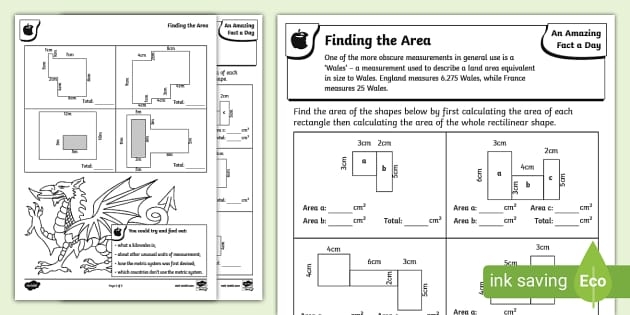
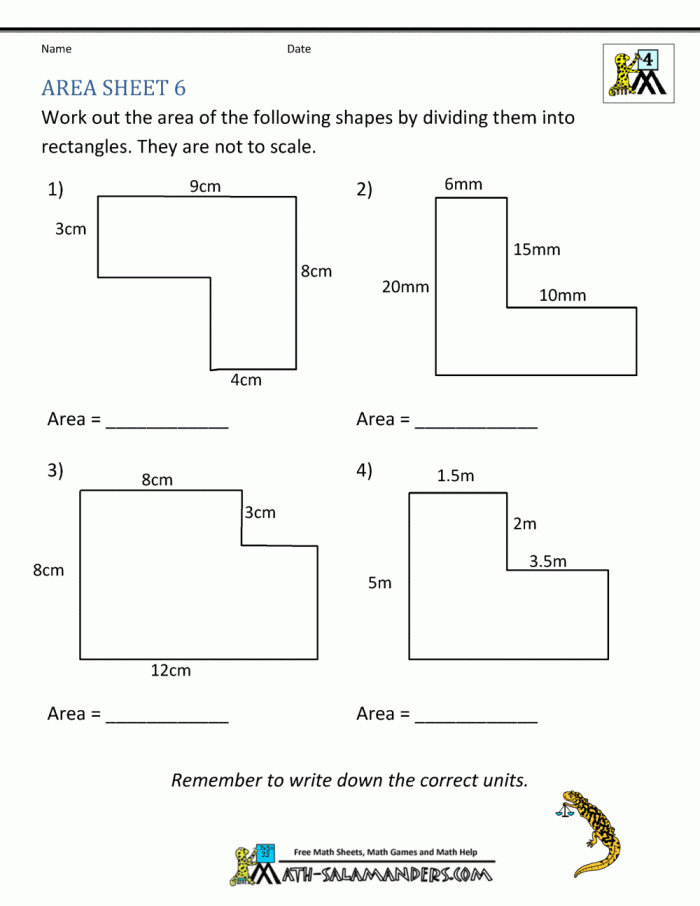
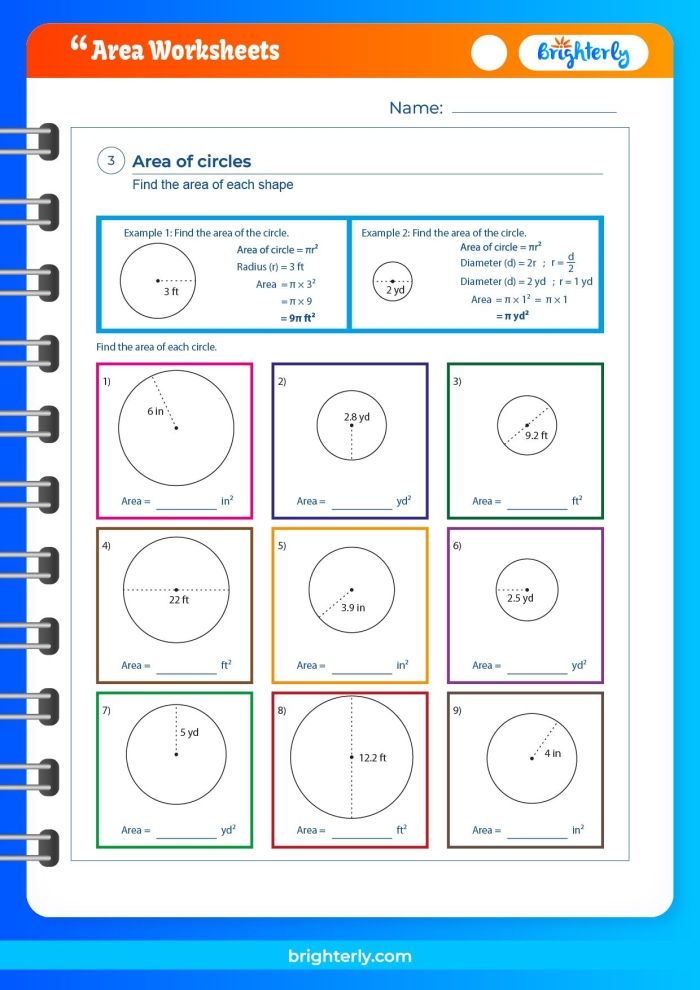
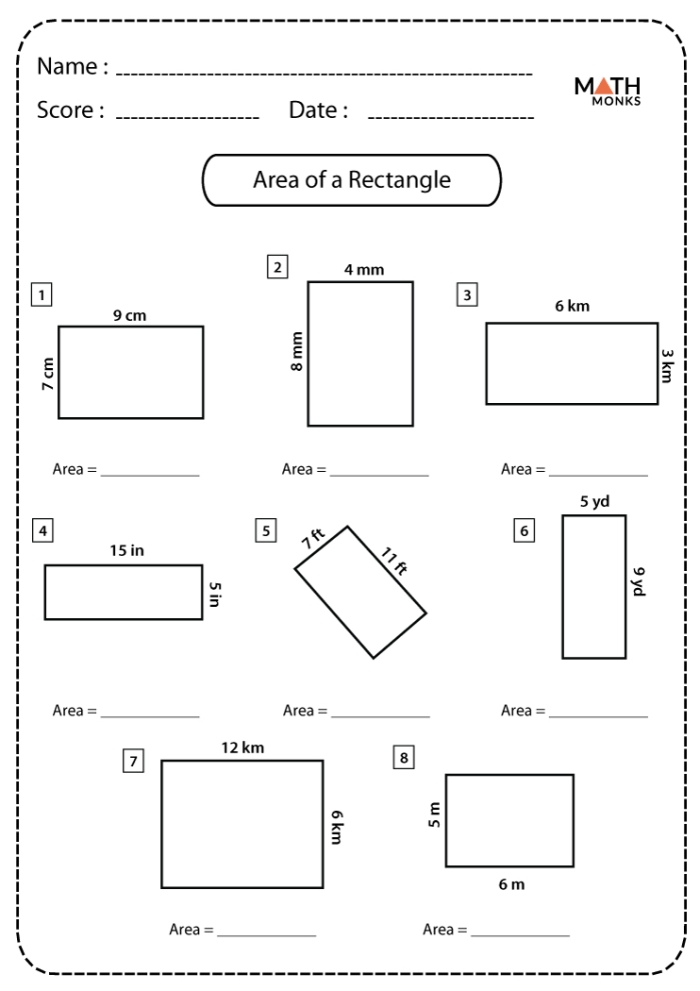
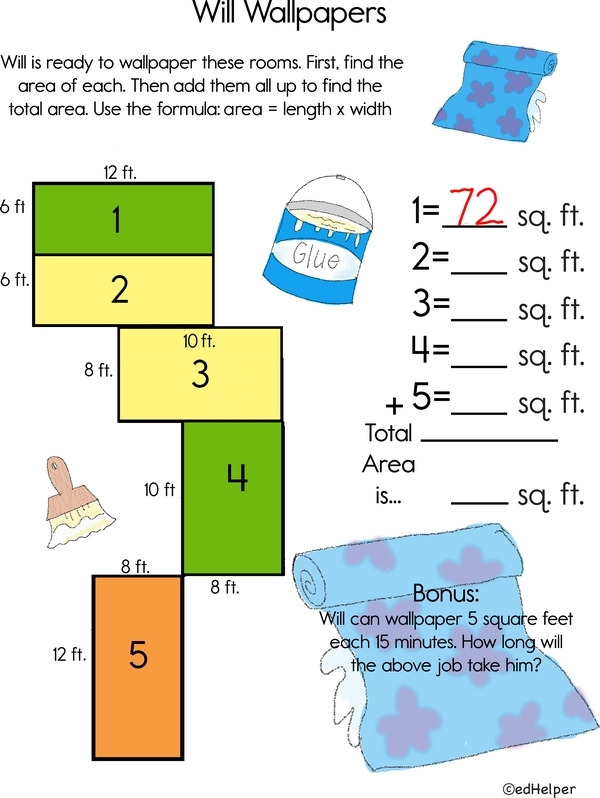
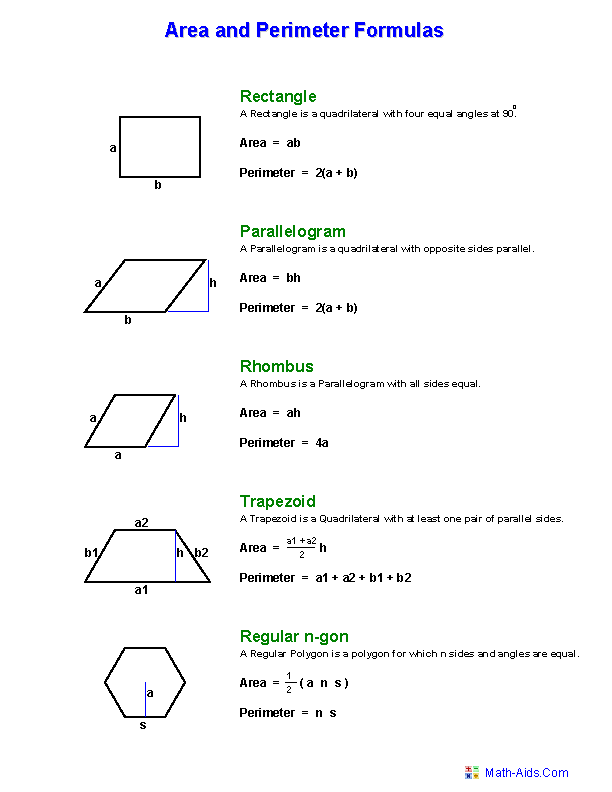
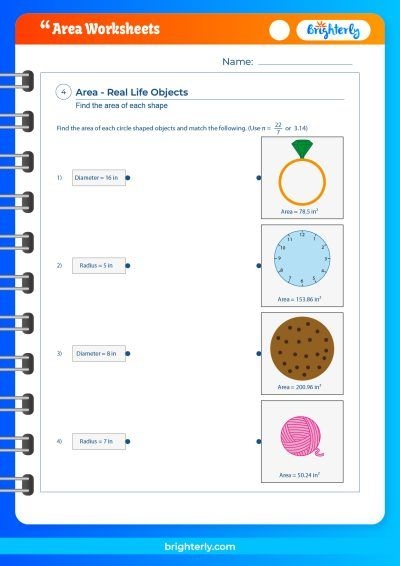
For teachers looking to enhance their students’ grasp of area, printable Everyday Area worksheets can be a valuable resource. These worksheets allow students to practice their skills in a fun and interactive way, reinforcing the connection between addition and multiplication in calculating area. As students progress, they can explore more complex shapes and learn to apply their knowledge across various contexts.
By focusing on both adding and multiplying, third graders can develop a comprehensive understanding of area, preparing them for future mathematical challenges.
Use These Worksheets Today