Ever wonder how the plasma TV came to be? The story of television is a fascinating journey filled with ingenuity and persistence, thanks to the efforts of numerous inventors over the years. From the early mechanical devices to the sleek plasma screens we enjoy today, each innovation has paved the way for the next.
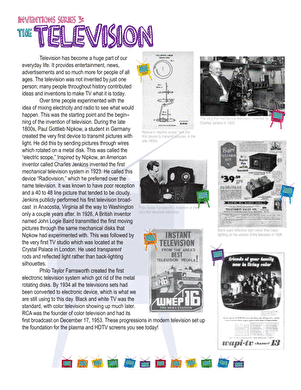
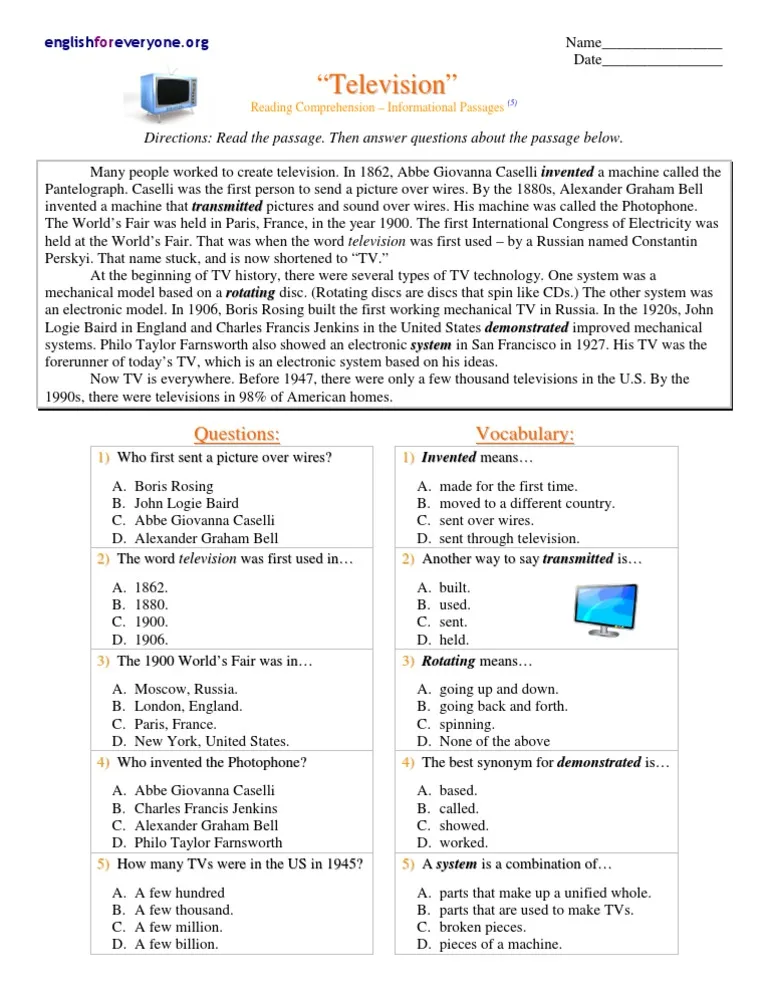
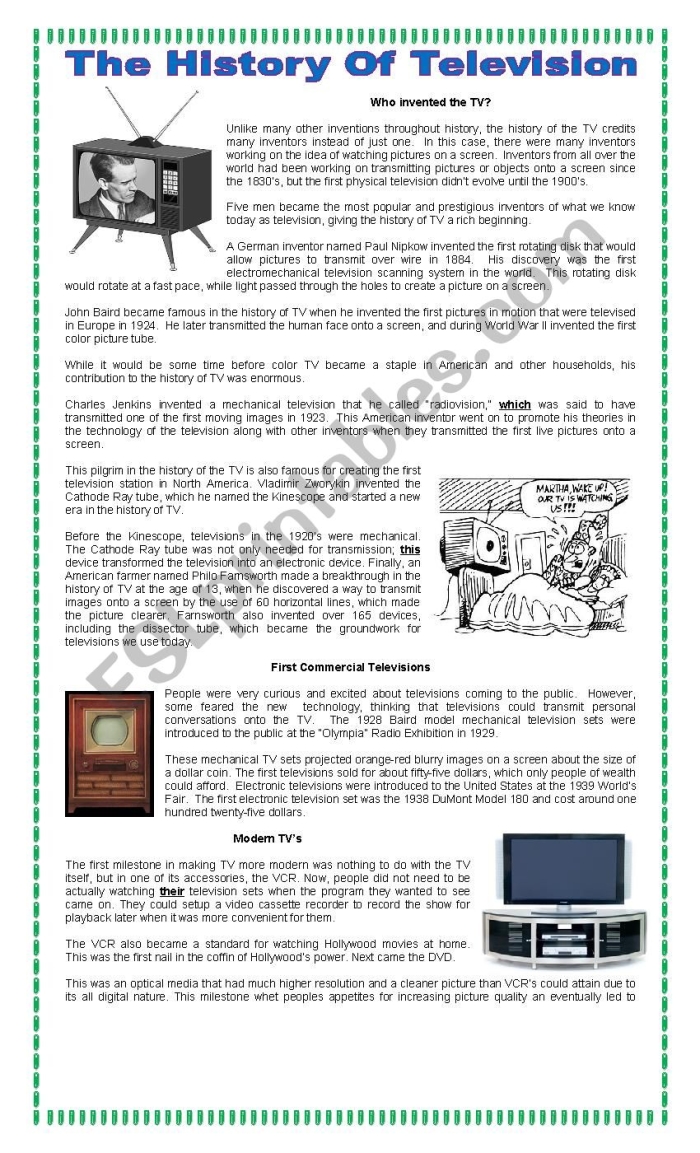
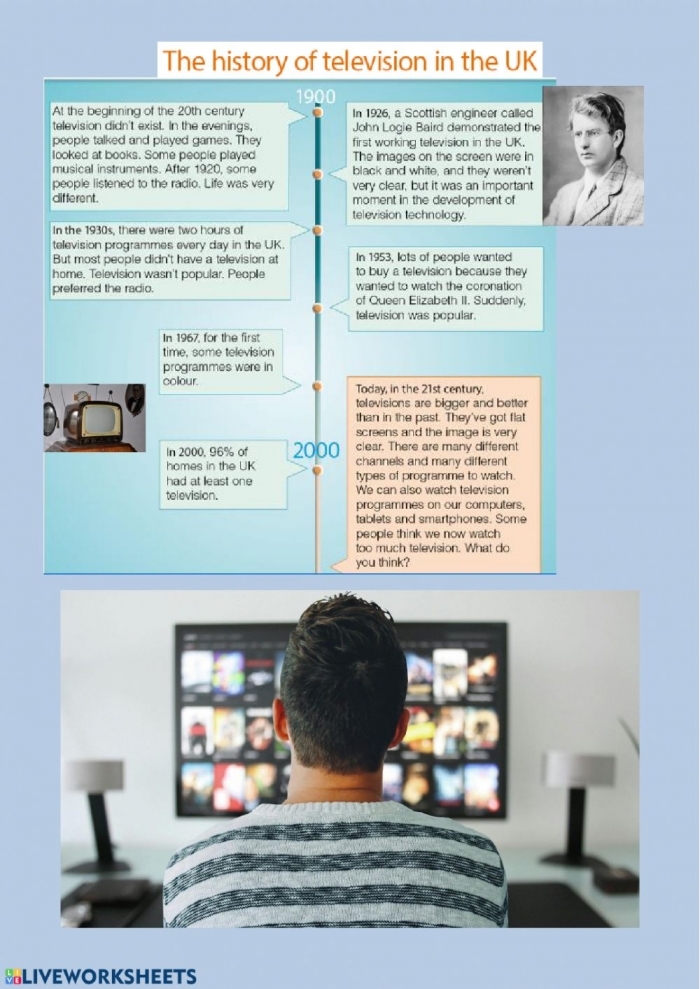
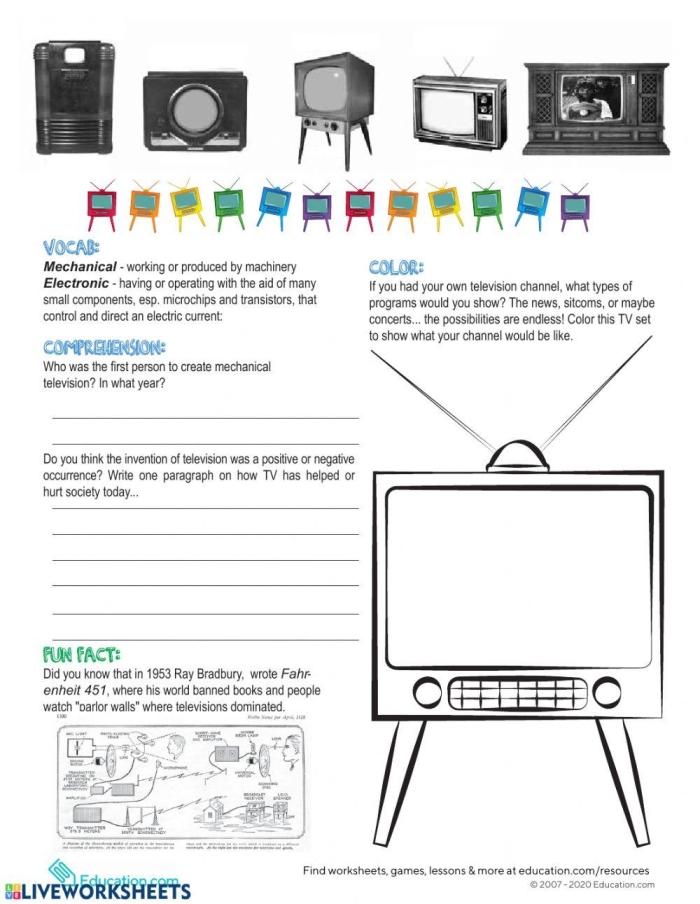
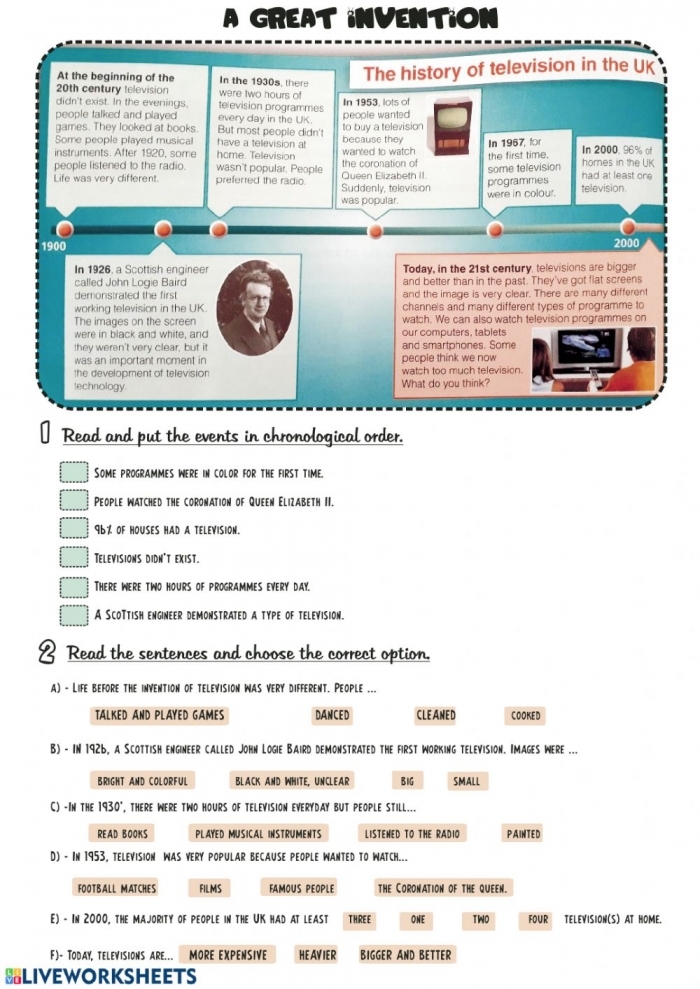
The first steps toward television began in the late 19th century, when inventors like Paul Nipkow created the Nipkow disk in 1884. This mechanical device allowed for the transmission of images, albeit in a very rudimentary form. It wasn’t until the 1920s that electronic methods took center stage, with figures like Philo Farnsworth and John Logie Baird making significant advancements. Farnsworth is known for developing the first fully electronic television system, which he demonstrated in 1927, while Baird showcased the first public demonstration of television in London in 1926.
Fast forward to the 1960s, when color television began to dominate households. This leap brought a new level of excitement to viewing experiences, making shows and news broadcasts more engaging. The development of flat-screen technology in the late 20th century redefined how we consume television. The introduction of plasma technology in the late 1990s marked a significant milestone. Plasma TVs offered vibrant colors and a wider viewing angle, quickly becoming a favorite among consumers.
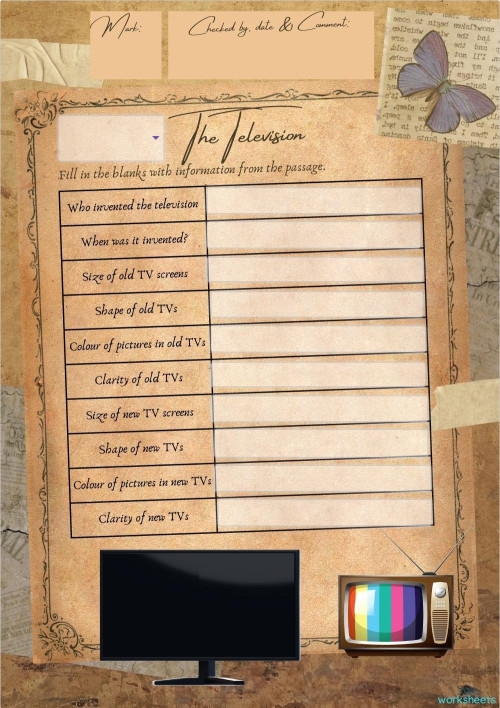
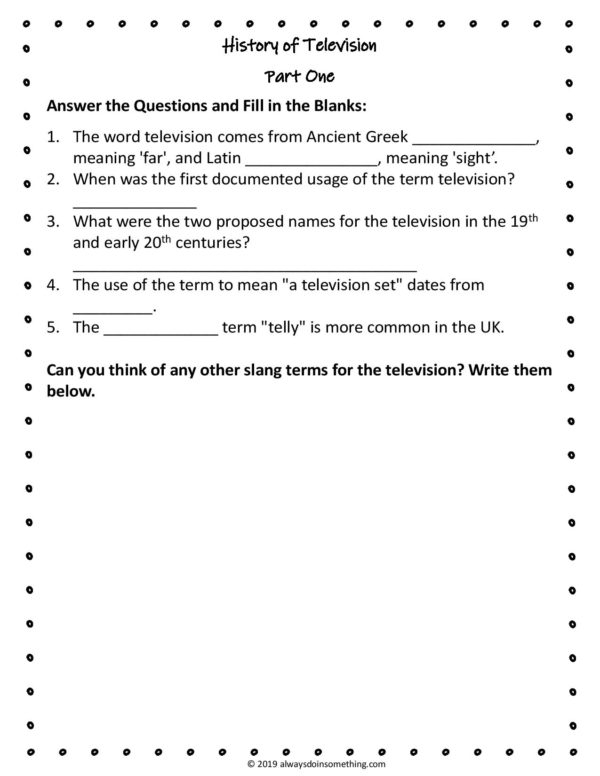
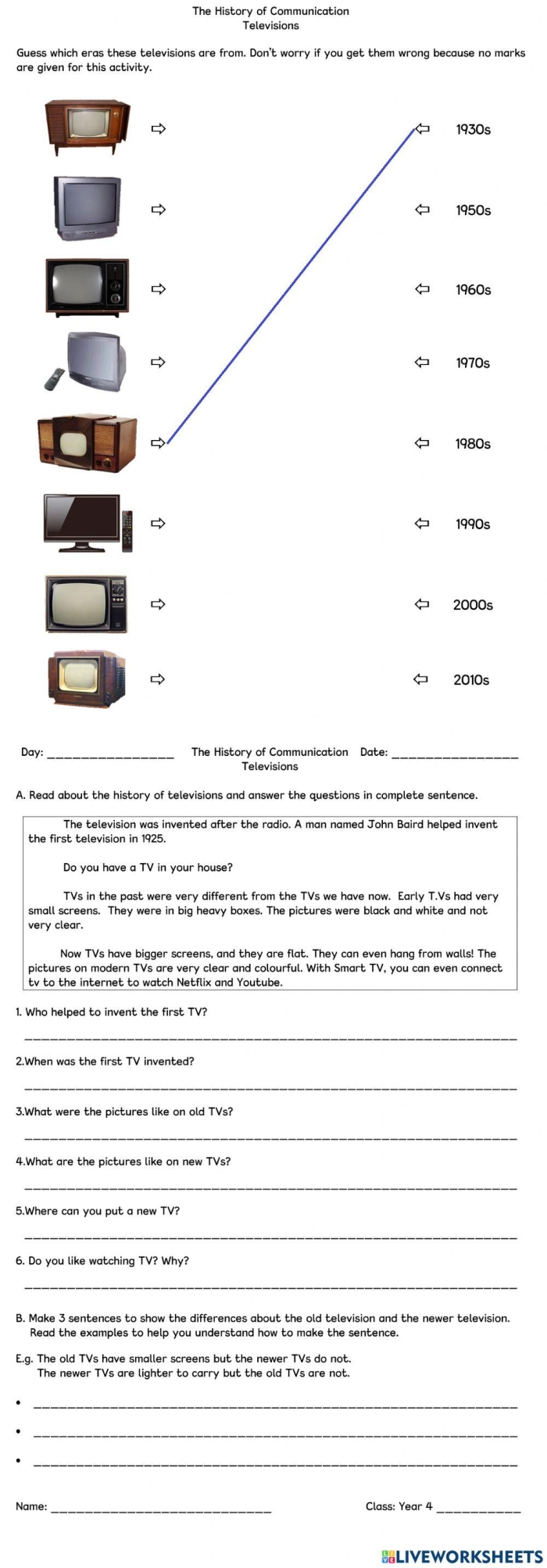
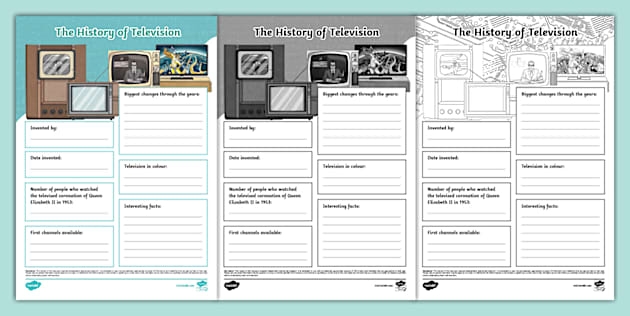
Today, as we reflect on the history of television, it’s important to recognize how each inventor built upon the ideas of those before them. For fifth graders studying grammar and mechanics, creating a printable history of television worksheets can be a fun way to learn about these innovations while practicing writing skills.
Television technology continues to evolve, and while we can’t predict every future advancement, understanding its roots helps us appreciate the incredible journey it has taken. Each stage of development reflects the creativity and determination of the inventors who made it possible.
Use These Worksheets Today