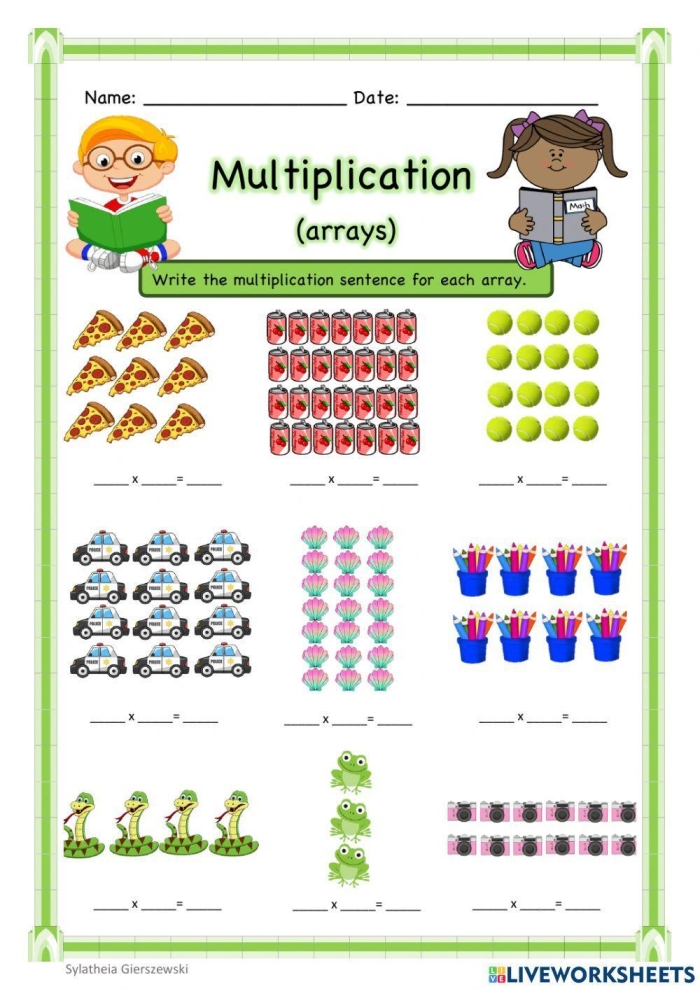
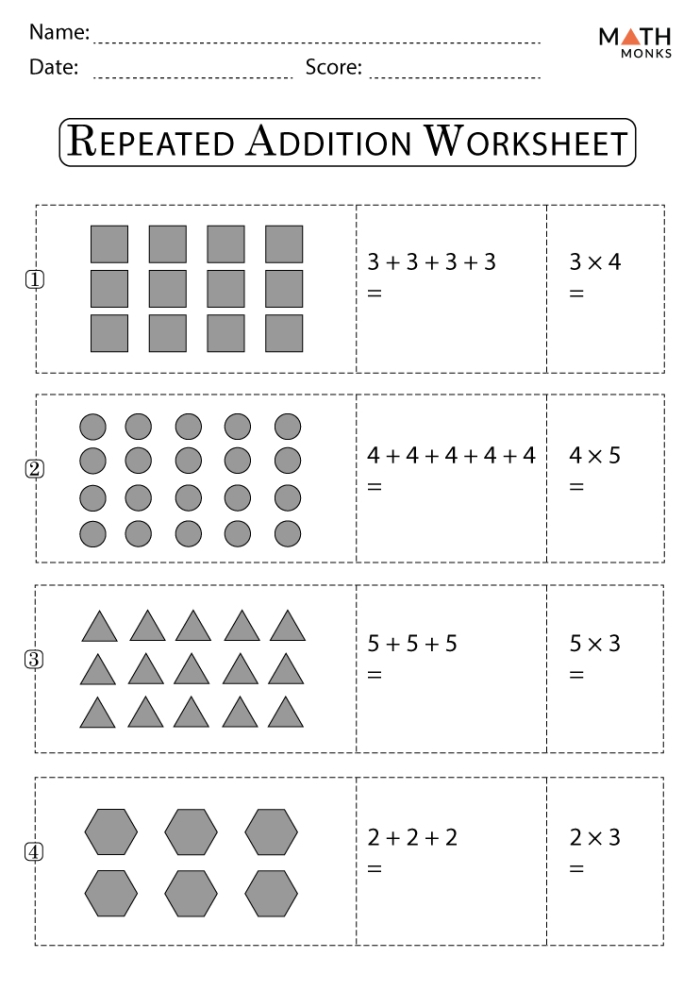
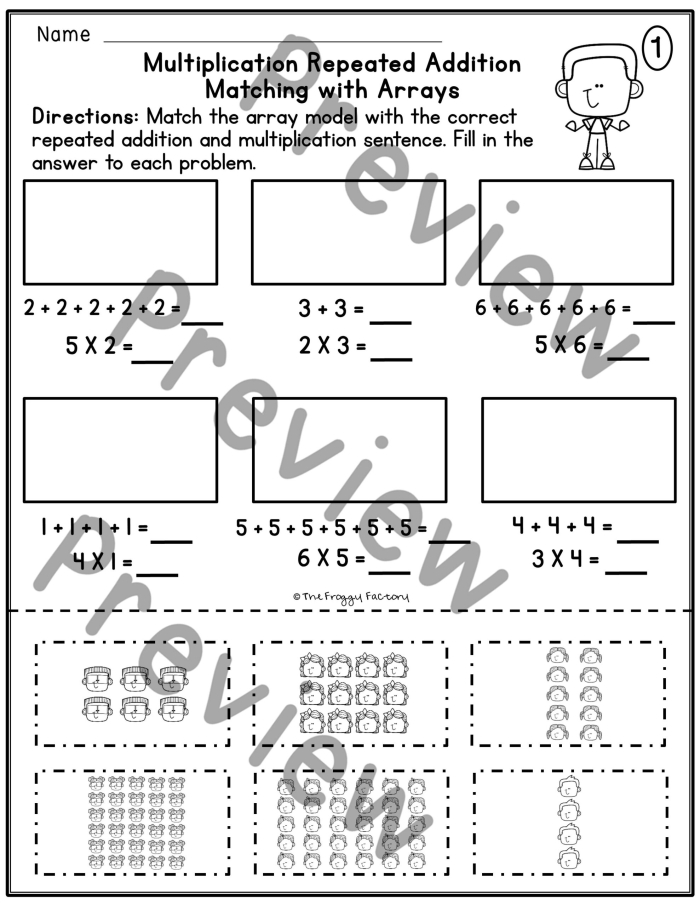
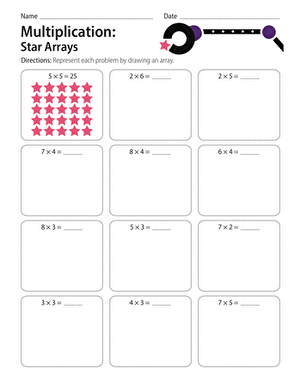
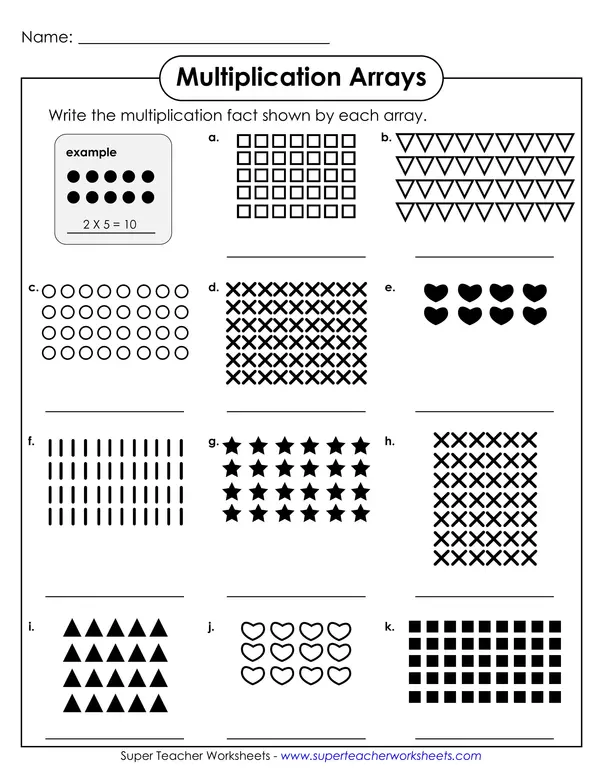
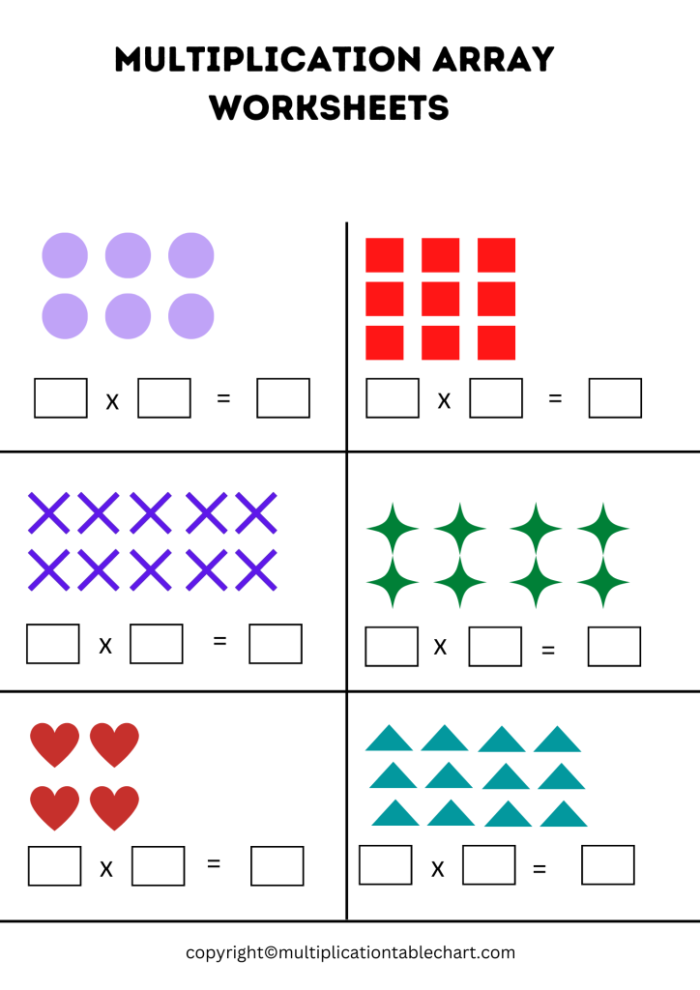
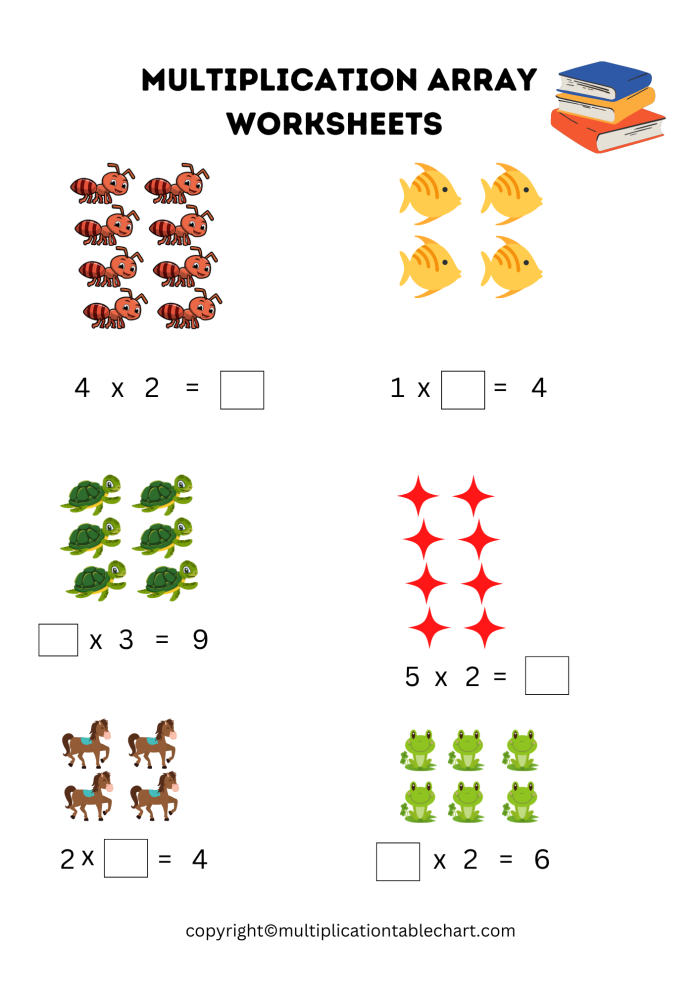
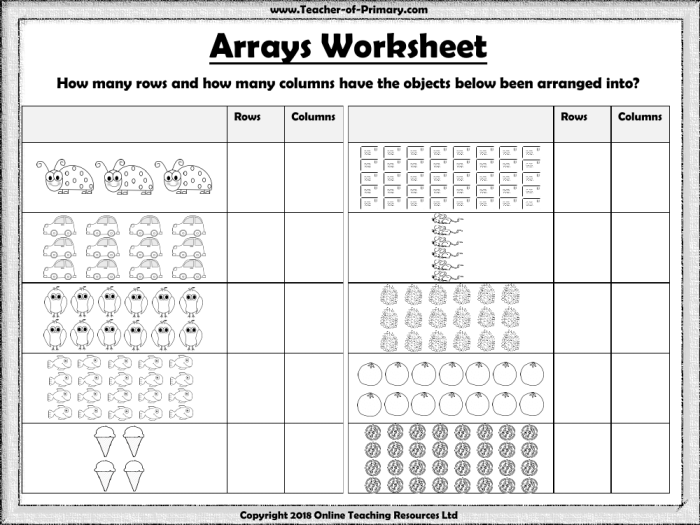
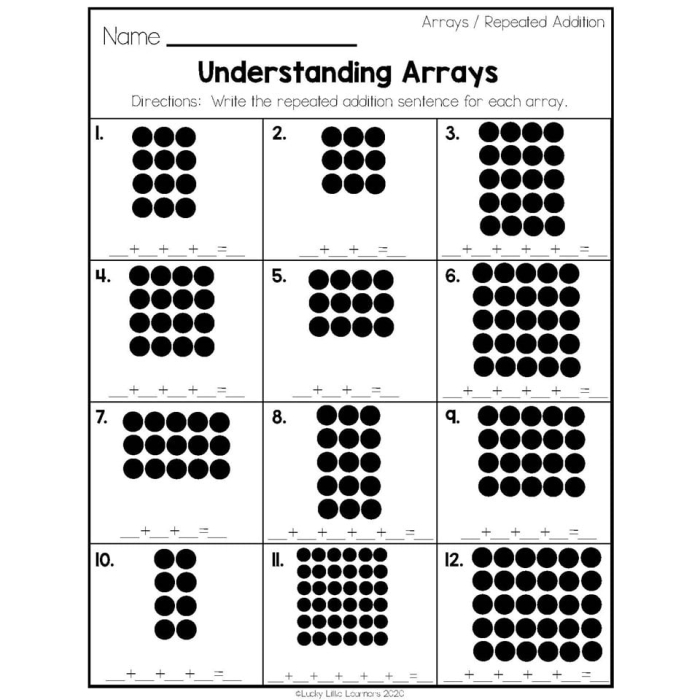
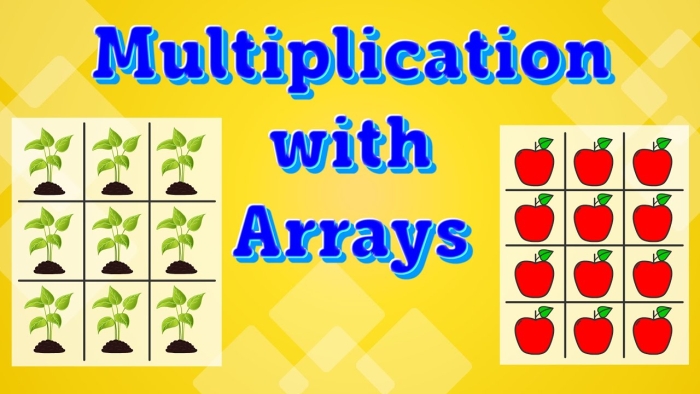
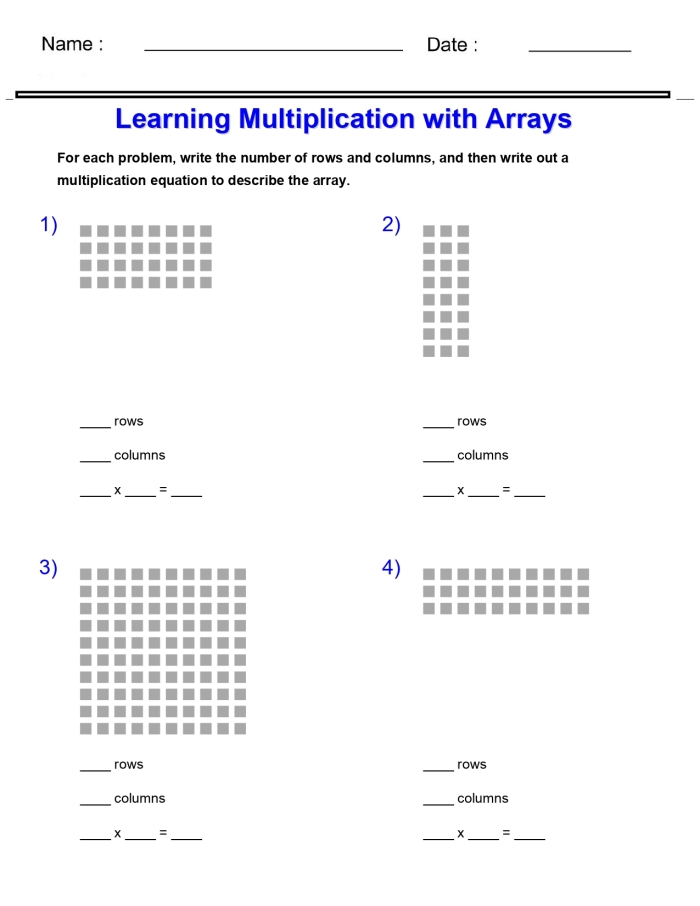
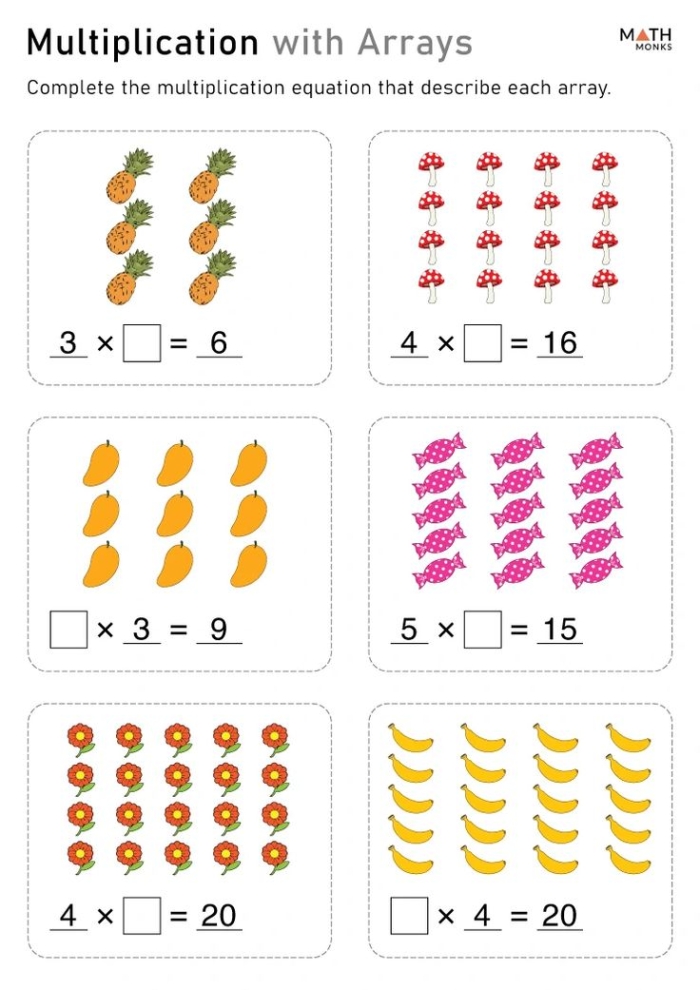
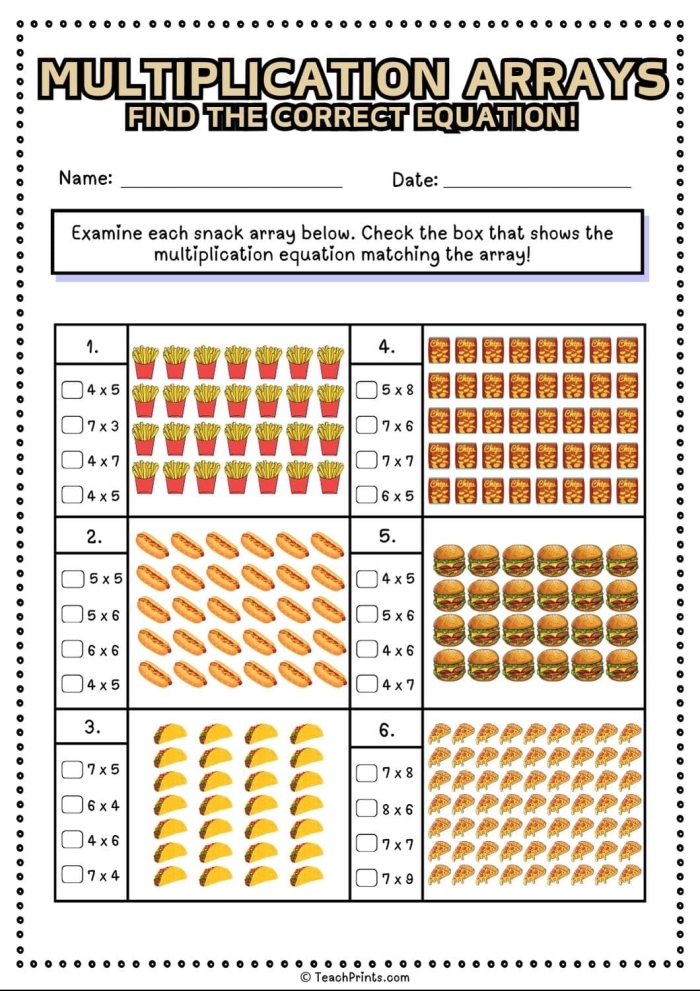
Star arrays offer a visual way for third grade students to understand multiplication as repeated groups. When children work through 11 single-digit multiplication problems using this method, they’re building a concrete foundation for abstract number relationships.
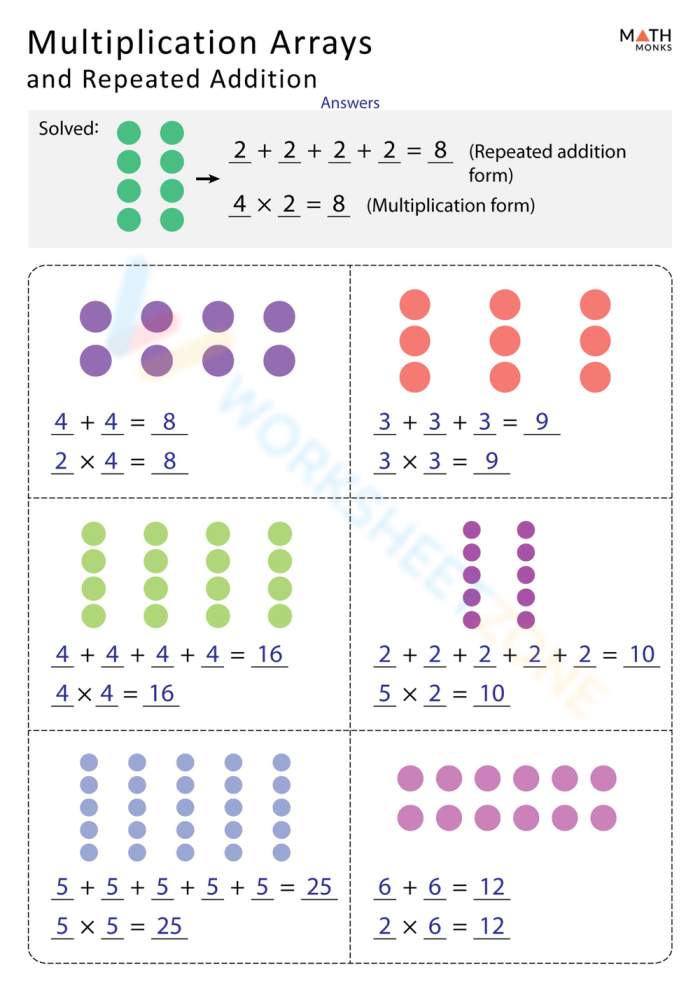
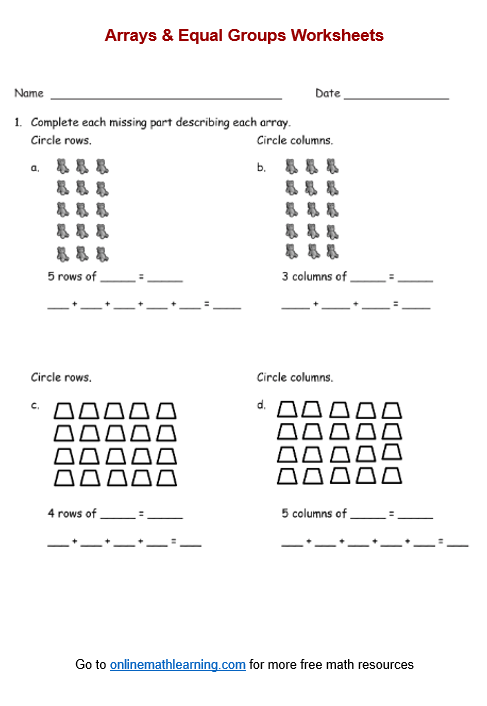
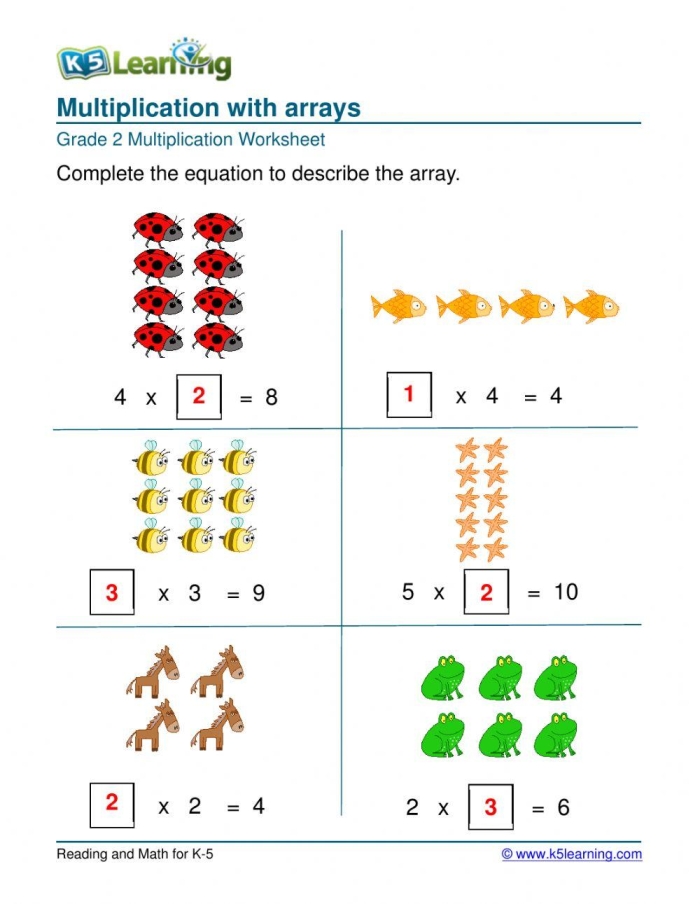
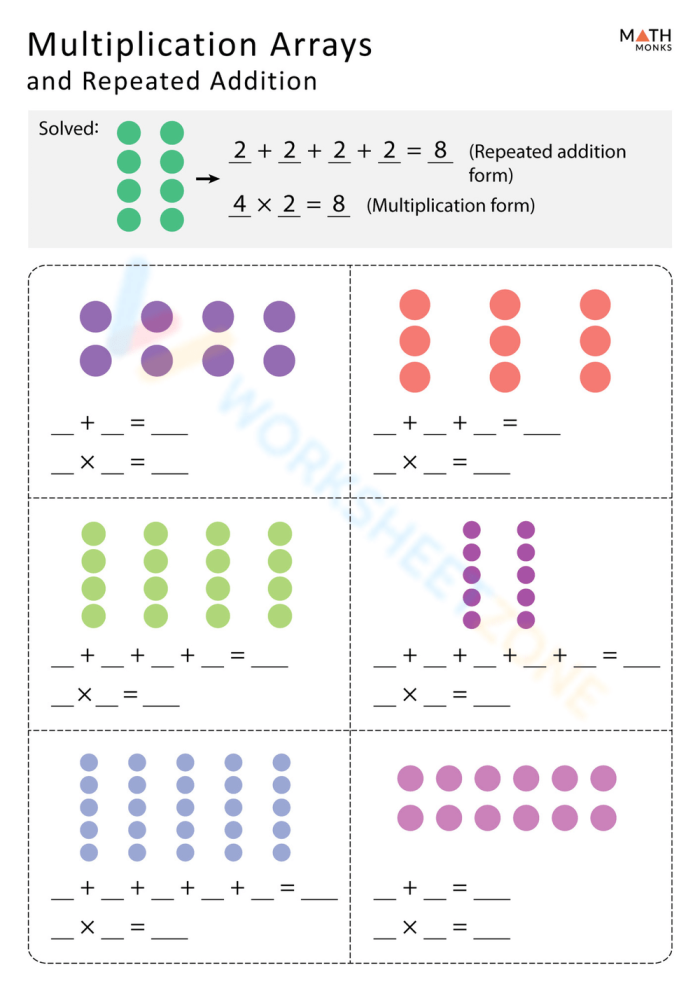
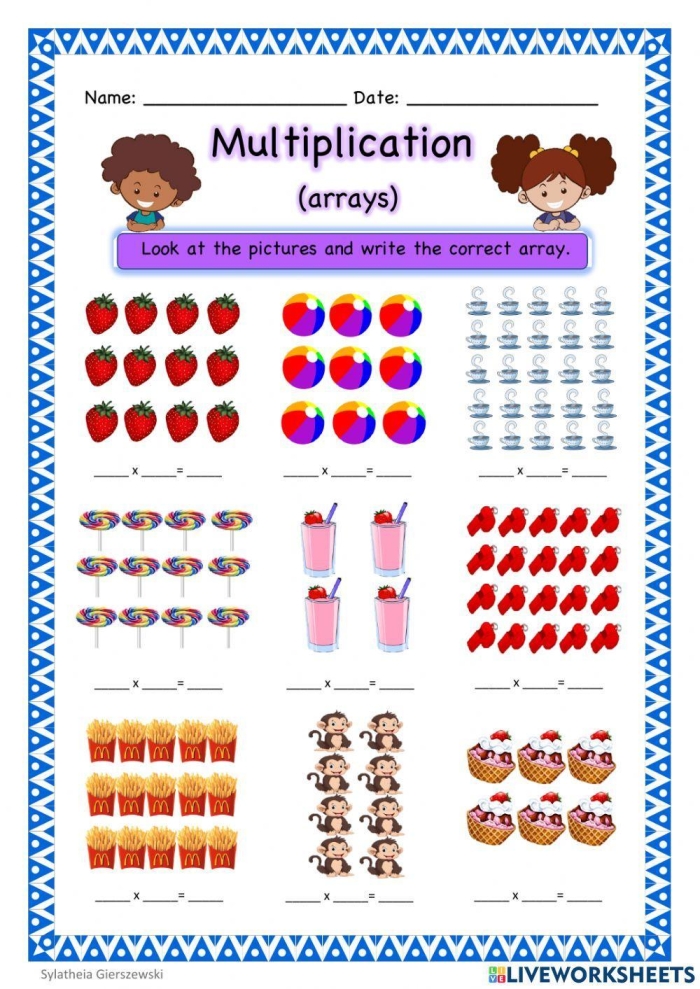
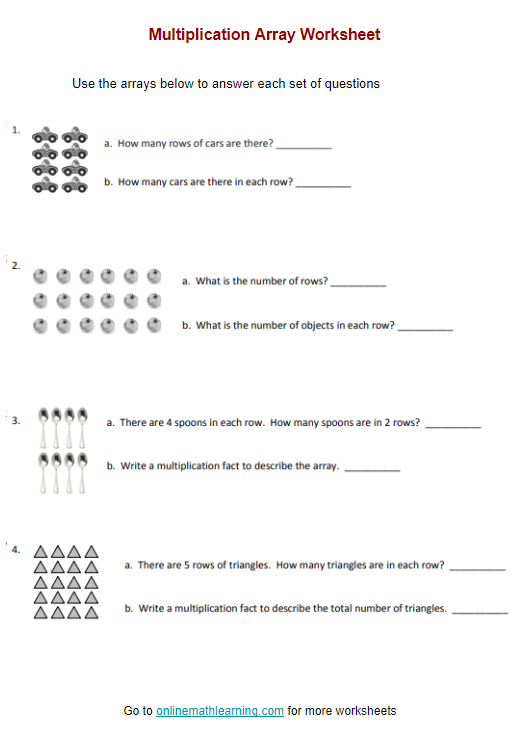
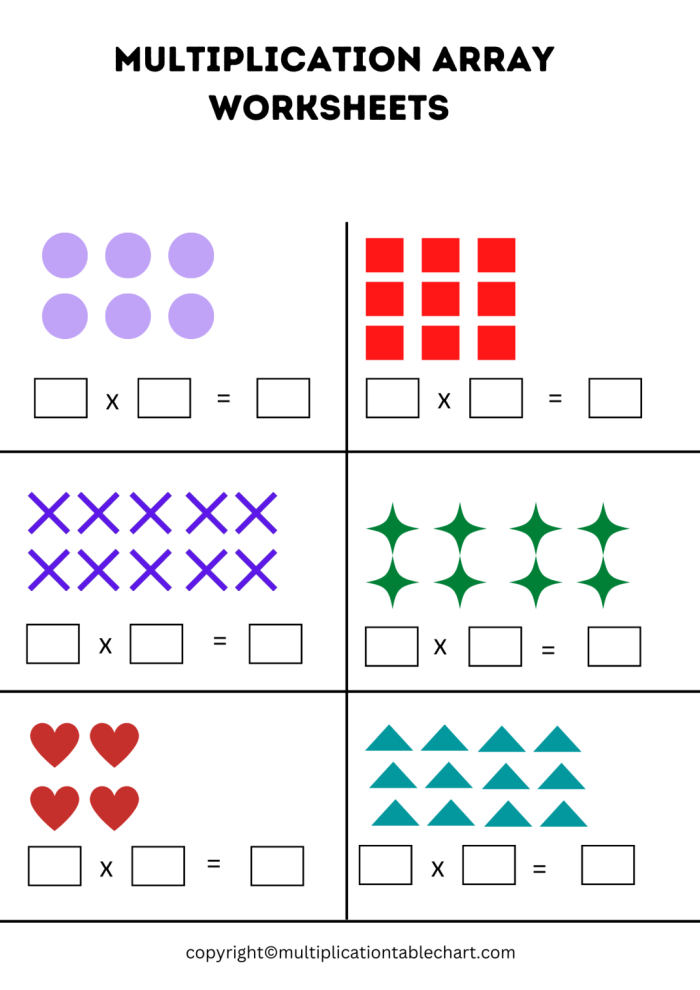
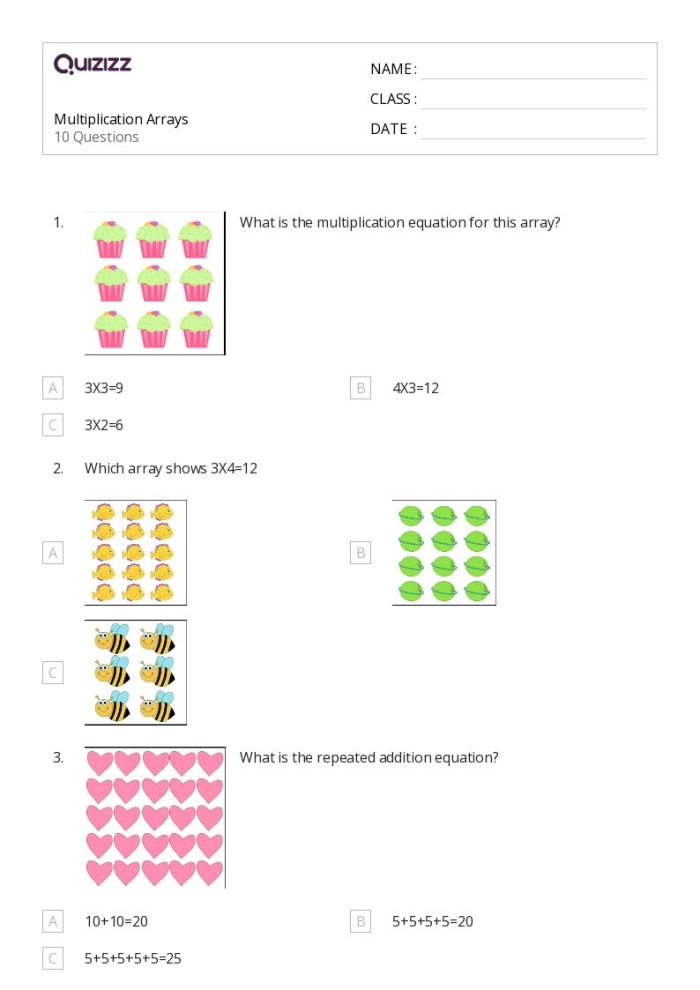
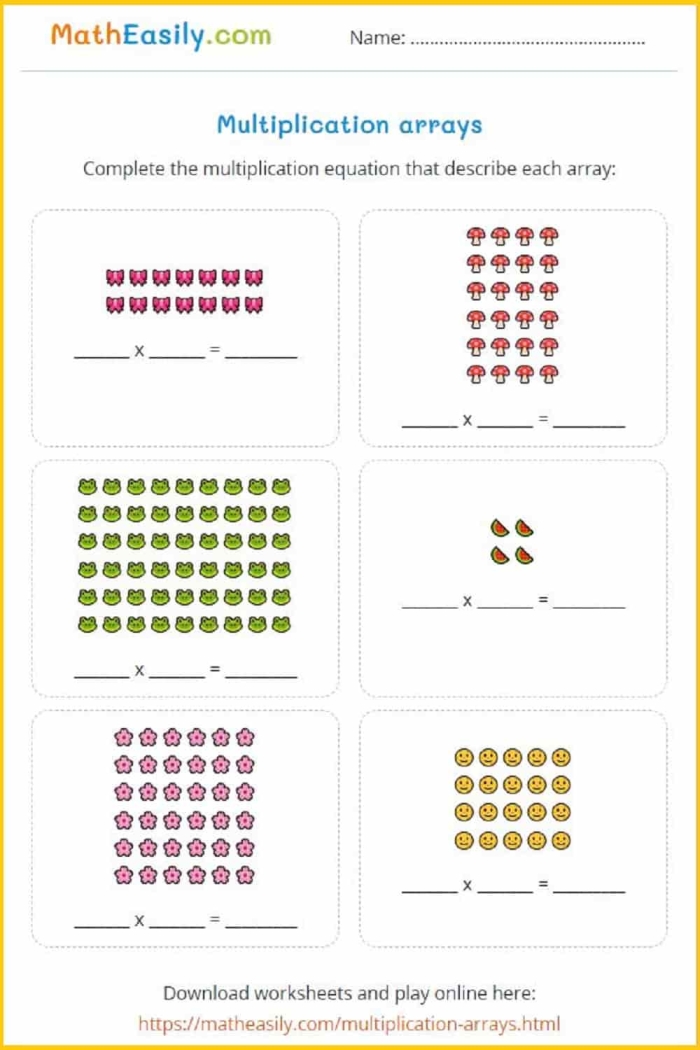
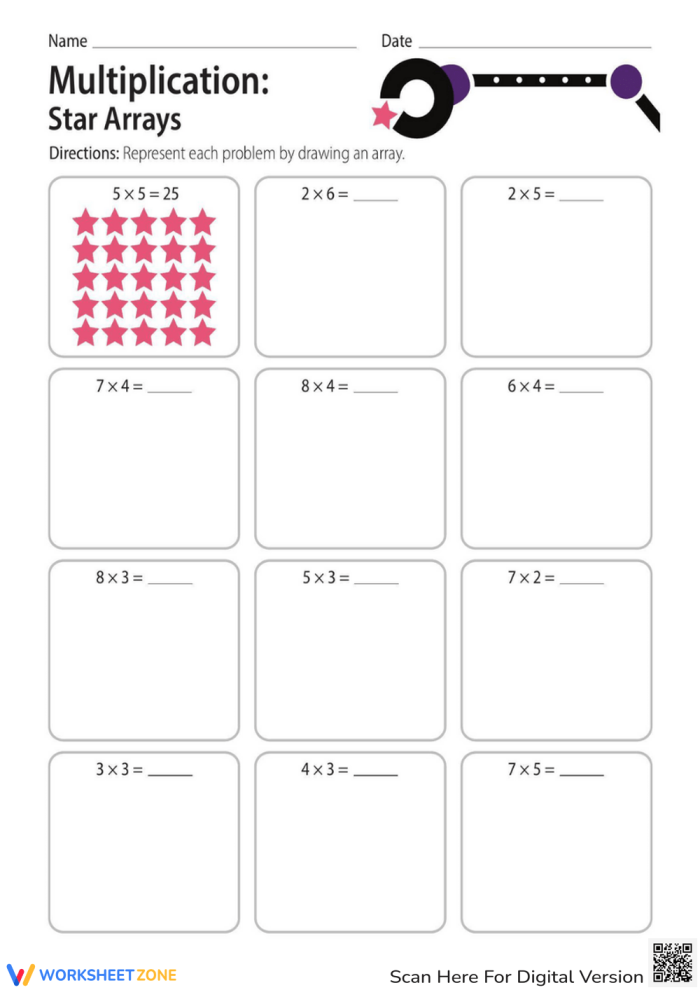
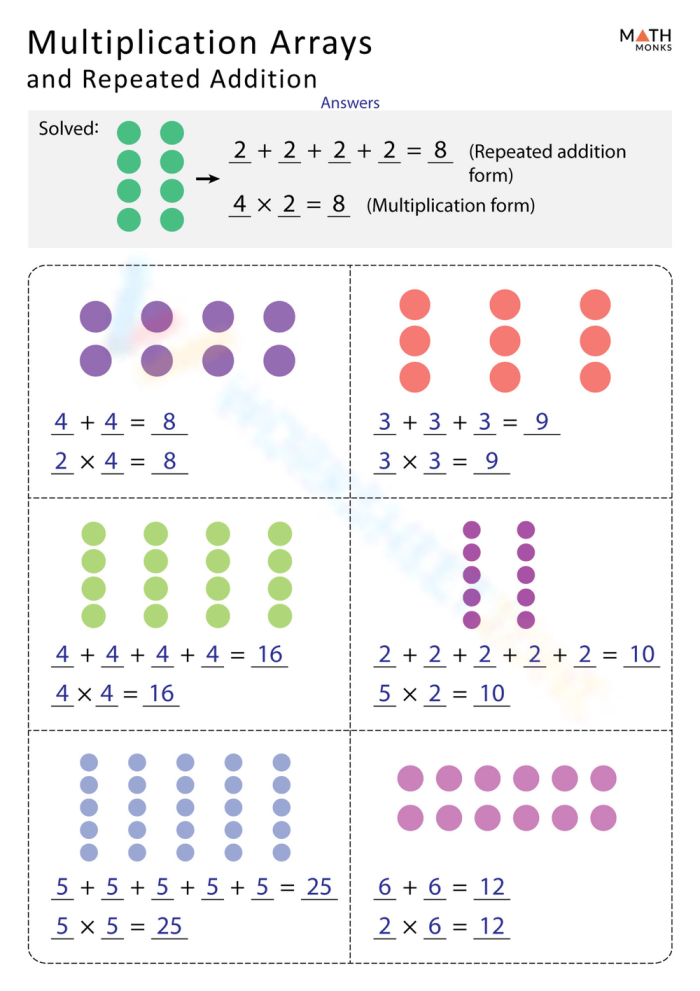
A star array arranges objects, typically dots or stars, in rows and columns to represent multiplication. For example, a 3 by 4 star array shows three rows of four stars, making it clear that 3 × 4 equals 12. This visual representation helps students see multiplication differently than memorizing facts in isolation. Instead of treating multiplication as magic numbers to remember, kids recognize it as a way to count groups efficiently.
Working through multiple problems with star arrays builds pattern recognition. After solving several problems, students begin noticing that 2 × 5 and 5 × 2 produce the same answer, even though the arrays look different when rotated. This discovery about the commutative property happens naturally through hands-on work rather than through explanation alone.
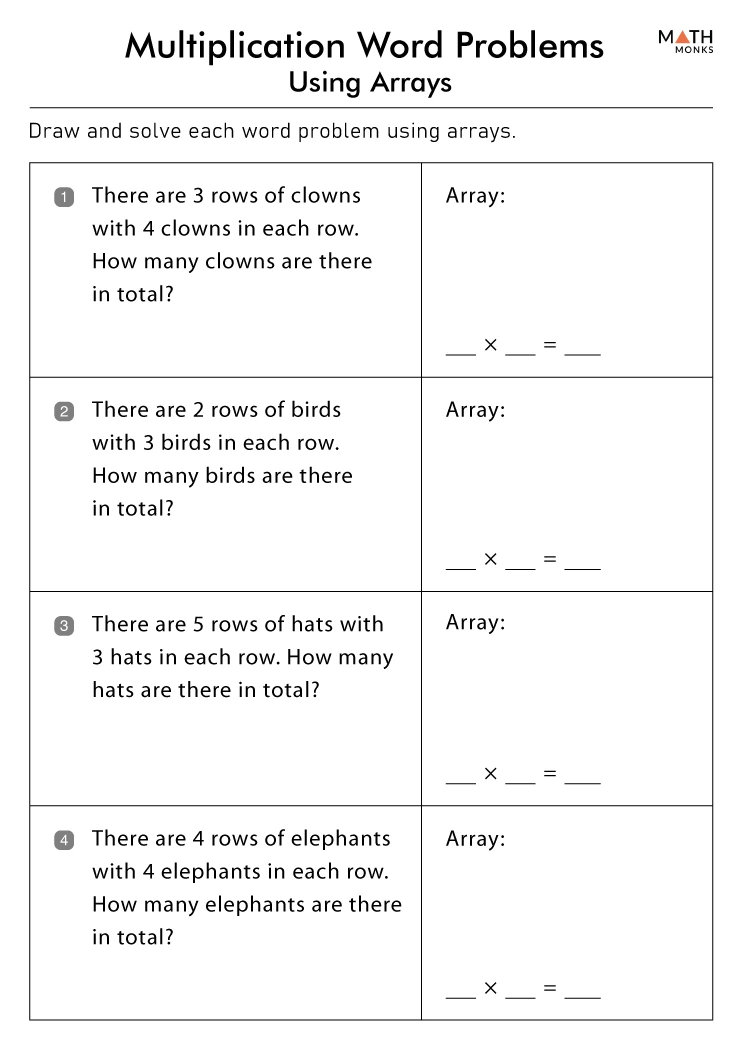
For third graders tackling multiplication word problems, star arrays serve as a reliable strategy when memory fails. A student who forgets 6 × 7 can quickly draw or visualize the array and count to find the answer. This builds confidence because the method always works.
The 11-problem set provides enough repetition for skill development without overwhelming young learners. Each problem reinforces the array concept while covering different number combinations. Teachers often pair star array practice with geometry work exploring shapes, since arrays themselves are rectangular arrangements worth examining.
Students who engage with star arrays develop flexibility in solving multiplication problems, moving beyond rote memorization toward genuine understanding of how numbers combine and relate to one another.
Start Practicing with These Worksheets