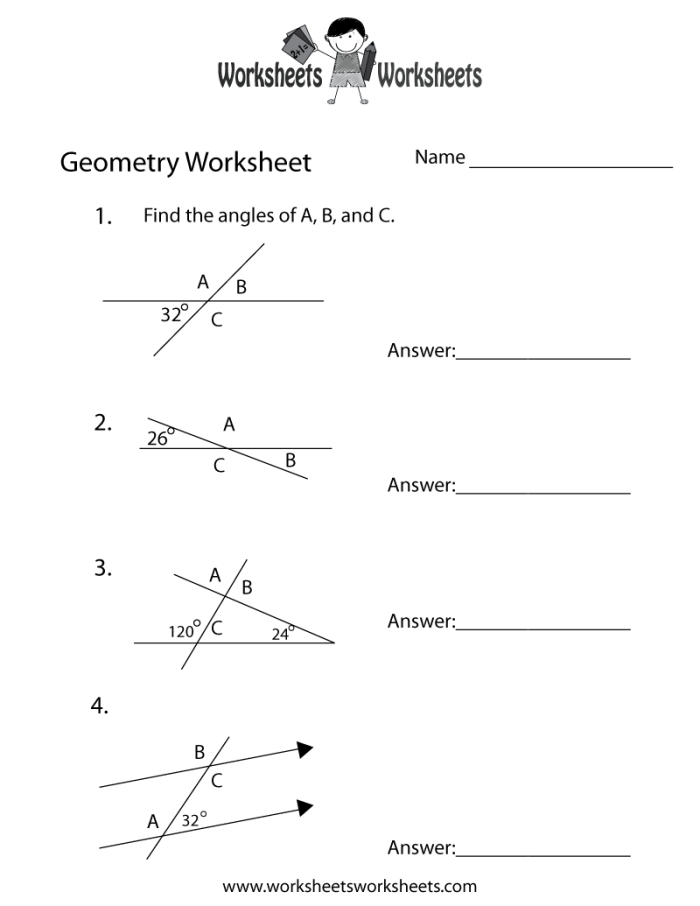
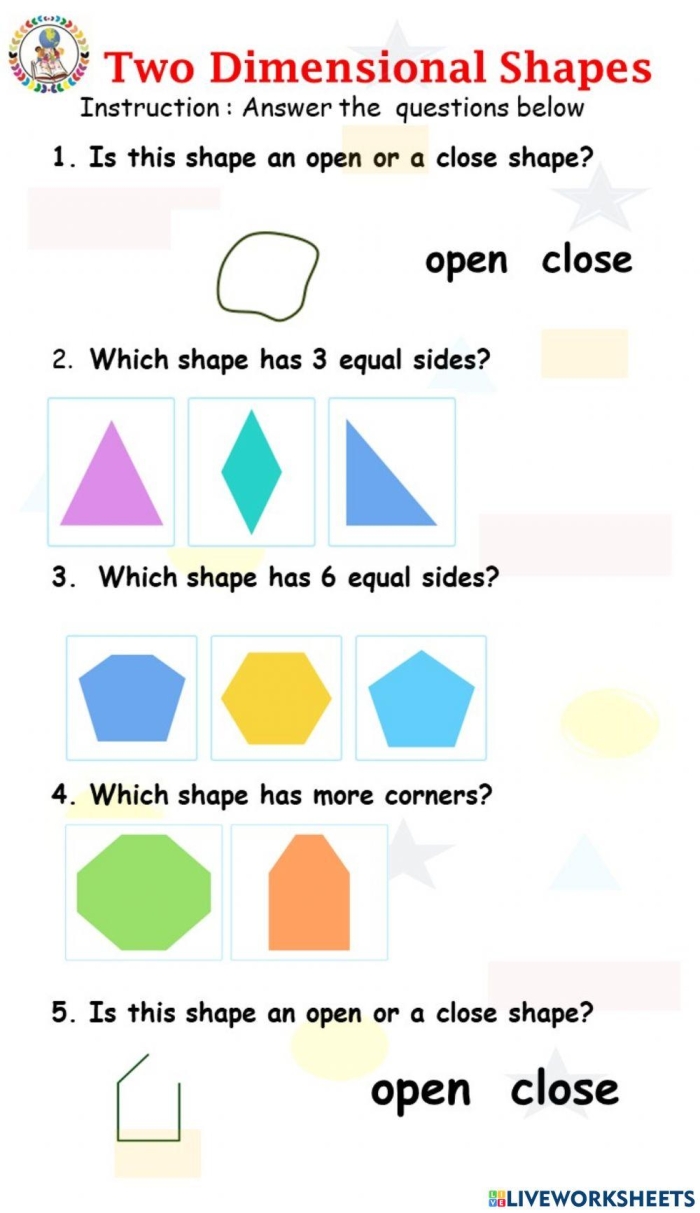
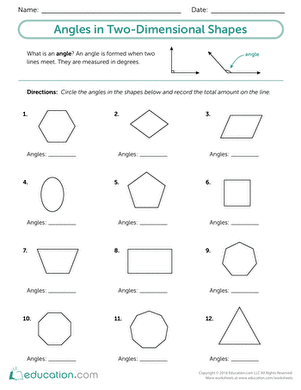
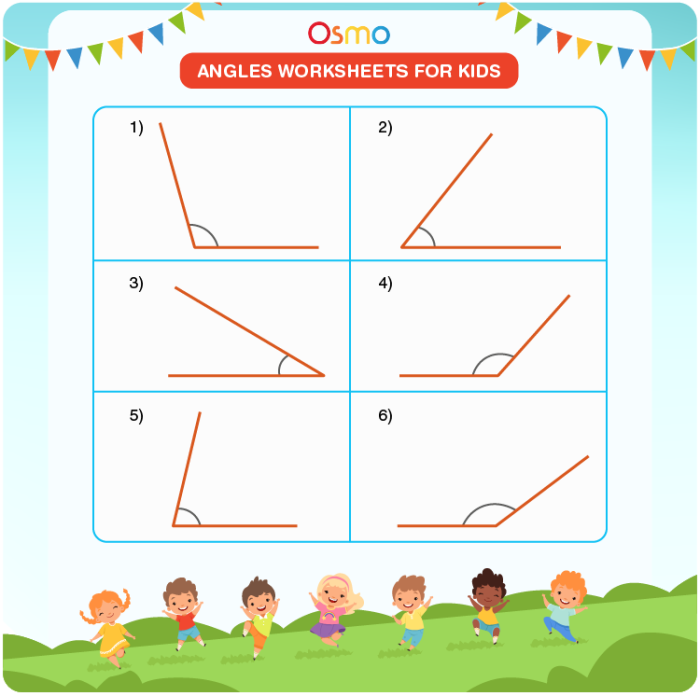
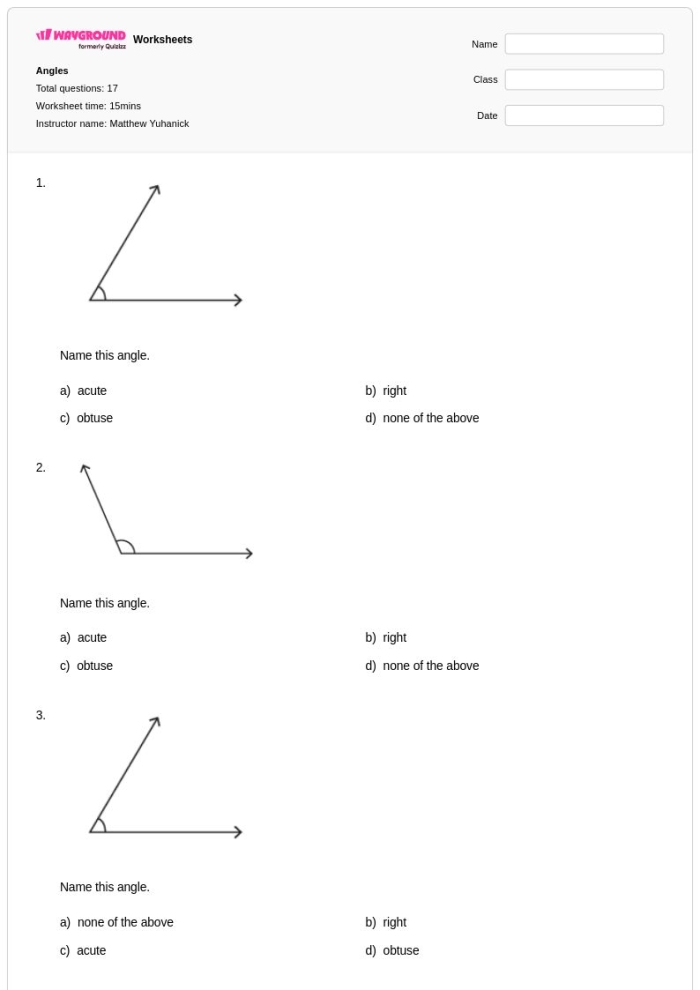
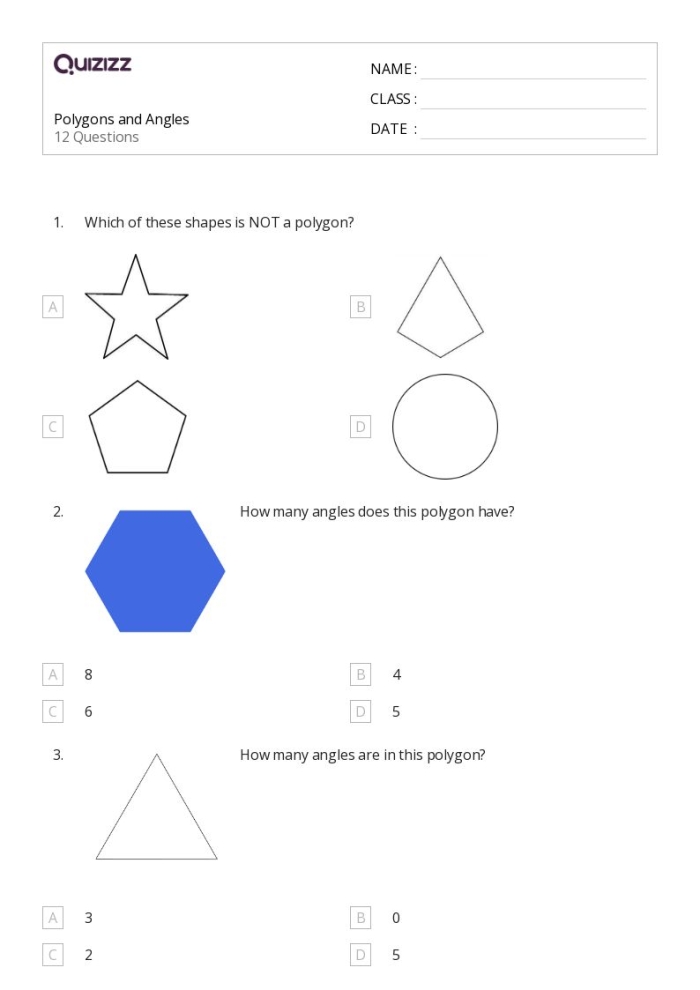
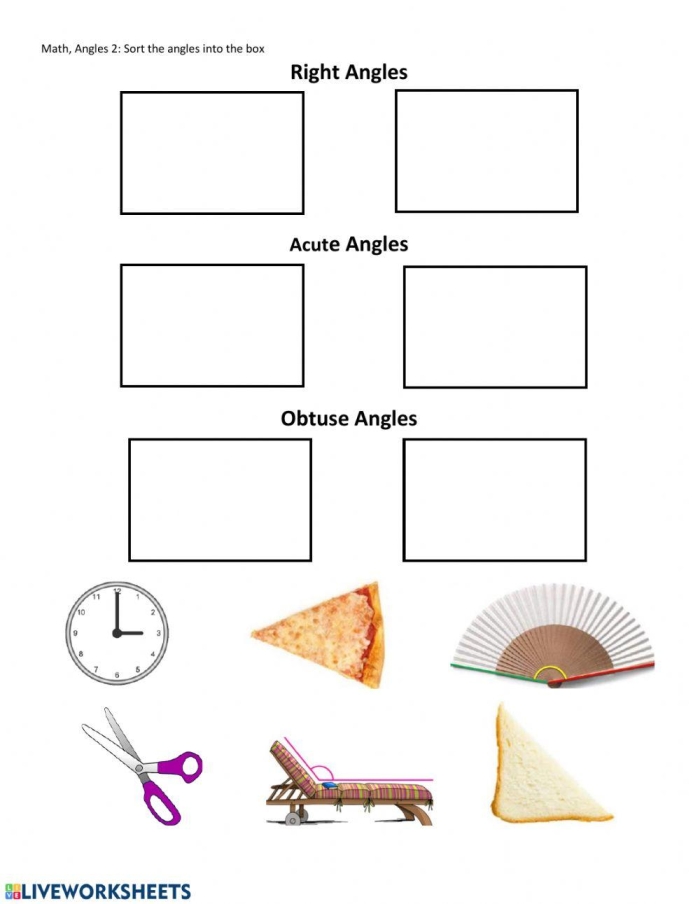
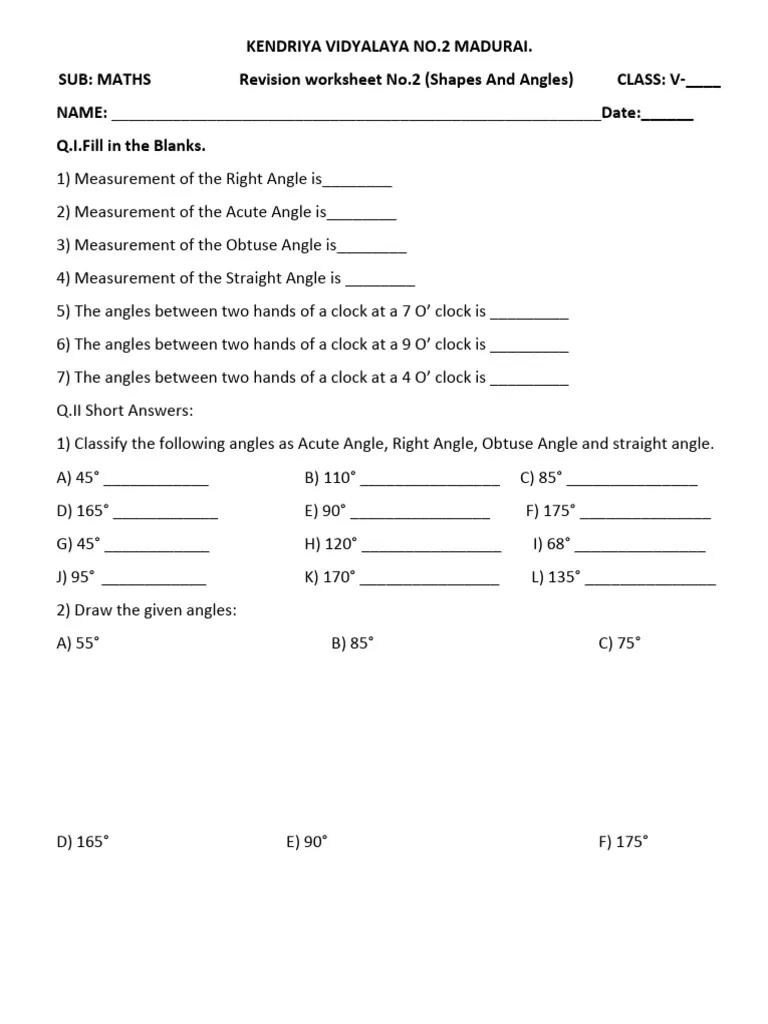
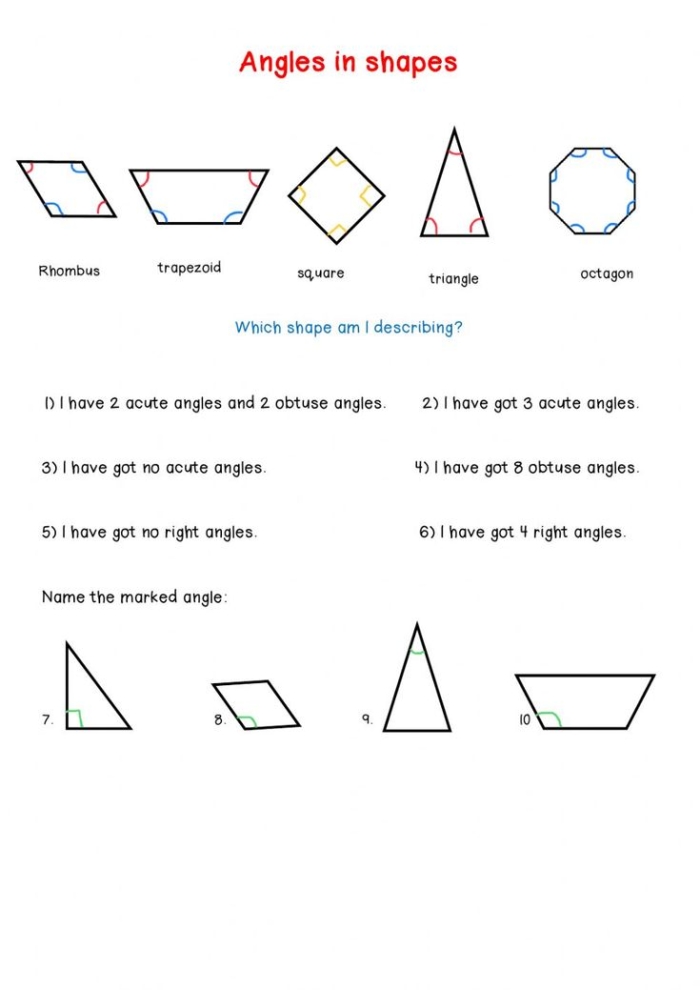
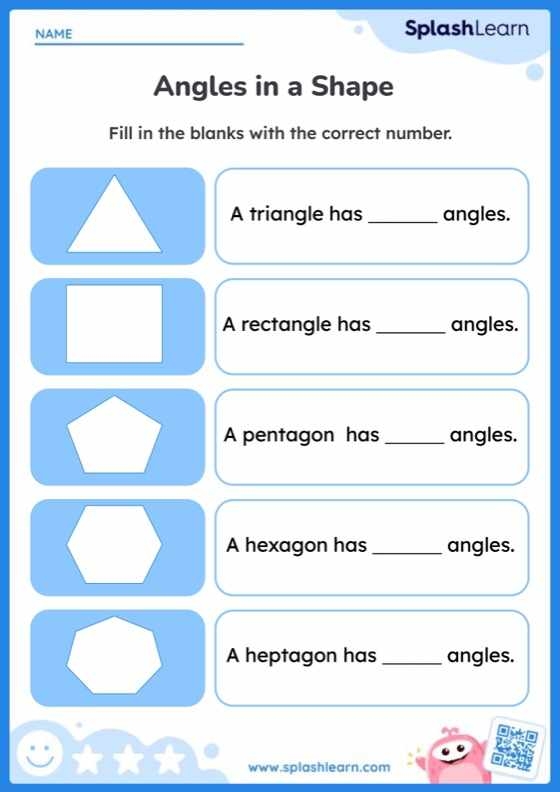
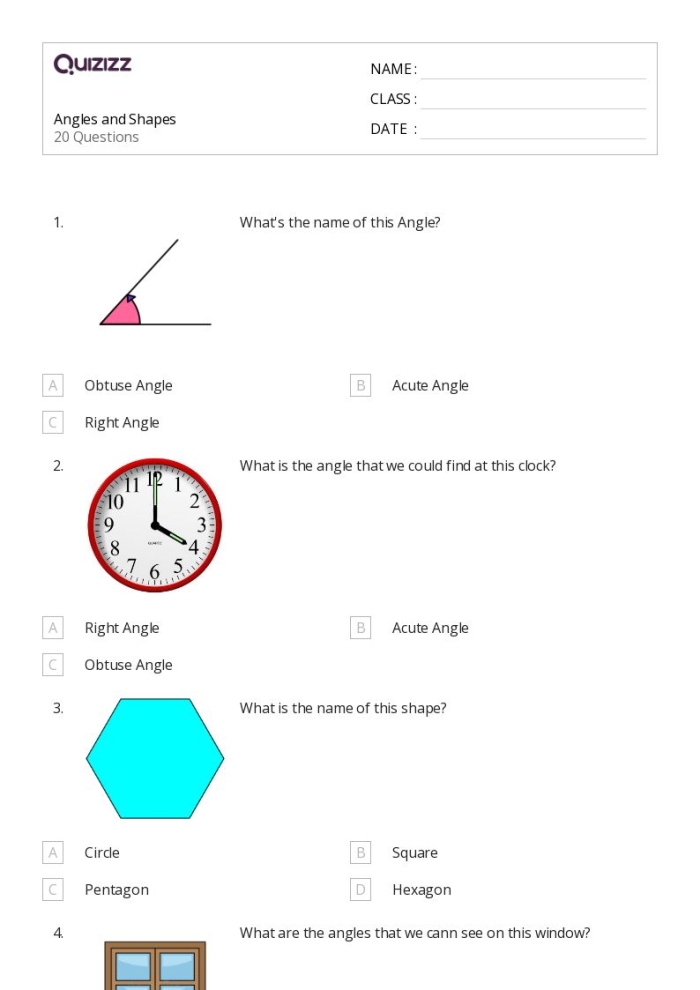
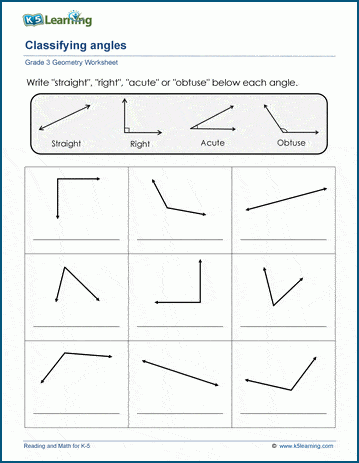
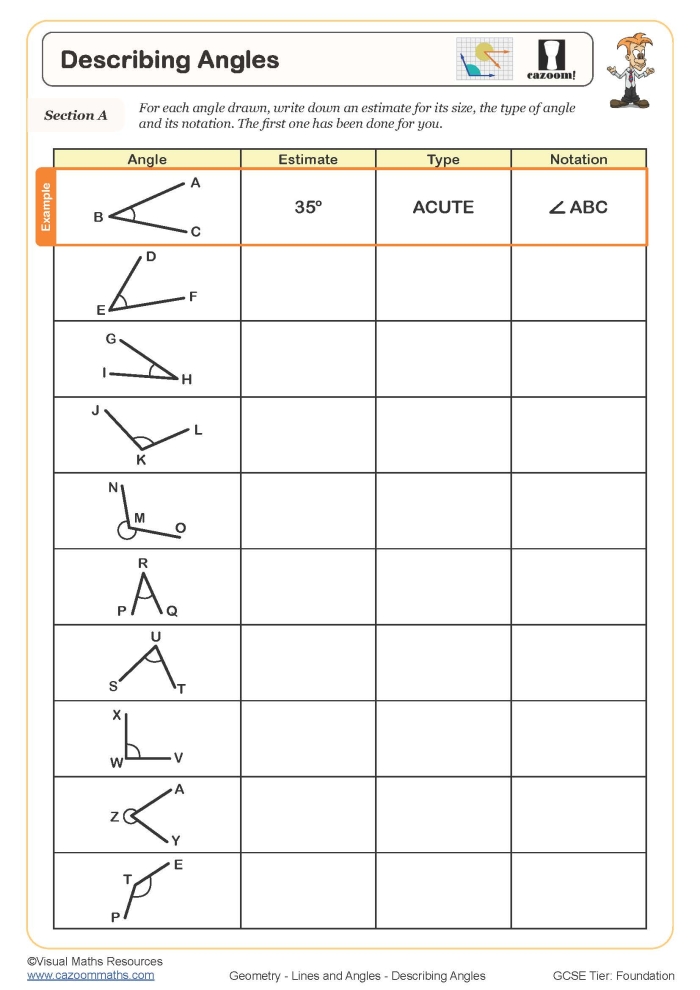
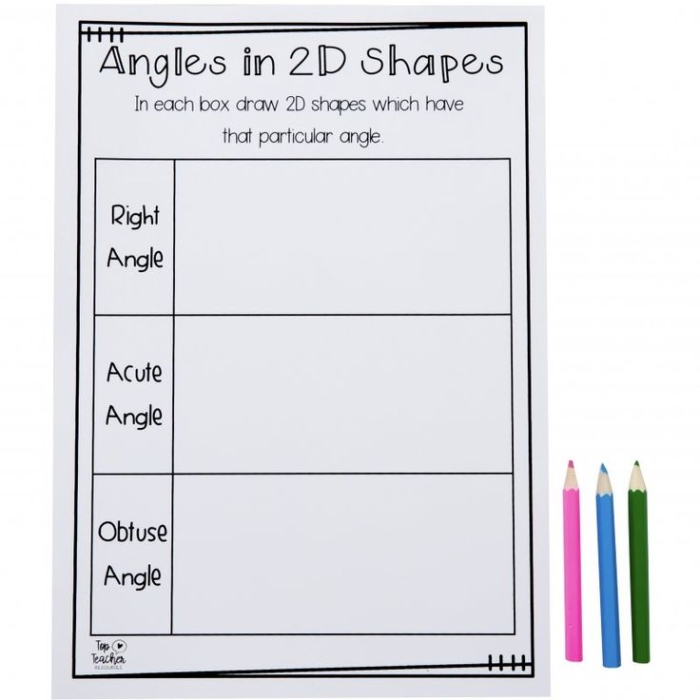
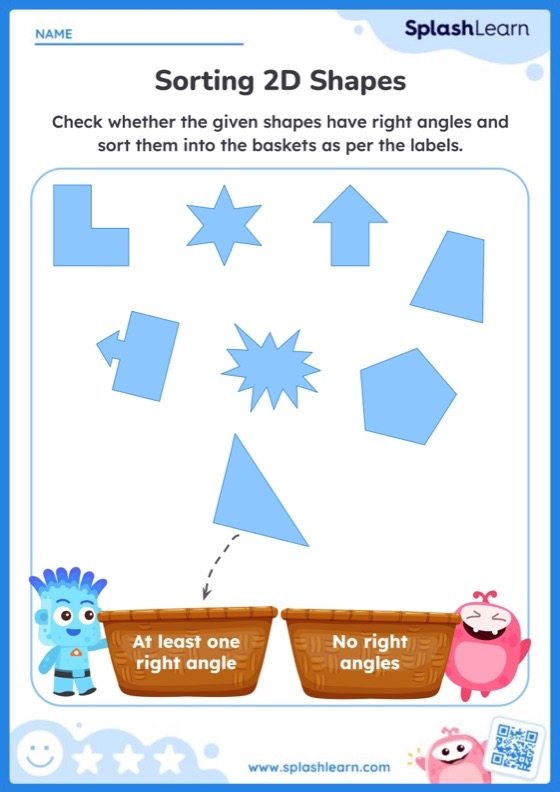
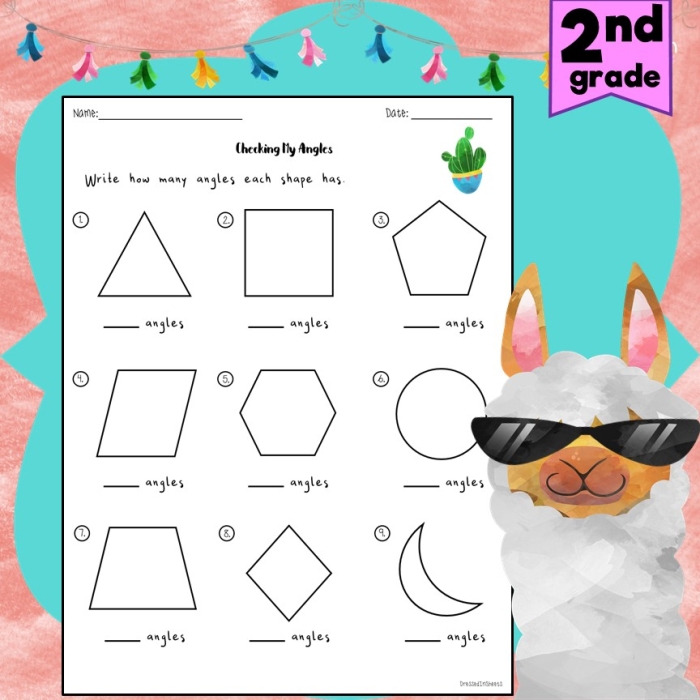
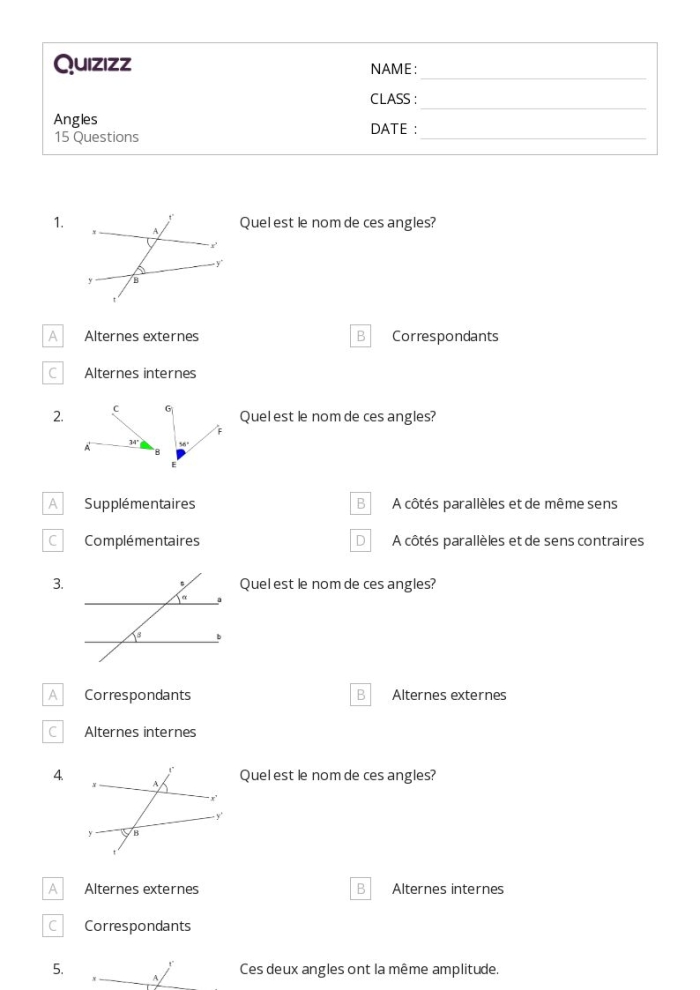
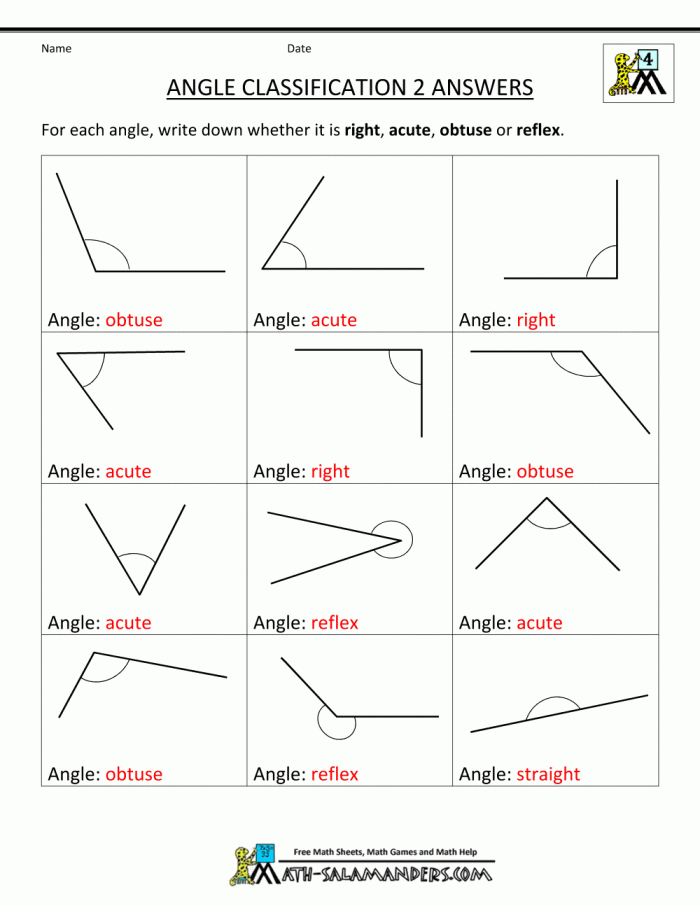
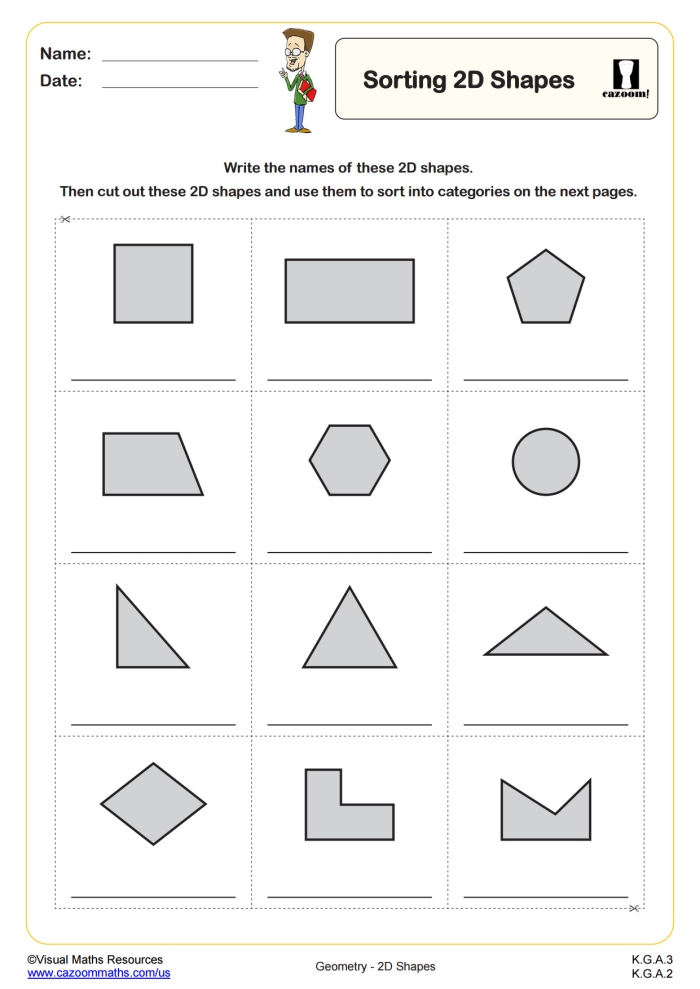
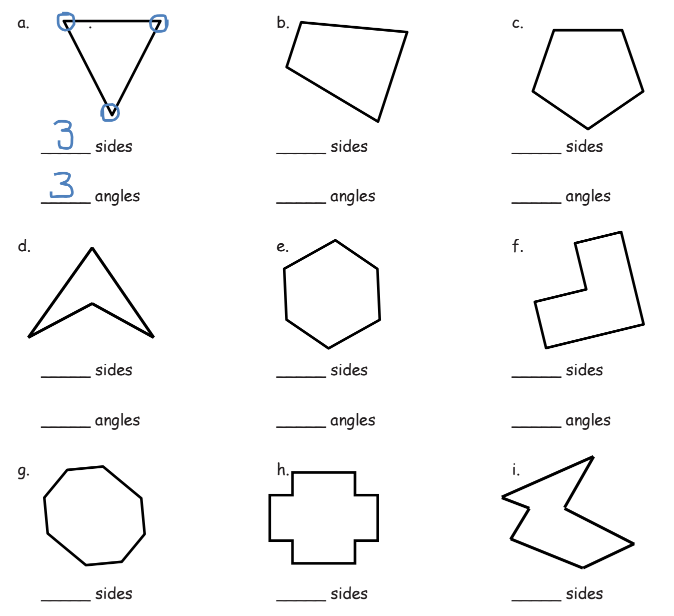
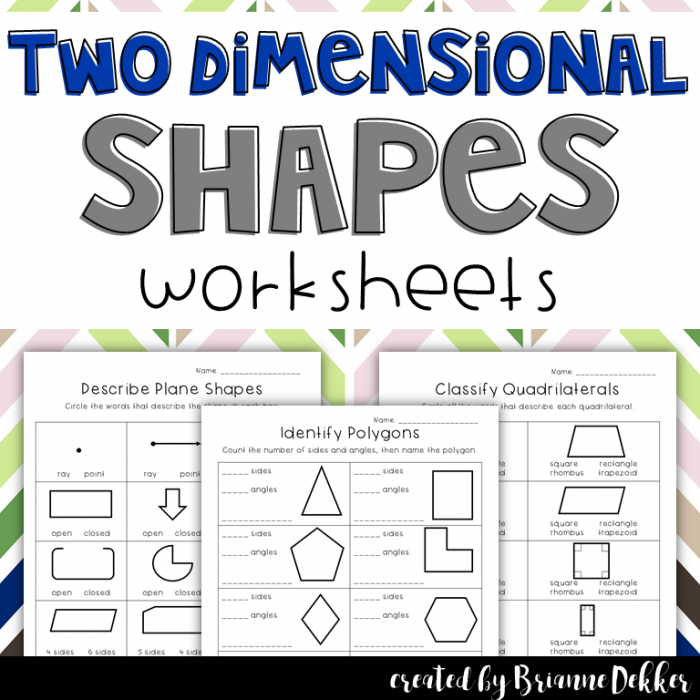
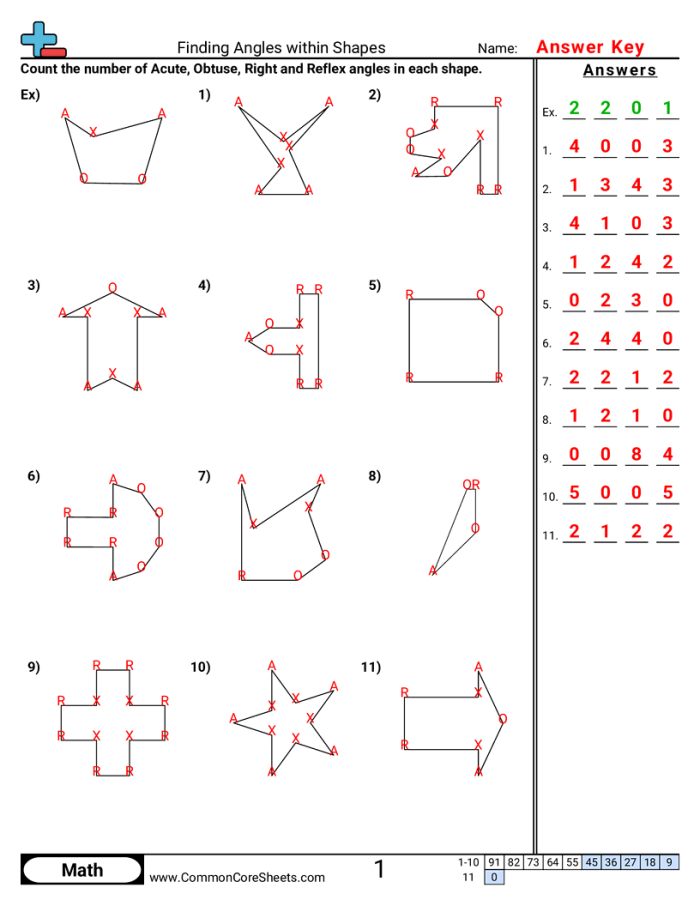
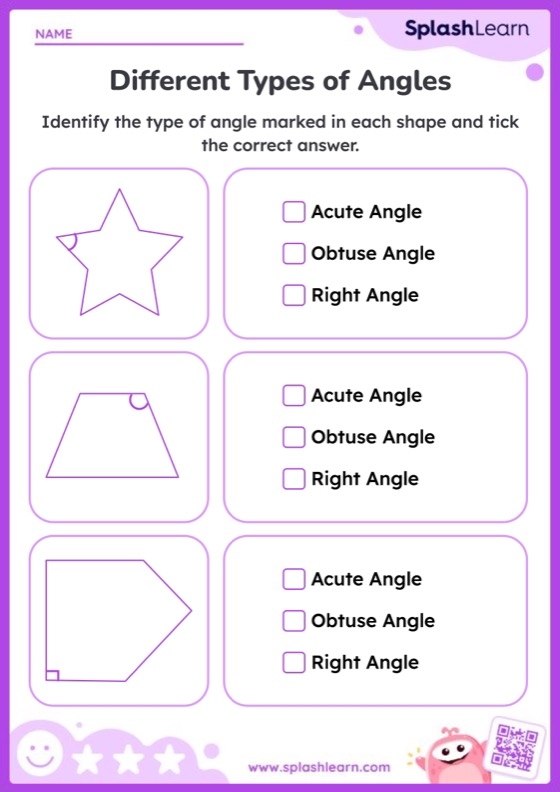
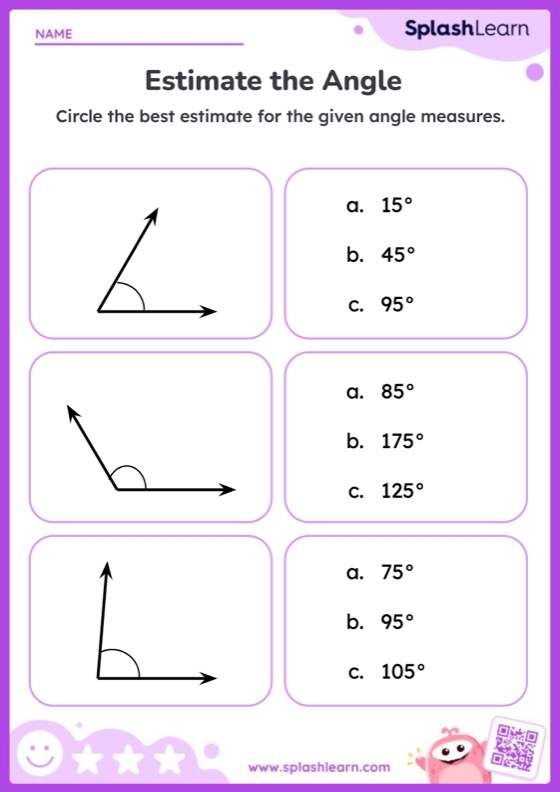
Getting comfortable with angles in two-dimensional shapes is a key step for third grade students as they build their math skills. This geometry activity challenges students to carefully identify and count the angles in common shapes like triangles, rectangles, and pentagons. By focusing on each angle individually, students learn to recognize the differences between acute, right, and obtuse angles, which strengthens their understanding of shape properties.
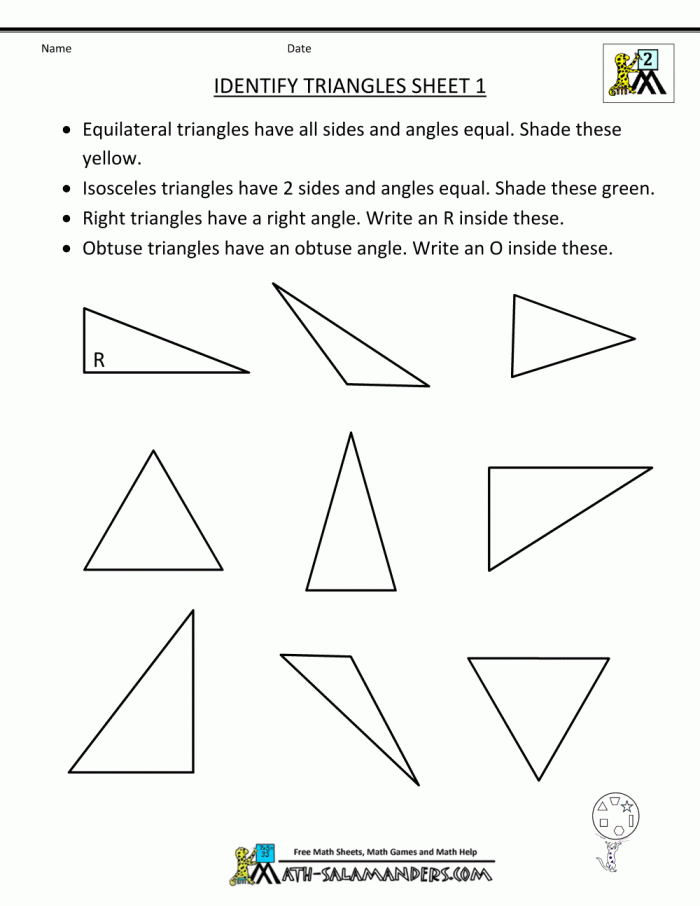
For example, a triangle always has three angles that add up to 180 degrees, but those angles can vary quite a bit depending on the type of triangle. Working through printable angles in two-dimensional shapes worksheets helps students see these differences firsthand. When they count and label each angle, they engage in addition practice without even realizing it, since determining the total degrees in a shape involves adding numbers together. This makes the activity valuable beyond geometry alone.
Using such resources in the classroom also supports students who are developing their addition skills, especially with multi-digit numbers common in third grade. It connects geometry to addition in a practical way, helping students understand how these concepts interact. Teachers can pair this with other math exercises, such as two-digit addition and subtraction word problems, to reinforce these skills across topics. This integrated approach promotes deeper learning and keeps students engaged through varied tasks.
When students work on identifying angles, they also build careful observation skills. Recognizing that a square has four right angles, each measuring exactly 90 degrees, is different from spotting the varying angles of an irregular quadrilateral. These distinctions encourage attention to detail and critical thinking.
For those looking to supplement this activity, it’s helpful to combine it with exercises focused on addition strategies, such as adding three-digit numbers or solving multiplication word problems. This variety supports a well-rounded math foundation that prepares students for more complex problem-solving ahead.
If you want to explore more resources that combine geometry and addition, consider materials that offer practice with quotation marks and word problems, or two-step addition and subtraction challenges. These can provide additional contexts where math skills intersect naturally.
Printable Worksheets for Practice