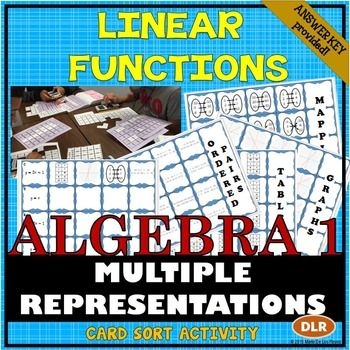
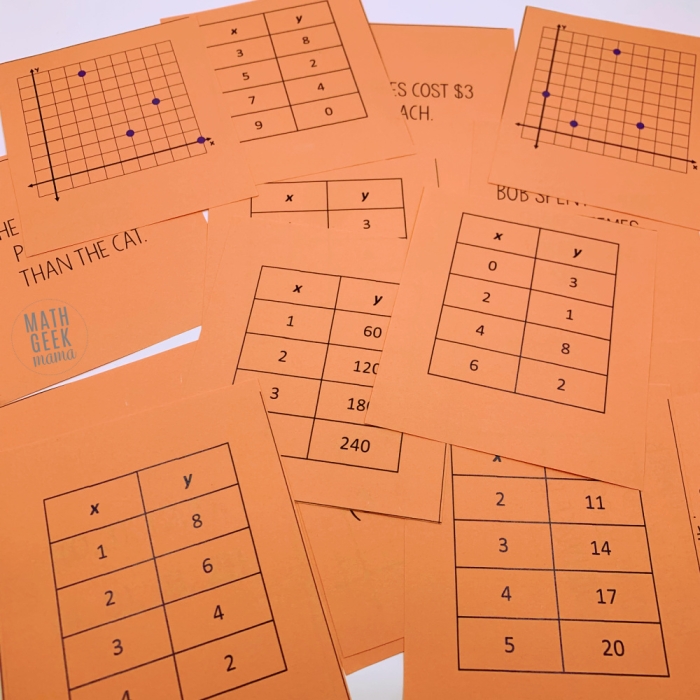
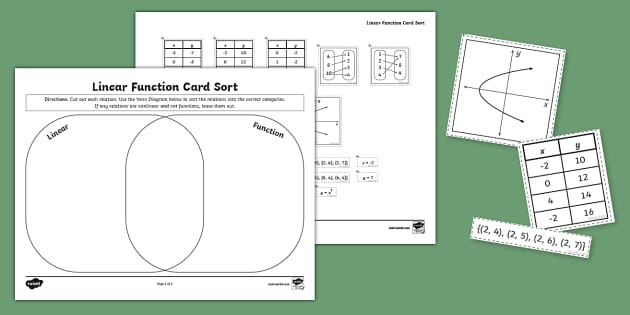
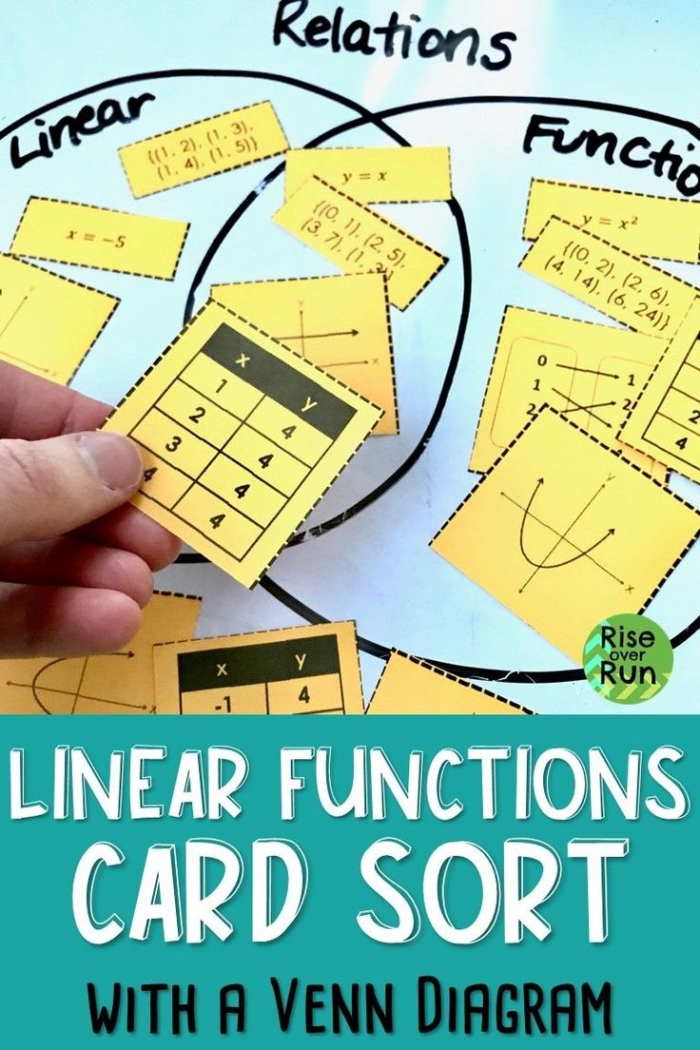
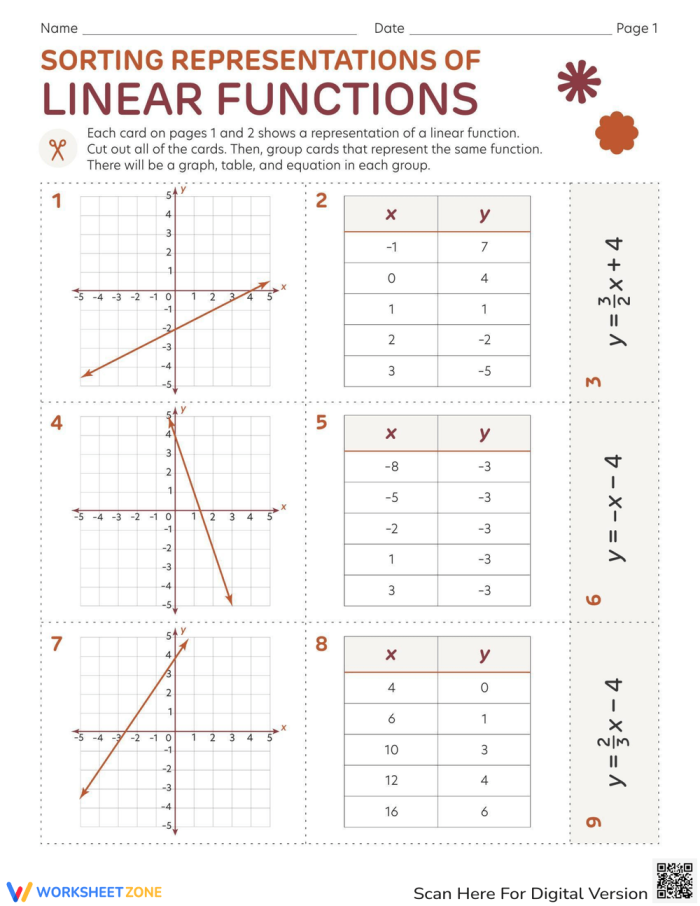
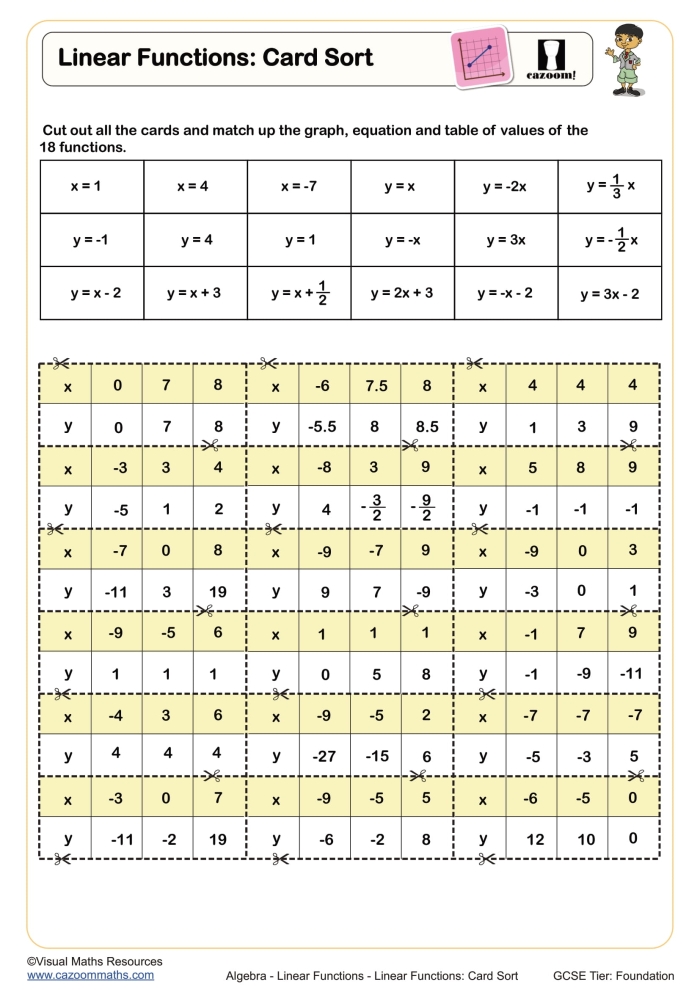
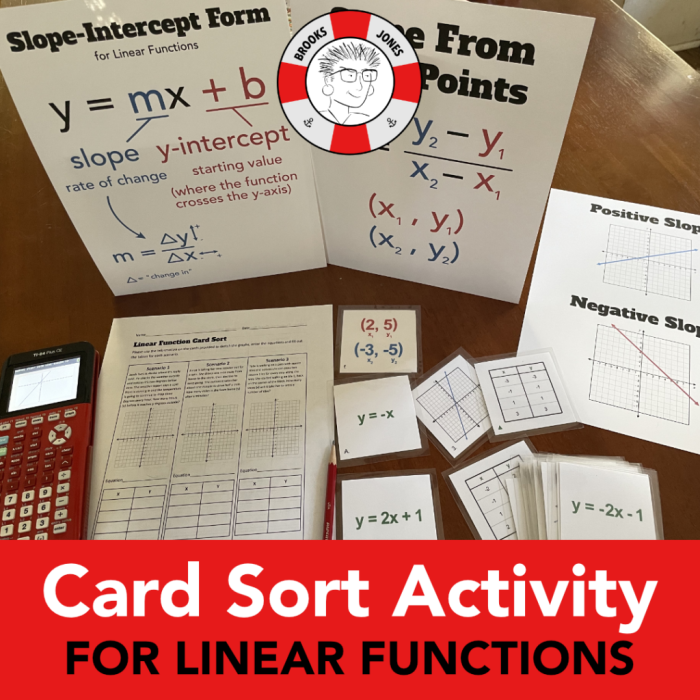
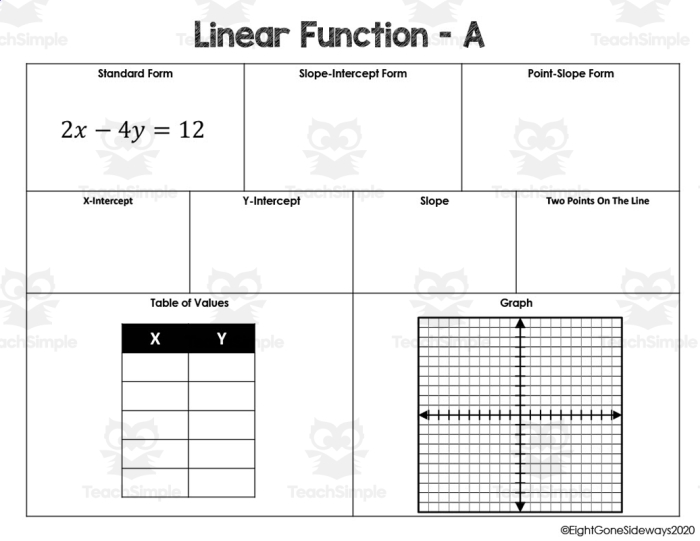
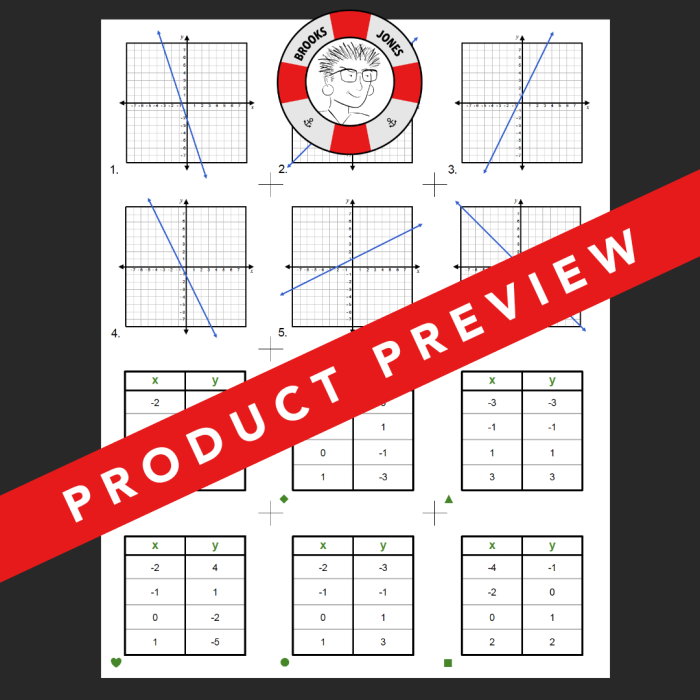
Engaging eighth-grade students in understanding functions becomes much more effective when they actively sort and compare different forms. With a hands-on card sorting activity, students can physically manipulate cards showing equations, tables, graphs, and verbal descriptions of linear functions. This approach encourages them to see how each representation relates to the others, rather than just memorizing formulas or definitions.
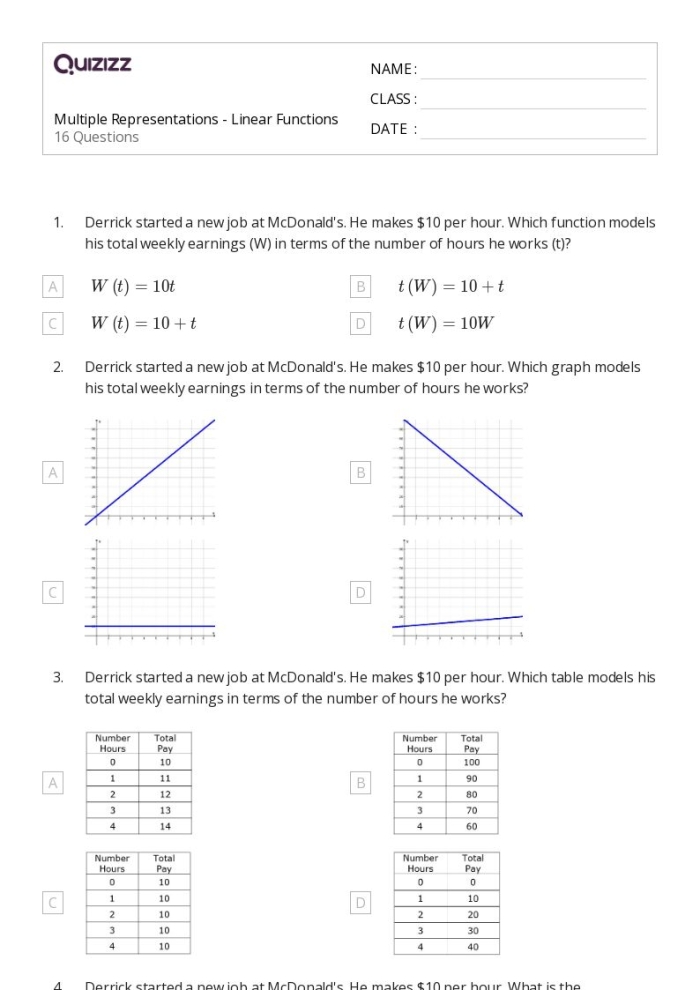
For example, a set of cards might include a linear equation like y = 2x + 3, its corresponding graph, a table of values, and a real-world scenario describing the function’s context, such as a simple budgeting problem in a civics and government lesson. By sorting these cards into matching groups, students begin to internalize that the same function can be expressed in multiple ways, each offering unique insights. This tactile experience supports deeper cognitive connections, which are often missing from traditional lecture-based teaching.
One practical benefit of this method is that it addresses different learning styles. Visual learners benefit from seeing graphs, kinesthetic learners engage through handling cards, and verbal learners connect through written descriptions. This variety helps solidify the concept of linear functions in a way that can be more memorable and meaningful for students.
This sorting activity also aligns well with civics and government topics, where understanding functional relationships can help students analyze data trends or budget allocations. Integrating math skills with real-world applications prepares eighth graders for more complex problem-solving later on.
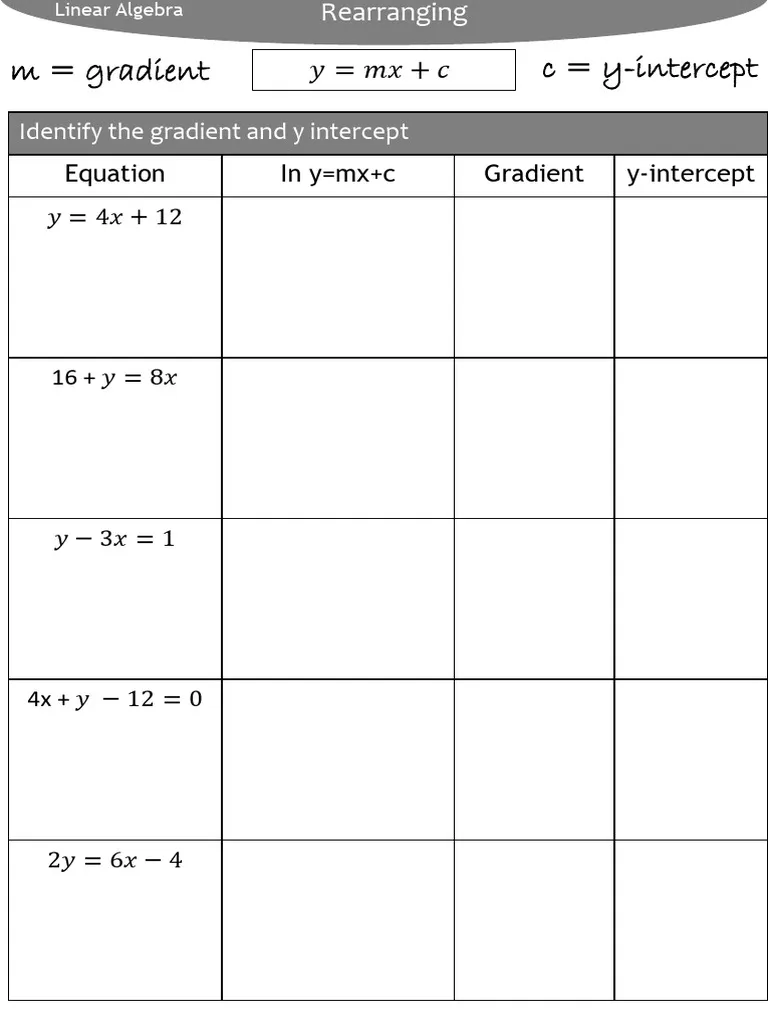
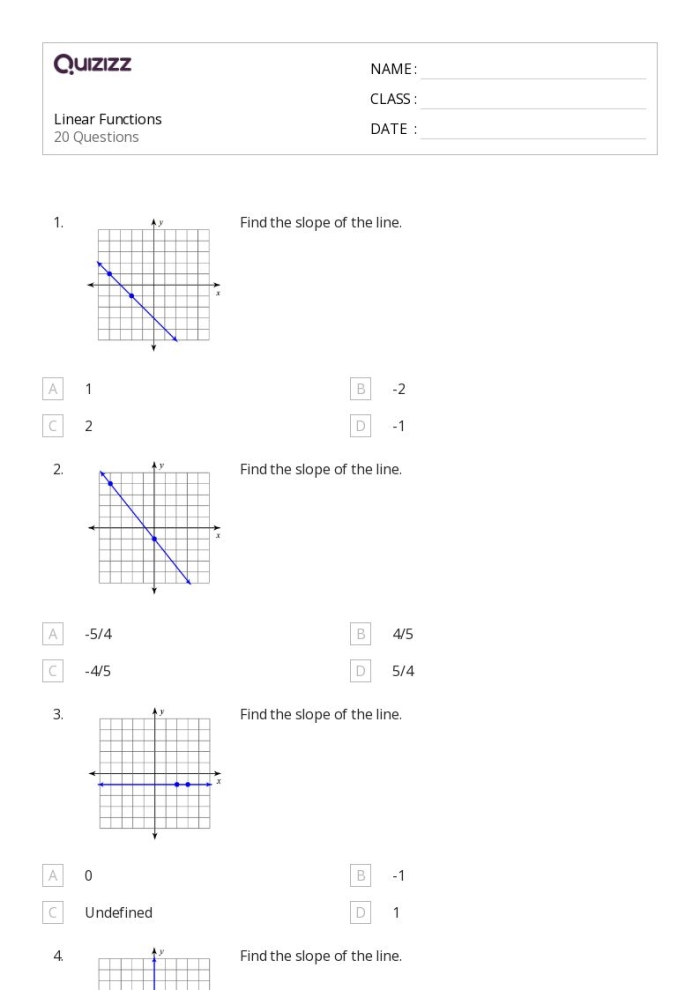
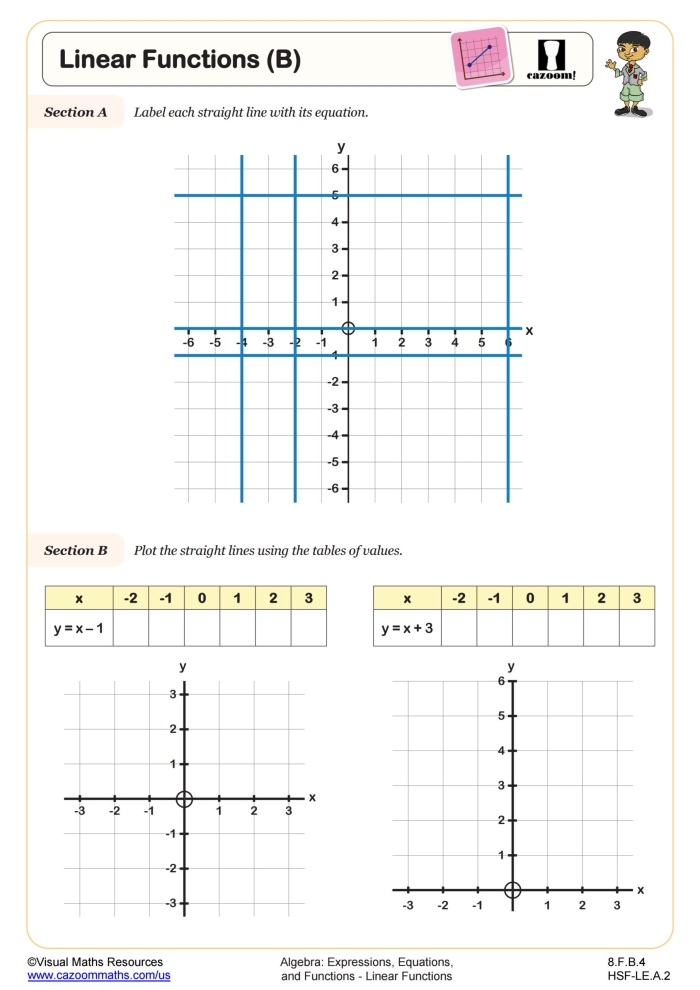
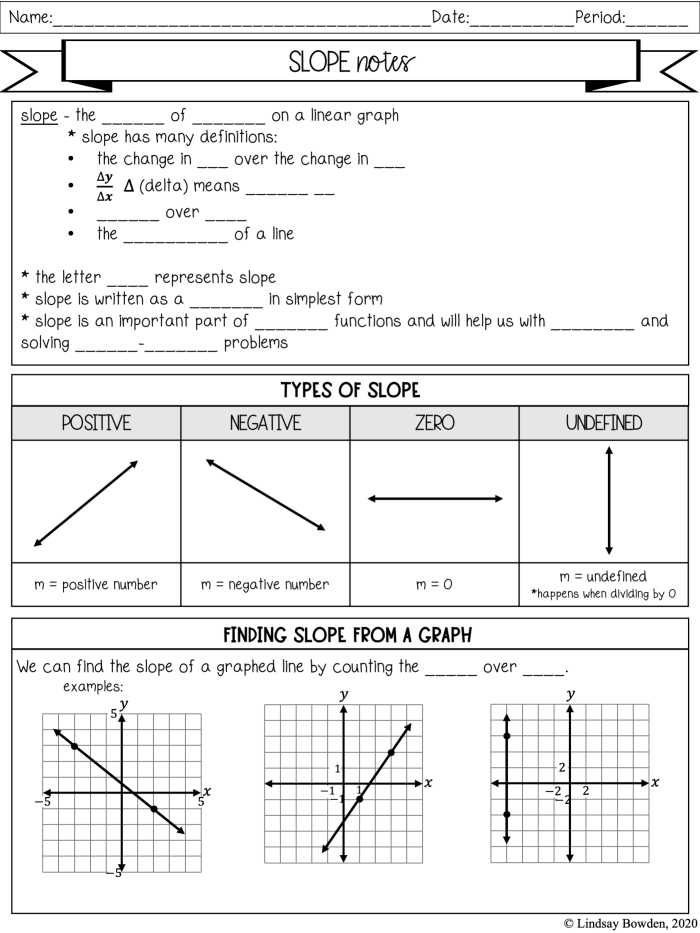
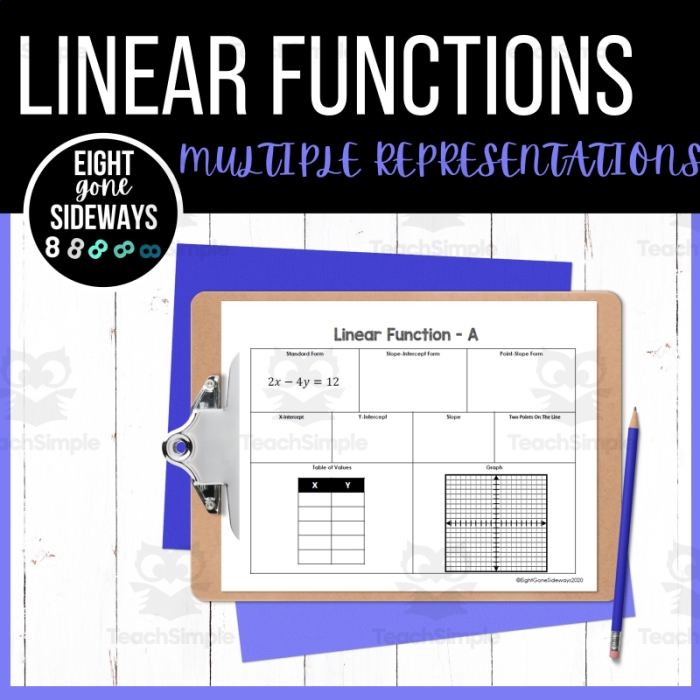
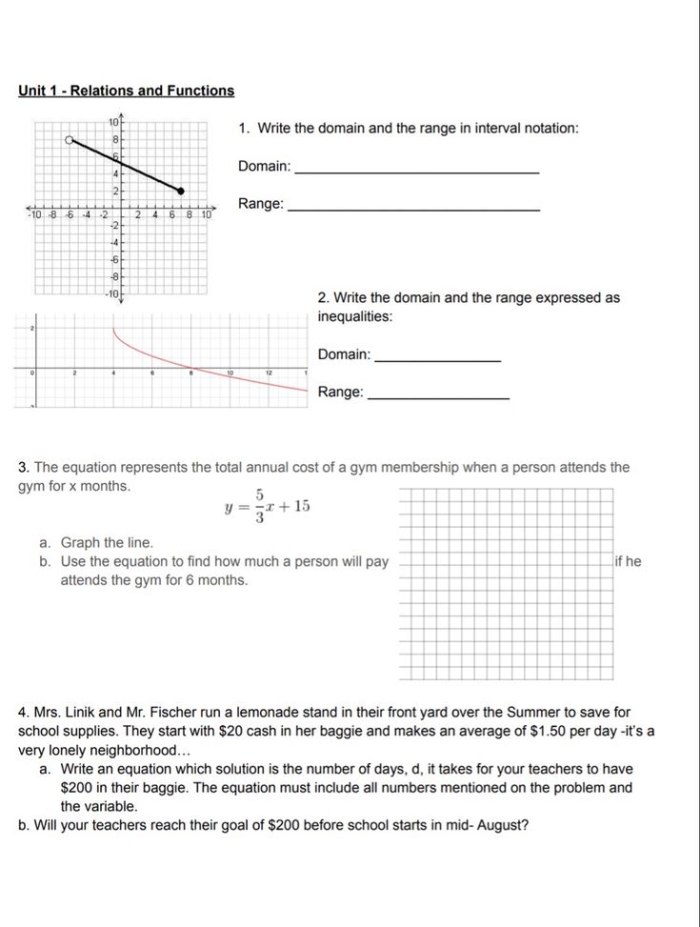
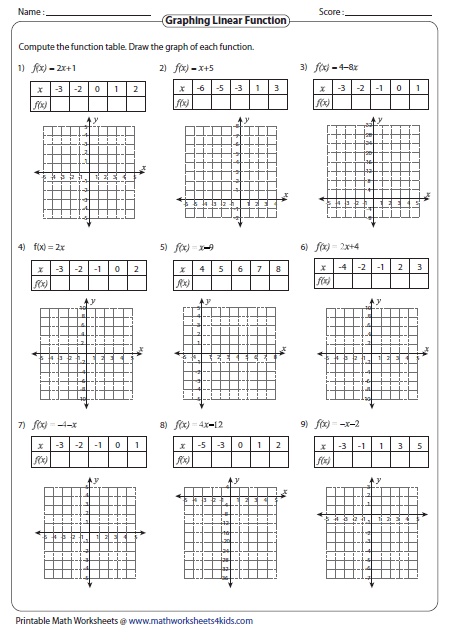
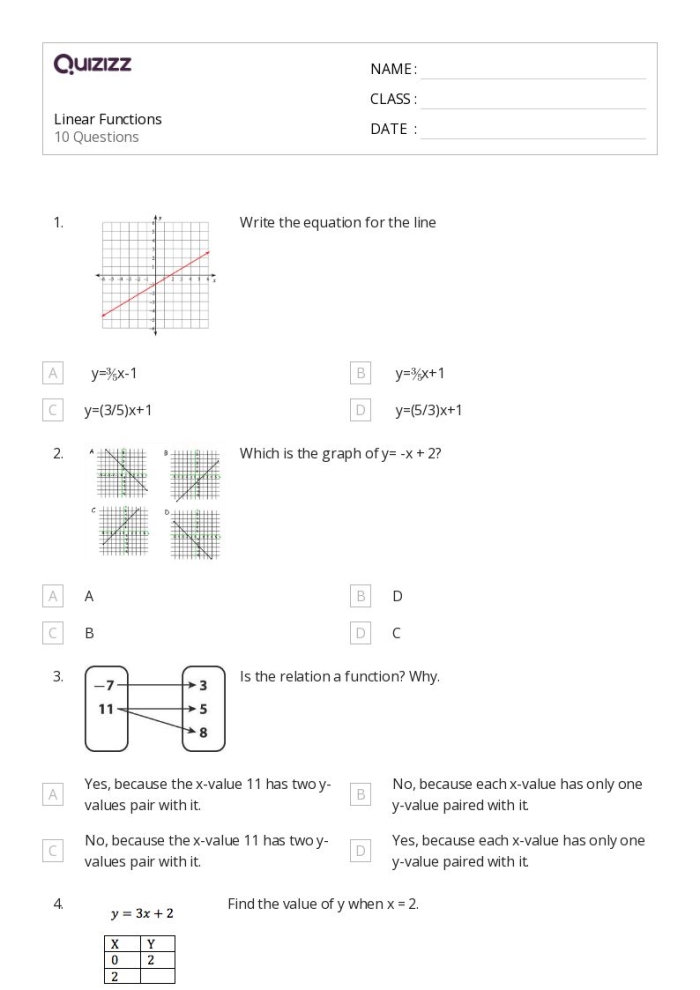
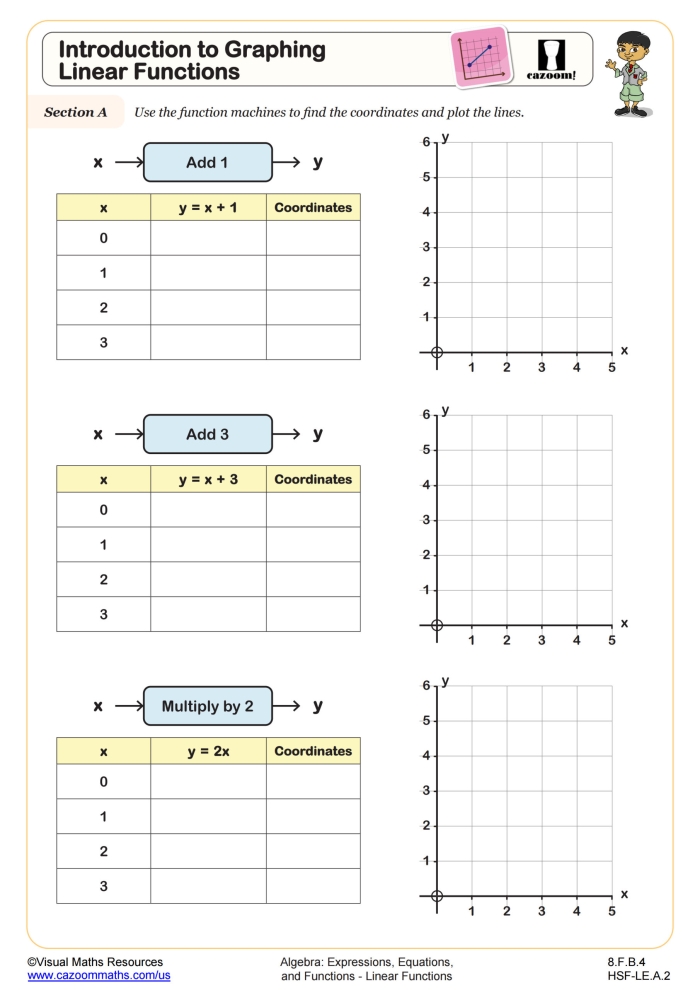
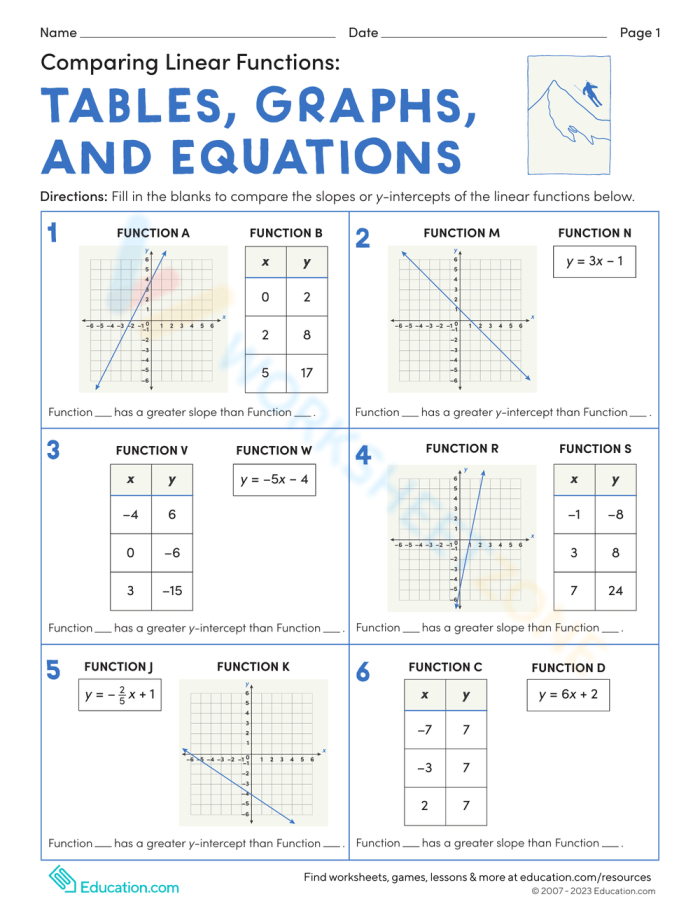
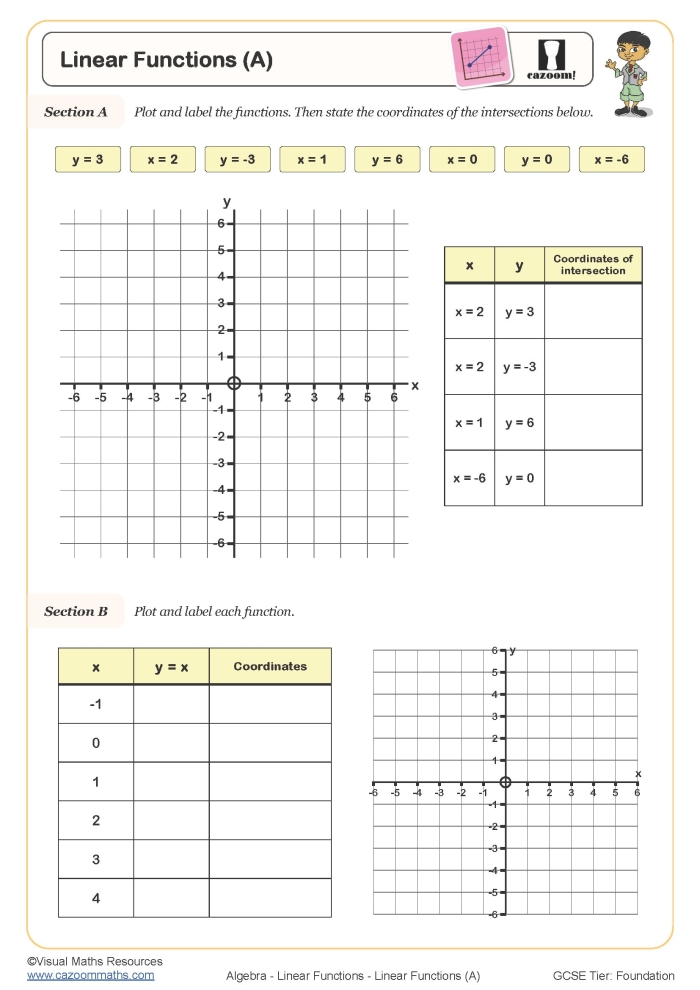
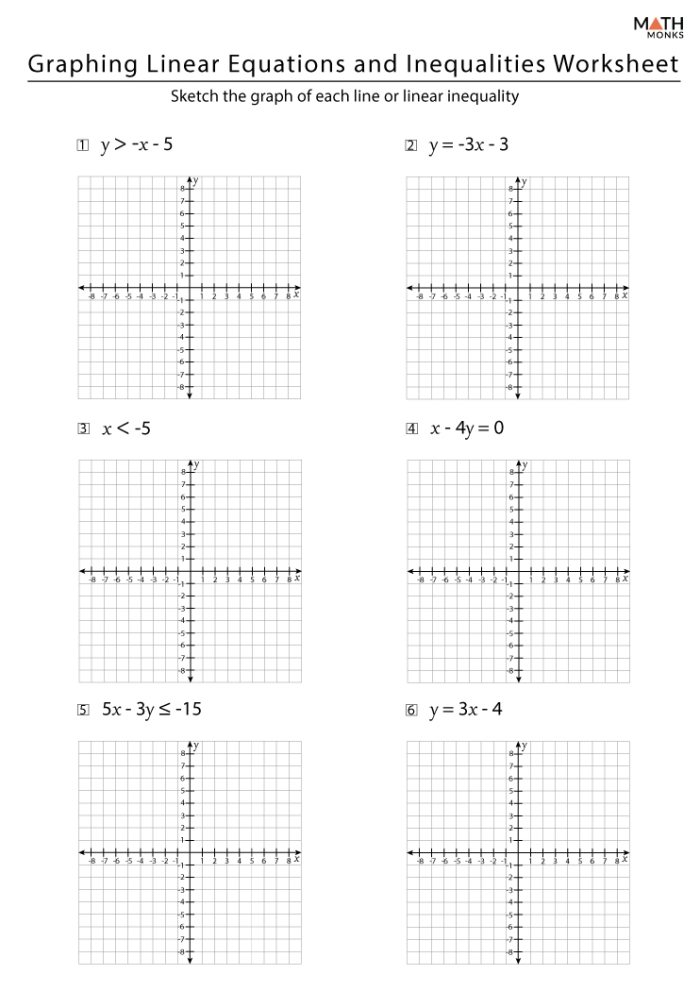
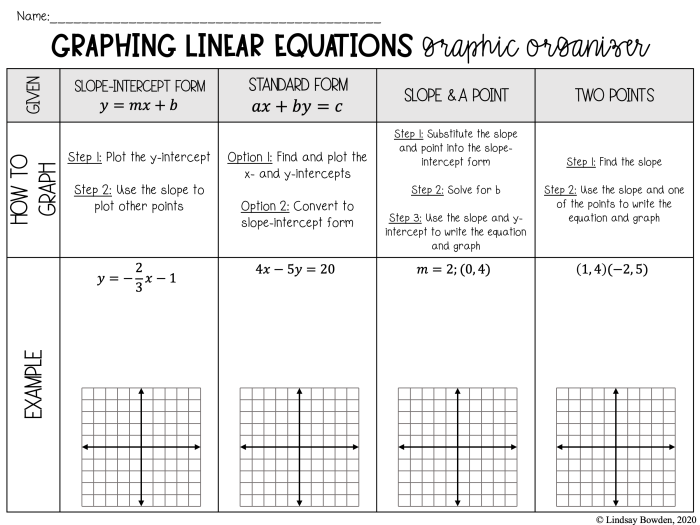
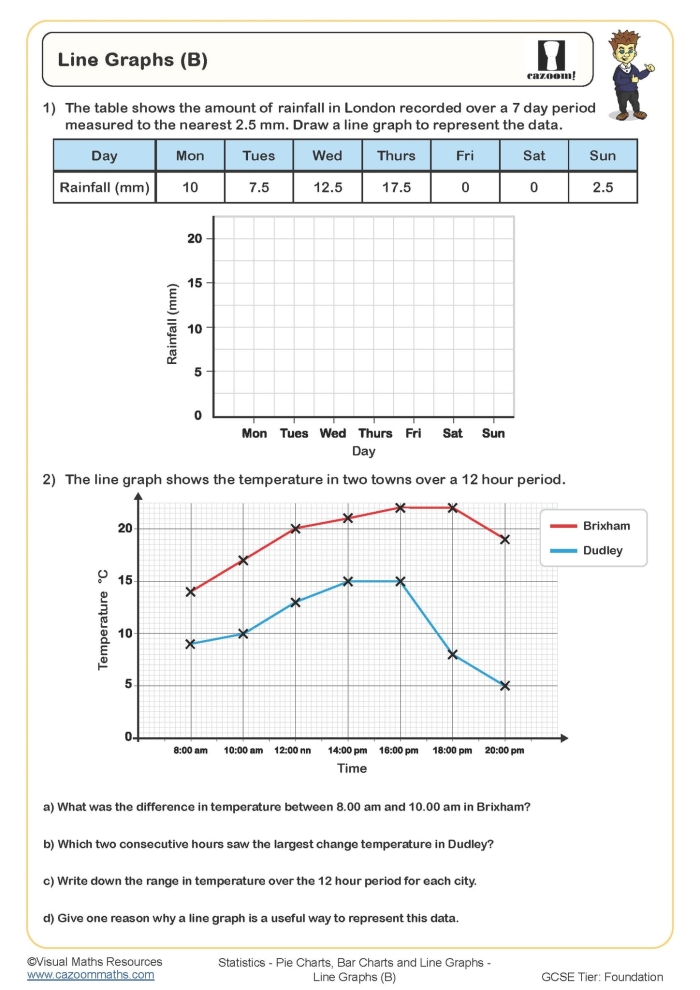
Teachers looking for resources can find useful printable sorting representations of linear functions worksheets designed for eighth grade that incorporate these card activities. These materials provide structured practice and can be adapted to different classroom settings, whether in person or remote. Incorporating such interactive exercises enhances students’ ability to connect various function representations and builds a strong foundation for further study.
For those interested, more detailed examples and ready-to-use materials are available through resources like this collection of sorting representations activities, which specifically target the skills needed at the eighth-grade level within the civics and government category.
Download These Worksheets for Practice