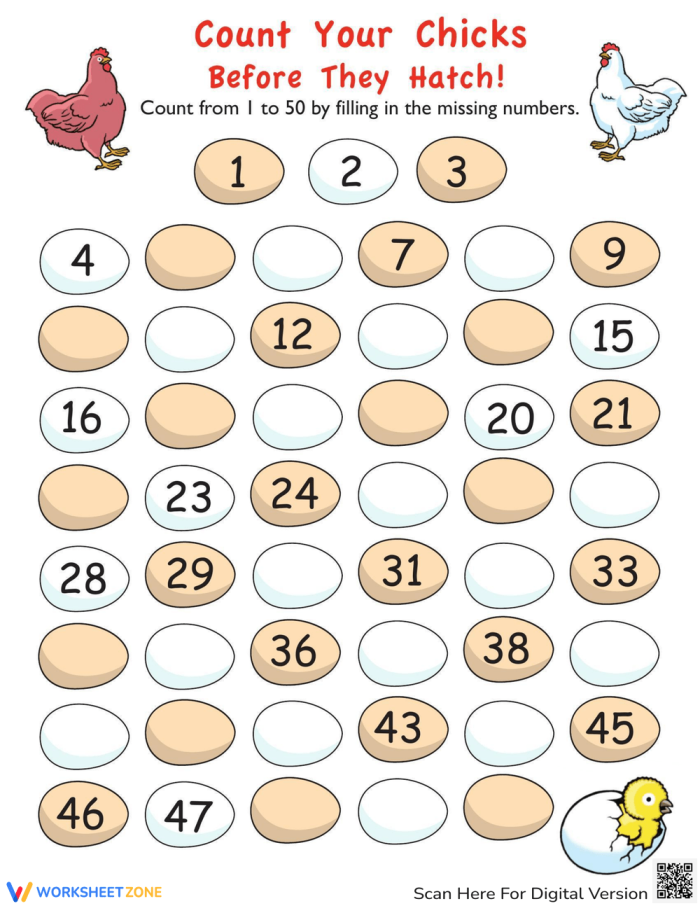
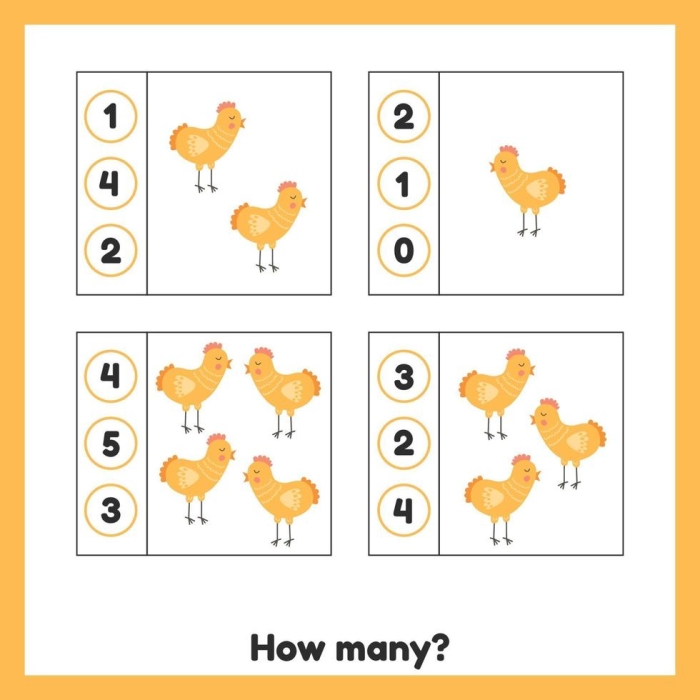
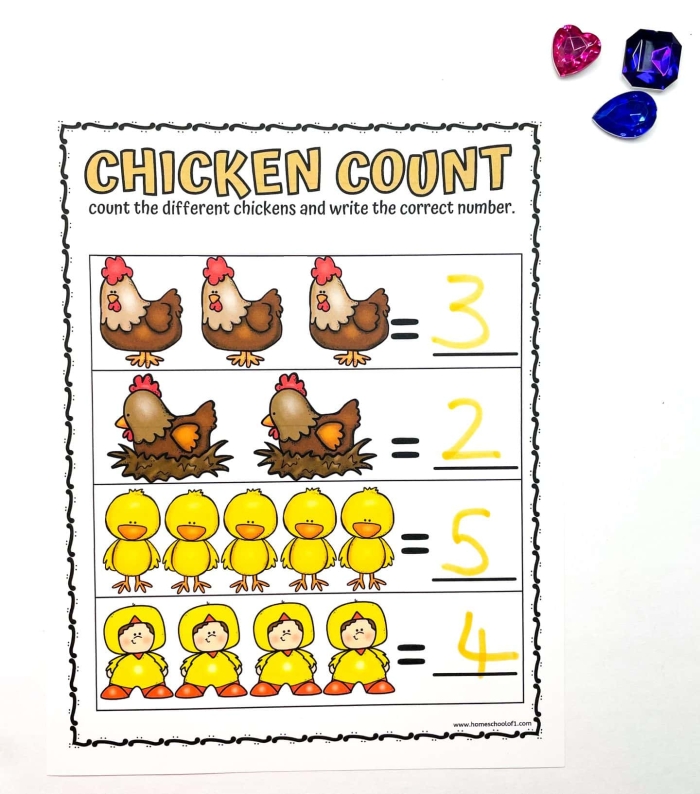
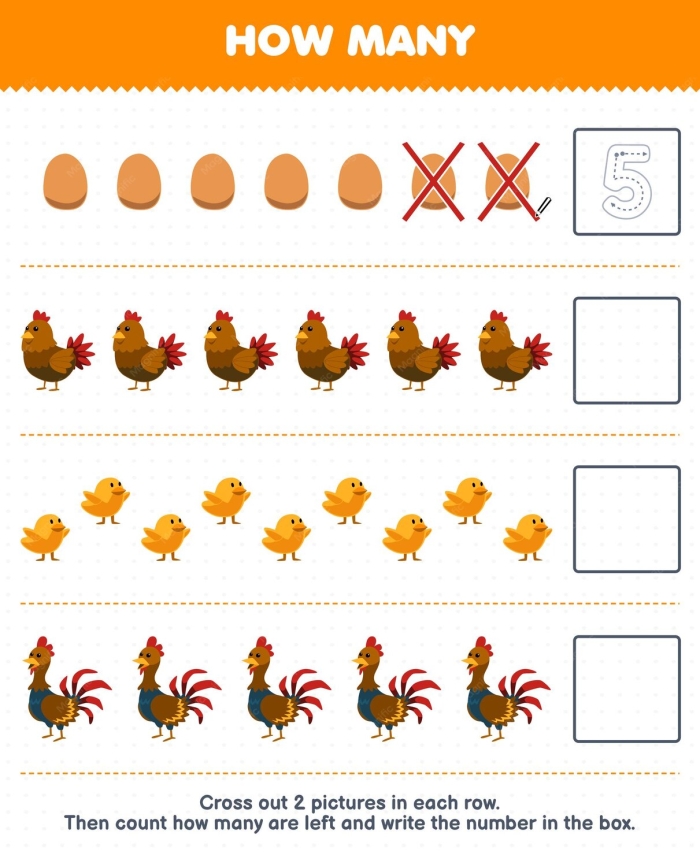
Getting a first grader to focus on numbers can sometimes feel like a challenge, but turning counting practice into a fun activity changes everything. One engaging way to do this is by asking your young learner to fill in all the missing numbers on eggs, counting all the way up to 50. This hands-on exercise helps develop number recognition and sequencing skills, which are essential in early math learning.
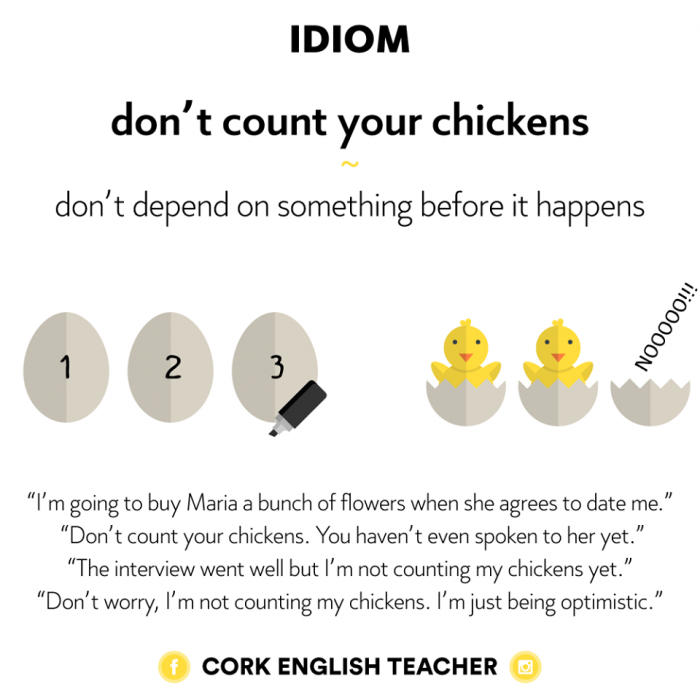
When children see numbers arranged on colorful eggs, it creates a visual context that makes abstract numbers more relatable. Filling in the gaps encourages them to think critically about number order and patterns. For example, if the eggs show 1, 2, __, 4, 5, your child learns to identify that 3 is missing and should be placed there. This small act of recognizing what’s absent sharpens their understanding of numerical progression.
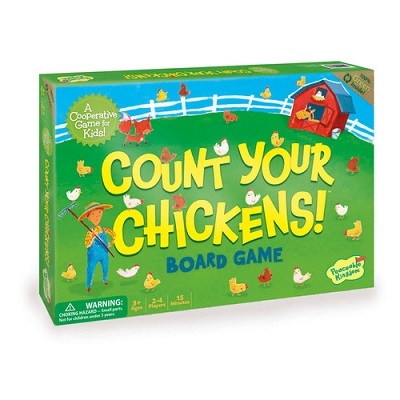
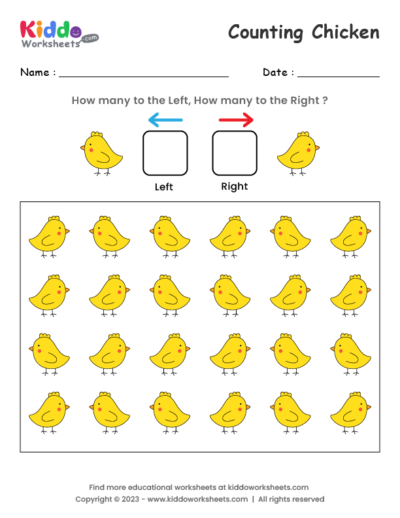
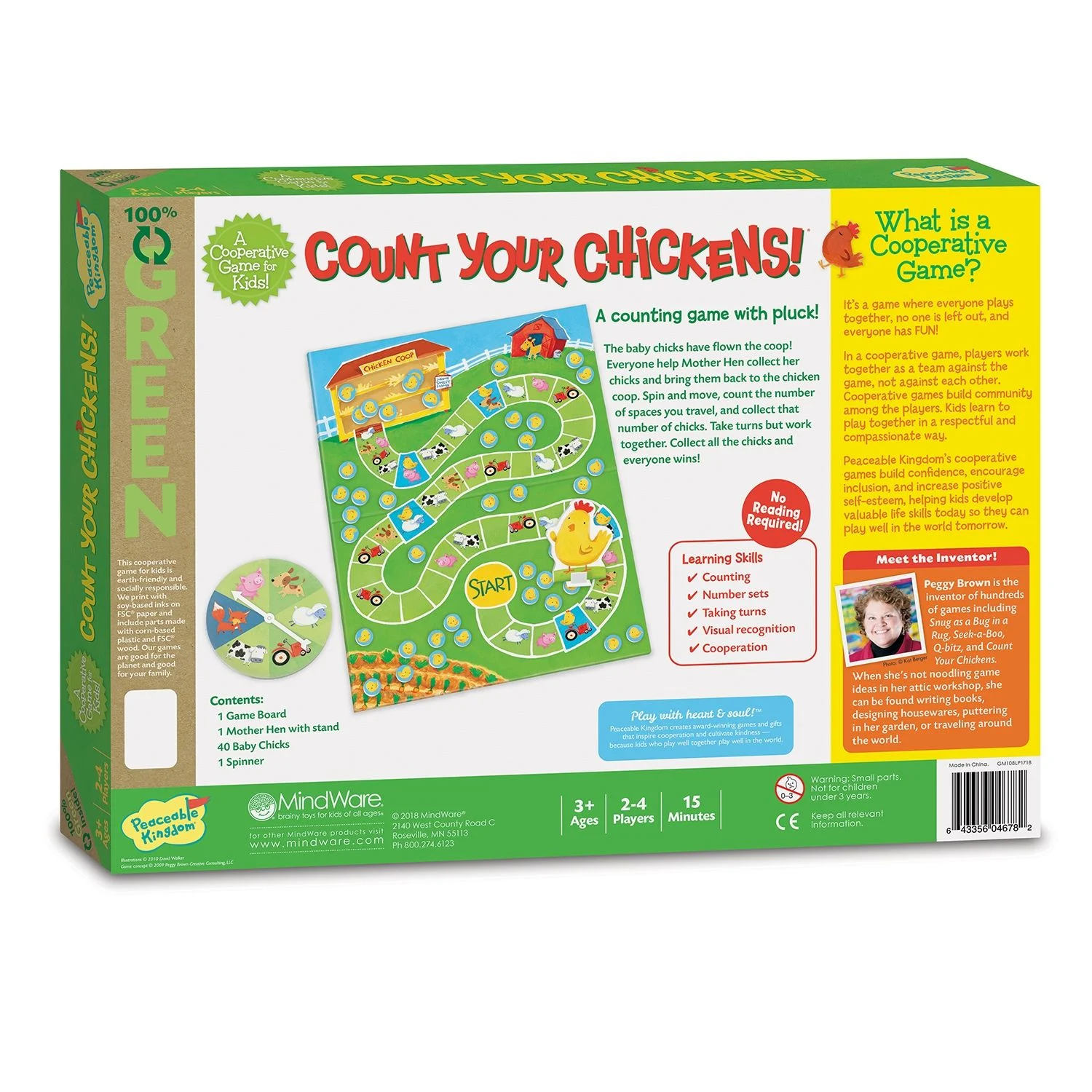
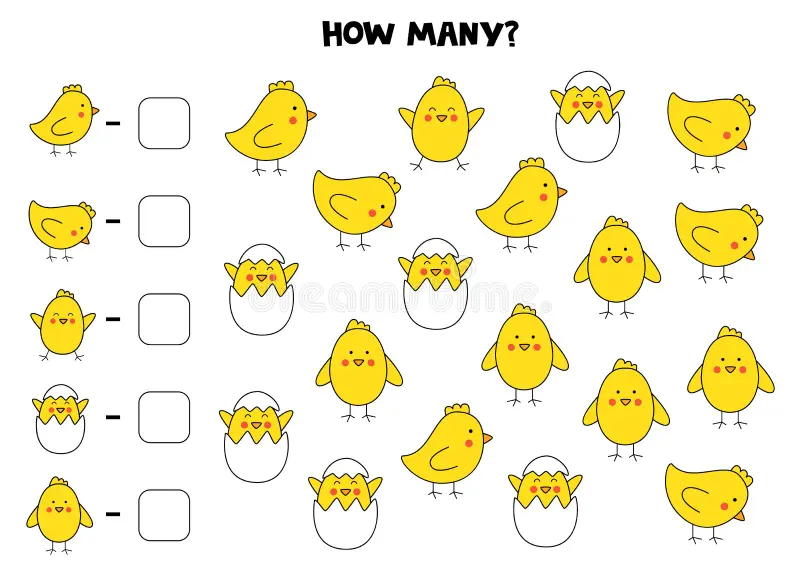
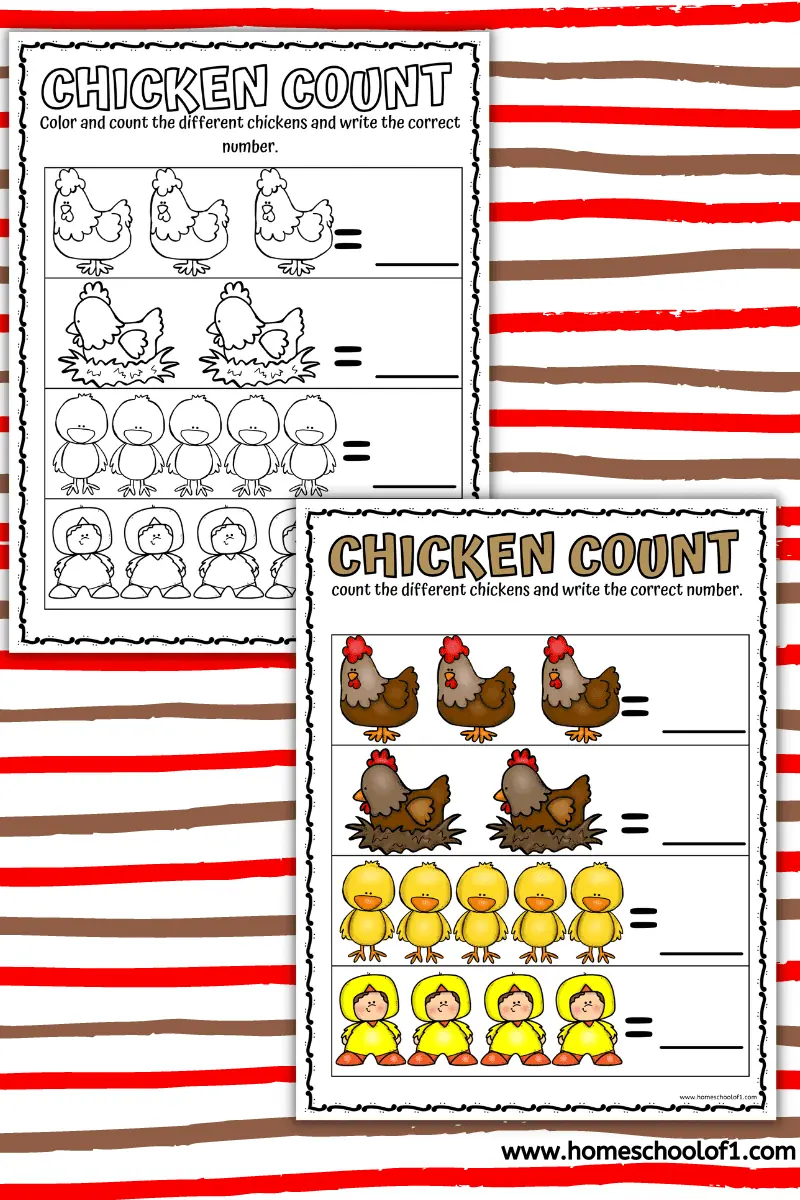
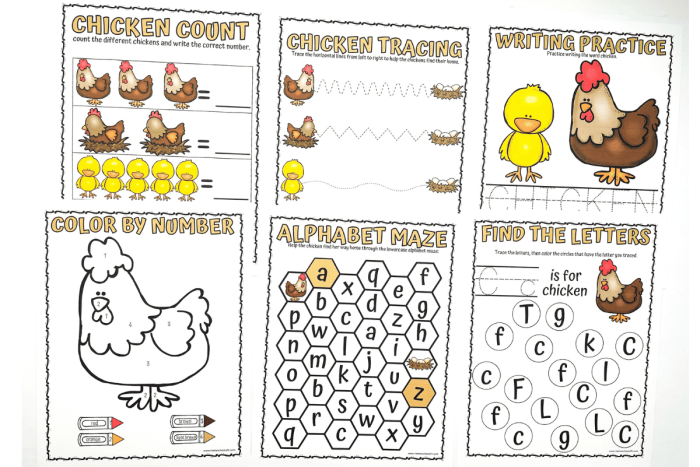
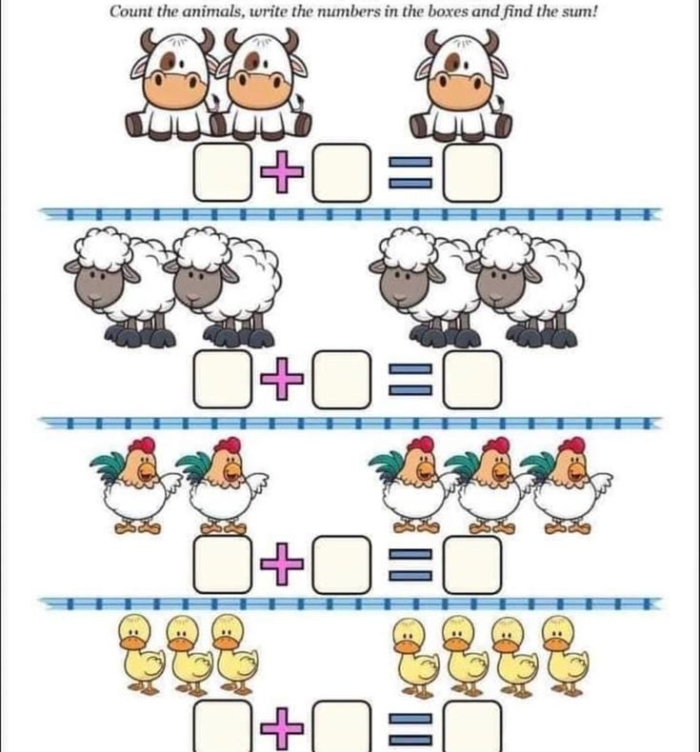
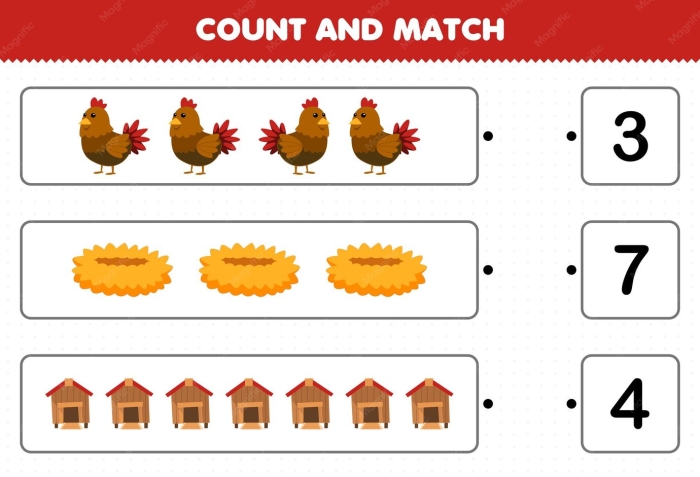
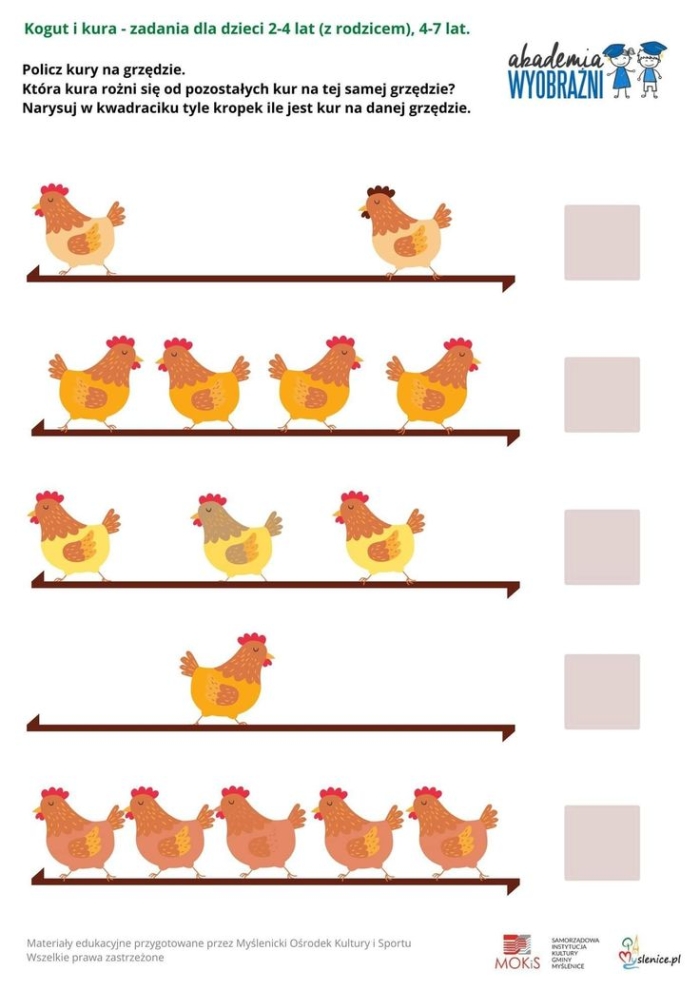
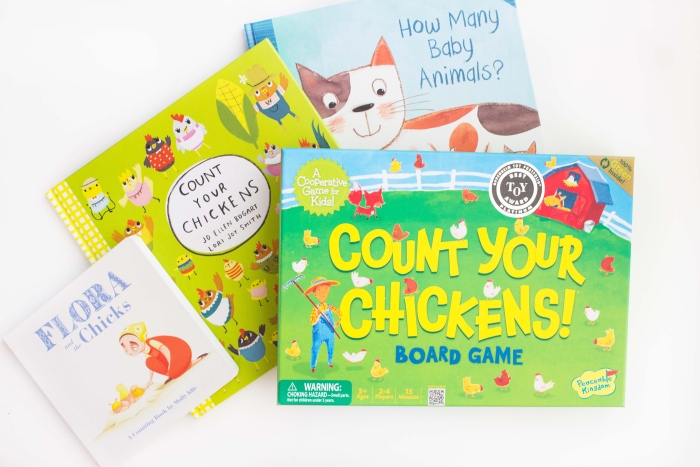
Printable Count Your Chickens worksheets are especially useful here, as they combine both writing and counting practice tailored for first grade. These worksheets often include fun themes like Easter eggs or little chicks, which keep children interested and eager to complete the task. You can find resources that pair counting with addition and subtraction, making the activity even richer.
One detail worth mentioning is that counting to 50 not only reinforces counting skills but also prepares kids for more advanced math concepts like skip counting. For instance, after filling in all numbers up to 50, children can move on to counting by tens, a natural next step found in other worksheets that focus on dimes and tens. This gradual build-up strengthens their numerical fluency.
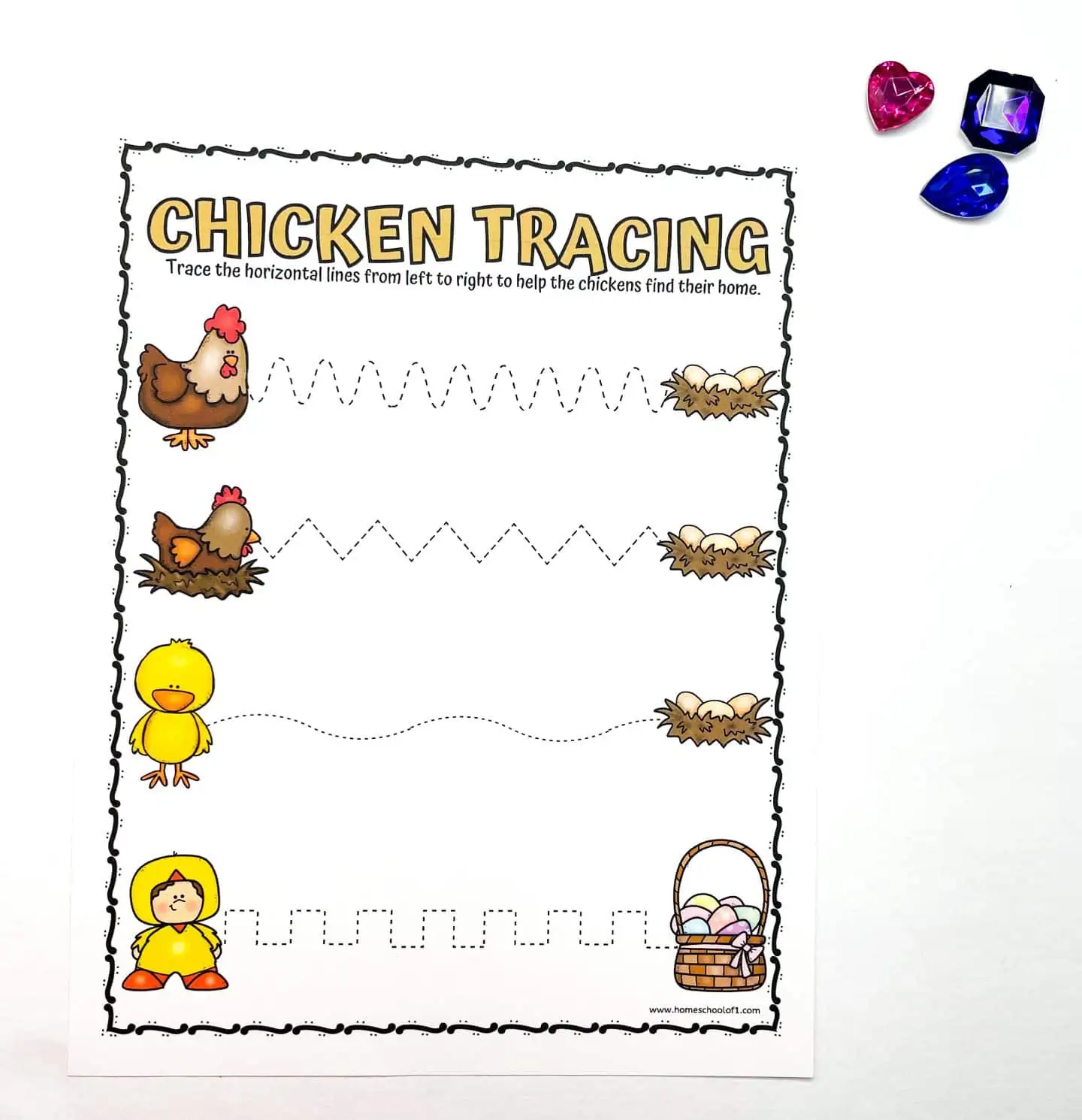
Involving writing alongside counting enhances fine motor skills, as children practice forming numbers correctly. For those interested in integrating literacy, some worksheets encourage writing simple sentences about the counting activity, which supports both math and writing development simultaneously. Resources like writing journals for first grade can complement number practice well.
By challenging your child to complete these counting tasks with missing numbers on eggs, you set a foundation for confident number use. It’s a simple yet effective way to engage young learners in math while keeping the experience playful and educational. For more interactive options, activities like an Easter egg hunt game combine movement with learning, offering a dynamic way to practice counting in a first grade setting.
Worksheet Practice Section