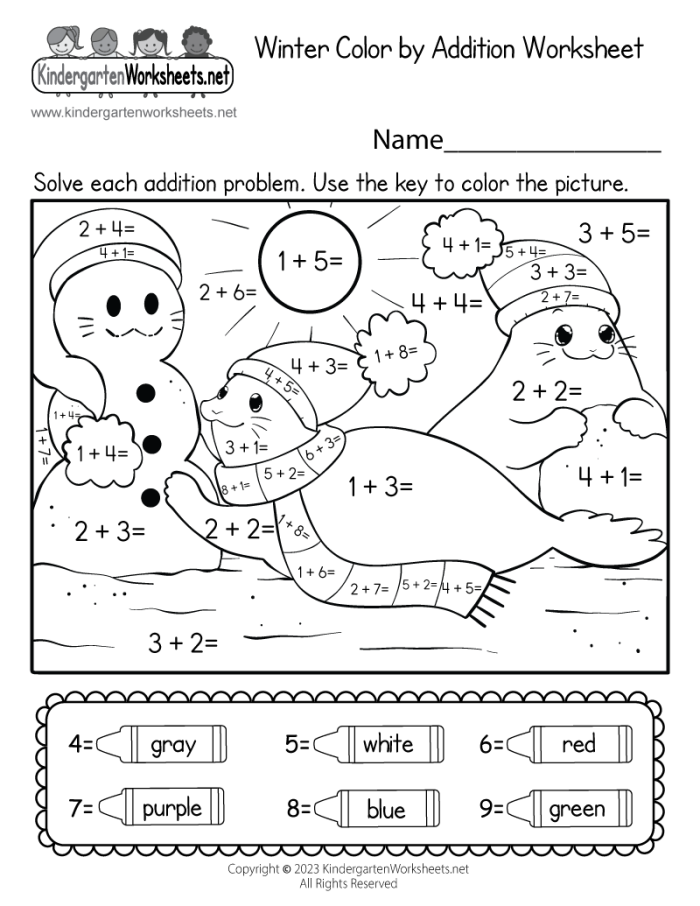
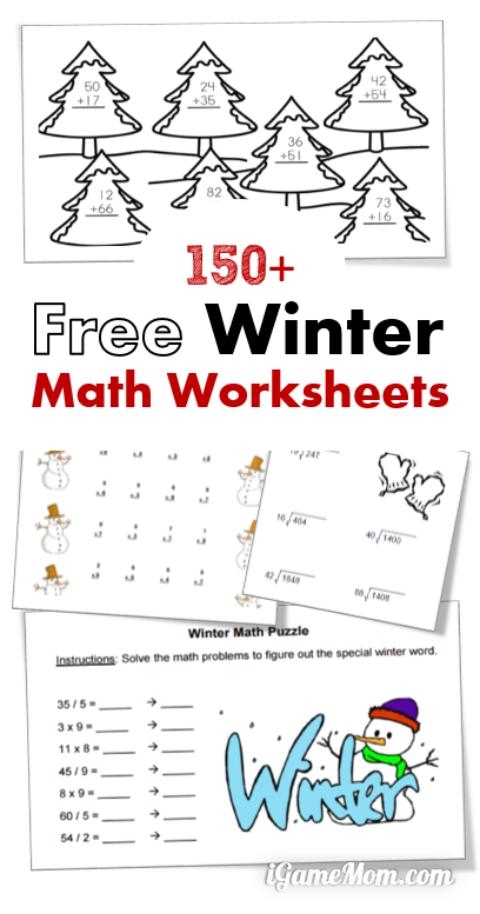
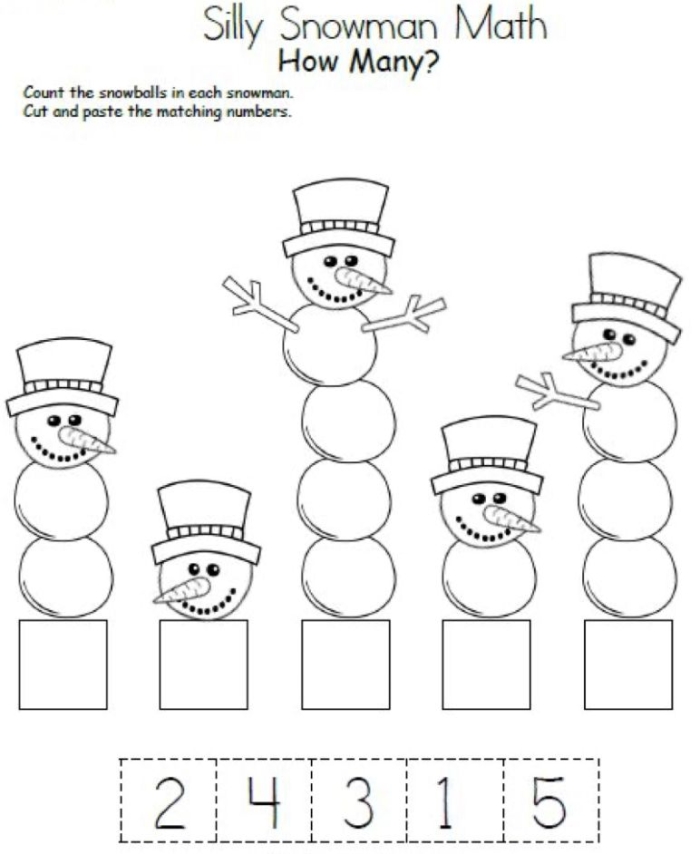
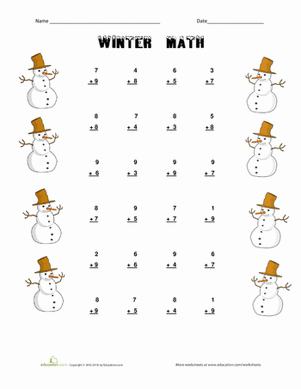
Winter break offers the perfect window to strengthen your first grader’s math foundation without the pressure of classroom deadlines. Single-digit addition sits at the heart of early math literacy, and the slower pace of winter gives kids time to actually absorb these facts rather than rush through them.
When children master addition facts from 1+1 through 9+9, they build confidence that carries into subtraction, word problems, and beyond. The repetition required to lock these facts into memory doesn’t have to feel tedious. Winter’s natural rhythm, with quieter days and more indoor time, creates space for short, focused practice sessions that feel less like schoolwork and more like a brain-warming activity.
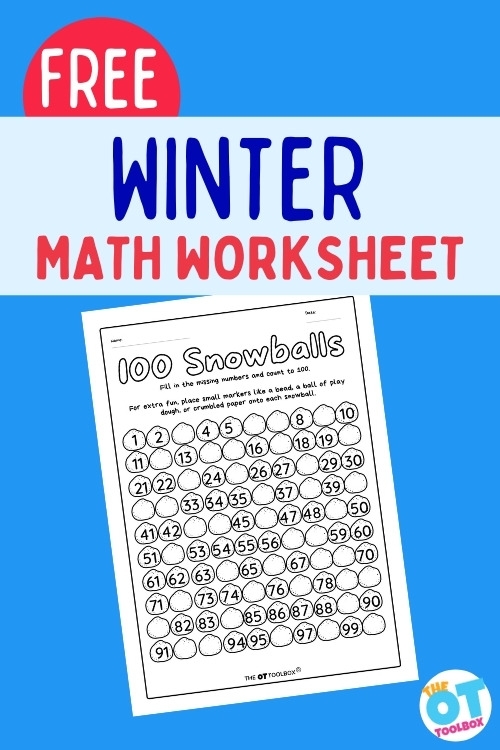
Start with facts your child already knows well, then gradually introduce new combinations. A number line worksheet can help visualize how numbers connect, making abstract addition feel more concrete. Keep sessions brief, around 10 to 15 minutes, and celebrate small wins. When your child solves a tricky problem, acknowledge the effort rather than just the answer.
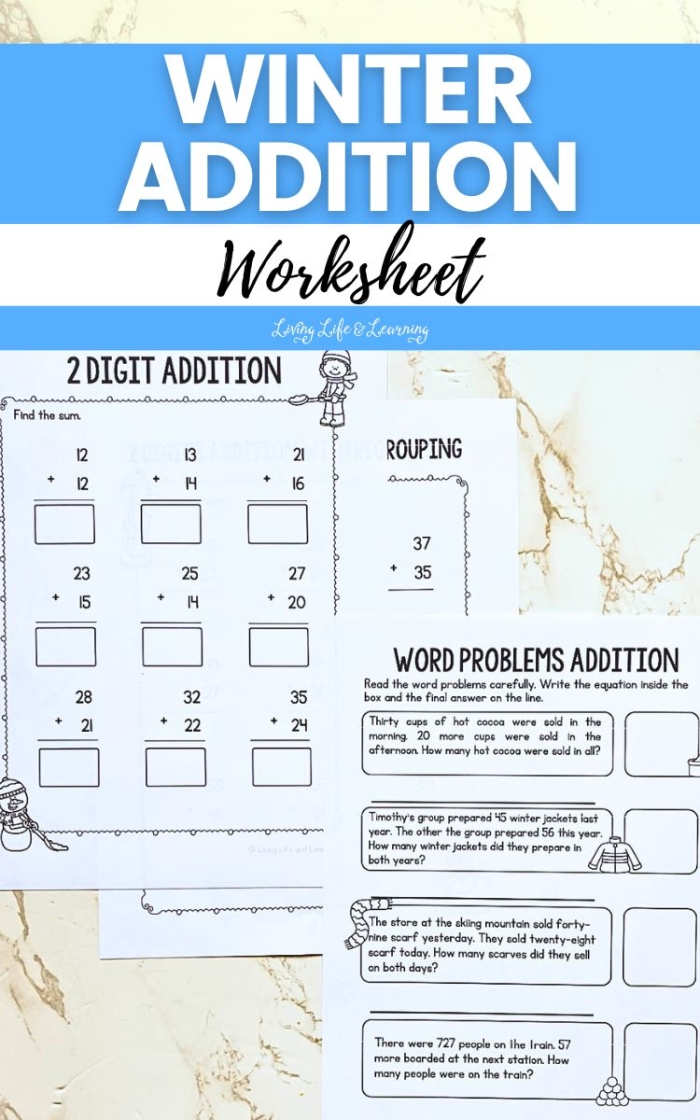
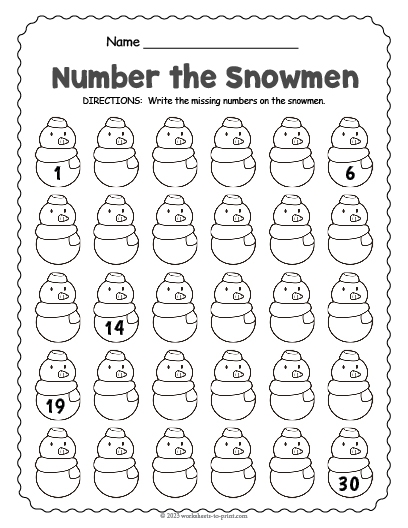
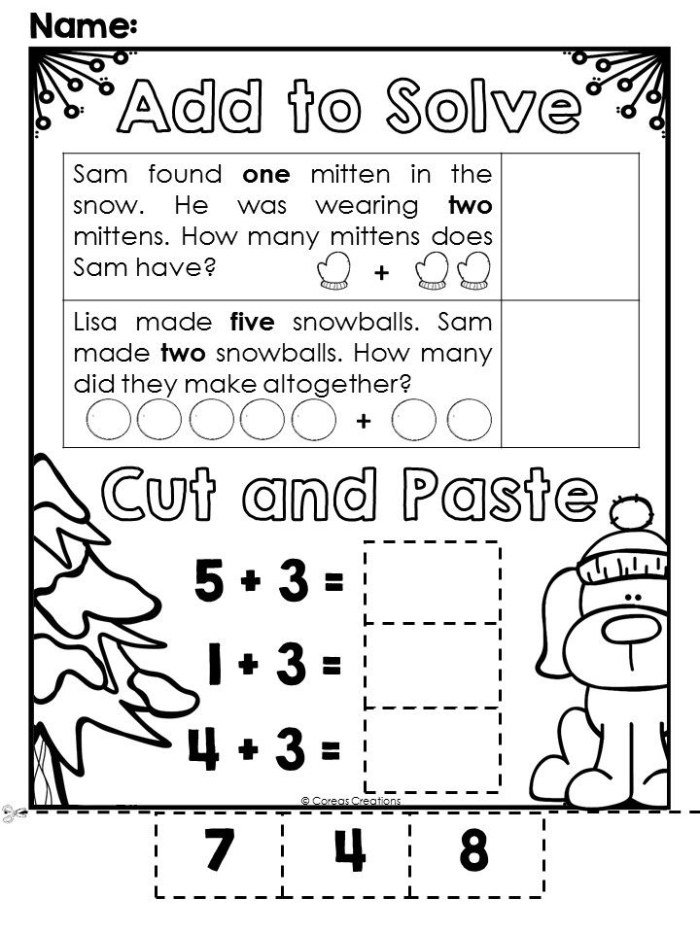
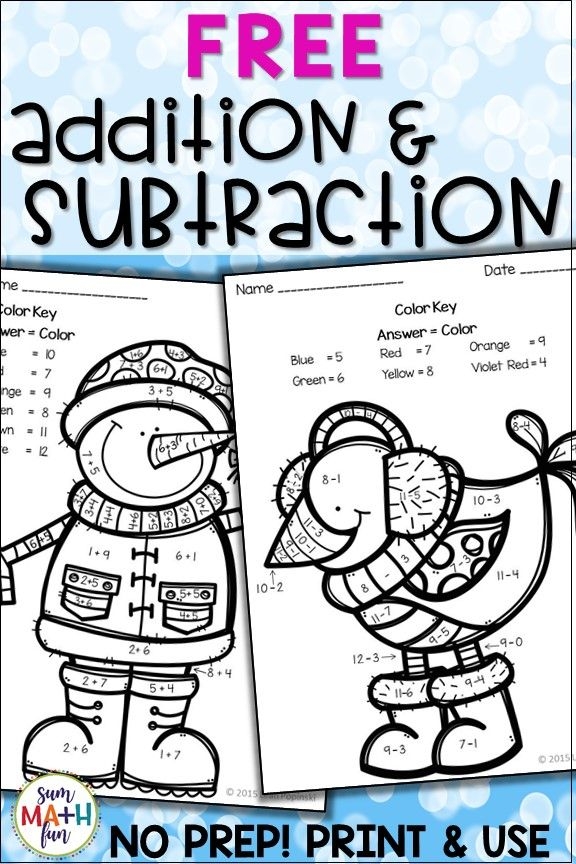
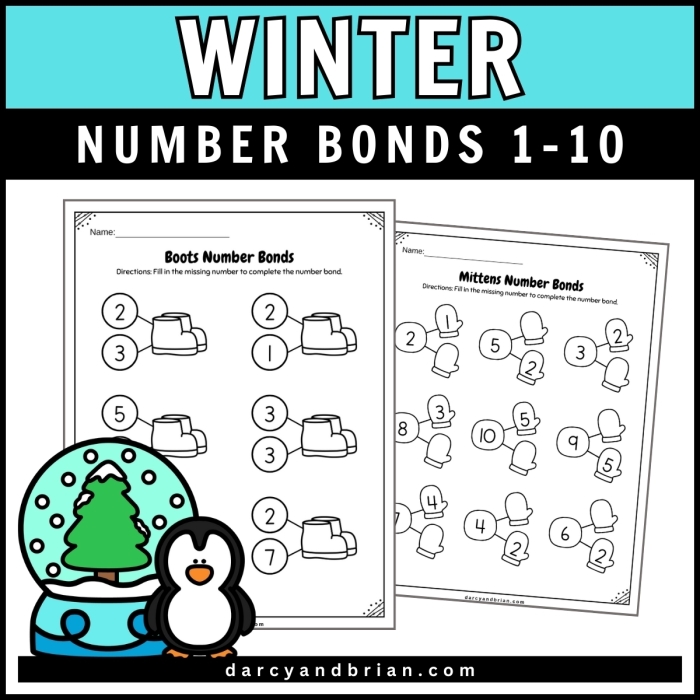
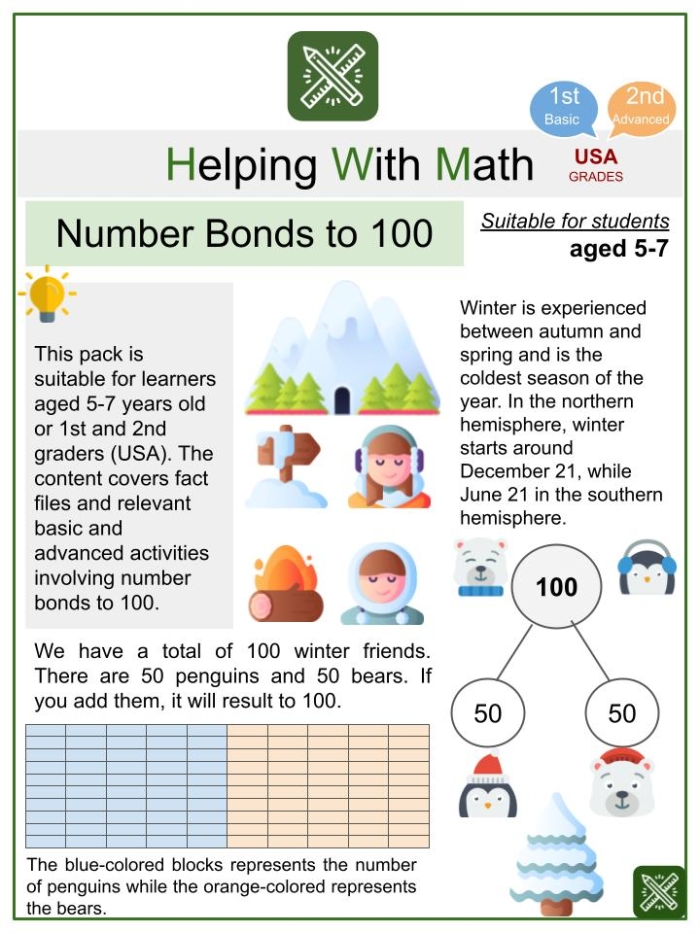
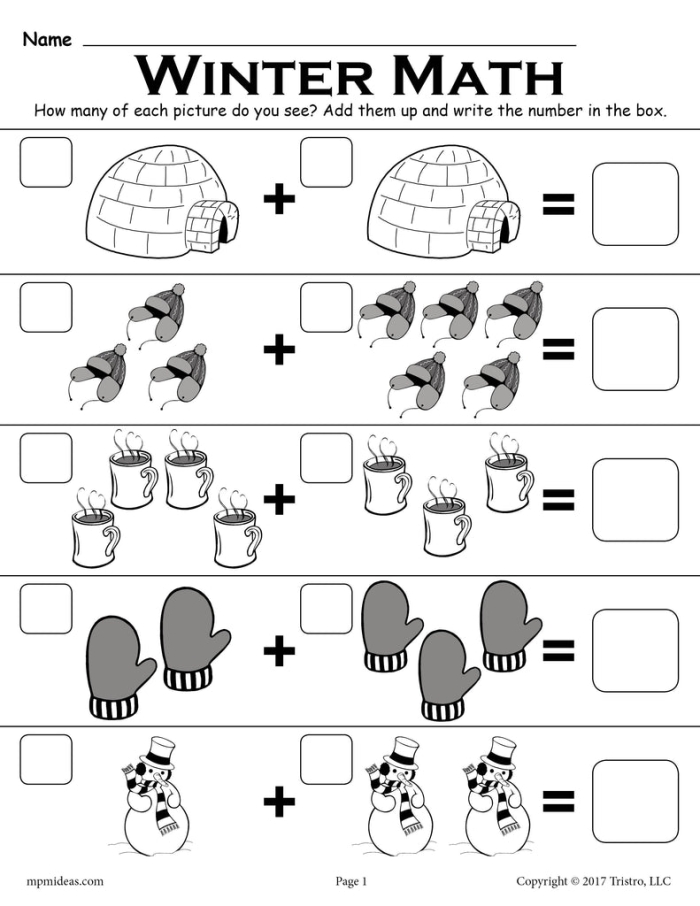
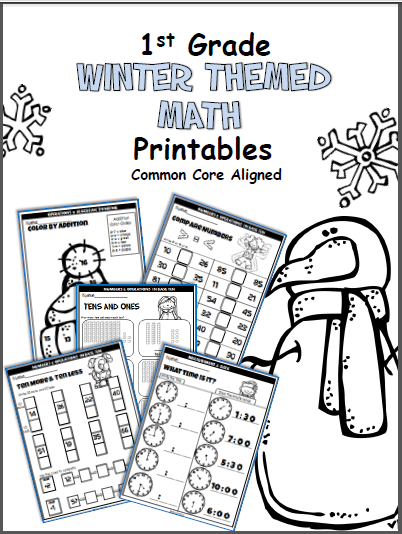
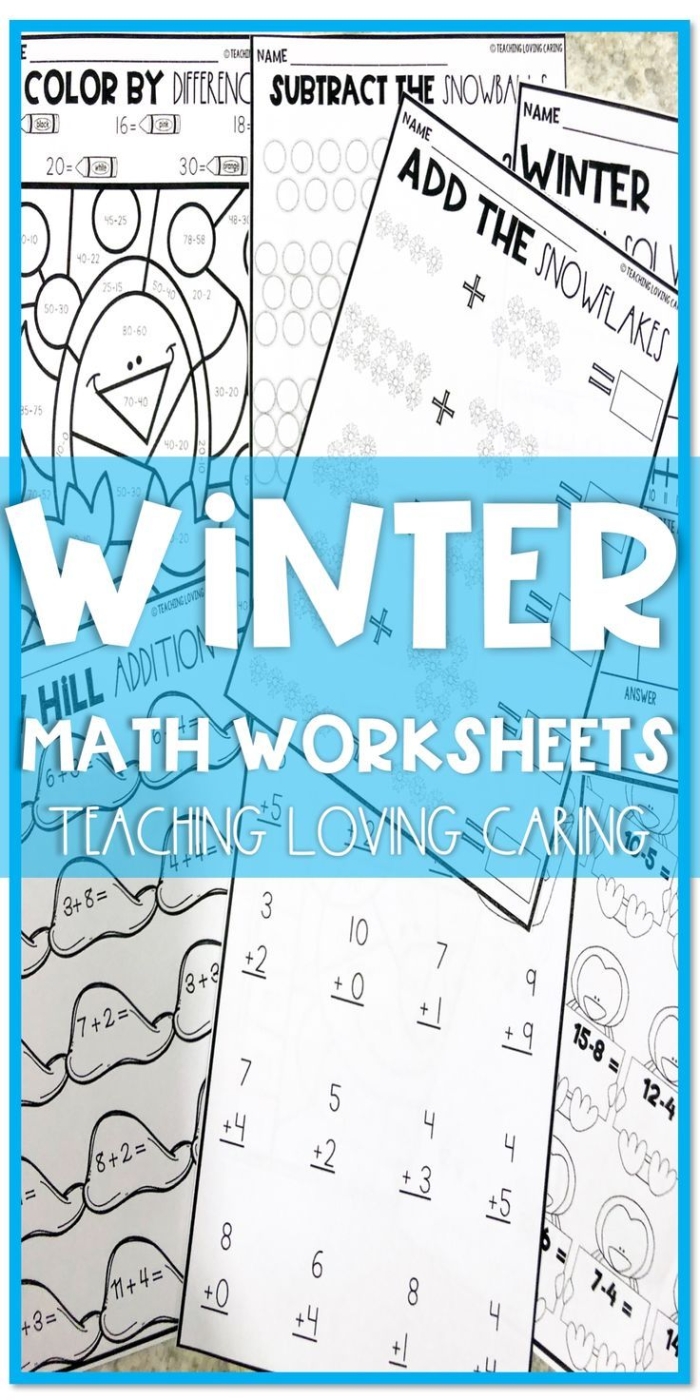
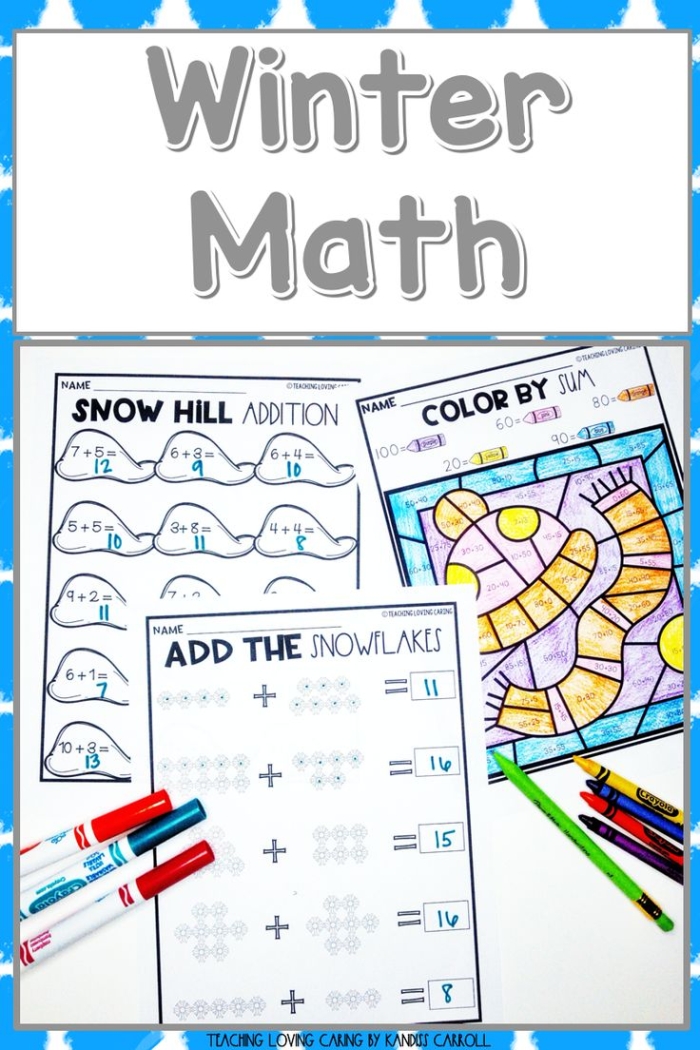
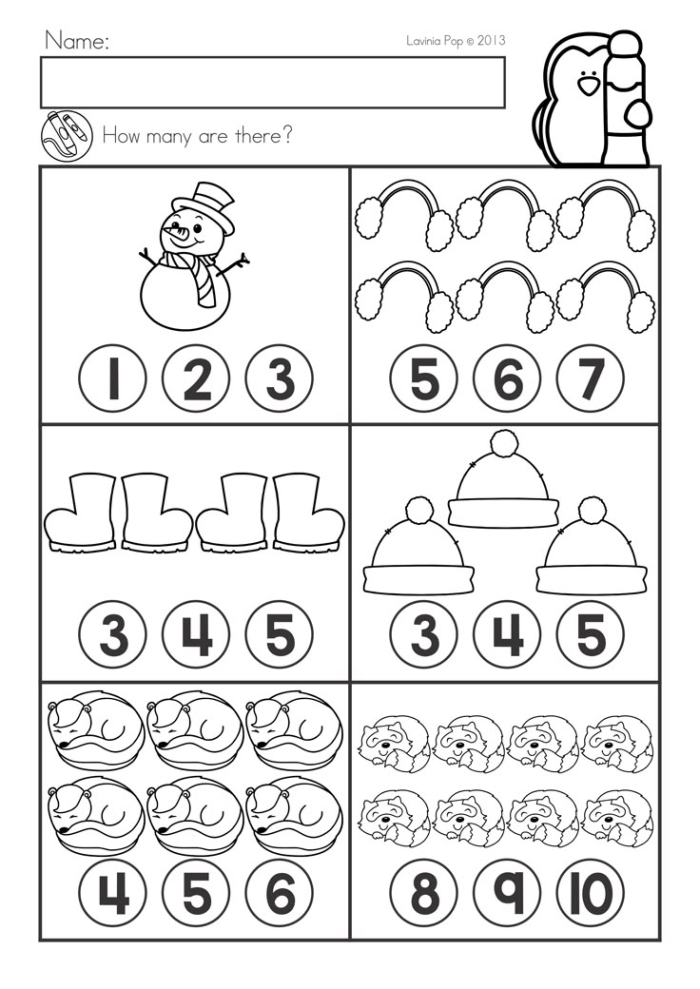
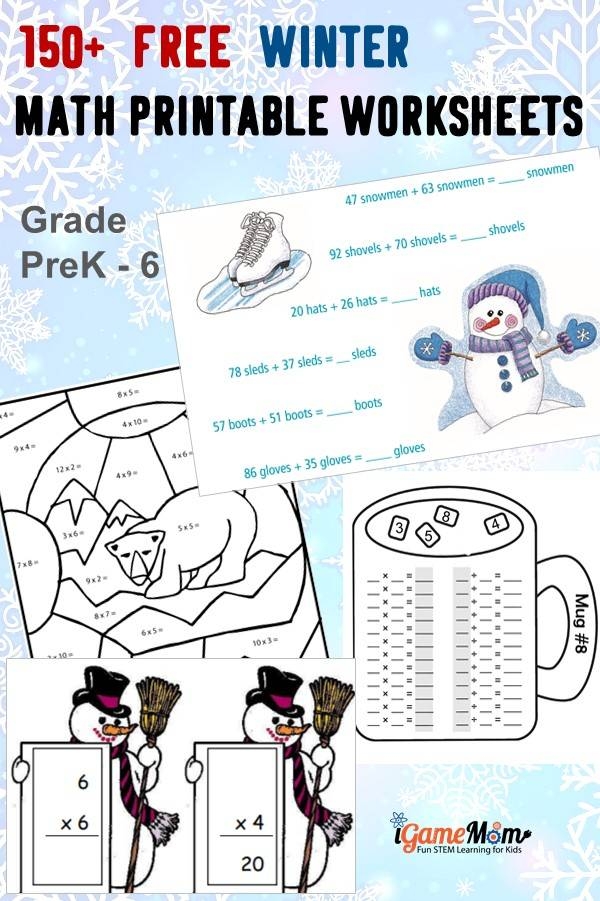
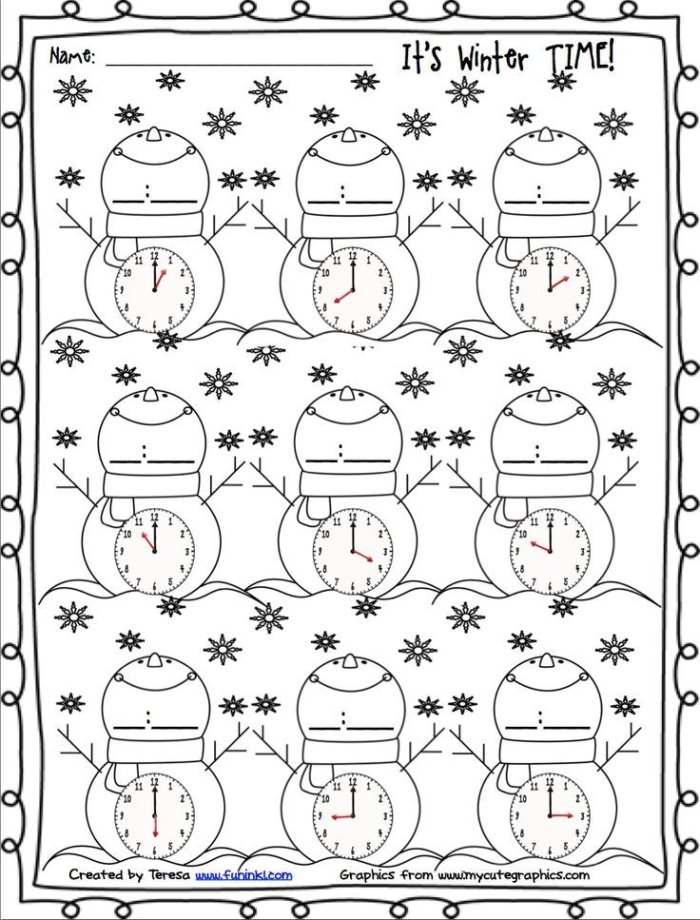
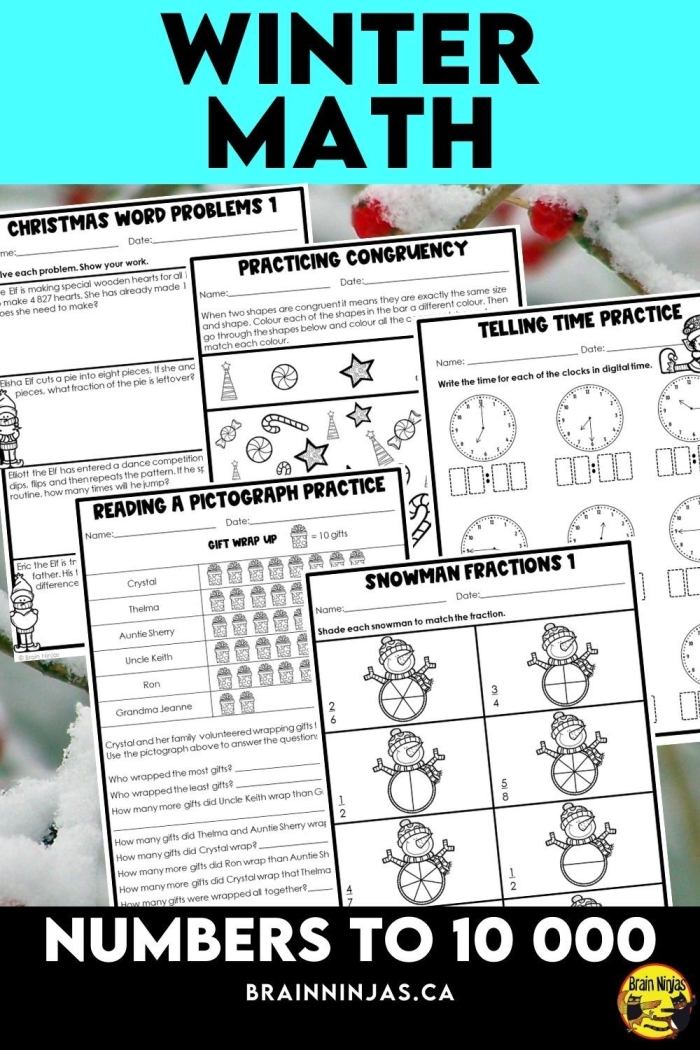
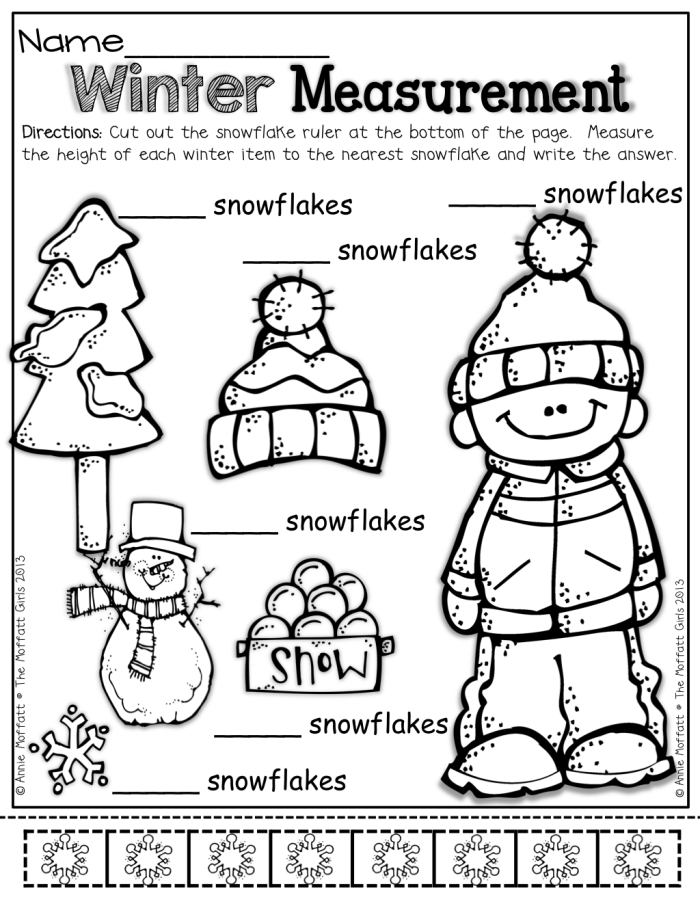
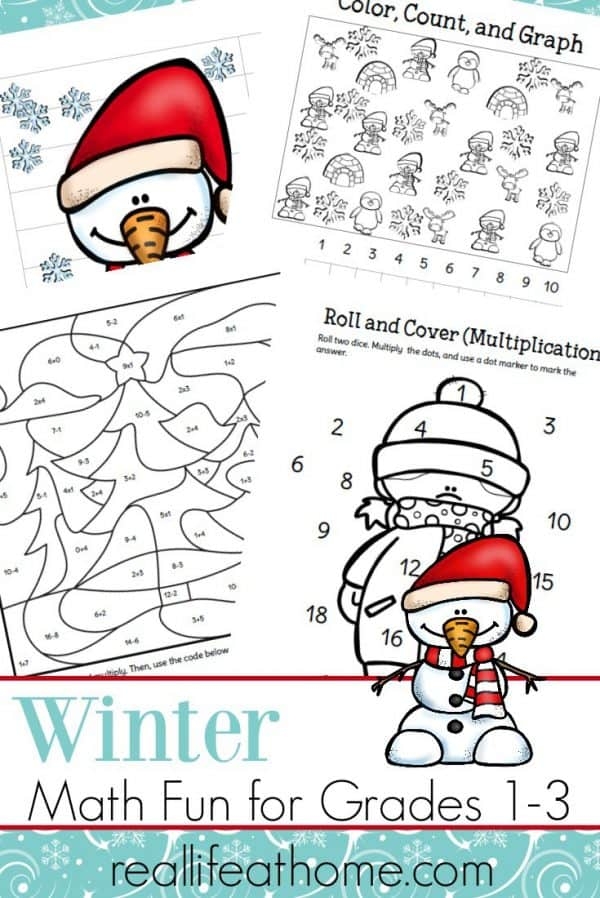
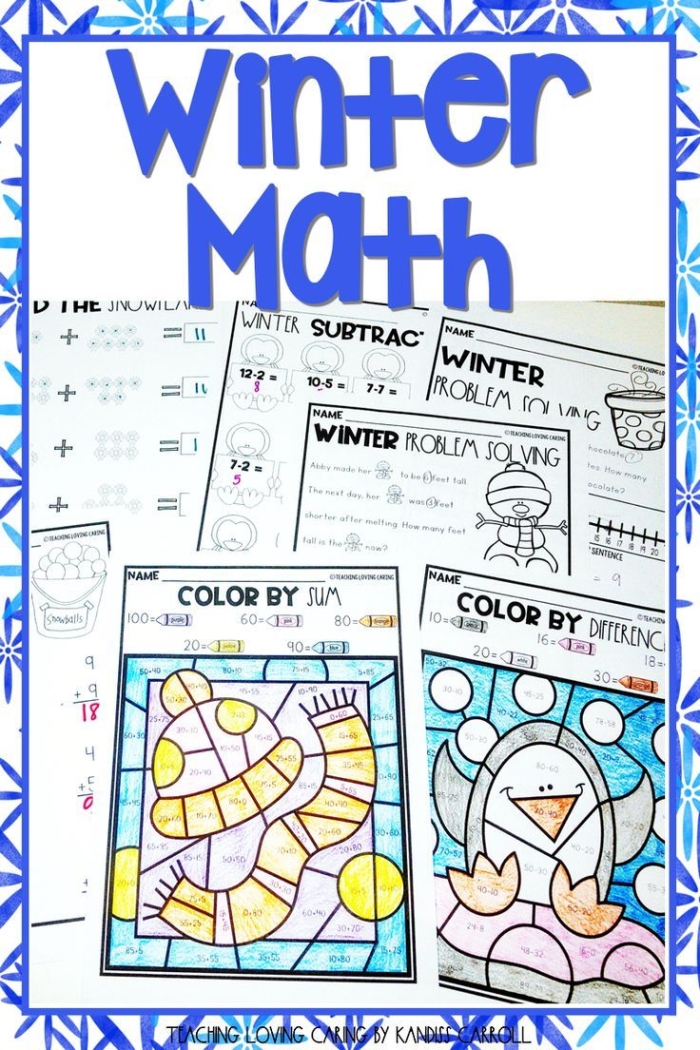
Printable winter math worksheets make this practice accessible and flexible. You can work through them during snowy afternoons, at the kitchen table with hot cocoa nearby, or whenever your child seems most alert. The vocabulary of addition itself matters too, so use consistent language: “plus,” “equals,” and “sum” become familiar words through regular use.
Winter math practice also pairs well with other learning. After working through addition exercises, you might explore related concepts to keep the brain engaged across different skill areas.
The goal isn’t perfection by January. The goal is steady progress and helping your child see that math is manageable, even enjoyable, when there’s time to breathe.
Practice with These Worksheets