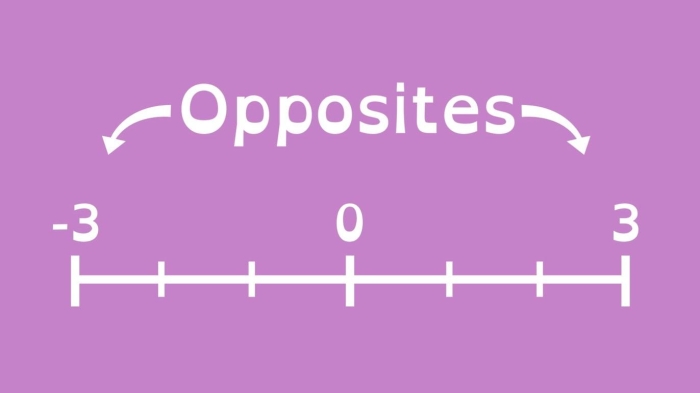
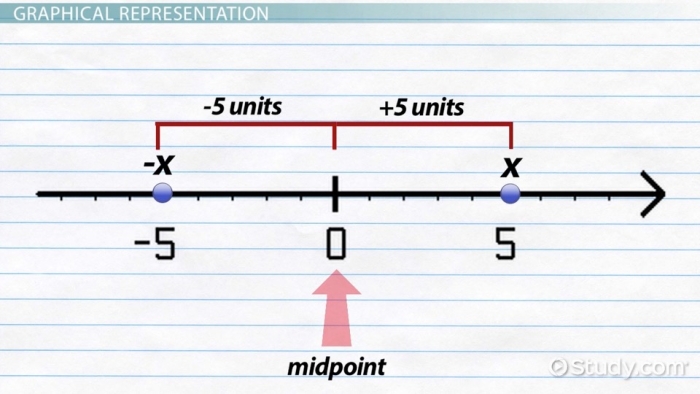
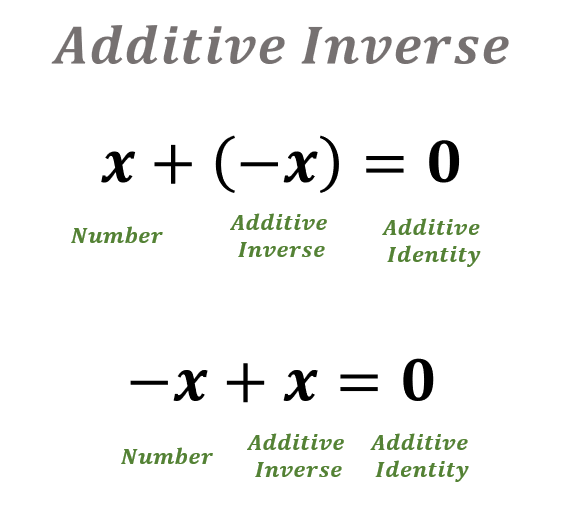
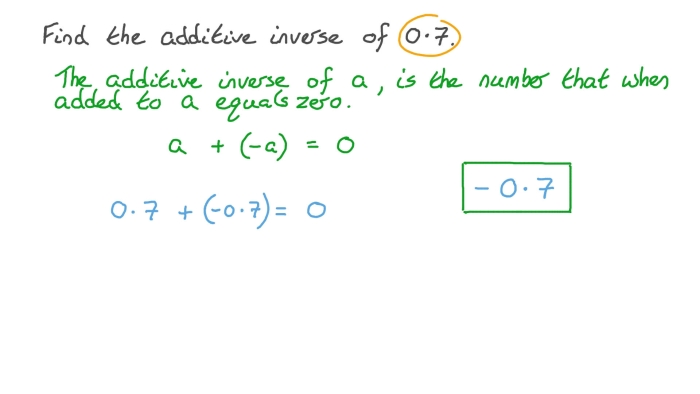
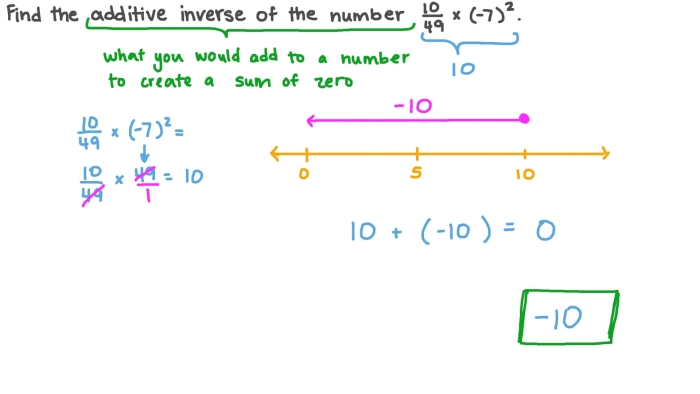
Helping a first grader understand addition can be much more effective when they learn to work backwards from the answer to the problem. This approach introduces them to the concept of the additive inverse, which means finding a number that, when added to another, results in zero. Although this might sound advanced, it’s a natural extension of early addition skills and fits well within the Grammar and Mechanics category of learning.
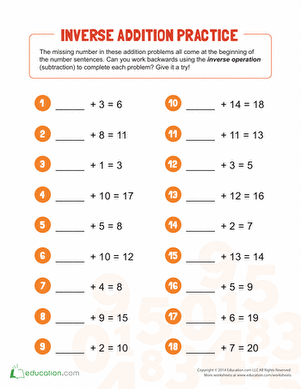
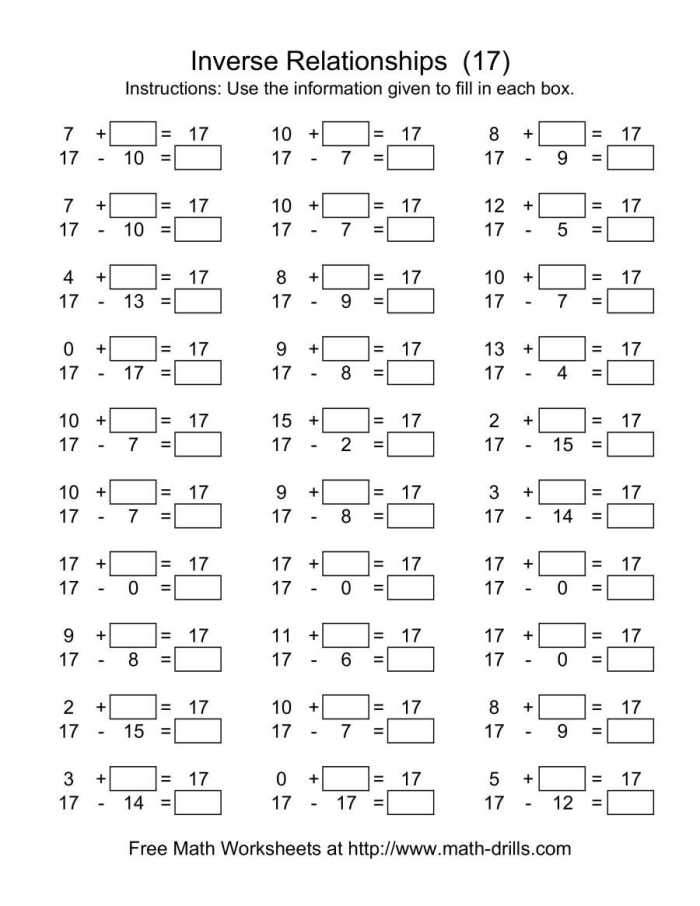
For example, if your child sees the equation 7 + ? = 10, instead of guessing the missing number, encourage them to think about what they need to add to 7 to get back to 10. This “working backwards” method helps children understand that subtraction is essentially finding the additive inverse. It’s a practical skill that deepens their number sense and helps them solve problems more confidently.
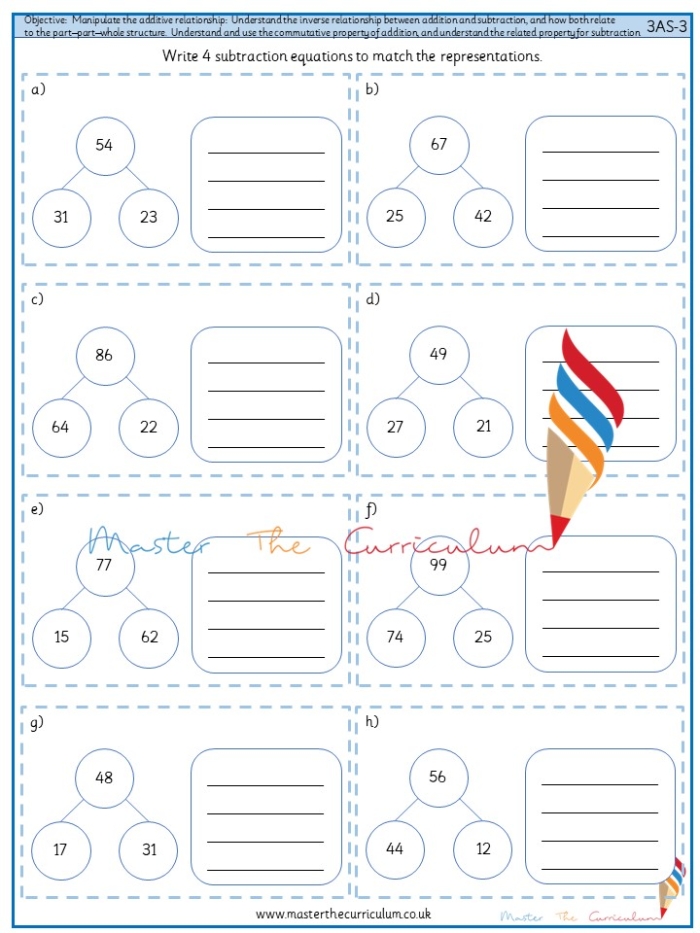
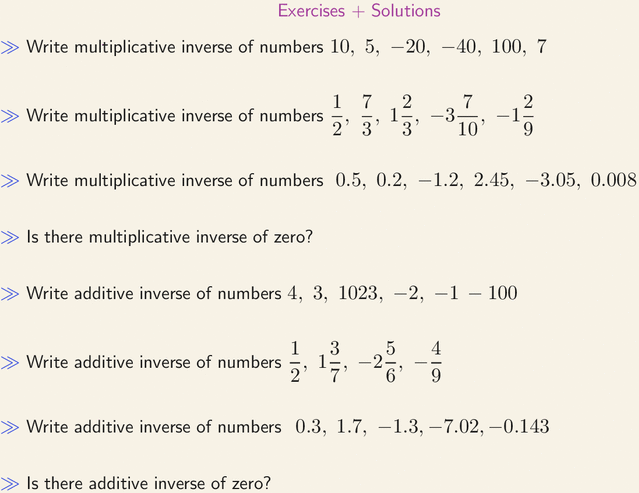
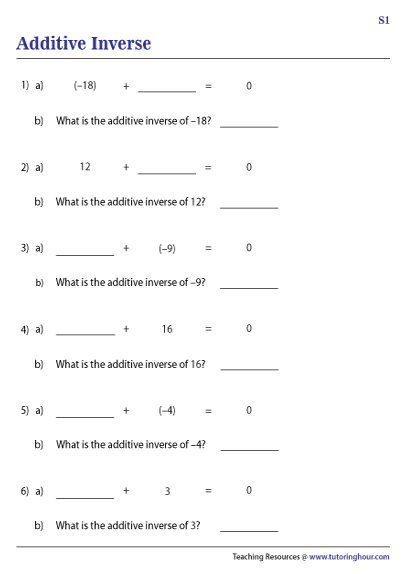
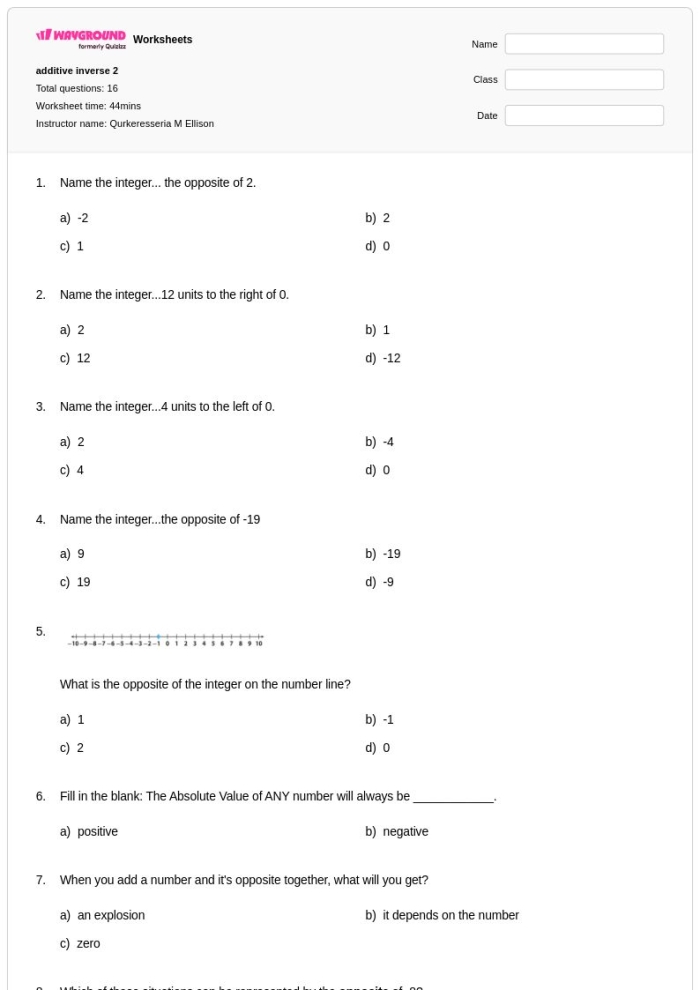
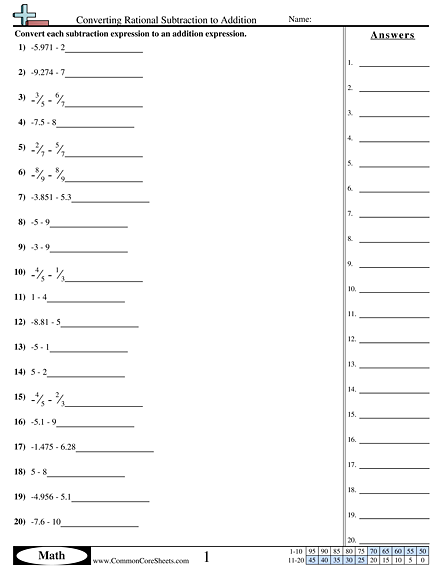
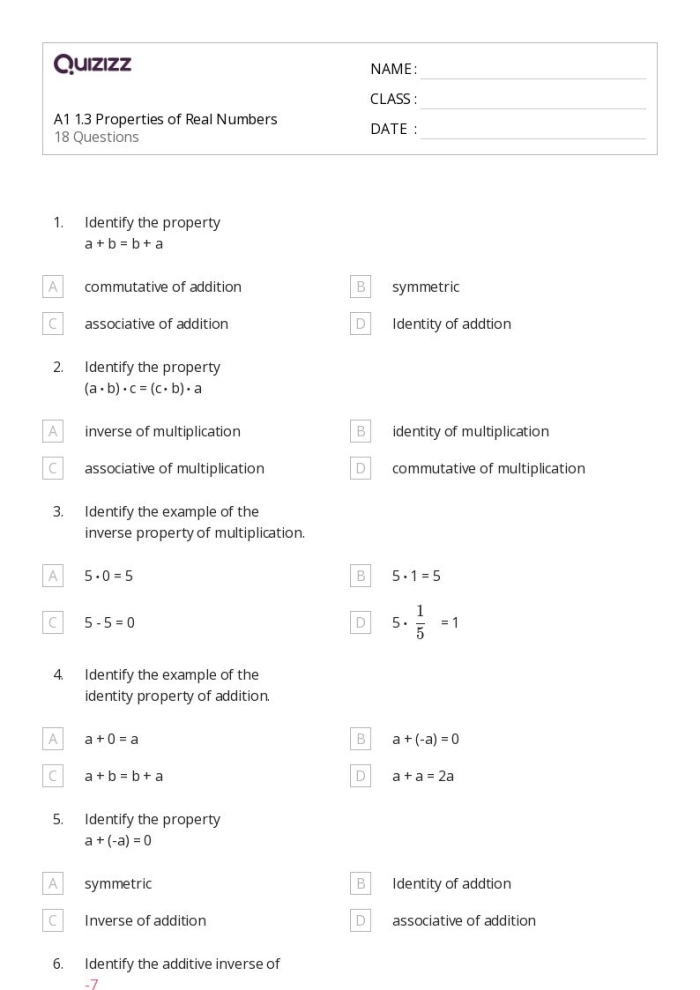
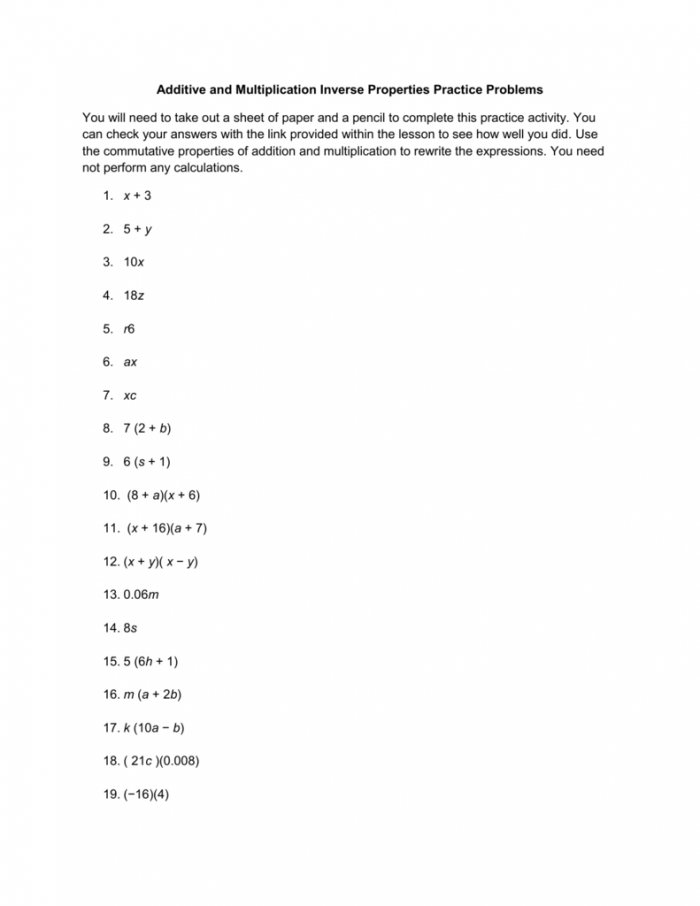
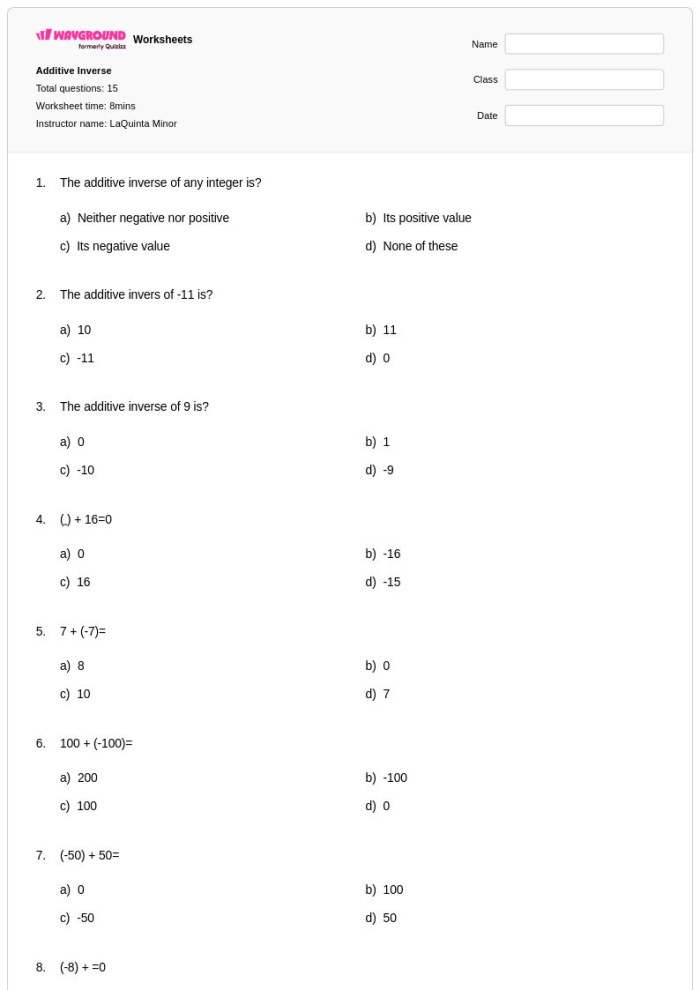
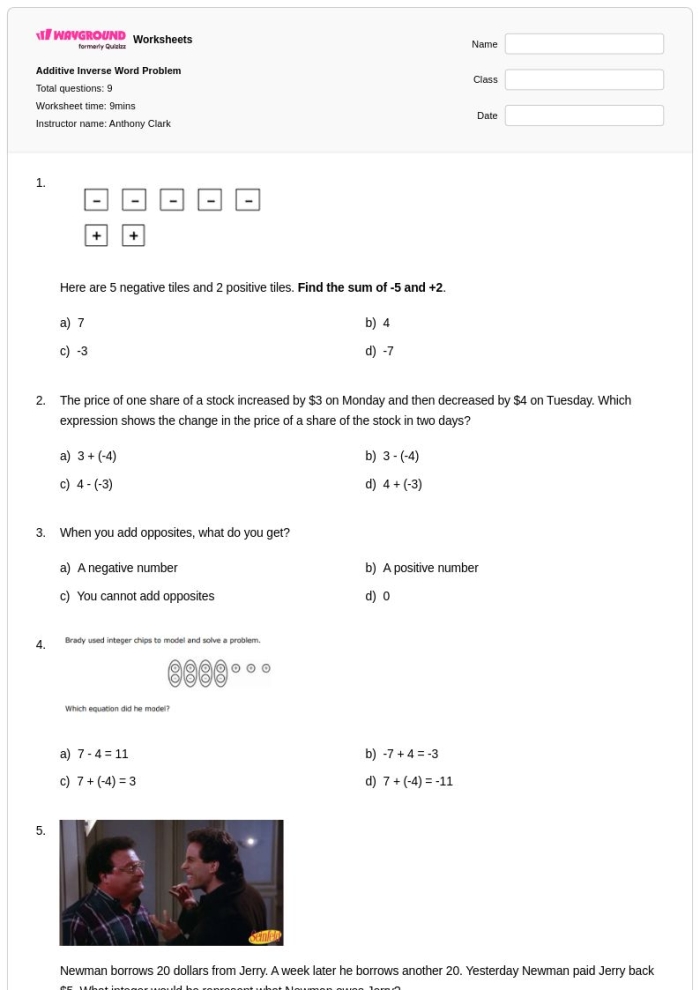
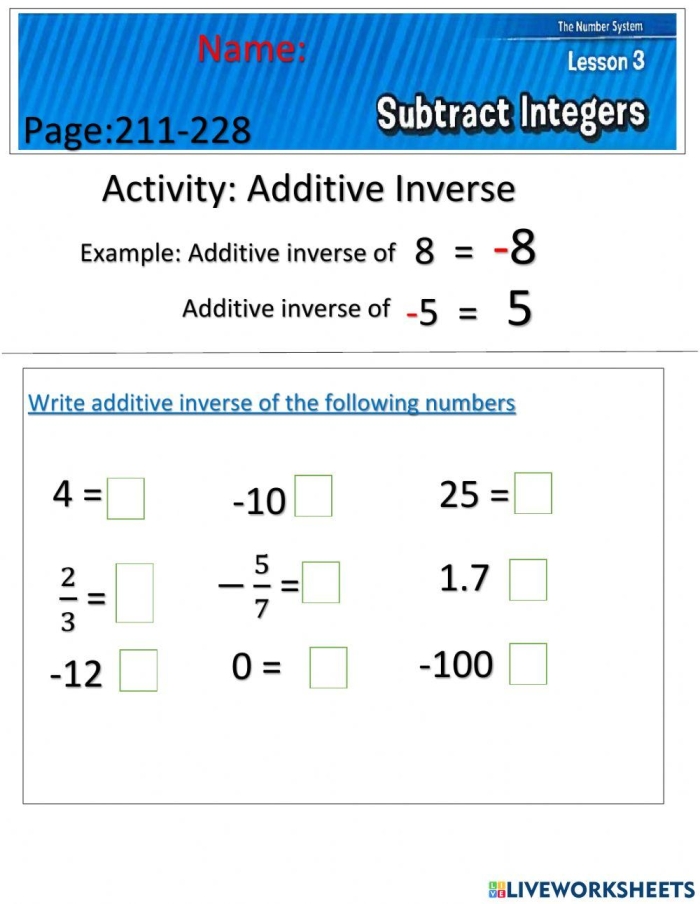
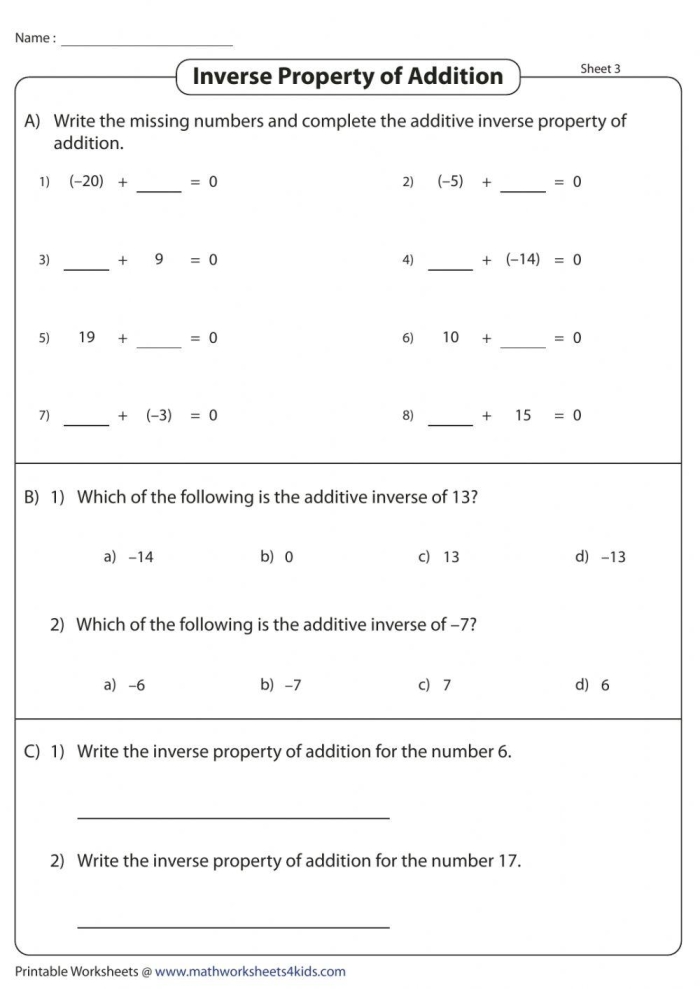
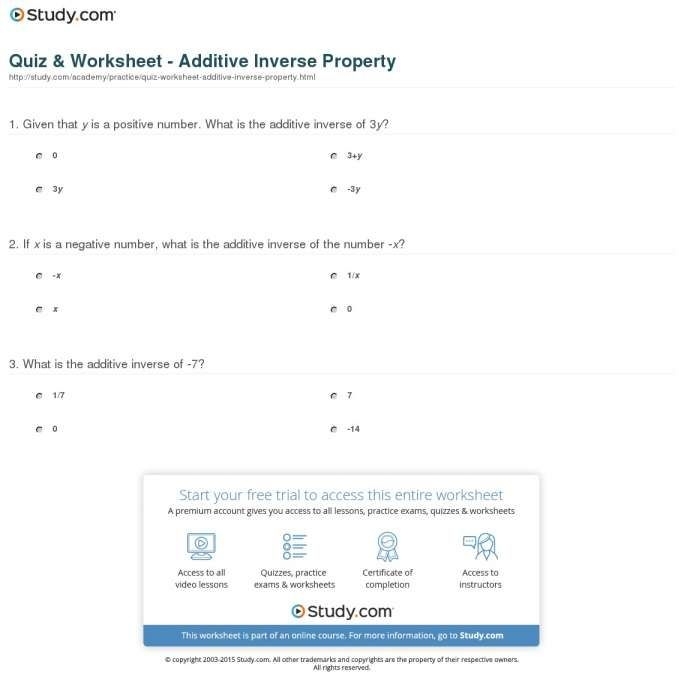
One way to practice this is by using printable additive inverse practice worksheets designed for first graders. These worksheets often present problems where the child must fill in missing addends or solve puzzles by identifying the inverse number. Incorporating visual aids like number cards, similar to those found in number card collections, can make the exercise interactive and engaging.
Another helpful resource might be exploring number patterns, which can strengthen their understanding of how numbers relate to each other. You can find charts and exercises that support this learning style on pages dedicated to number patterns for first graders. These patterns often highlight how adding and subtracting numbers are connected, reinforcing the additive inverse concept naturally.
Practicing this skill early helps children not only with addition but also builds a foundation for understanding subtraction and later, more complex math operations. It’s a simple but powerful way to develop mathematical thinking, especially when combined with engaging activities like the jungle-themed addition worksheets that add a bit of fun to learning.
Start Practicing with These Worksheets