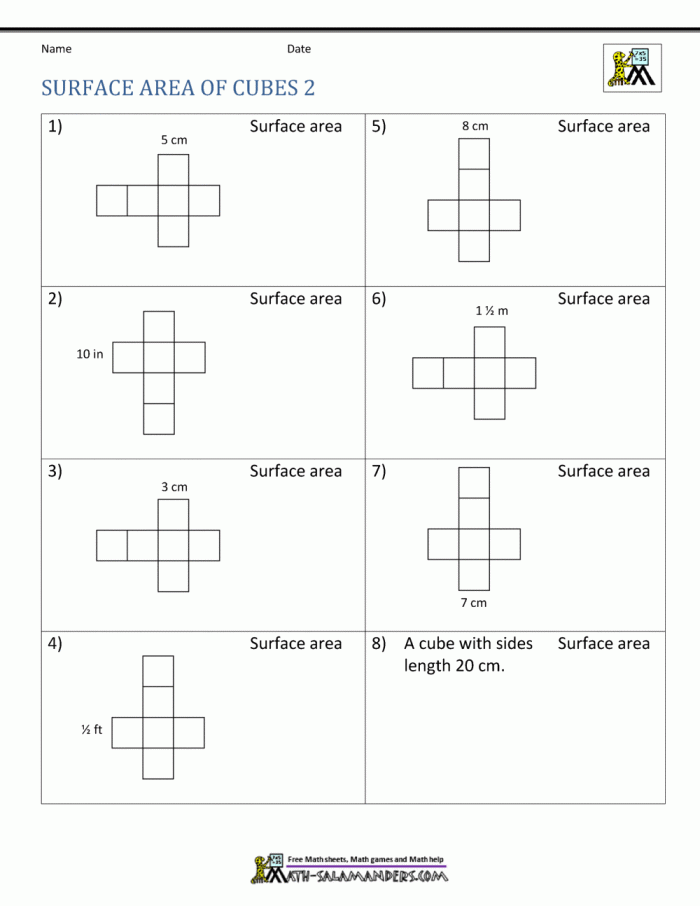
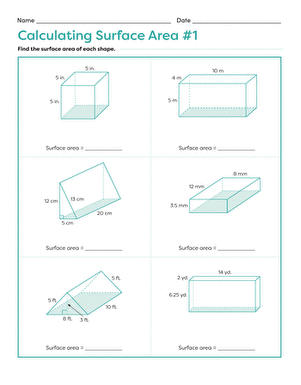
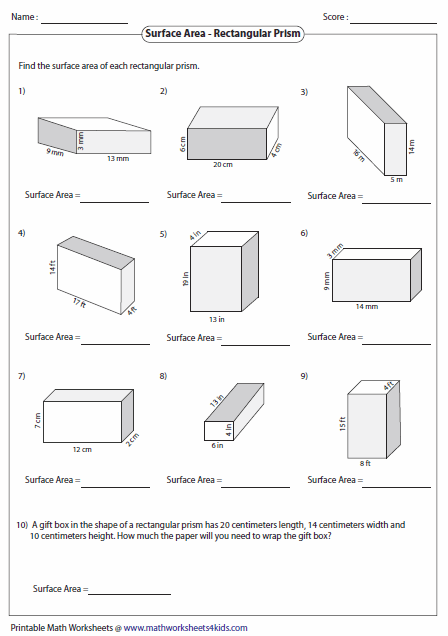
When sixth grade students first encounter surface area, many treat it as just another abstract formula to memorize. The disconnect between the math and real objects makes the concept stick poorly. Using concrete teaching tools changes this entirely, letting students physically interact with three-dimensional shapes and actually measure the faces they’re calculating.
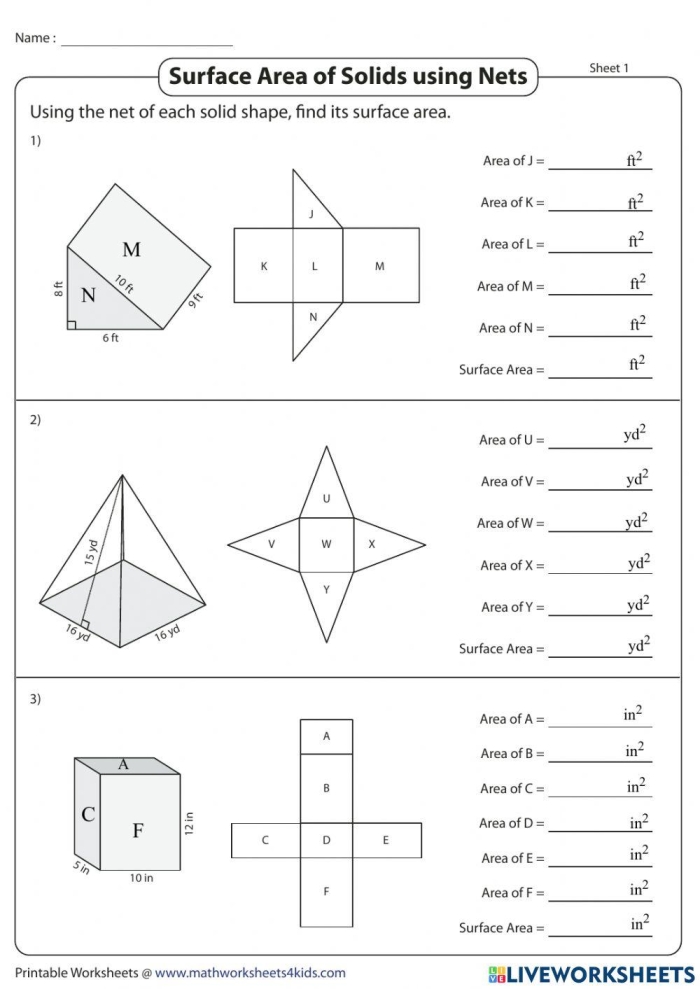
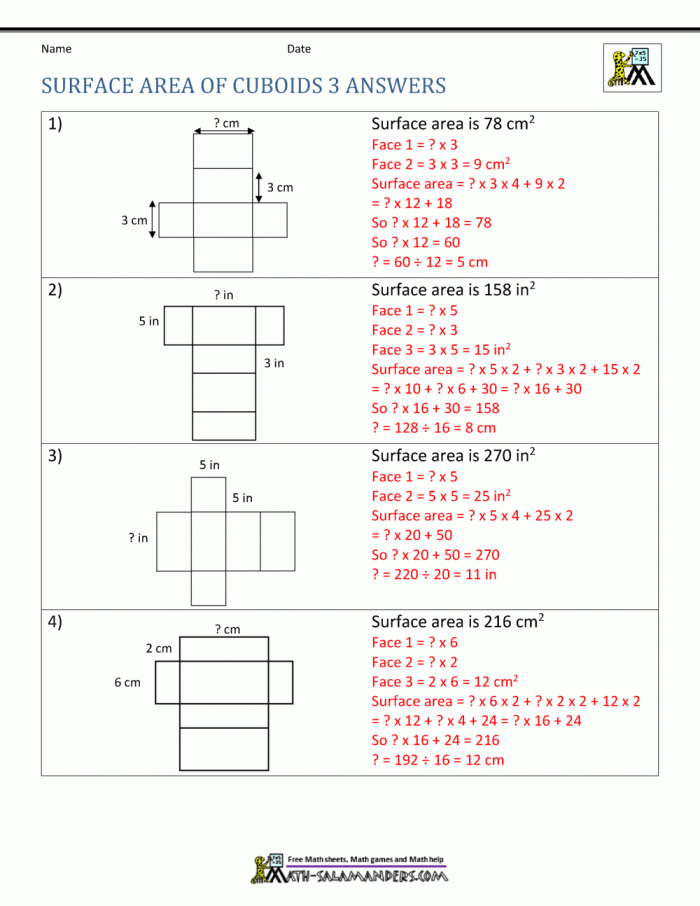
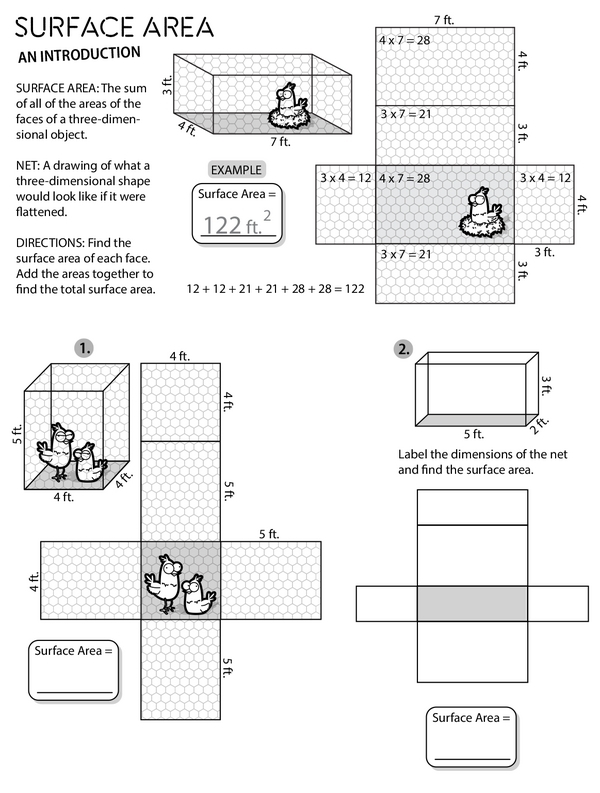
A concrete approach means having students work with real boxes, cubes, and rectangular prisms they can hold and unfold. When they unfold a cereal box or tissue container, they see exactly why we add up all the faces. This tactile experience creates a mental anchor that formulas alone cannot provide. Students begin to understand that surface area measures the total space covering an object, not the space inside it.
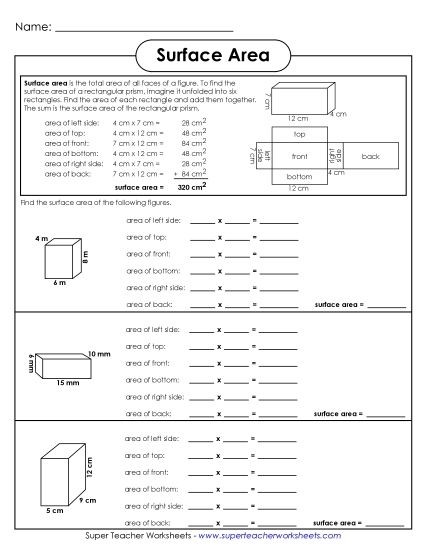
The handwriting component matters more than many teachers realize. As sixth grade students label each face of their unfolded shapes, record measurements, and calculate areas, they reinforce their understanding through the physical act of writing. This combines kinesthetic and written learning in a way that strengthens retention. When students write out their work step by step, they catch their own errors and develop clearer mathematical thinking.
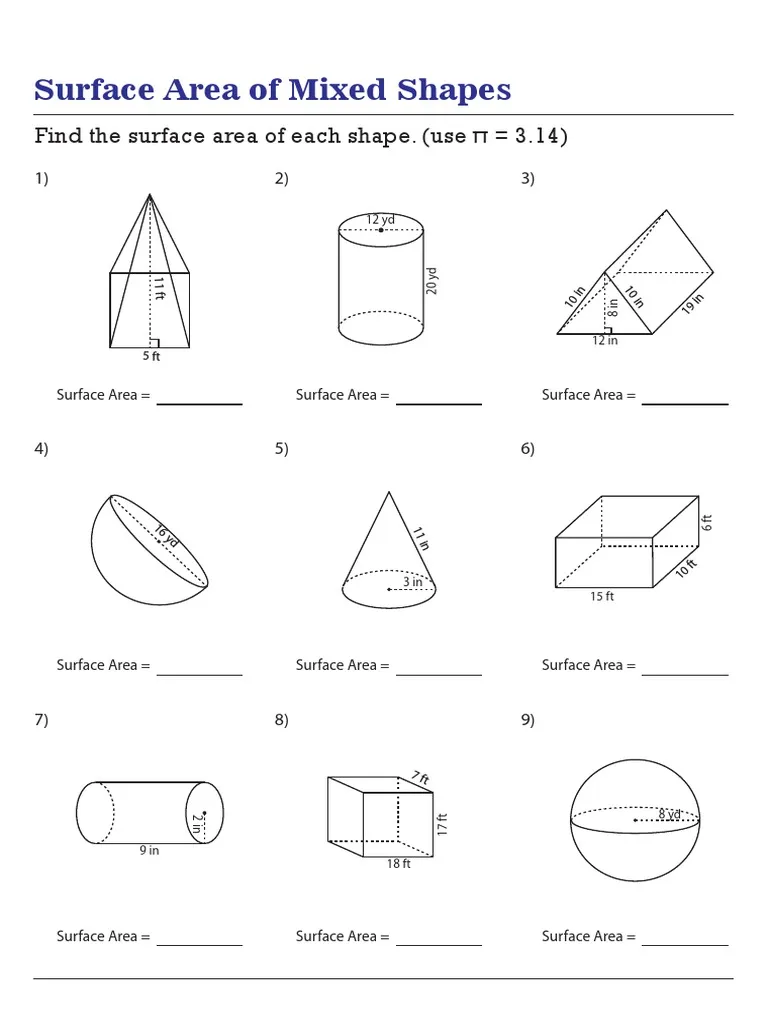
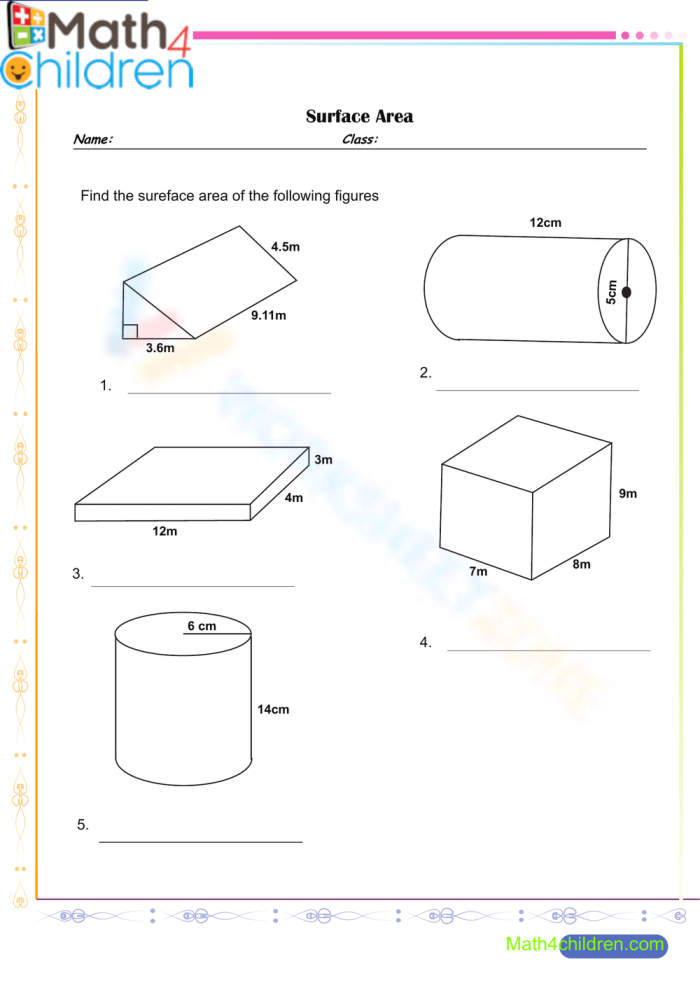
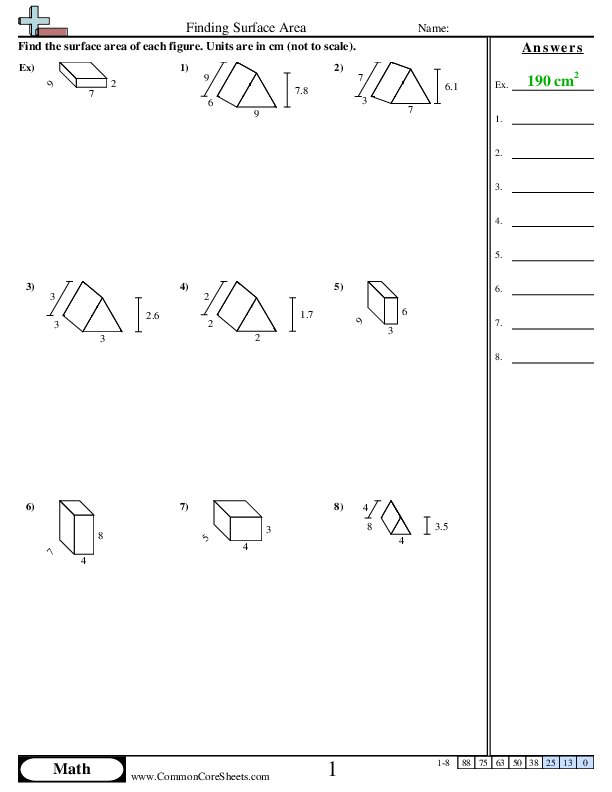
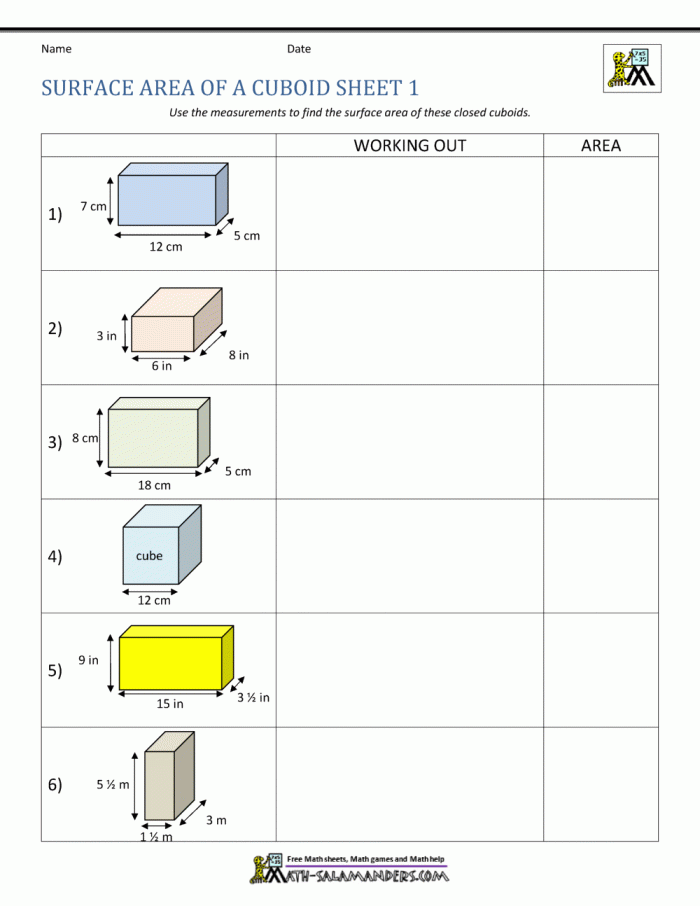
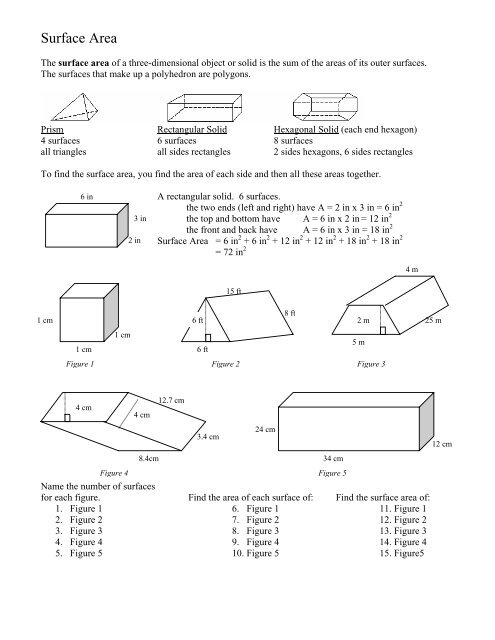
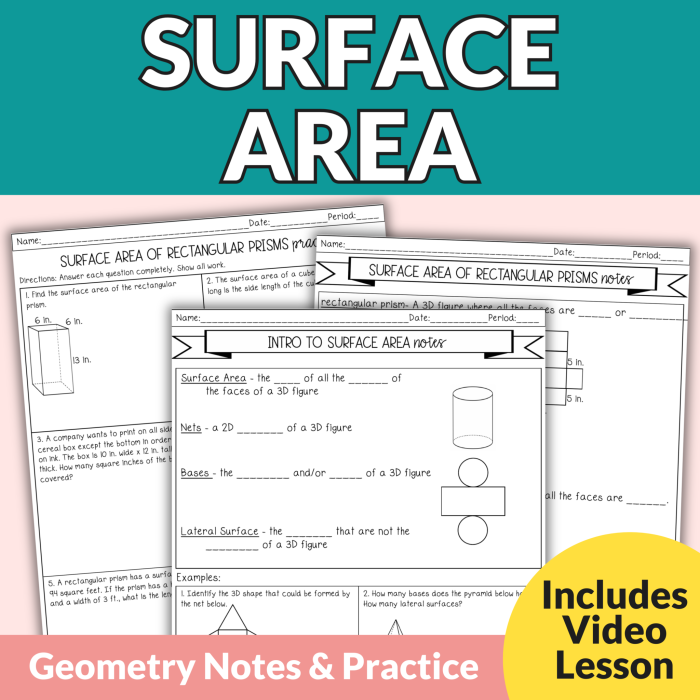
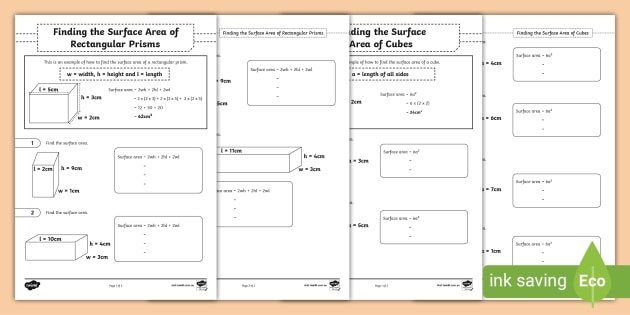
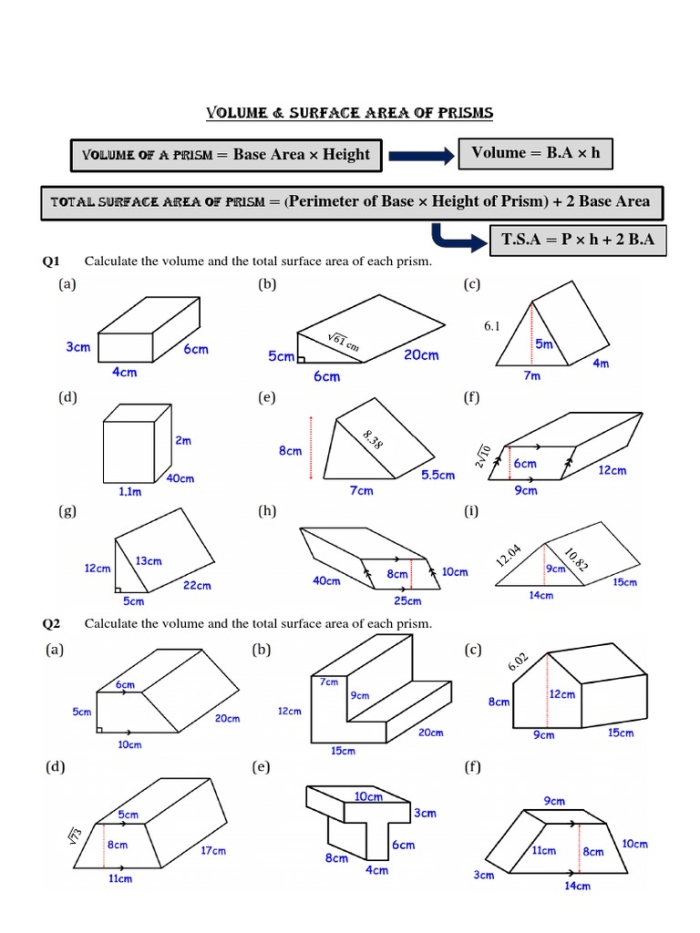
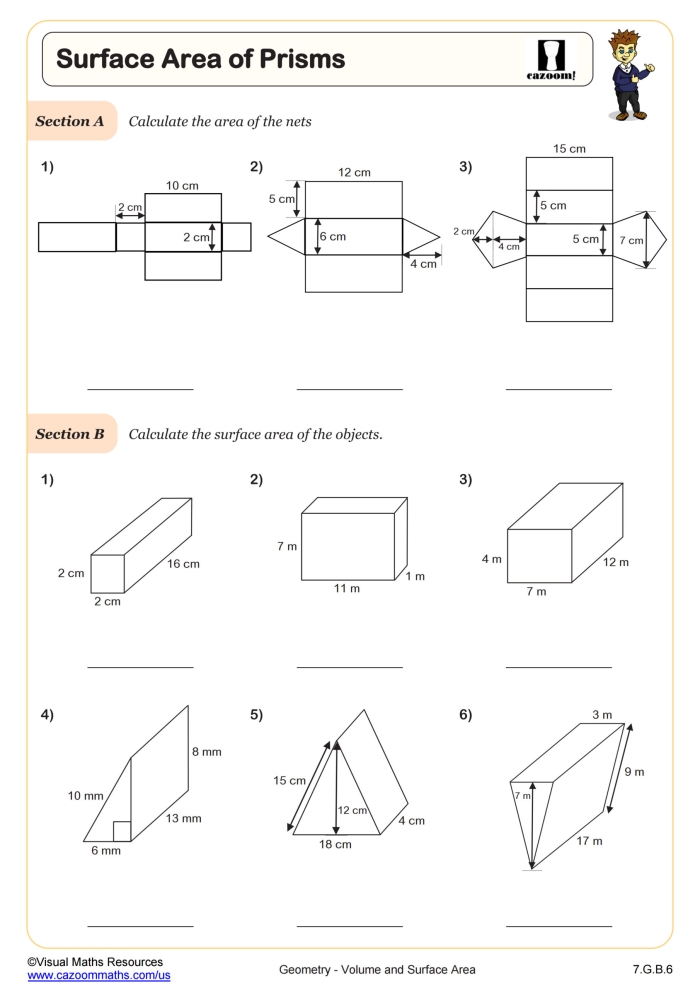
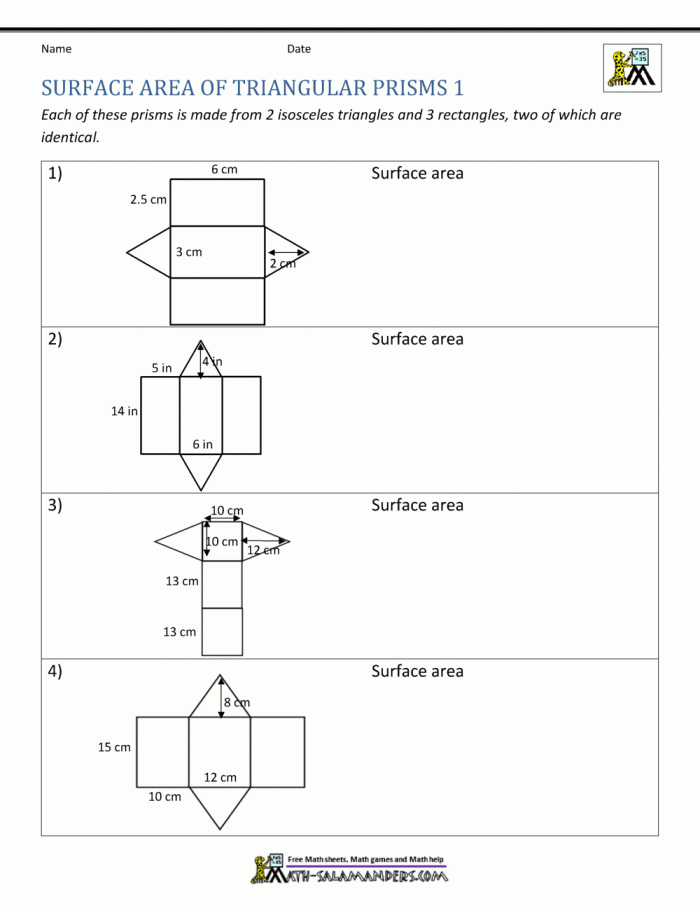
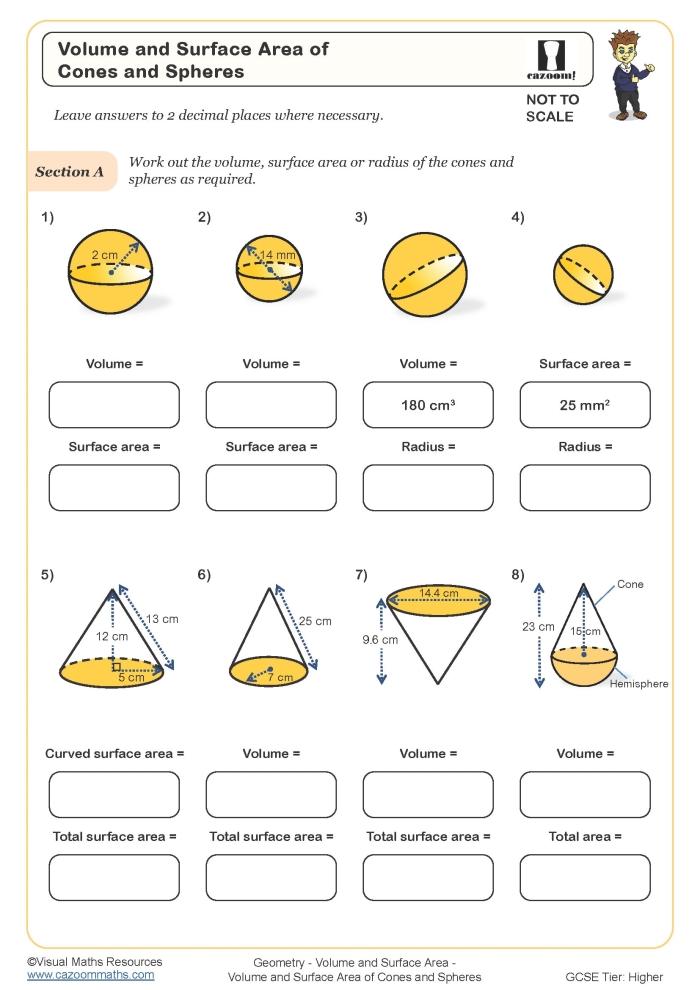
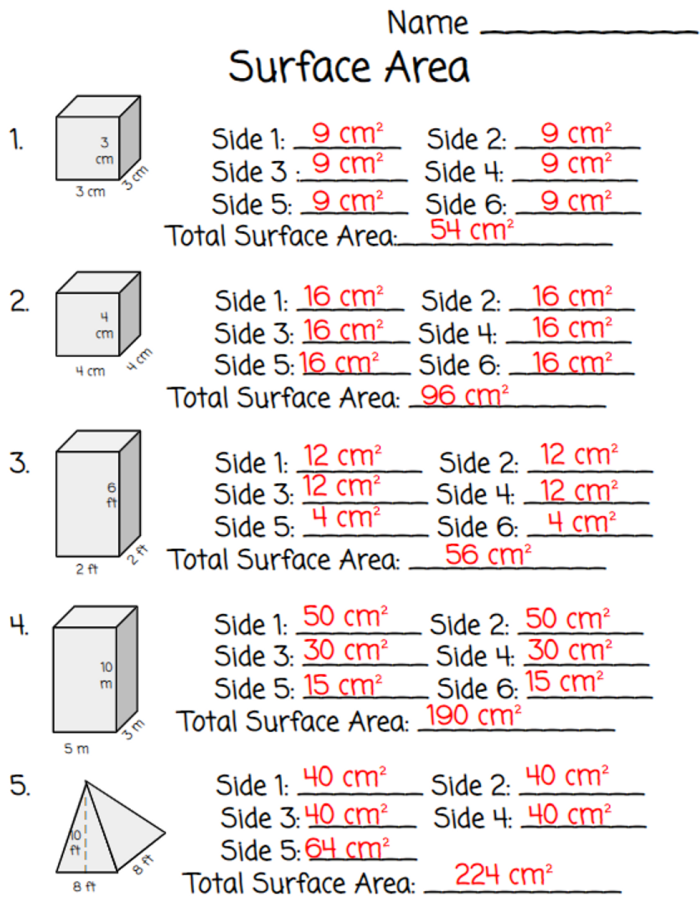
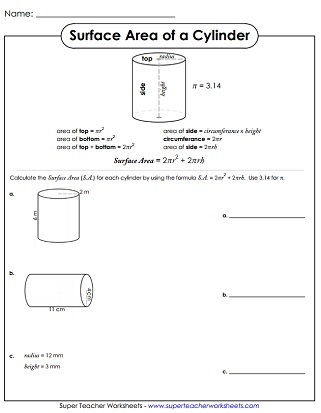
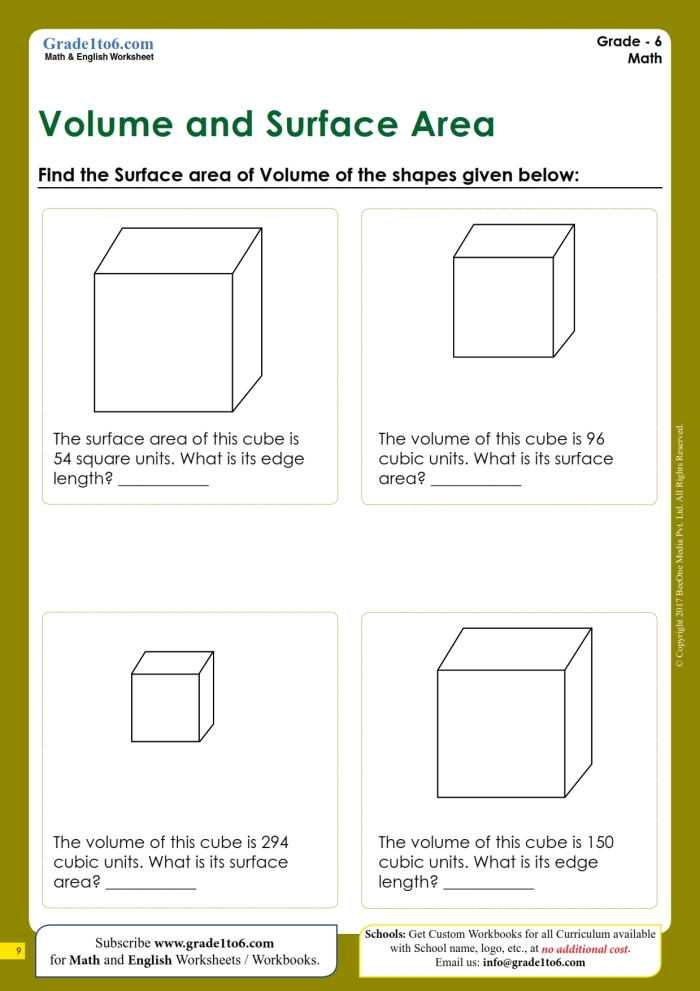
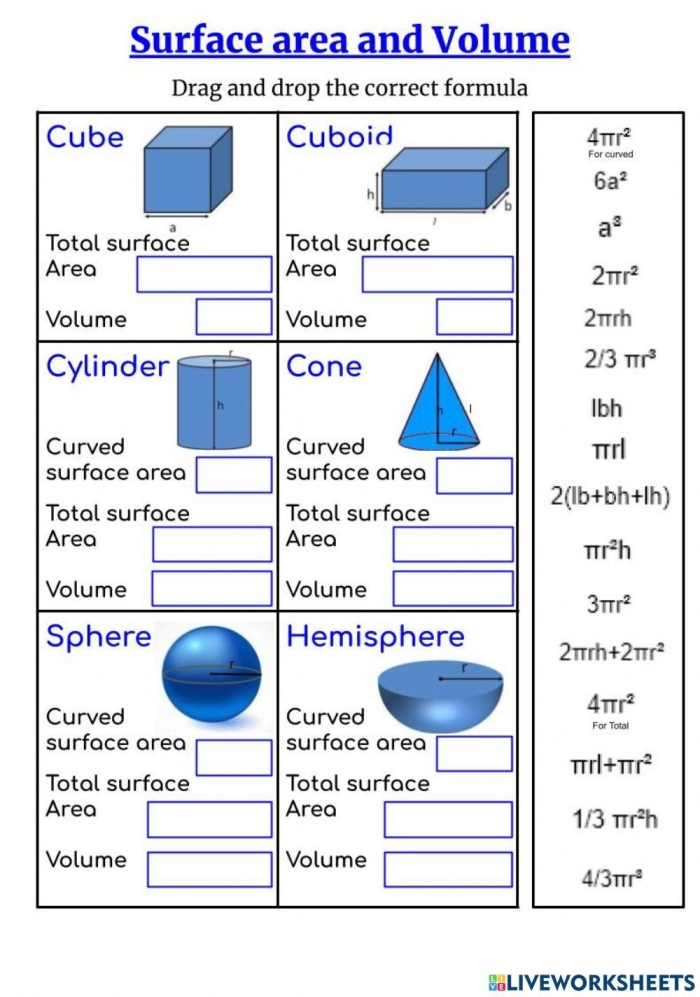
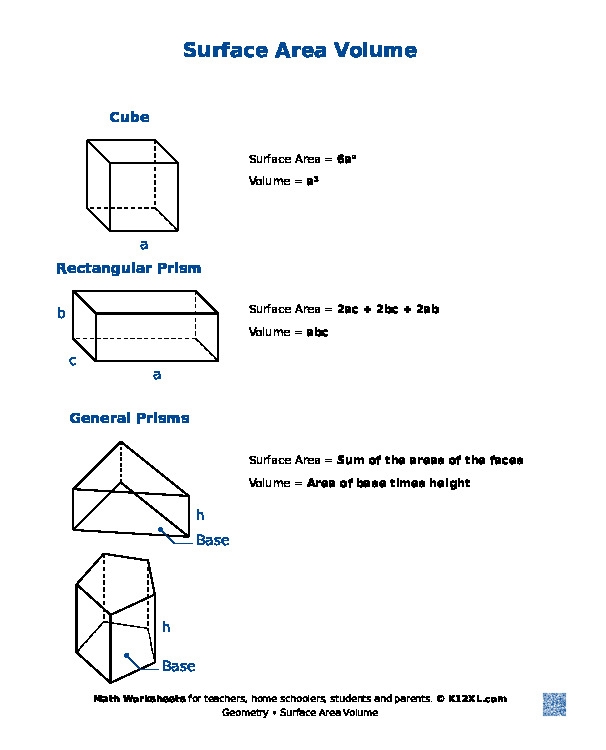
Pairing concrete manipulatives with structured practice worksheets amplifies the learning. Students can apply what they discovered hands-on to paper-based problems. If your curriculum includes number theory and mathematical reasoning practices, surface area fits naturally alongside these skills. The same students who benefit from identifying reliable sources for research can apply that critical thinking to checking their surface area calculations.
Starting with objects students can see and touch removes the mystery from surface area. They move from confusion to competence because they built understanding from the ground up, not from a formula down.
Hands-On Worksheet Activities