When third graders encounter an unfamiliar word while reading, many freeze. They either skip it entirely or ask for help immediately. A better approach teaches them to become word detectives, using the surrounding sentence to figure out what the word means on their own. This is where context clues come in, and a solid worksheet can make the skill stick.
Context clues are hints hidden in the text around an unknown word. They might appear as a definition, a synonym, an example, or even a contrasting idea. When students learn to spot these clues, they gain independence as readers and build confidence tackling new vocabulary without constant adult intervention.
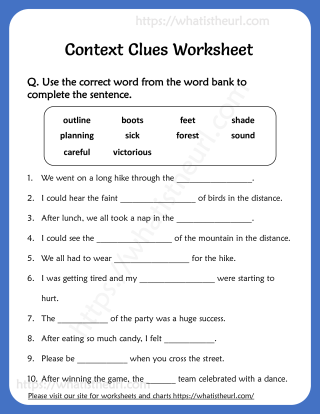
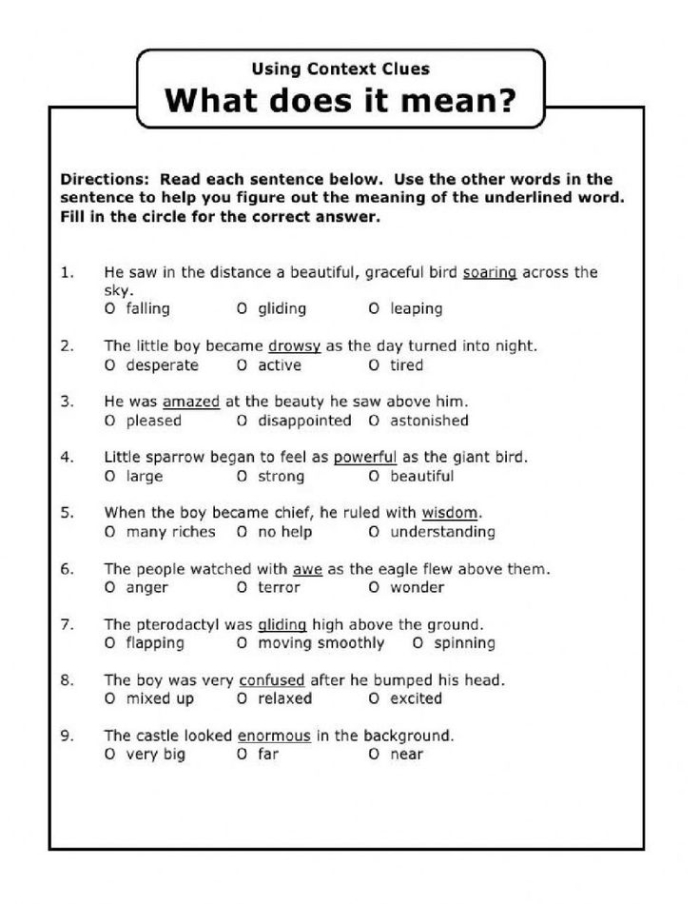
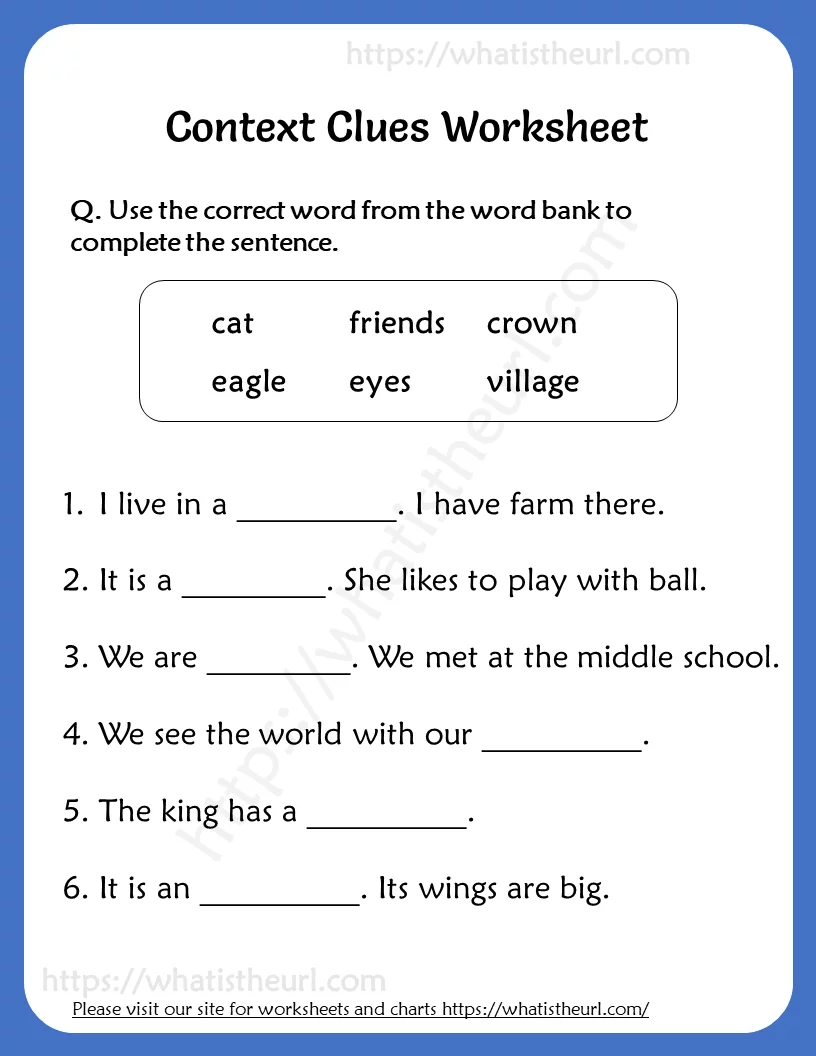
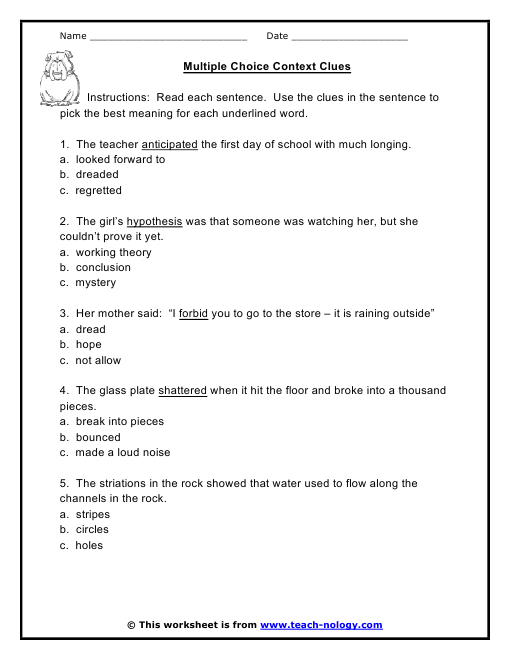
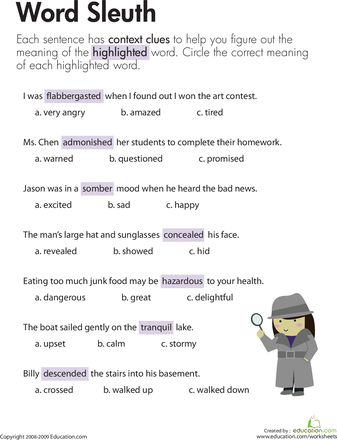
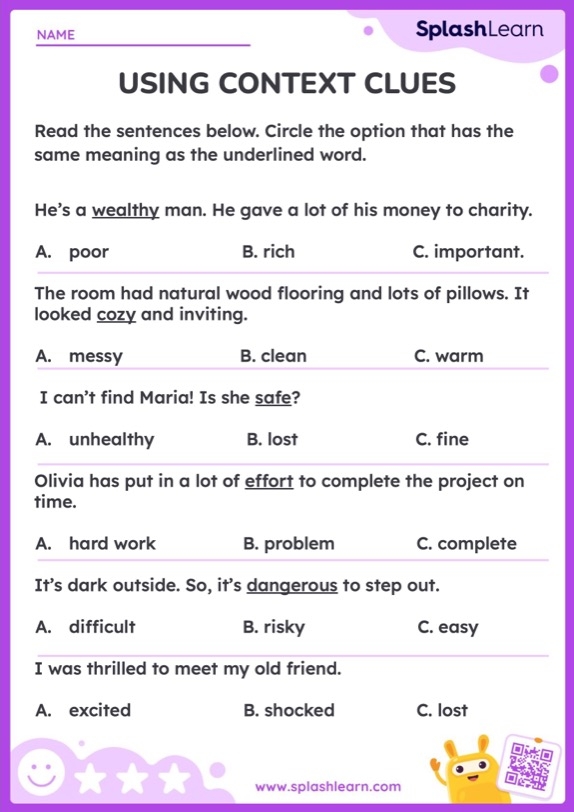
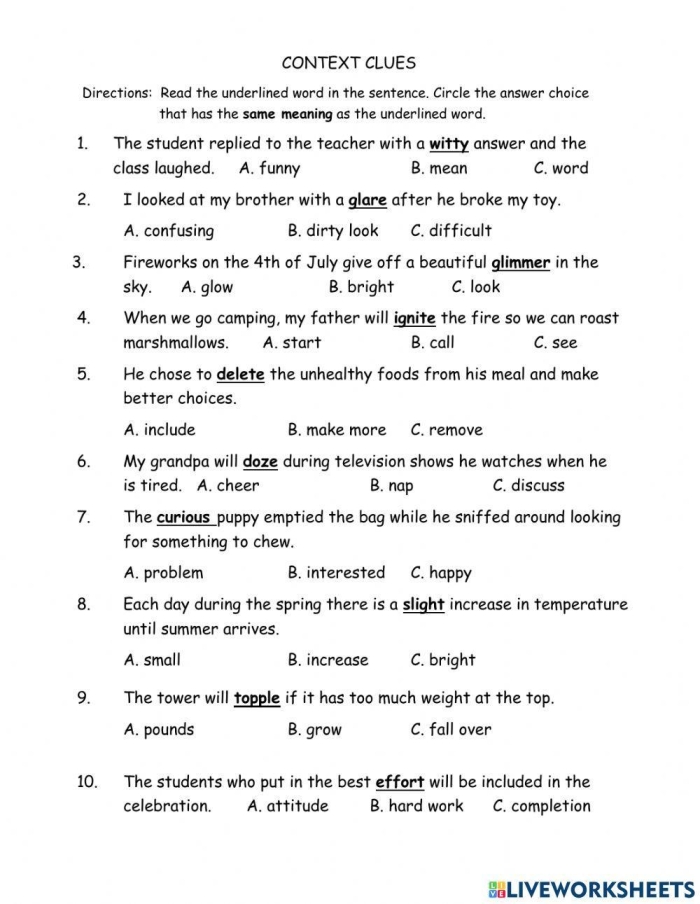
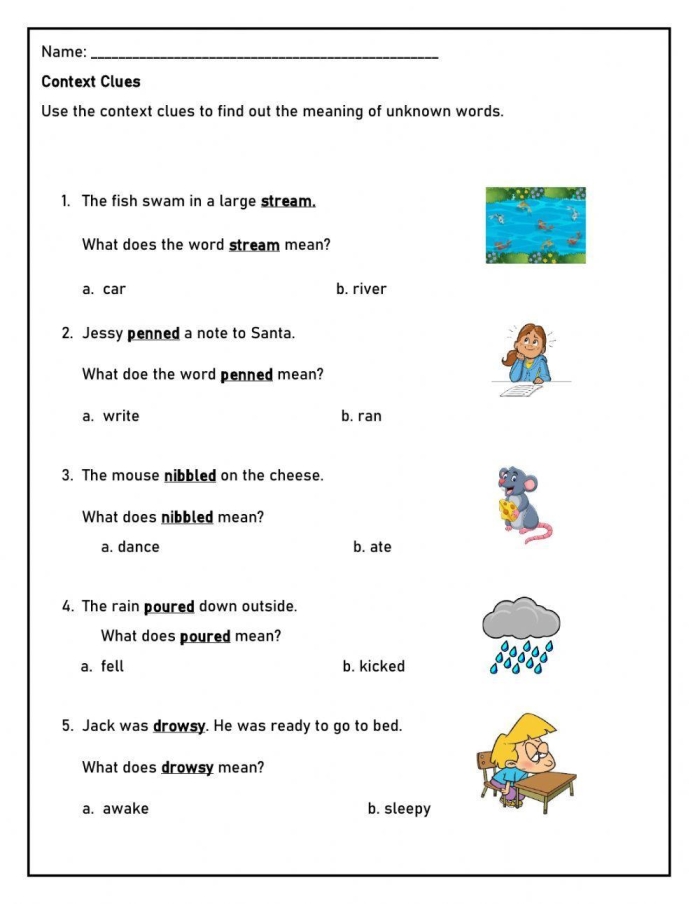
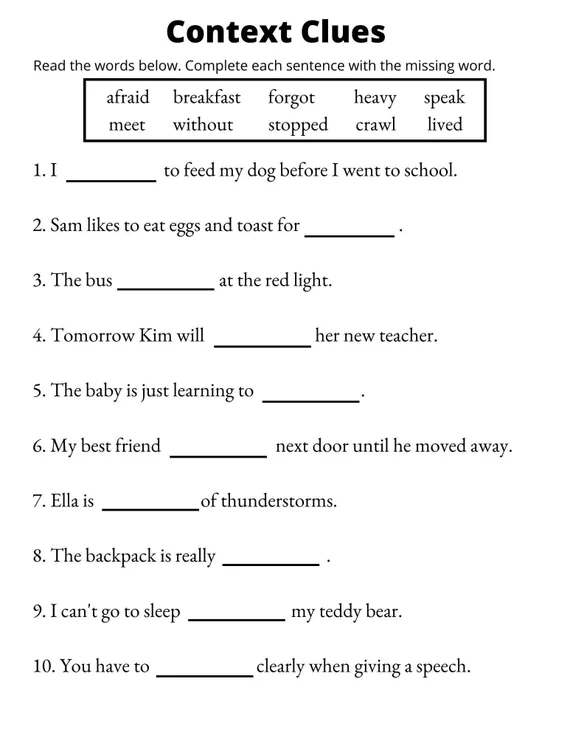
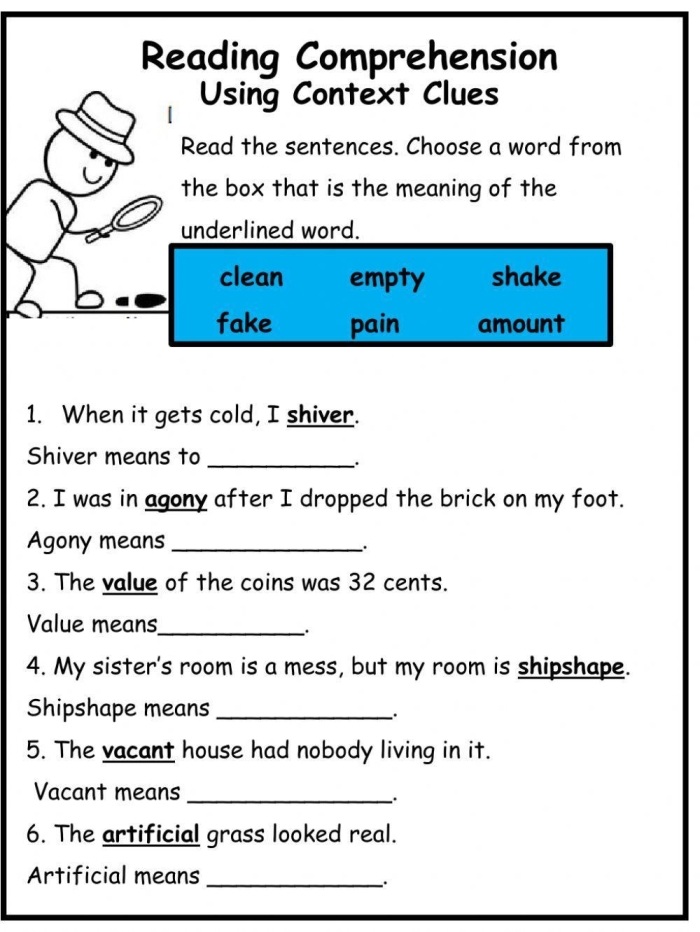
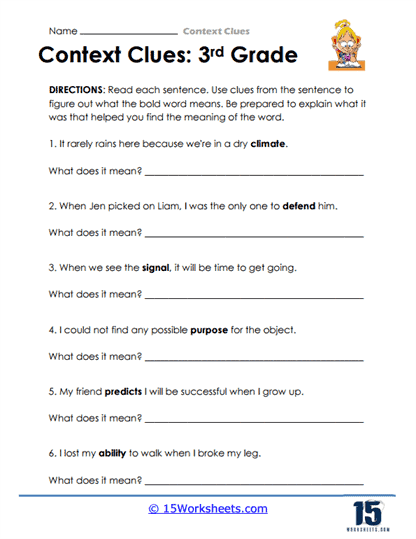
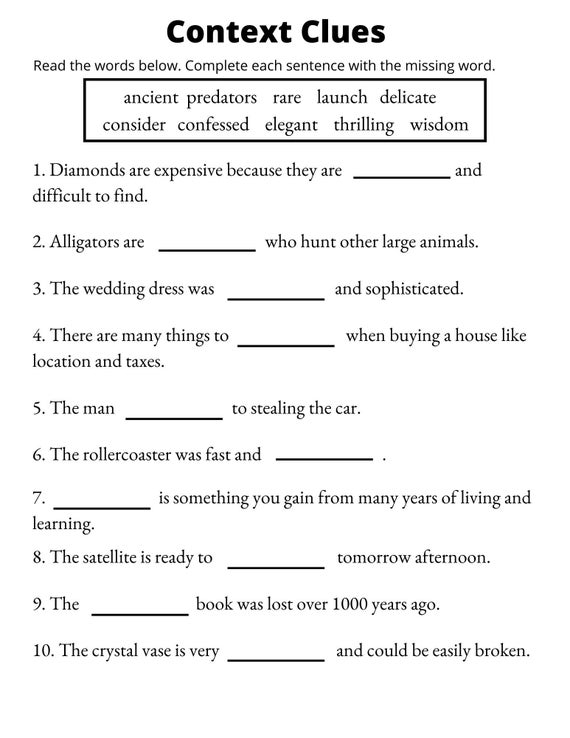
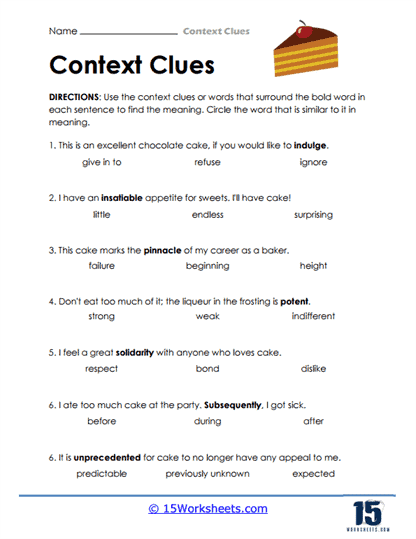
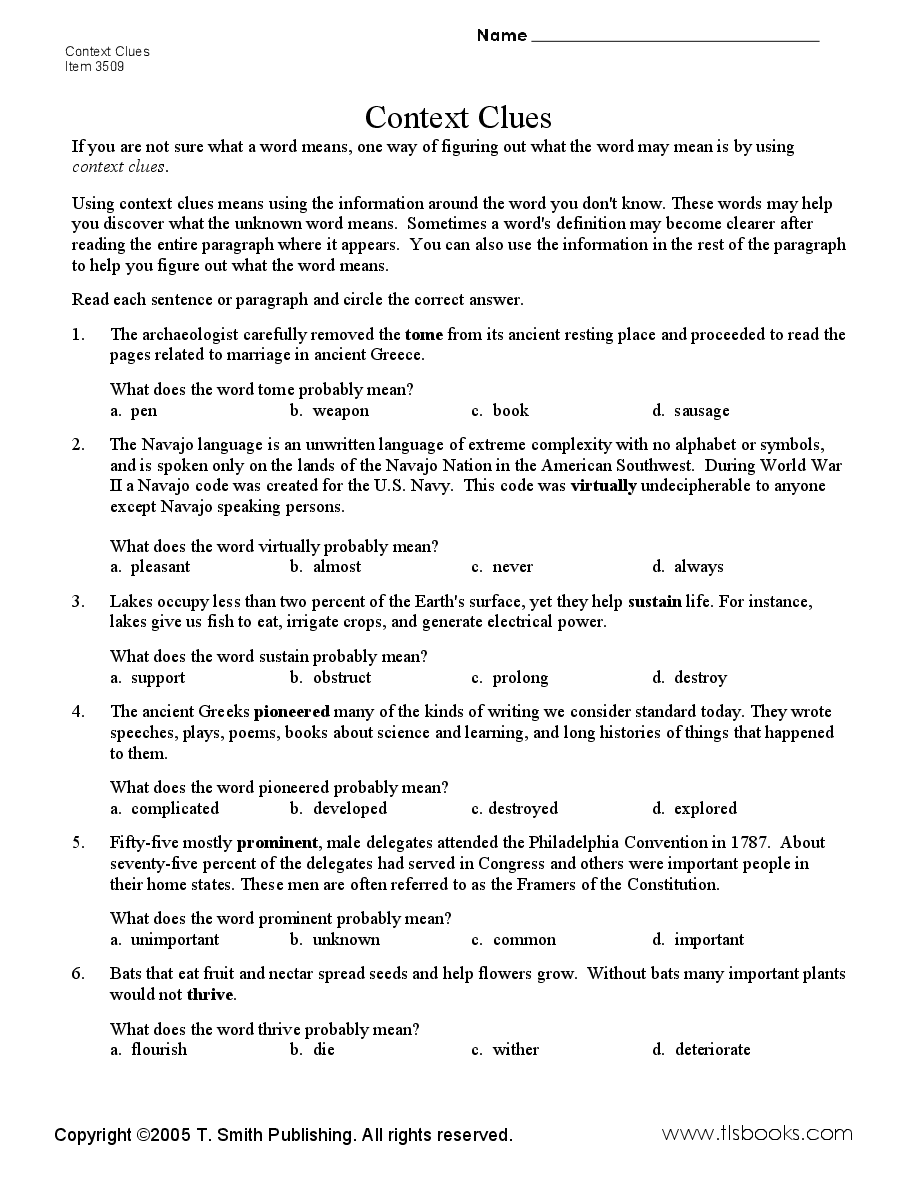
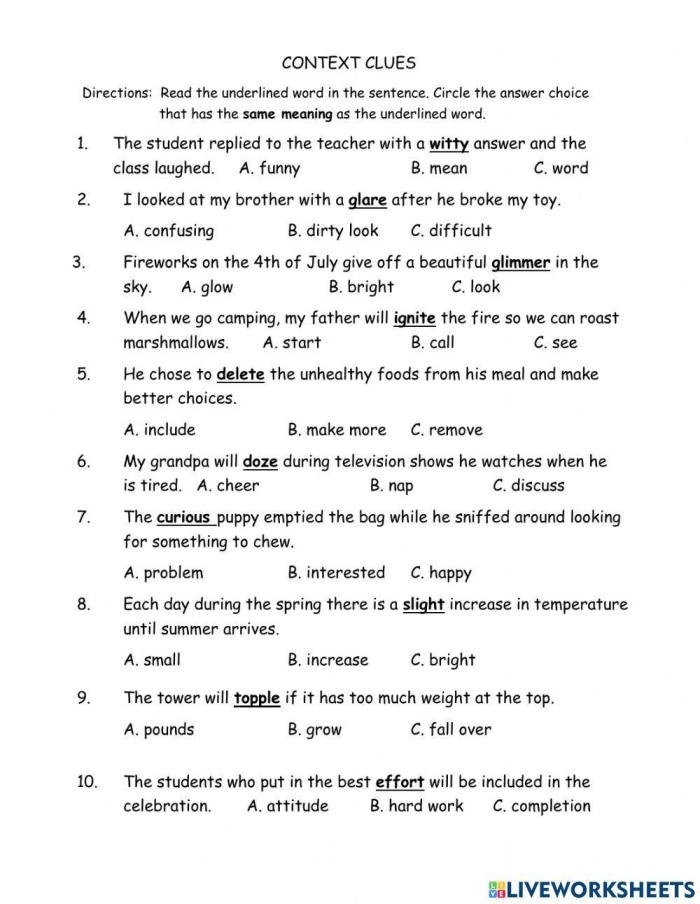
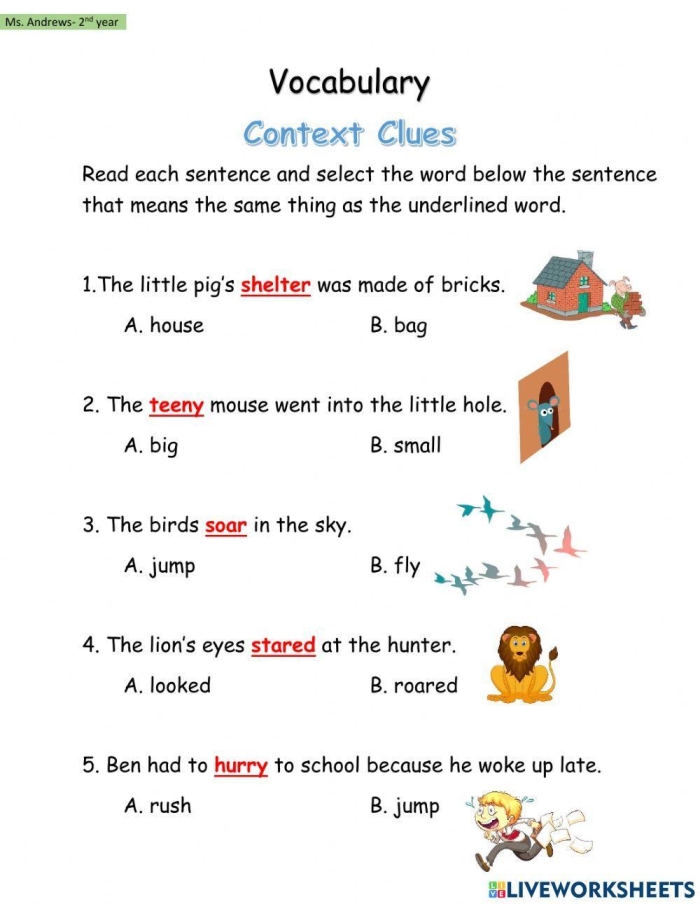
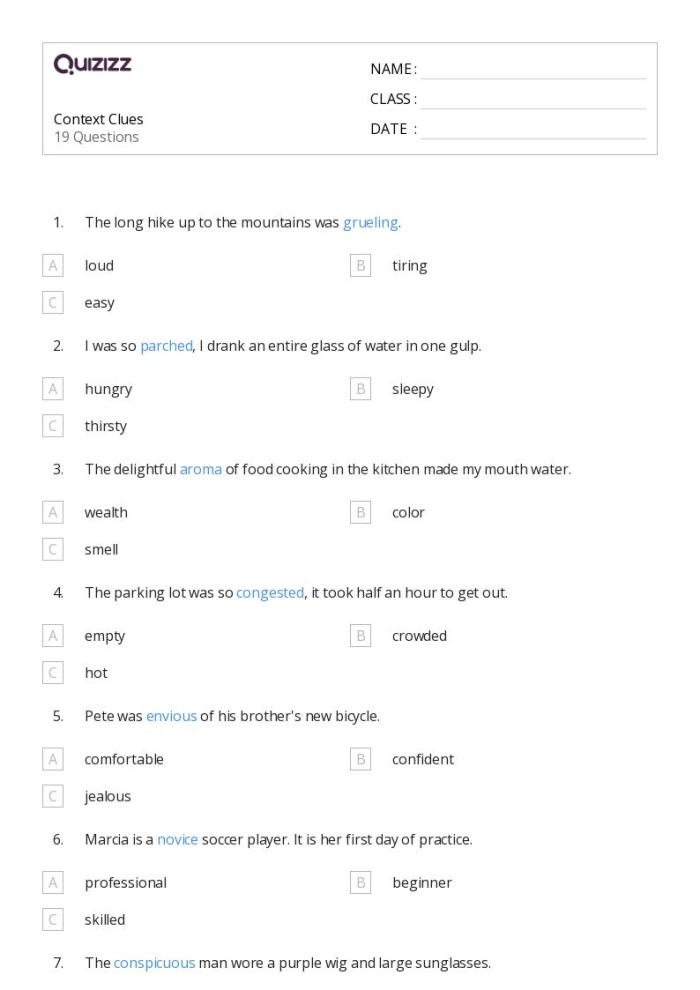
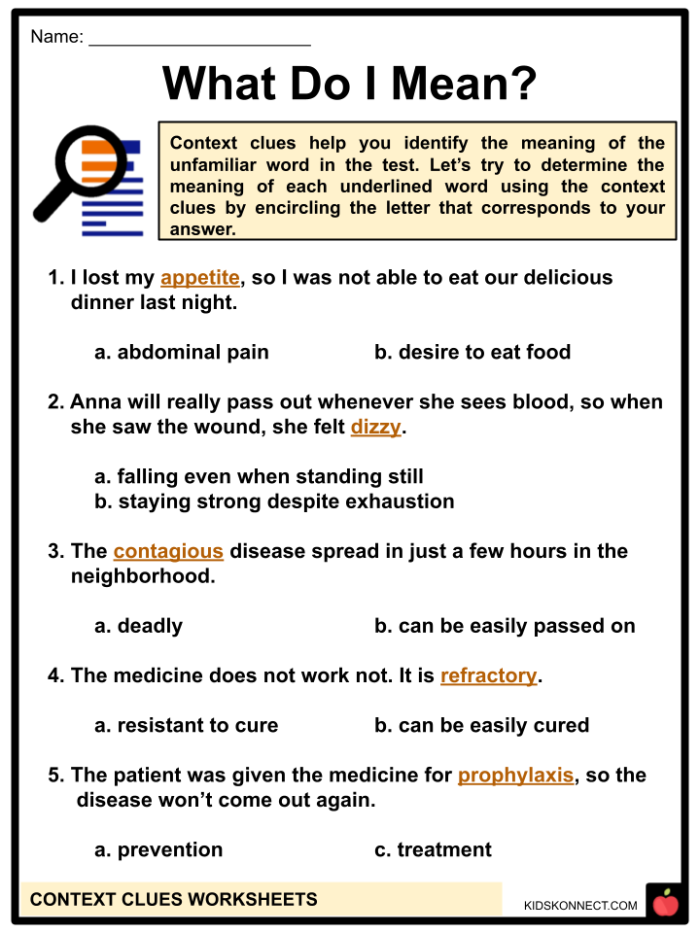
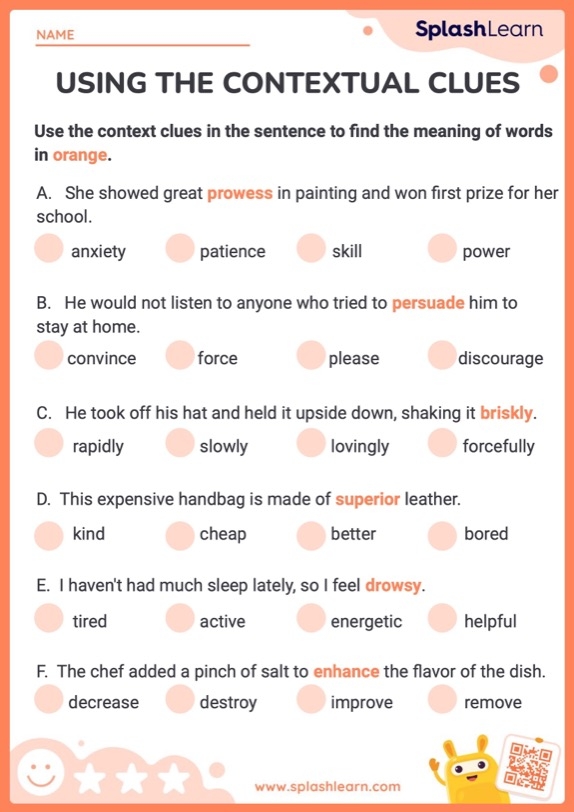
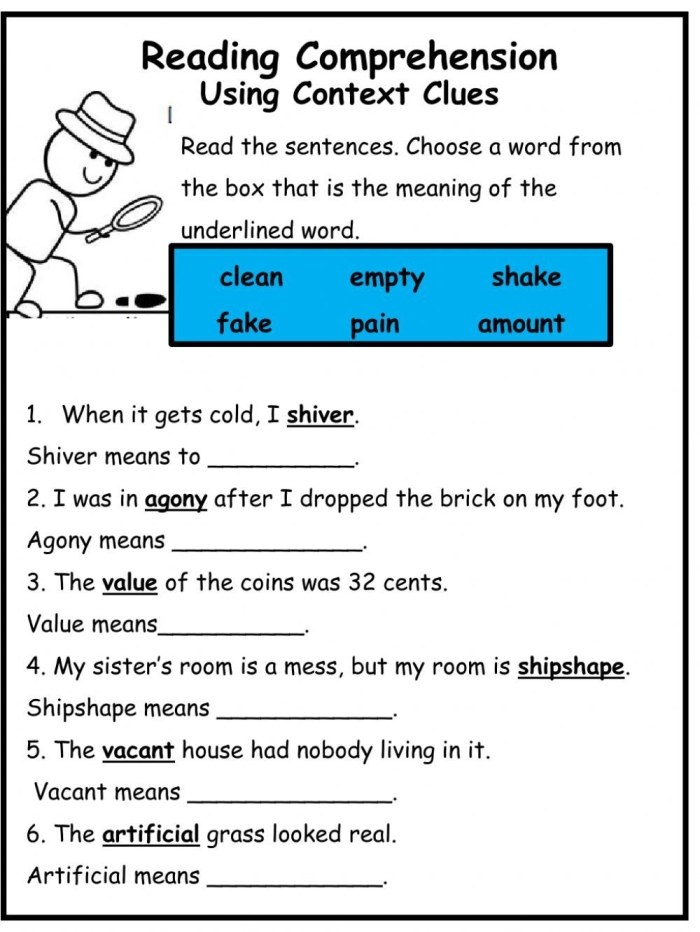
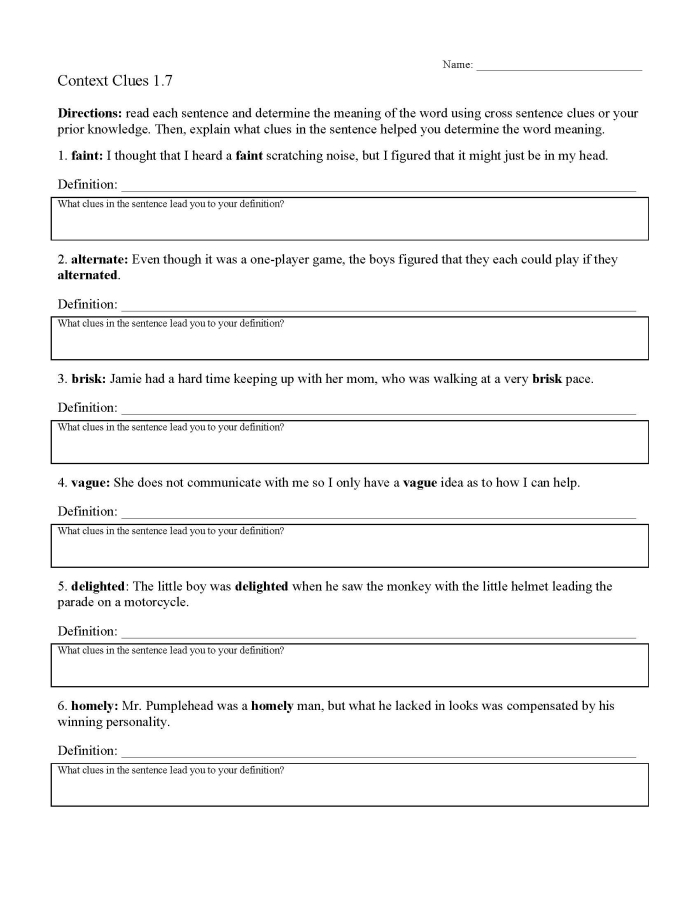
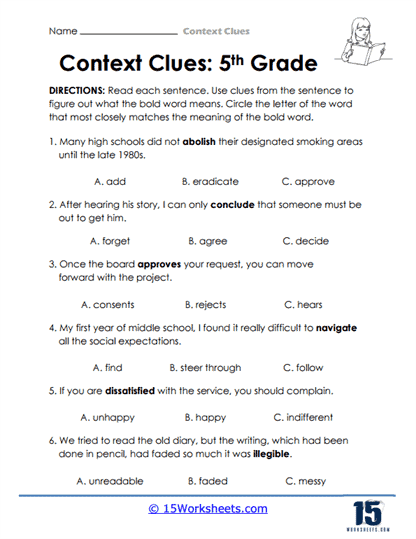
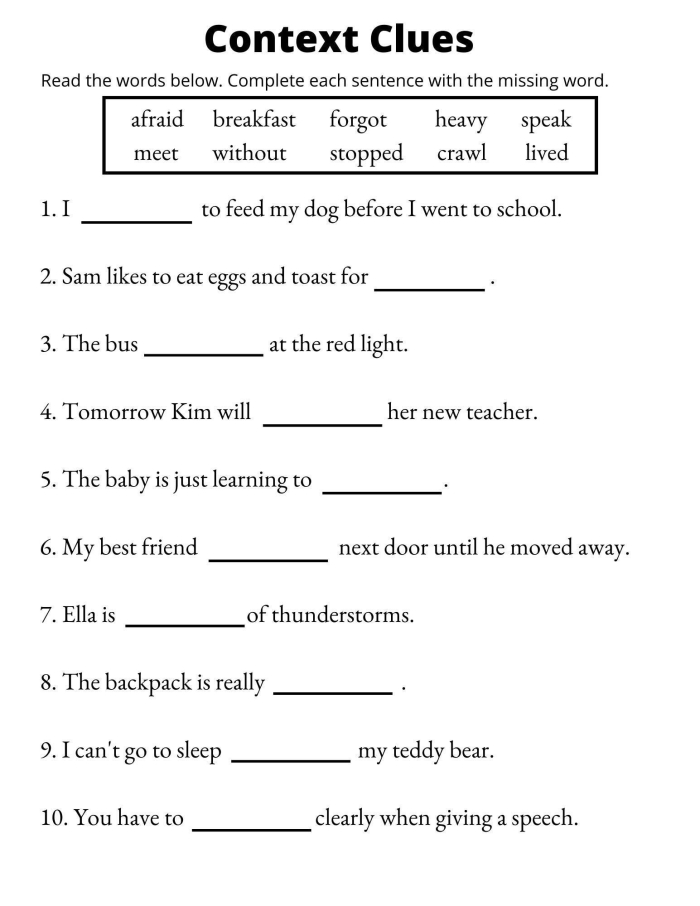
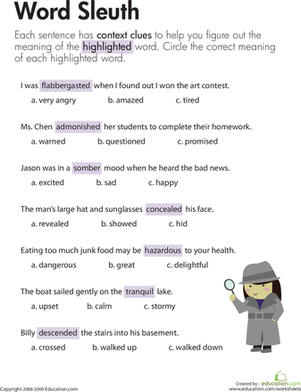
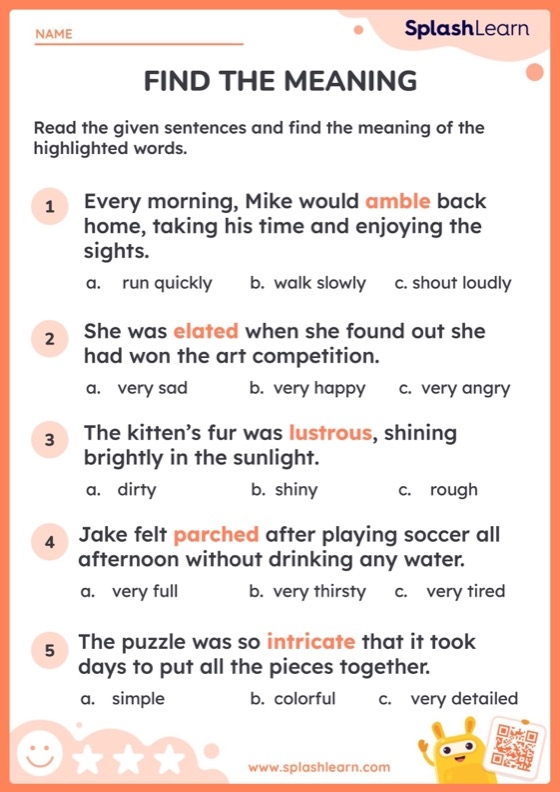
This third grade reading worksheet presents sentences where students must read carefully to determine the meaning of unfamiliar words. The format works well because it combines reading comprehension with vocabulary building in a single activity. Rather than memorizing isolated word lists, students see words functioning in realistic sentences, which helps them retain meanings better.
The worksheet typically includes 8 to 10 sentences, each containing one bolded or highlighted word that students must define using context. Students write their answers in the spaces provided, then often match their guesses to a word bank at the bottom. This structure gives them immediate feedback and reinforces the skill.
Pairing this worksheet with other third grade geometry materials creates a well-rounded learning block. Activities like exploring prefix patterns or learning baseball terminology complement vocabulary work nicely. Teachers can also layer in multiplication and division practice or shape categorization exercises during the same lesson block.
The real value emerges when students internalize the strategy. Once they understand how to hunt for clues in surrounding text, they apply it across all their reading, not just worksheets.
Start Practicing with These Worksheets