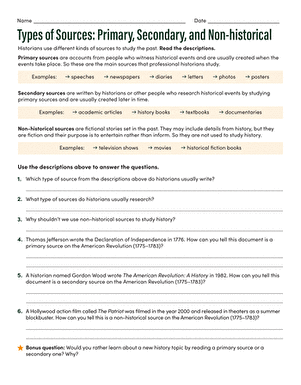
Understanding the differences between primary, secondary, and non-historical sources is essential for students, especially those in sixth grade studying social studies. Each type of source provides unique insights and perspectives, which are crucial for developing a well-rounded understanding of historical events and contexts.
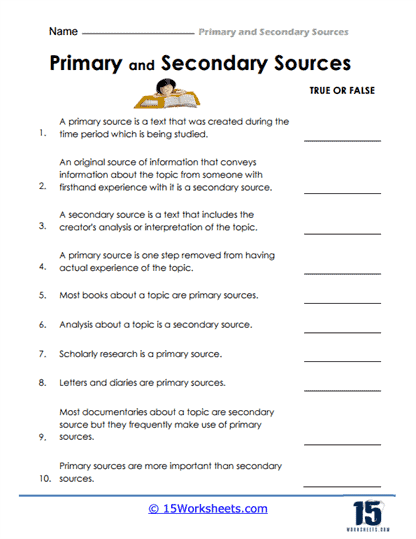
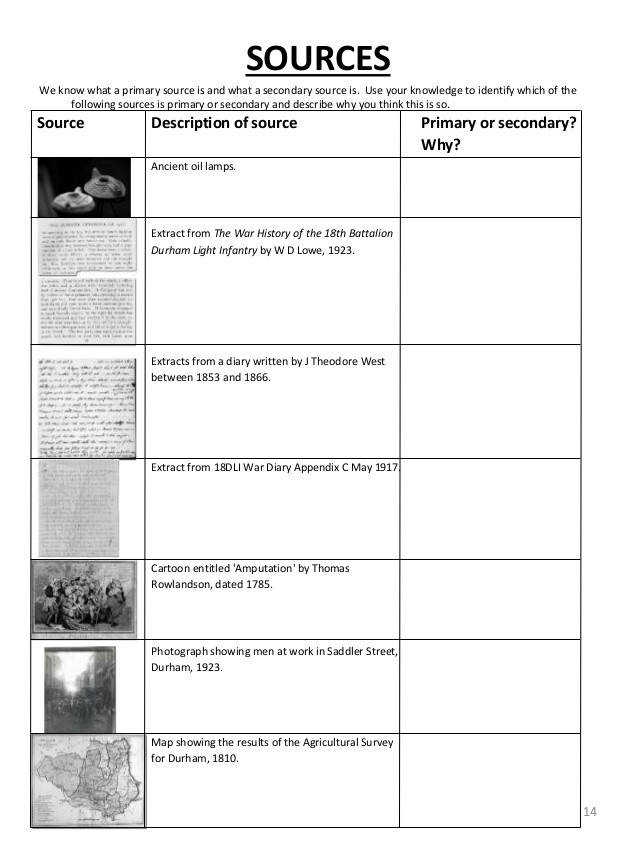
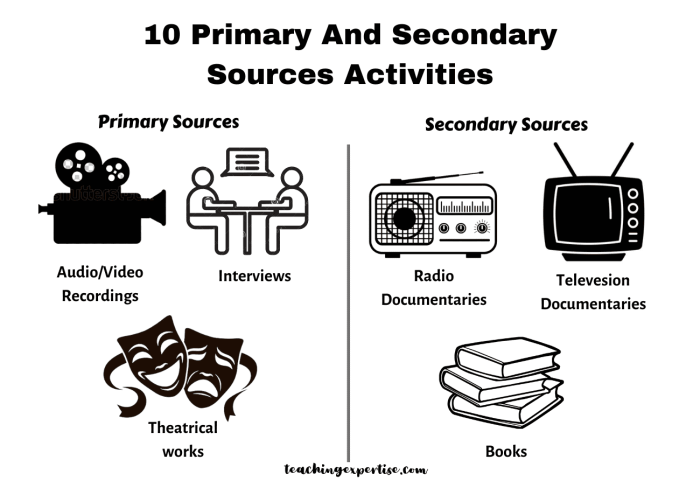
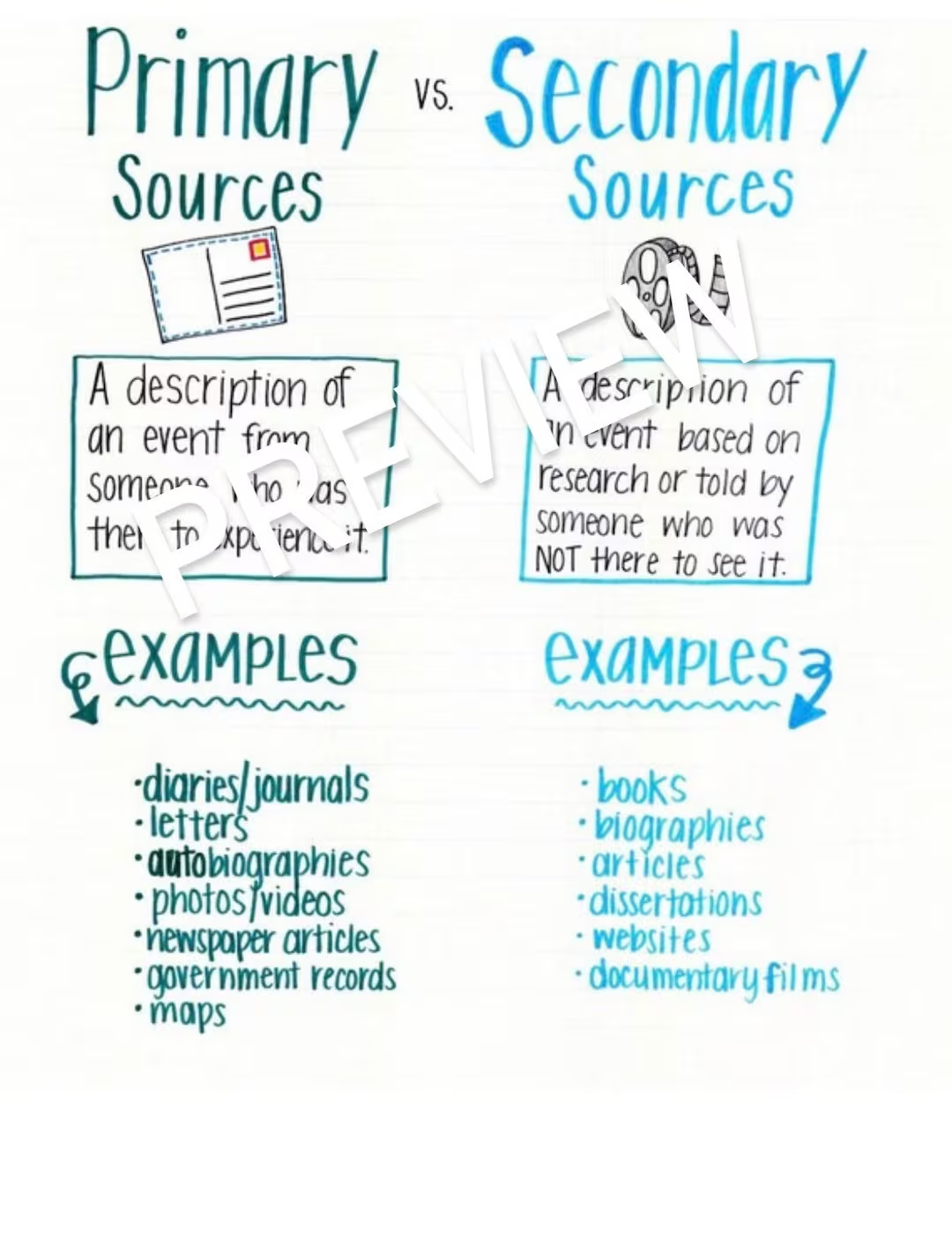
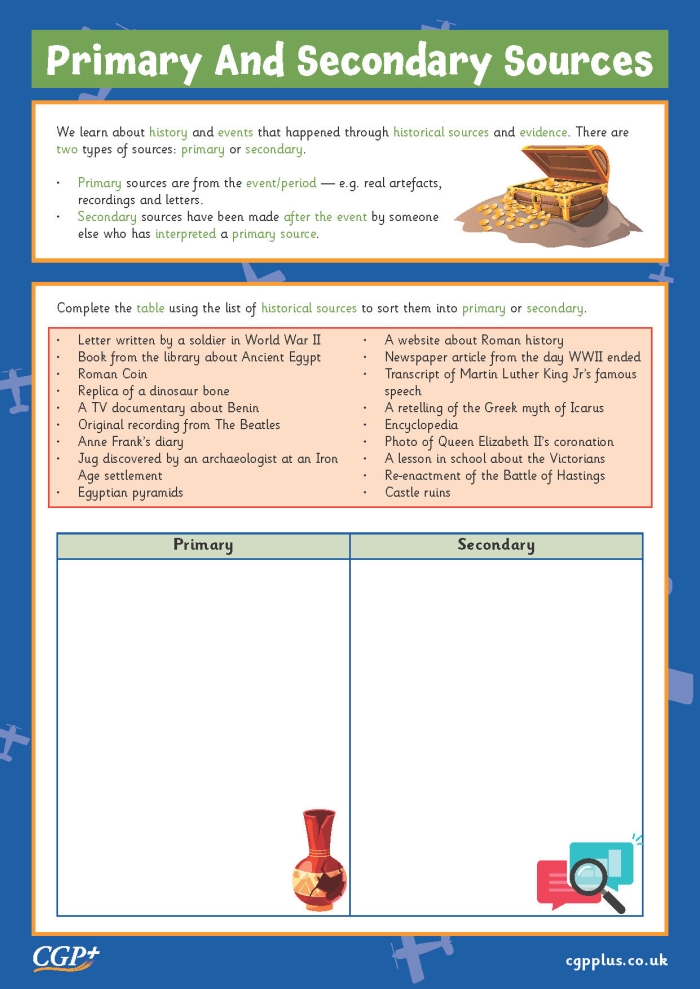
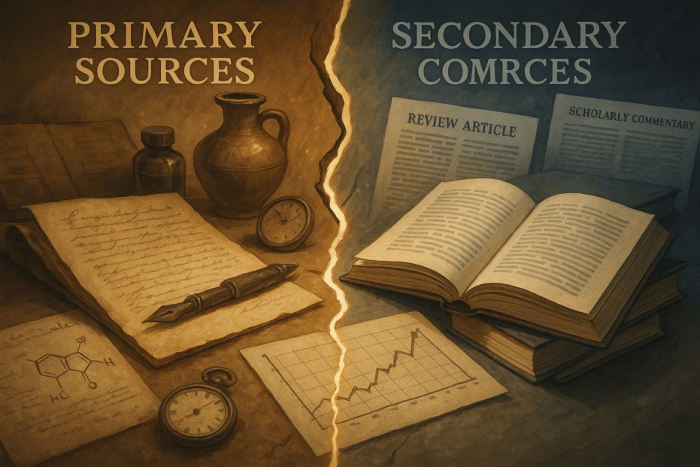
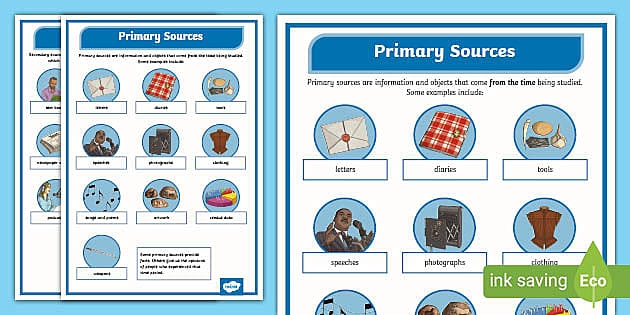
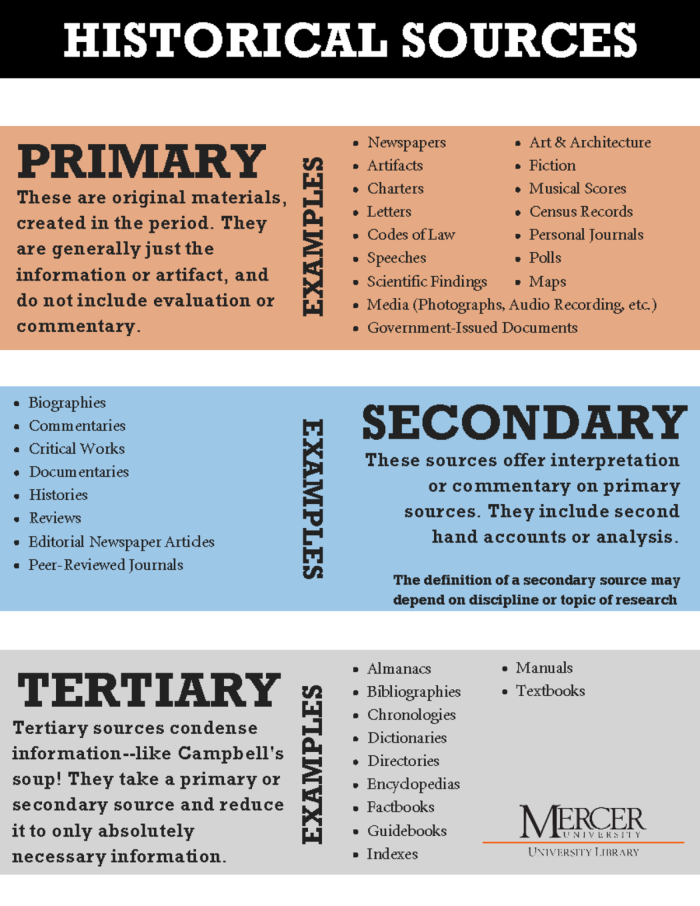
Primary sources are the raw materials of history. They include original documents, artifacts, and firsthand accounts created during the time under study. For instance, letters, photographs, diaries, and official records are all primary sources. These materials allow students to engage directly with the past, fostering a deeper connection and understanding of historical figures and events. When students analyze primary sources, they learn to interpret evidence and develop their critical thinking skills.
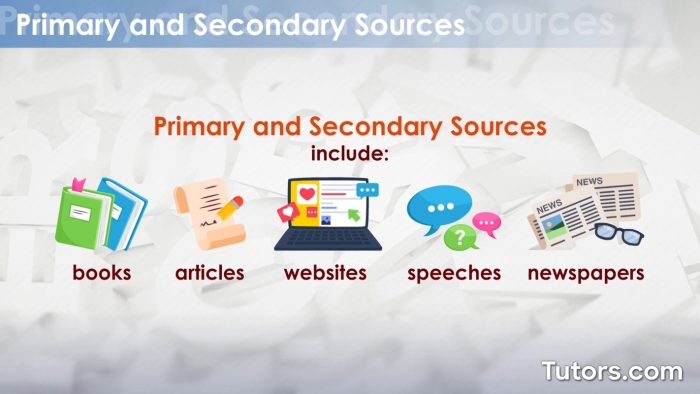
On the other hand, secondary sources analyze and interpret primary sources. They are created after the fact and provide context or commentary on historical events. Textbooks, articles, and documentaries often fall into this category. While these sources can be incredibly informative, it is important for sixth graders to recognize that they are one step removed from the original events. This distinction helps students understand how historians construct narratives and the potential biases that may influence those narratives.
Lastly, non-historical sources can include fictional works, opinions, or even advertisements. These sources do not aim to provide historical facts but can still offer insights into societal values and beliefs during a particular time. Understanding non-historical sources is vital for developing media literacy, as it encourages students to think critically about the information they encounter in everyday life.
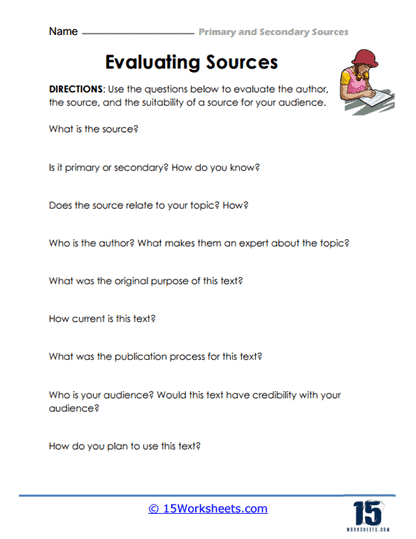
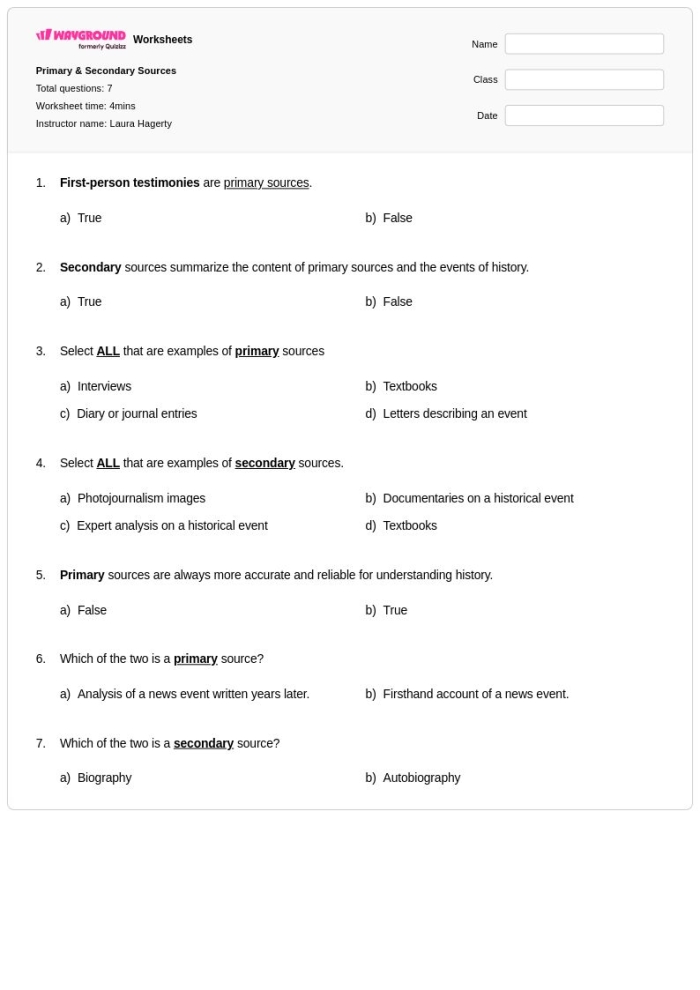
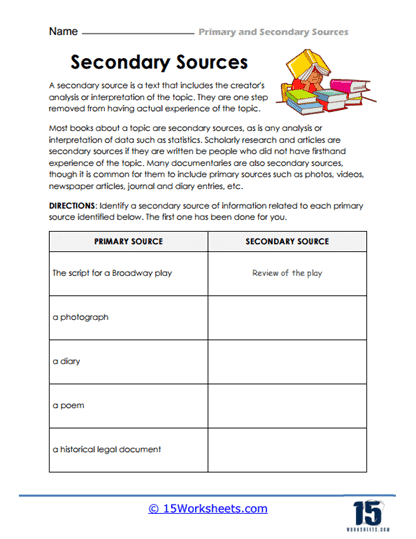
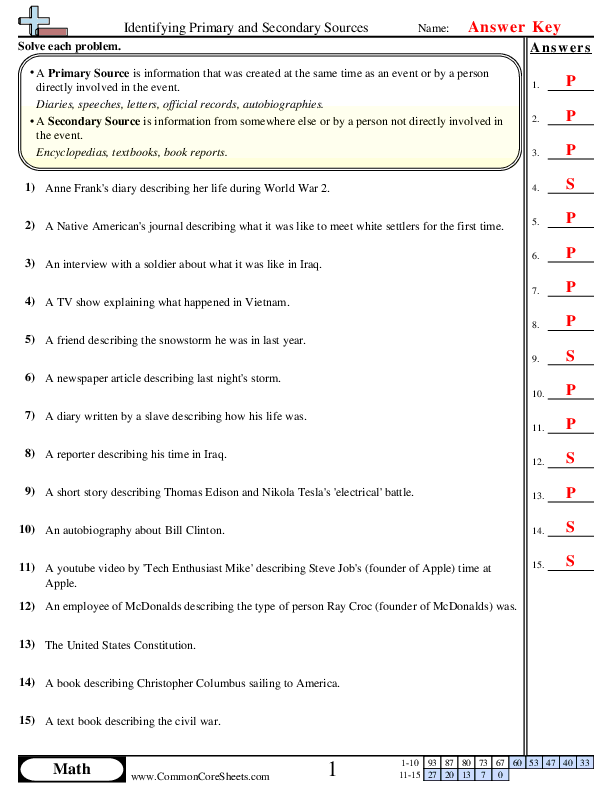
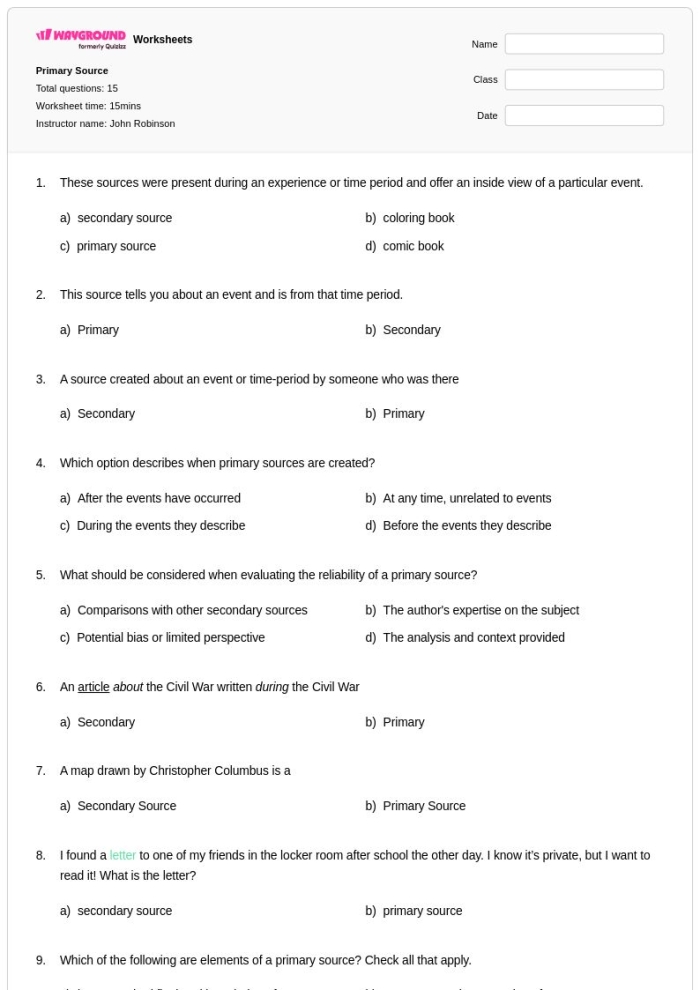
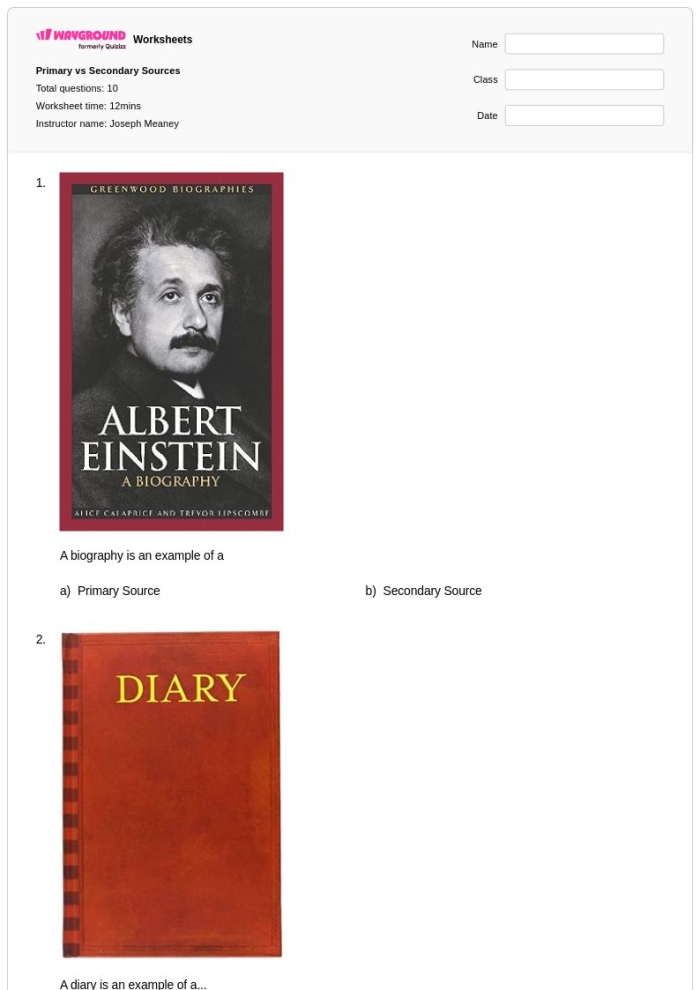
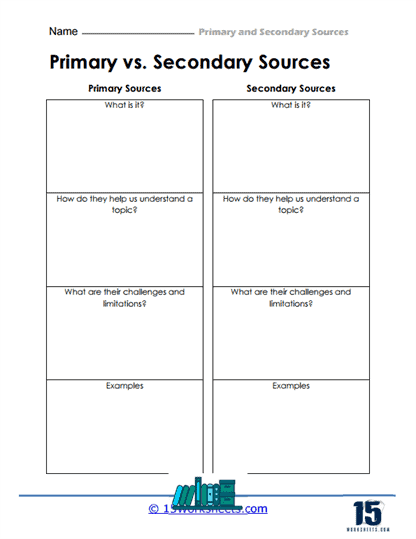
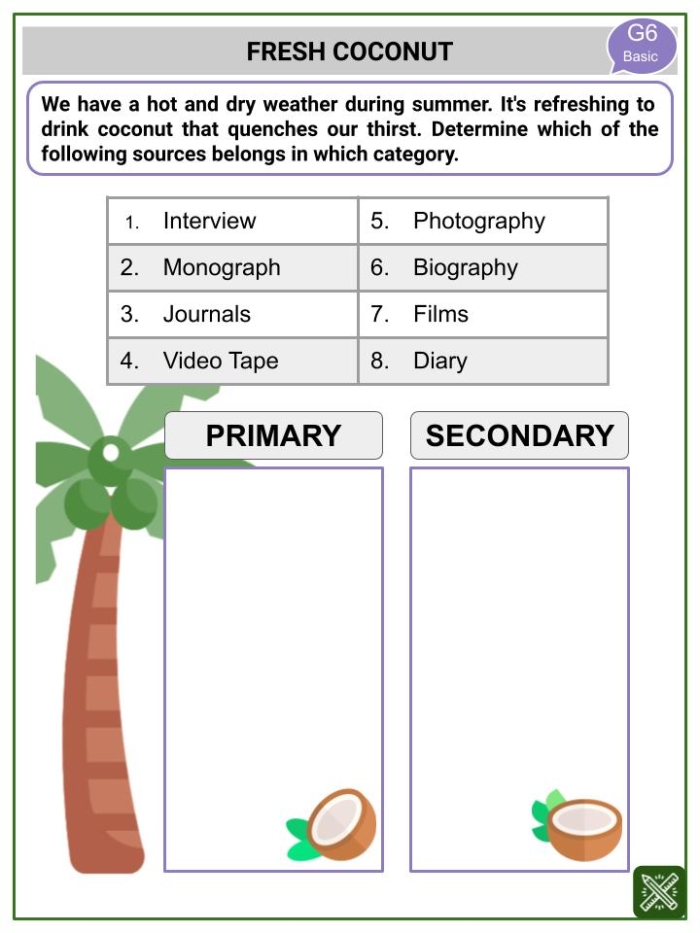
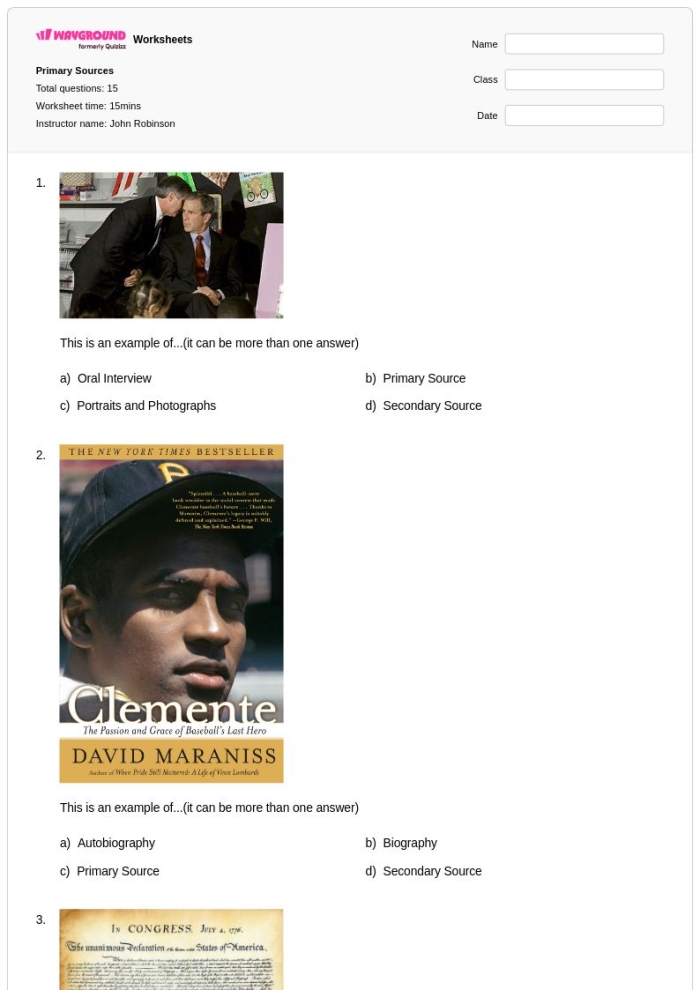
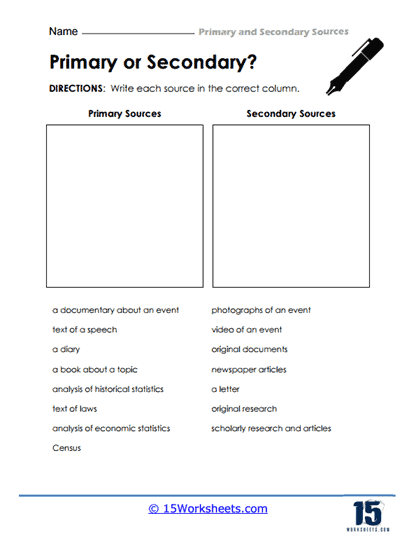
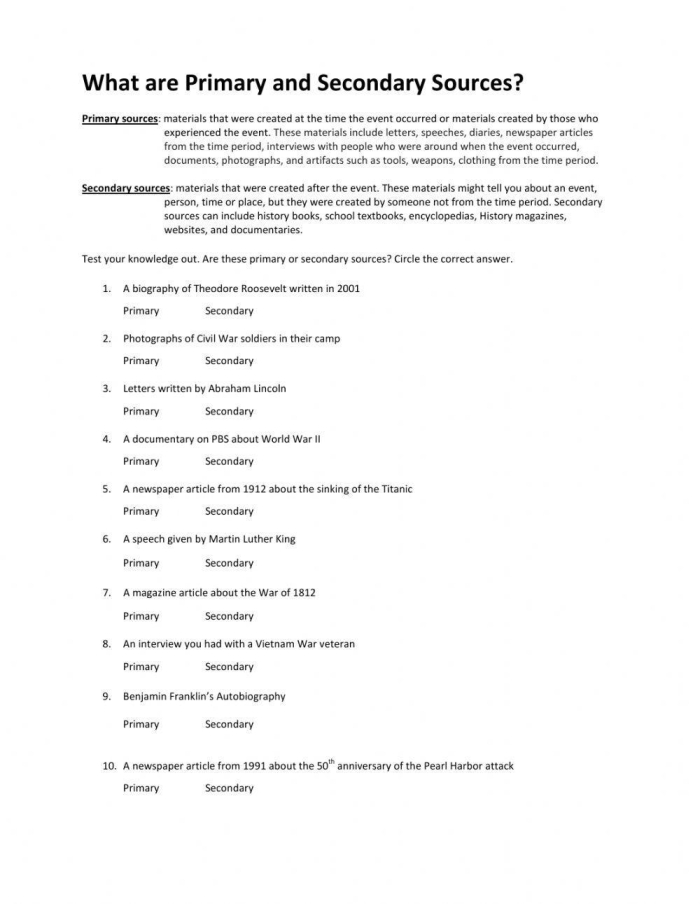
Using a social studies worksheet focused on these types of sources can significantly enhance learning. Such worksheets guide students in identifying and categorizing sources, making the learning process interactive and engaging. For more educational resources, such as worksheets on exponents or argument writing rubrics, you can explore additional materials that complement your sixth-grade curriculum.
Try These Printable Worksheets