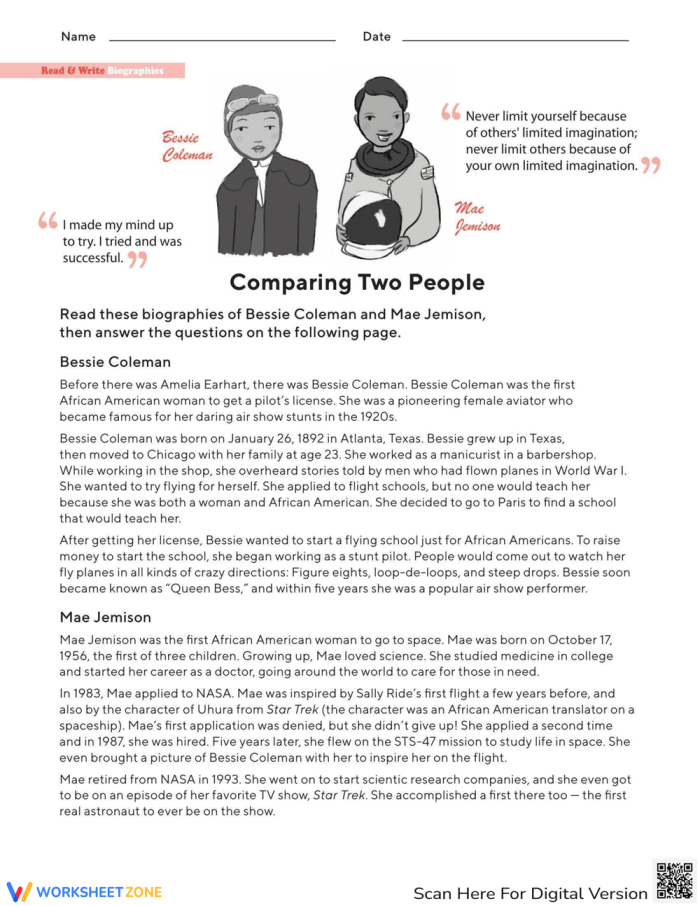
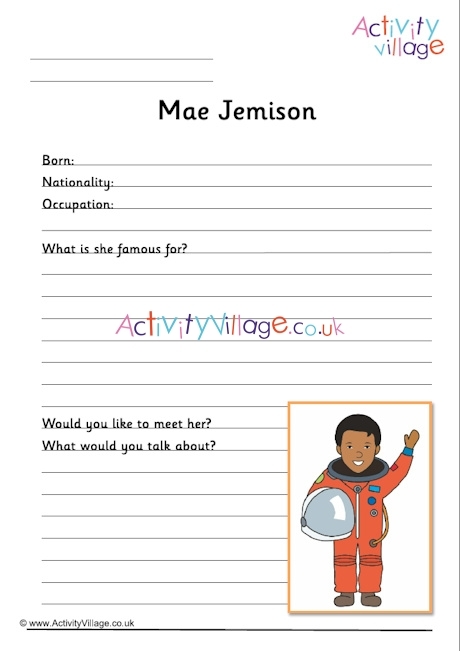
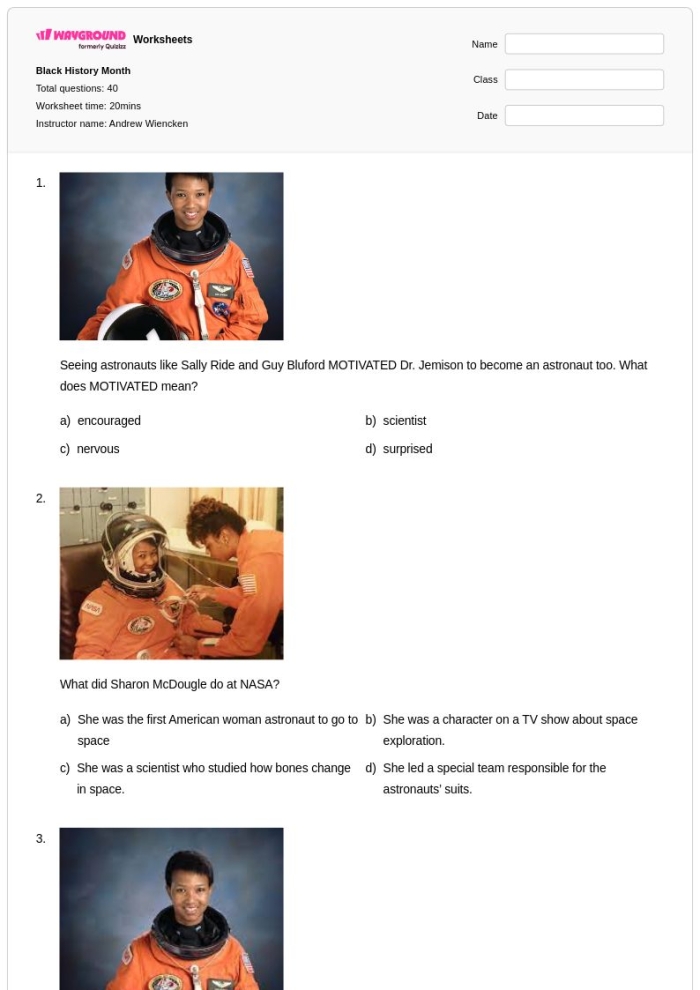
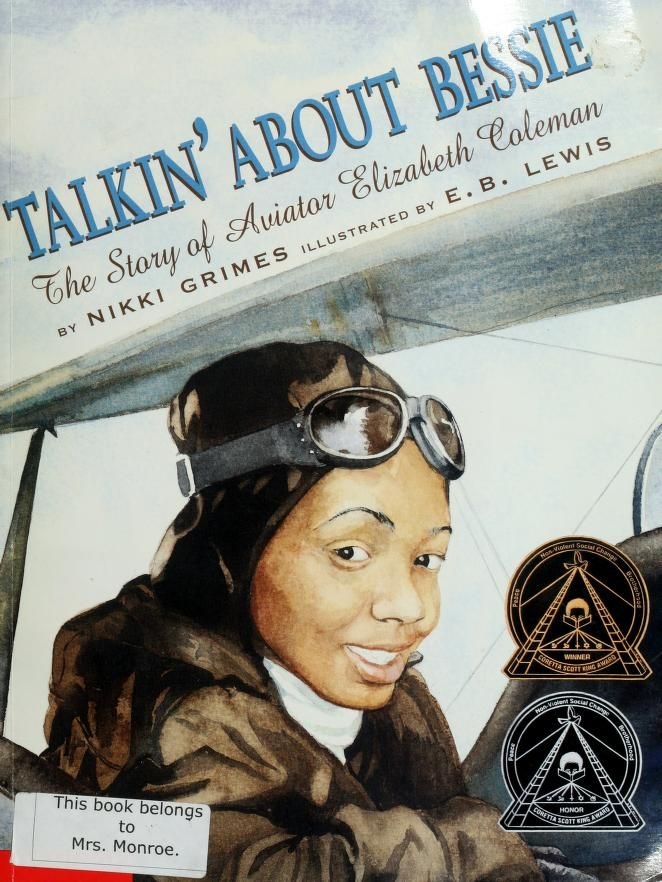
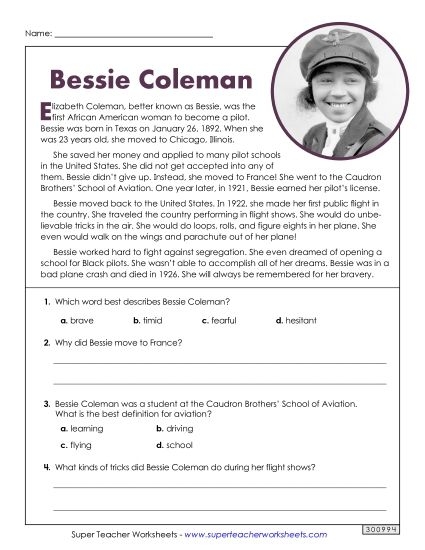
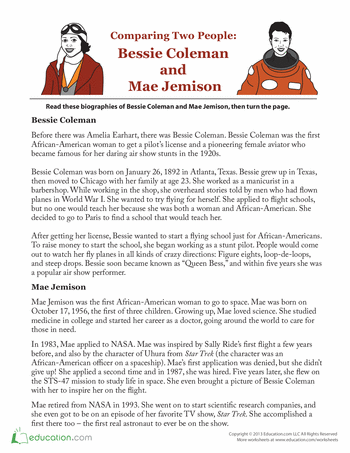
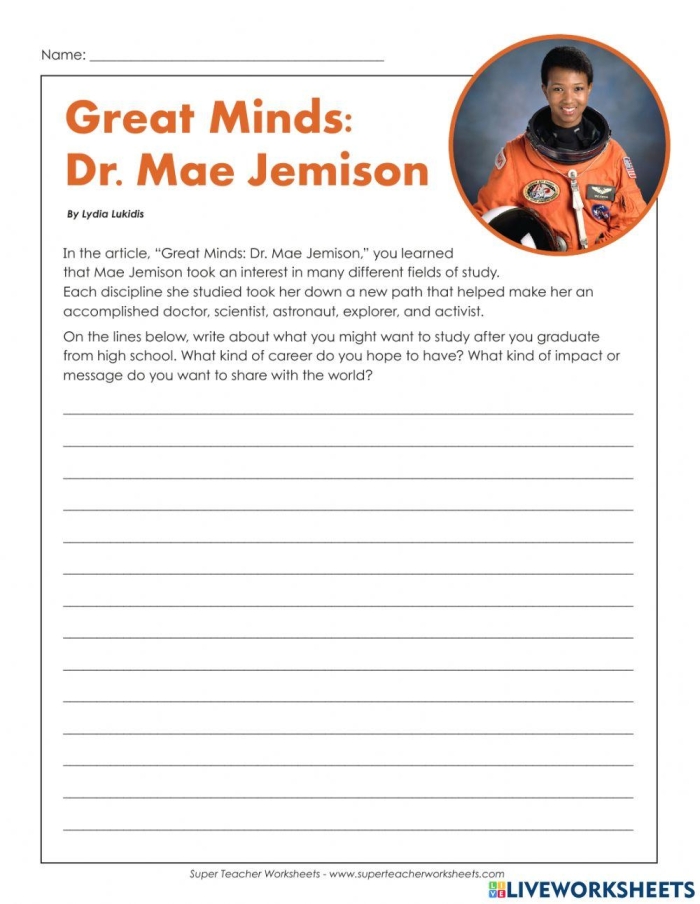
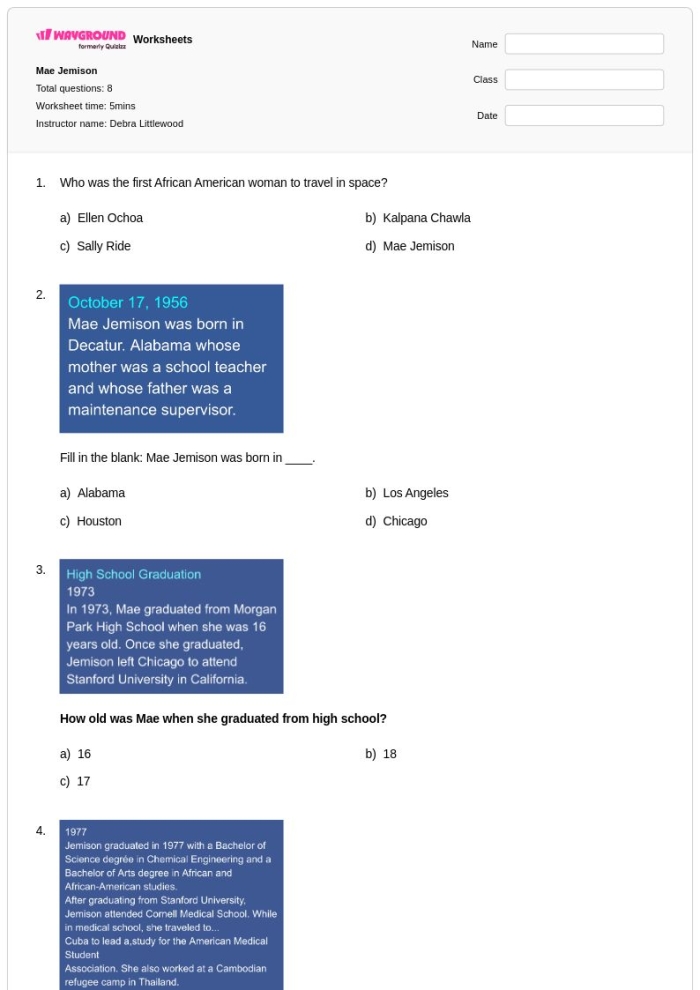
When fourth grade students encounter the stories of Bessie Coleman and Mae Jemison, they’re meeting two women who refused to accept the limits others placed on them. Coleman became the first Black female pilot in 1921, earning her license before most women in America could even vote. Jemison, decades later, became the first Black female astronaut, launching into space in 1992. Both women faced significant barriers, yet both persisted in fields that had never welcomed them.
Reading their biographies gives students concrete examples of determination and achievement. Coleman’s story shows a young woman who worked multiple jobs to pay for flight training when no American flight school would accept her. She eventually traveled to France to earn her pilot’s license. Jemison’s path involved becoming a physician first, then an engineer, before joining NASA. These aren’t abstract concepts but real decisions made by real people.
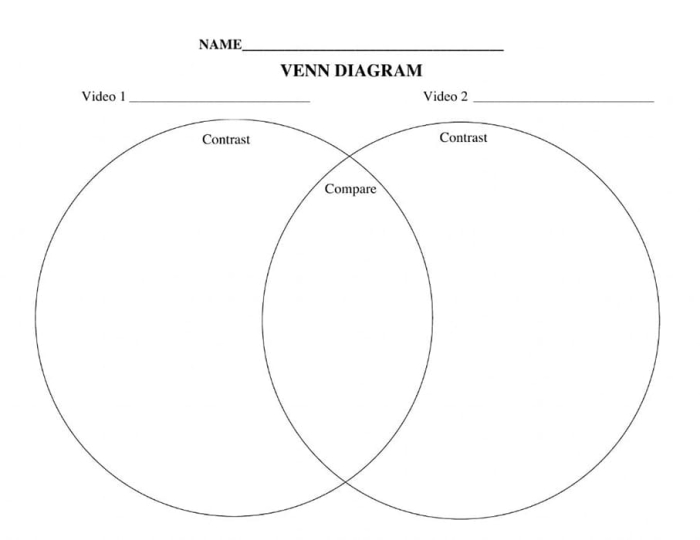
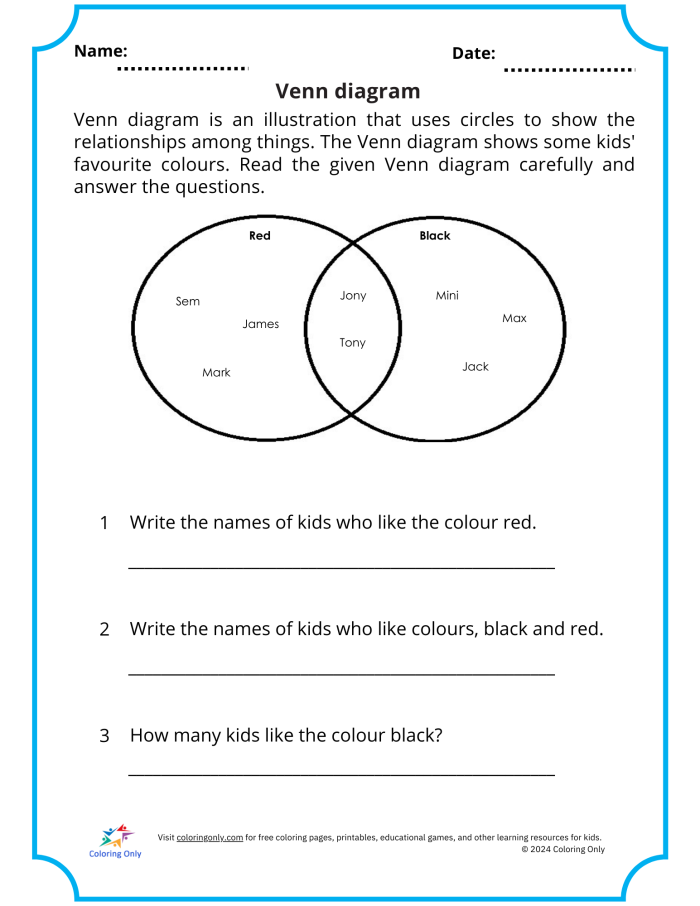
After reading these biographies, students move into the comparison work using a Venn diagram. This visual tool helps them organize their thinking by identifying what makes each woman unique and what they share. In the overlapping center section, students might note that both were pioneers, both broke racial barriers, and both pursued education relentlessly. In the outer sections, they capture Coleman’s focus on aviation versus Jemison’s work in space exploration and medicine.
This exercise builds critical thinking skills that extend far beyond these two women. Understanding how to structure comparisons visually helps students analyze other subjects and texts throughout their education. The Venn diagram becomes a tool they can apply to historical events, literary characters, and countless other topics. For fourth grade reading, this combination of biography and visual analysis creates a foundation for deeper comprehension work.
Hands-On Worksheet Activities