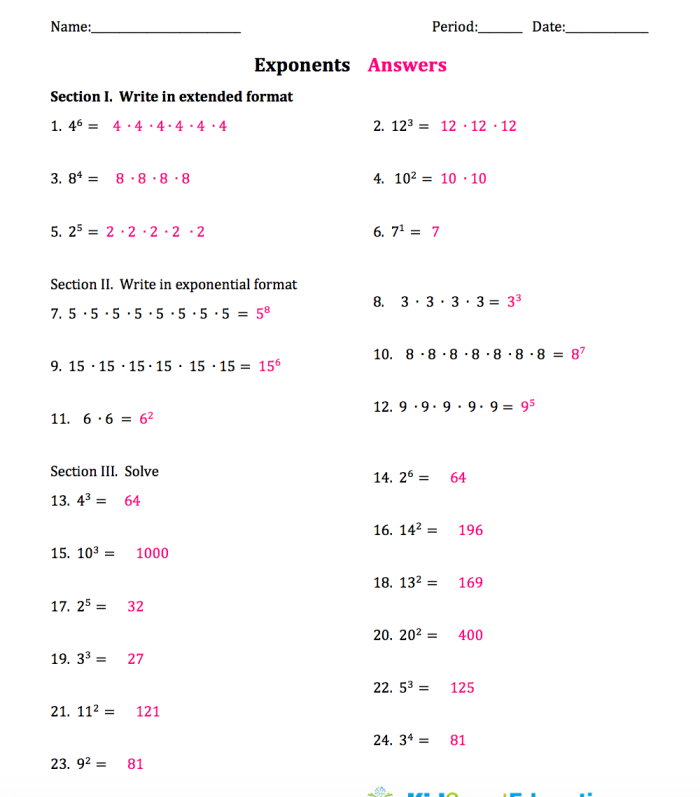
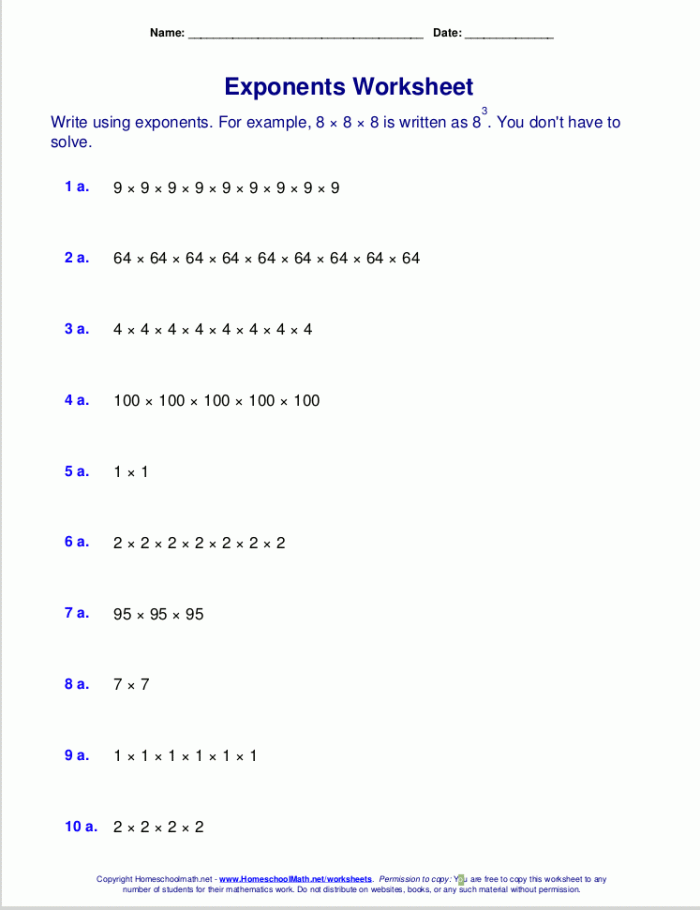
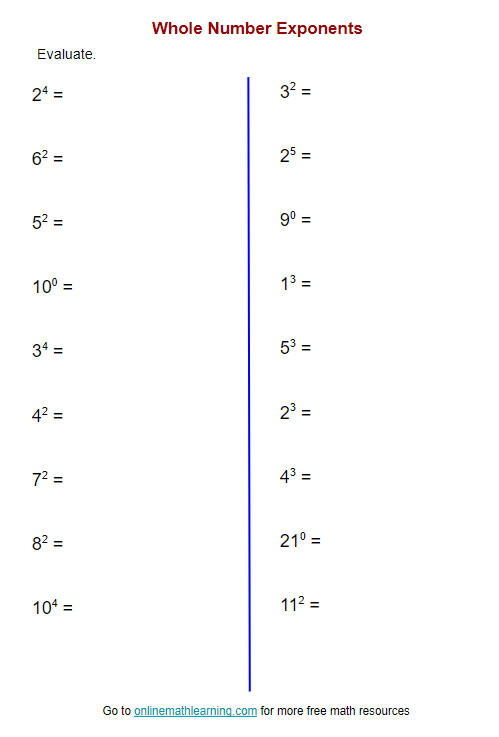
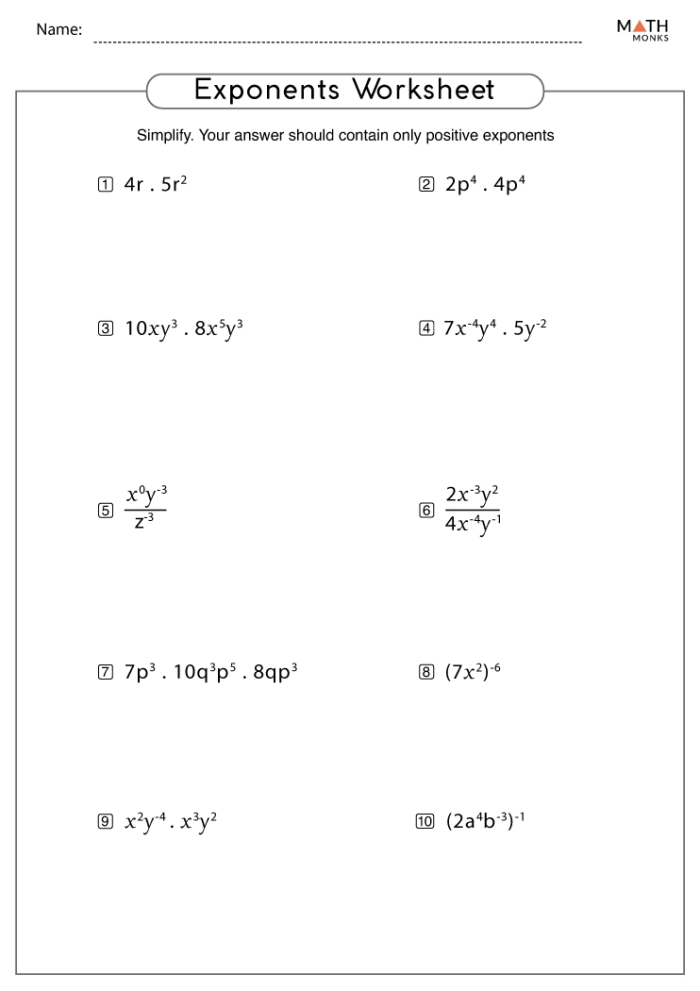
Exponents might seem intimidating at first, but they’re actually one of the most useful shortcuts in math. When your fifth grader learns exponents, they’re learning a way to write repeated multiplication in a compact form. Instead of writing 2 × 2 × 2 × 2, they can simply write 2⁴. This foundation in exponents opens doors to understanding larger numbers and more complex math concepts down the road.
Start by explaining what an exponent really means. The number on the bottom (called the base) is what we’re multiplying, and the small number on top (the exponent) tells us how many times to multiply it by itself. So 3³ means 3 × 3 × 3, which equals 27. Use concrete examples with small numbers first. Have your child write out the multiplication, then show them how the exponent does the same job in fewer symbols.
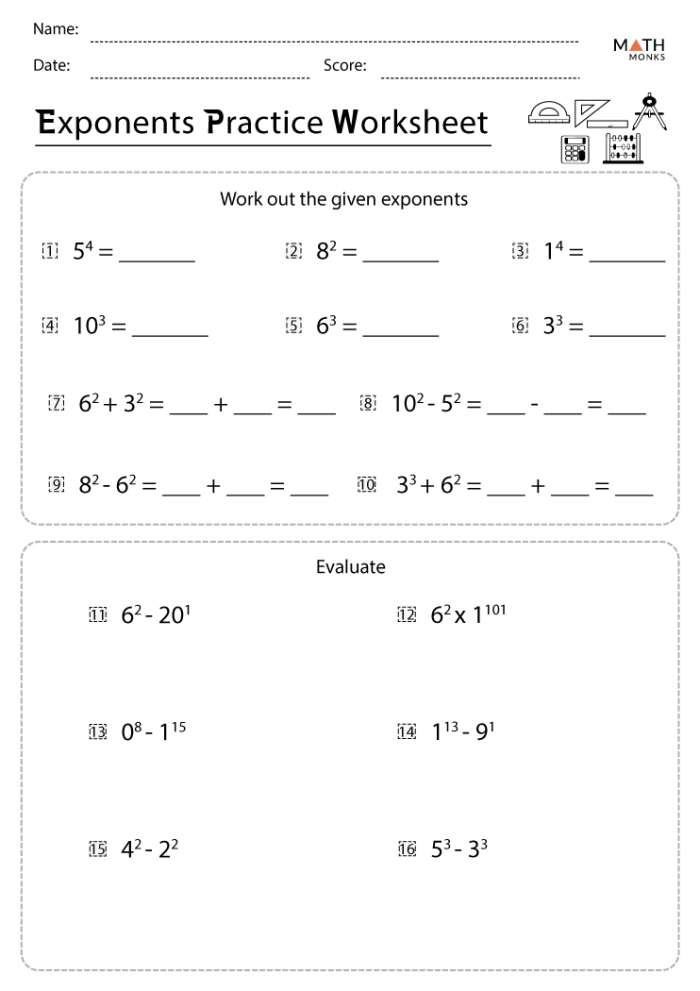
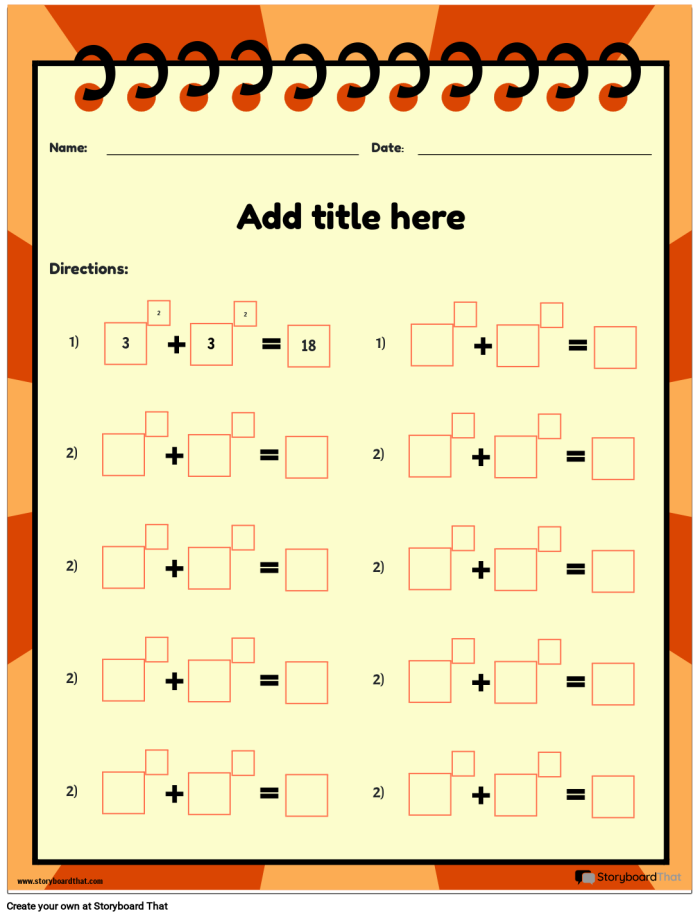
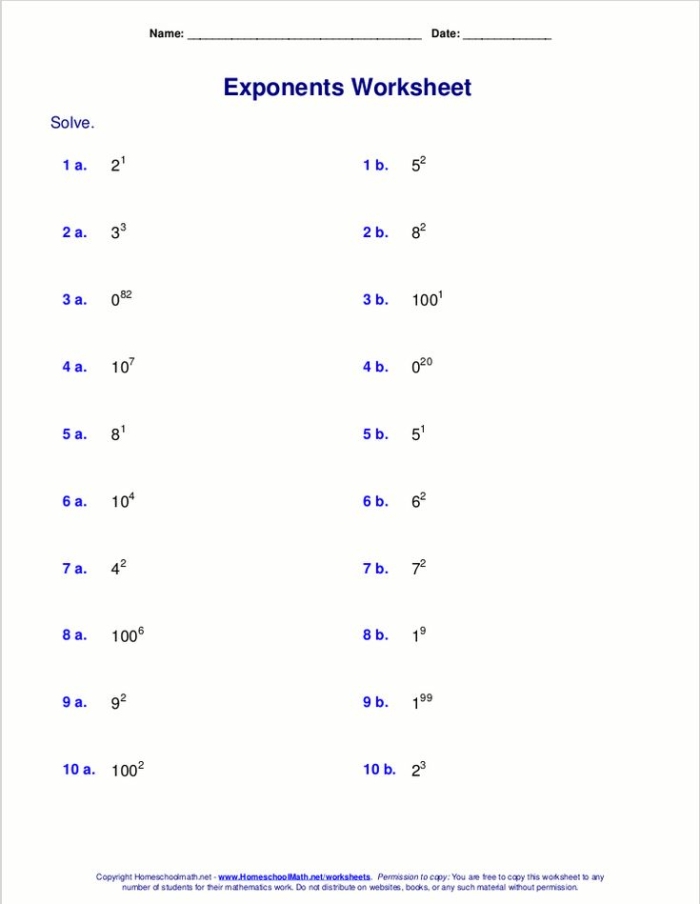
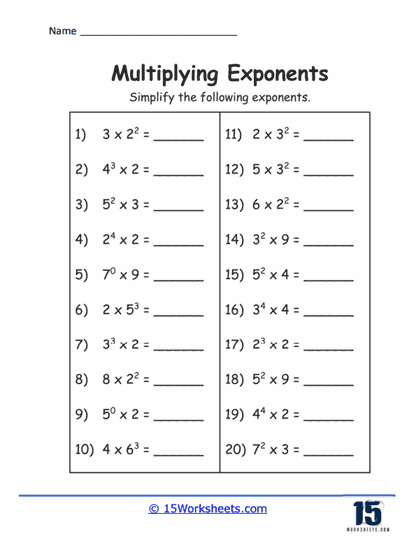
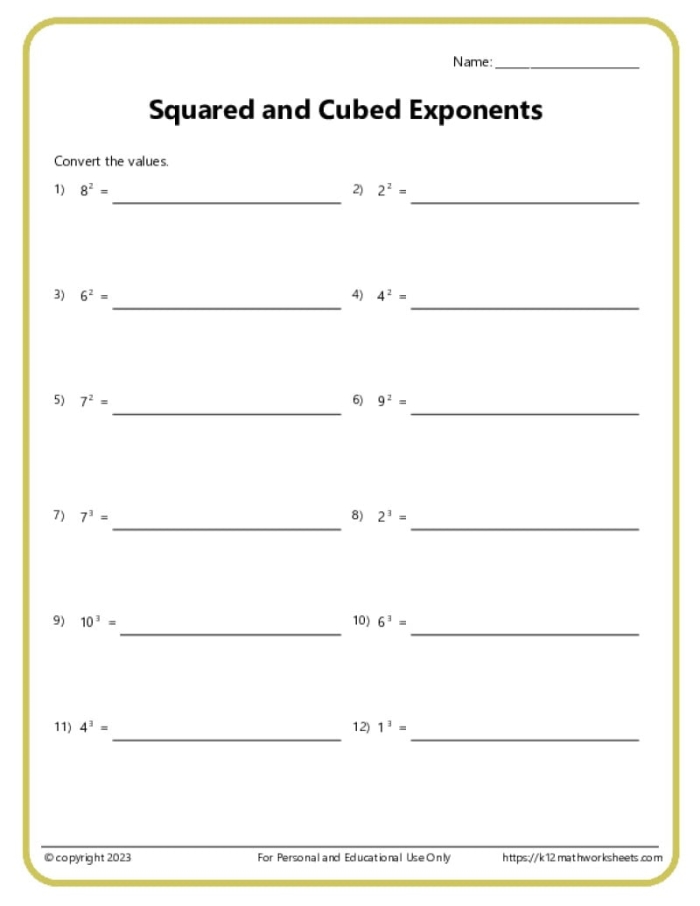
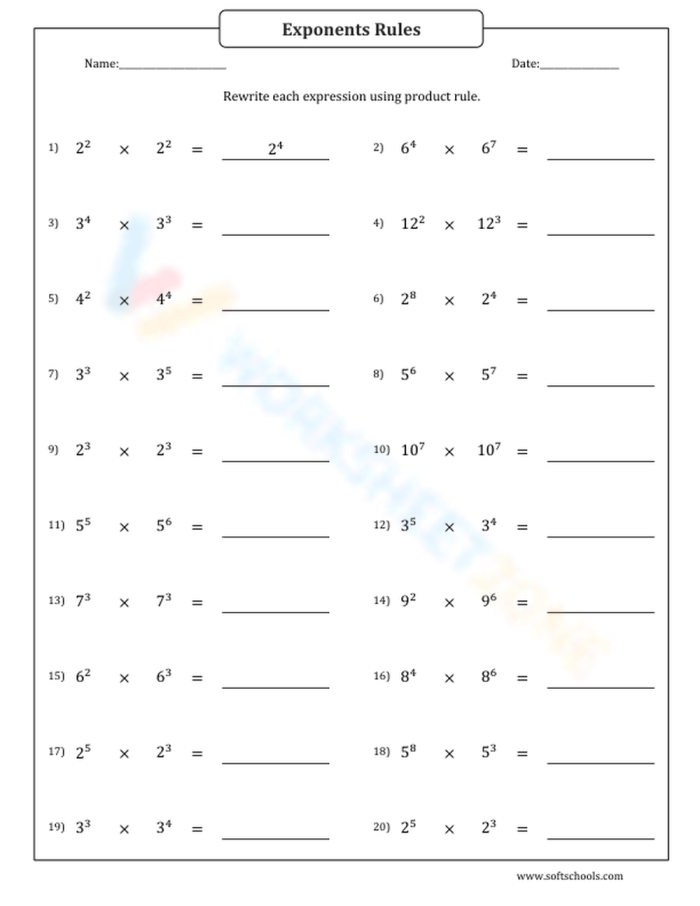
Here’s a simple exercise to try: ask your fifth grader to solve these problems by writing out the multiplication and then finding the answer.
- 2² = ?
- 3² = ?
- 2³ = ?
- 5² = ?
Once they complete these basic problems, they’ll start recognizing patterns. They might notice that 2² always equals 4, and 5² always equals 25. This recognition is valuable because it helps them build mental math skills and prepares them for more advanced work with exponents.
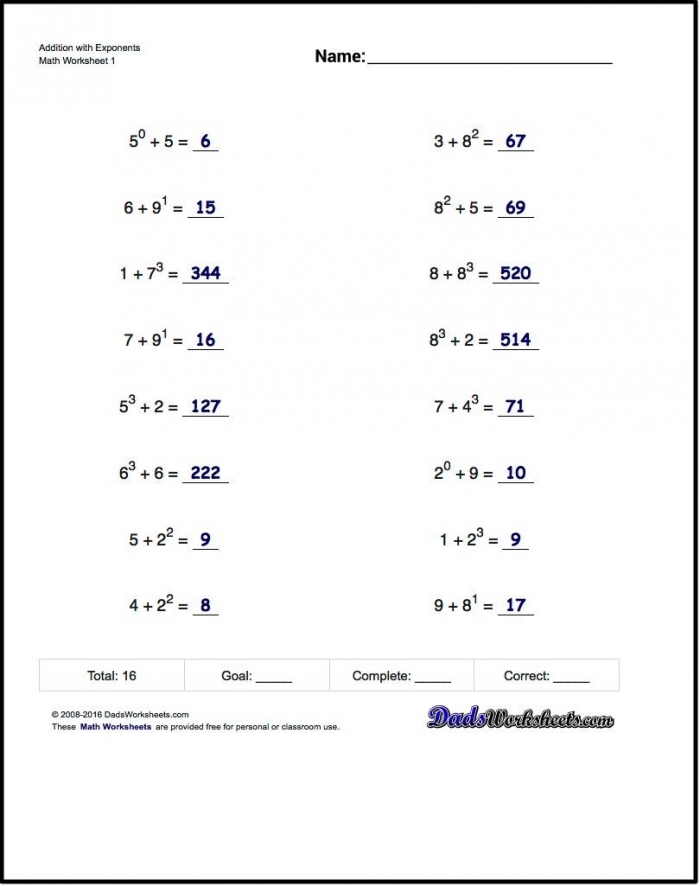
Pairing exponent practice with other fifth-grade addition and multiplication work reinforces how numbers connect across different operations. You can also explore how exponents appear in real-world contexts, like calculating areas or understanding scientific notation, which keeps the learning relevant and interesting for your student.
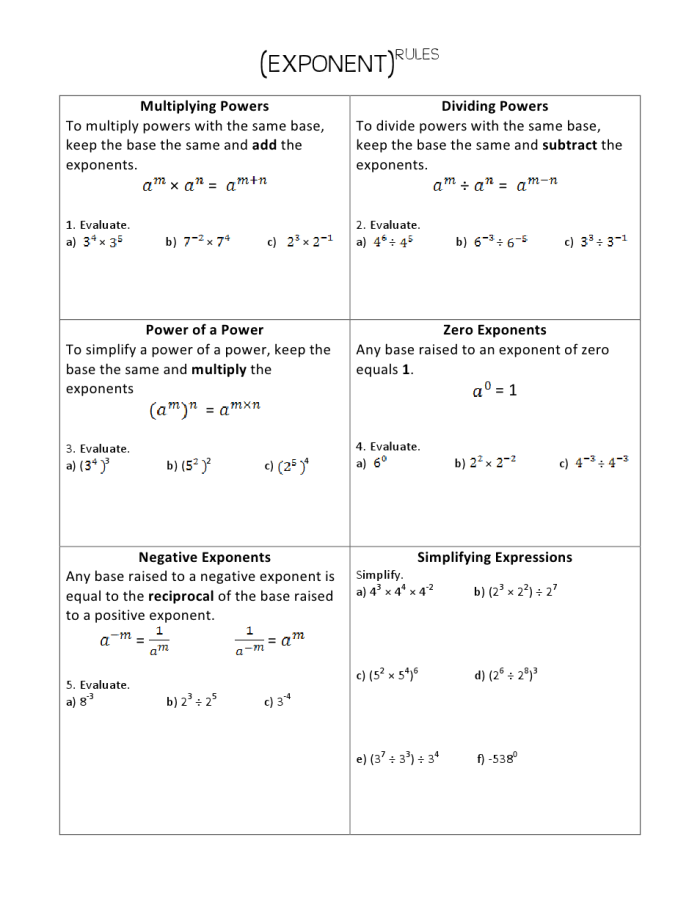
The key is starting simple and letting your child build confidence before moving to larger numbers or more complex exponent rules.
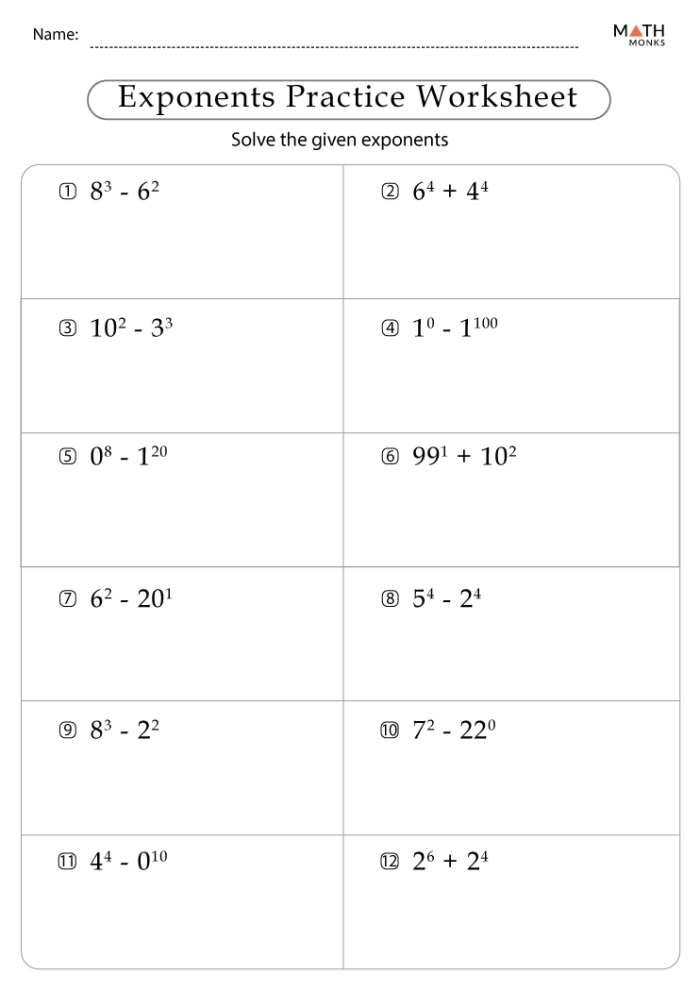
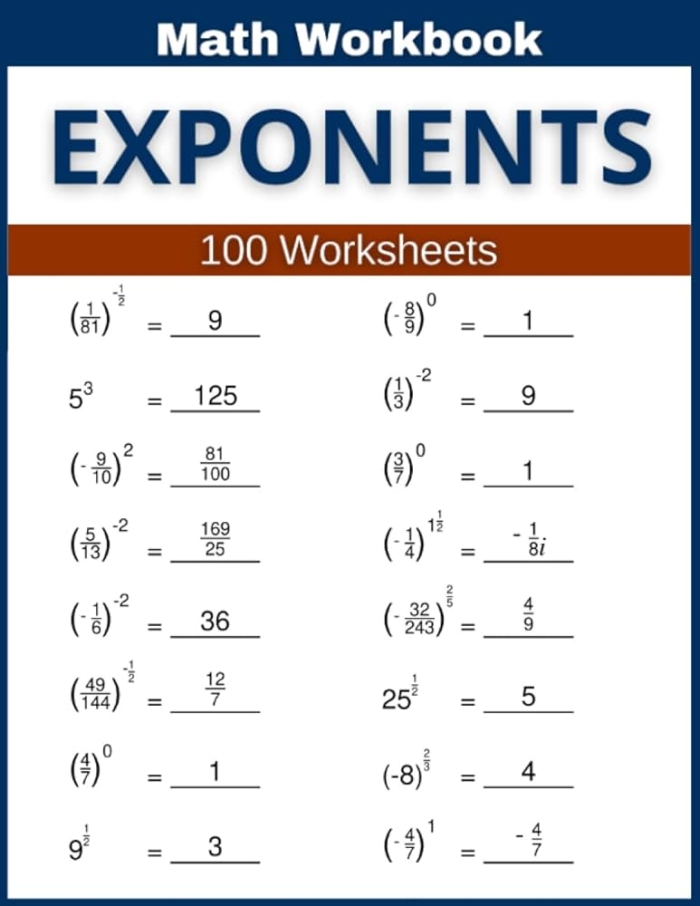
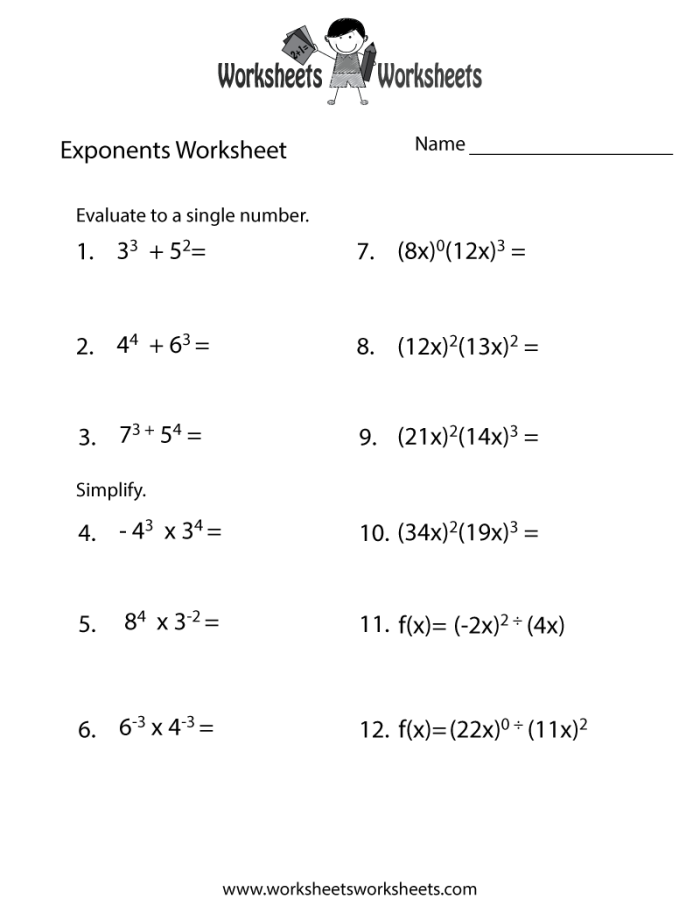
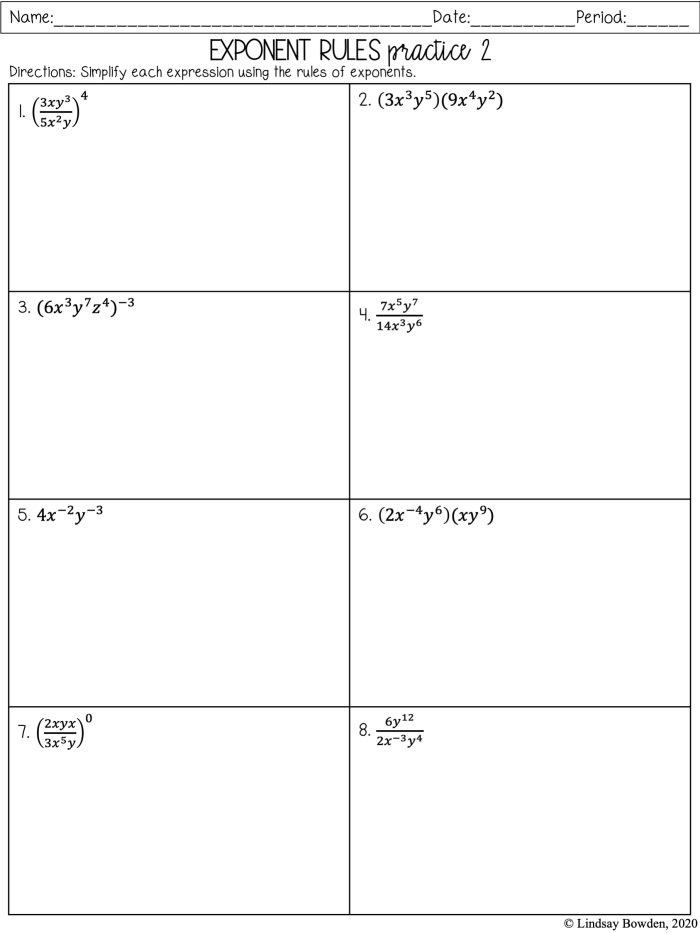
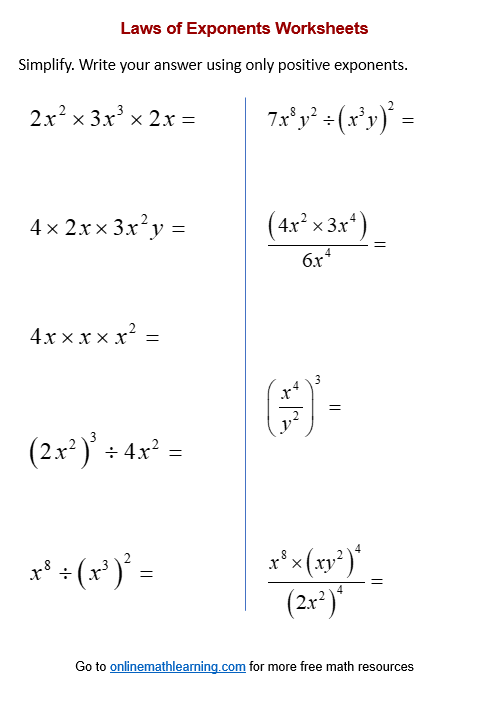
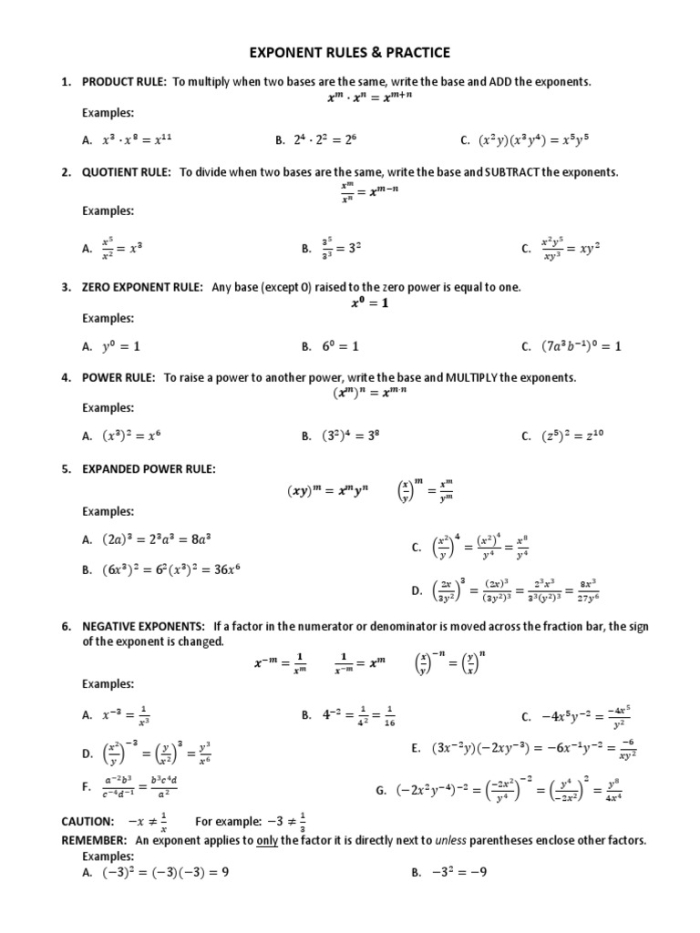
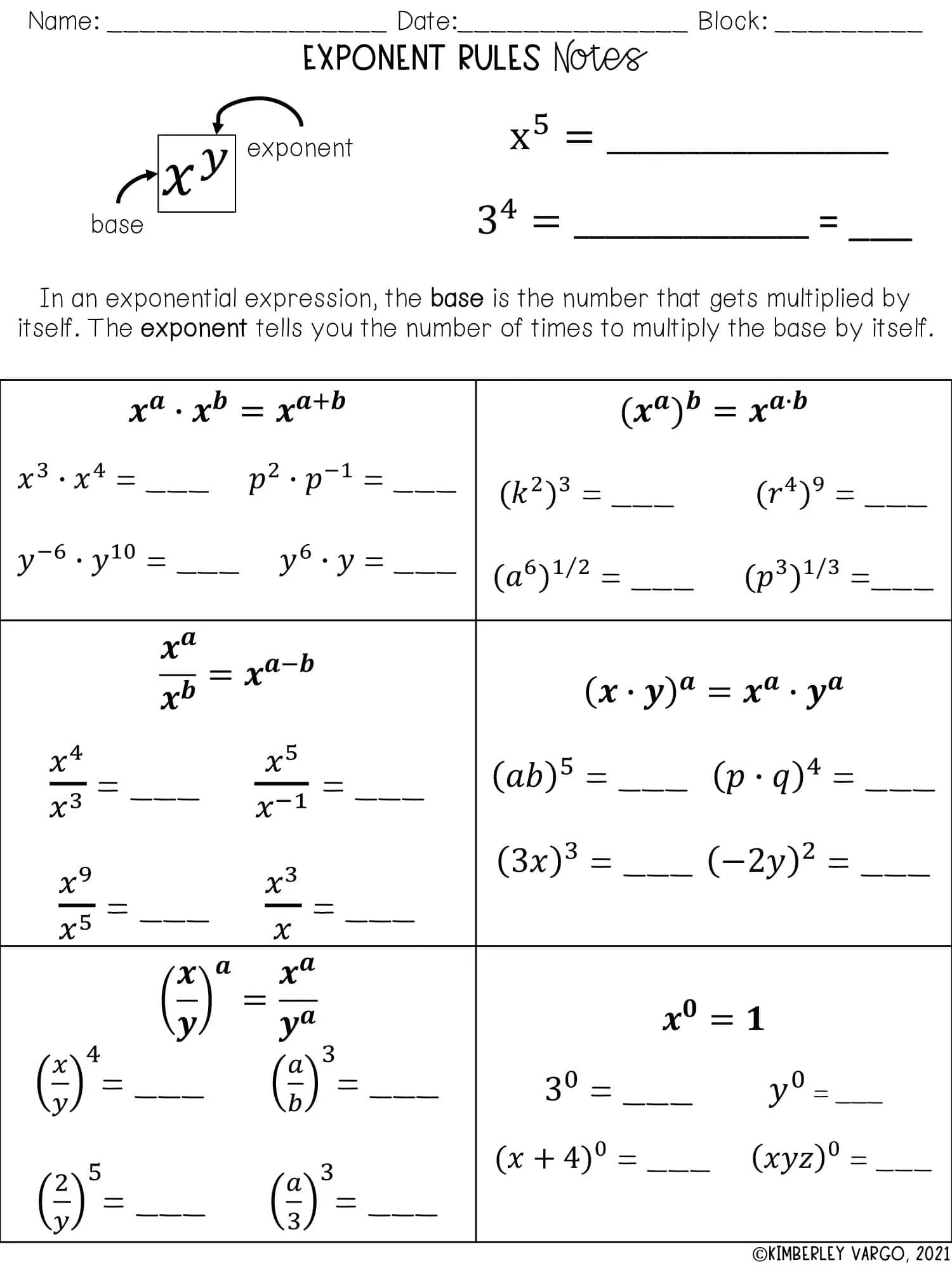
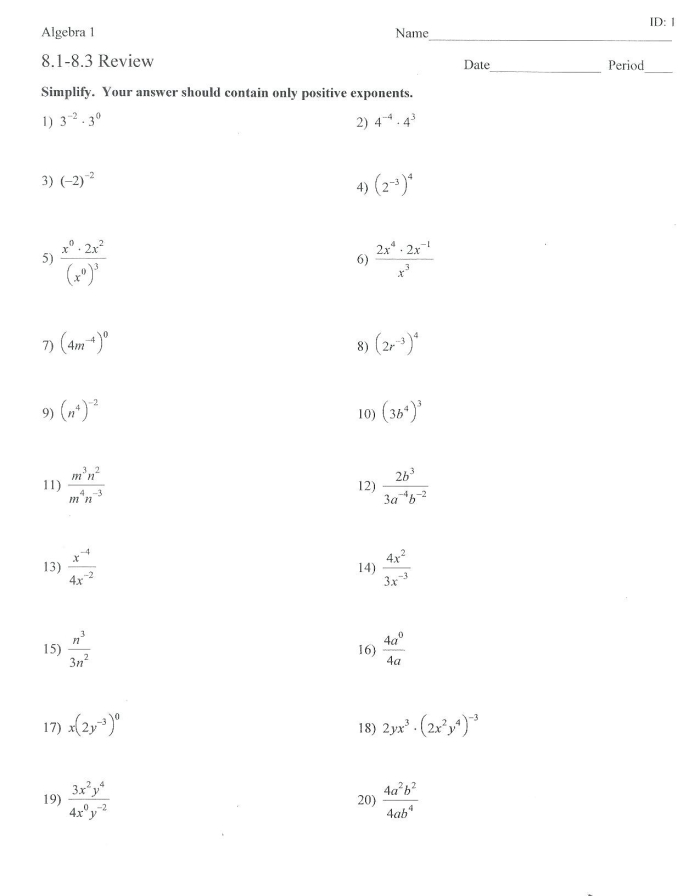
Practice with These Worksheets