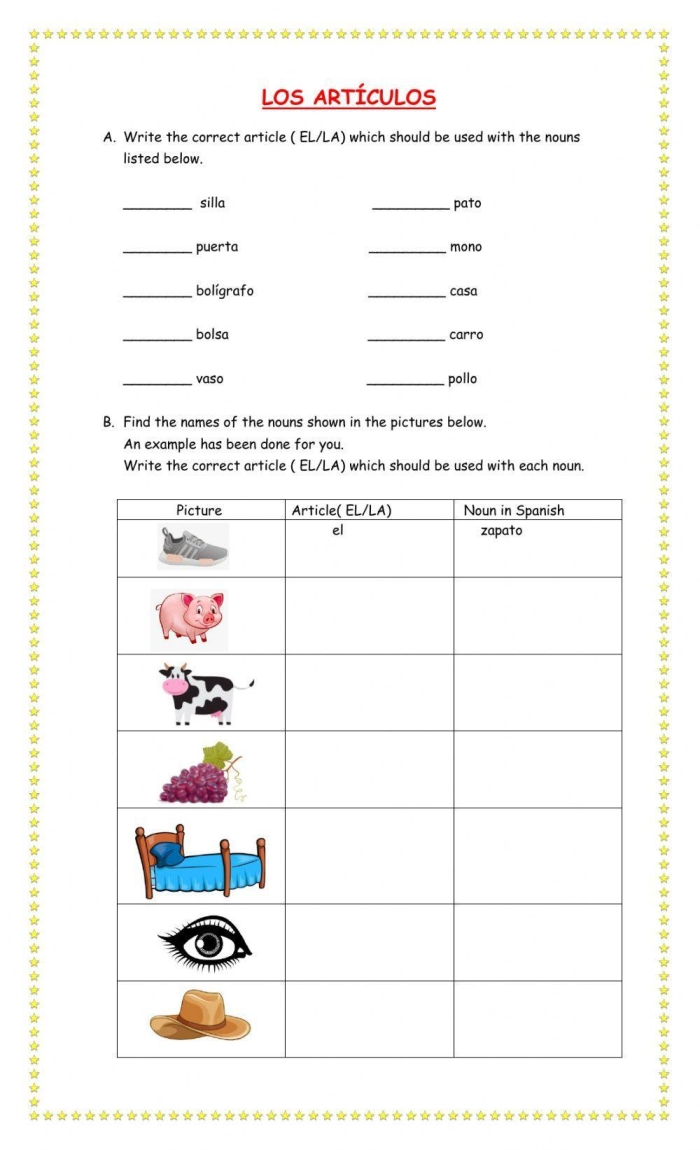
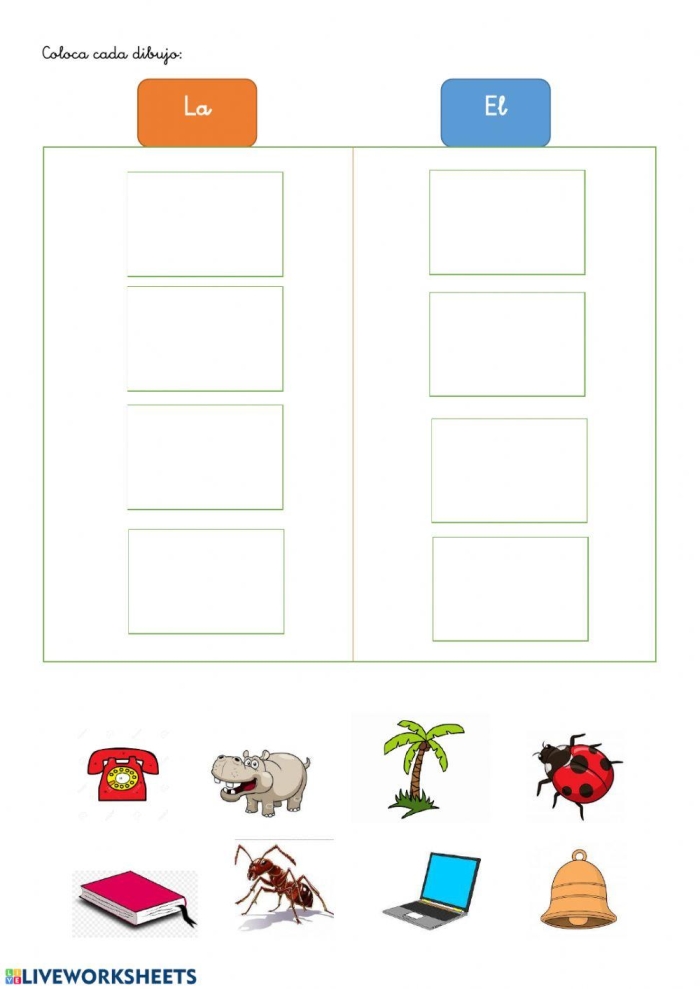
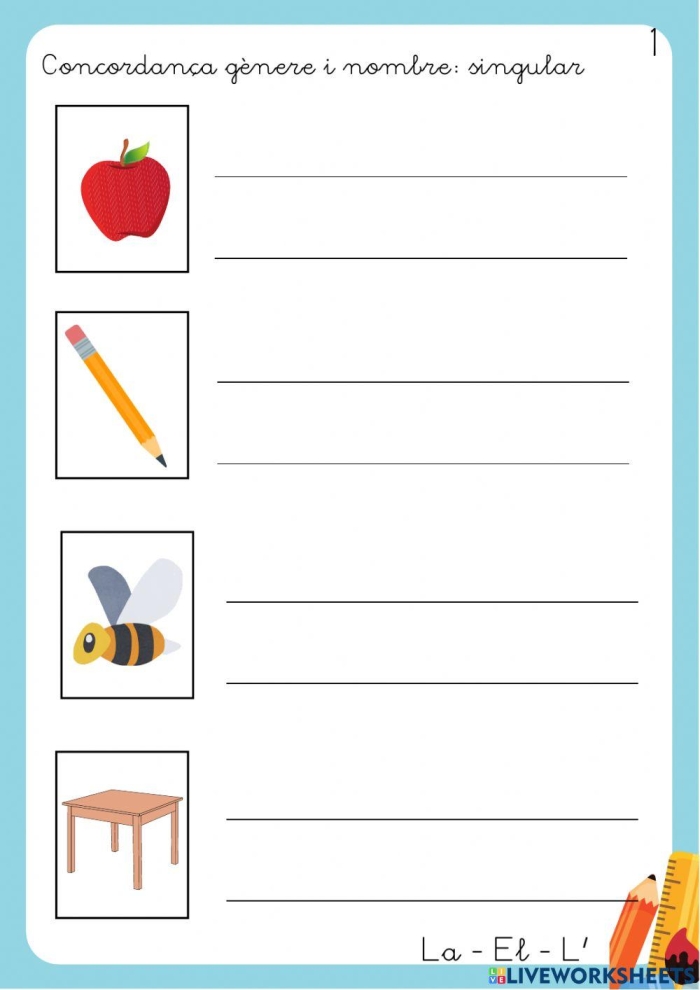
The distinction between “la” and “el” can be a source of confusion for new Spanish learners. These articles are crucial for indicating the gender of nouns, and mastering them is essential for fluency. While many nouns follow predictable patterns, there are notable exceptions that can trip up even the most diligent students.
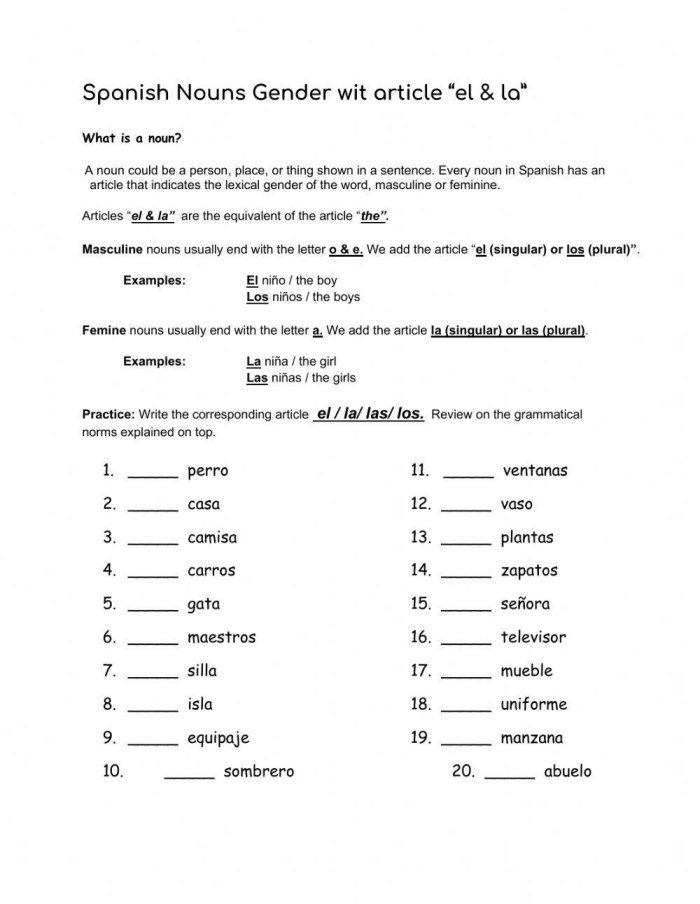
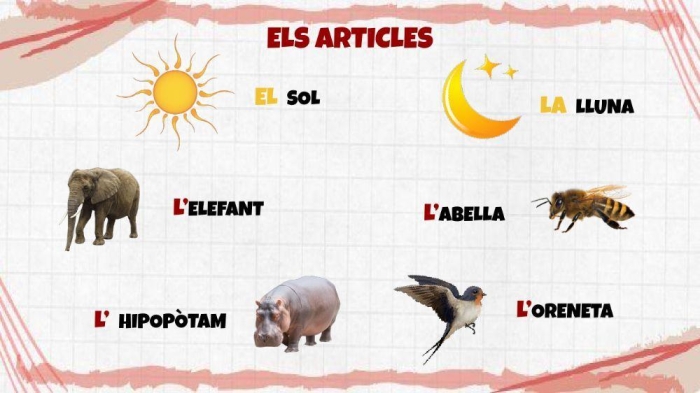
Generally, “el” is used for masculine nouns, while “la” is reserved for feminine ones. For instance, “el libro” (the book) and “la mesa” (the table) fit neatly into these categories. However, some nouns defy these conventions. For example, “el agua” (the water) is feminine but uses the masculine article due to phonetic reasons. This helps avoid the awkwardness of saying “la agua.” Similarly, “el día” (the day) is masculine, even though it ends in “a,” which is typically a sign of feminine nouns.
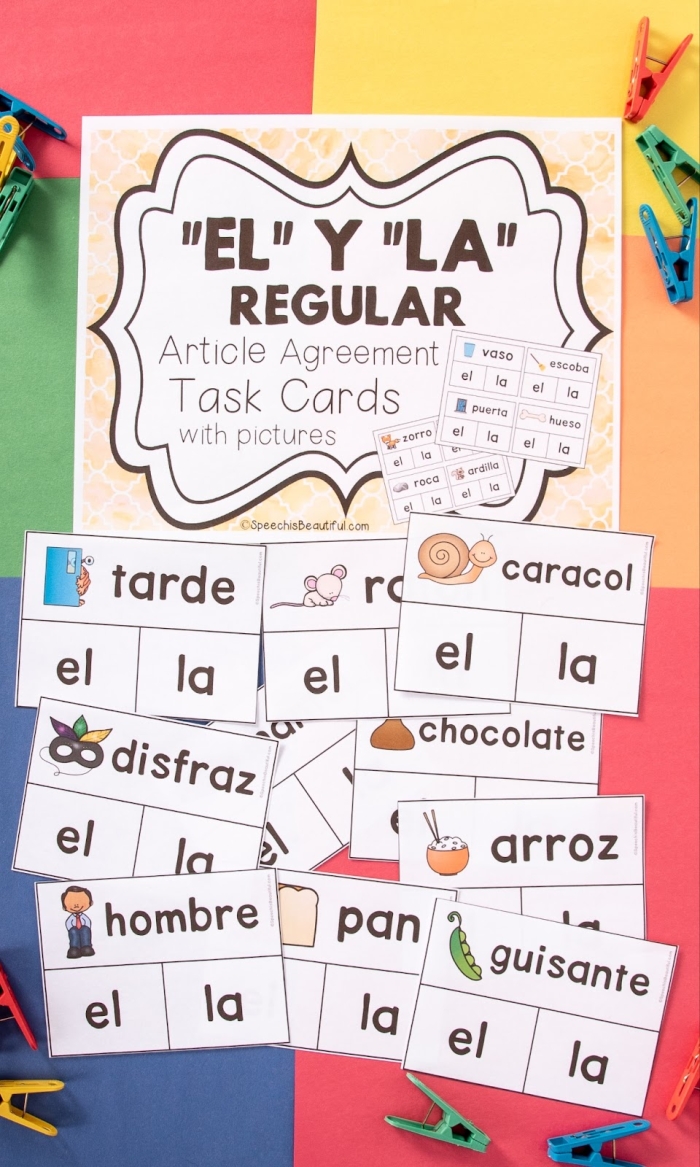
Another interesting case involves nouns that appear in pairs. Take “el hombre” (the man) and “la mujer” (the woman). These straightforward examples showcase the gendered structure of Spanish but can be puzzling for learners who might expect a consistent pattern based on endings alone.
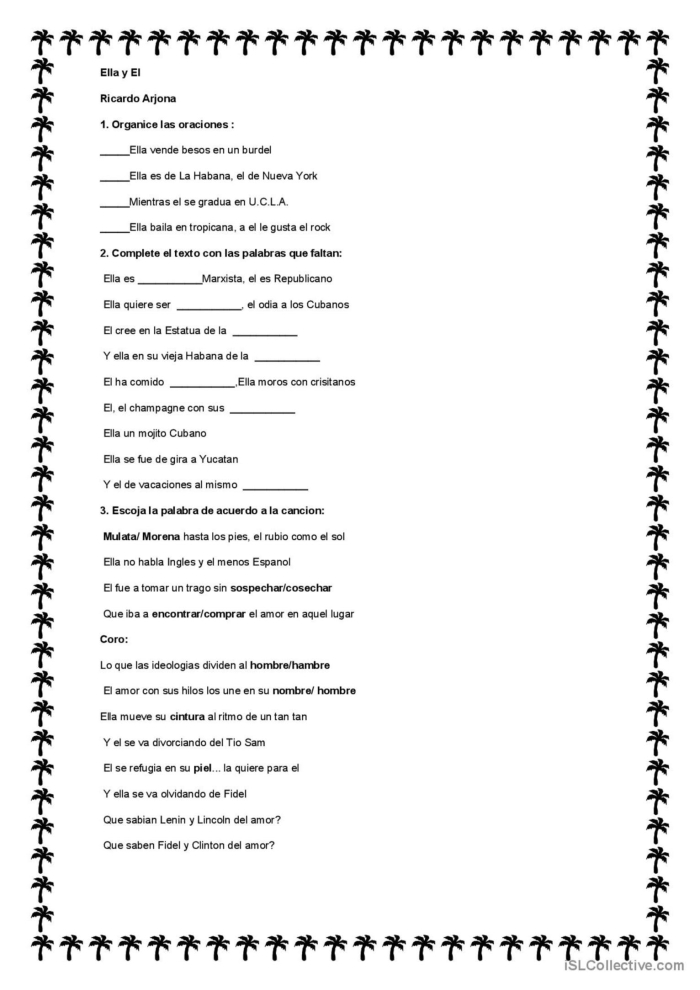
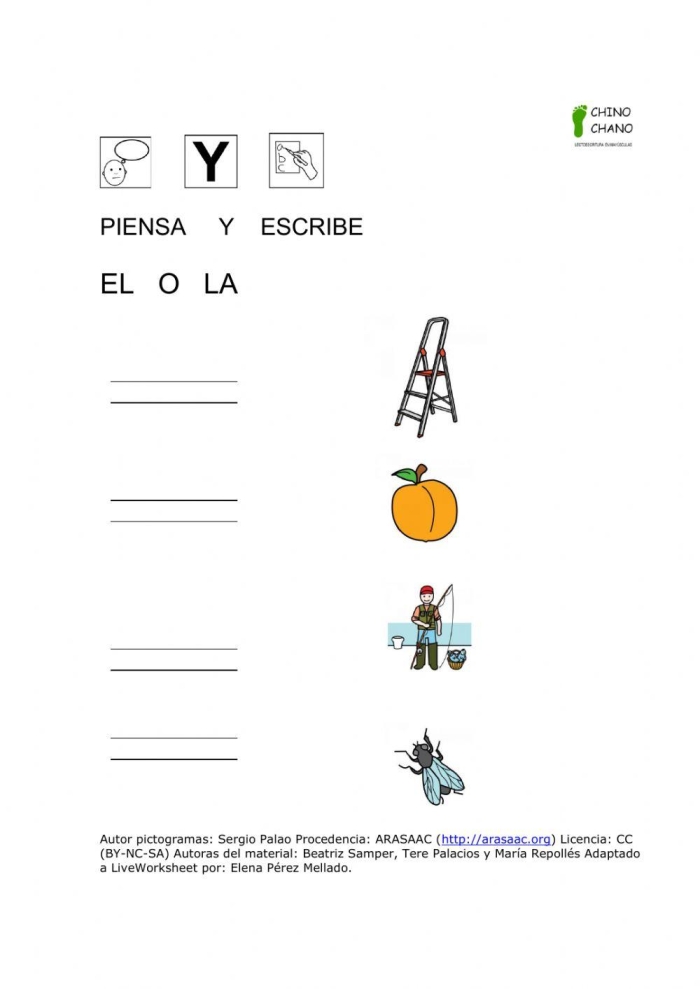
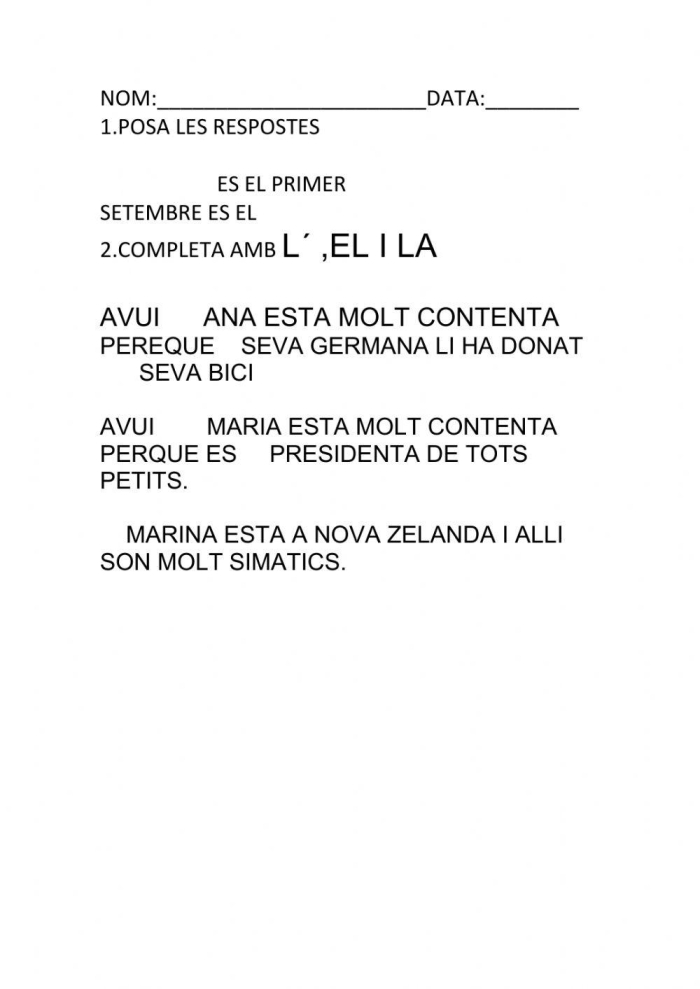
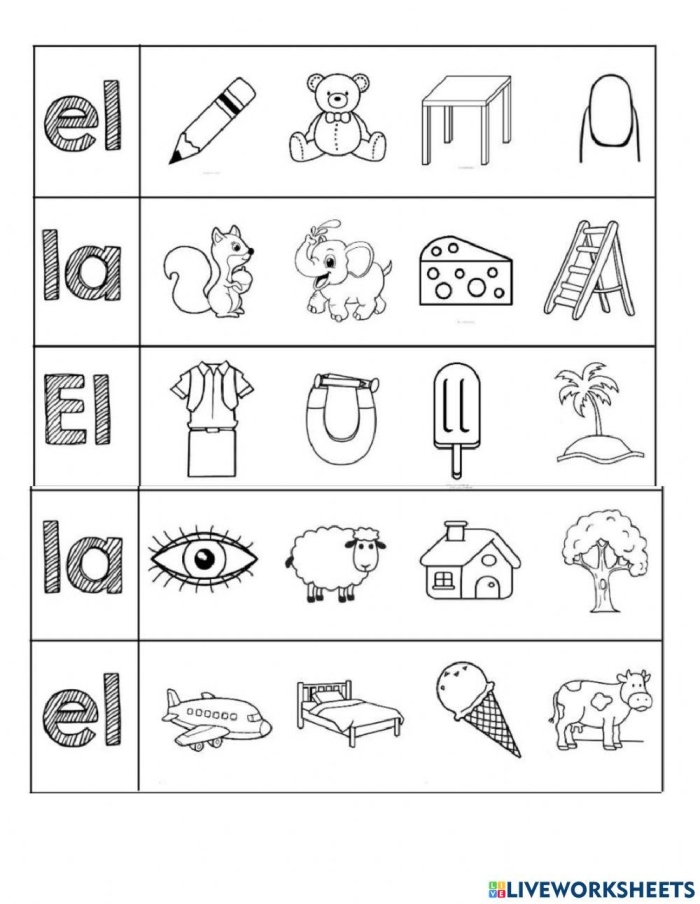
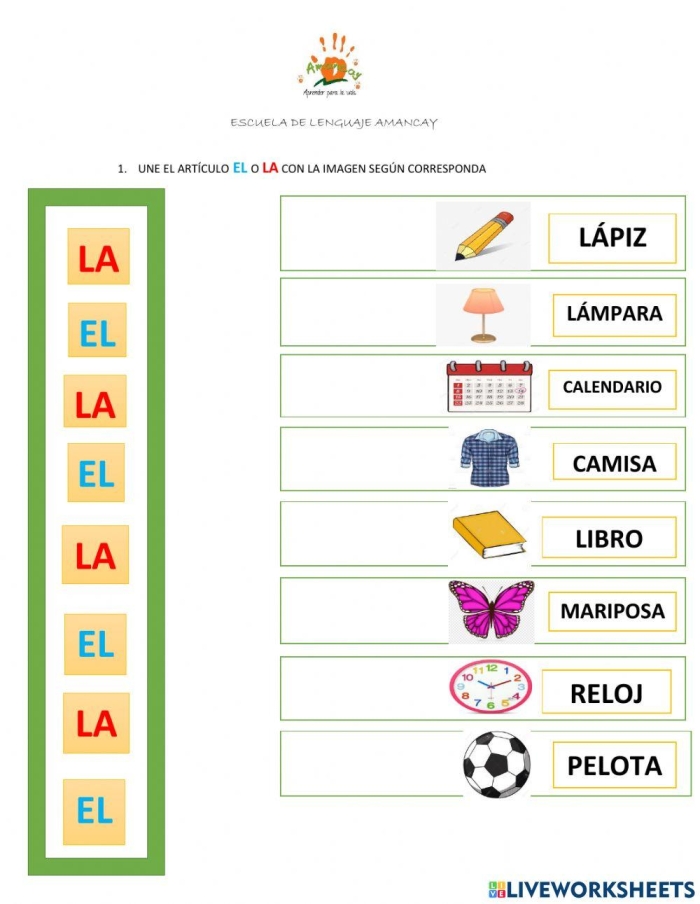
For fourth graders diving into Spanish, printable resources can make learning the nuances of “la” and “el” much easier. Engaging worksheets that include fun activities can help reinforce these concepts. Check out printable worksheets that explore other subjects, like fractions or math puzzles, to enhance reading skills alongside learning Spanish.
Understanding the exceptions to the rules of “la” and “el” not only enriches vocabulary but also bolsters confidence in speaking and writing. With practice and time, these distinctions will become second nature to beginning Spanish speakers.
Try These Printable Worksheets