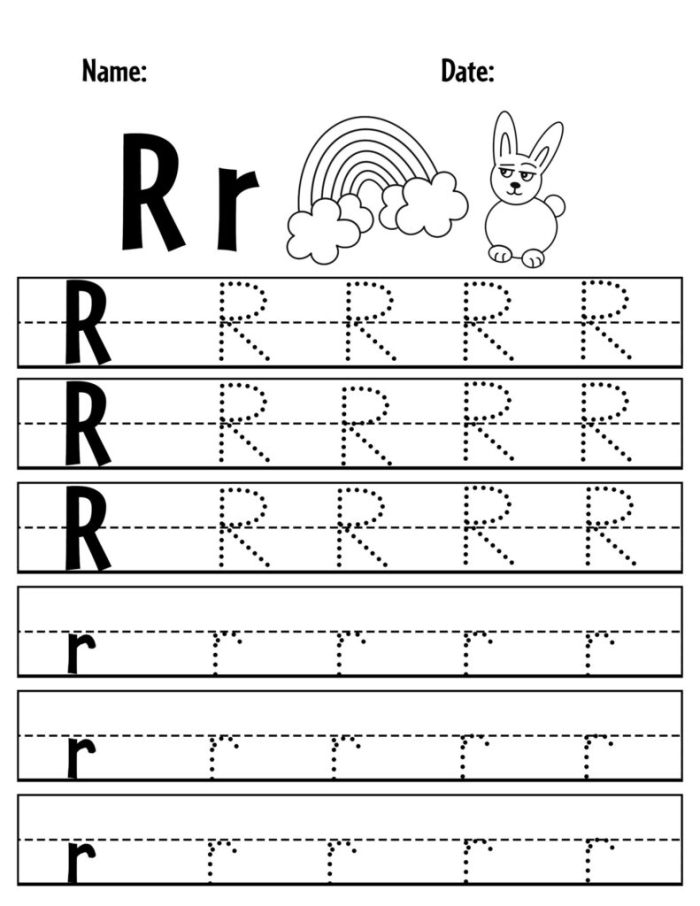
Tracing lines before forming letters plays a crucial role in early childhood education, especially for prekindergarten learners. When children use a pre-K worksheet designed specifically for this purpose, they develop the fine motor skills necessary to write with precision and confidence. This step-by-step approach prepares young hands to handle writing tools more effectively, making the transition to actual letter formation smoother.
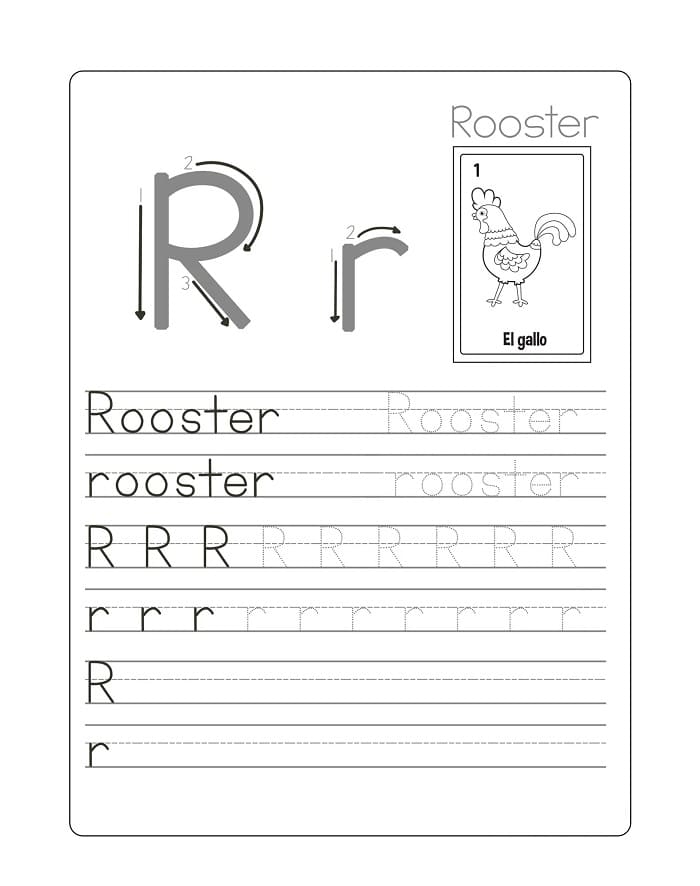
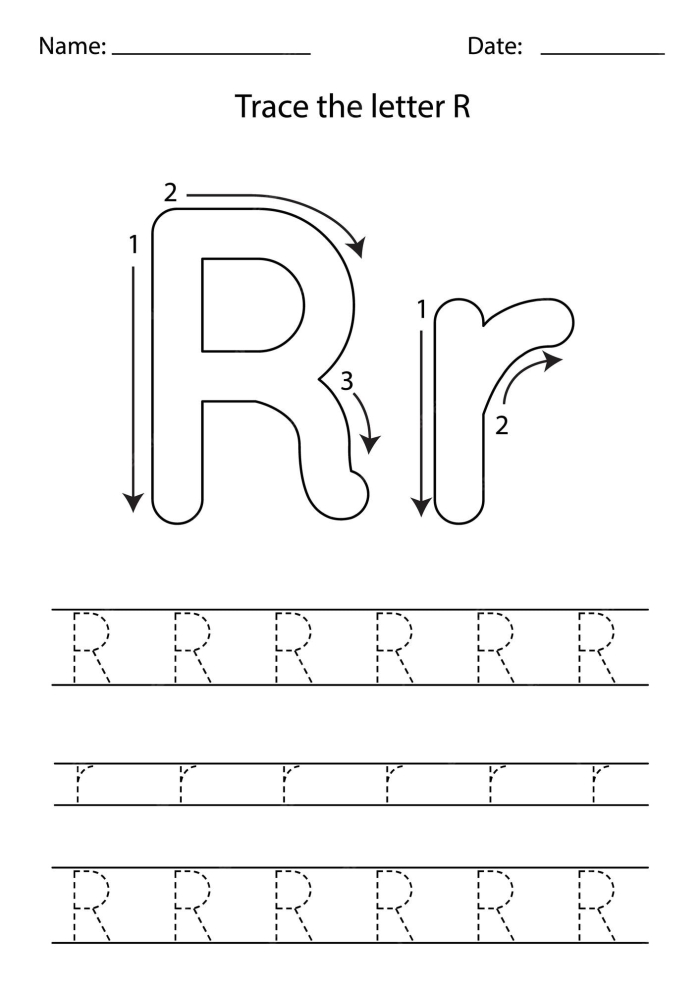
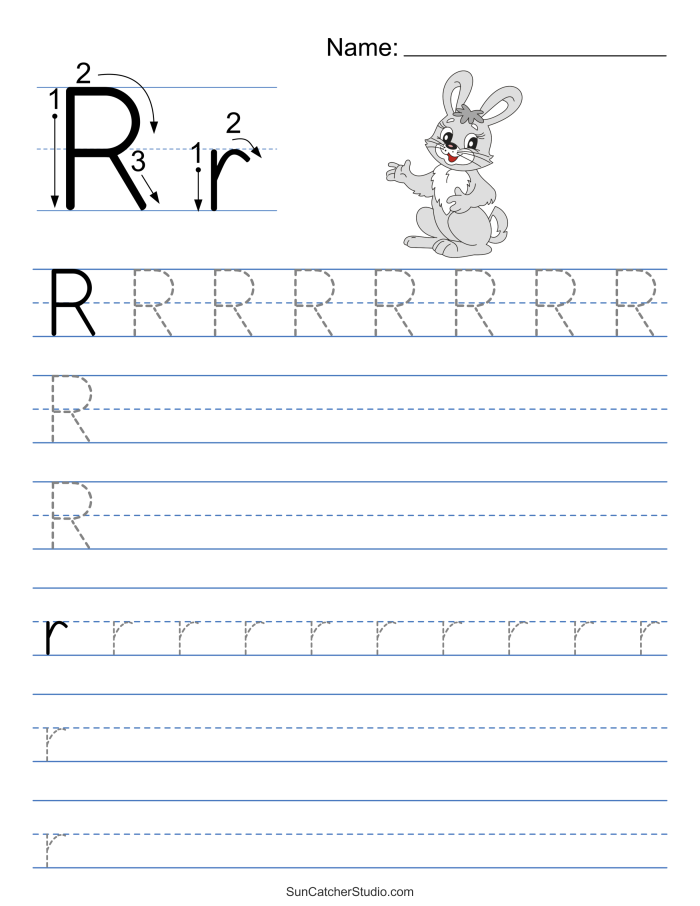
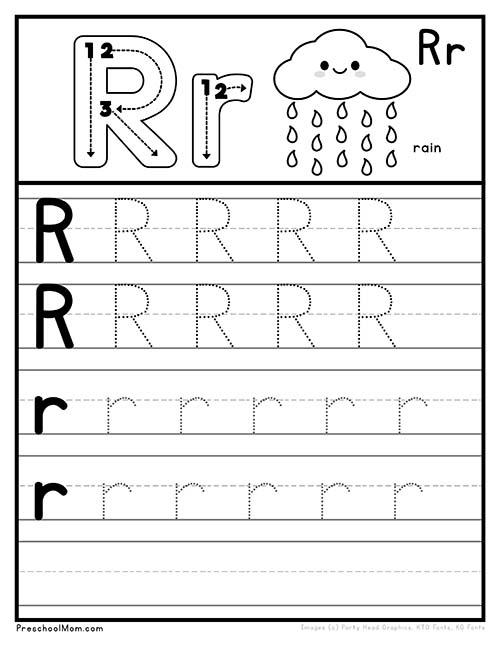
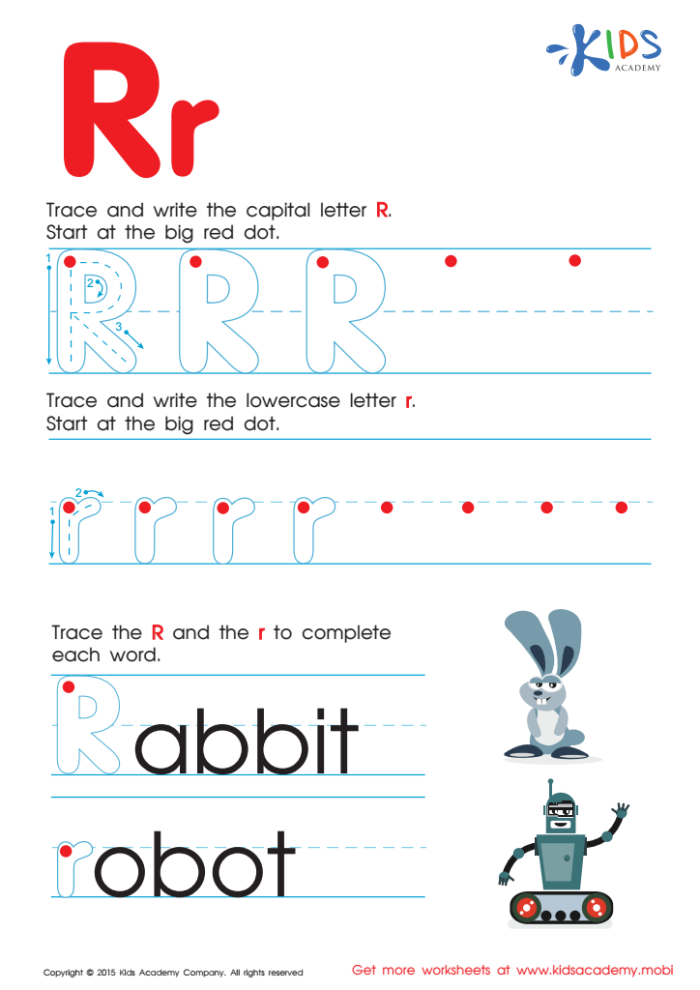
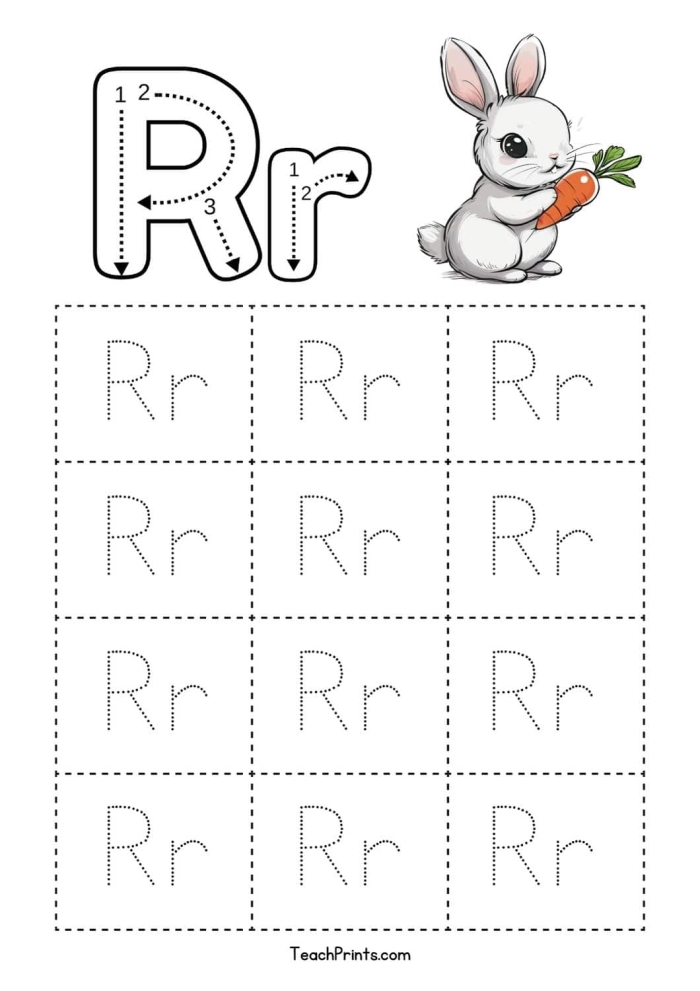
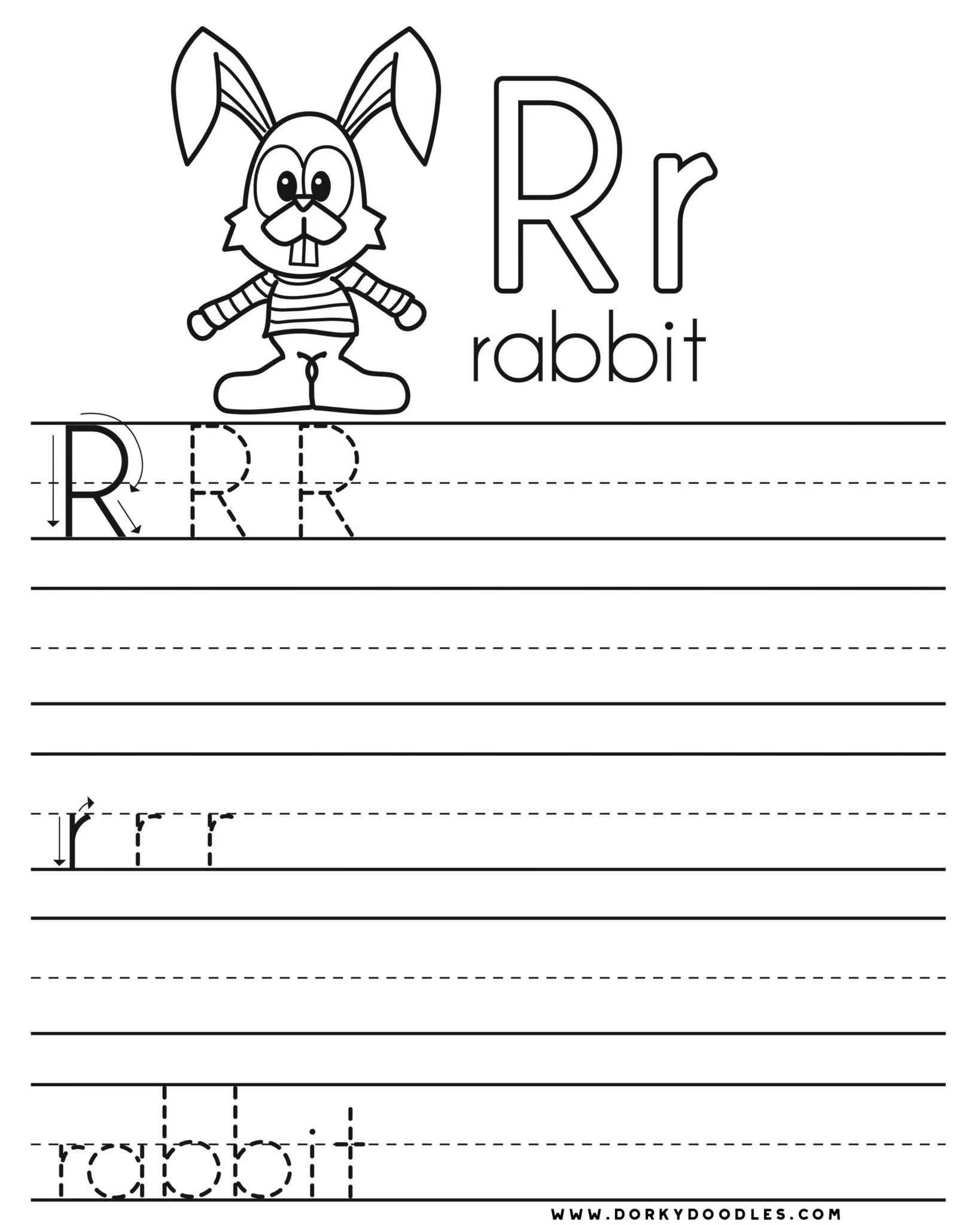
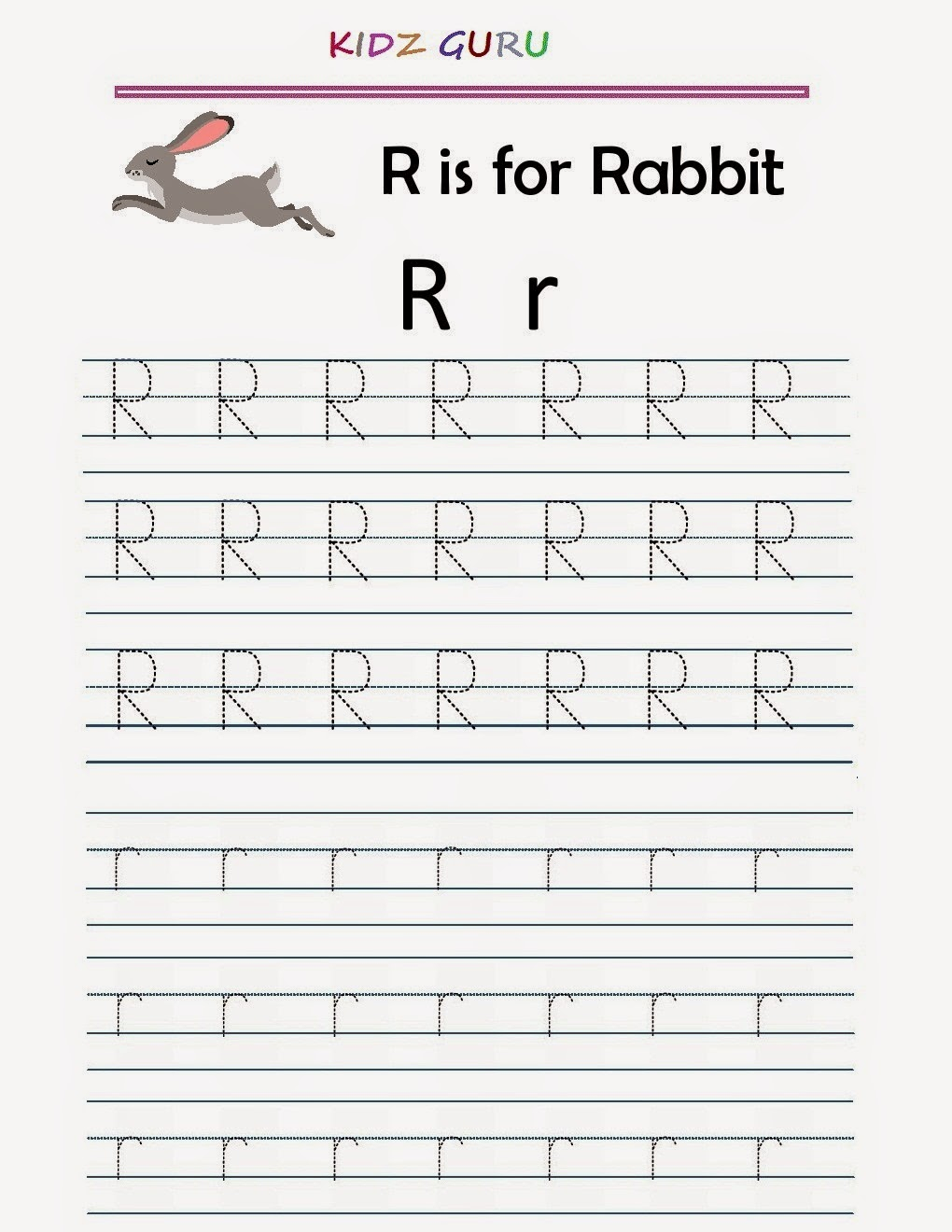
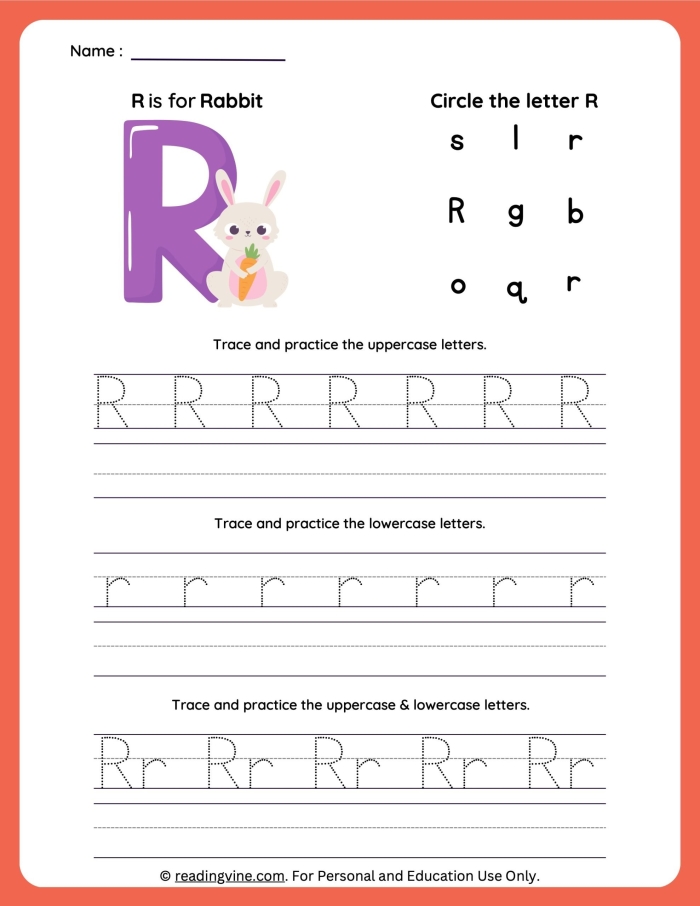
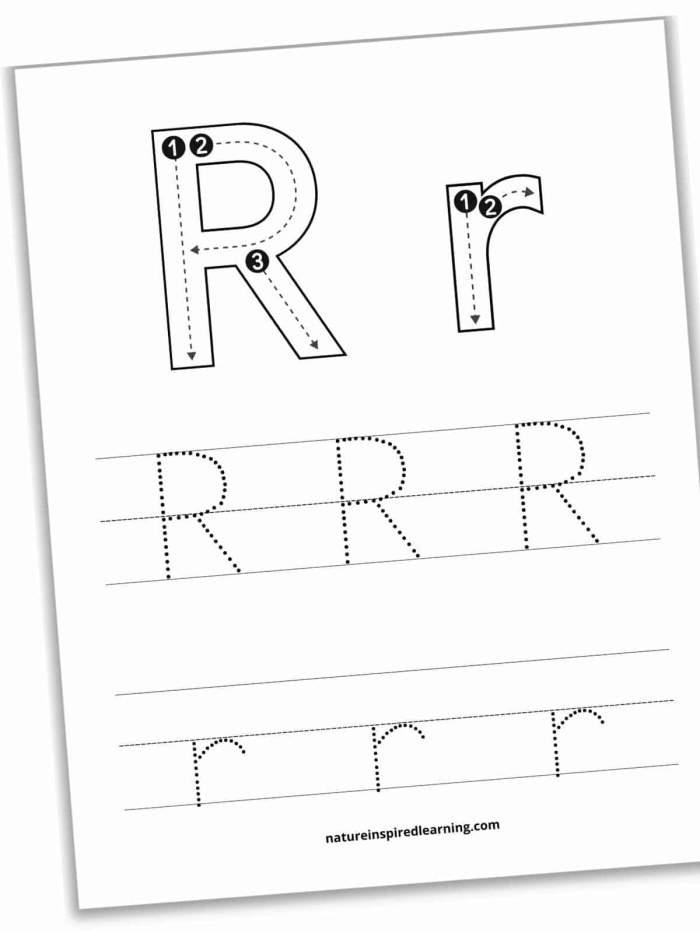
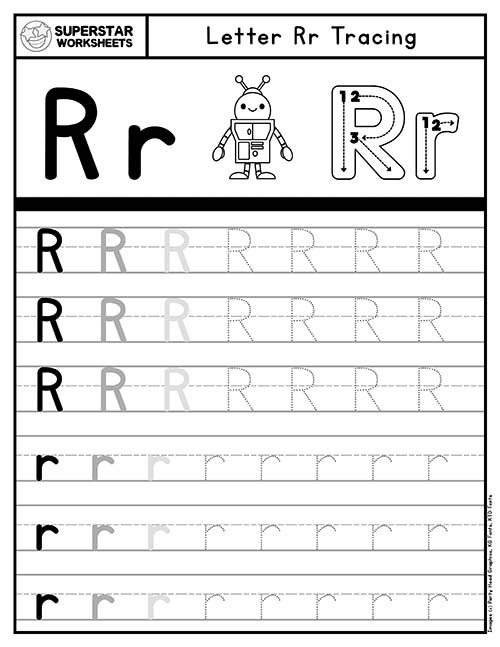
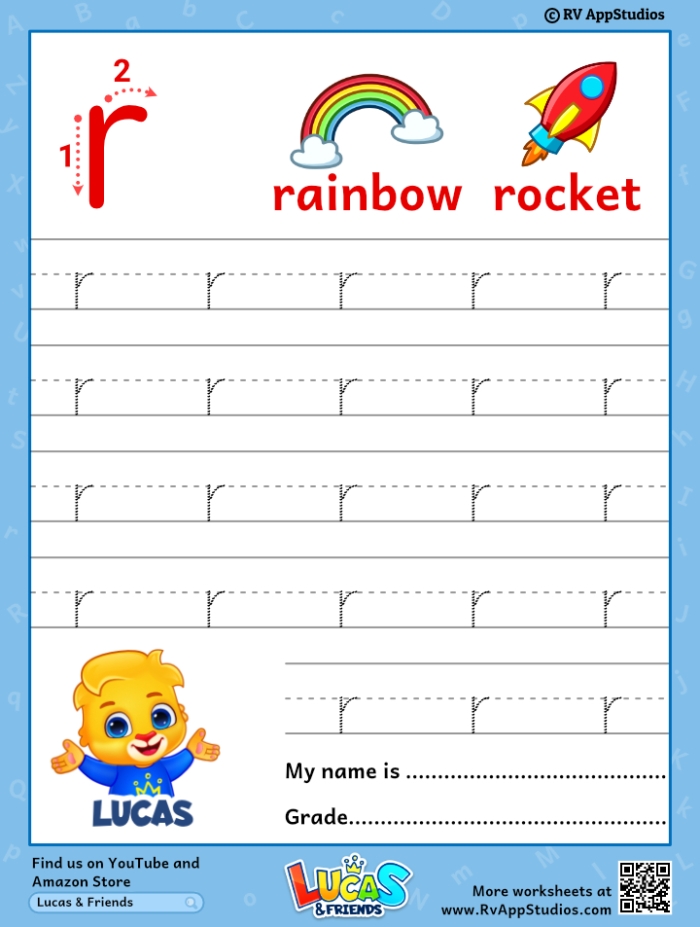
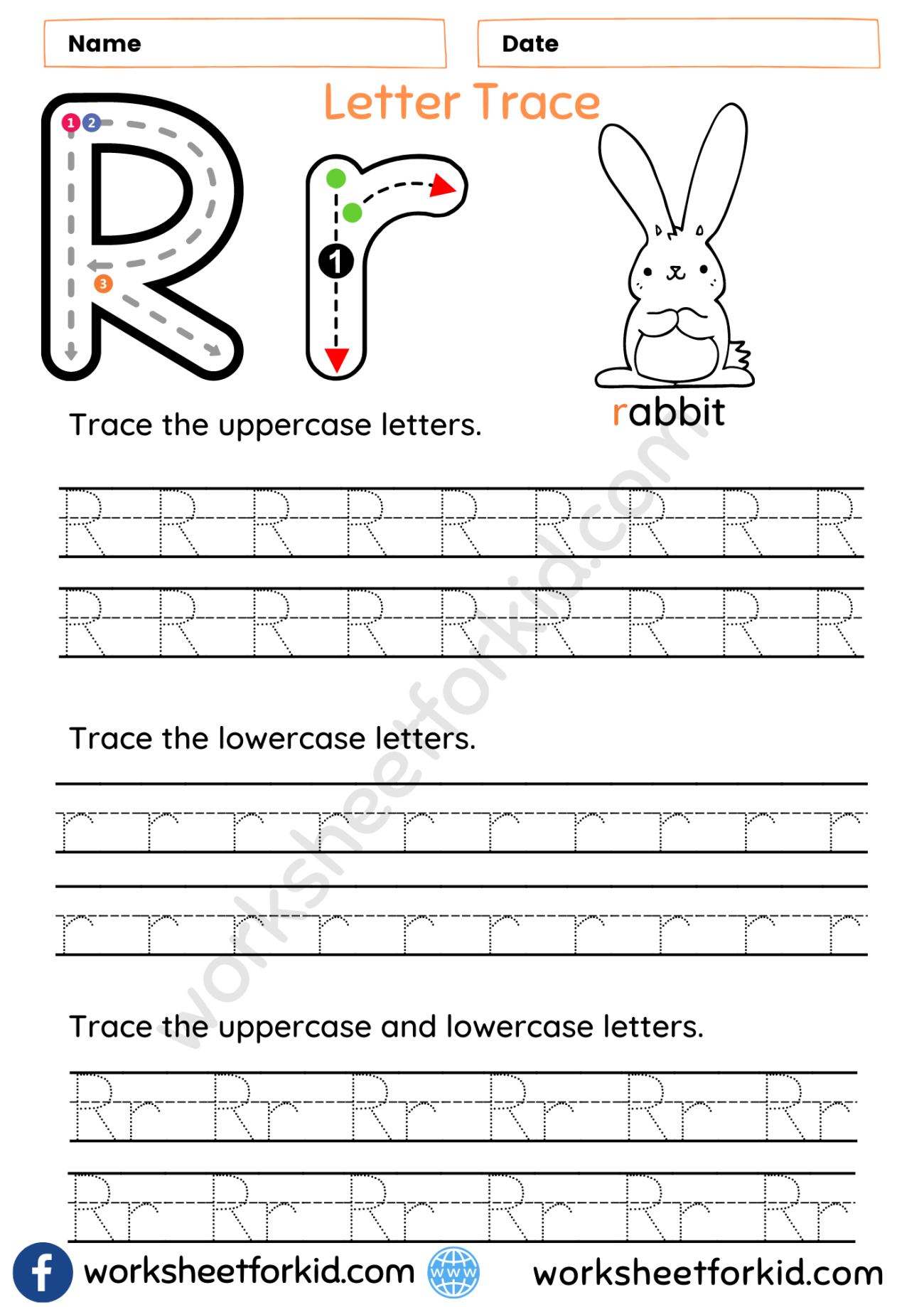
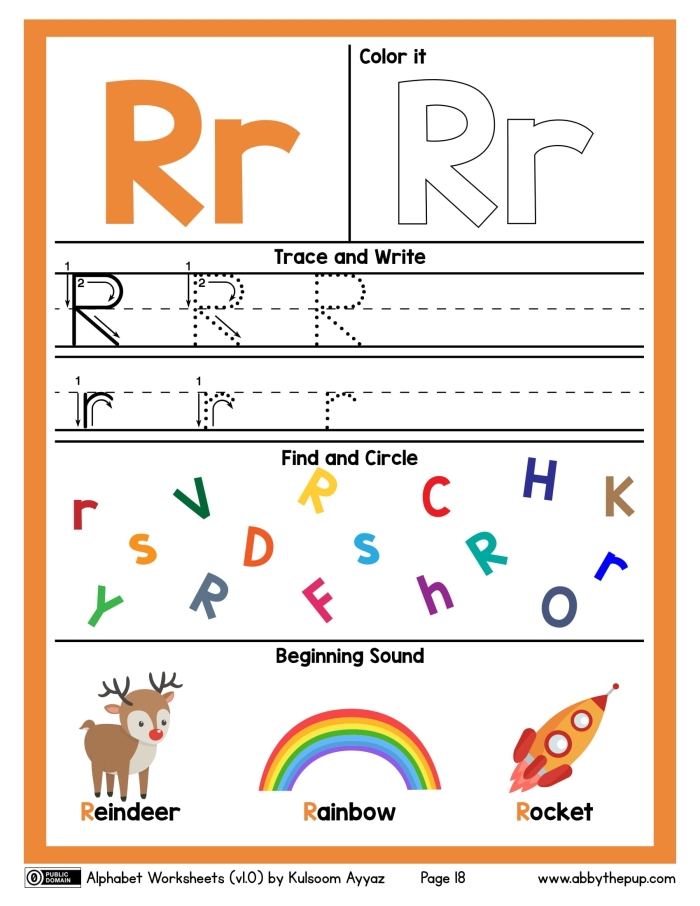
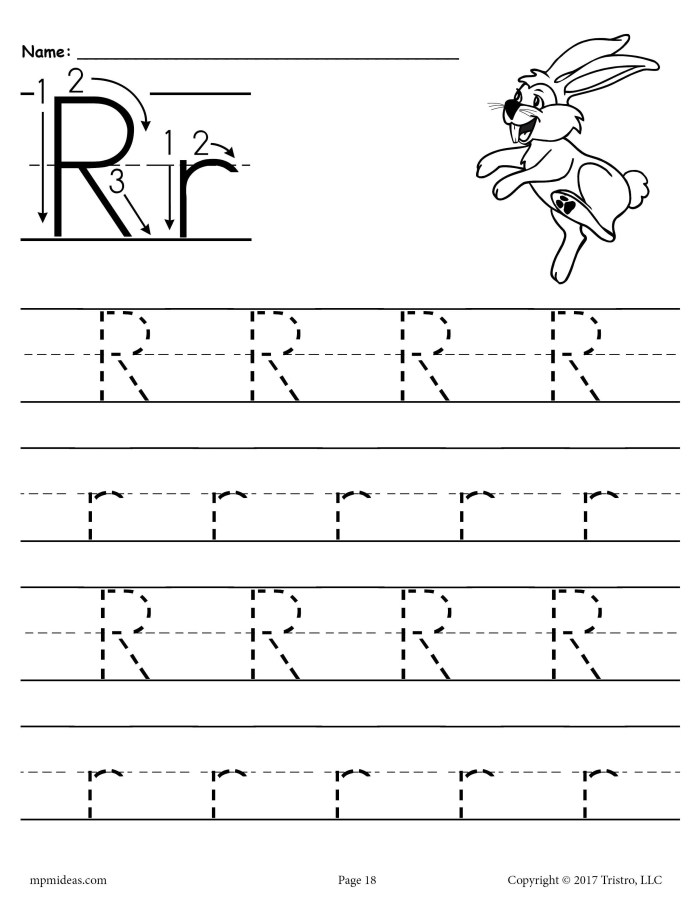
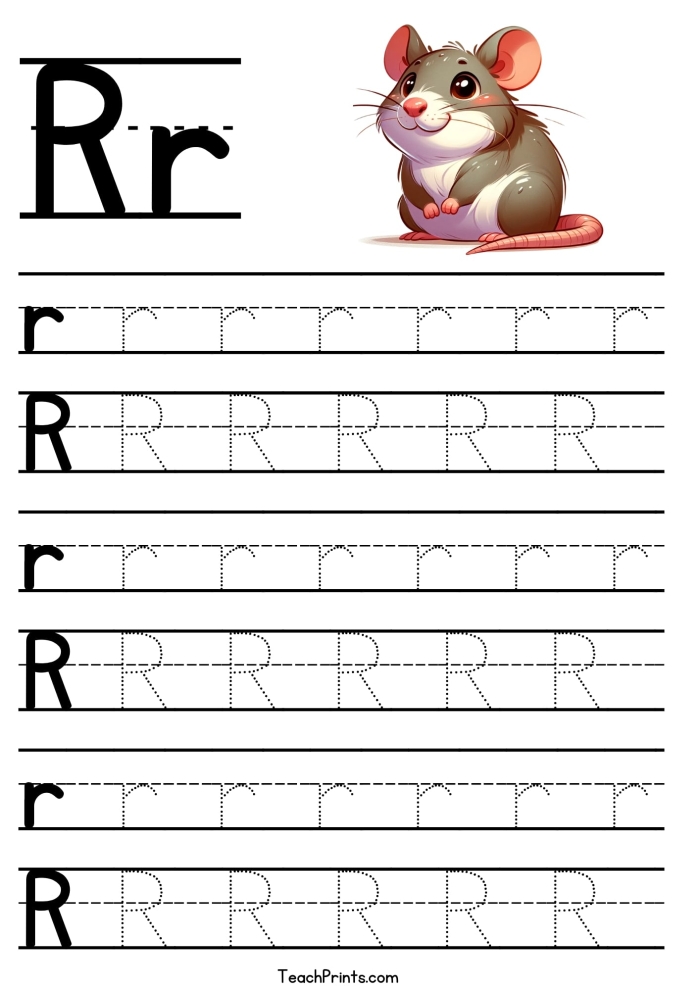
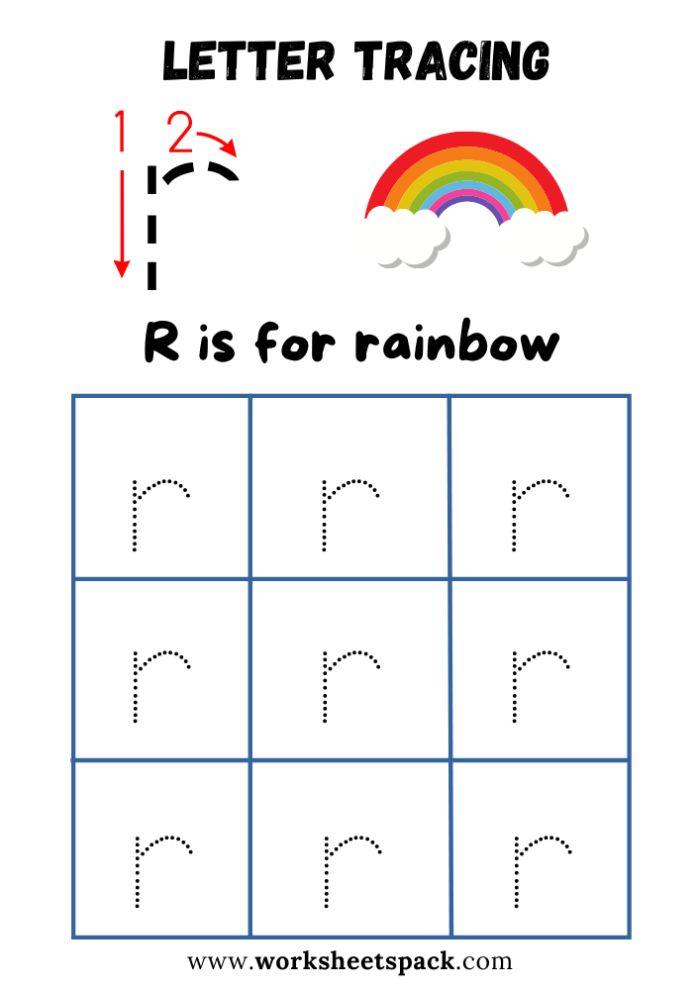
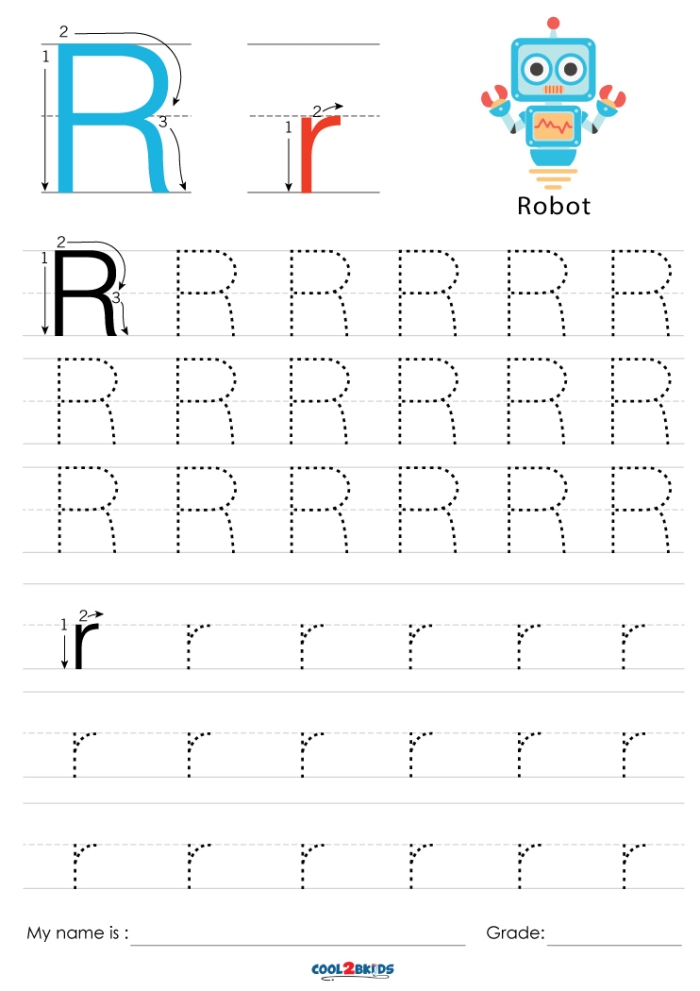
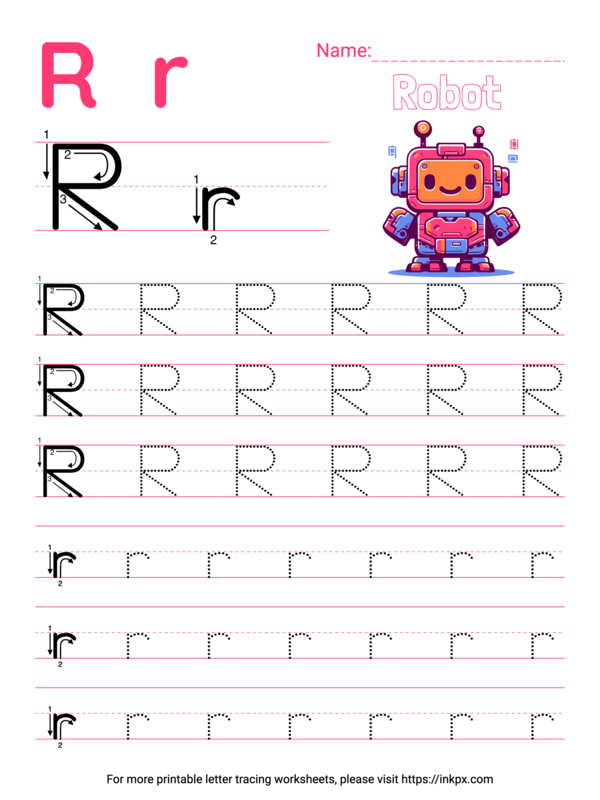
On a worksheet focused on practicing the letter R, kids first trace simple lines that mimic the strokes needed to create the letter. This method helps them gain control over their pencil movements and builds muscle memory. For example, tracing a curved line followed by a straight downstroke matches the motions involved in writing an uppercase R. Because these worksheets are designed for pre-K students, the activities are age-appropriate and encourage repetition without frustration.
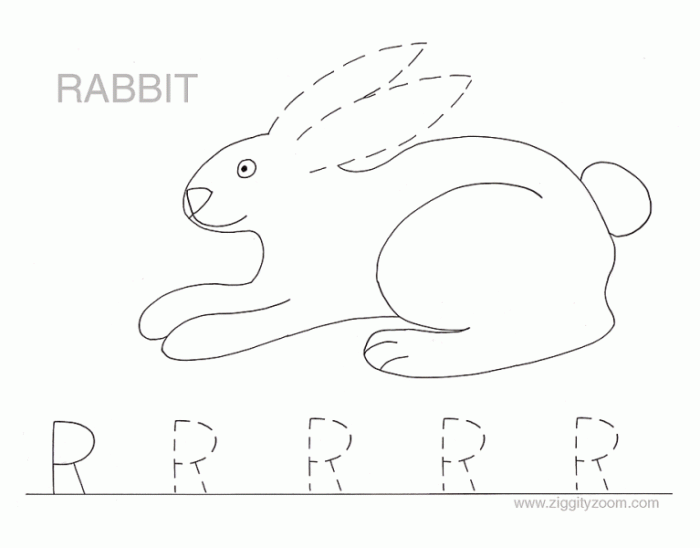
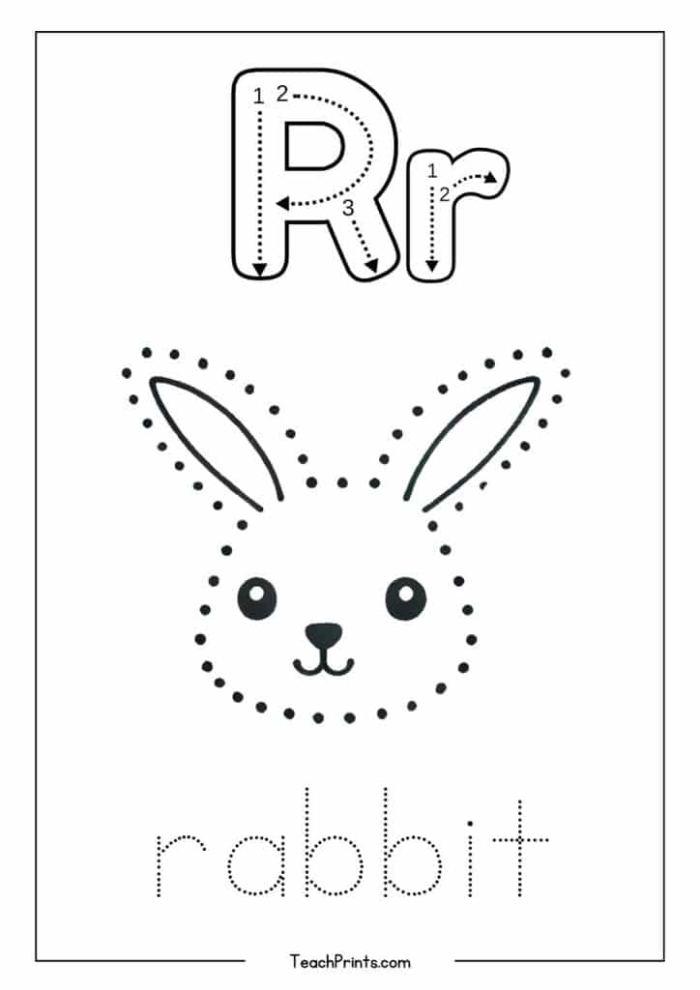
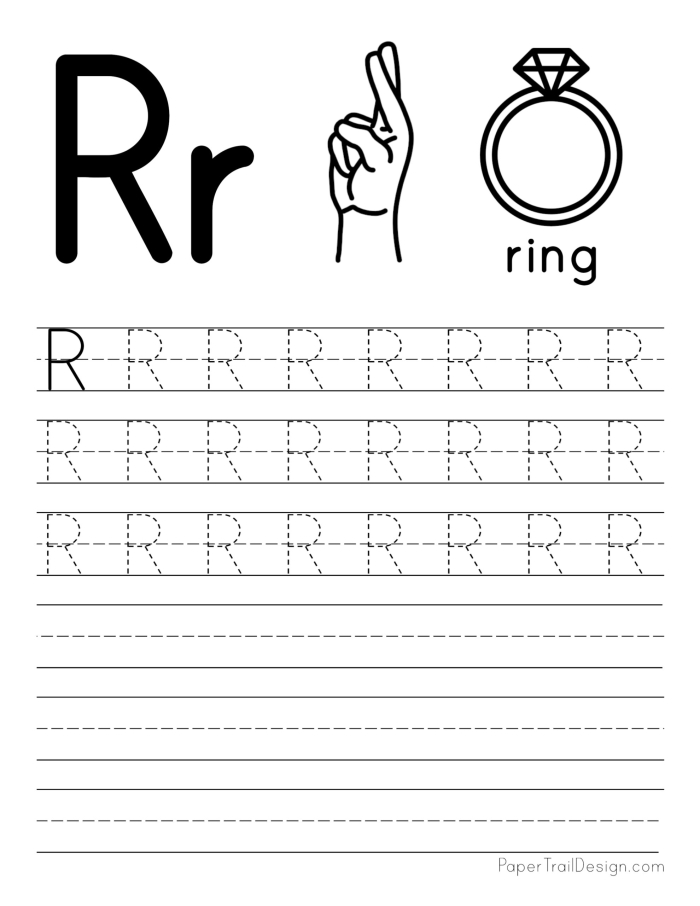
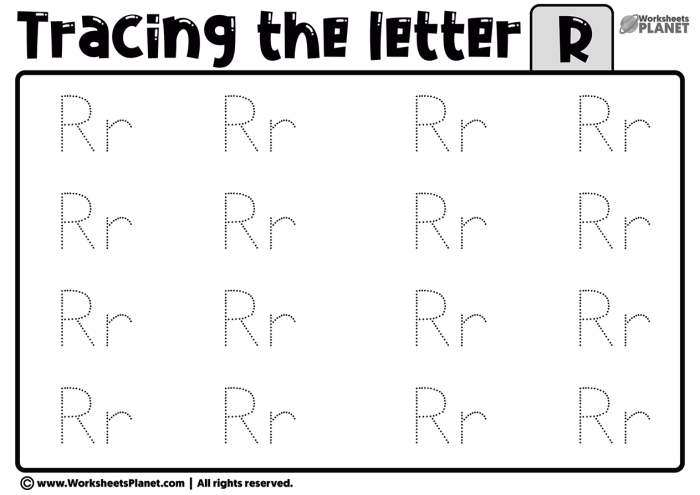
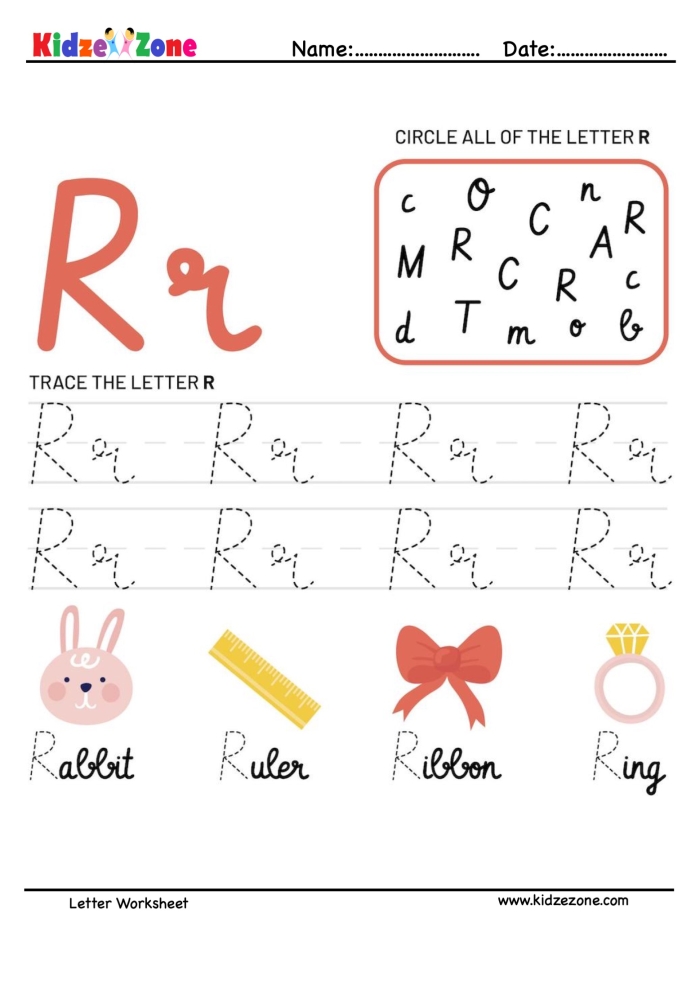
Once children feel comfortable with tracing lines, they move on to tracing the letter R itself. This two-step process not only reinforces the motor skills developed earlier but also introduces the shape and structure of the letter. Many printable practice tracing the letter R worksheets include visual cues and dotted lines to guide young learners. Some even incorporate American Sign Language (ASL) elements, offering a unique way for children to connect written language with finger spelling, which can enhance both literacy and communication skills.
Using resources like these can make a big difference in a child’s early writing journey. For instance, a worksheet that combines tracing with ASL is especially helpful for children exposed to multiple modes of language learning. Parents and educators who want to support children’s handwriting and ASL recognition might find this selection of prekindergarten worksheets particularly useful for practice tracing the letter R with added sign language context.
By focusing on gradual skill-building through tracing lines first, followed by letter tracing, children build a strong foundation that benefits their handwriting and broader language development. This approach respects the natural learning pace of pre-K students, fostering both confidence and competence in early writing tasks.
Printable Worksheets for Practice