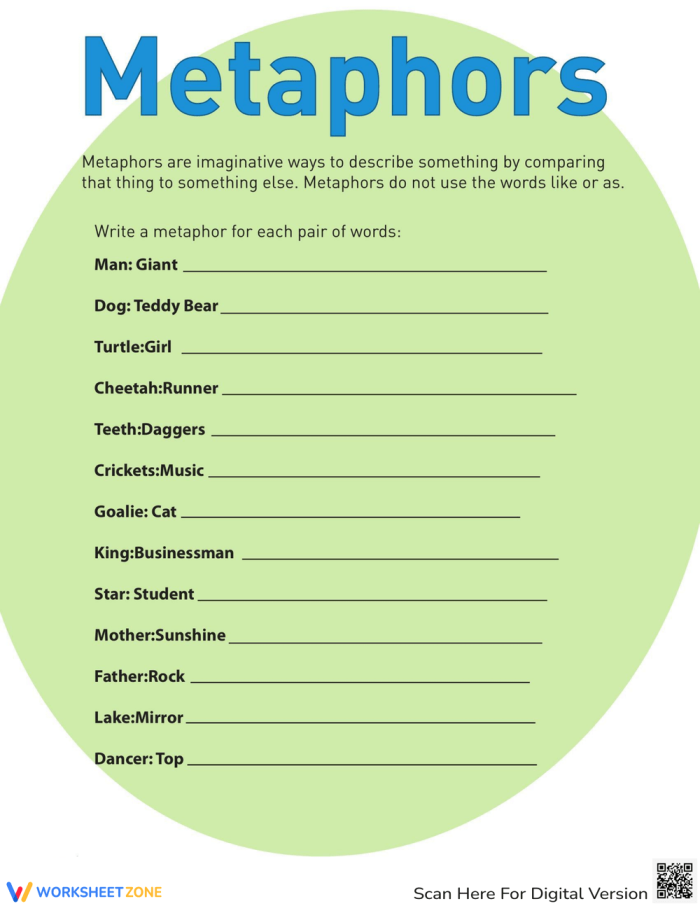
Using linking verbs to write metaphors offers a clear, accessible way for fourth grade students to explore creative language while strengthening their understanding of grammar and mechanics. Unlike action verbs, linking verbs serve as a bridge between the subject and additional information about that subject. This connection makes them ideal for forming metaphors, which compare one thing directly to another, often in surprising or vivid ways.
For example, a student might write, “The classroom is a beehive,” using the linking verb is to equate the classroom with a beehive, suggesting busyness and activity. This simple structure helps students focus on the metaphor itself without getting tangled in complex sentence forms. The exercise encourages them to think beyond literal meanings, developing both language skills and creative thinking.
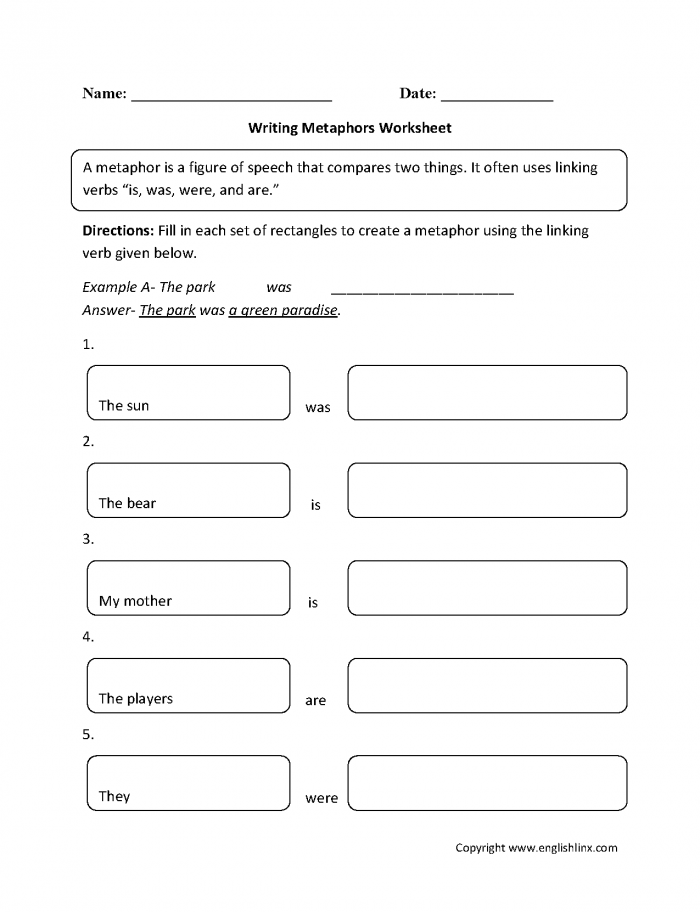
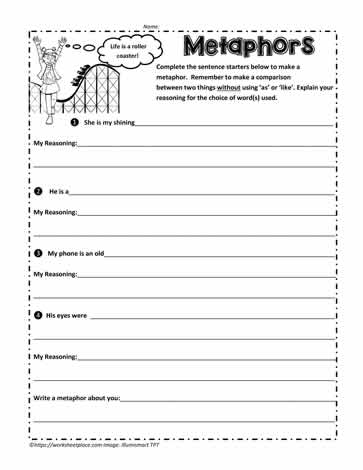
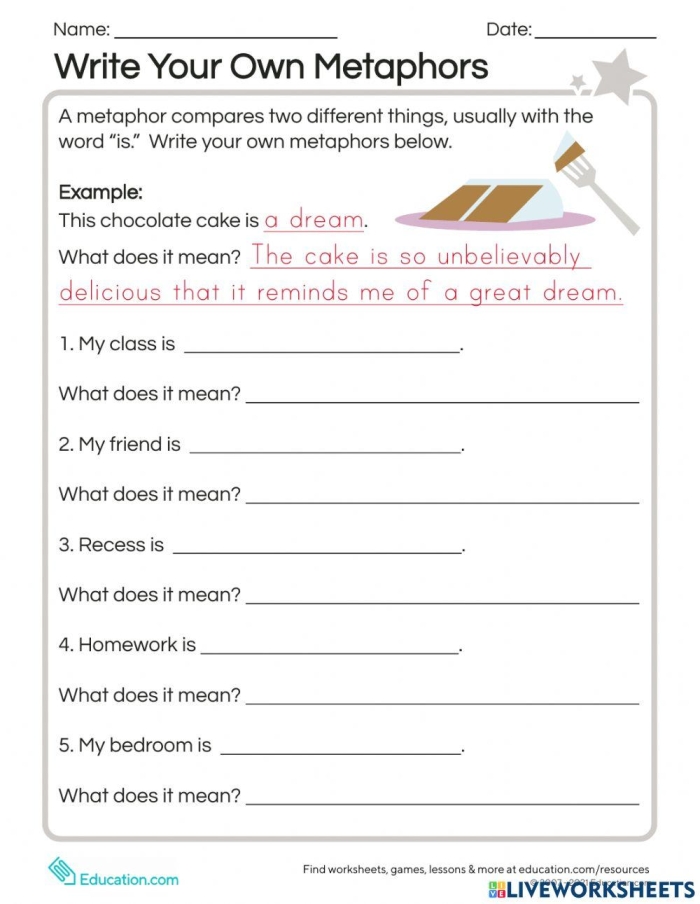
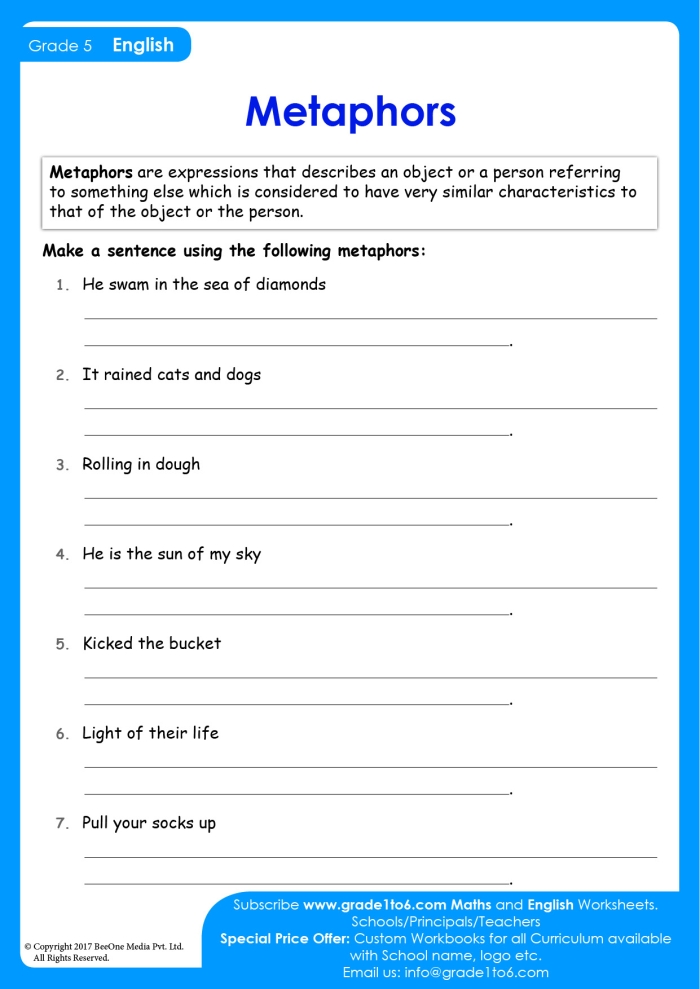
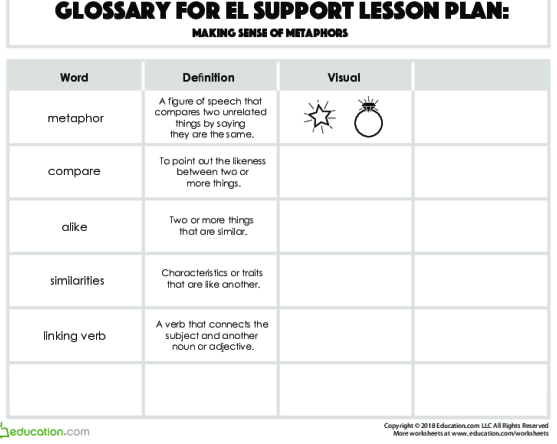
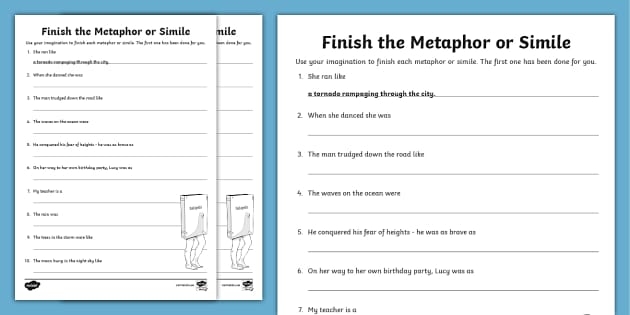
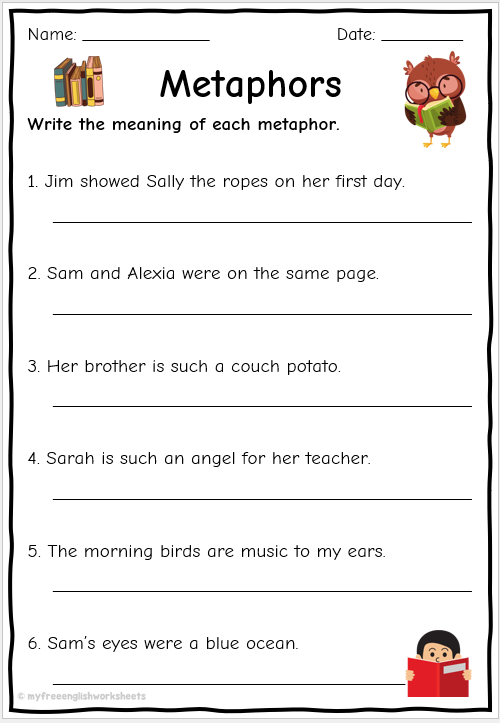
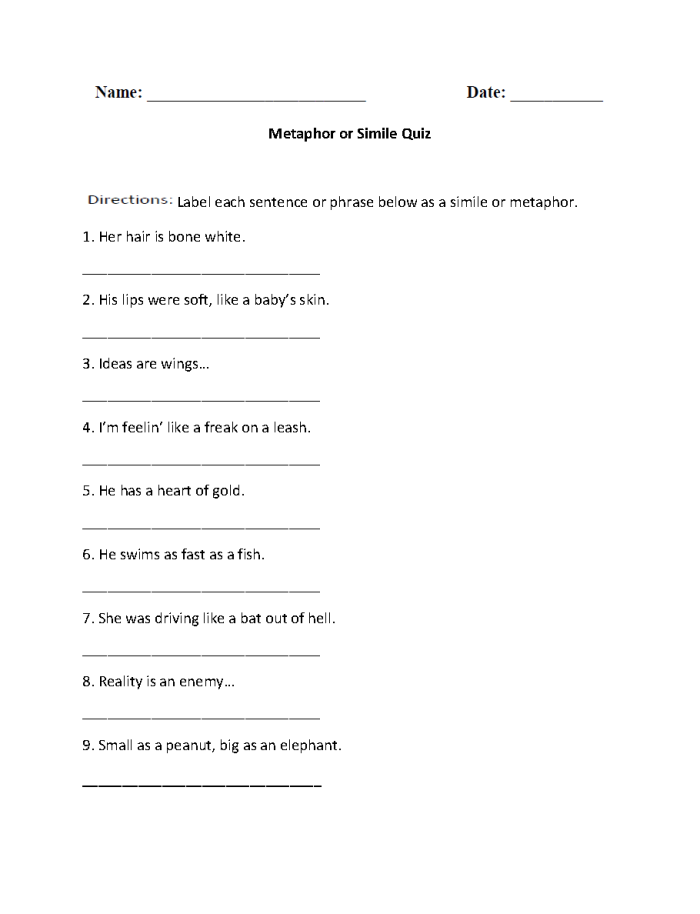
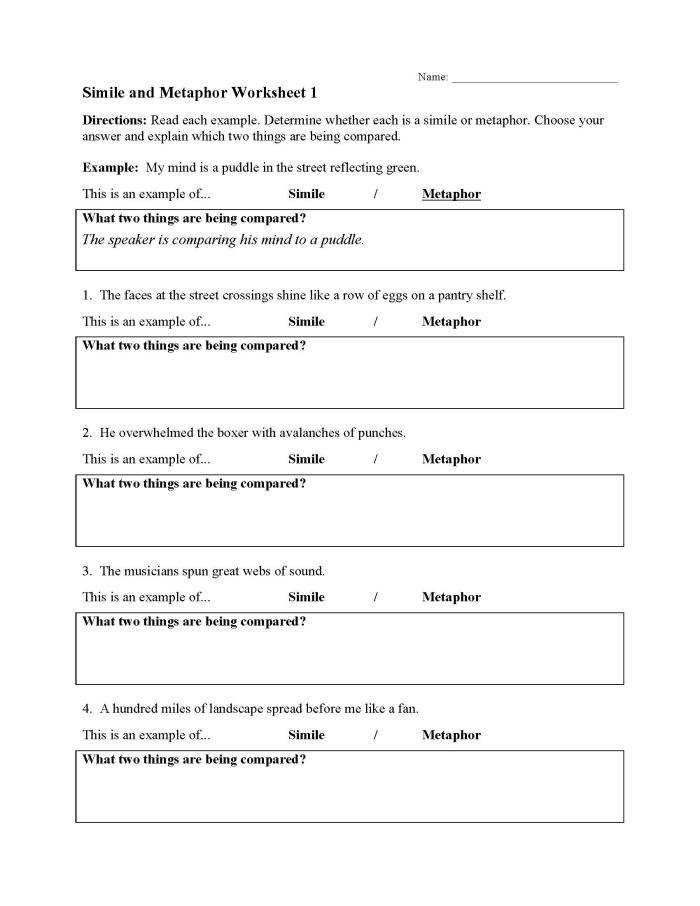
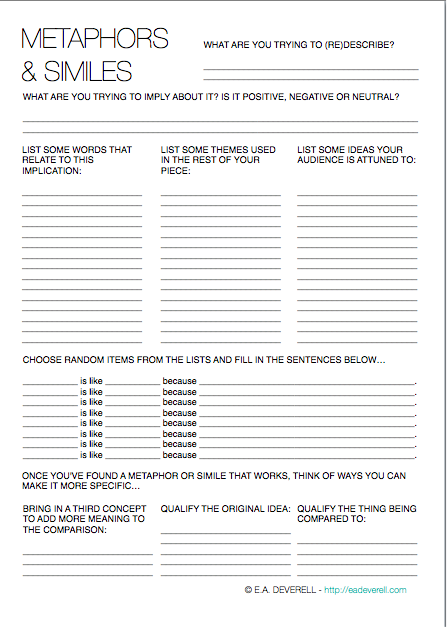
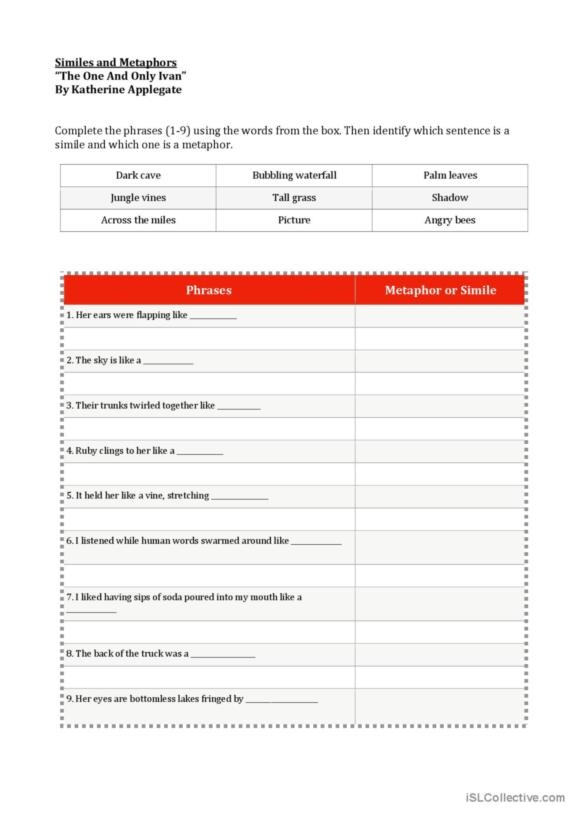
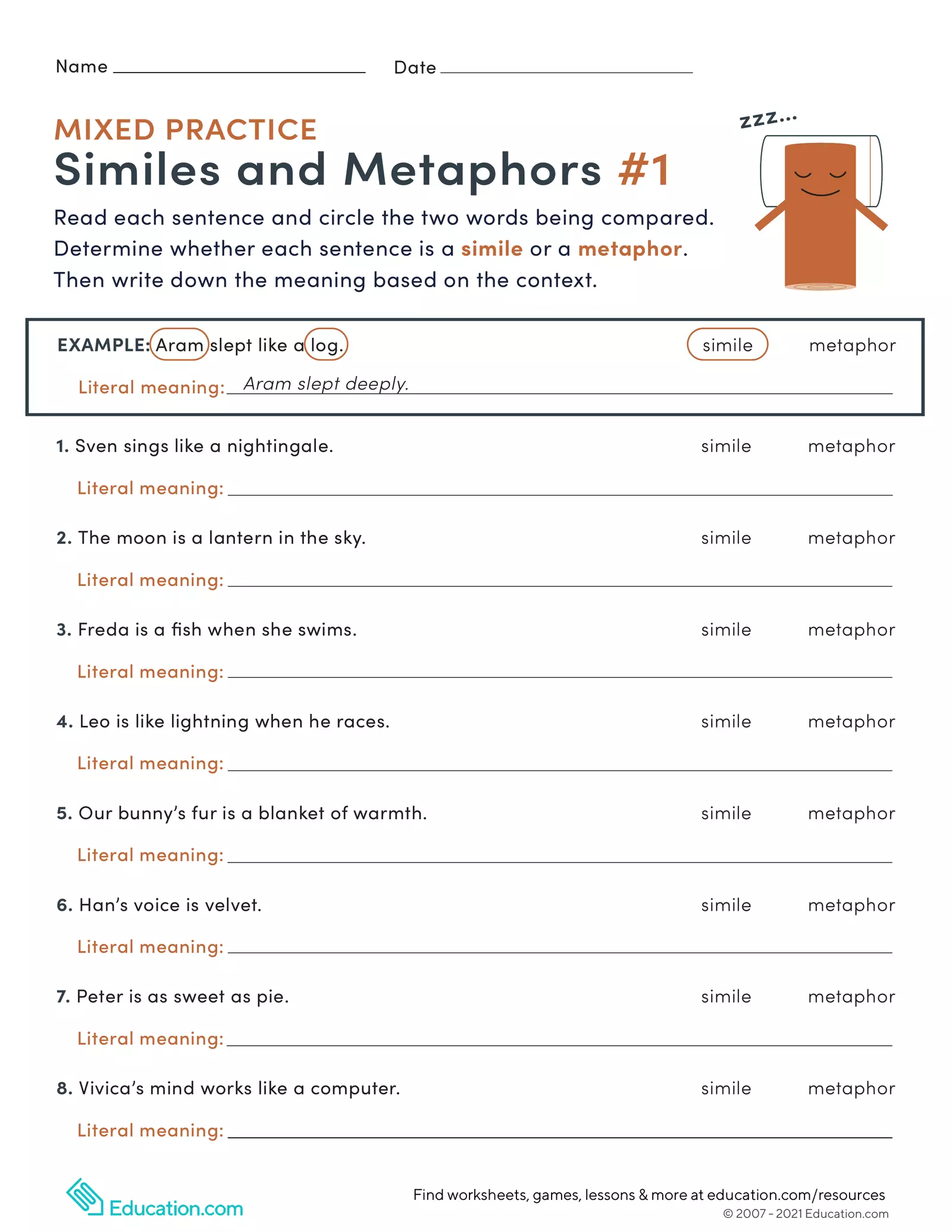
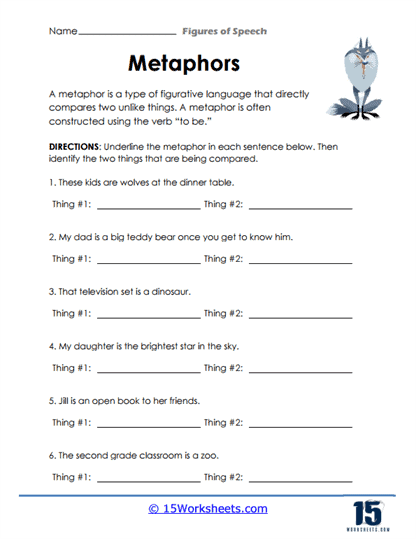
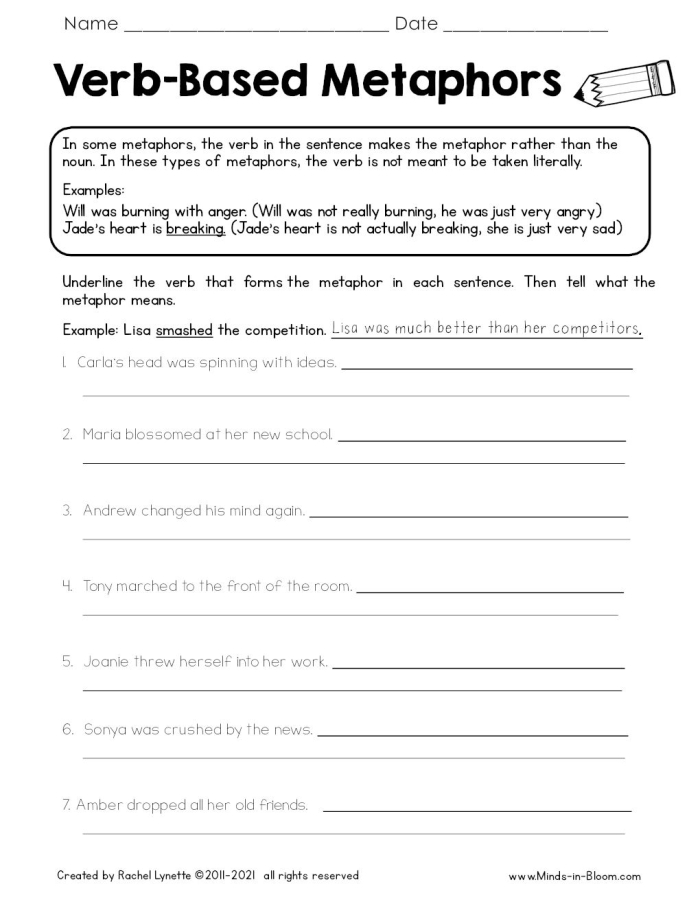
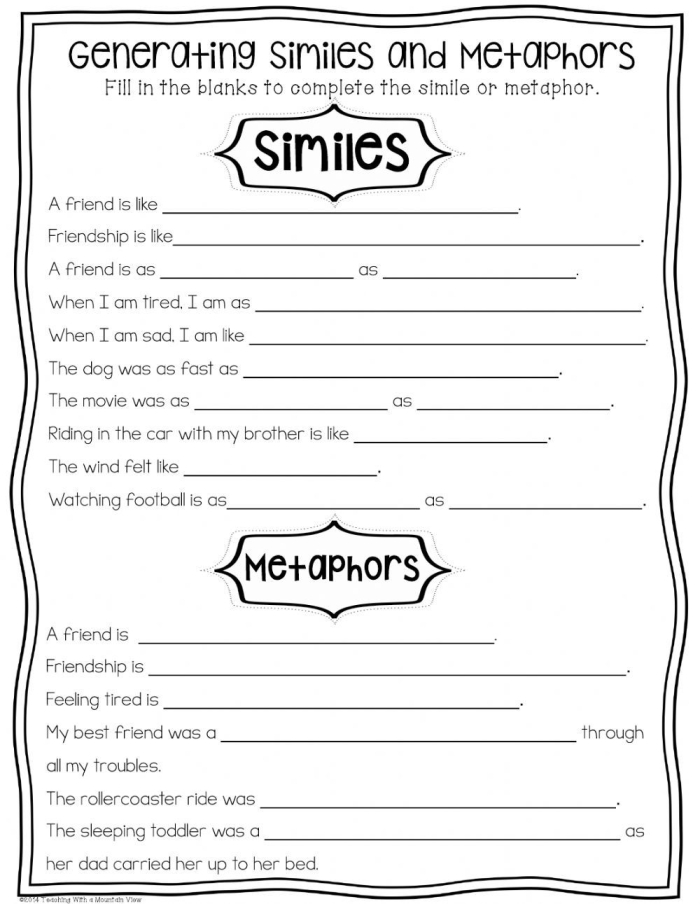
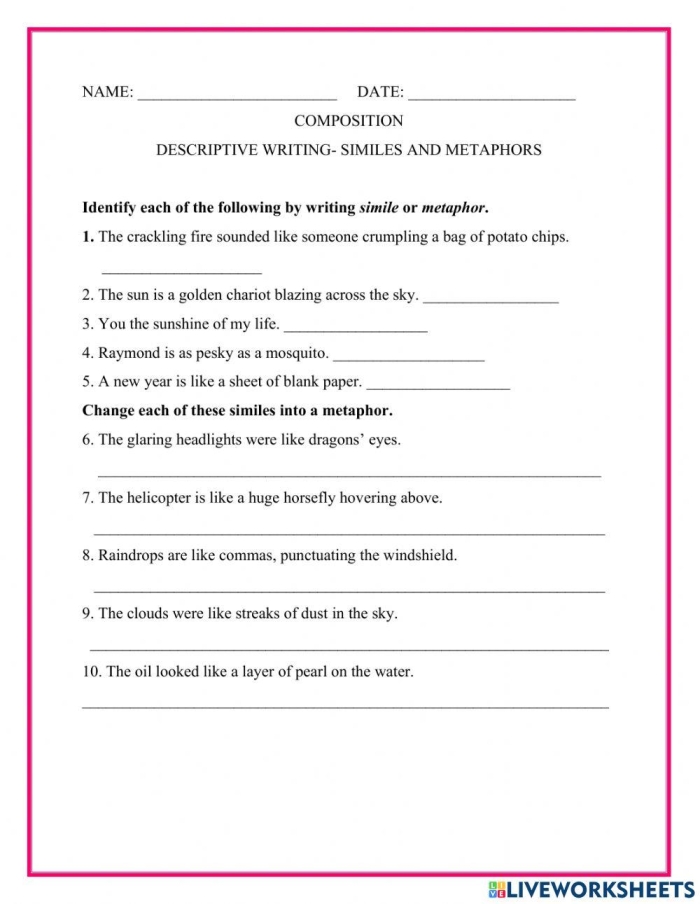
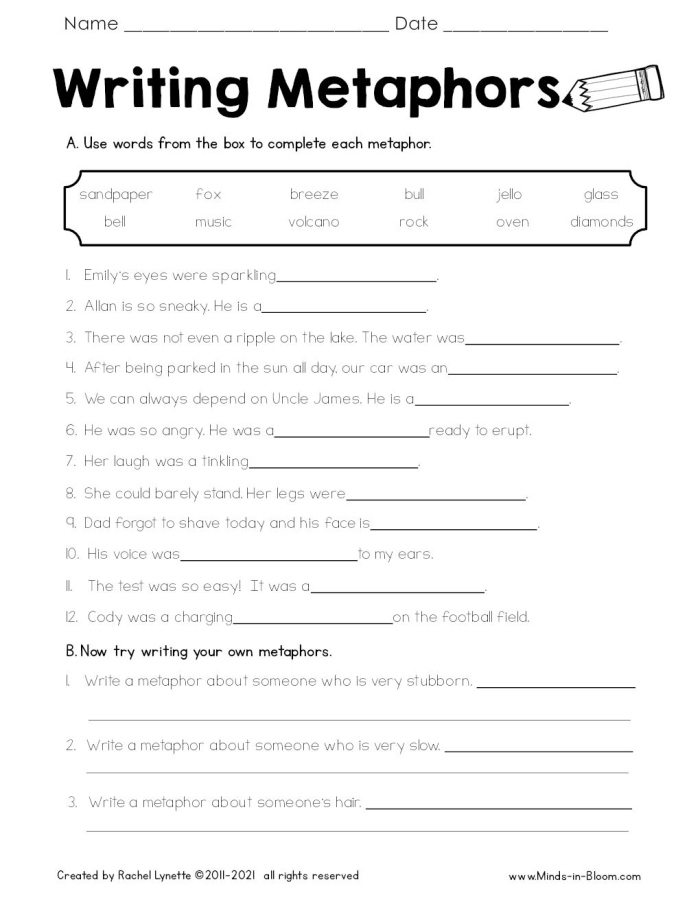
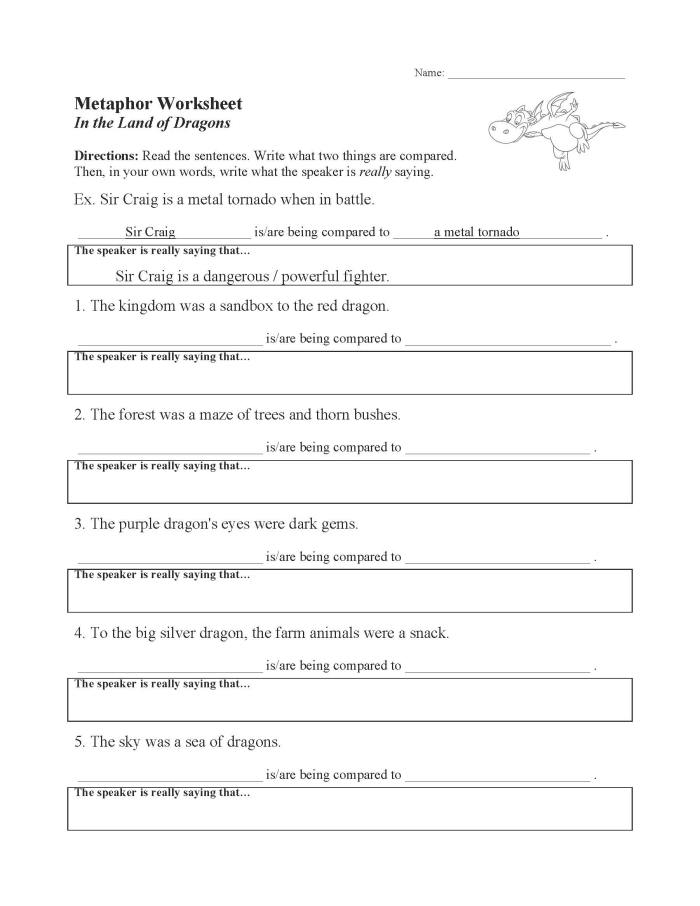
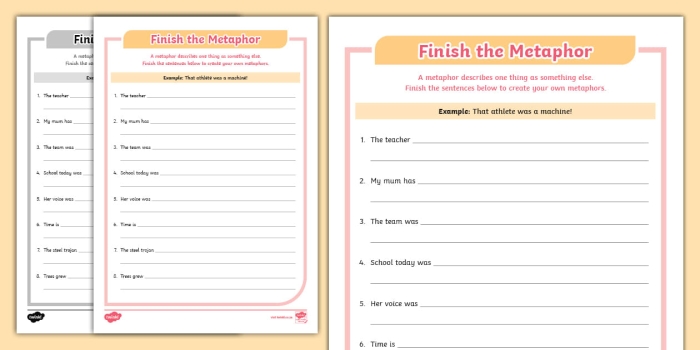
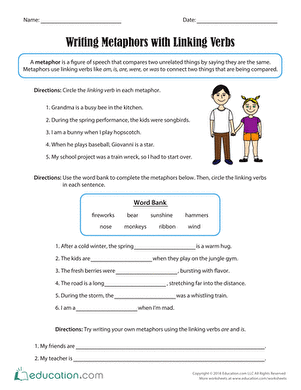
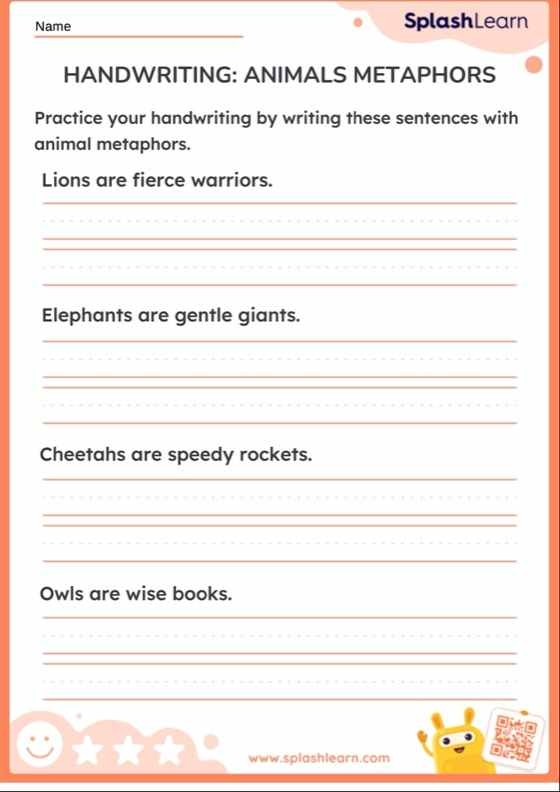
In practice, providing support during this exercise is essential. Teachers can guide students by offering sentence starters or lists of common linking verbs such as am, is, are, was, and were. This scaffolding allows students to concentrate on crafting meaningful metaphors rather than struggling with verb choice or sentence structure. Printable writing metaphors with linking verbs worksheets are particularly useful here, as they combine grammar practice with creative expression in a structured format tailored for fourth grade learners.
This type of activity also reinforces the role of linking verbs within grammar and mechanics, clarifying how these verbs function differently from action verbs. By experimenting with metaphors, students gain a more nuanced understanding of sentence components and improve their overall writing skills. For teachers looking to integrate this exercise with other topics, related materials such as those exploring paraphrasing or basic science concepts can provide cross-curricular connections that enhance engagement and comprehension.
Ultimately, writing metaphors using linking verbs helps fourth graders develop their ability to express ideas clearly and imaginatively. It’s a practical step that builds both grammar proficiency and creative confidence, making language learning more dynamic and enjoyable.
Boost Skills with These Worksheets