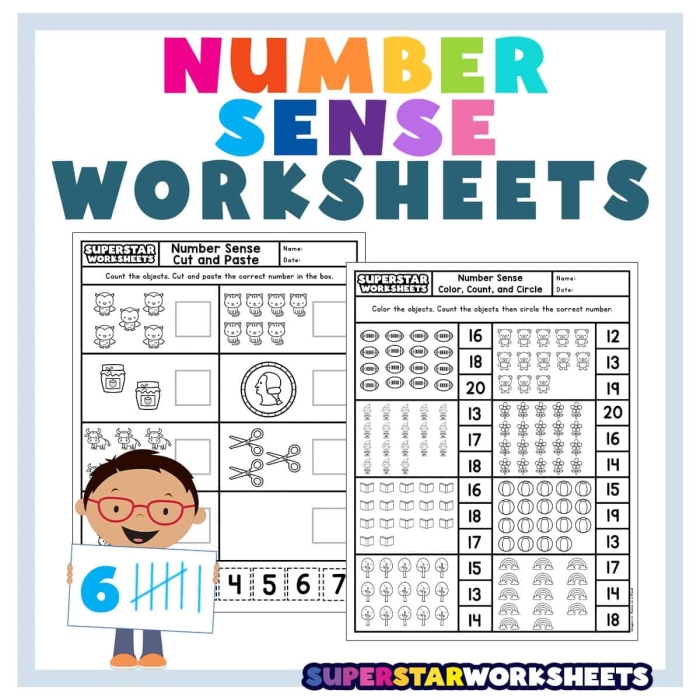
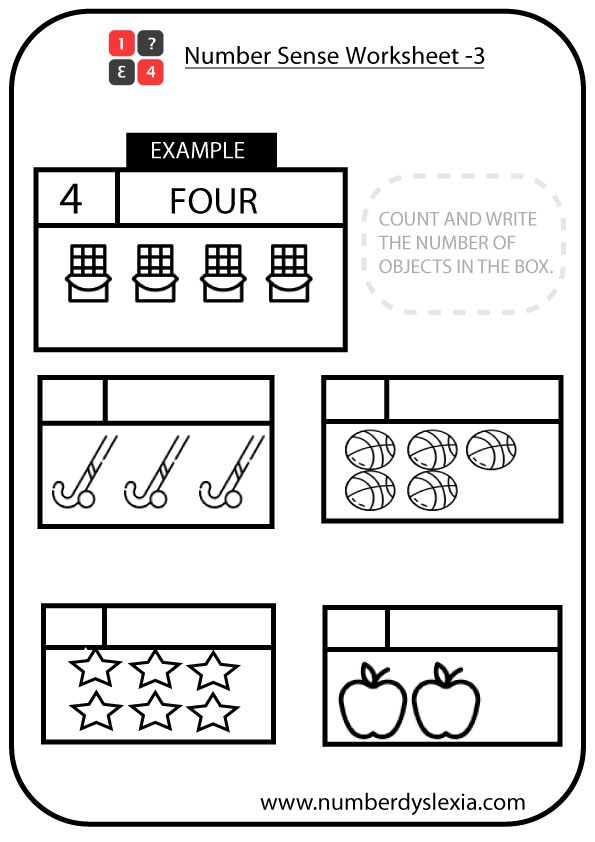
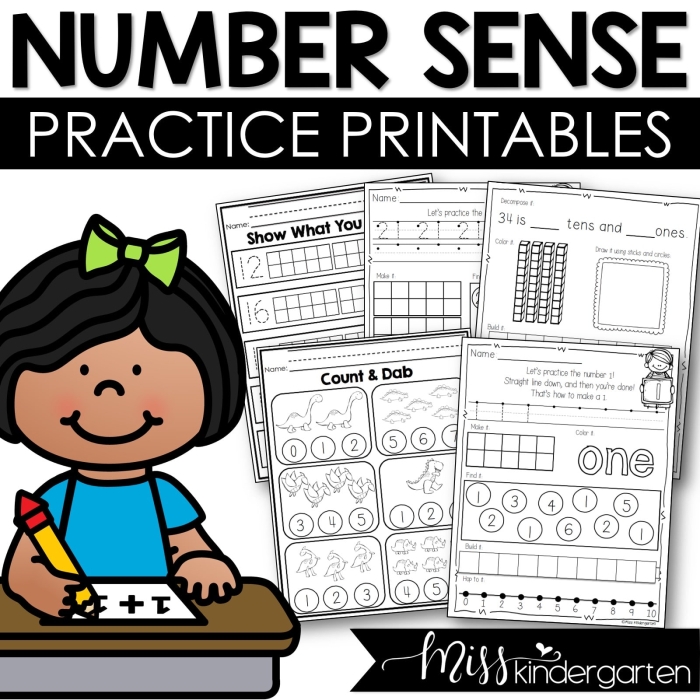
There’s something magical about watching a kindergarten student’s face light up when they fill in that missing number on a game board. A carnival-themed number game turns what could be boring drill work into genuine excitement, and children naturally lean into the challenge when they’re chasing a prize or beating their own score.
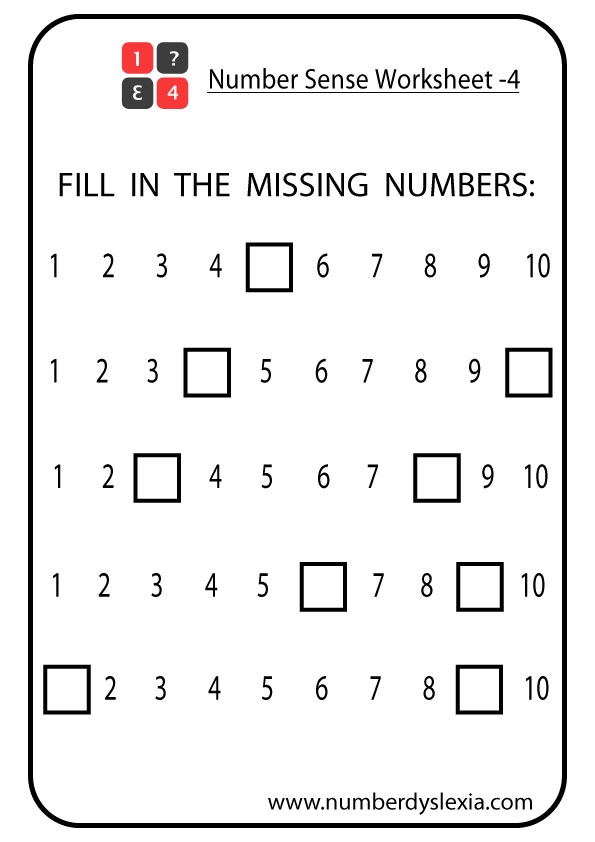
The specific task of filling in missing numbers between 500 and 510 works because it sits at a sweet spot for early learners. Kids aren’t yet comfortable with three-digit numbers, so this range feels ambitious without being impossible. The sequence is short enough to complete quickly, giving them multiple chances to play and improve. Each time they play, they’re reinforcing number order and building number sense without feeling like they’re doing math work.
Setting up a carnival game around this concept is straightforward. Create a simple board or card with numbers 500, 501, 503, 505, 506, 508, 509, 510 already filled in, leaving gaps where 502, 504, 507, and 509 should go. Kids write in the missing numbers, and when they finish correctly, they’ve won. You can keep score across multiple rounds or let them collect tickets for prizes. The competitive element keeps them engaged in a way that worksheets alone rarely do.
This approach pairs well with other kindergarten and reading activities. While you’re building number sense through games, you might combine it with number line template practice to strengthen their understanding of sequence. Story-based learning also reinforces numbers naturally, much like how Jack and the Beanstalk story sequence activities embed learning into narrative.
The carnival game format works because children remember the fun more than the drill. When they walk away from the game, they’ve practiced number recognition and sequencing without resistance.
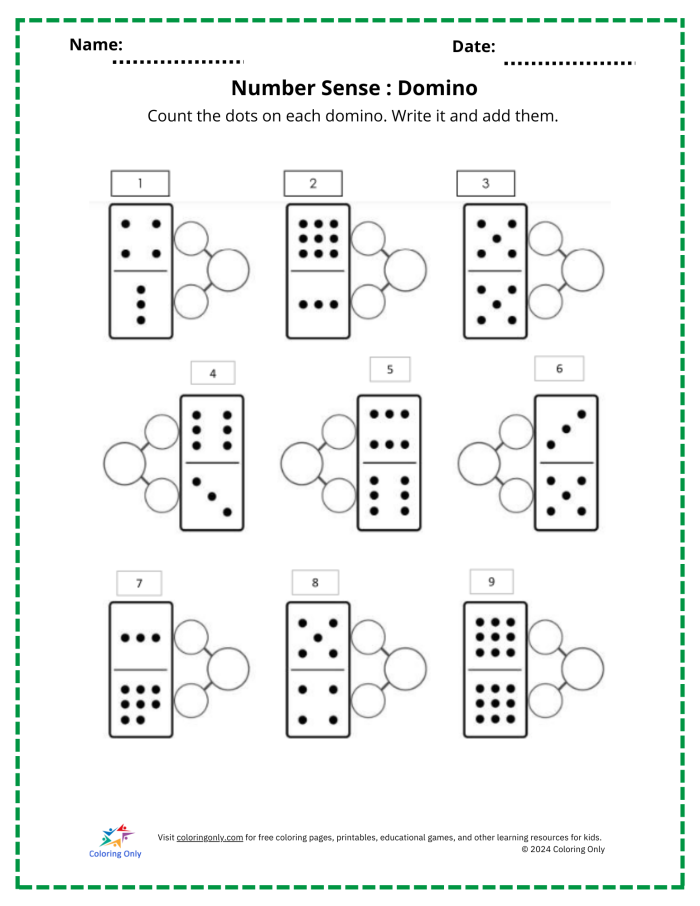
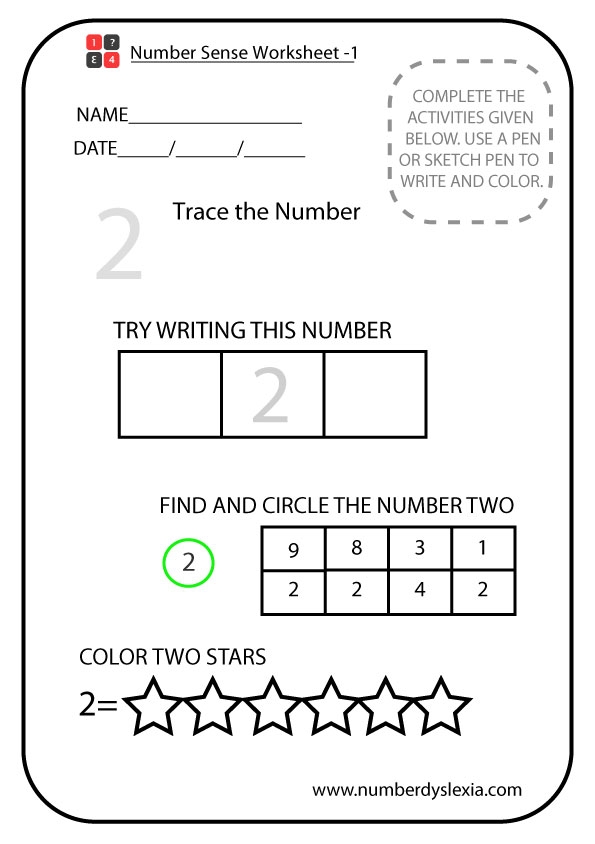
Boost Skills with These Worksheets