The world you live in today, with electricity, cars, and factories, didn’t always exist. Just a few hundred years ago, most people lived on farms and made things by hand. So what changed? The answer lies in the Industrial Revolution, a period that transformed how humans worked, lived, and built their societies.
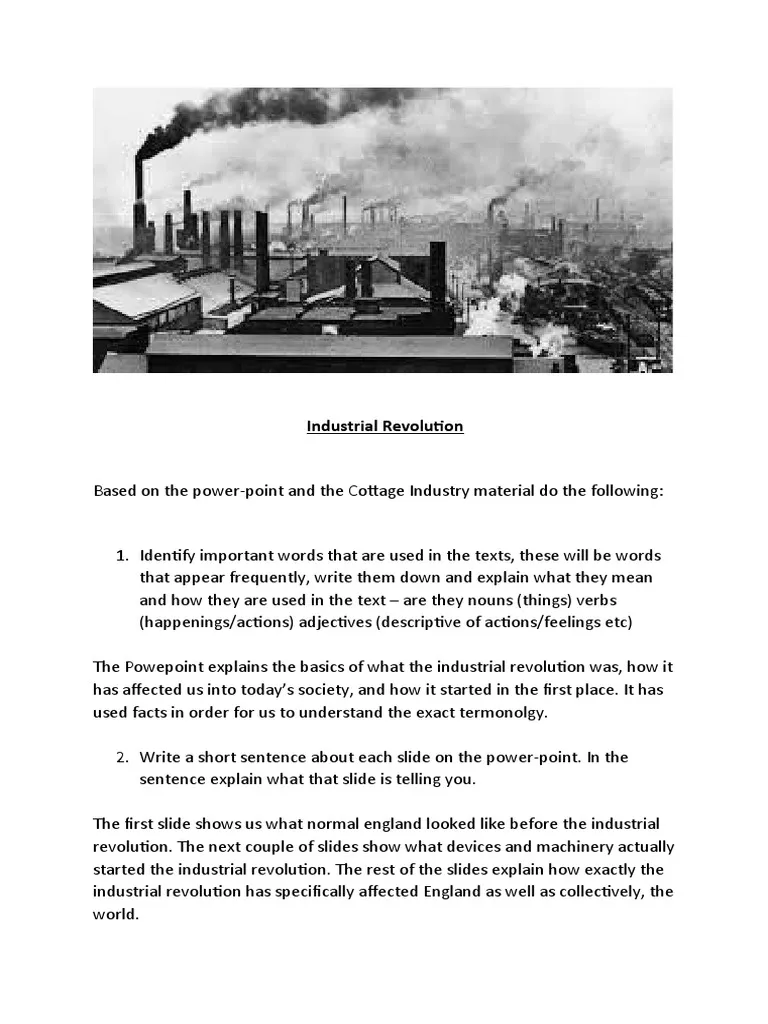
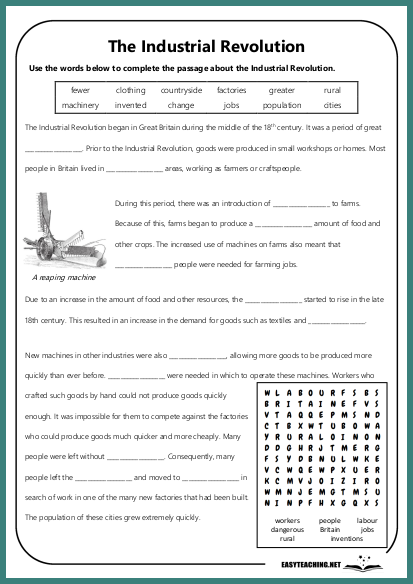
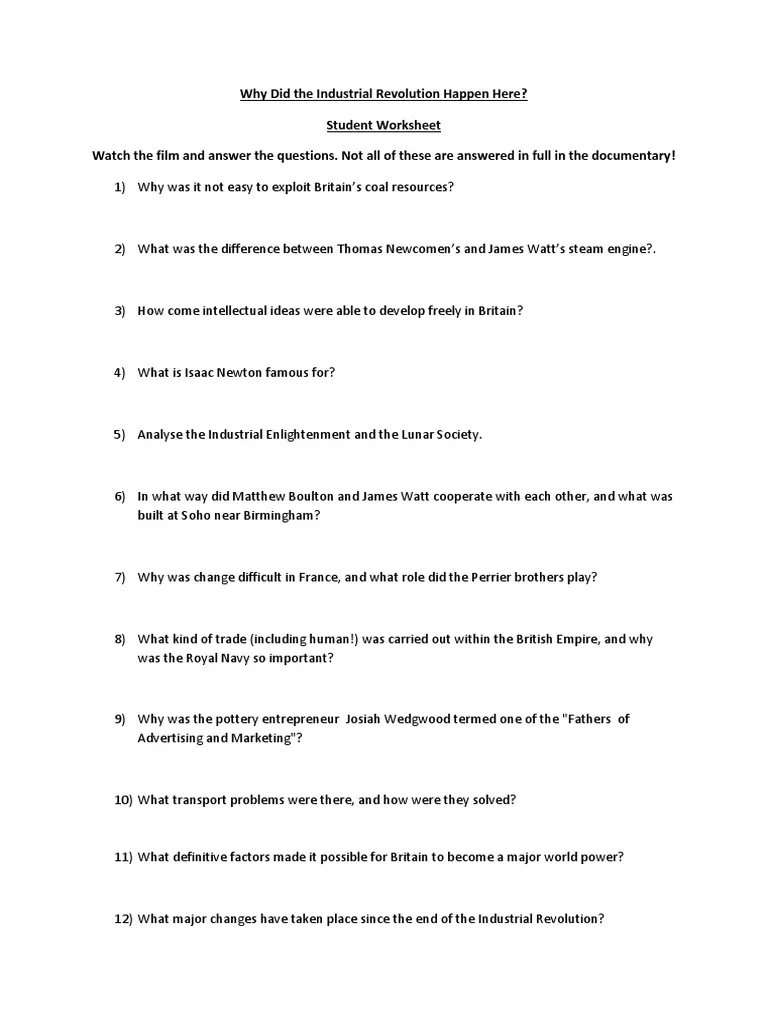
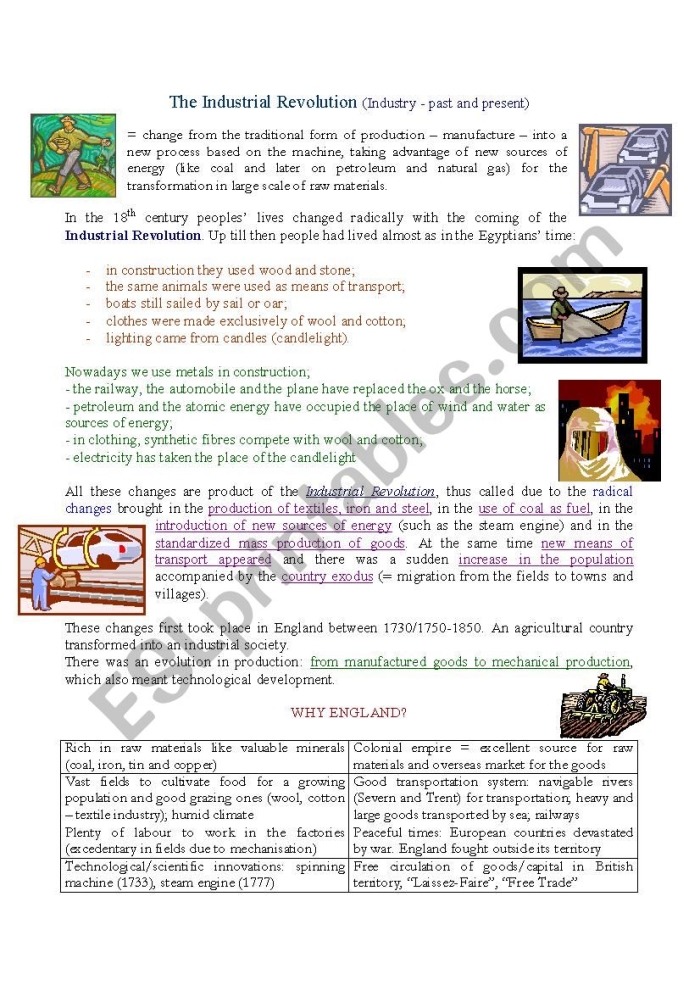
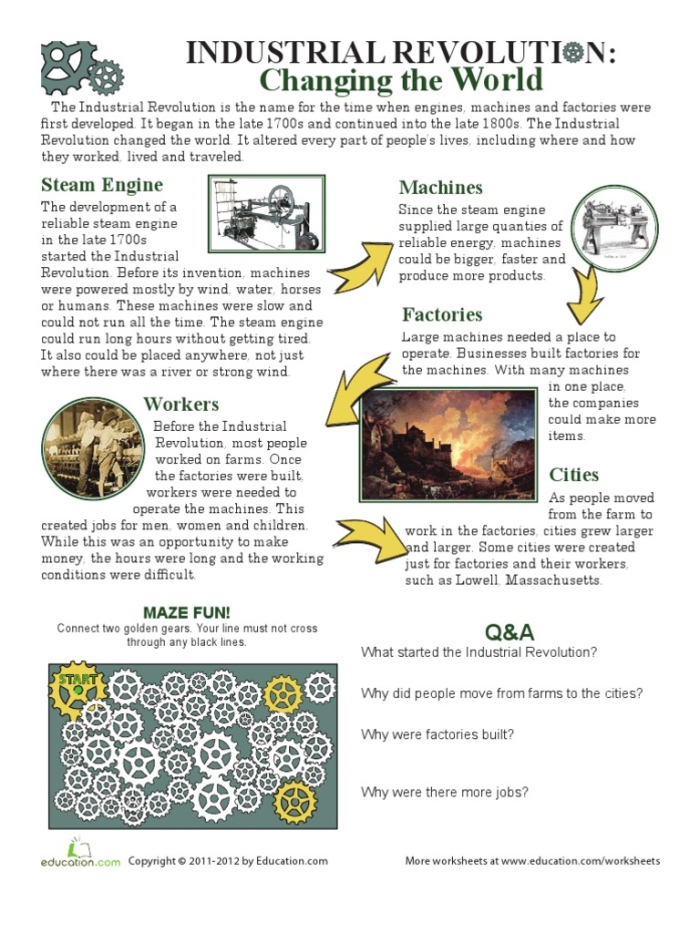
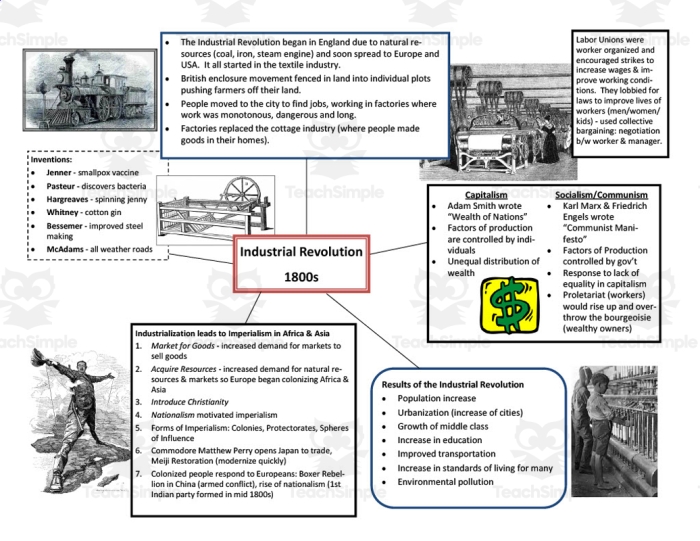
The Industrial Revolution began in Britain around 1760 and spread across Europe and North America over the next century. Before this time, people relied on animal power, water wheels, and their own hands to create goods. Then inventors developed machines powered by steam engines. These machines could do work faster and more efficiently than any person ever could. A single steam-powered loom could produce cloth that would have taken a skilled weaver weeks to make by hand.
This shift moved production from homes and small workshops into large factories. Cities grew rapidly as people left farms searching for factory jobs. Entire industries emerged: coal mining expanded to fuel steam engines, iron production skyrocketed to build machinery, and textile mills became centers of employment. The changes weren’t just economic, either. New technologies created new problems and new solutions, spurring innovation in transportation, communication, and sanitation.
For Fourth Grade Reading, understanding the Industrial Revolution helps you see how the modern world developed. When you explore topics like this, you’re building skills that connect history to daily life. Consider pairing your study with word study activities to strengthen vocabulary around historical terms, or use evidence-matching exercises to practice supporting ideas with facts from your reading.
The Industrial Revolution wasn’t perfect. Factory workers faced long hours and dangerous conditions. But it fundamentally changed what humans could accomplish, setting the stage for the advanced society we inhabit today.
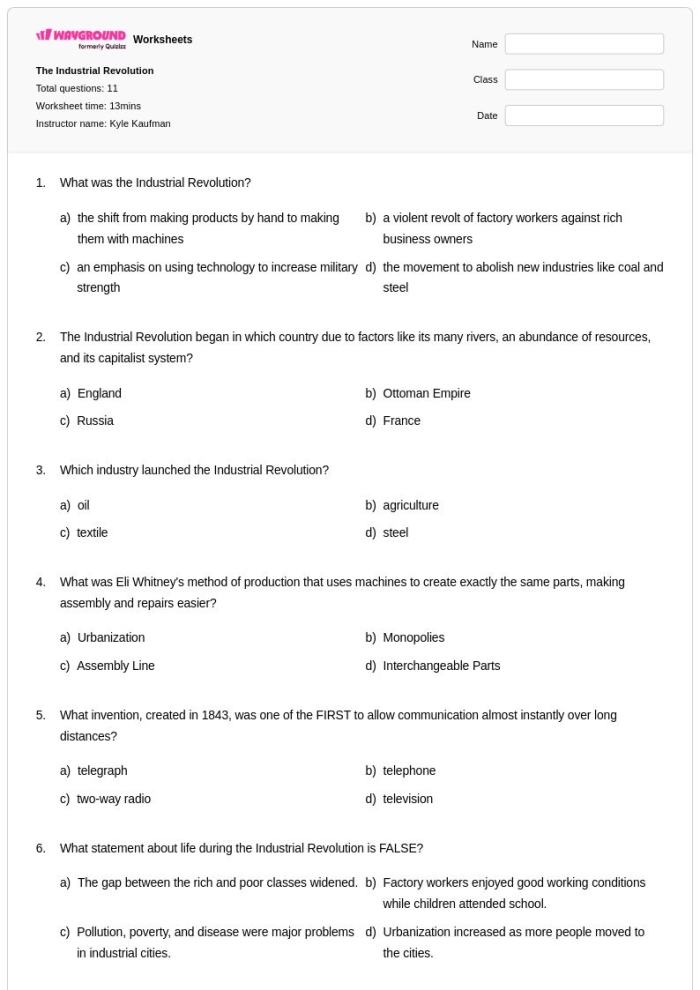
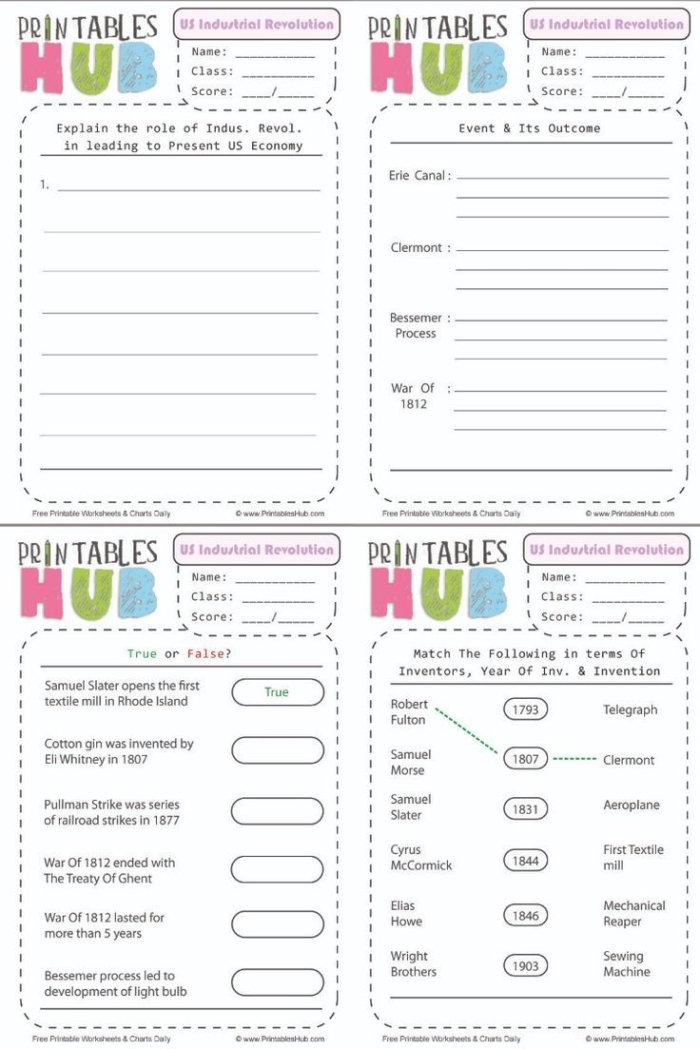
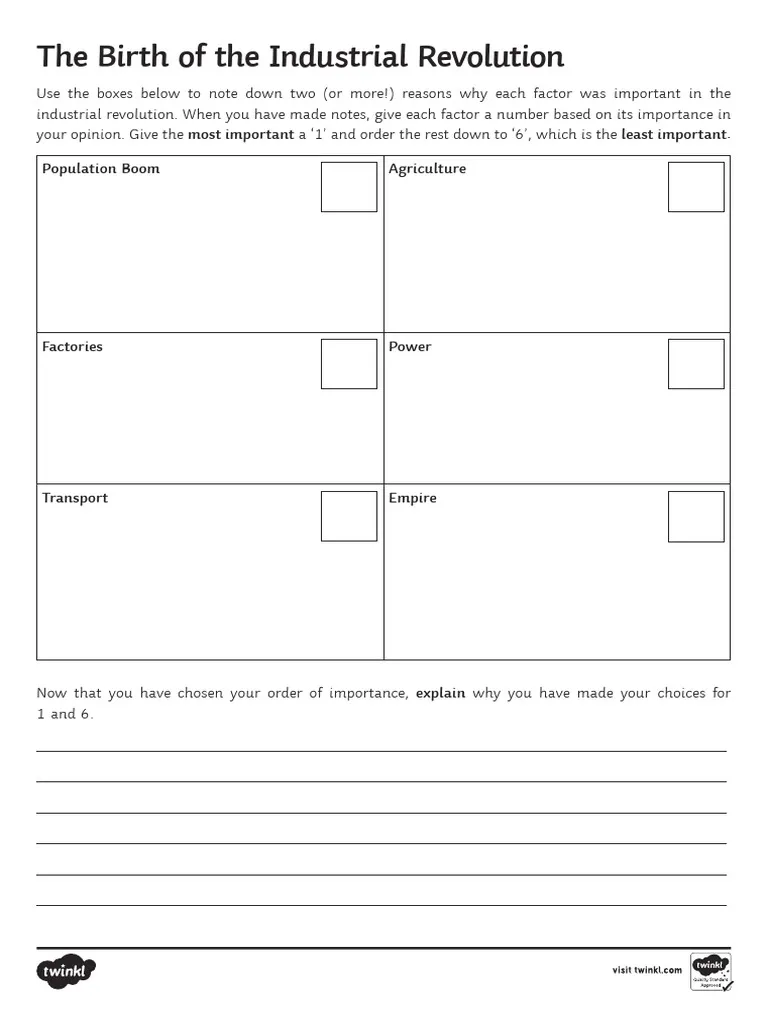
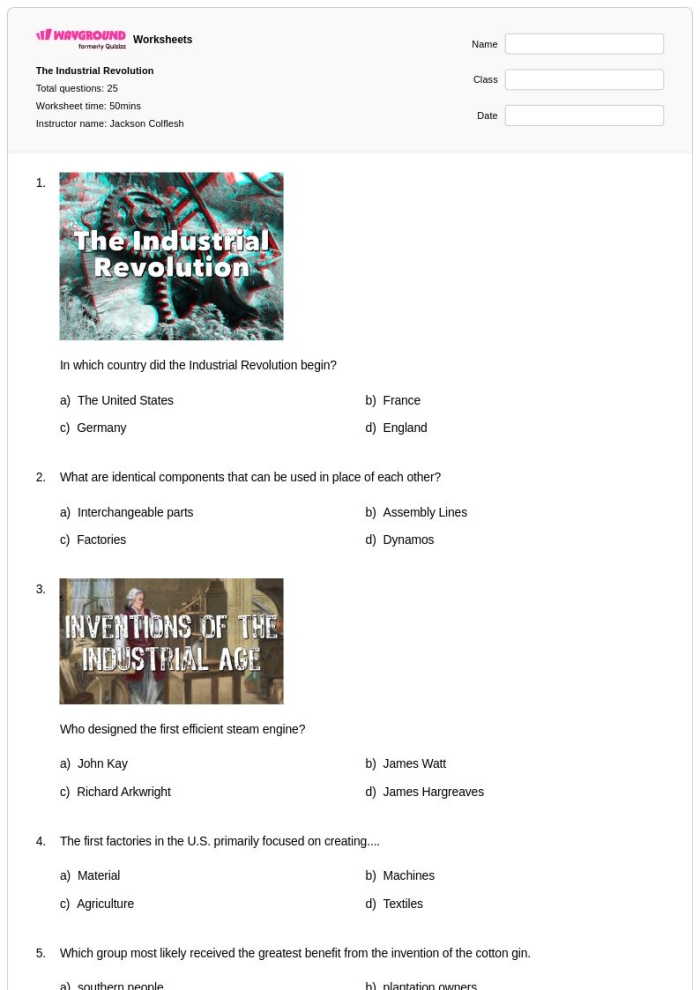
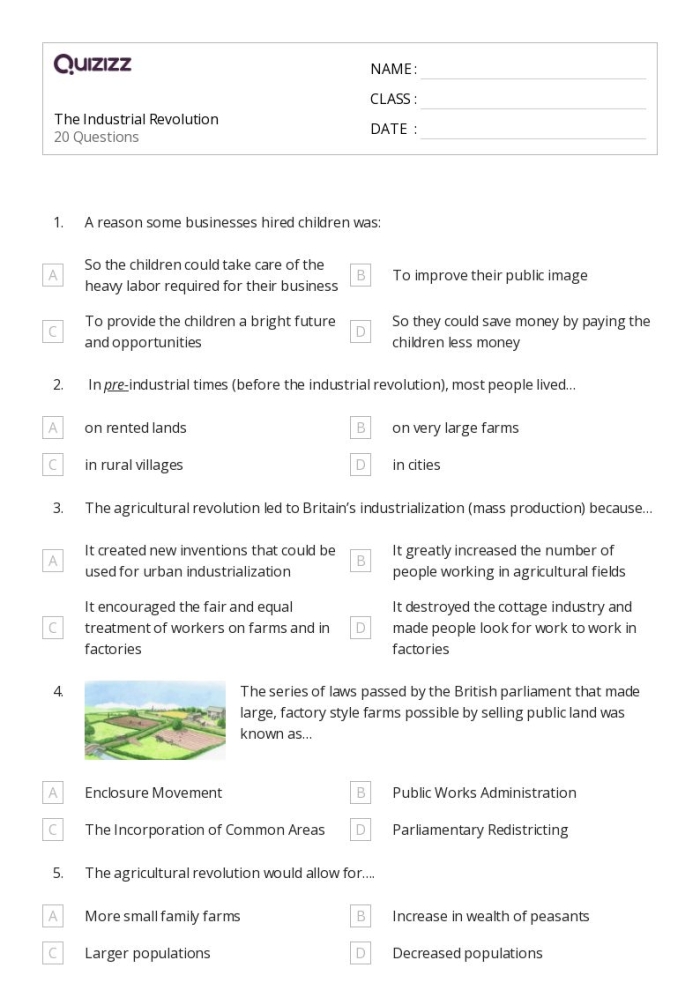
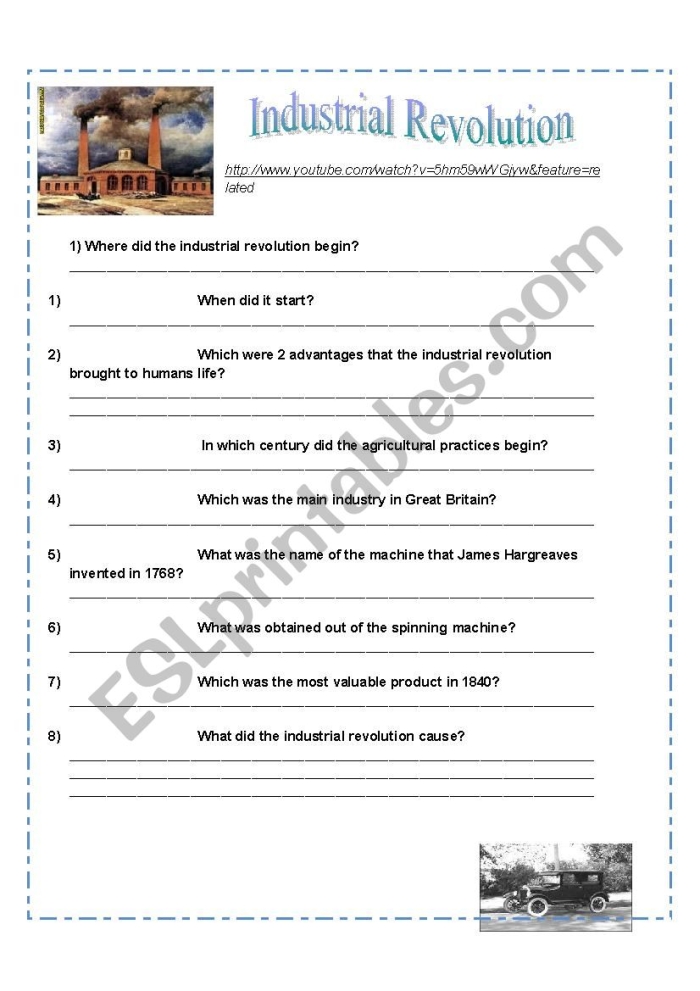
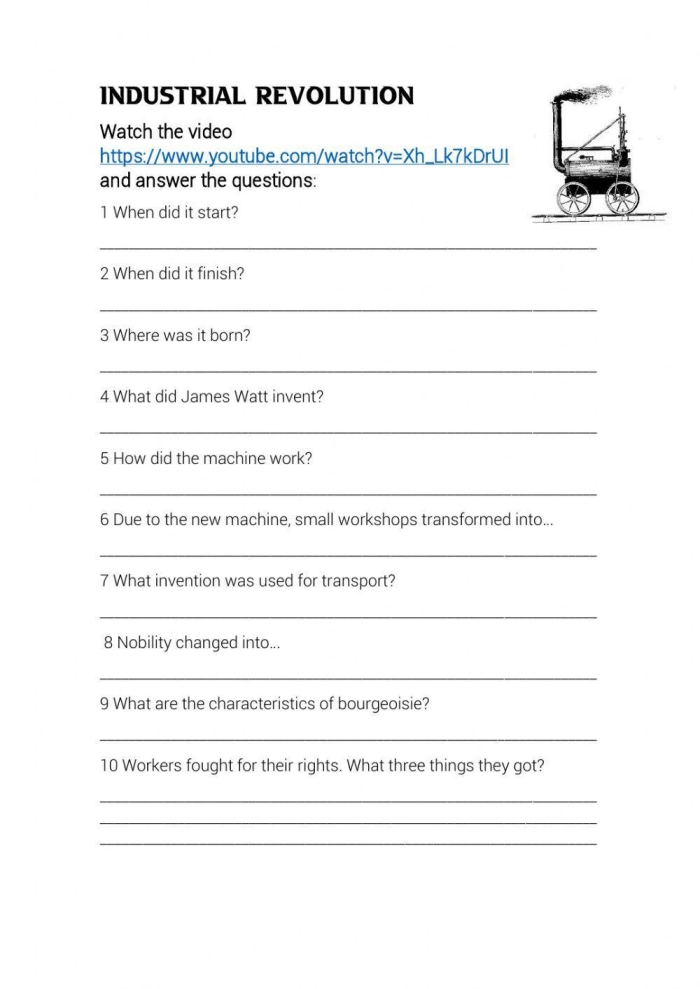
Worksheet Practice Section