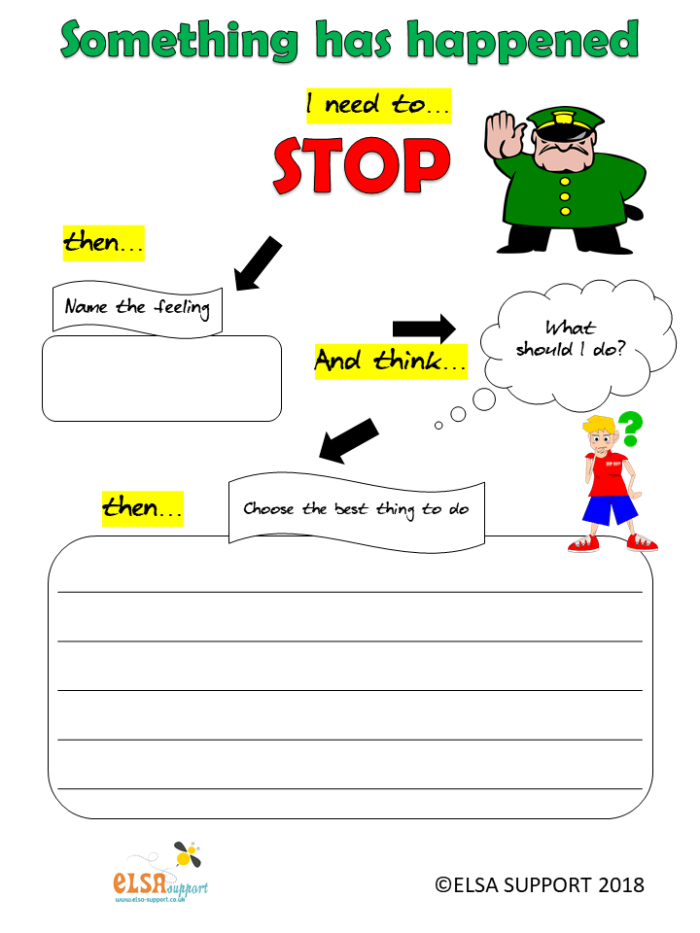
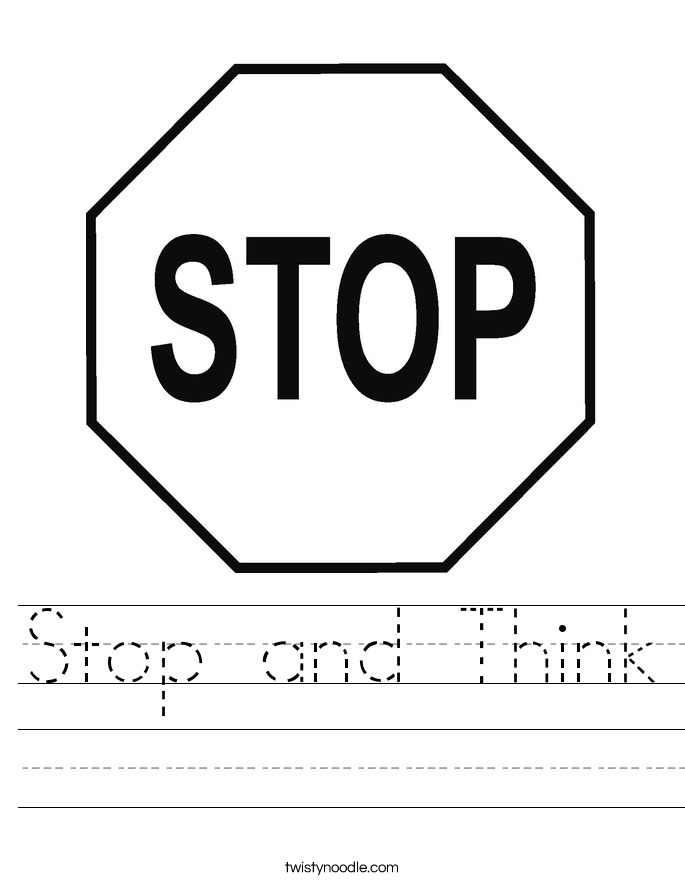
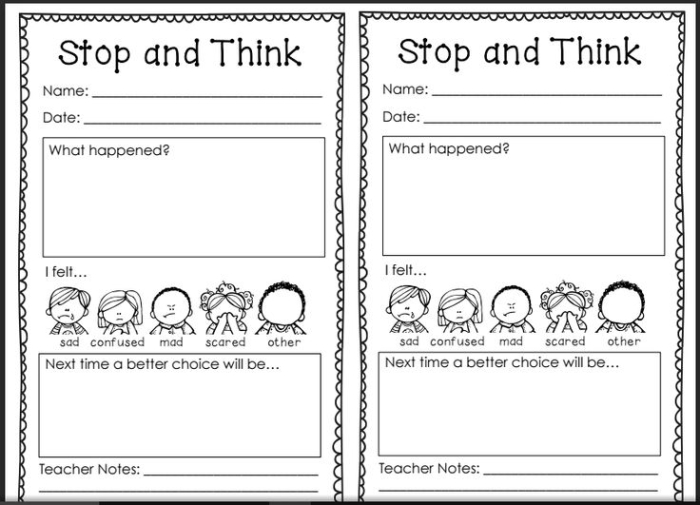
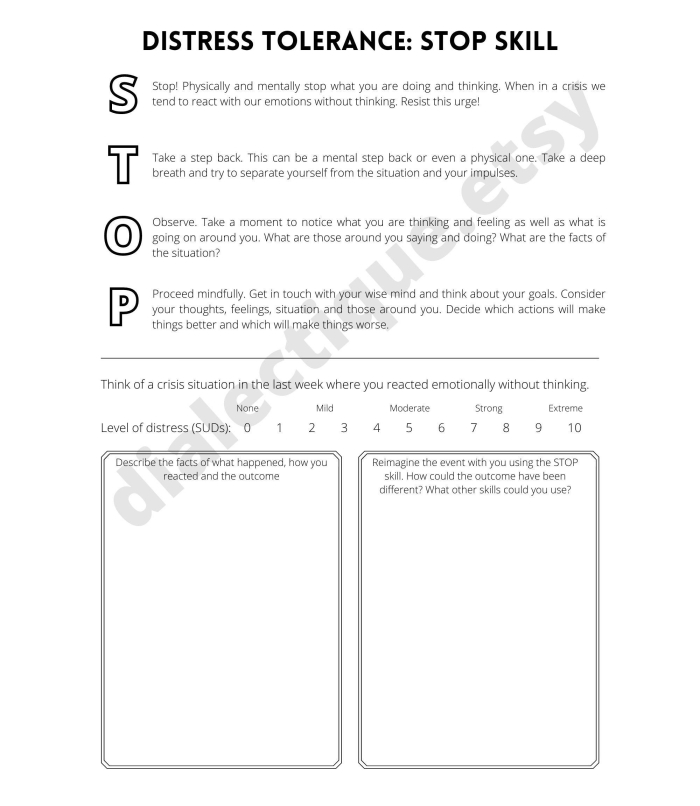
The STOP mindfulness method gives fourth grade students a simple tool they can pull out whenever stress or big emotions show up. STOP stands for Stop, Take a breath, Observe, and Proceed, and it works because it interrupts the automatic reaction cycle that happens when kids feel overwhelmed. Rather than letting frustration or anxiety take over, students pause and create space between the feeling and their response.
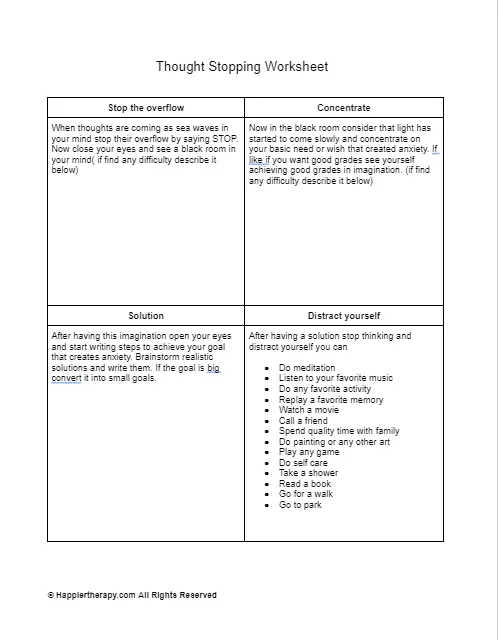
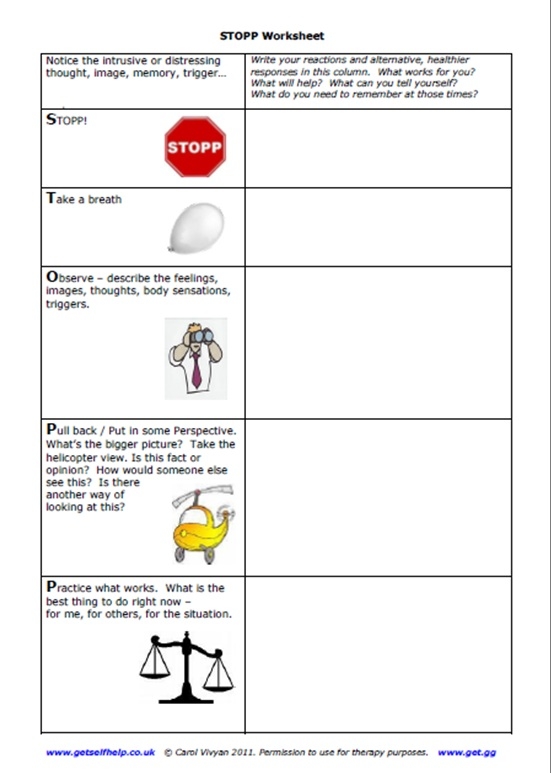
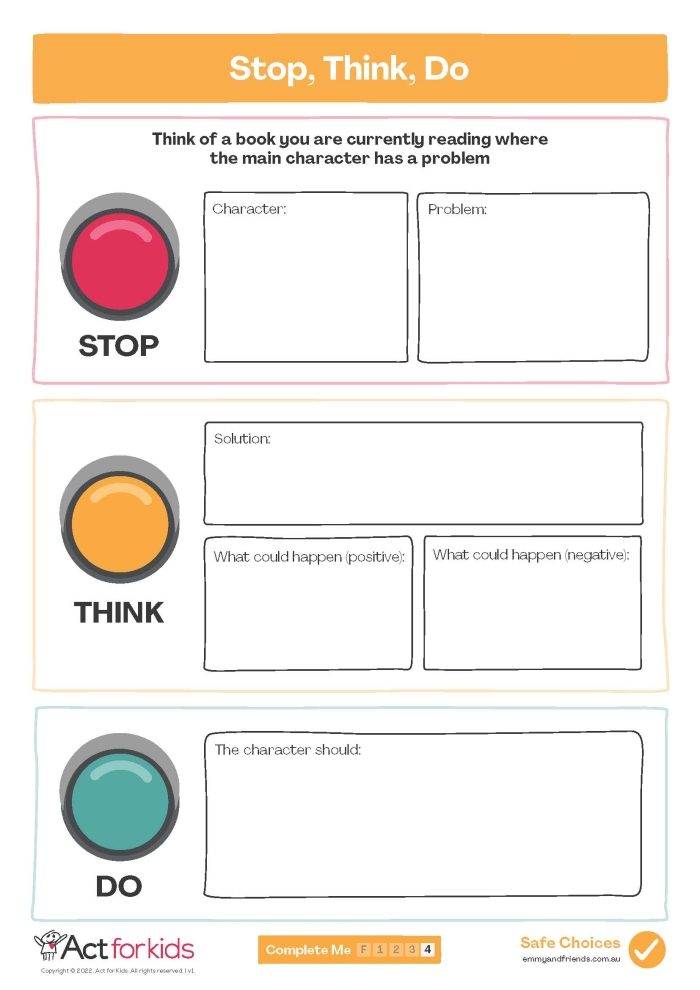
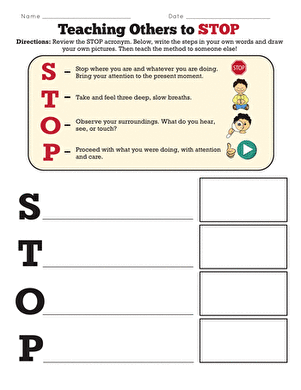
Introducing STOP through a structured worksheet makes the concept concrete. The Teaching Others to STOP worksheet walks students through each letter, asking them to write or draw what each step means in their own words. This isn’t busy work. Fourth graders actually need to understand the method before they can teach it to someone else, so the worksheet serves as both learning tool and reference guide.
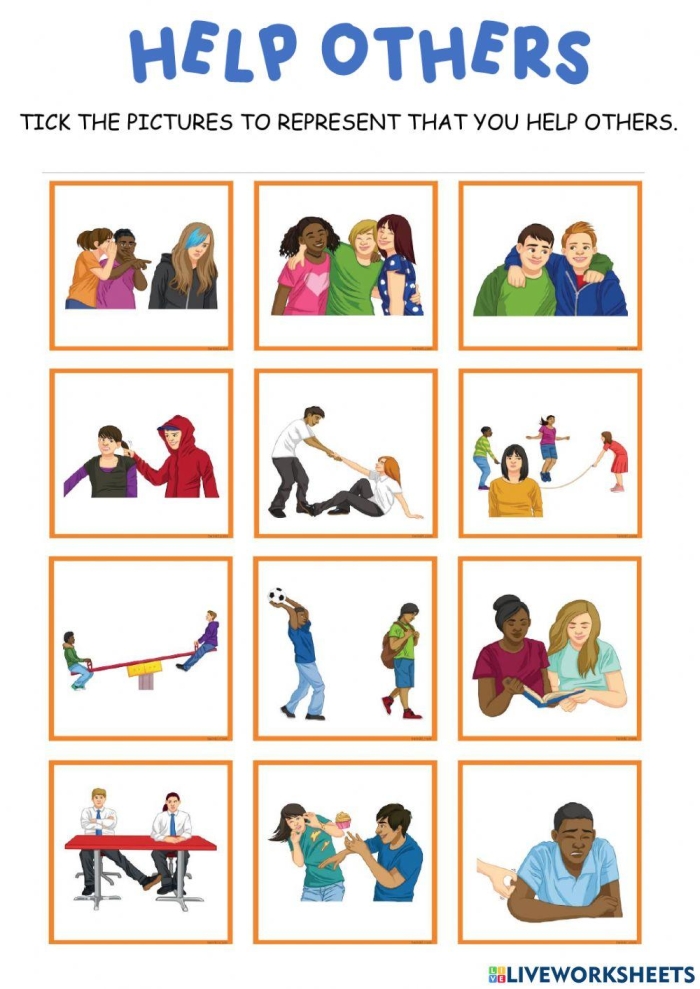
The creative teaching component is where this approach becomes powerful. Once students grasp STOP, they move into the teaching phase. Some students create posters, others write scripts for skits, and some design simple games that walk a younger sibling or classmate through the steps. This peer teaching deepens their own understanding while building confidence in their ability to help others manage emotions.
In life science contexts, this connects to how our bodies respond to stress. Students learn that STOP is a way to engage the thinking part of their brain when the emotional part takes over. The worksheet provides the foundation, but the creative teaching assignment is what makes STOP stick. When fourth graders have to explain something to another person, they internalize it differently than if they simply completed a worksheet and moved on.
This two-step approach works because it combines structured learning with creative application, giving students both the knowledge and the motivation to actually use mindfulness in their daily lives.
Use These Worksheets Today