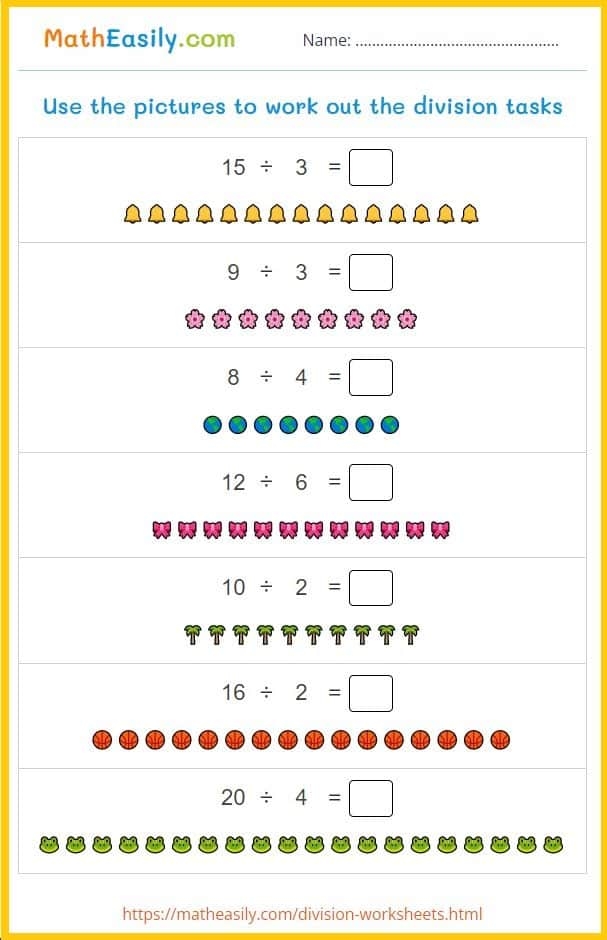
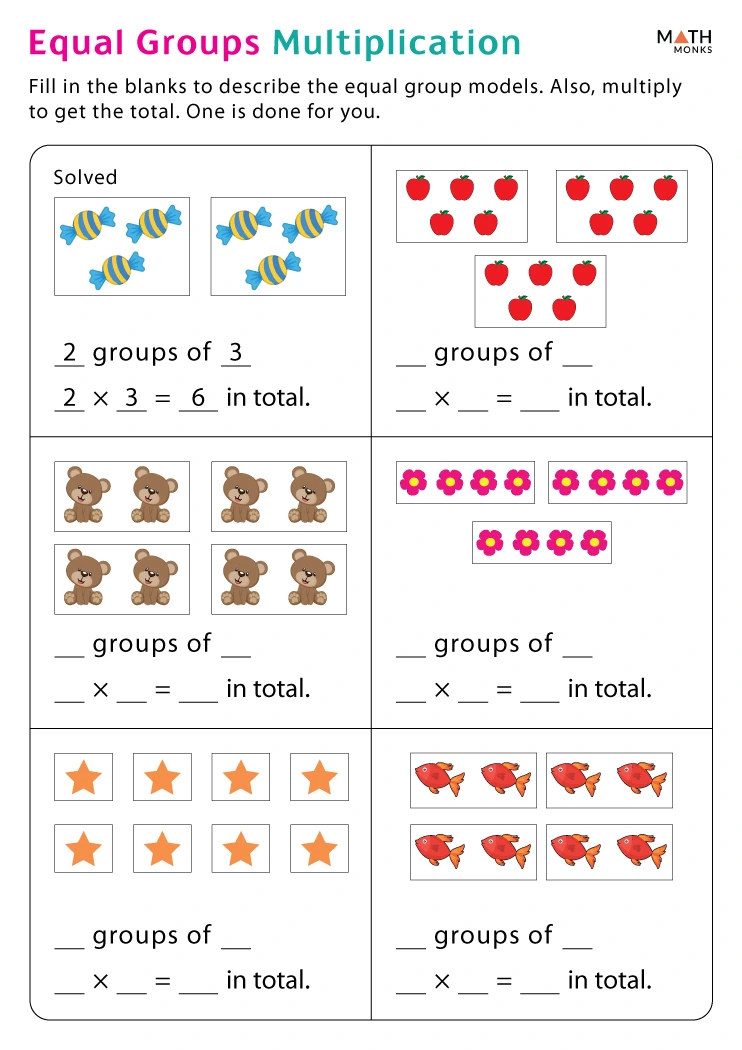
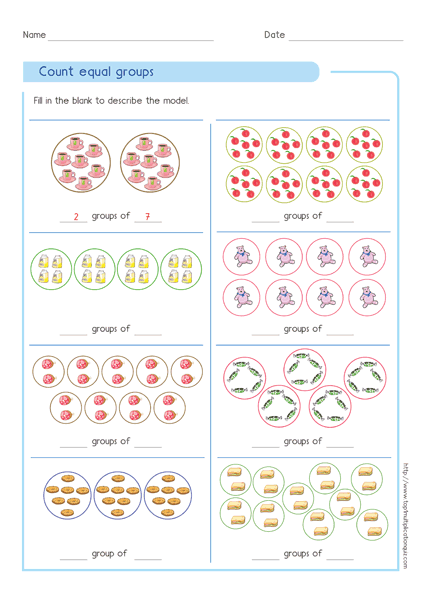
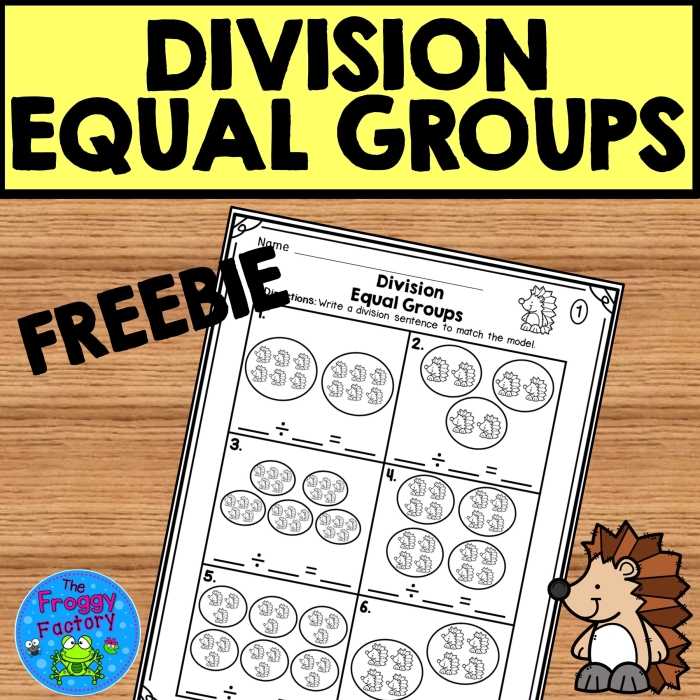
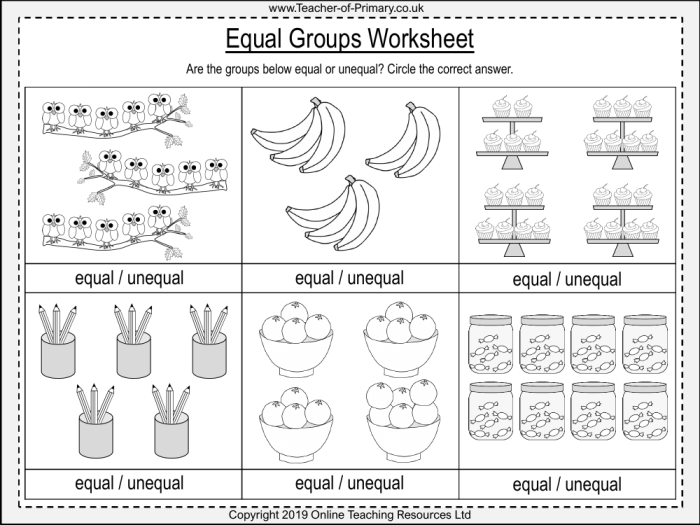
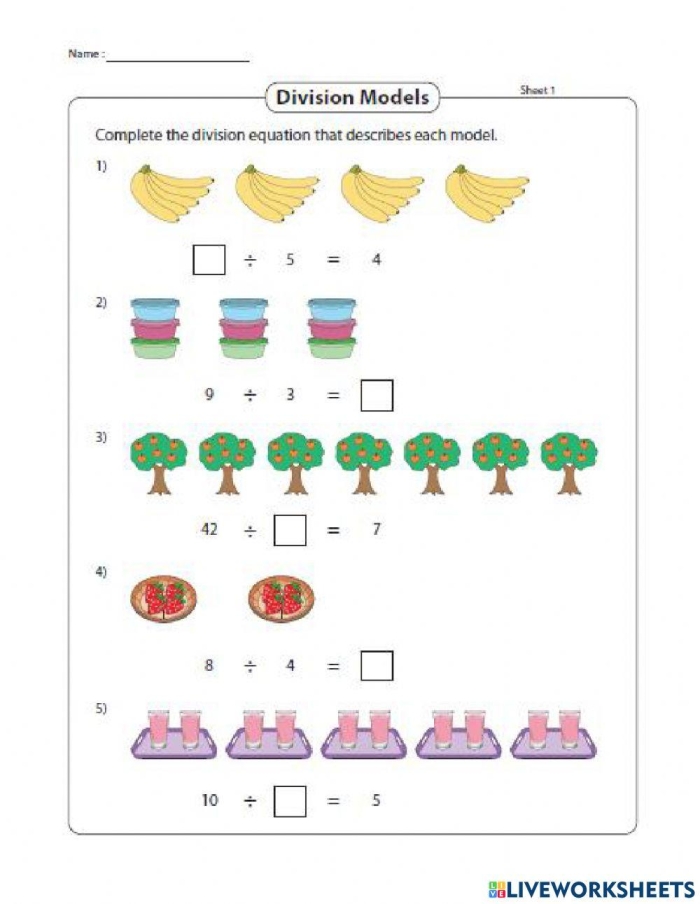
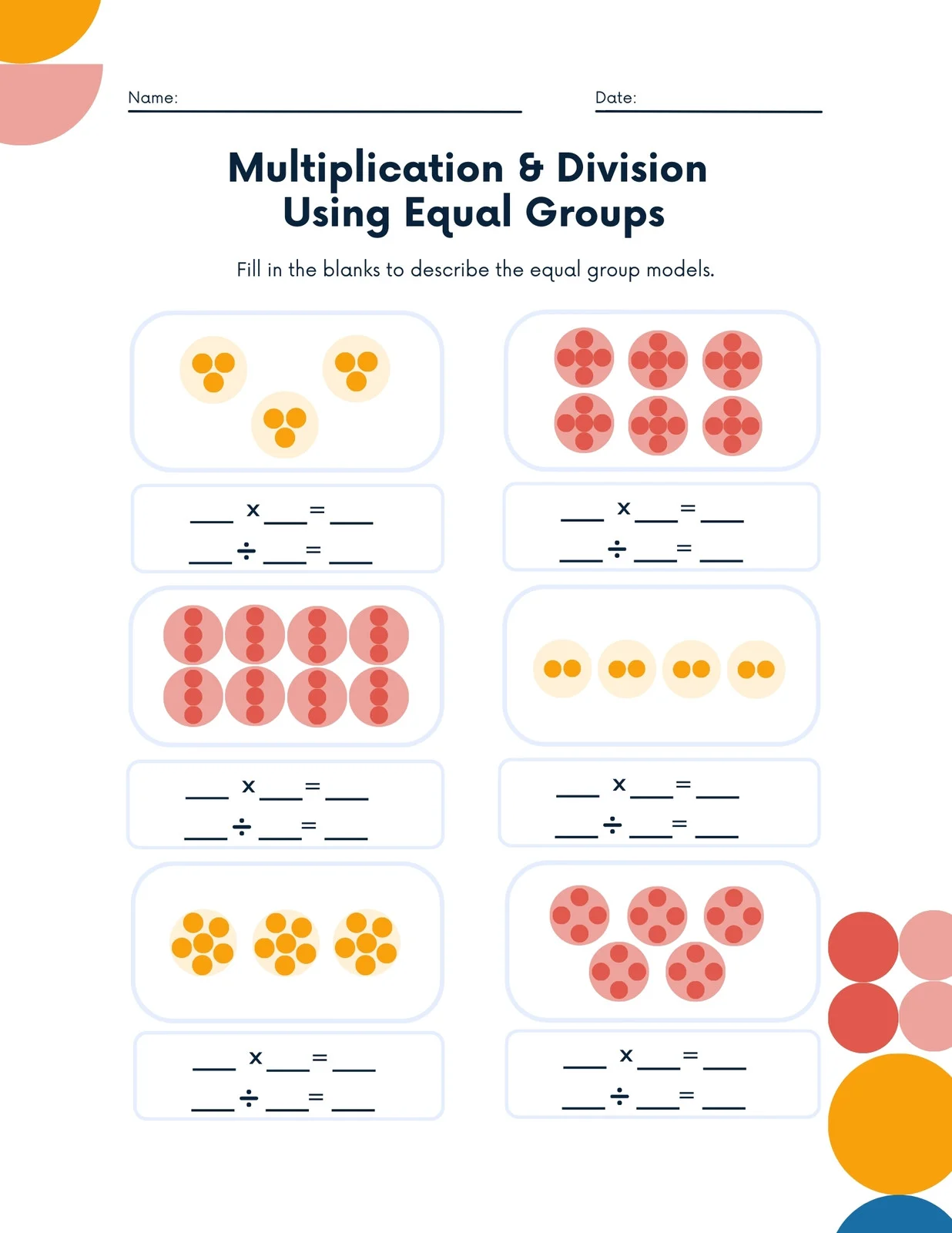
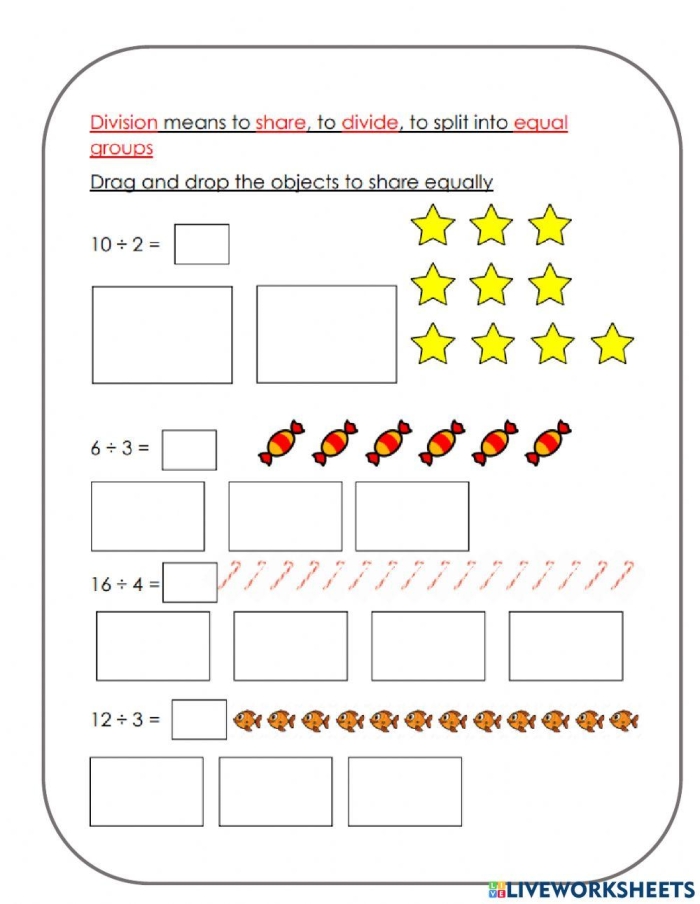
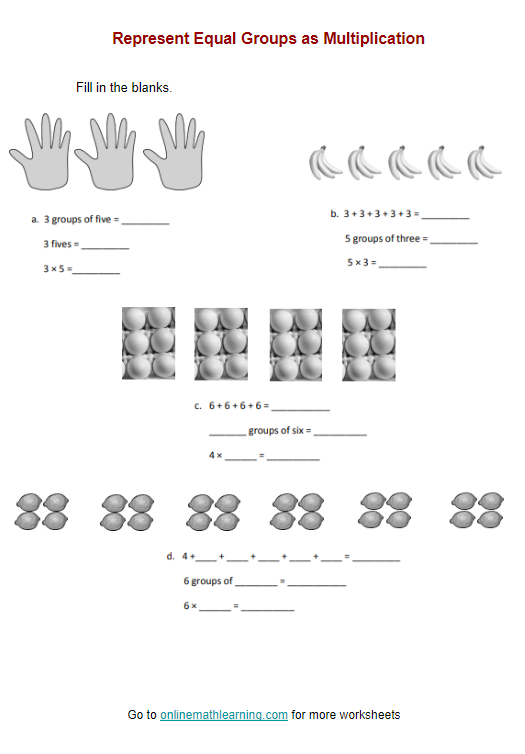
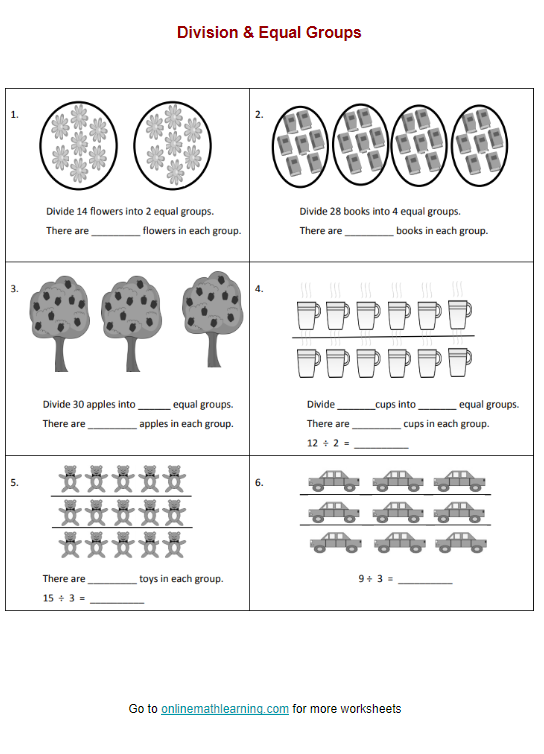
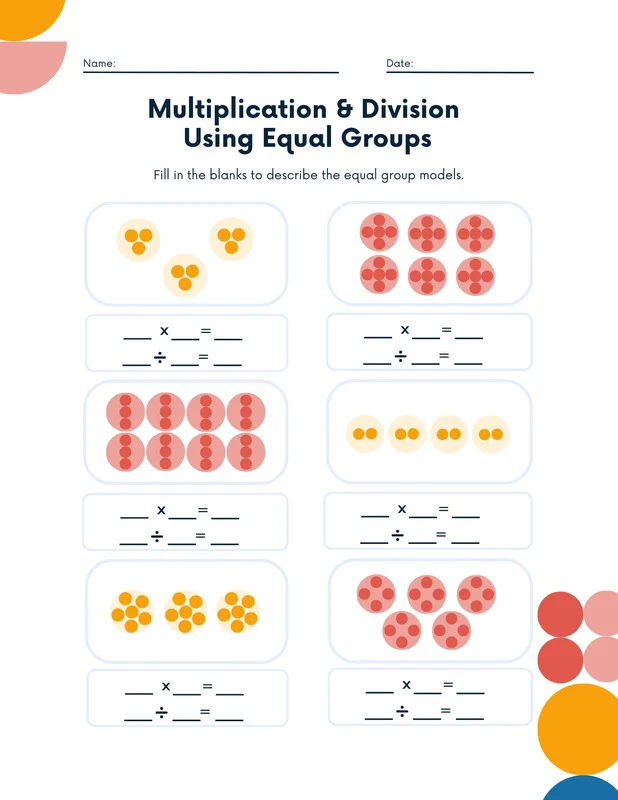
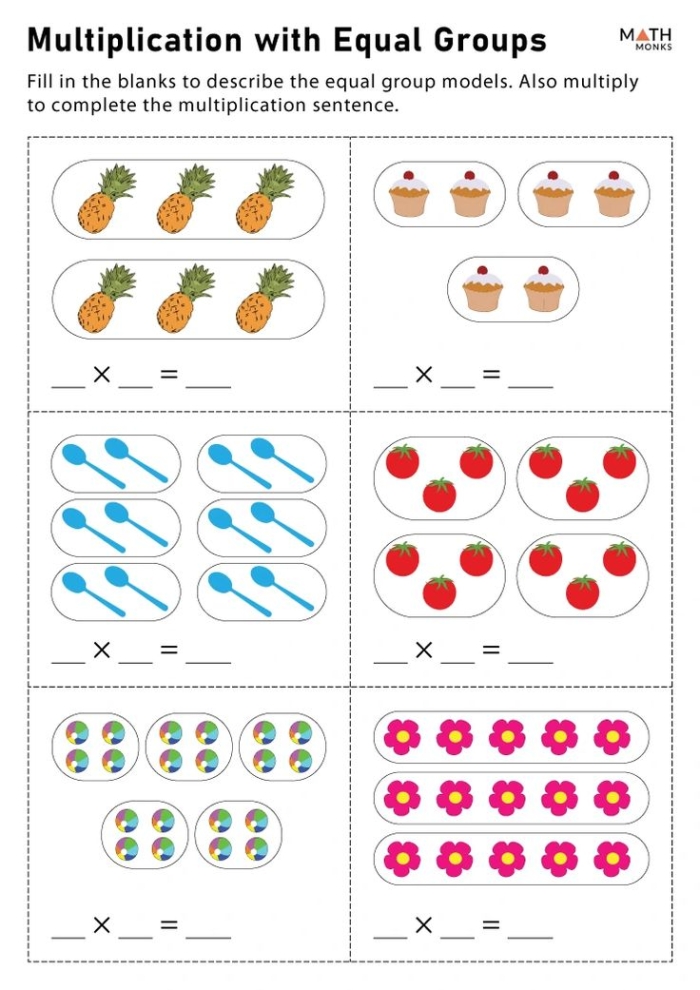
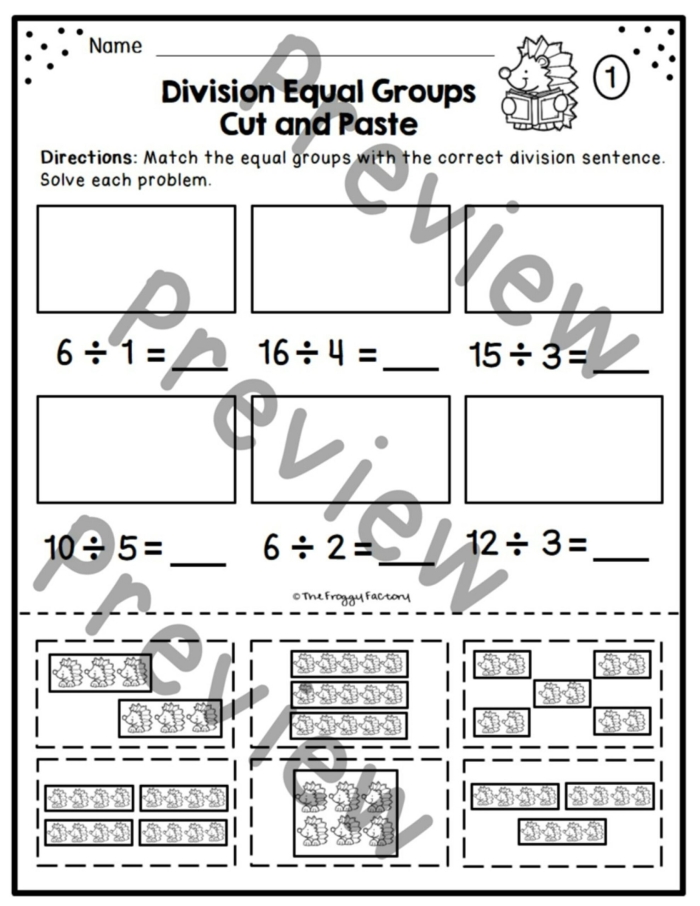
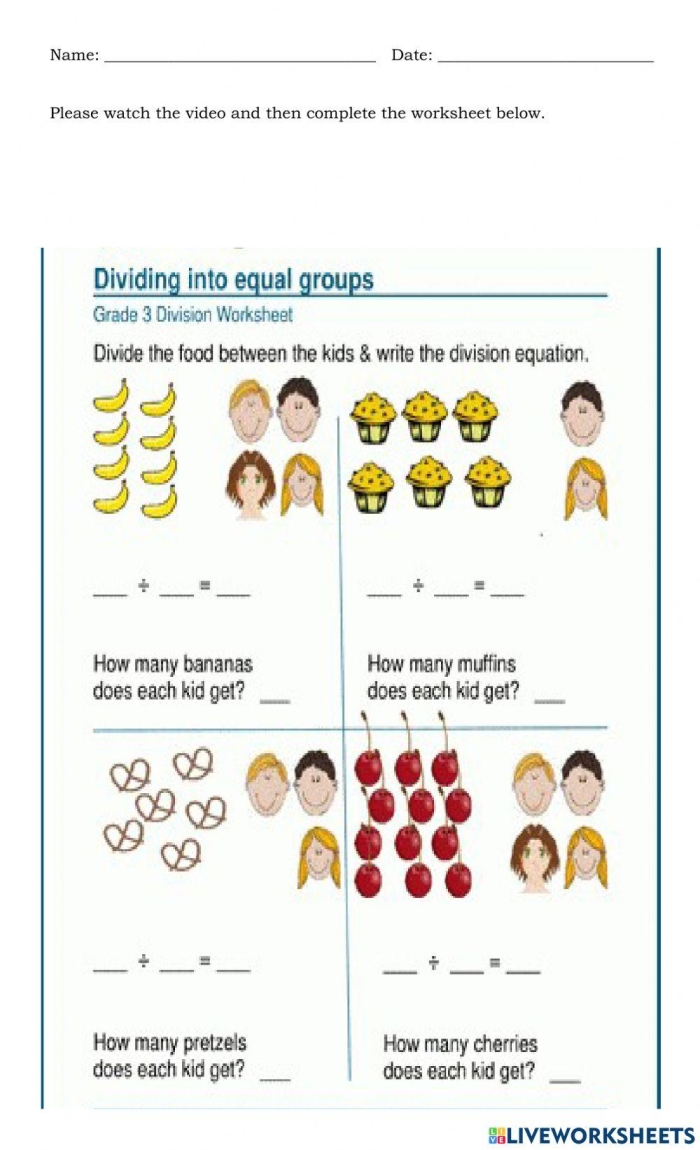
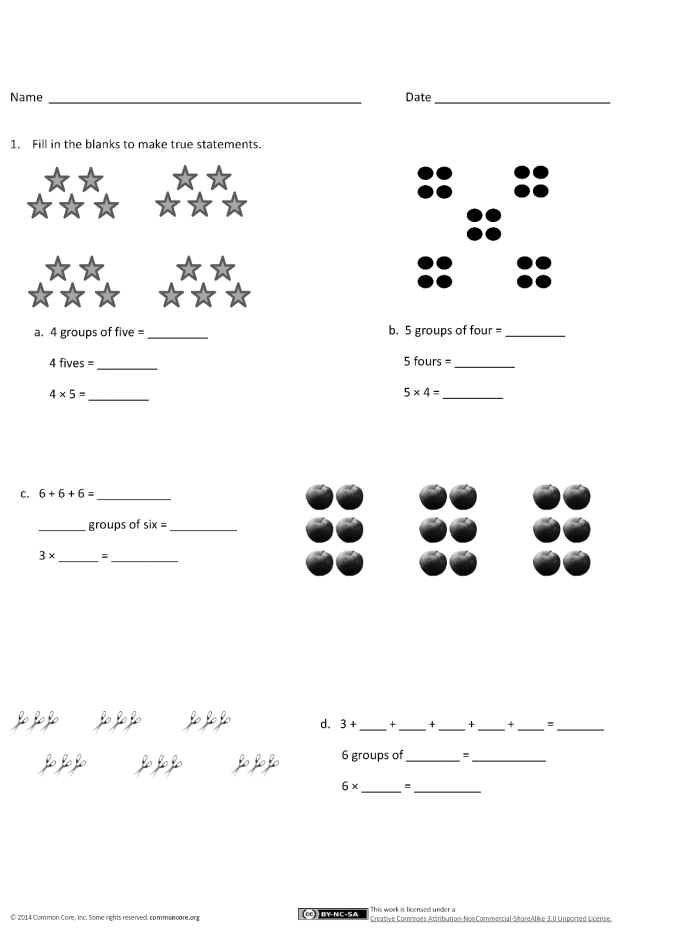
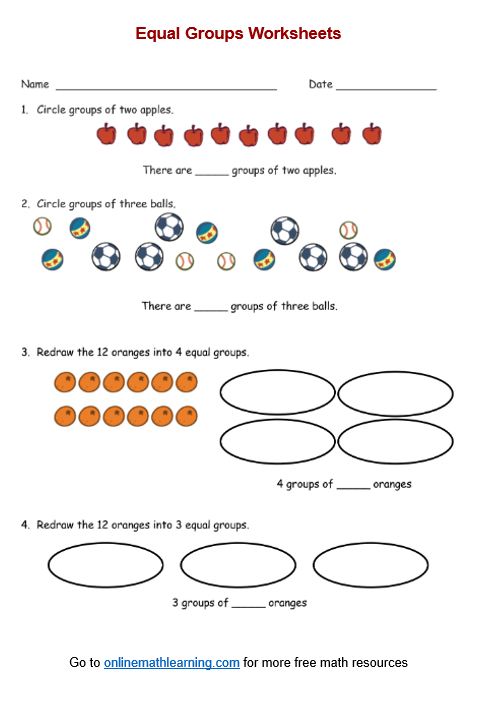
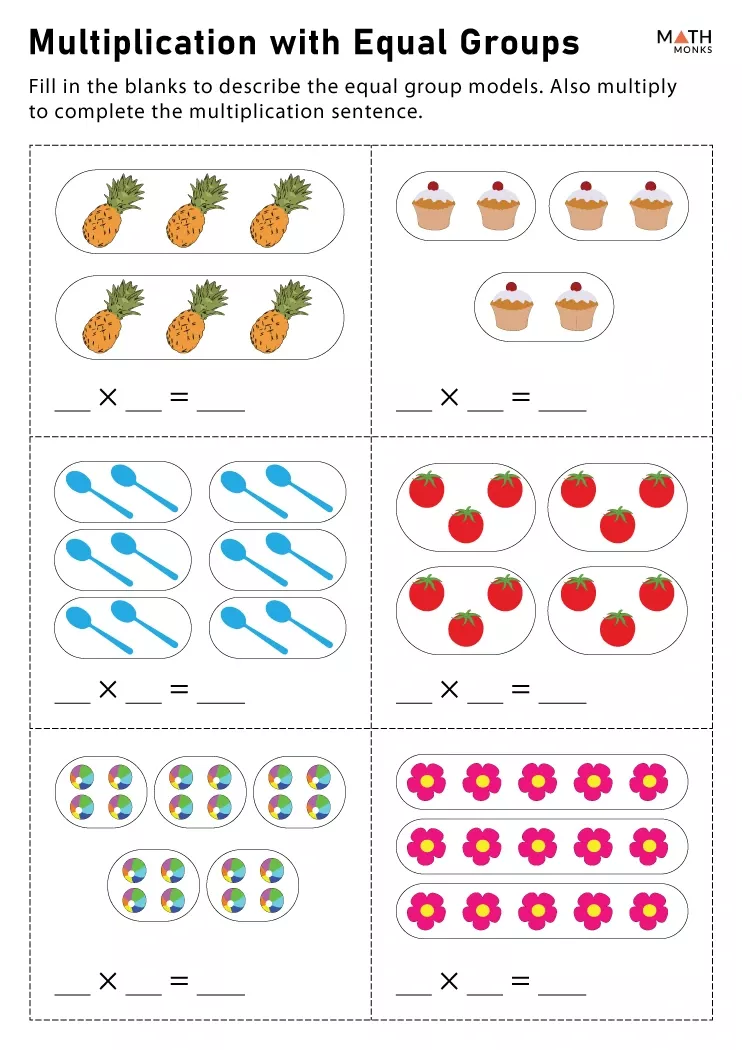
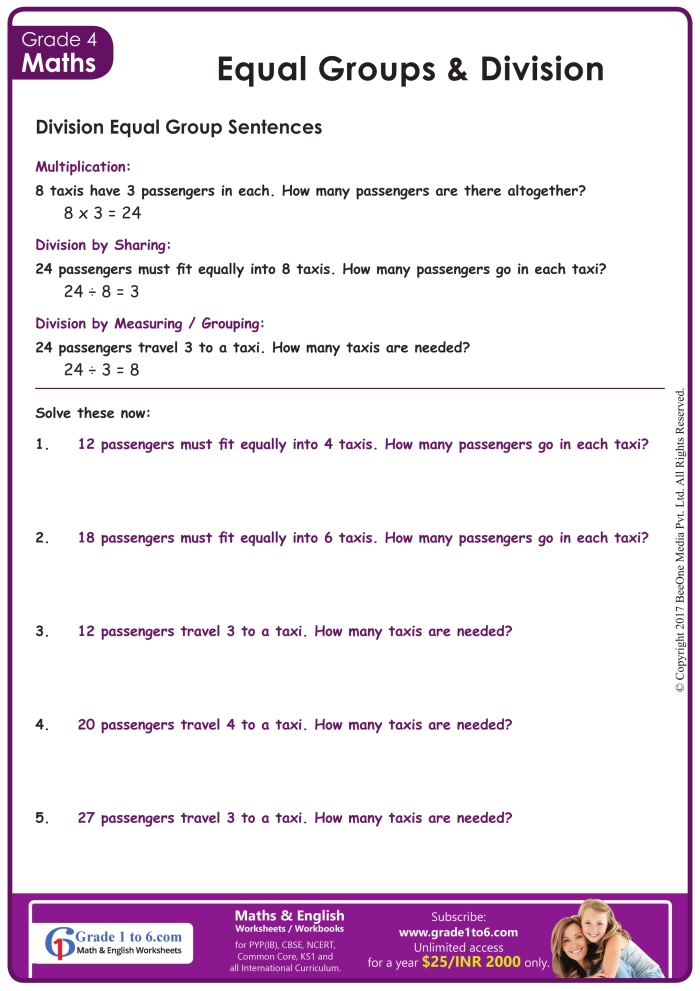
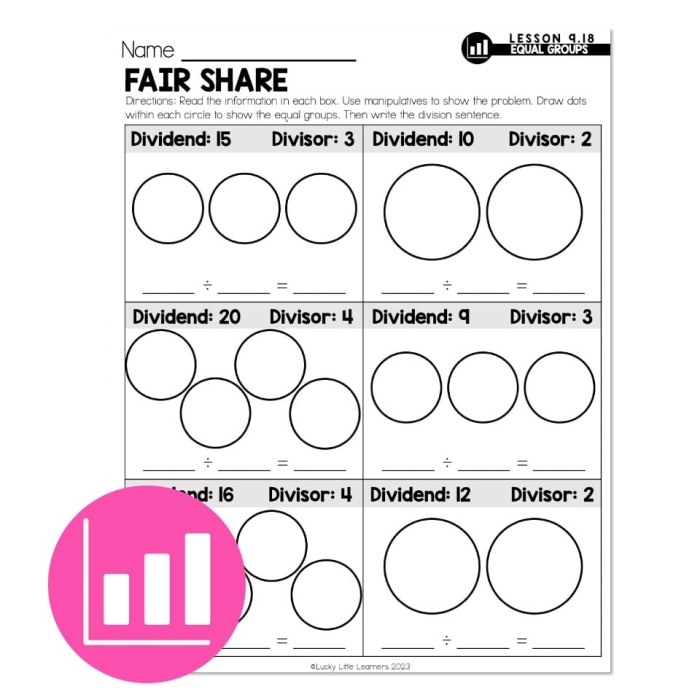
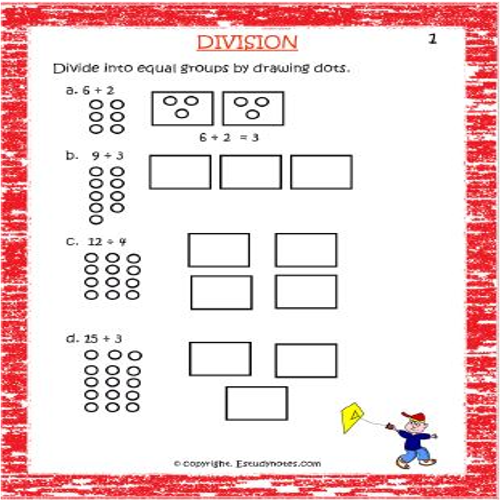
When third graders first encounter division, the concept often feels abstract until they see it in action. The most effective way to build understanding is to work with actual objects, pictures, or drawings and physically arrange them into equal groups. This hands-on approach transforms division from a mysterious operation into a logical process that makes sense.
Division at this level is really about sharing fairly. If you have 12 apples and need to divide them equally among 3 friends, you’re asking: how many apples does each person get? By drawing or arranging pictures of those 12 apples into 3 equal groups, students can count and discover that each group contains 4 apples. This visual experience creates the foundation for writing the division sentence: 12 ÷ 3 = 4.
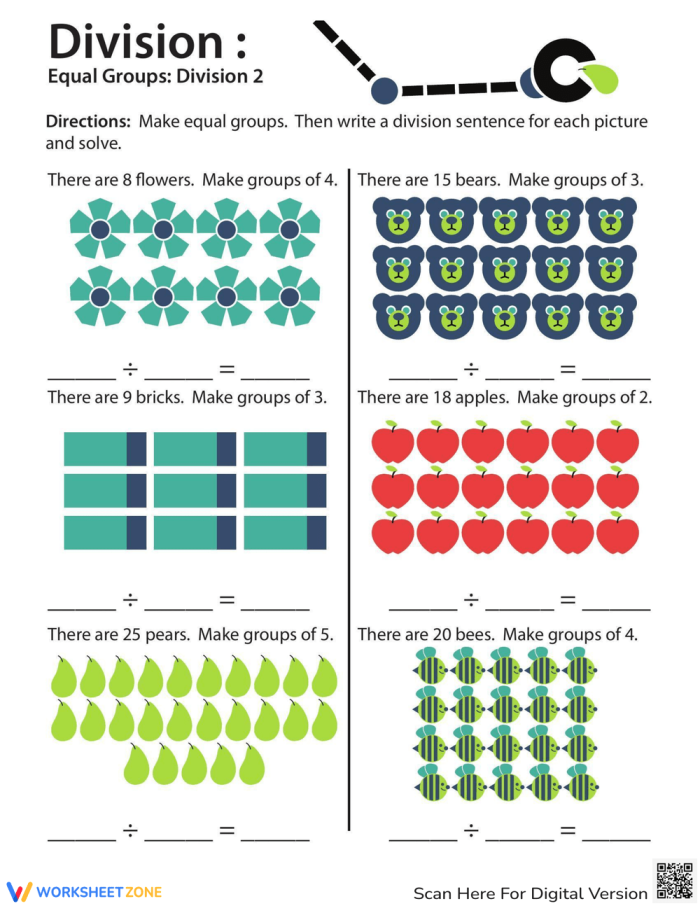
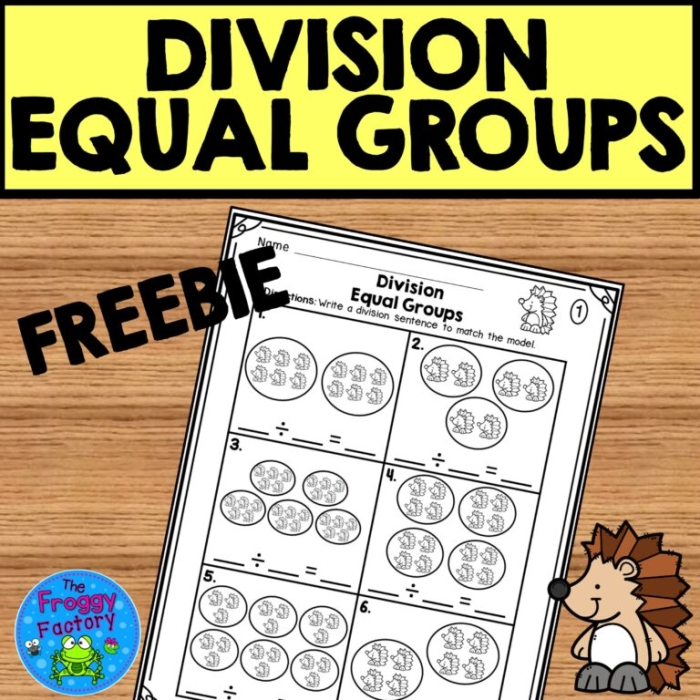
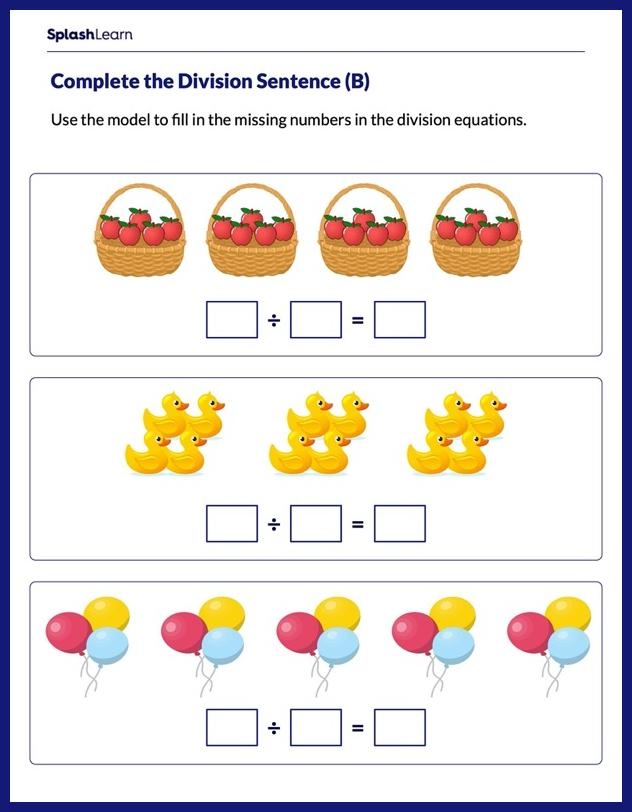
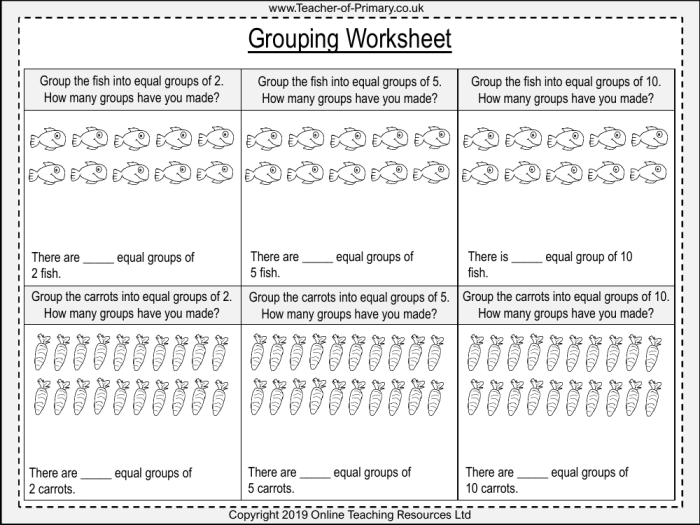
The process works like this: first, look at the objects pictured in the problem. Count the total number of items. Next, read the problem to determine how many groups you need to create. Then arrange the objects into those equal groups, making sure each group has the same number of items. Finally, count how many are in one group and write your division sentence with the answer.
When students work through these problems, they’re developing number sense and learning that division and multiplication are connected. If 12 ÷ 3 = 4, then 3 × 4 = 12. This relationship strengthens their math foundation. As you guide third graders through these exercises, you might also explore how these same grouping skills apply to understanding fractions or solving real-world multiplication word problems.
The beauty of equal groups problems is that they teach division in a way students can see and touch, making the abstract concrete and the confusing clear.
Practice with These Worksheets