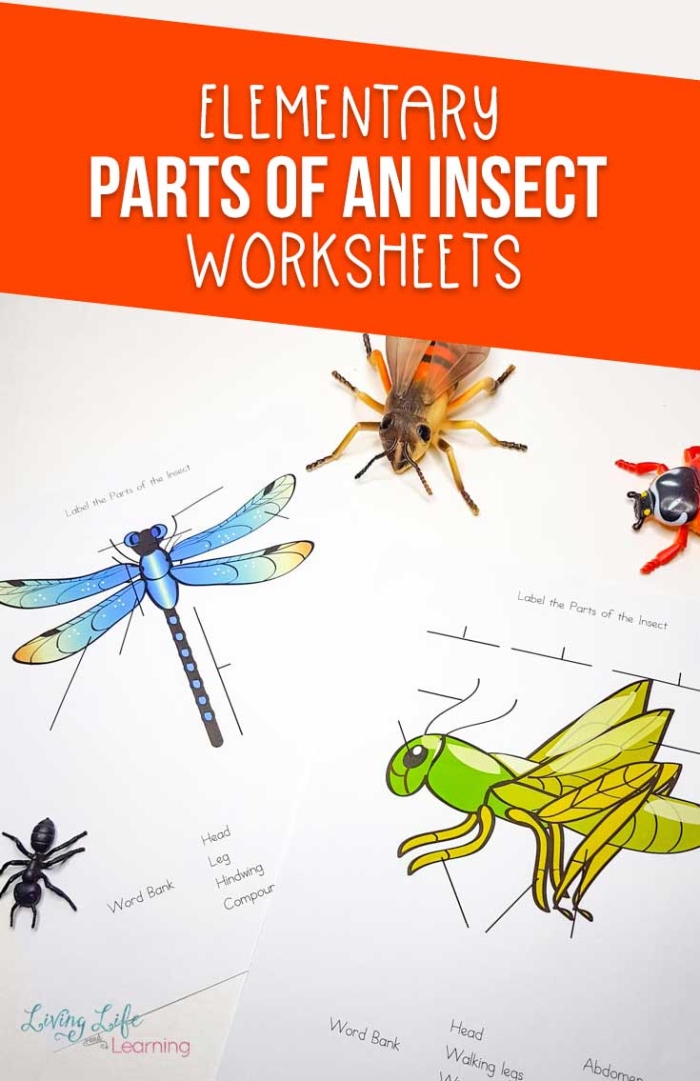
Insects are everywhere, and they look nothing like us. But if you stop and really study them, you’ll notice they have body parts that work a lot like ours, just arranged in a completely different way. Learning insect anatomy is a perfect way to practice observation skills and expand your vocabulary at the second grade level.
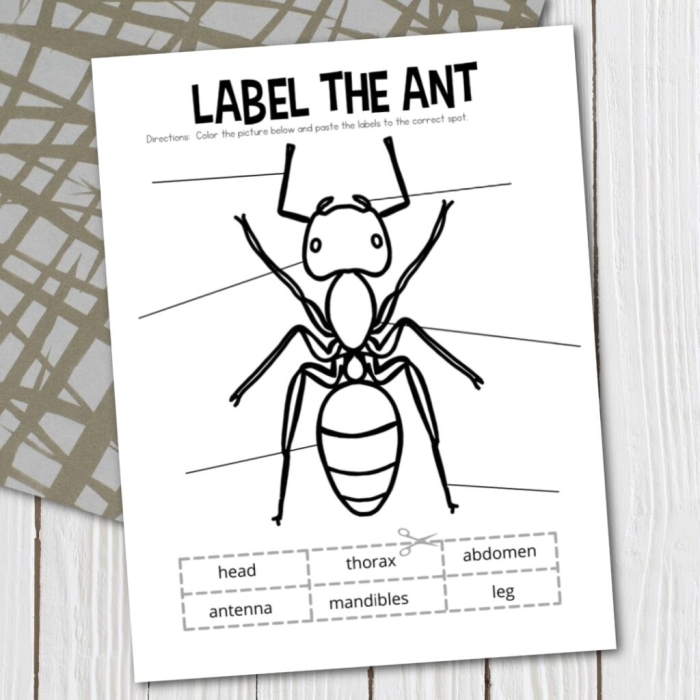
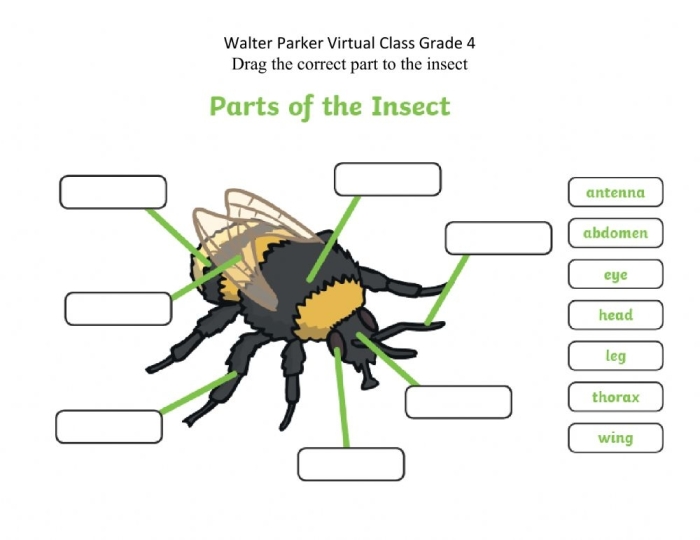
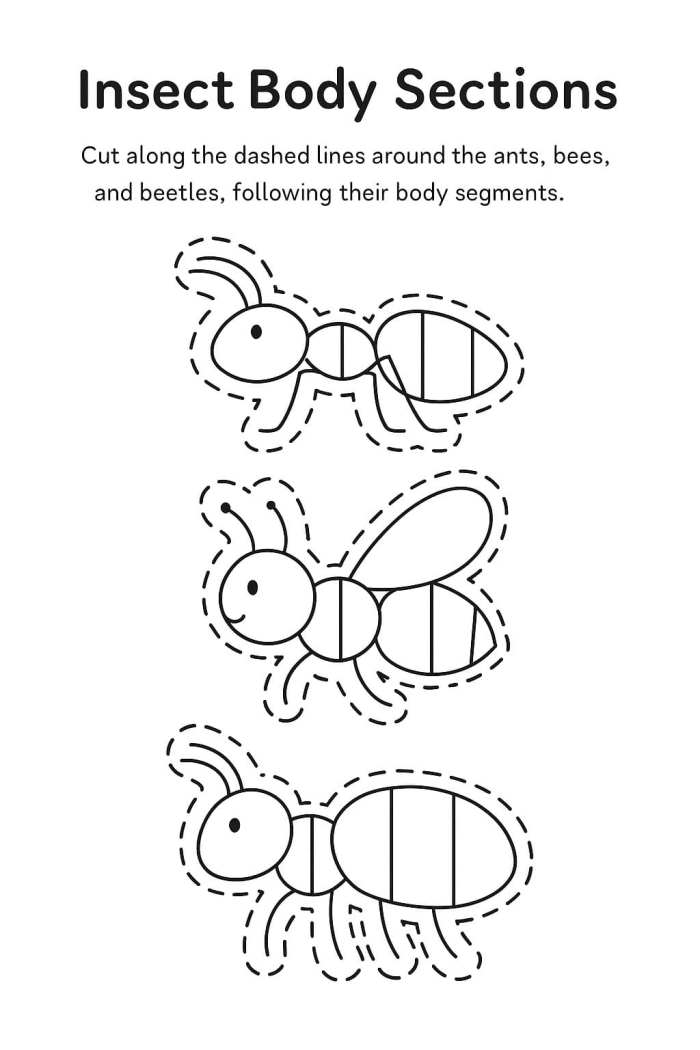
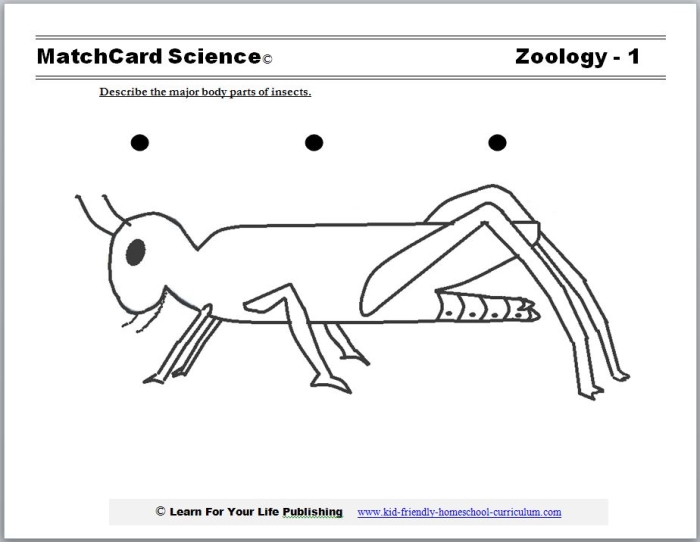
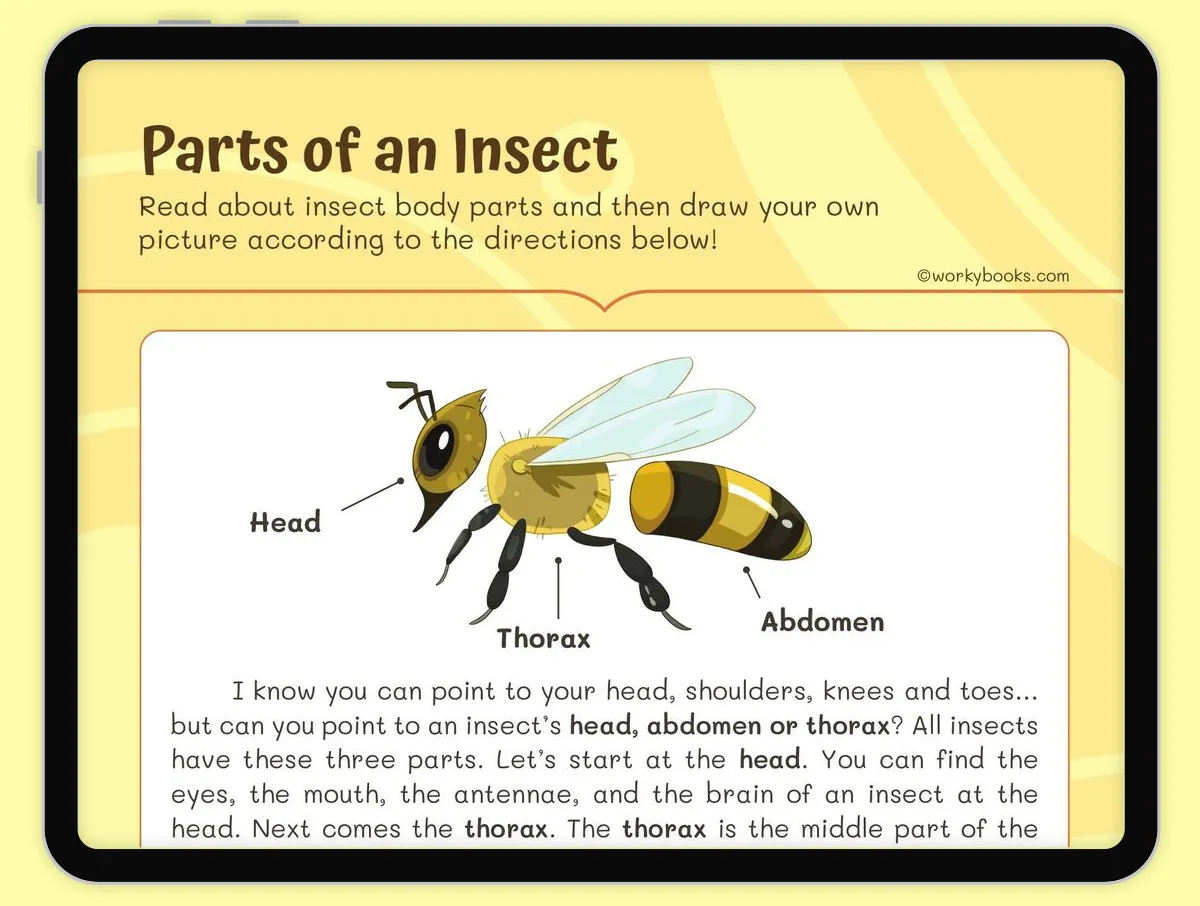
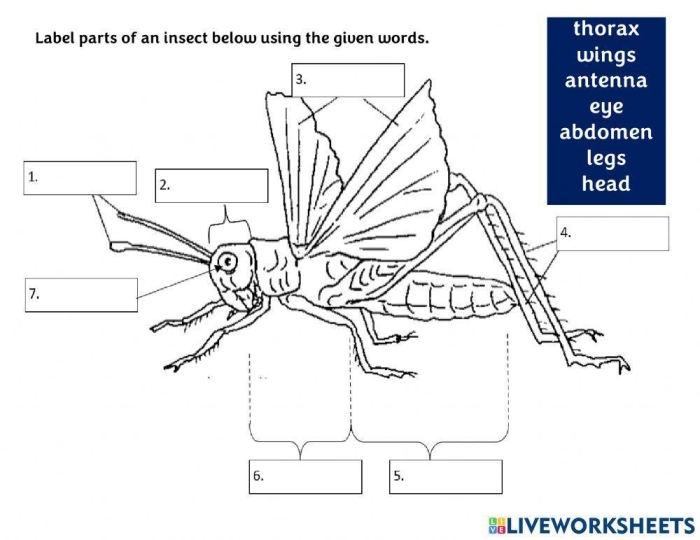
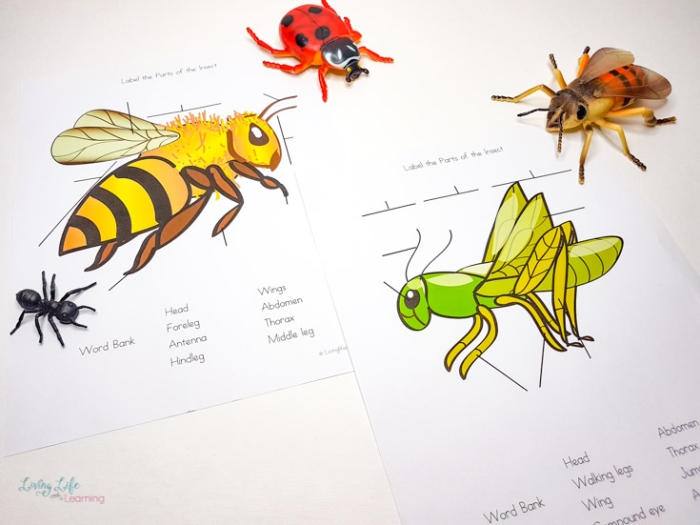
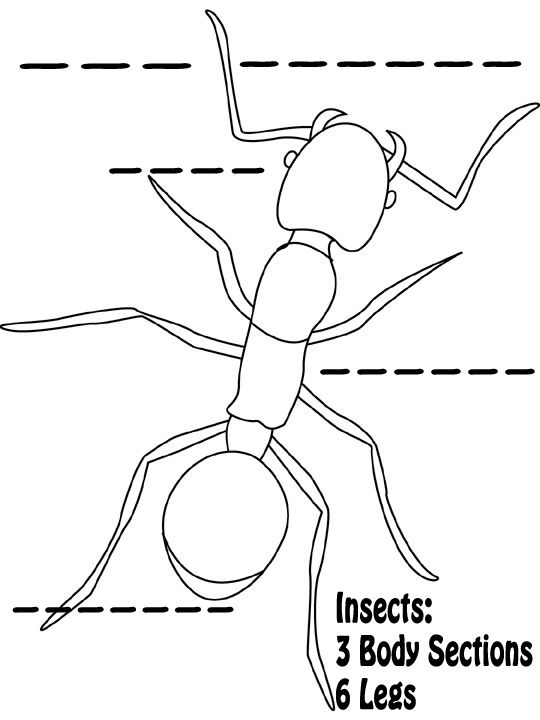
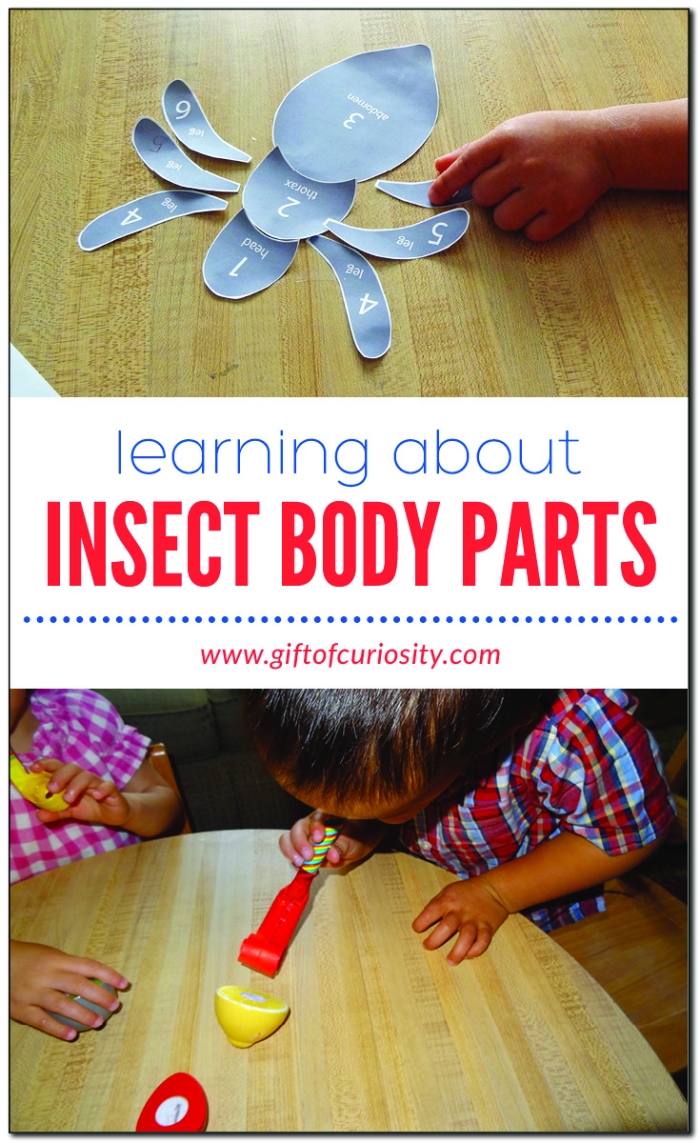
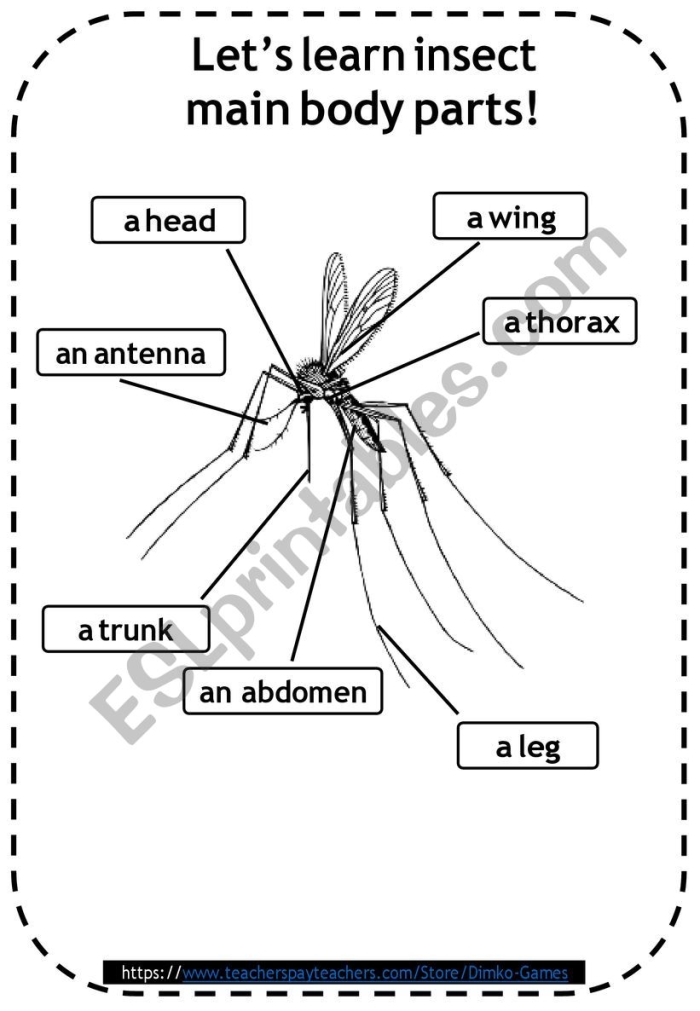
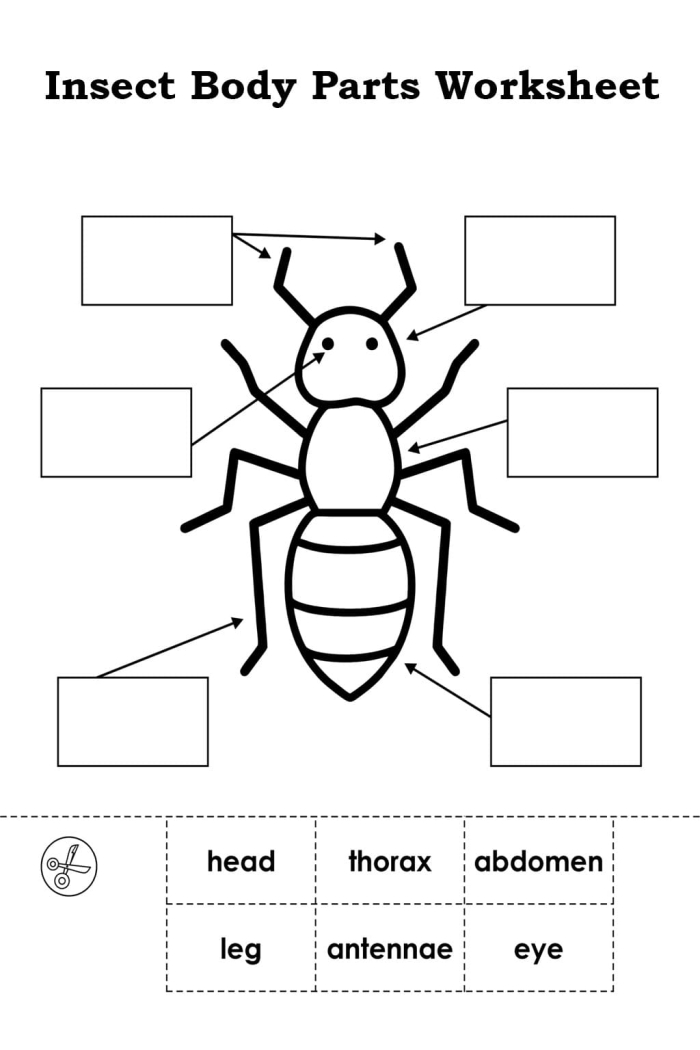
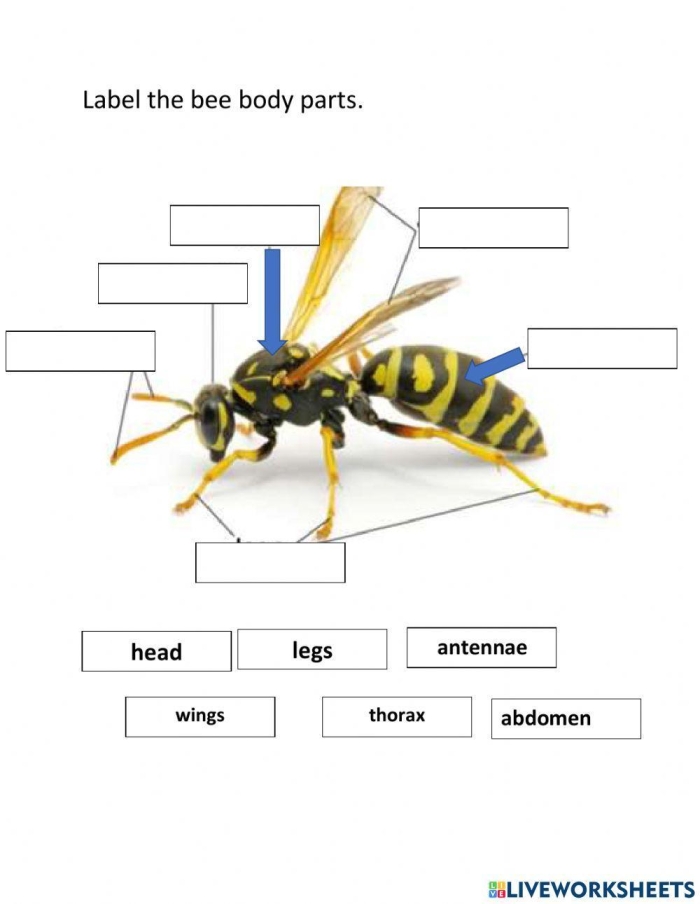
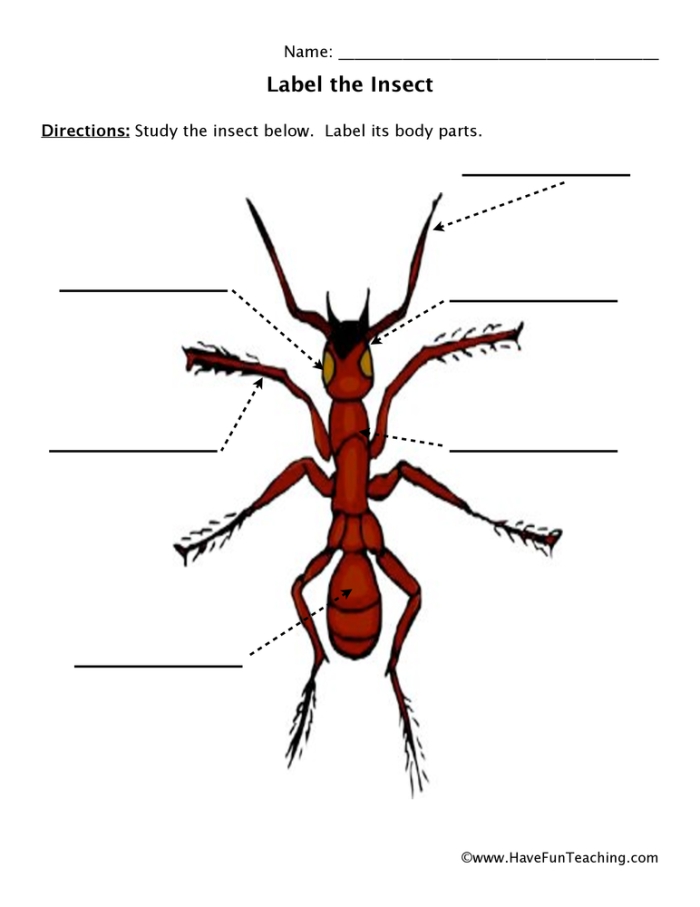
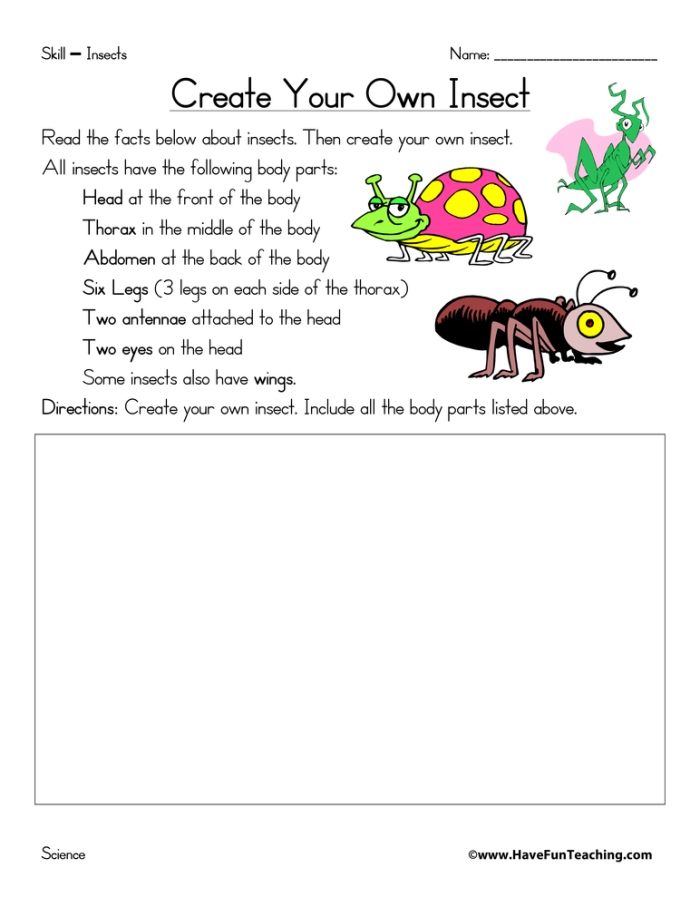
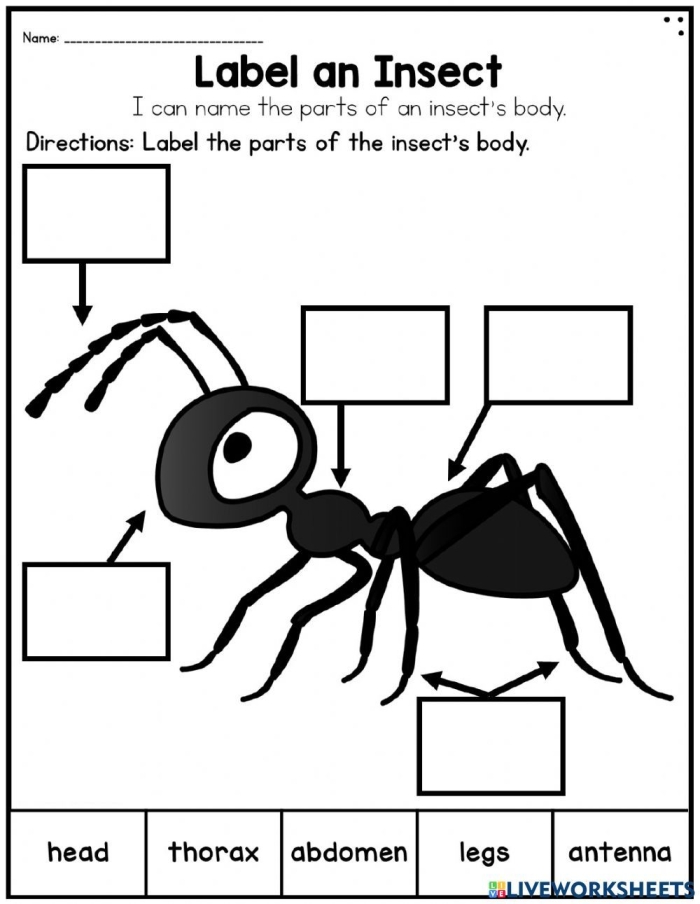
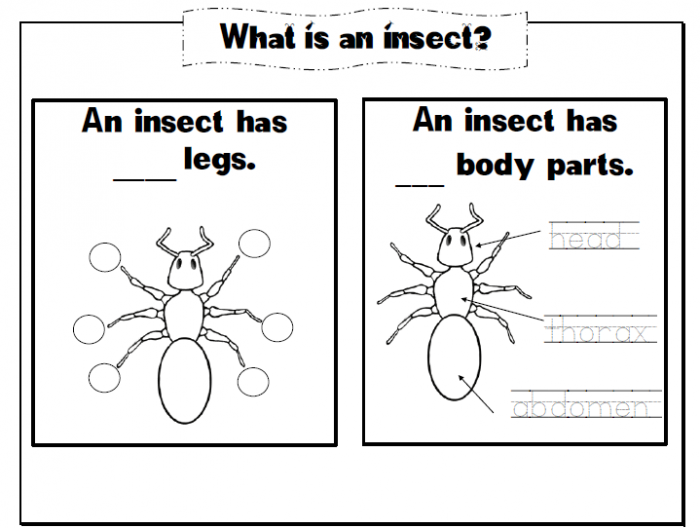
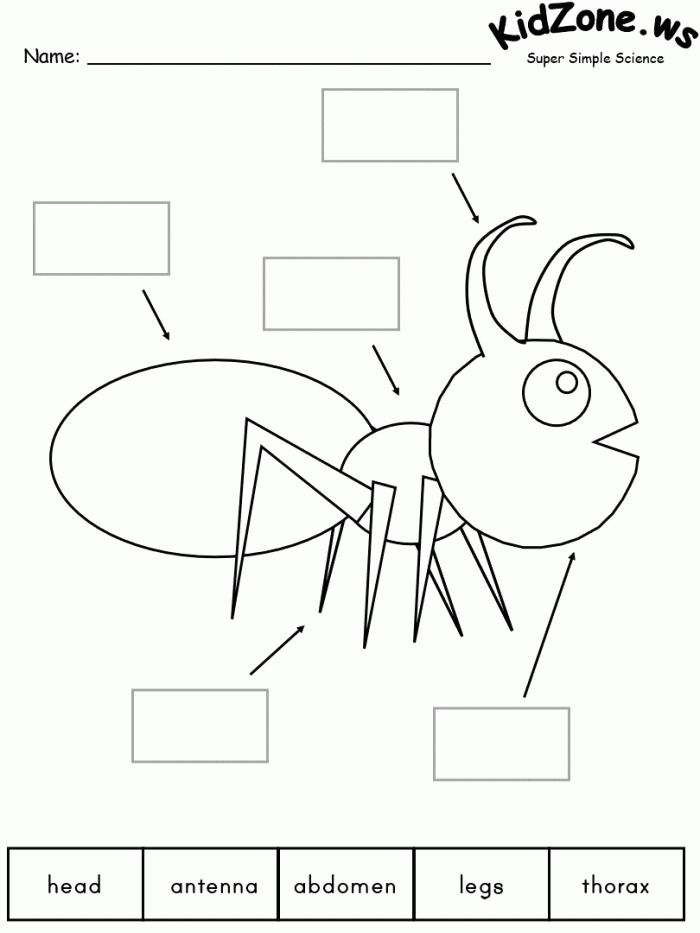
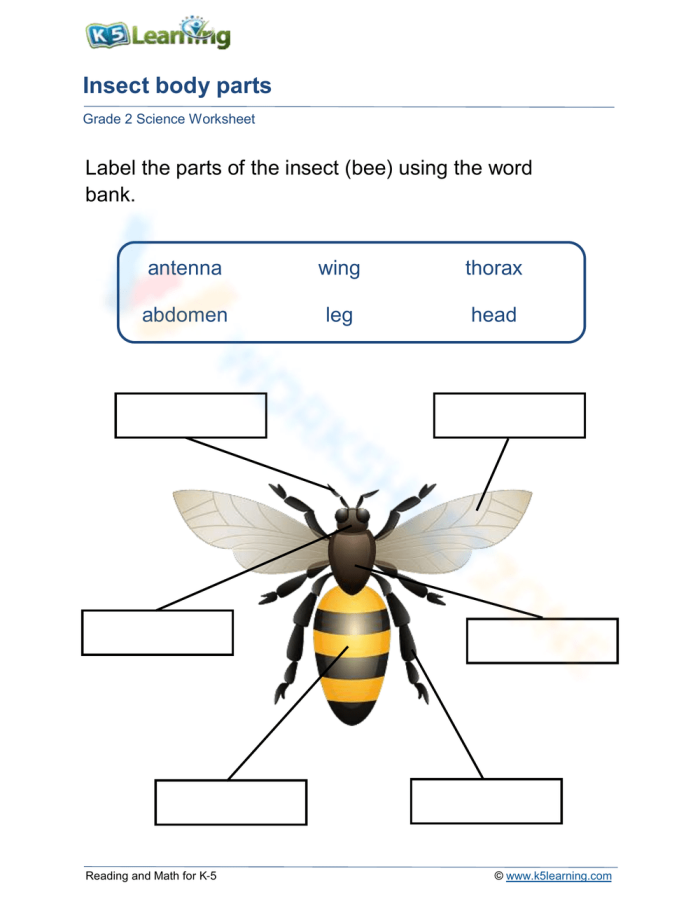
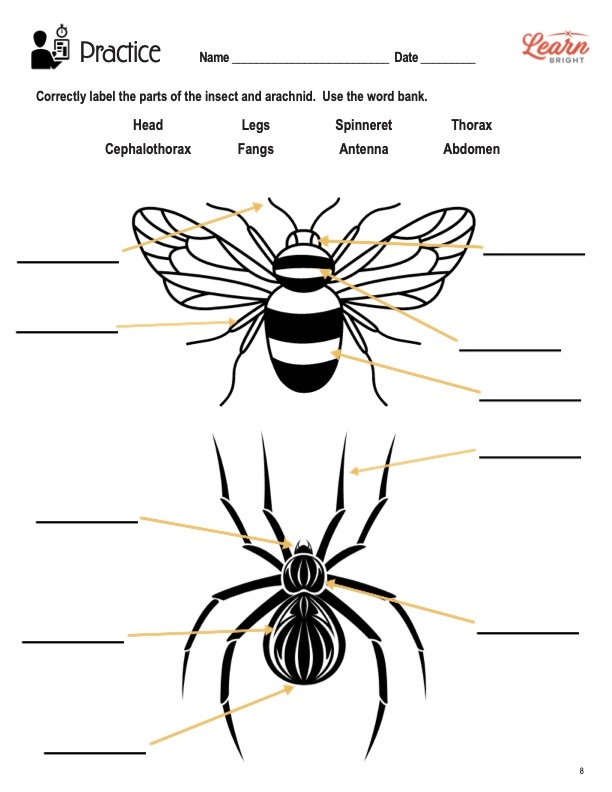
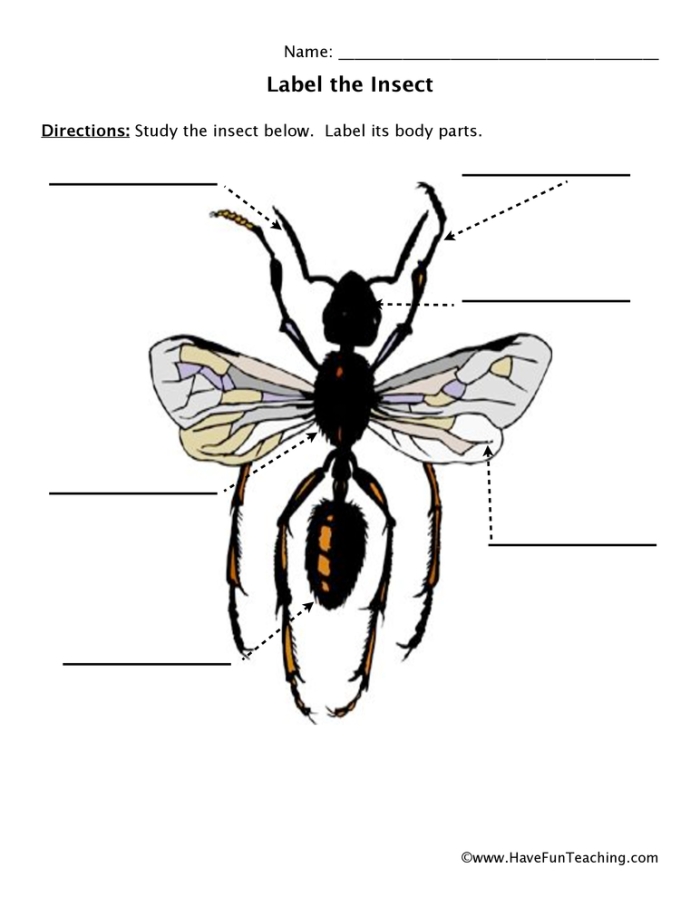
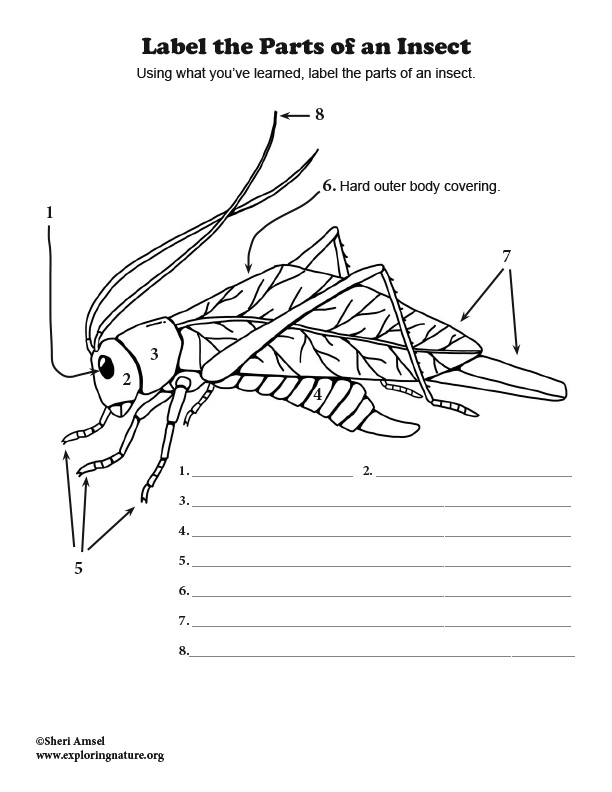
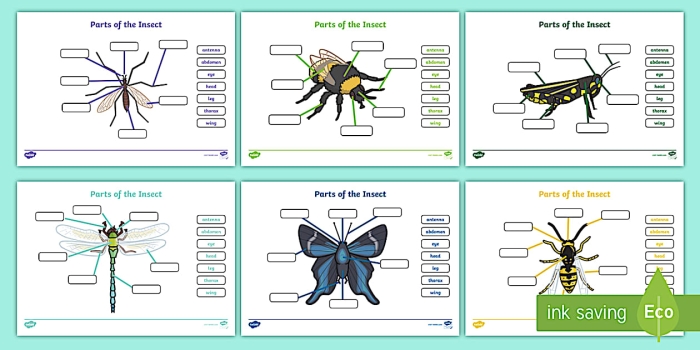
Every insect has three main body sections. The head is where you’ll find the eyes, antennae, and mouth. Those long, feeler-like antennae help insects smell and taste their environment. The thorax is the middle section where the legs and wings attach. Most insects have six legs, which is one of the easiest ways to tell them apart from spiders (which have eight). The abdomen is the rear section that holds the digestive system and, in many insects, the reproductive organs.
When you’re learning to identify these parts, try making educated guesses based on what you already know about animal bodies. If you know that legs help animals move, you can figure out why insects need six of them for balance and speed. If you understand that eyes help you see, you can predict why a dragonfly’s eyes are so huge and bulging.
Practice naming these parts by examining real insects or detailed pictures. You can strengthen your phonics and second grade reading skills by working through resources that combine learning with language practice. Try activities like understanding an author’s purpose in science texts, or use synonym matching exercises to learn new vocabulary words related to insects.
You can also practice your reading comprehension by working with glossary building activities that teach you proper punctuation while learning insect terms. Challenge yourself with sentence scramble exercises where you arrange words about insects into correct order. Once you master the basics, explore more complex patterns with activities like reading data about insects in chart form.
The more you observe insects and practice naming their parts, the better you’ll understand how these tiny creatures survive and thrive all around you.
Printable Worksheets for Practice