Punctuation marks are the traffic signals of reading. They tell us when to pause, when to stop, and when to show emotion. For second grade students learning English as an additional language, understanding these marks transforms choppy word-by-word reading into smooth, meaningful communication.
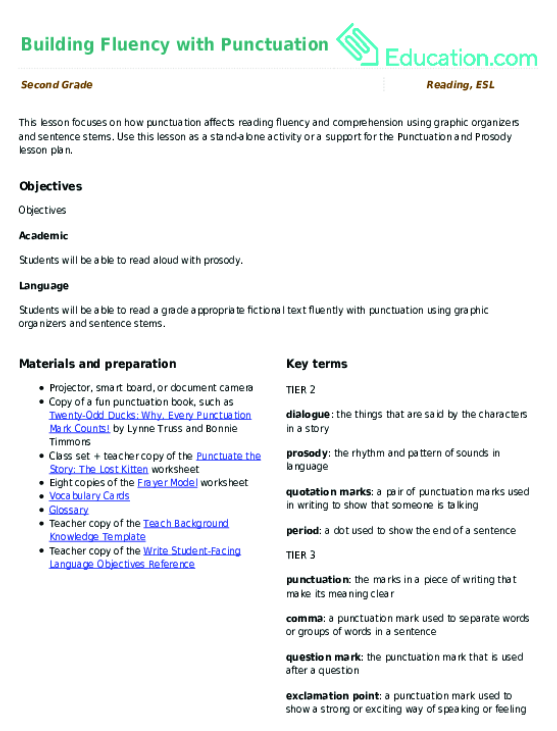
This glossary pairs directly with the EL Support Lesson Plan: Building Fluency with Punctuation, giving teachers and parents a quick reference tool for explaining punctuation in simple terms. Rather than overwhelming young learners with grammar rules, the glossary breaks down each mark into what it actually does when we read aloud. A period means stop. A question mark means ask. An exclamation point means show strong feeling.
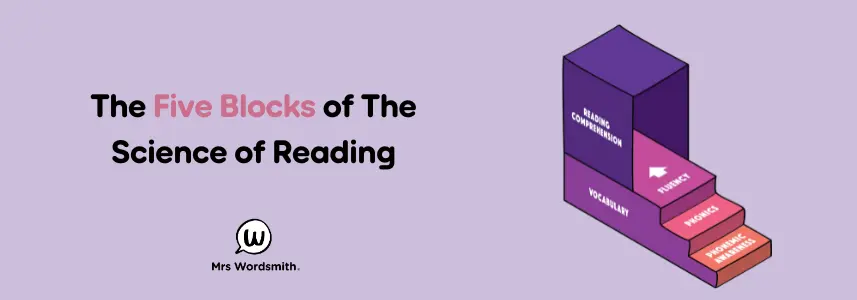
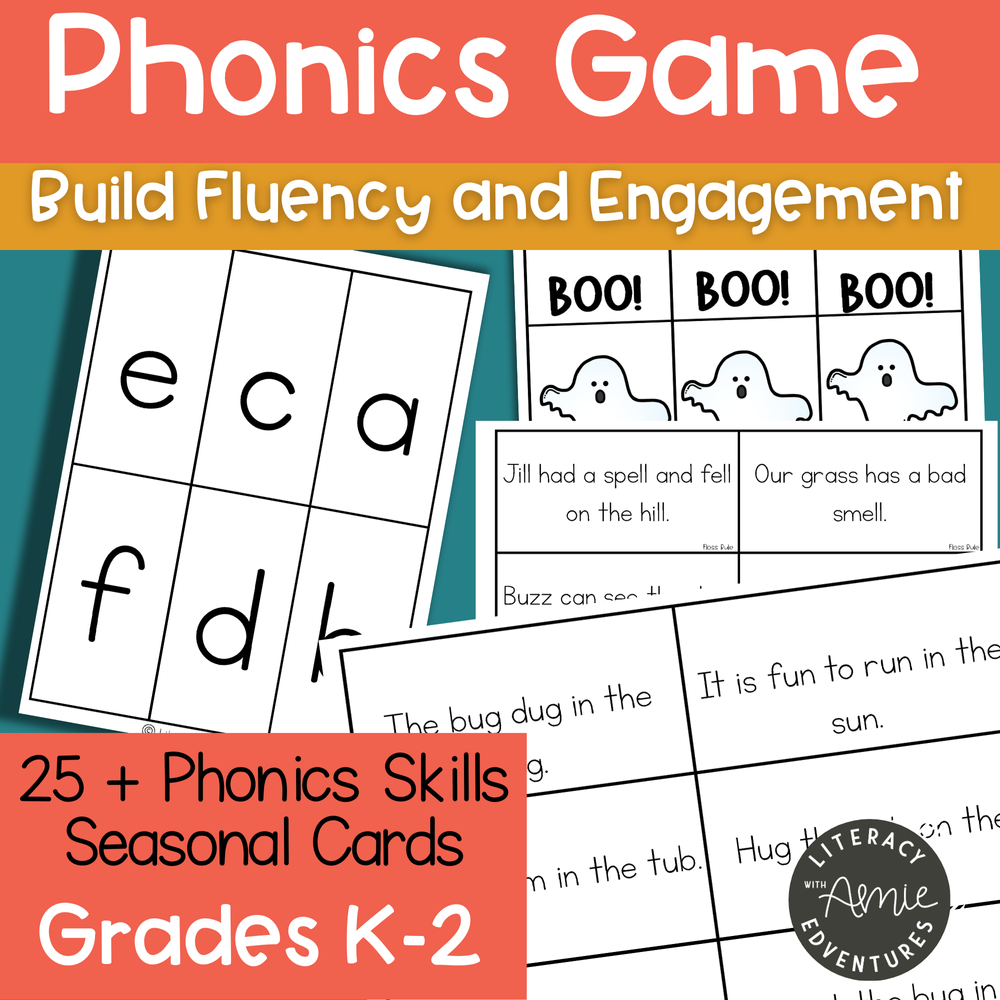
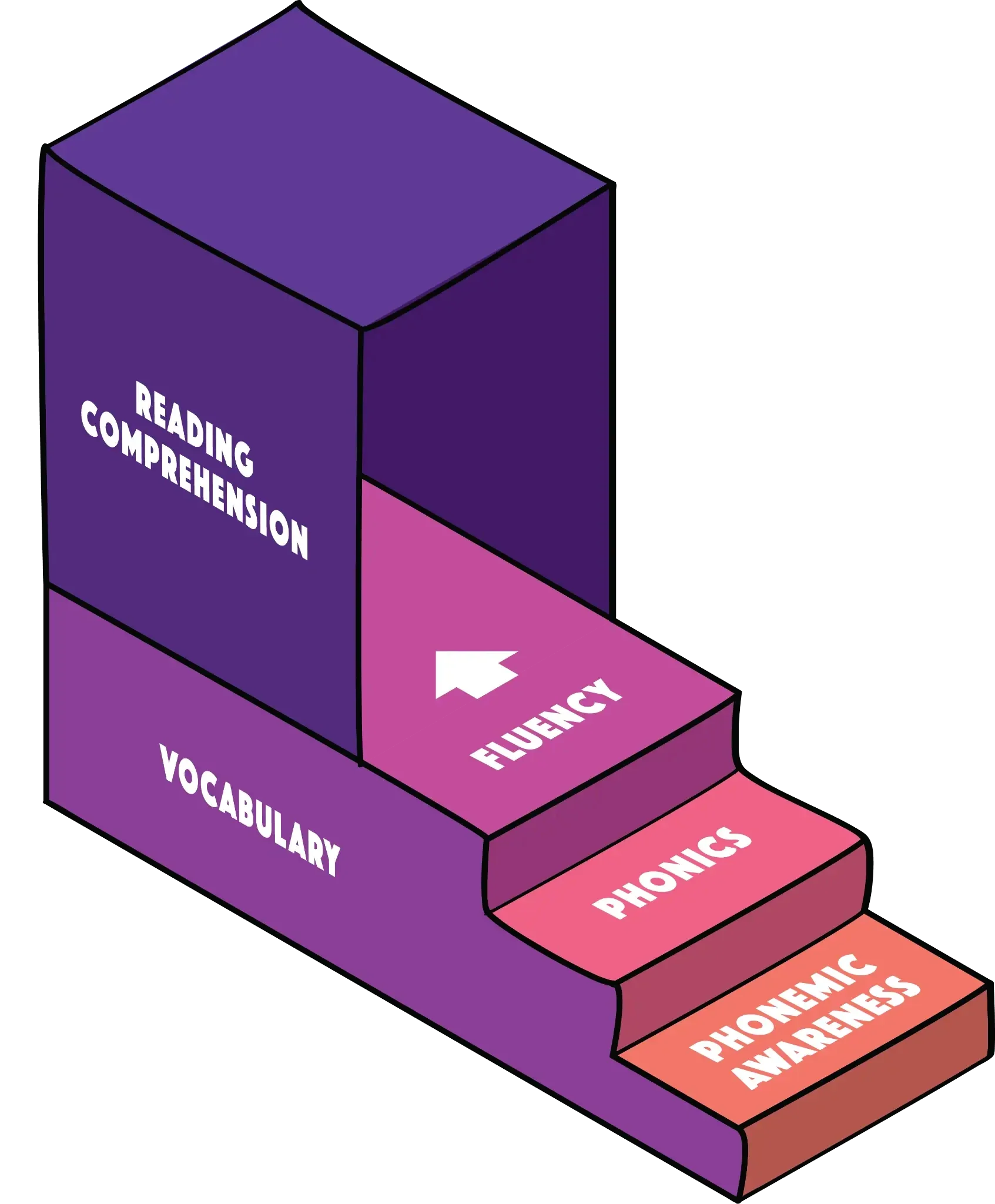
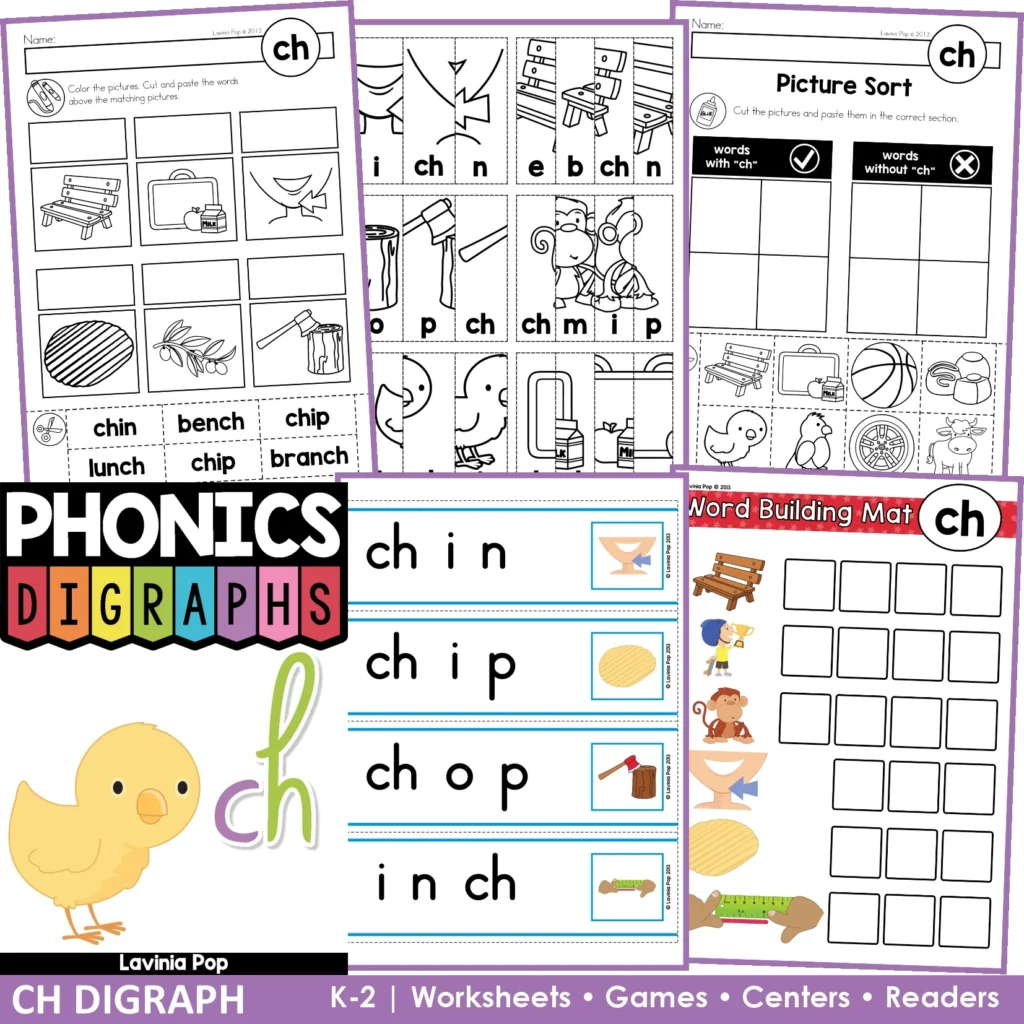
The connection between phonics and punctuation fluency matters more than many realize. When second grade students recognize punctuation marks while reading, they naturally adjust their pace and tone. This mirrors how they learn letter sounds and blending in phonics lessons. Both skills work together to build confident, expressive readers.
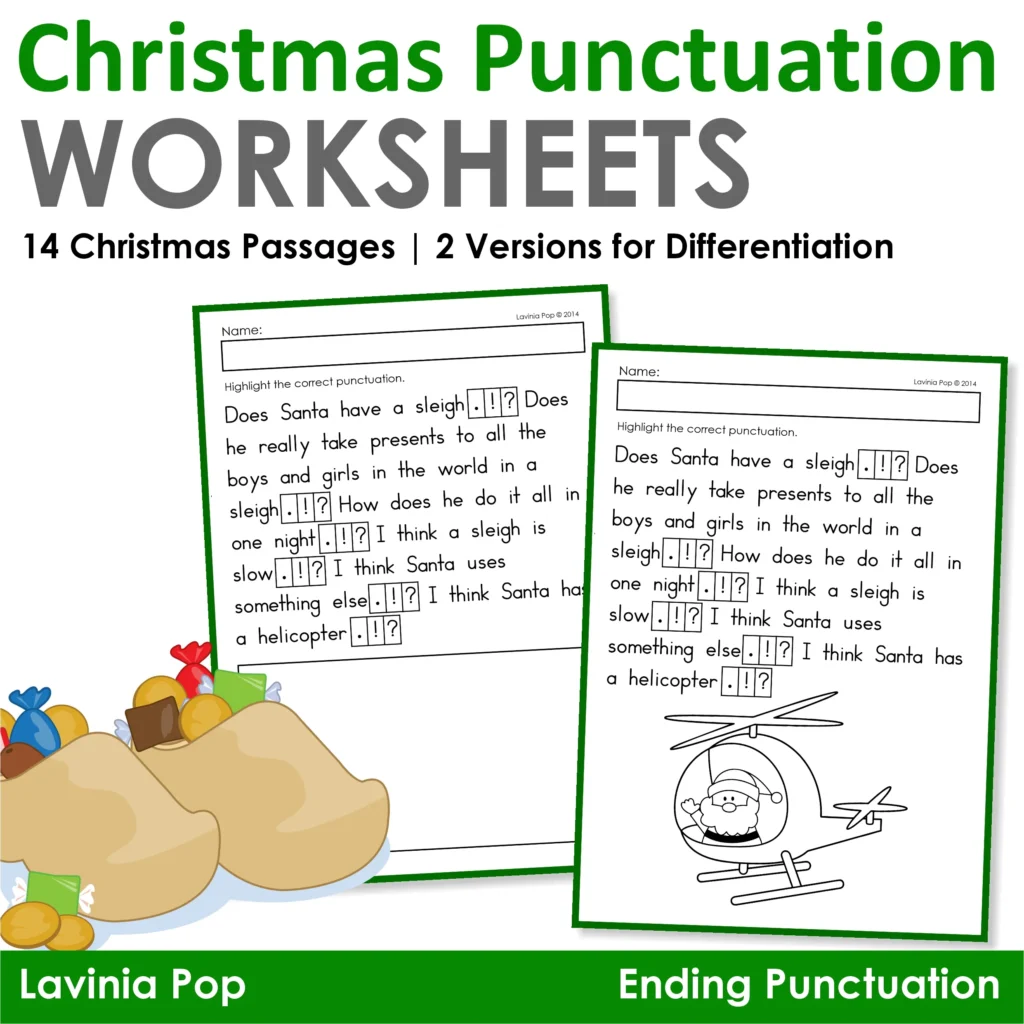
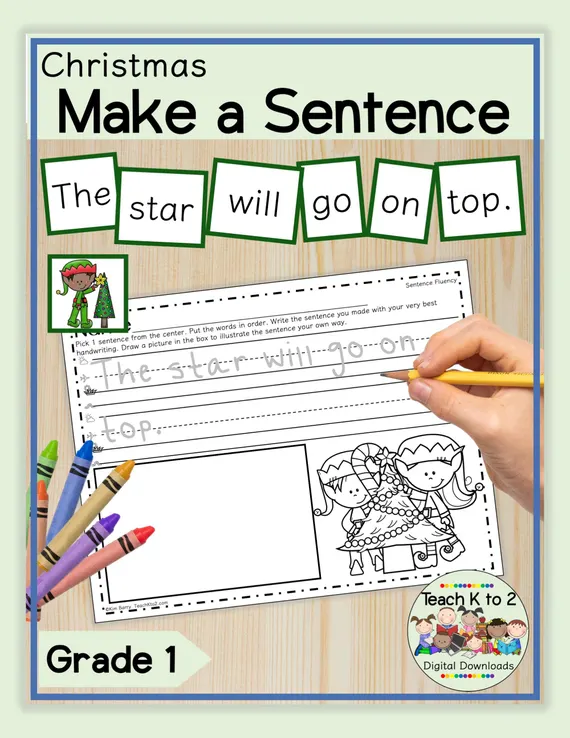
Using this glossary works best when paired with practice activities. Students benefit from seeing punctuation in context rather than in isolation. Pairing the glossary with engaging worksheets helps reinforce learning. For example, activities like neighborhood nouns in phonics second grade worksheets or practice reading vowel diphthongs naturally incorporate punctuation into meaningful reading practice.
Teachers implementing the EL Support Lesson Plan will find the glossary especially useful during guided reading groups. Having simple, consistent definitions helps English learners ask questions and reference the marks independently. The glossary becomes a bridge between instruction and application, supporting second grade students as they develop fluency in both decoding and expression.
Printable Worksheets for Practice