Learning letter sounds before letter names might seem backwards, but it’s actually how your Pre-K child’s brain builds reading skills. Alphabet phonics works because it connects visual symbols to the sounds your child already knows from speech. Once kids can match letters to their sounds, reading words becomes a puzzle they can solve rather than a mystery they memorize.
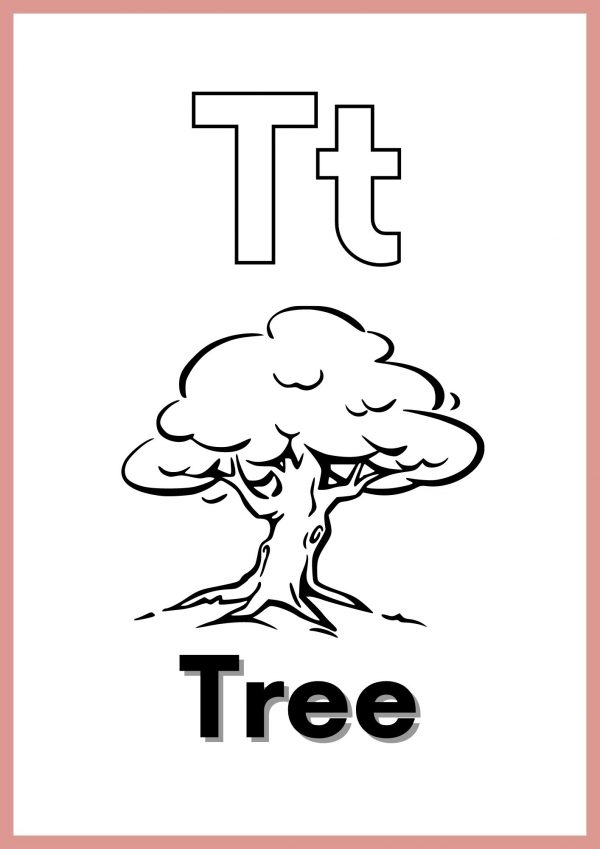
The letter T is an excellent starting point for phonics practice. It has a consistent, clear sound that doesn’t vary much across different words. Think of how “T” sounds the same in “tiger,” “table,” and “toy.” This consistency helps young learners build confidence because they’re not wrestling with exceptions or tricky variations. When a child encounters a new word beginning with T, they already know what sound to expect.
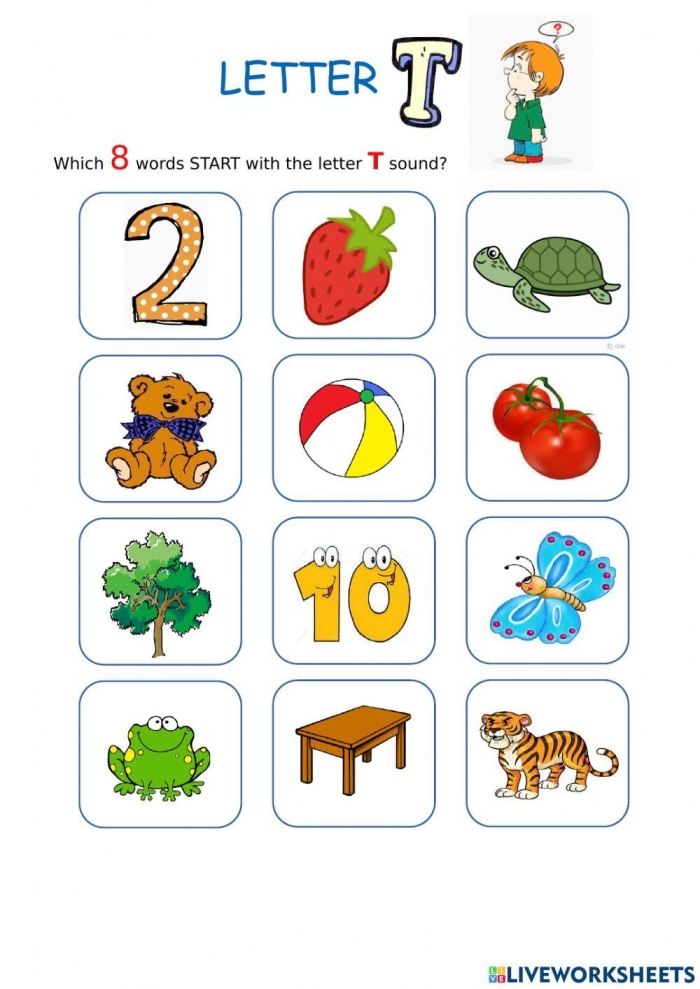
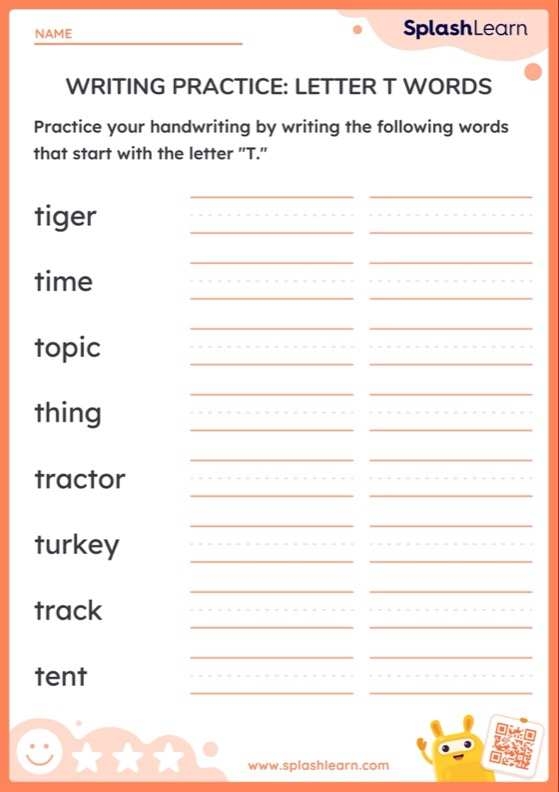
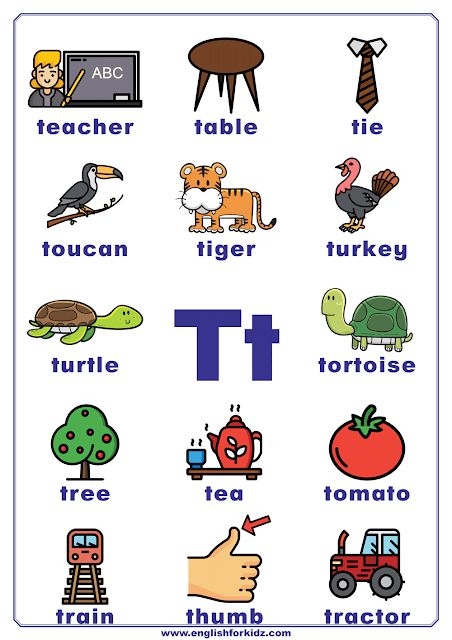
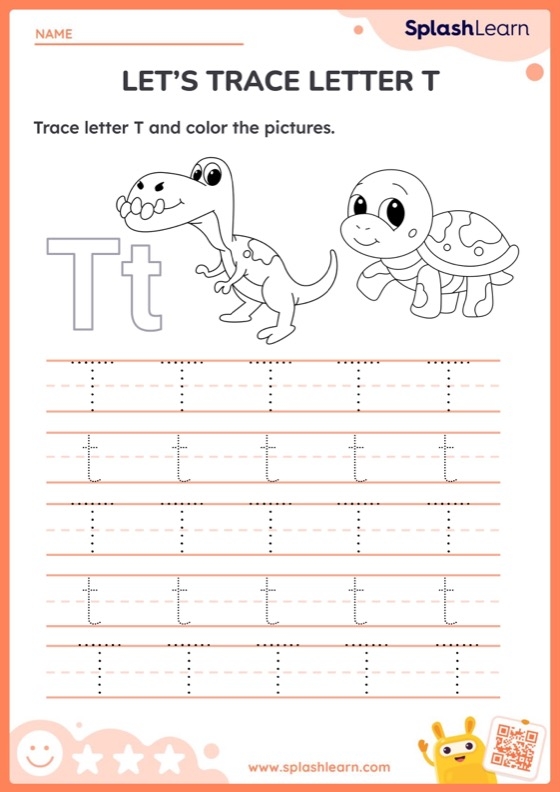
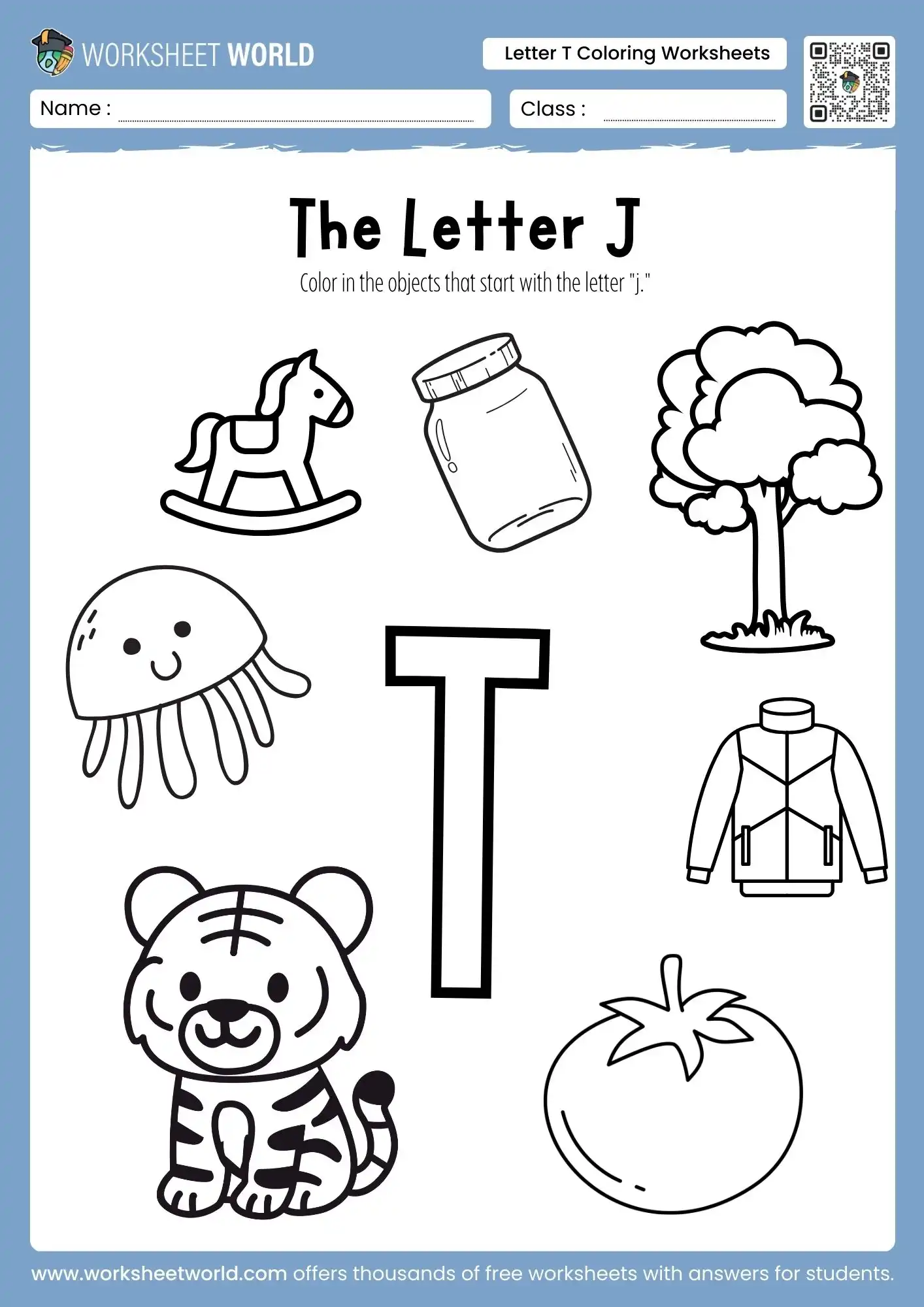
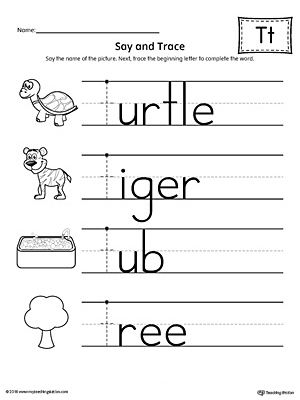
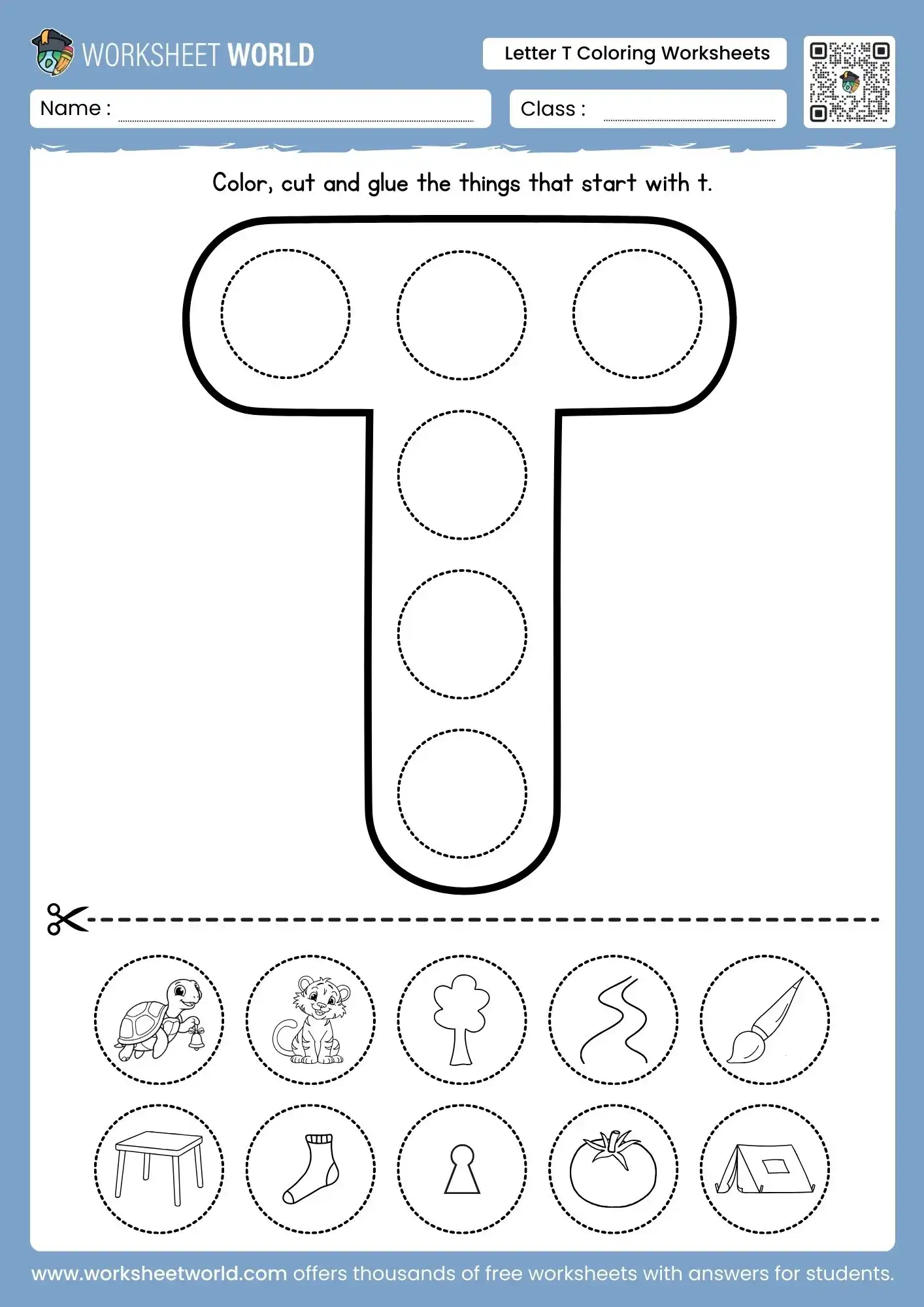
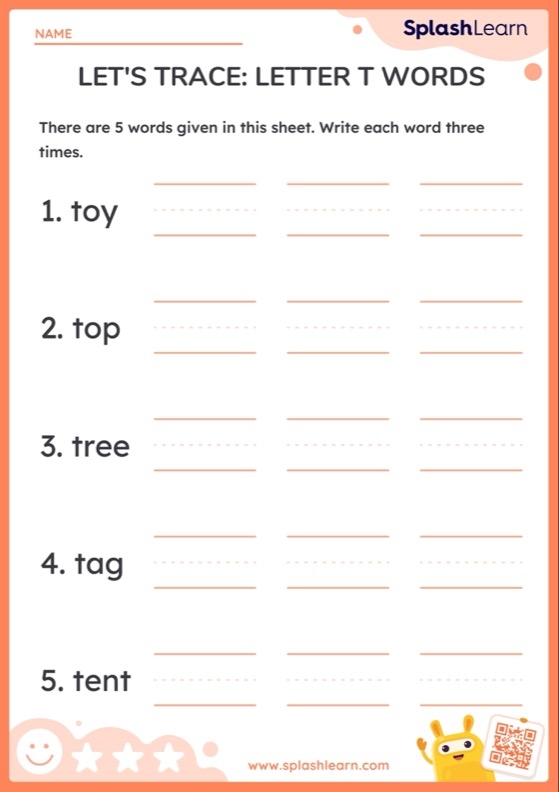
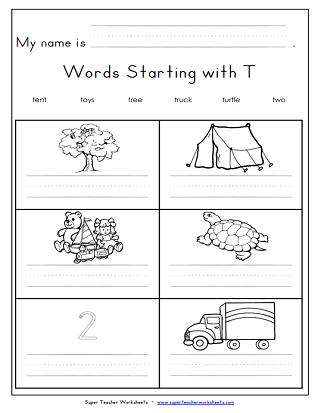
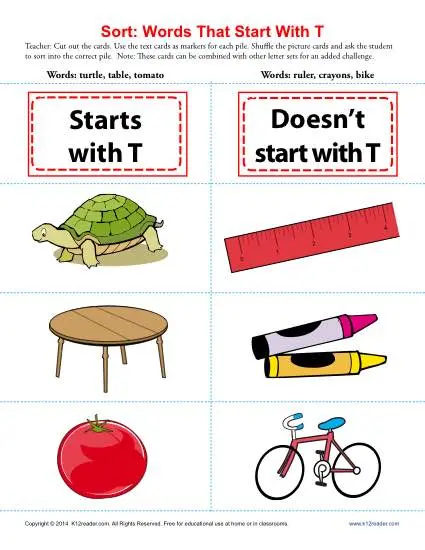
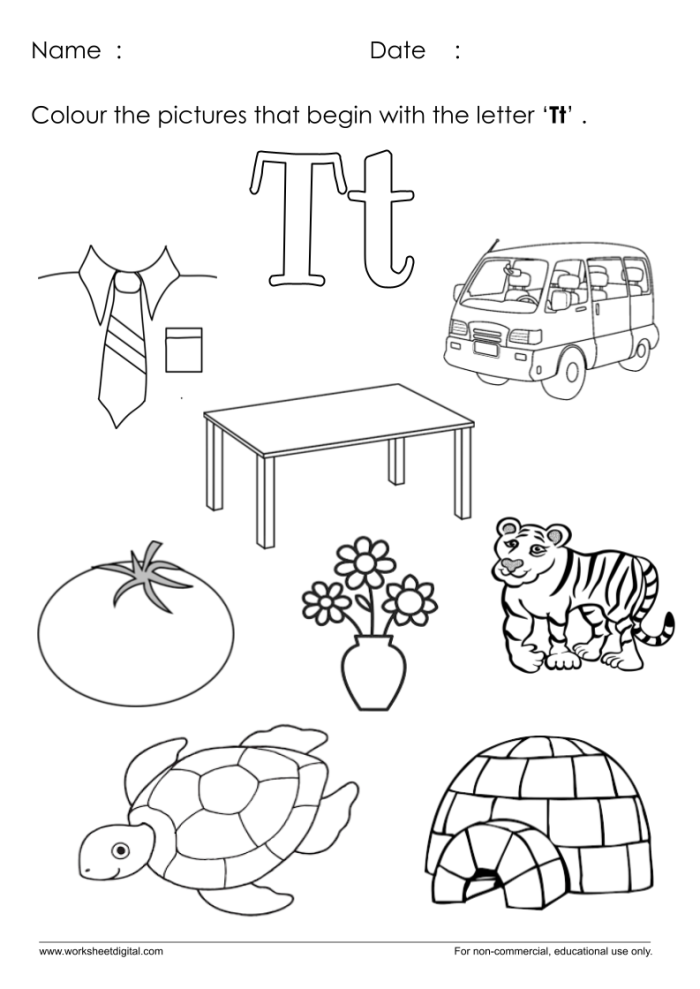
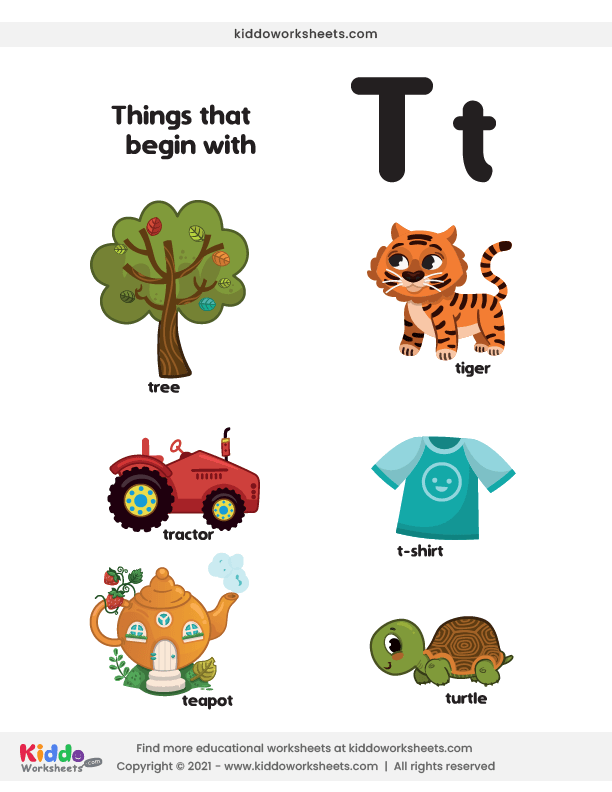
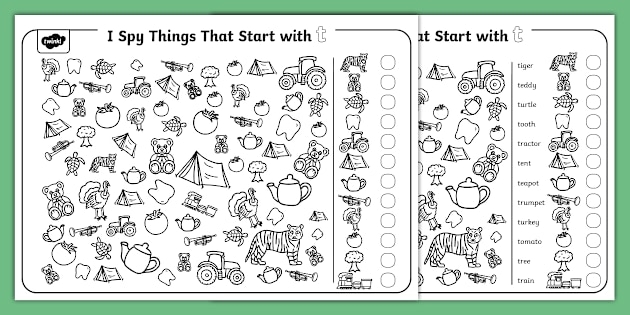
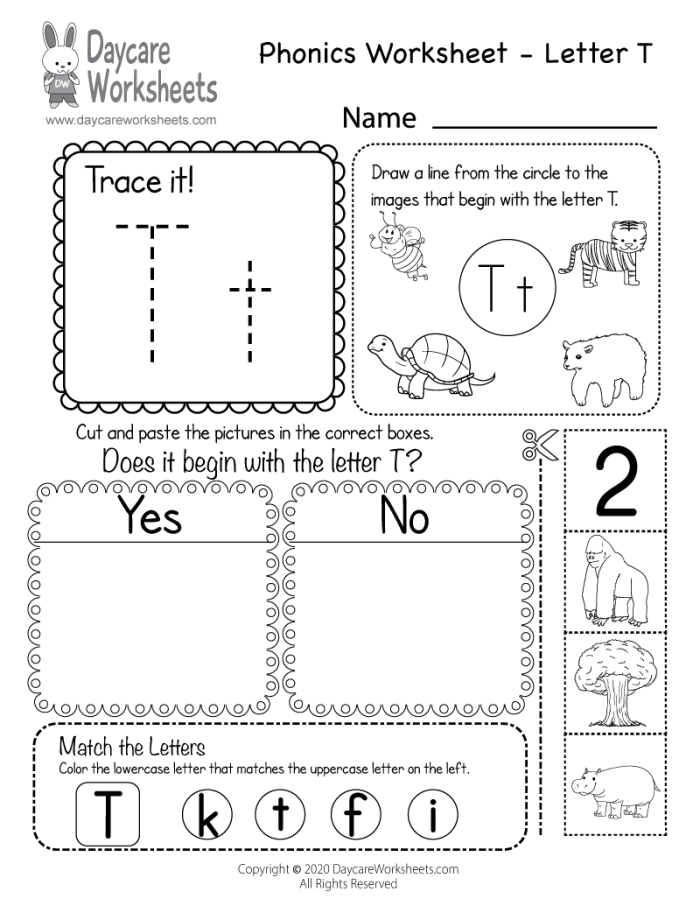
Phonics practice at the Pre-K level should feel playful rather than rigid. Worksheets focused on things that start with T give children repeated exposure to the letter in context. As they trace the letter, say the sound aloud, and identify pictures of tigers, trucks, and turtles, they’re building neural pathways that support both reading and spelling. Spelling, after all, is just phonics in reverse: your child hears a sound and must write the letter that makes it.
You can extend T-focused learning beyond worksheets too. Point out T words during daily activities. Notice them on signs, in books, and on food packages. This real-world reinforcement helps your child see that phonics isn’t just a worksheet exercise but a tool for understanding the world around them.
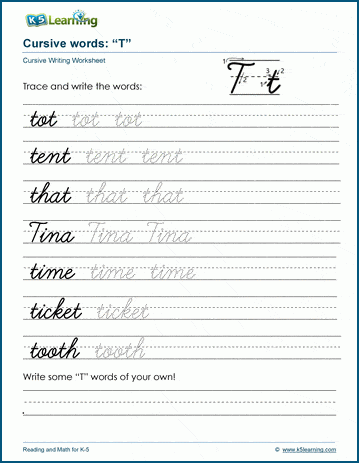
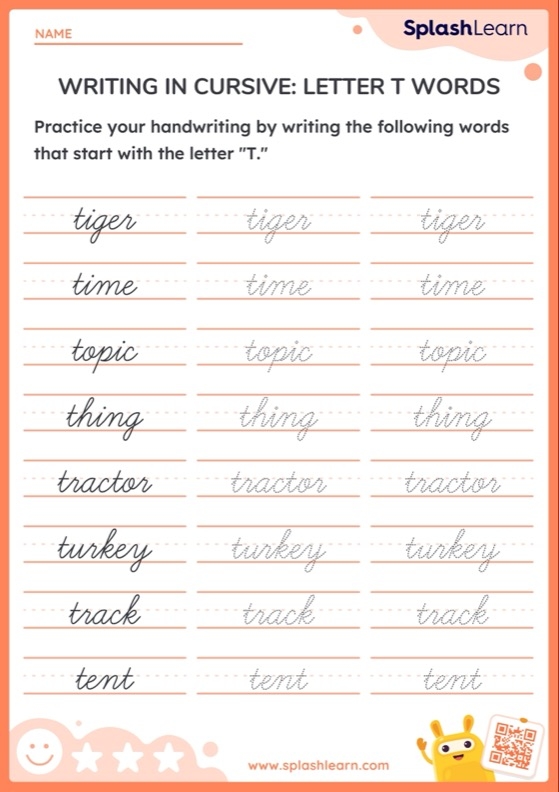
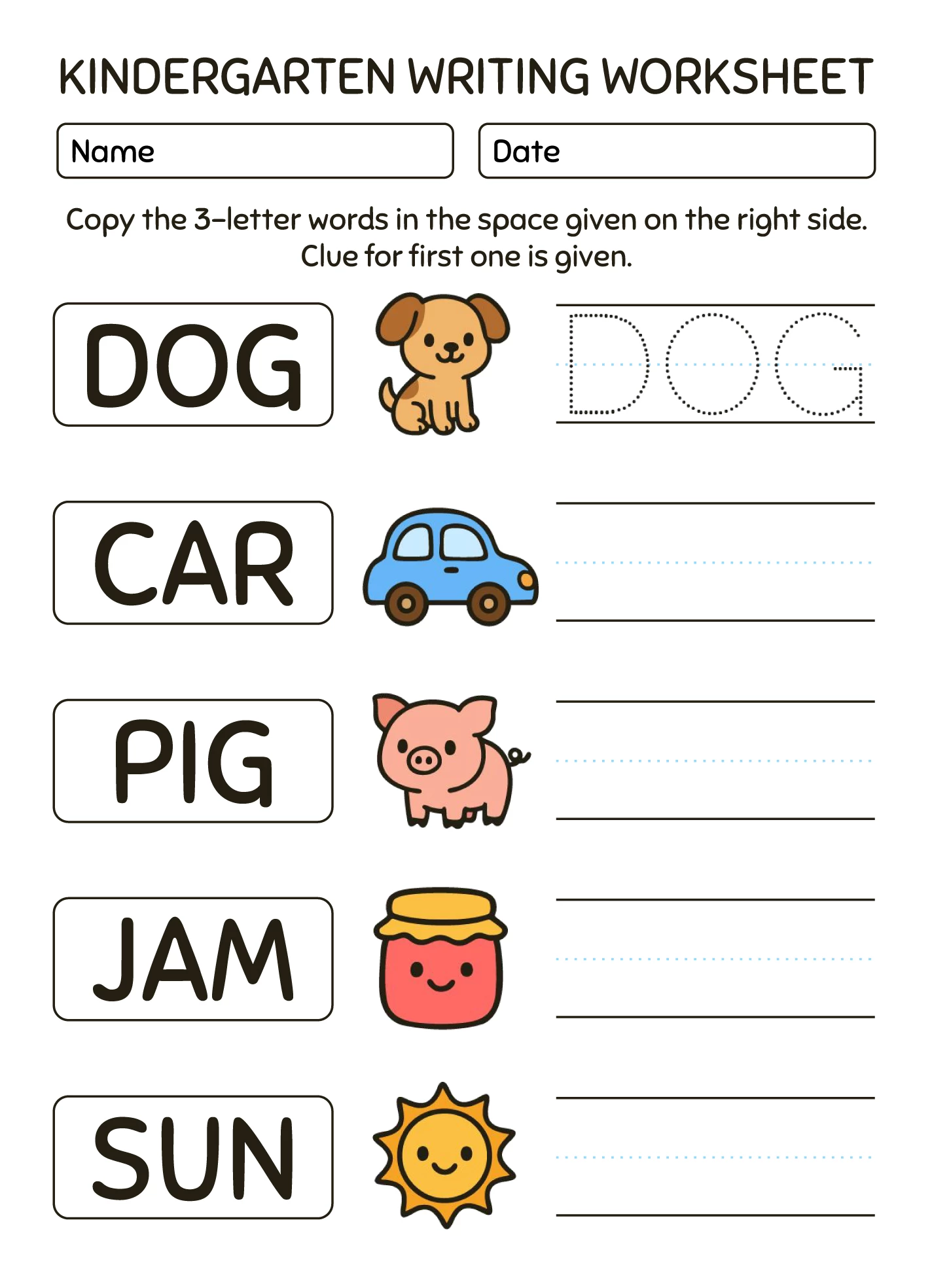
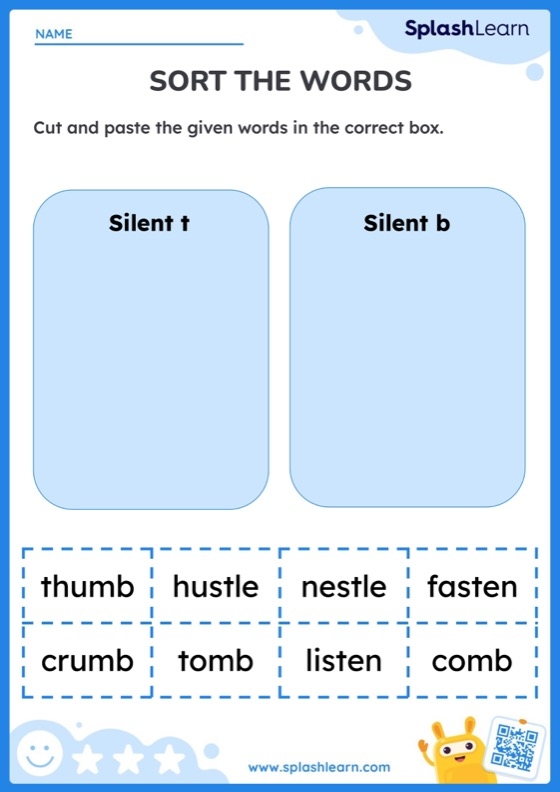
Pairing phonics work with other Pre-K skills strengthens learning across multiple areas. Combining letter sounds with number recognition or pronoun practice creates a more complete foundation. You might also explore writing activities that incorporate T words, helping your child connect sounds to written expression early on.
Practice with These Worksheets