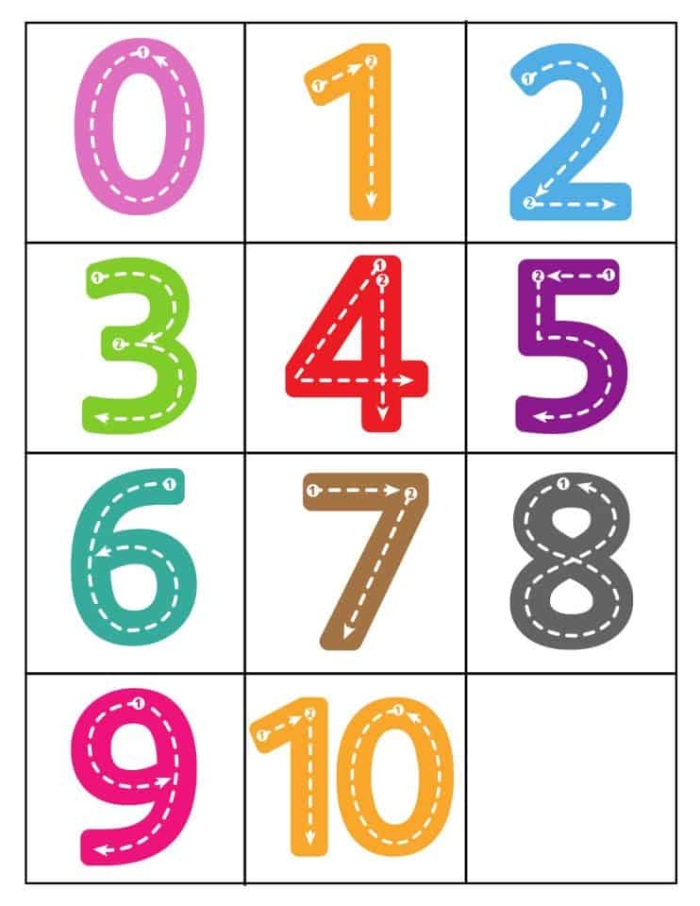
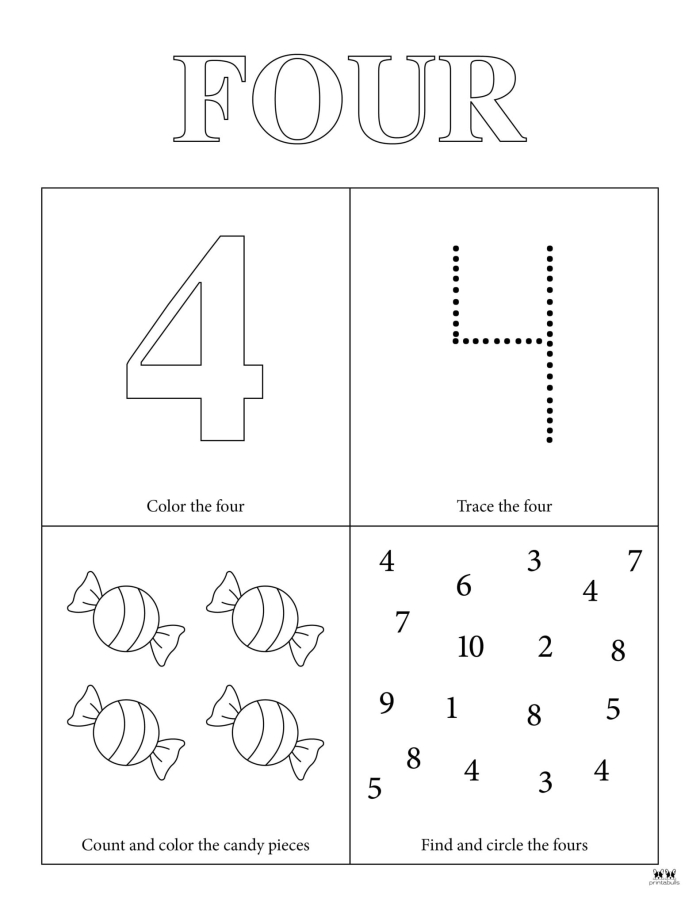
When your Pre-K student first encounters the number 4, it marks an important moment in their early math journey. This is where counting transitions from abstract finger-counting into genuine number recognition, and a well-designed worksheet can make that leap feel natural and fun.
The number 4 holds special significance in early math instruction because it sits at a sweet spot of complexity. Young learners have already mastered one, two, and three through repetition and play, but four requires them to visualize a slightly larger quantity and understand that it represents something specific. A focused worksheet helps cement this understanding by combining visual elements with hands-on practice.
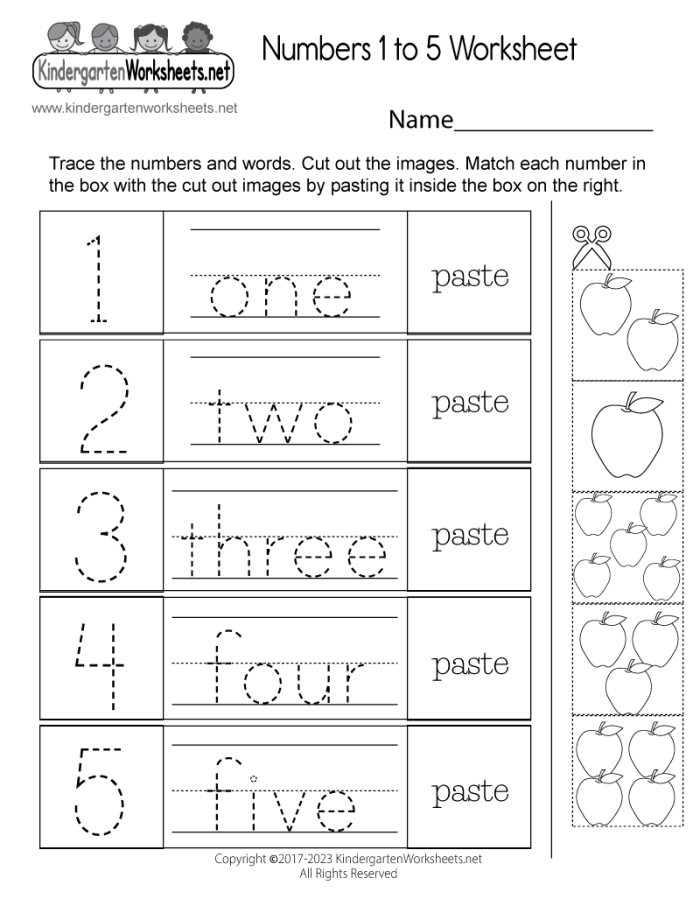
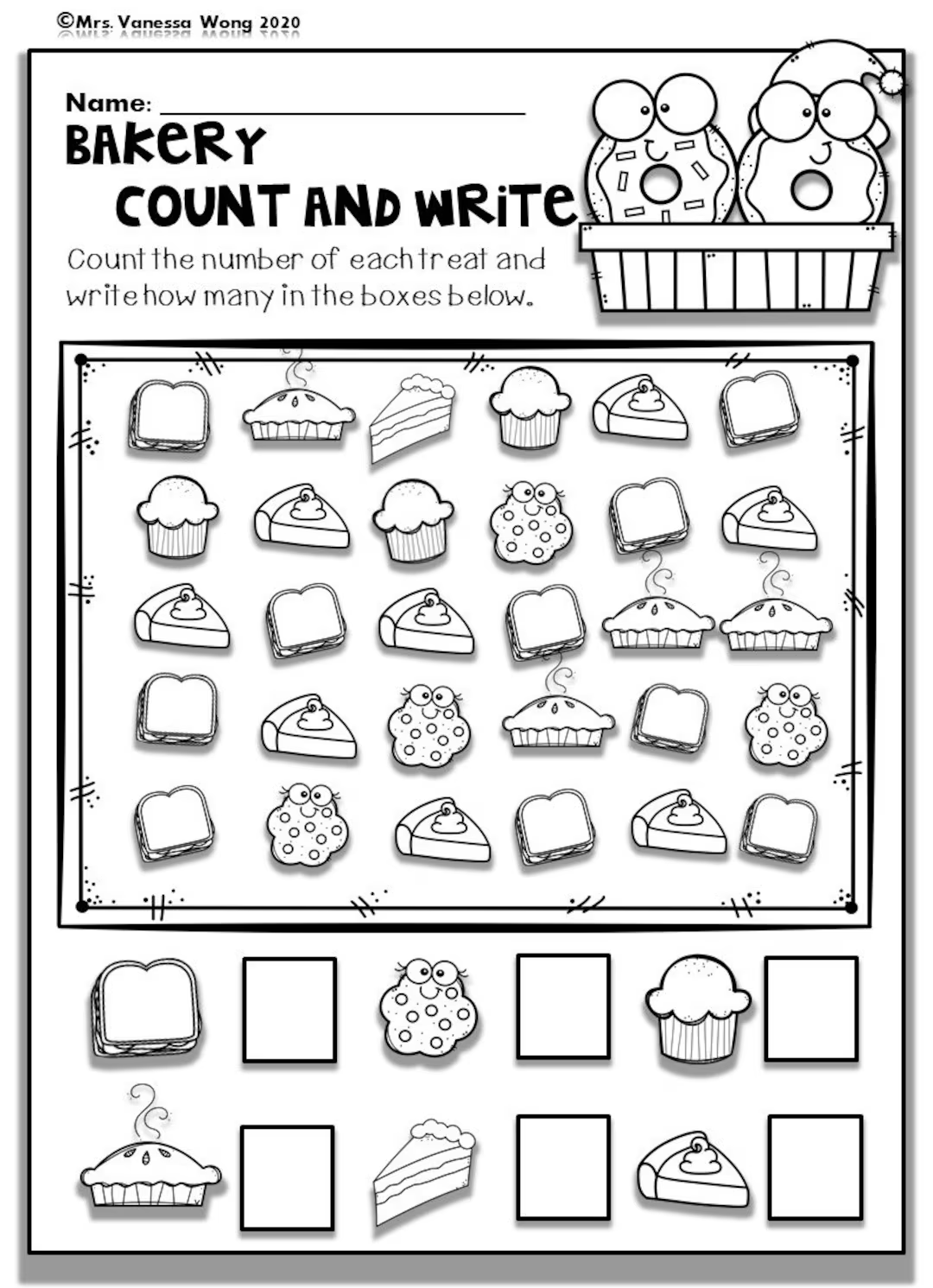
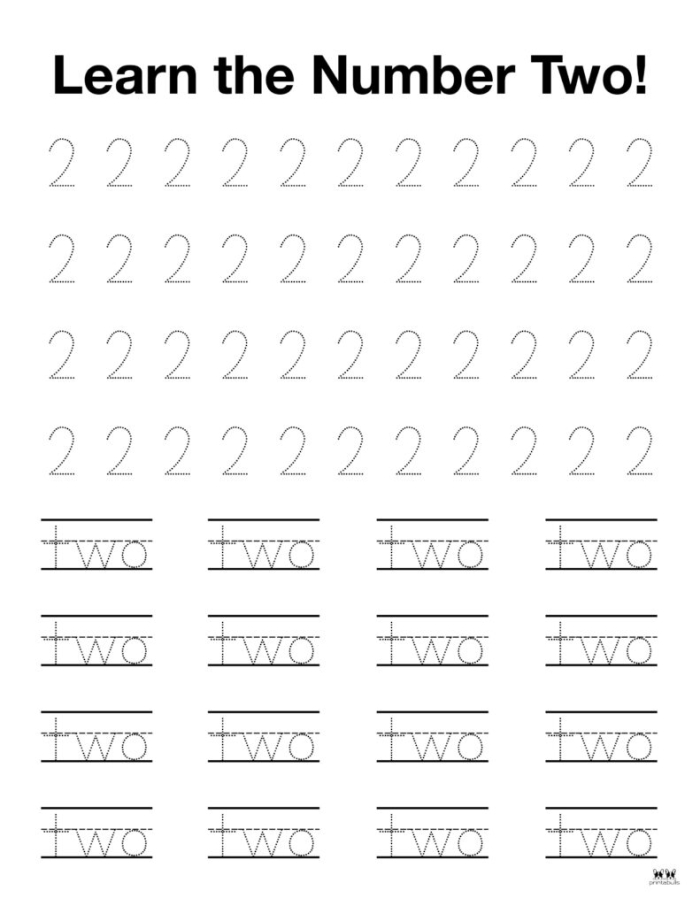
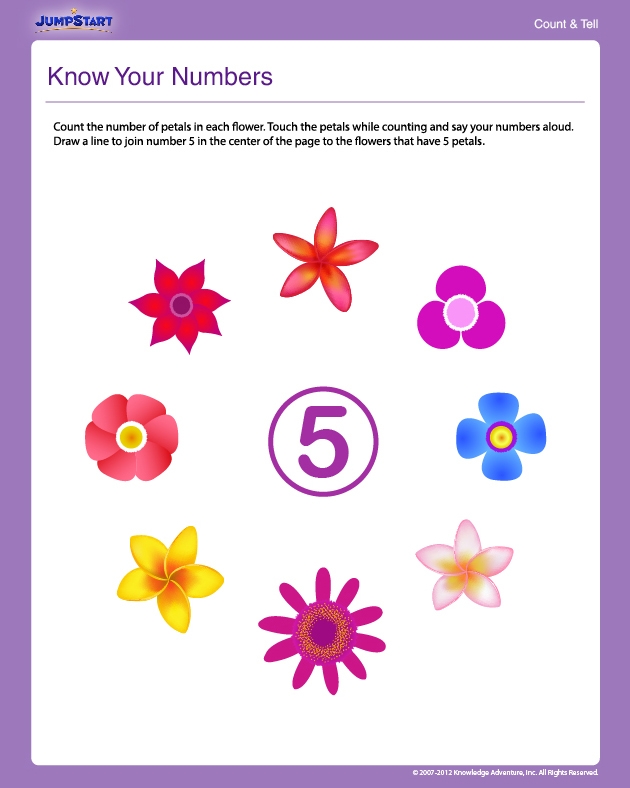
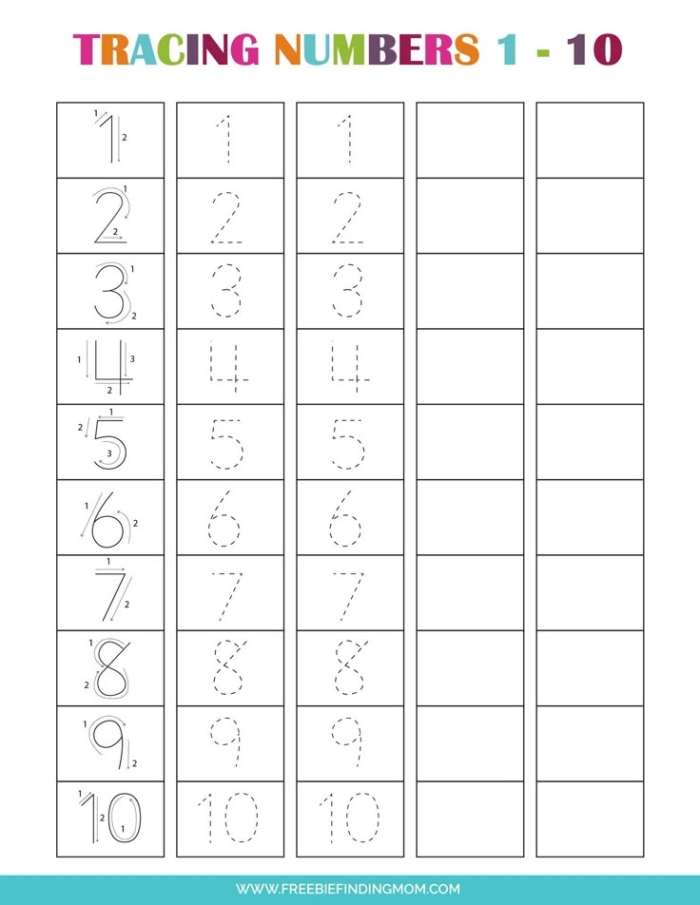
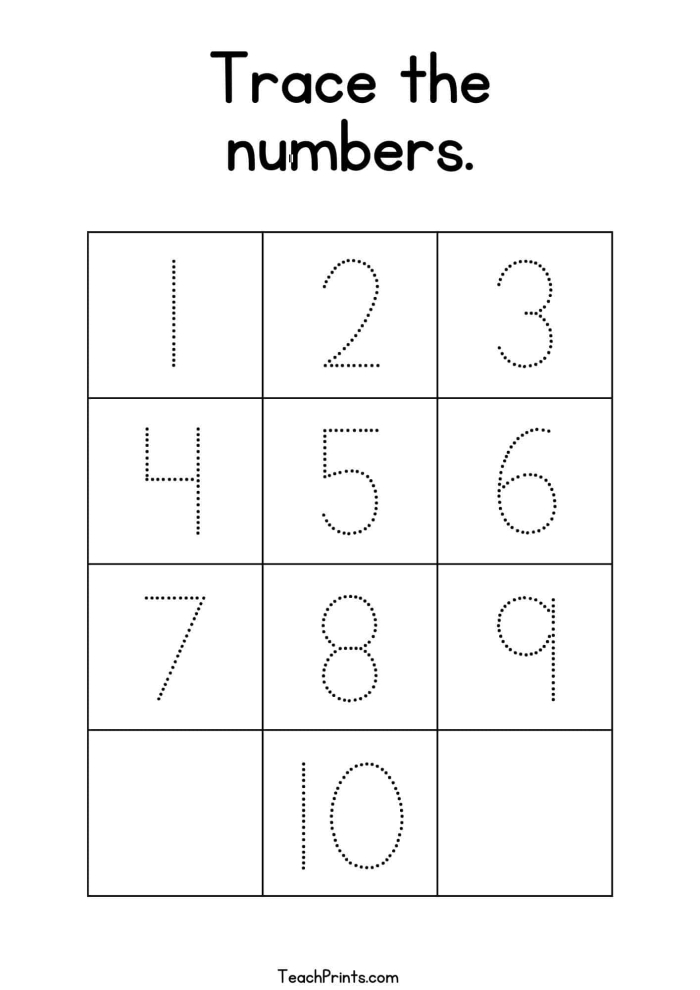
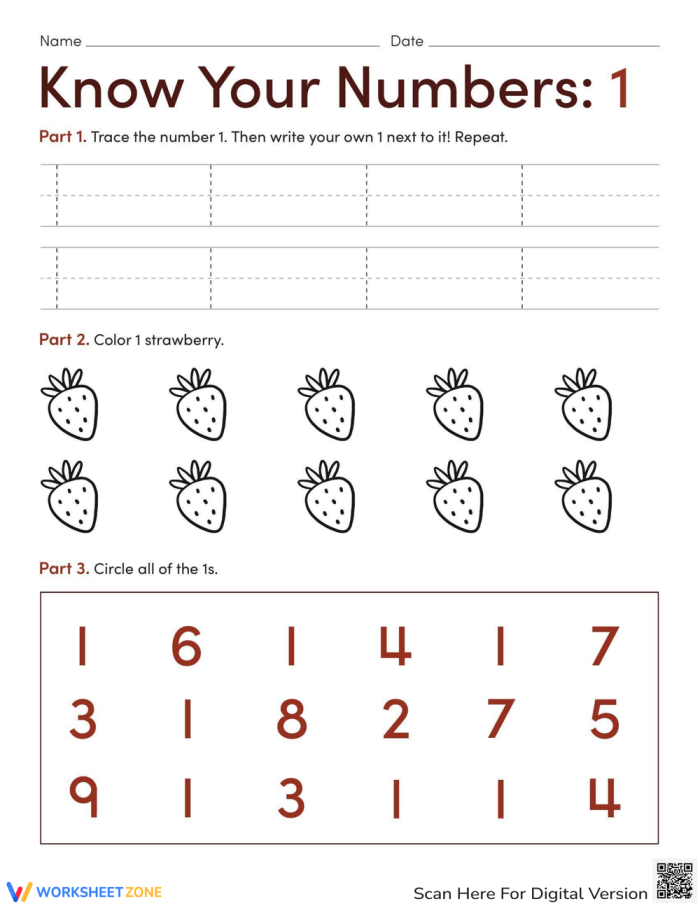
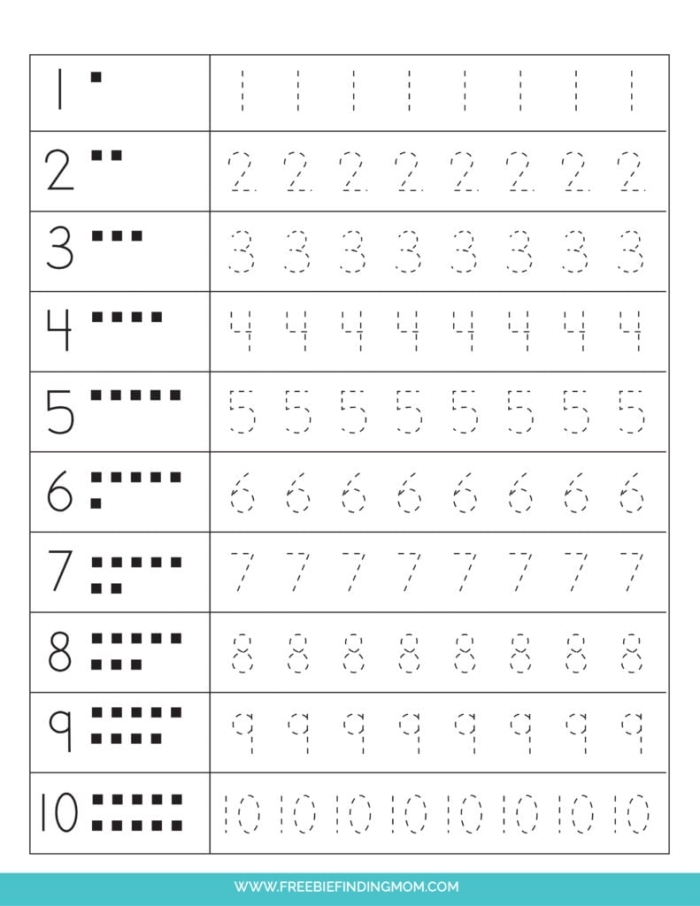
Effective Pre-K worksheets about the number 4 typically include several learning approaches working together. You’ll find counting exercises where children match four objects to the numeral, tracing activities that build fine motor skills while reinforcing the shape of the number, and often simple geometry elements like identifying four-sided shapes. This multi-sensory approach keeps young learners engaged while building confidence.
The geometry connection appears naturally in these worksheets. Pre-K students learning about the number 4 often encounter squares and rectangles, which have four sides and four corners. This reinforces both number recognition and spatial awareness simultaneously. When children trace the number 4 and then identify four corners on a square, they’re building neural connections between abstract numbers and concrete shapes they see around them.
Beyond the worksheet itself, these materials work best when paired with real-world practice. Counting four toys, four crackers at snack time, or four steps across the room gives the worksheet context and meaning. Parents and teachers who use printable worksheets as jumping-off points rather than standalone activities see stronger retention and more enthusiastic learners.
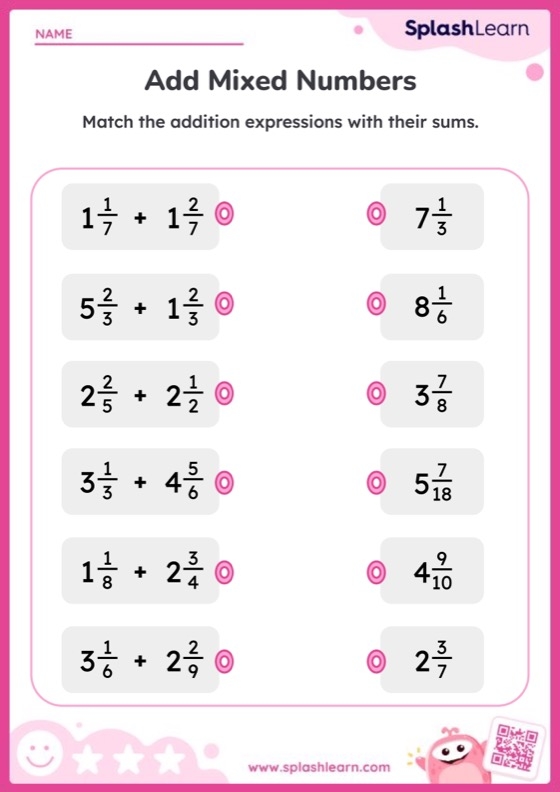
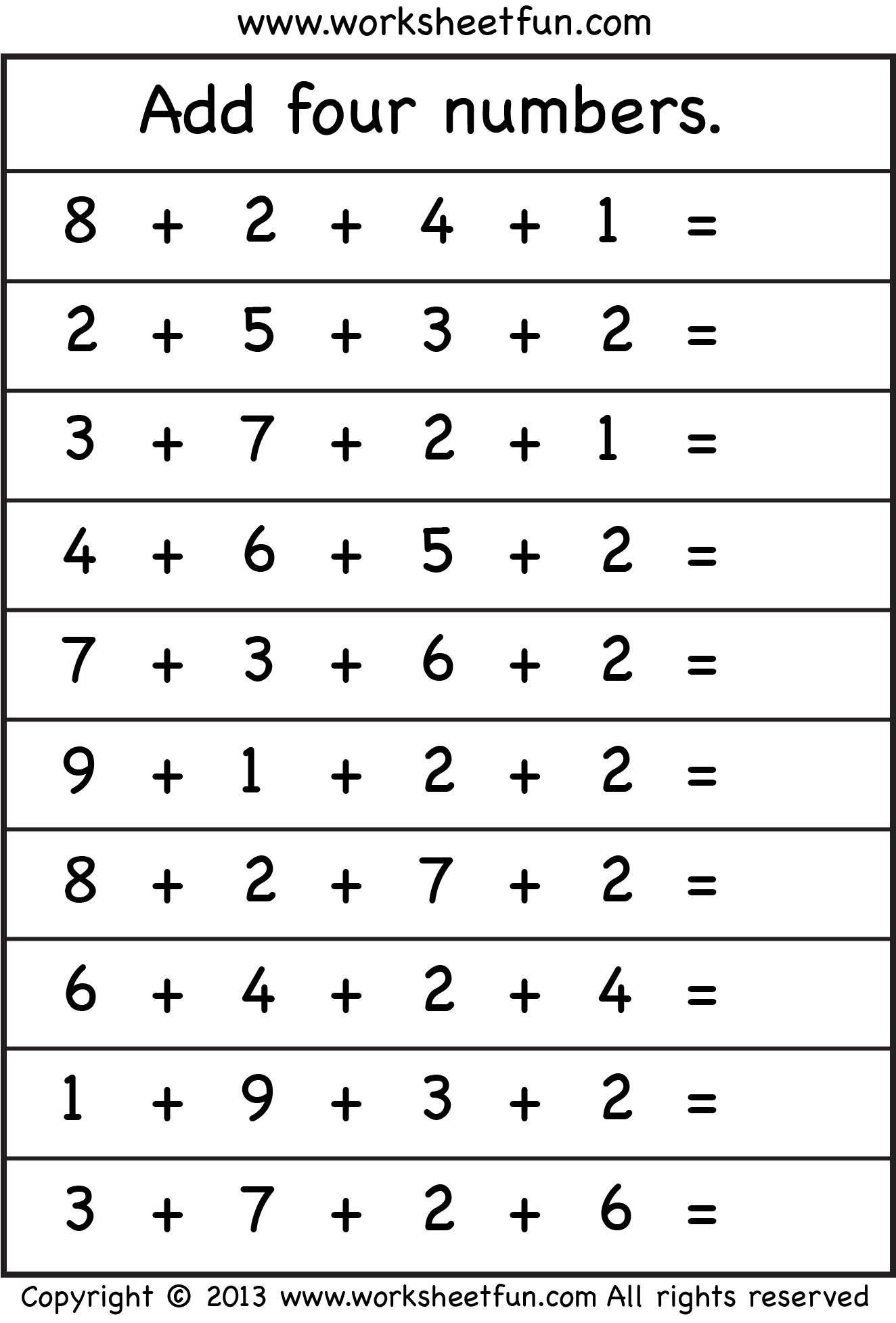
As your child progresses, they’ll eventually tackle more advanced concepts like finding the value of expressions and working with fractions, but mastering foundational number recognition now builds the confidence they’ll need later.
Hands-On Worksheet Activities