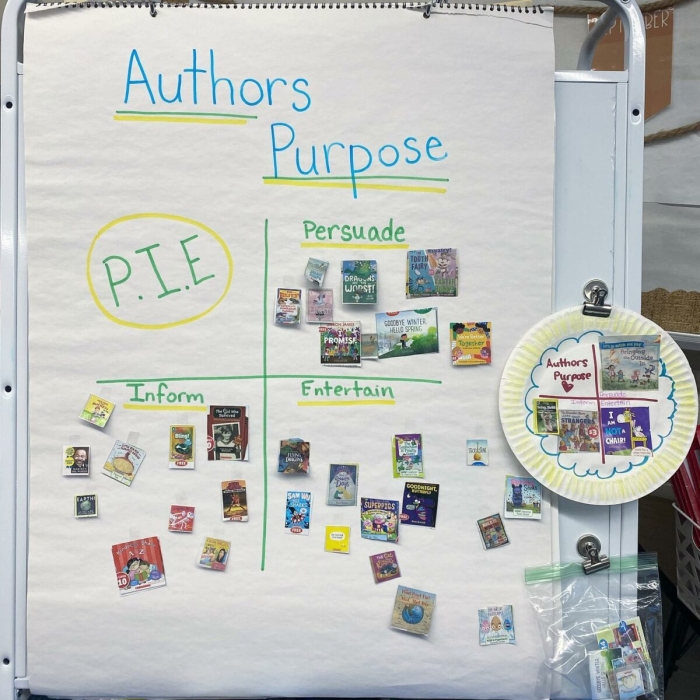
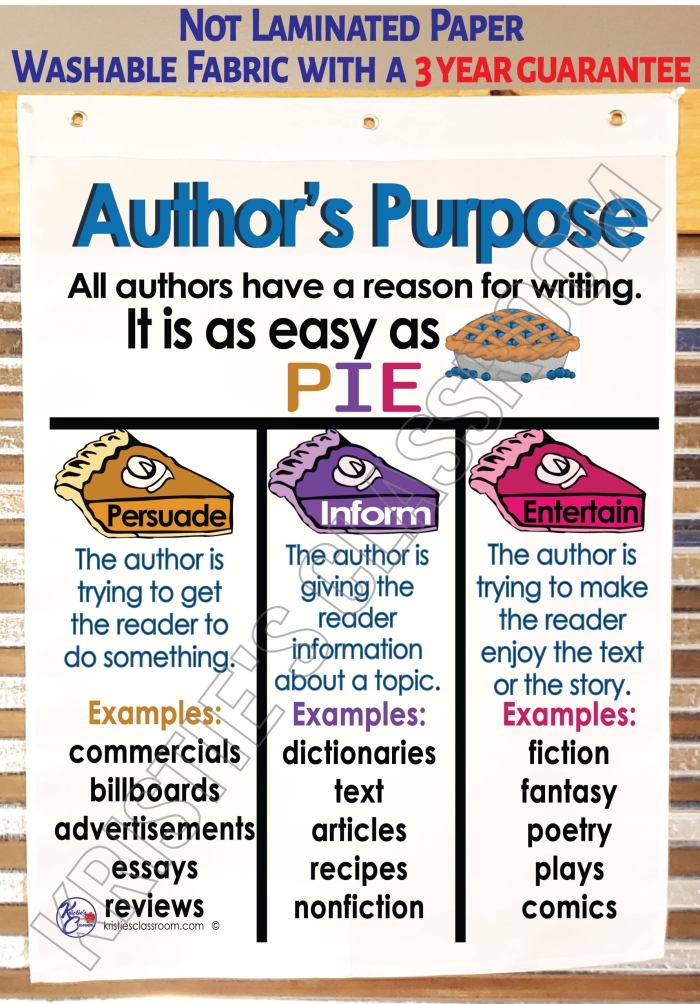
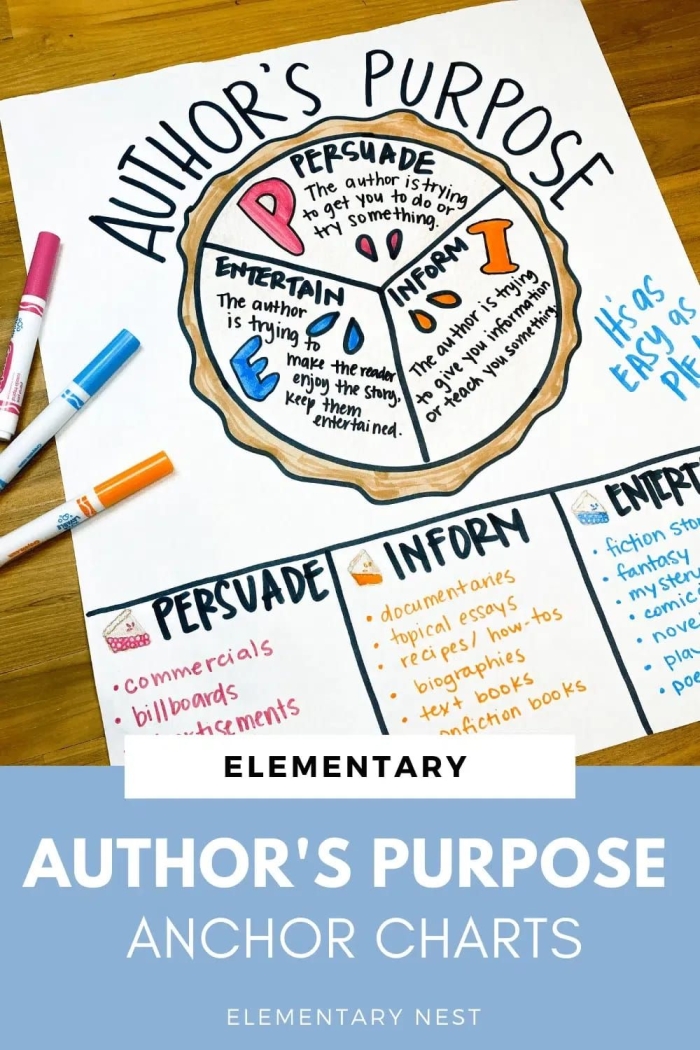
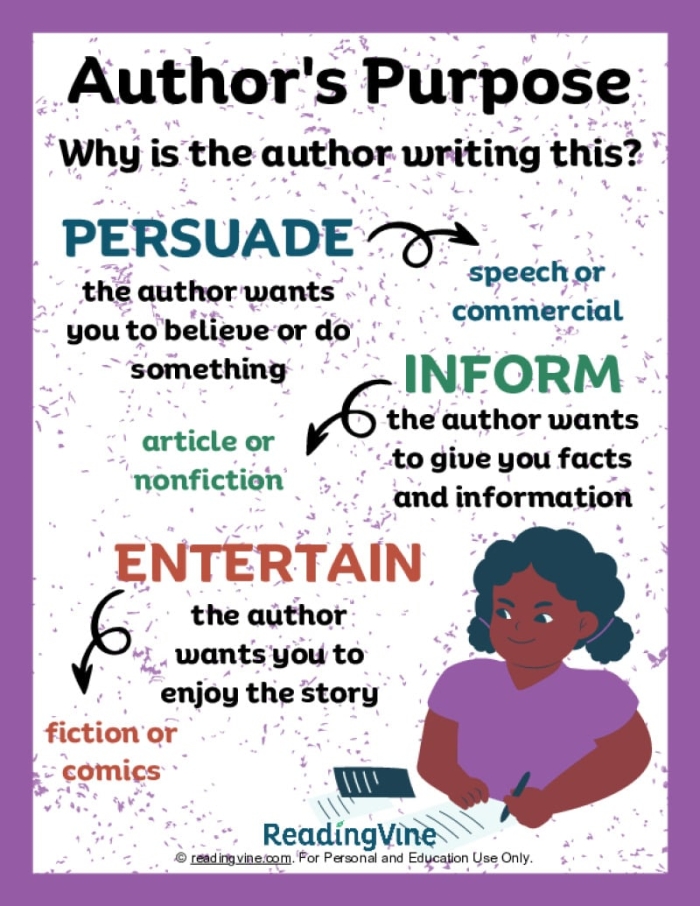
Reading an adaptation of Hans Christian Andersen’s classic tale, “The Princess and the Pea,” offers second grade students a unique opportunity to explore the concept of author’s purpose within a phonics-focused lesson. This story, known widely for its simple plot and memorable details, becomes a perfect tool for young learners to practice identifying why an author writes a text—whether to entertain, inform, or persuade.
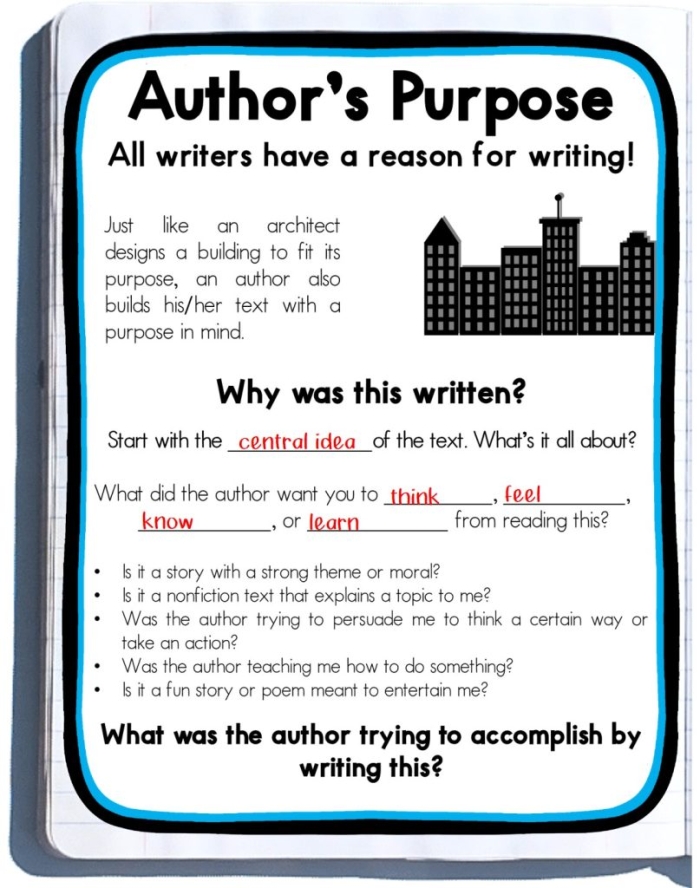
Students first engage with the story by focusing on phonics skills, helping them decode words and understand sentence structure. As they progress through the adapted version, they are encouraged to think beyond the plot and consider what Andersen aimed to achieve with this tale. Was he trying to entertain readers with a whimsical story? Or perhaps to teach a lesson about sensitivity and royalty? This questioning process supports critical thinking while reinforcing reading comprehension.
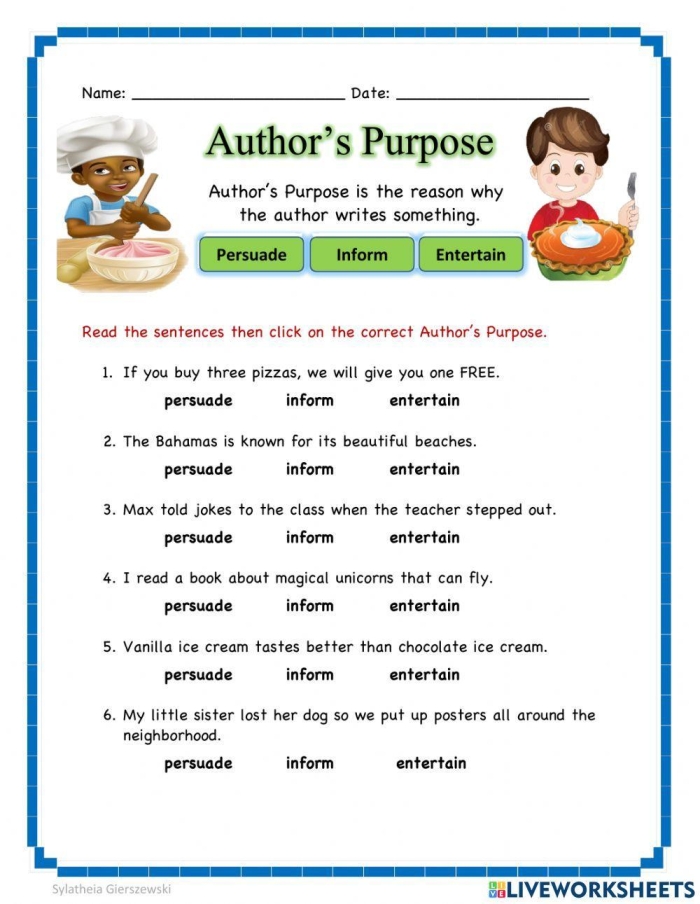
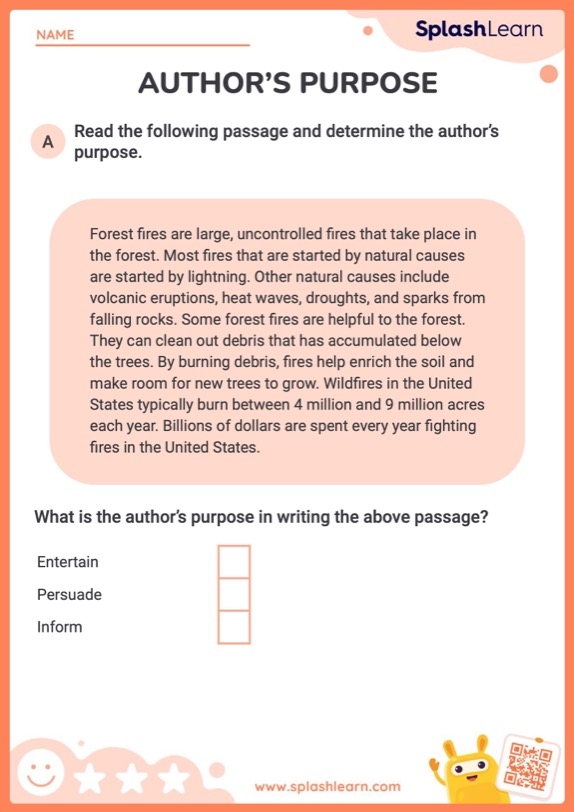
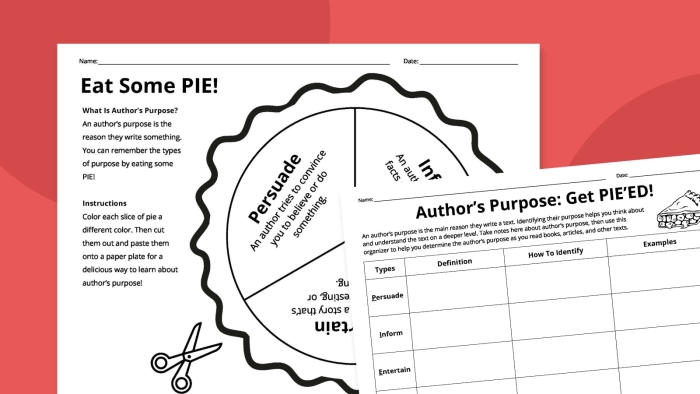
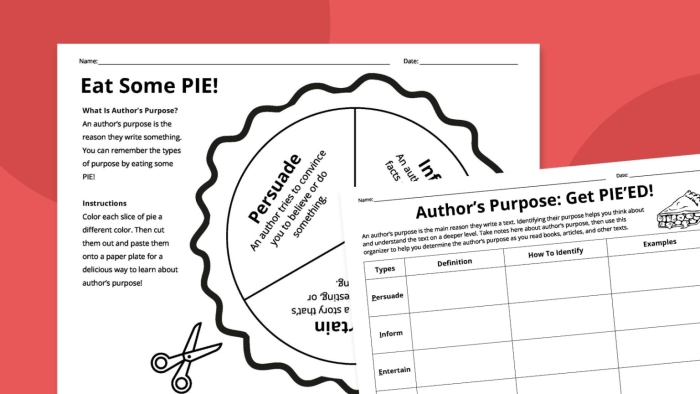
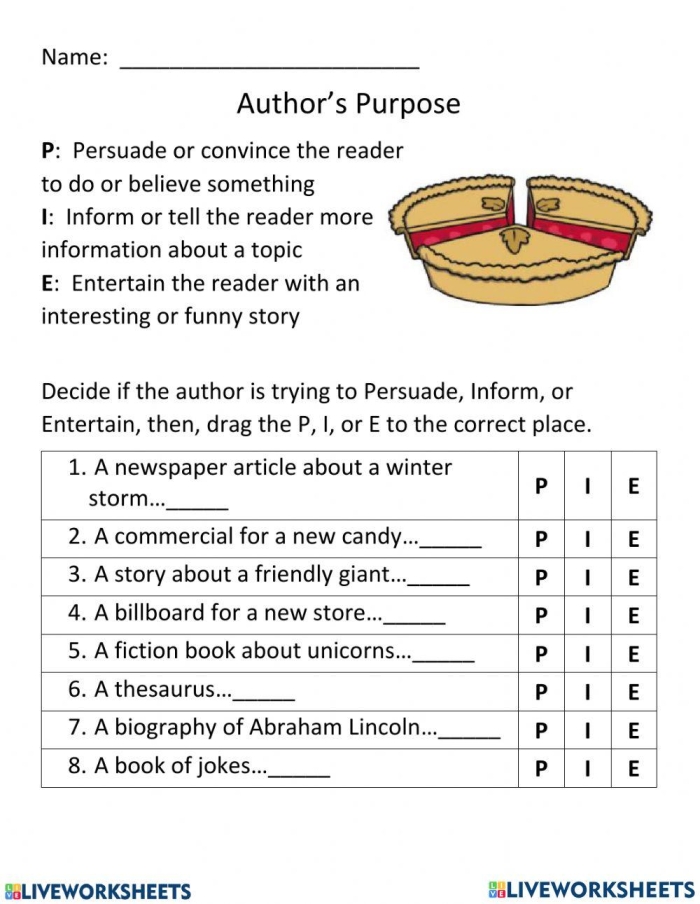
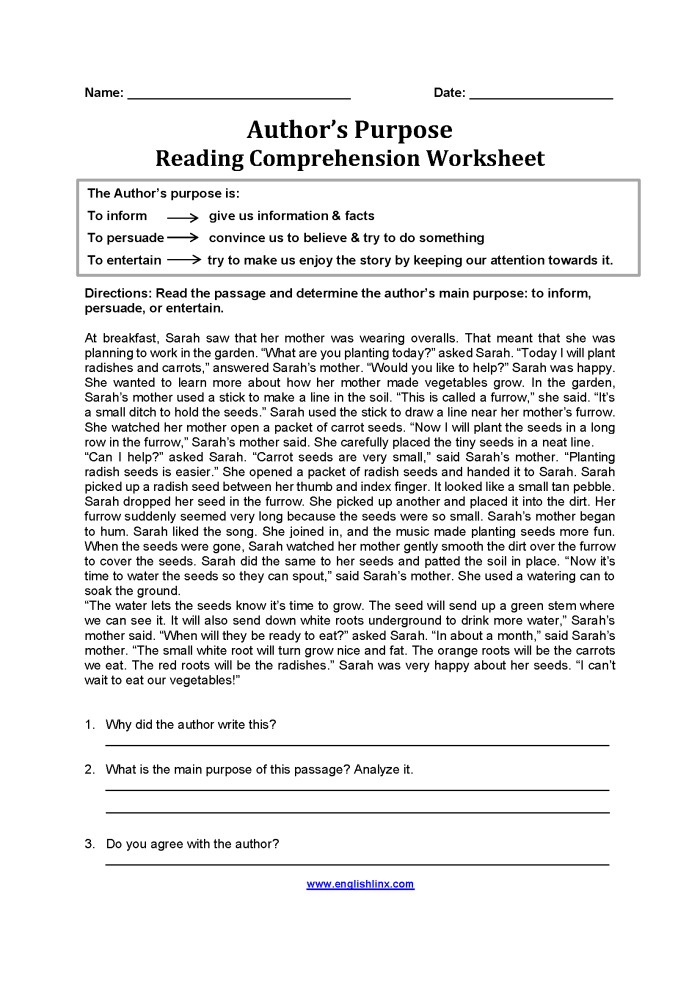
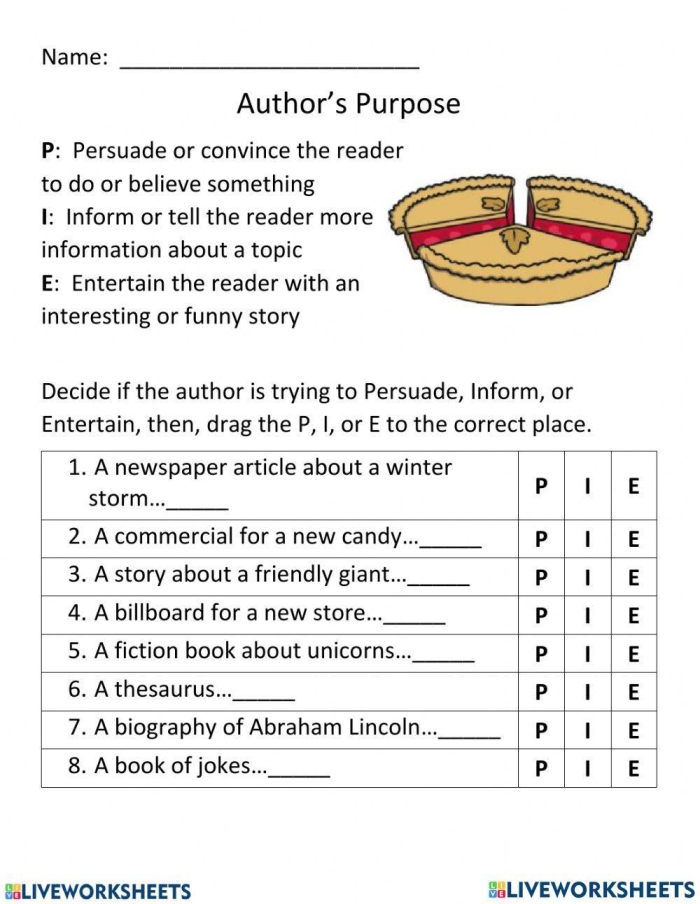
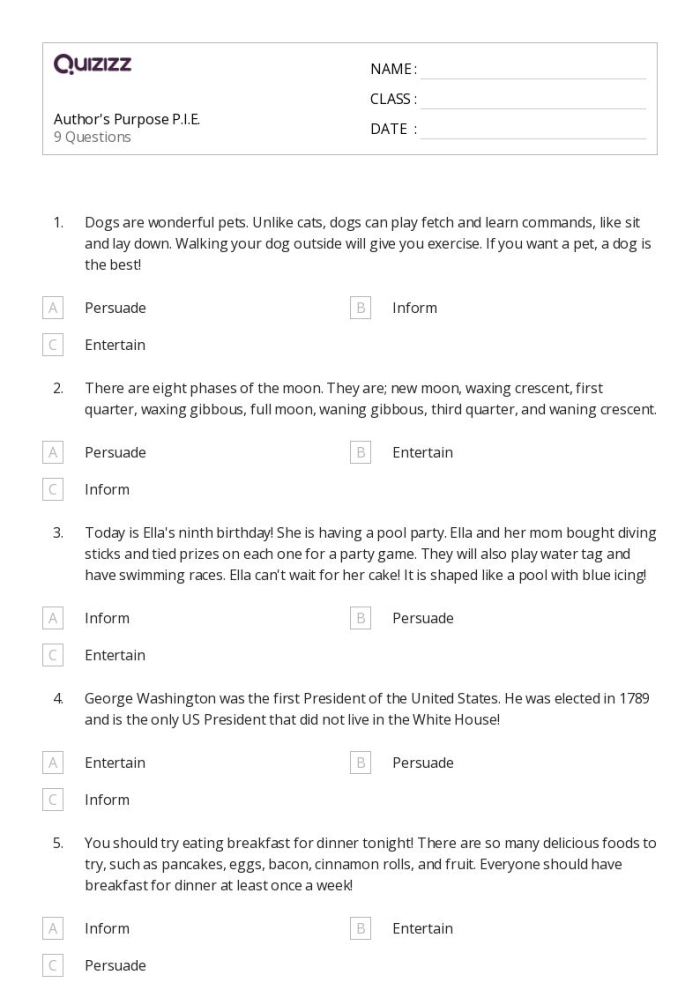
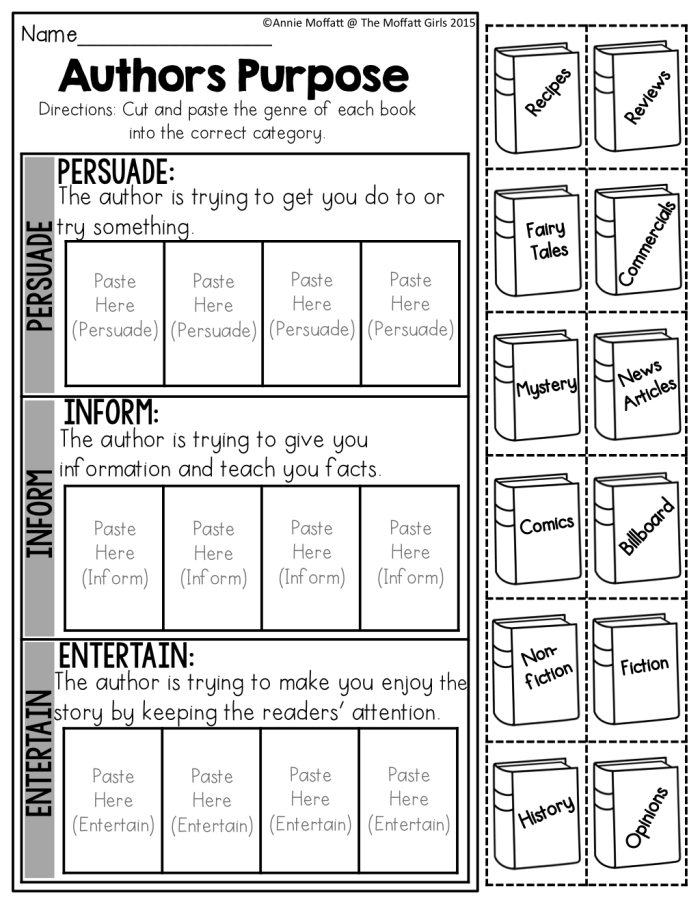
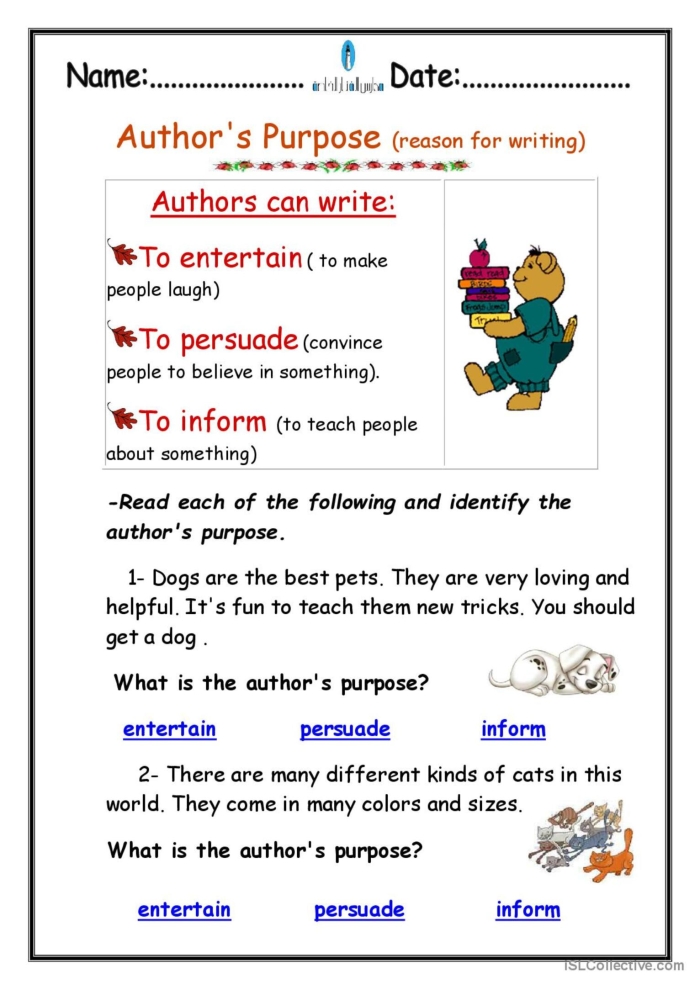
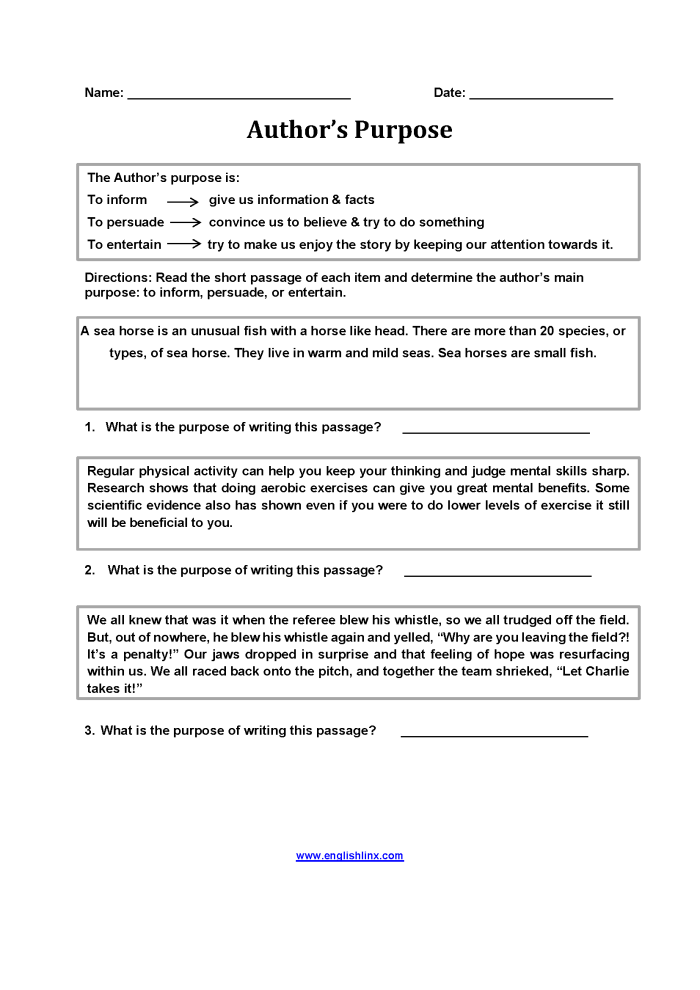
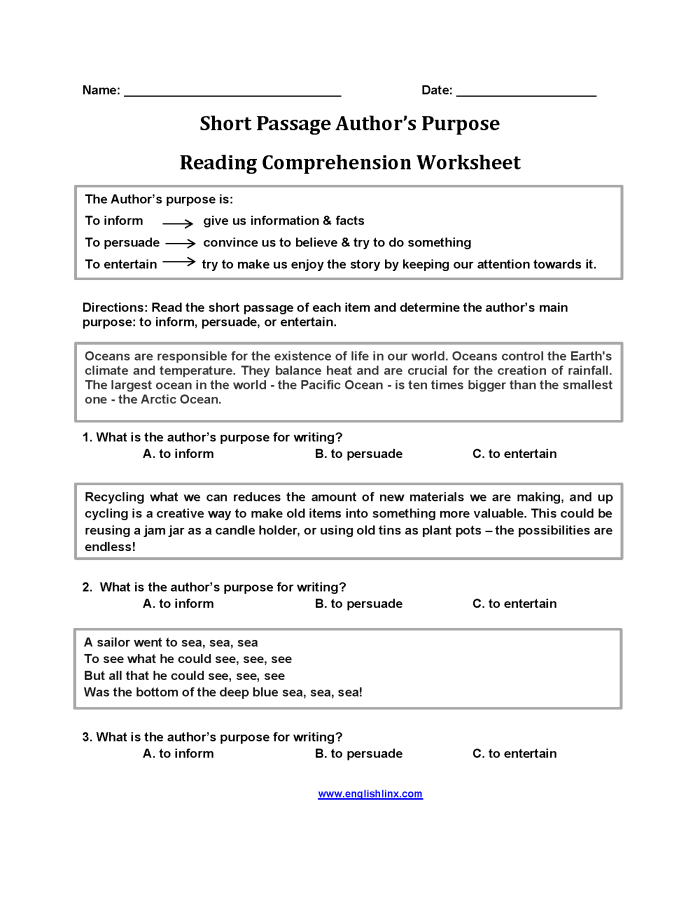
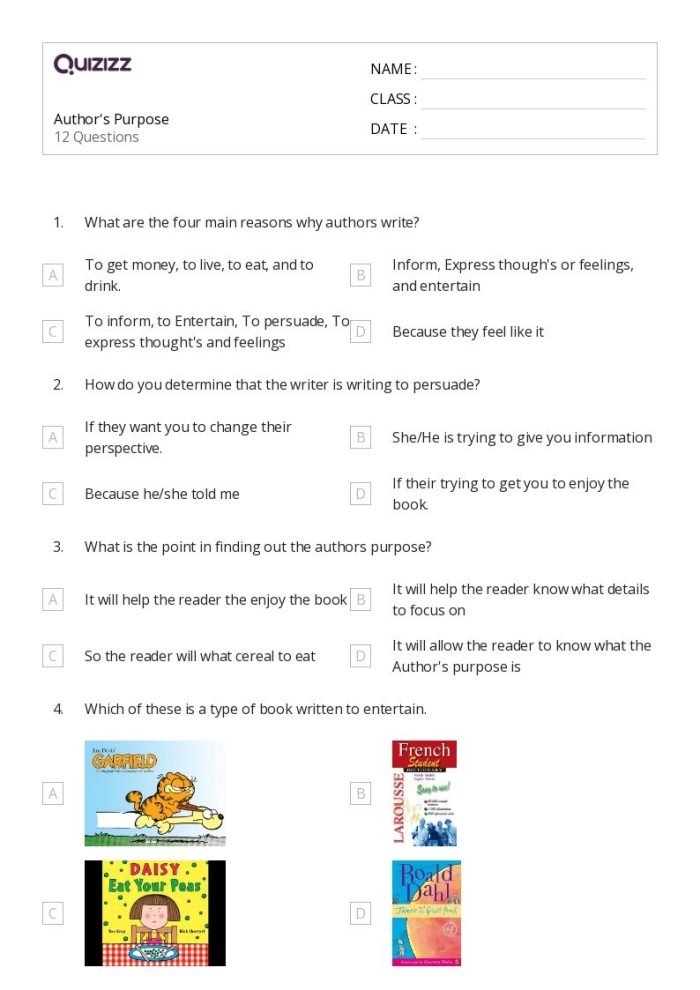
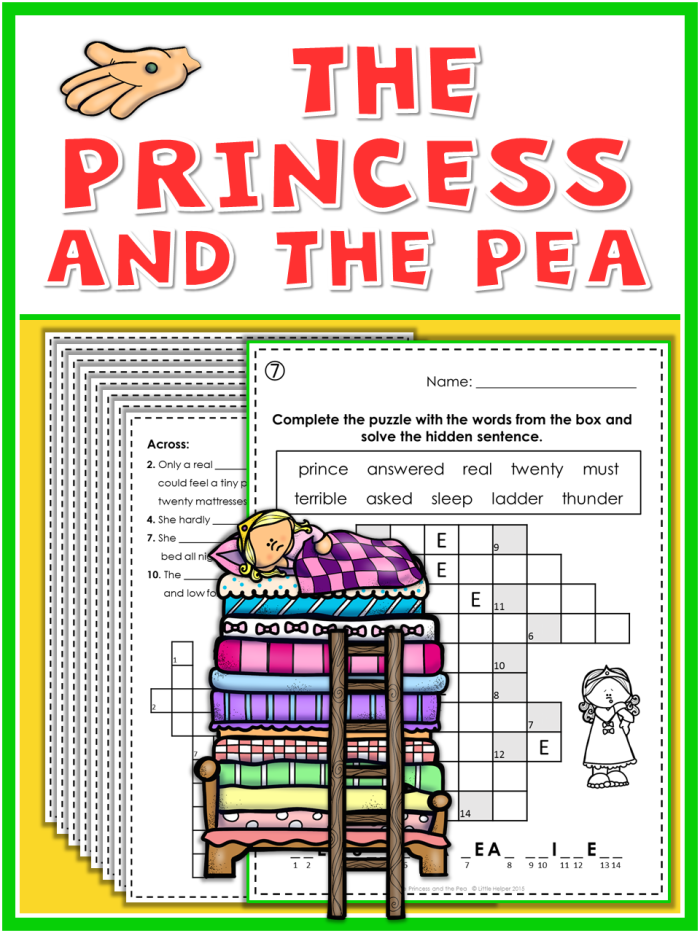
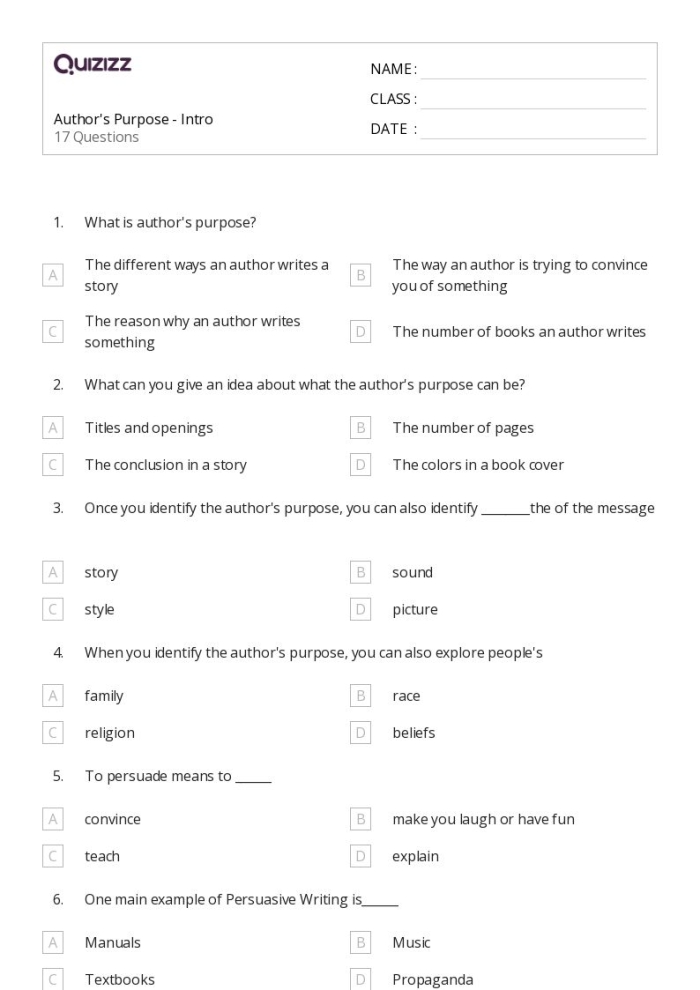
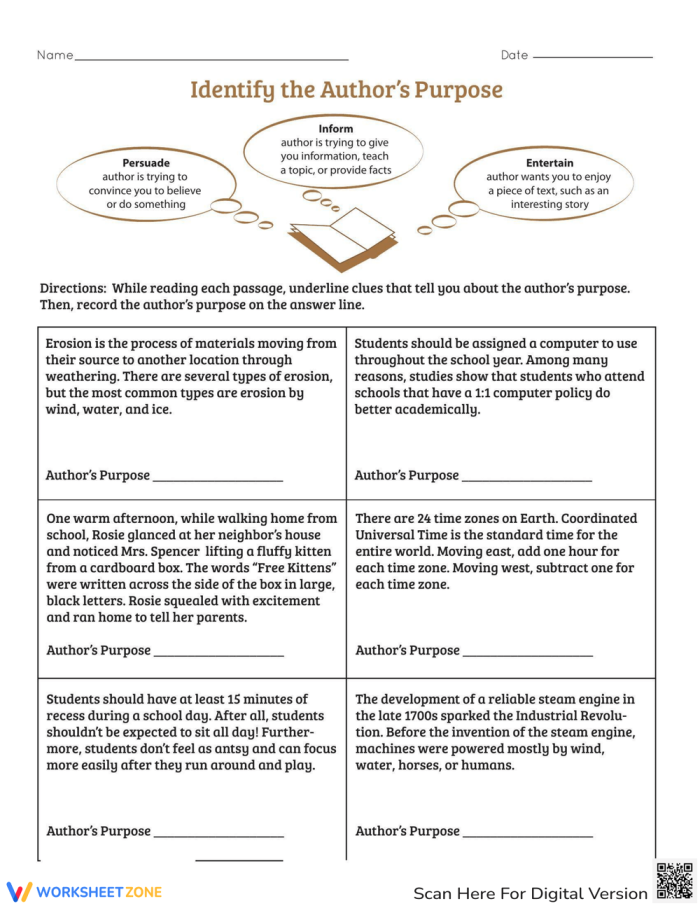
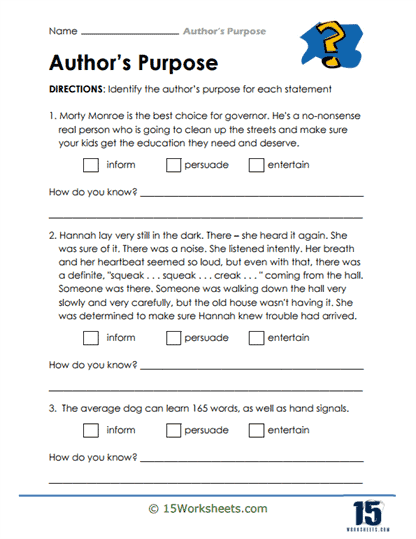
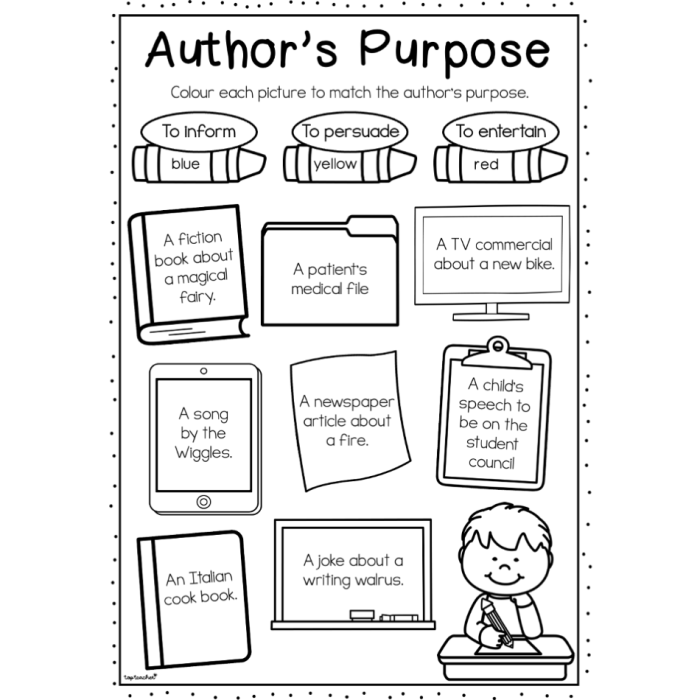
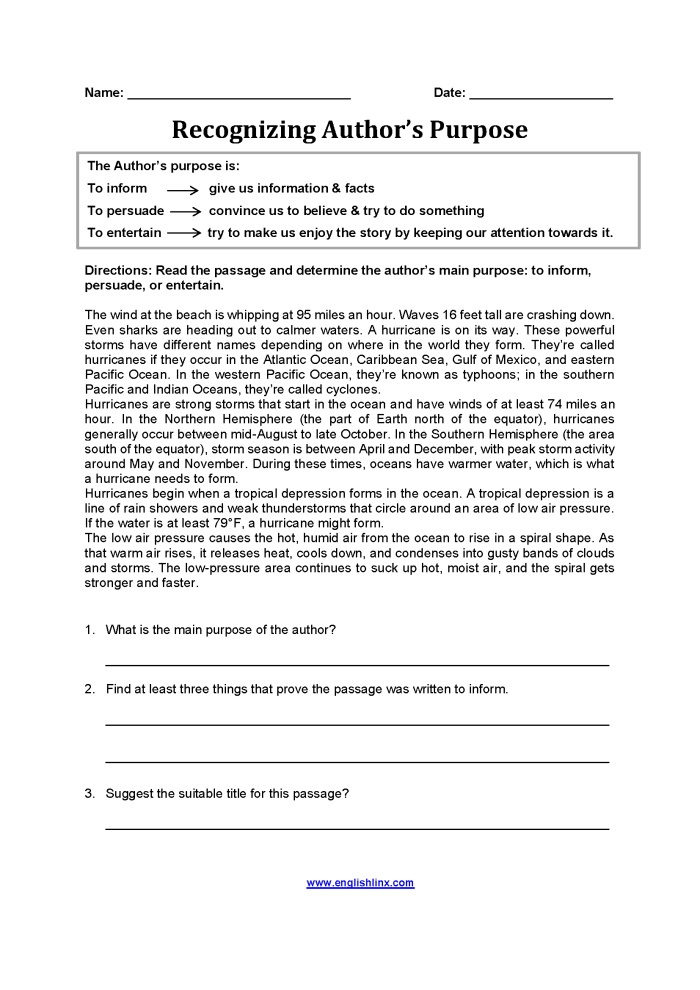
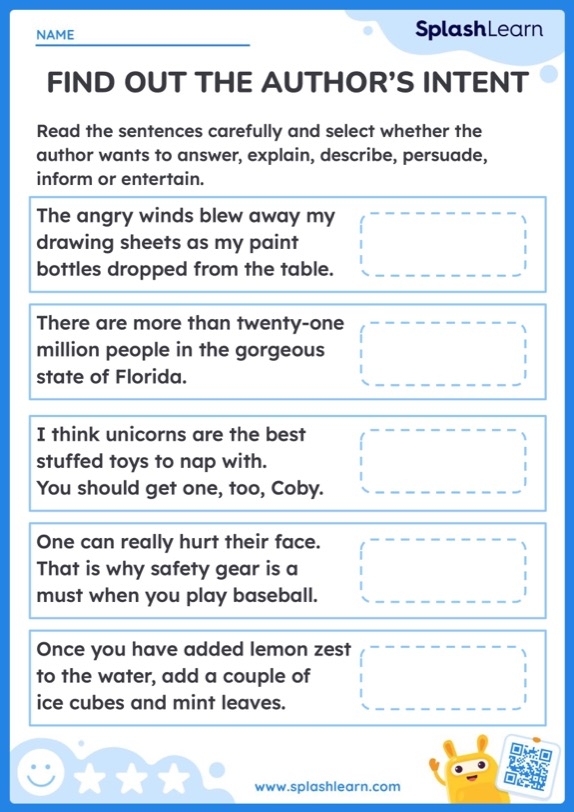
To guide students through this exercise, printable author’s purpose worksheets tailored to “The Princess and the Pea” can be invaluable. These worksheets often include prompts that ask students to cite evidence from the text and explain their reasoning, which strengthens both phonics and analytical skills. For example, a worksheet may highlight key phrases and ask students how these contribute to the overall mood or message of the story. This approach ensures that the learning is interactive and grounded in the text itself.
Incorporating this activity into a second grade phonics curriculum aligns well with broader literacy goals. It encourages students to connect the mechanics of reading—such as recognizing adjectives or punctuation—with higher-level thinking about why the story was written. Related resources like materials focusing on building fluency with punctuation or exploring adjectives can complement this lesson, helping students become more confident readers and thinkers.
By combining reading practice with critical analysis, students not only improve their phonics skills but also develop a deeper appreciation for storytelling techniques. Engaging with “The Princess and the Pea” in this way turns a simple fairy tale into a meaningful classroom experience that fosters curiosity and comprehension.
Boost Skills with These Worksheets