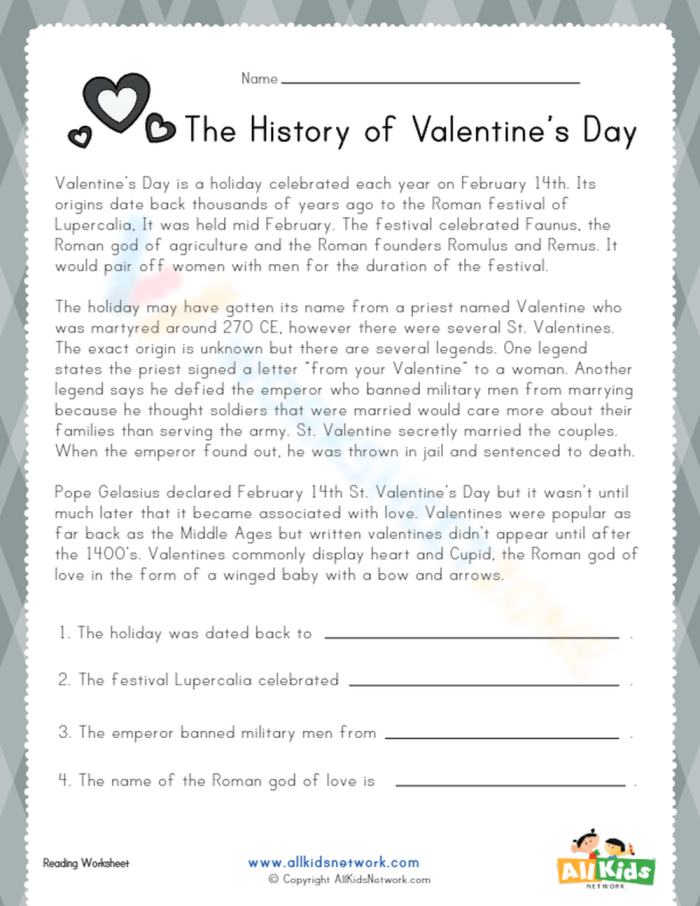
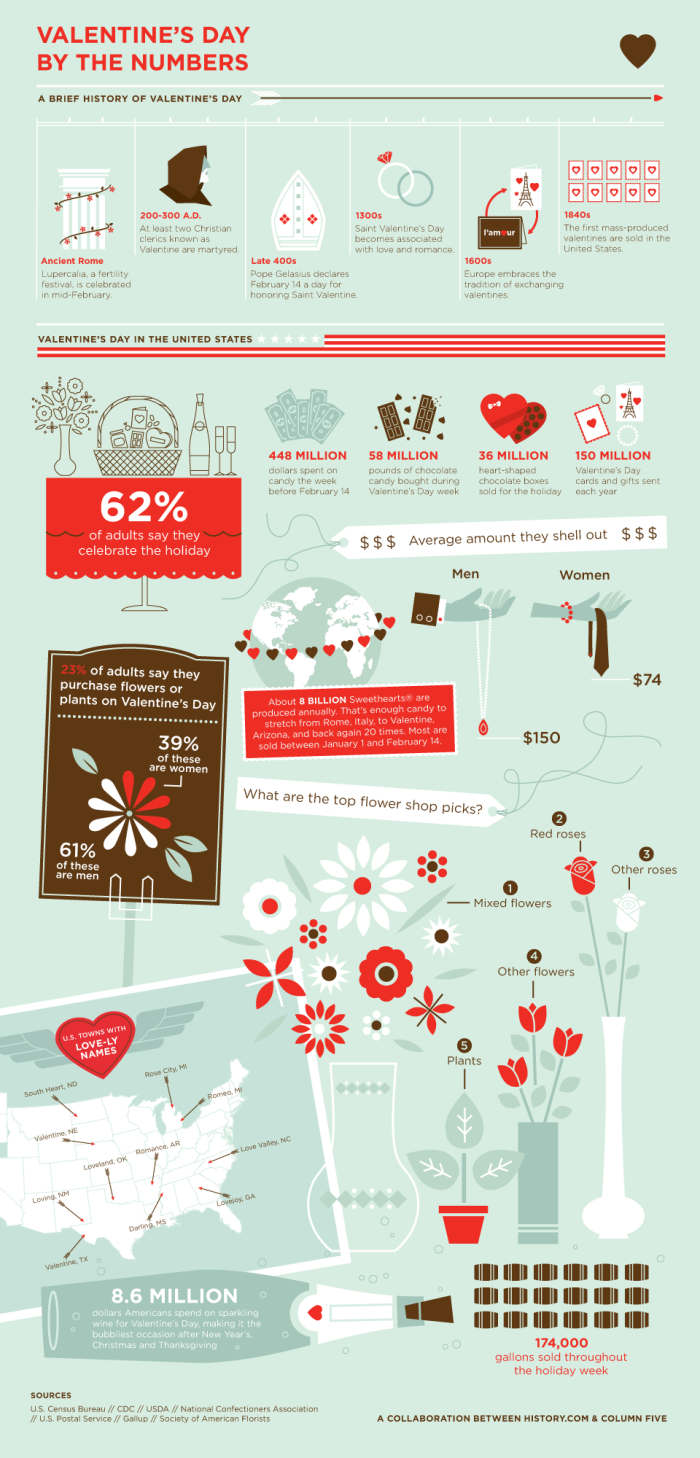
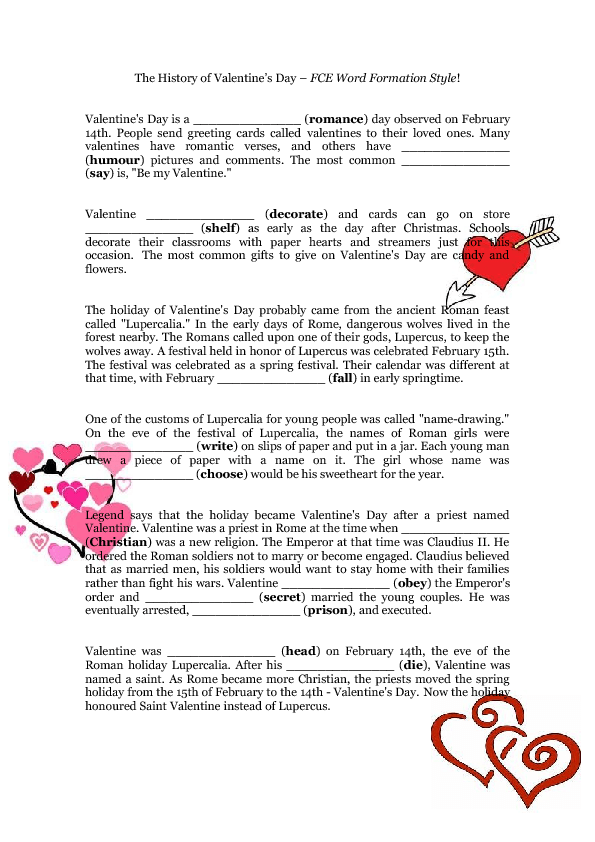
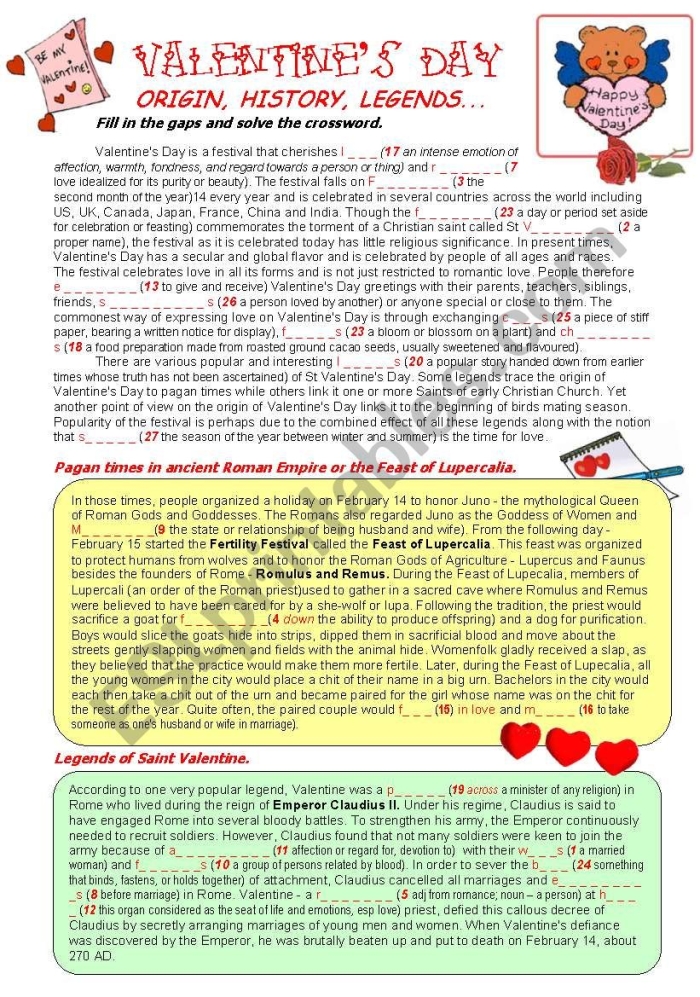
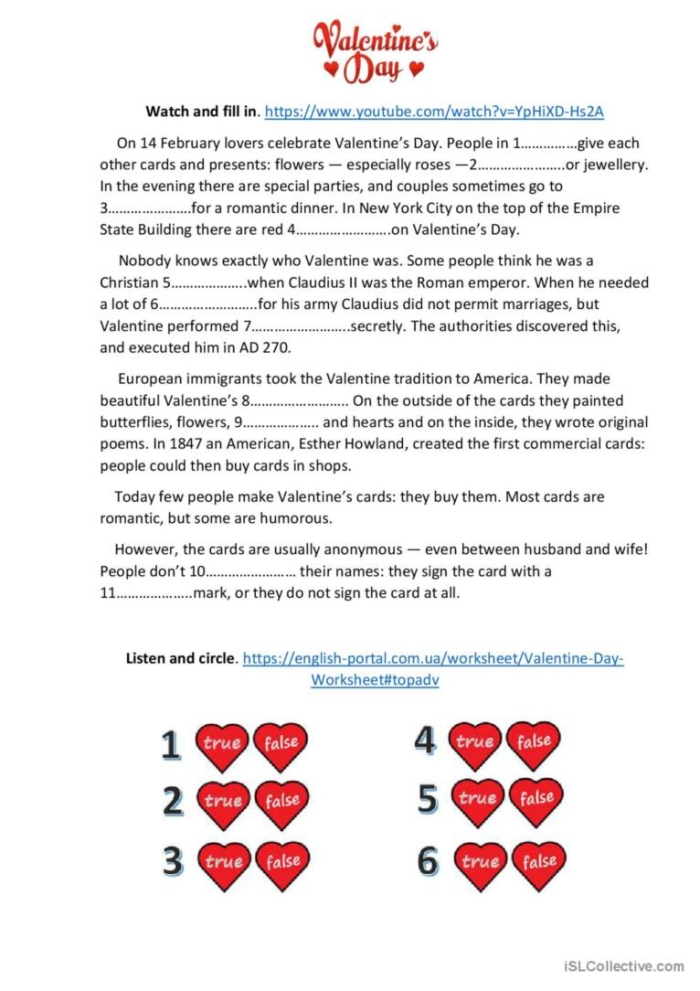
Nobody knows for certain how Valentine’s Day actually started, and that uncertainty is exactly what makes its history so interesting. Scholars and historians have proposed several competing theories about the holiday’s origins, each with its own supporting evidence and gaps. The most widely accepted explanation traces Valentine’s Day back to ancient Rome, where a festival called Lupercalia took place in February. This celebration involved fertility rites and matchmaking, though it looked nothing like the card-giving tradition we know today.
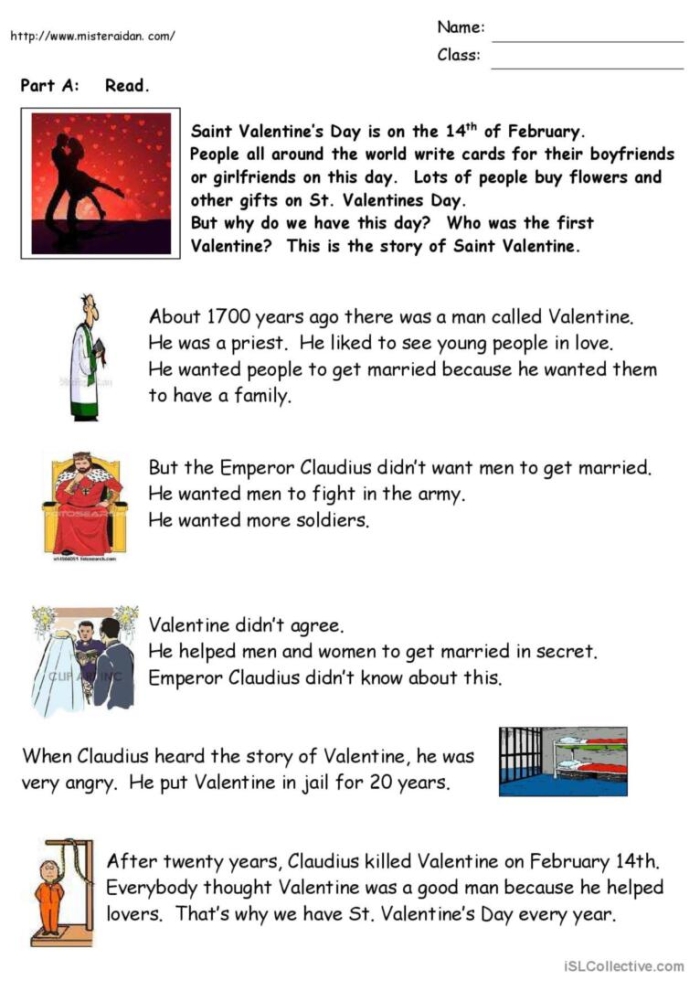
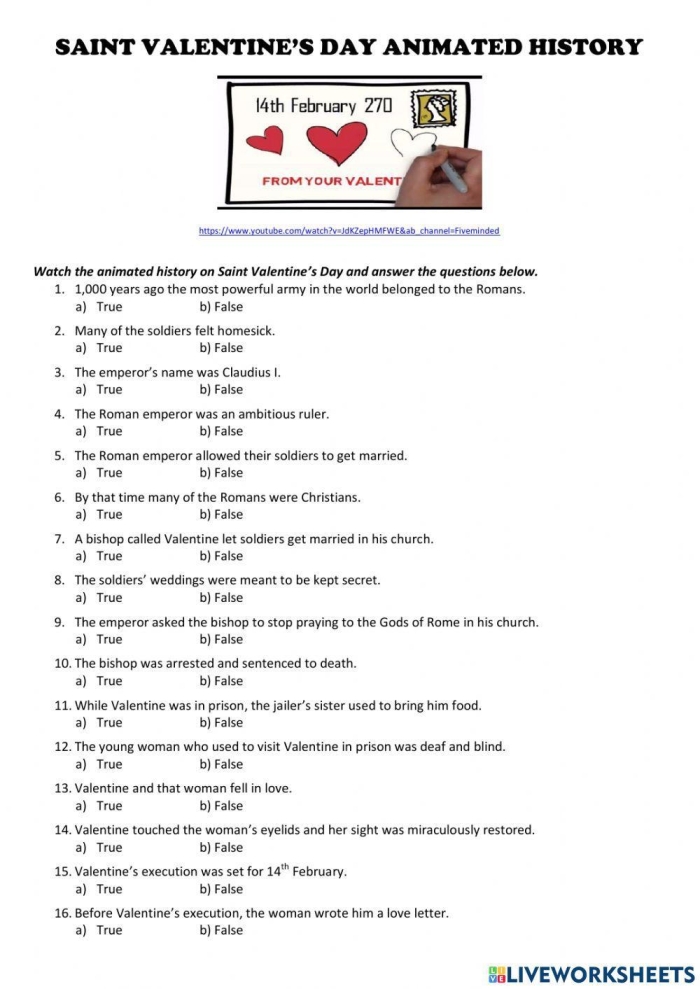
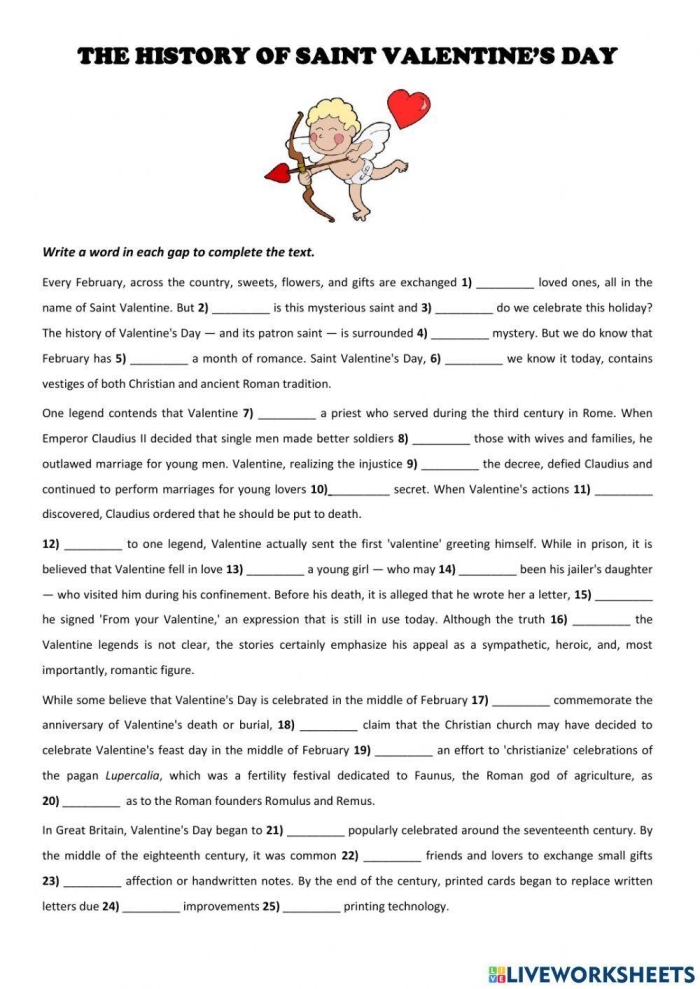
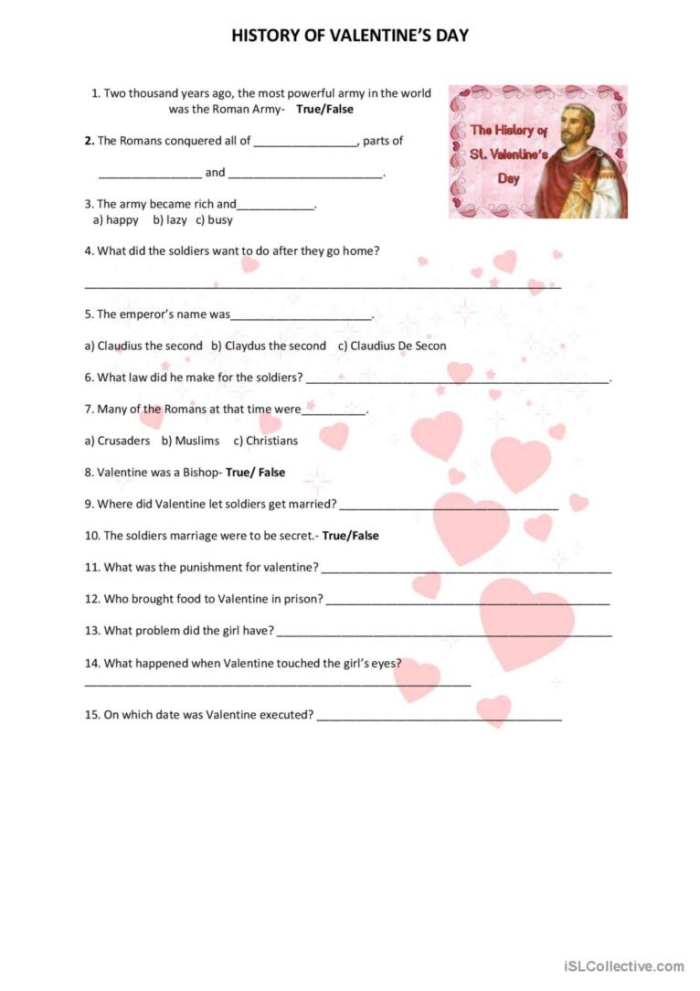
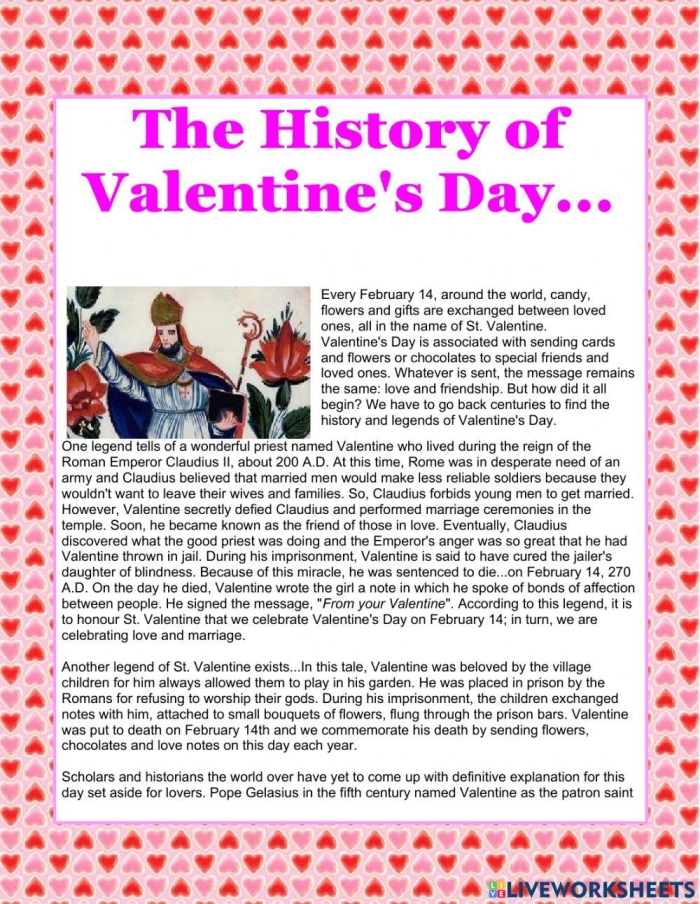
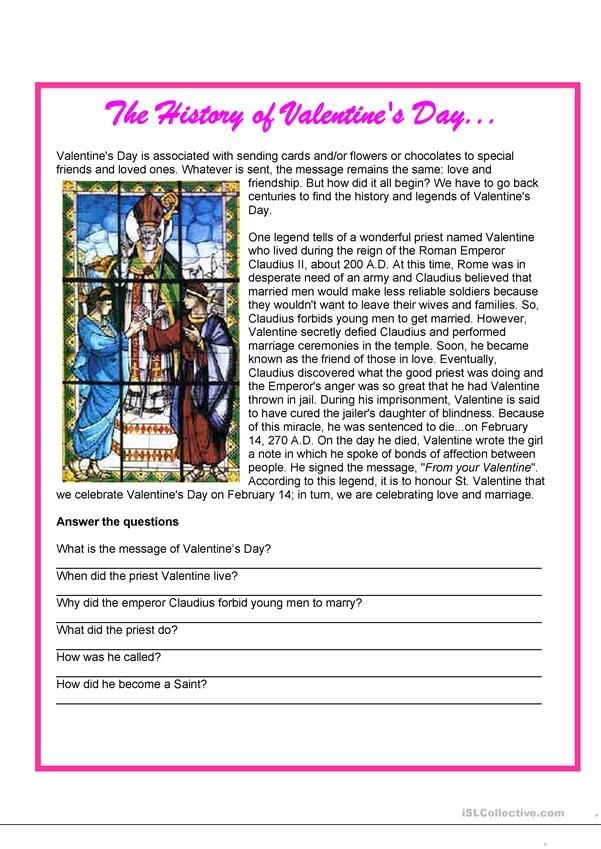
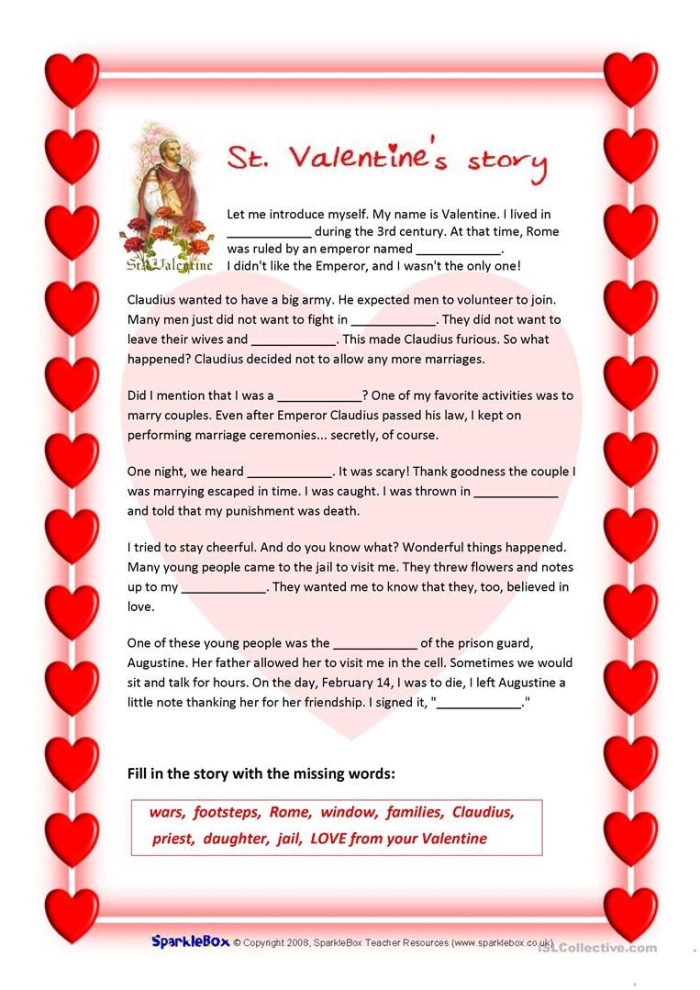
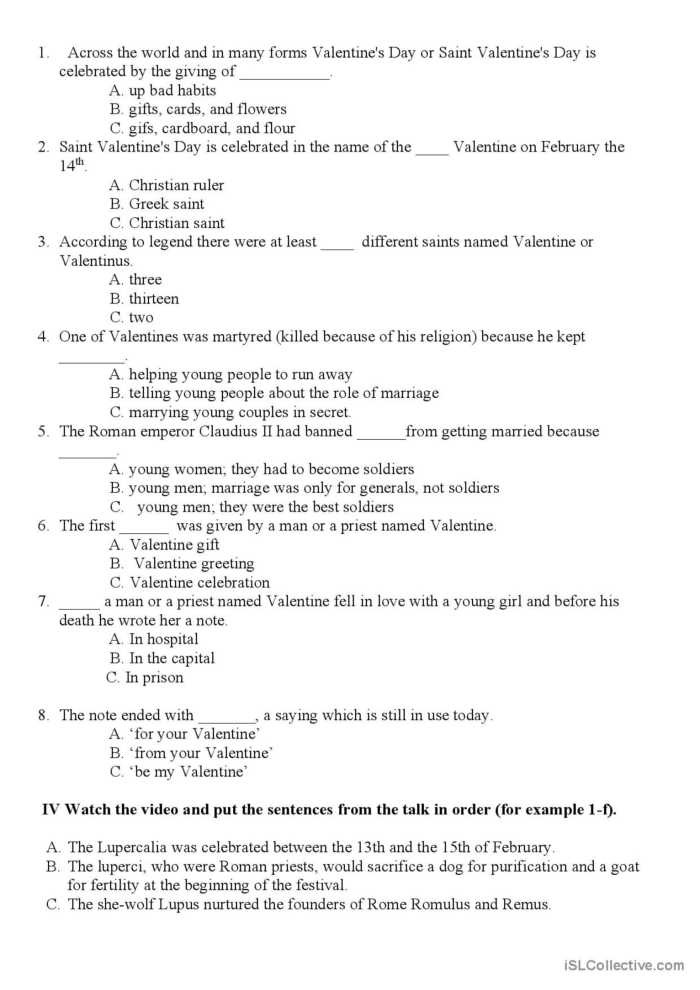
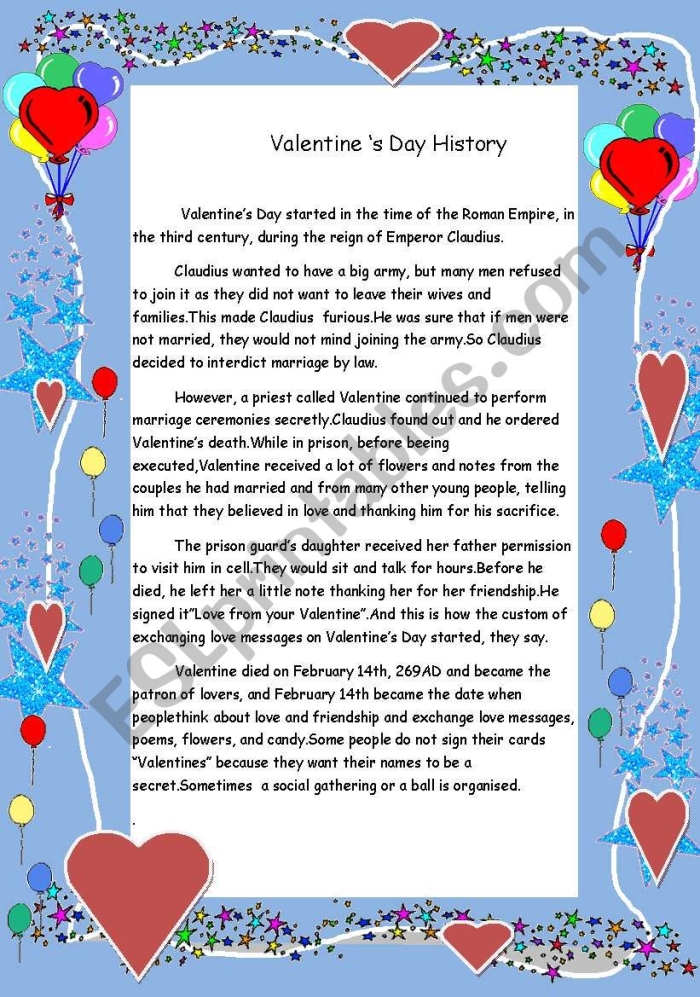
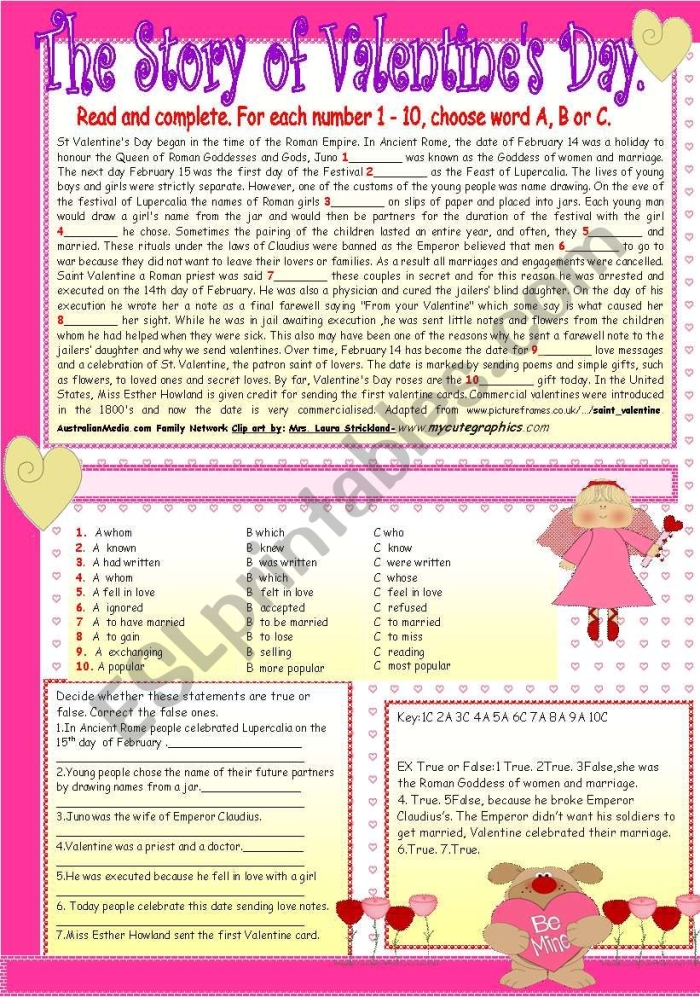
The Christian connection to Valentine’s Day likely comes from Saint Valentine, a martyr from the third century. Historical records mention at least two different Saint Valentines, which adds another layer of confusion to the holiday’s backstory. One version claims that Saint Valentine defied a Roman emperor’s ban on marriage for young soldiers, secretly performing wedding ceremonies. Another account describes a Valentine who was imprisoned for refusing to convert to Roman religion. Both stories emphasize themes of love and sacrifice, which eventually became associated with the holiday itself.
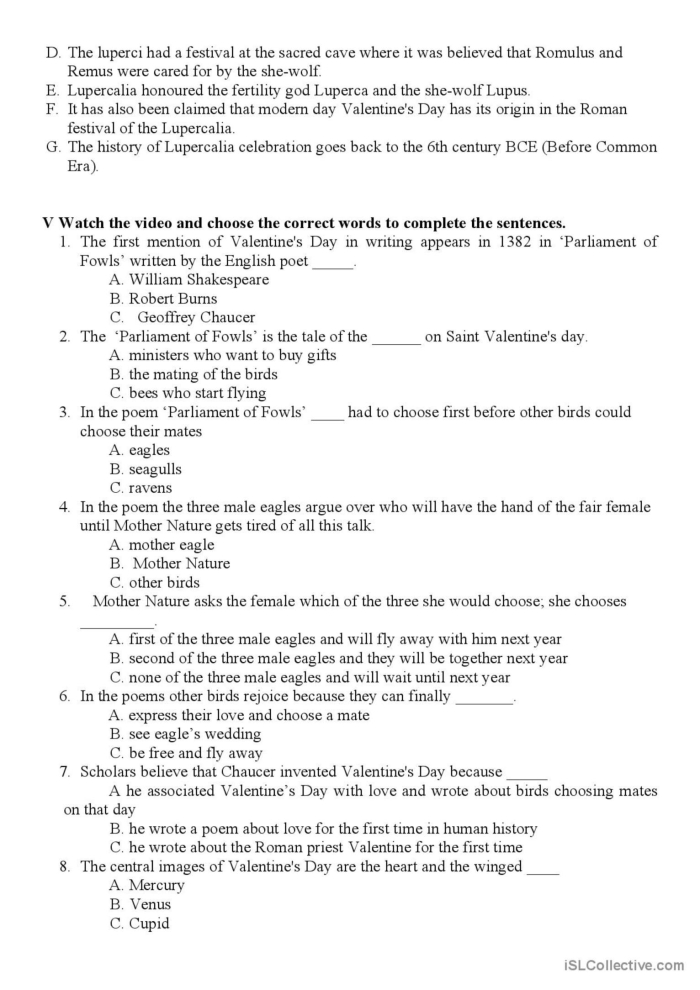
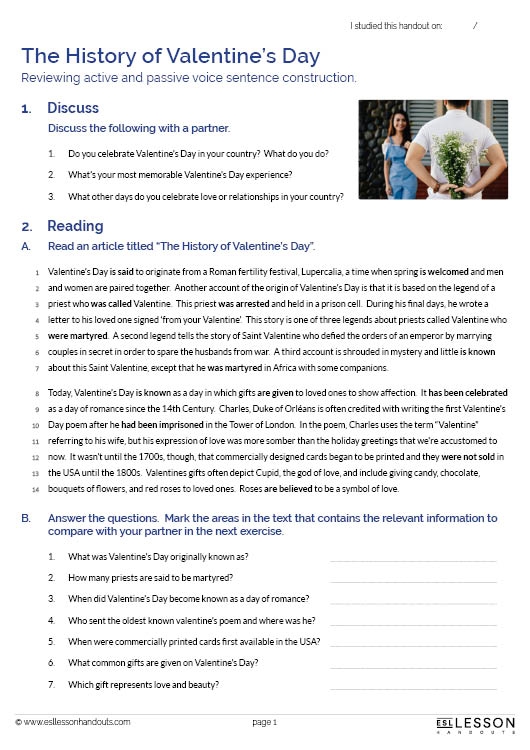
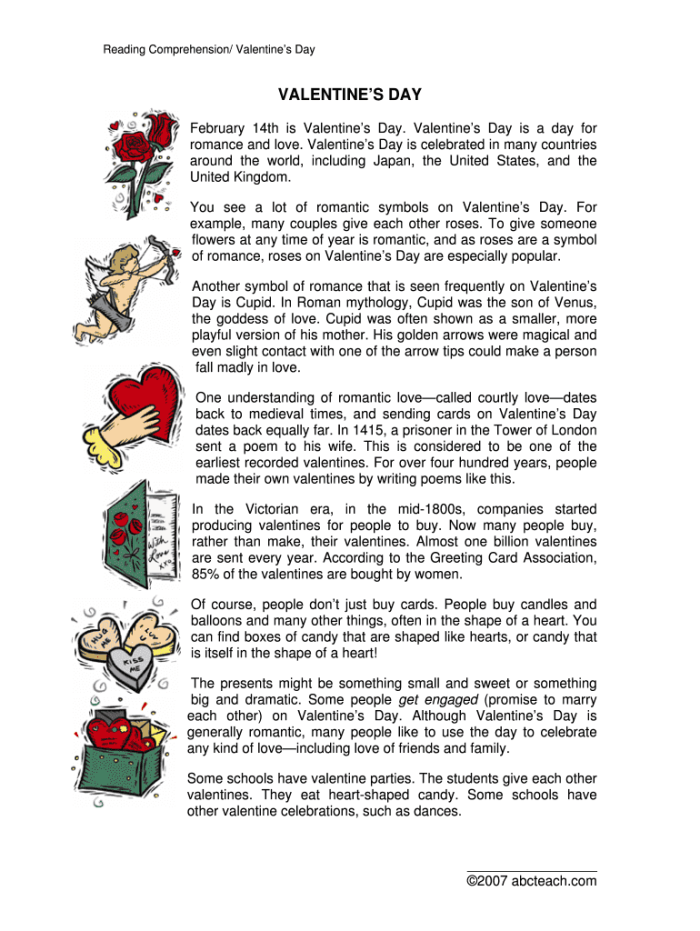
The romantic version of Valentine’s Day as we celebrate it today really took shape during the Middle Ages. English and French poets began connecting the holiday to courtly love and romance around the 1300s. By the 1400s, people were exchanging written love notes, and by the 1600s, printed Valentine’s cards became increasingly common. This gradual transformation from a religious observance to a celebration of romantic love happened over several centuries.
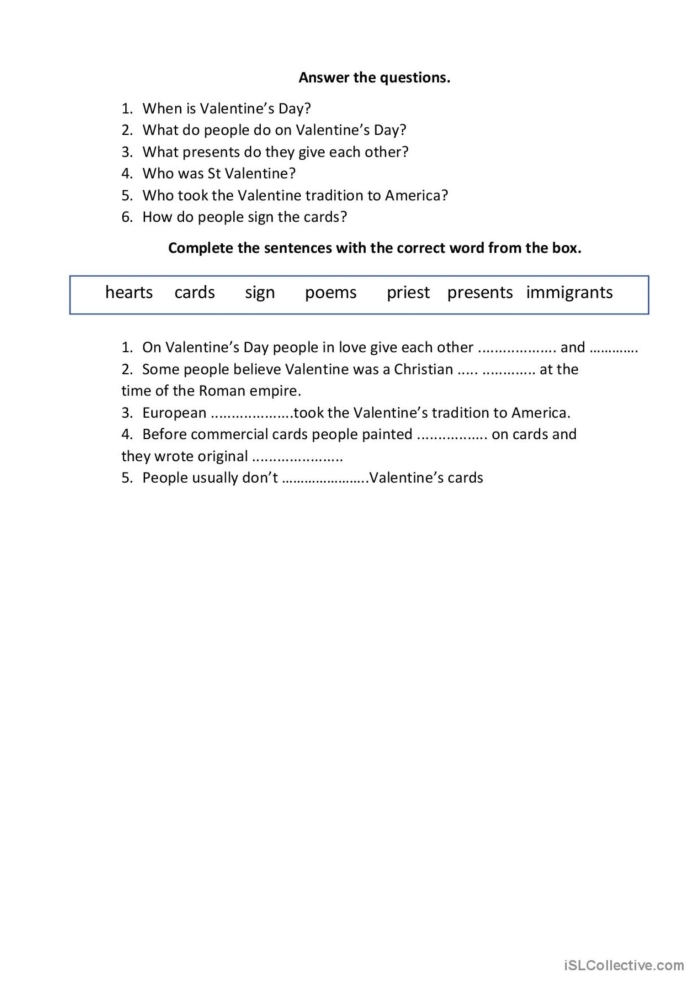
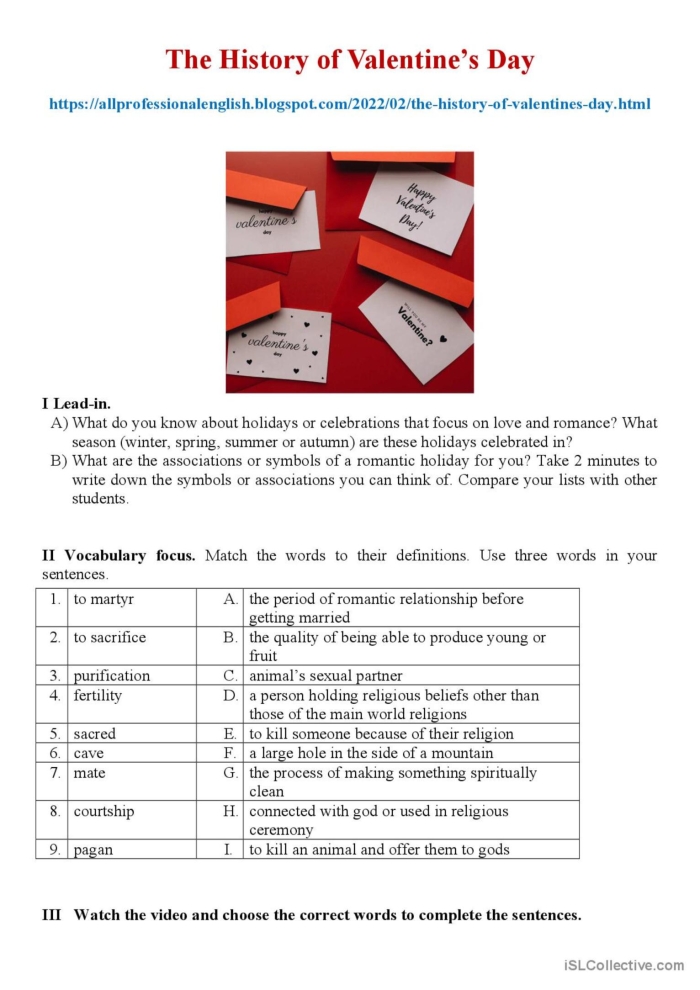
Learning about these competing theories helps fifth grade students understand that history rarely has one simple answer. When studying the history of Valentine’s Day with printable worksheets, students can examine primary sources and evaluate different historical claims. This exercise develops critical thinking skills while exploring how holidays evolve over time. The uncertainty surrounding Valentine’s Day’s origins actually makes it a perfect subject for students to practice historical analysis and research methods.
Hands-On Worksheet Activities