Starting Spanish lessons with greetings gives young learners an immediate sense of accomplishment. When fourth graders can walk into class and confidently say “Hola” or “Adiós,” they’ve already crossed a meaningful threshold. These foundational phrases become the building blocks for everything that follows in language learning.
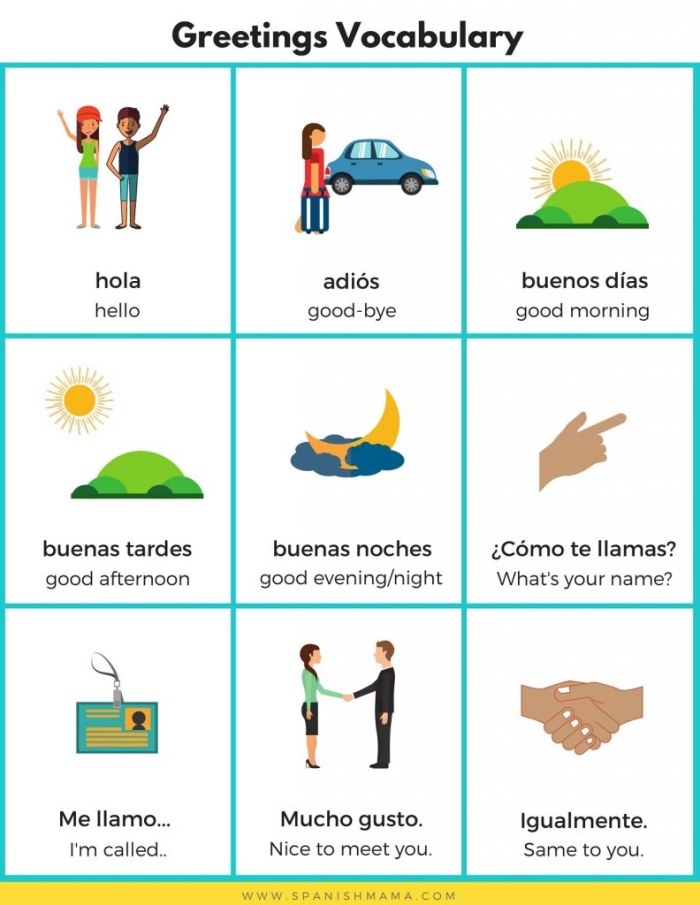
The beauty of teaching greetings early is that they’re practical from day one. Your child will encounter these words repeatedly in real conversations, whether in the classroom or while watching Spanish media. Unlike abstract grammar rules, greetings connect directly to social interaction. A fourth grader learns that “Buenos días” means “good morning” and immediately understands when to use it. This context sticks in their memory far better than memorizing isolated vocabulary lists.
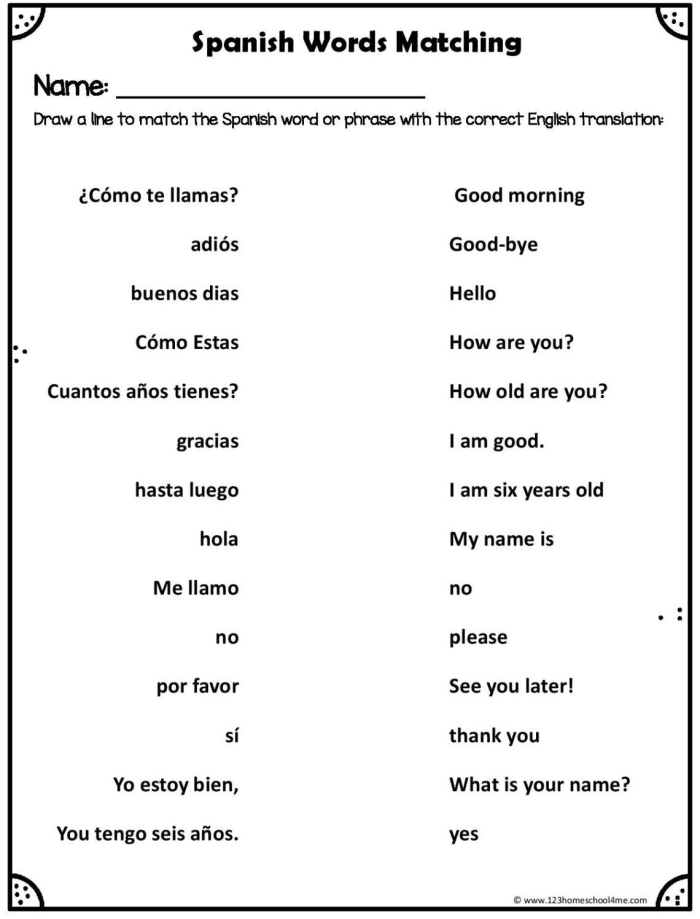
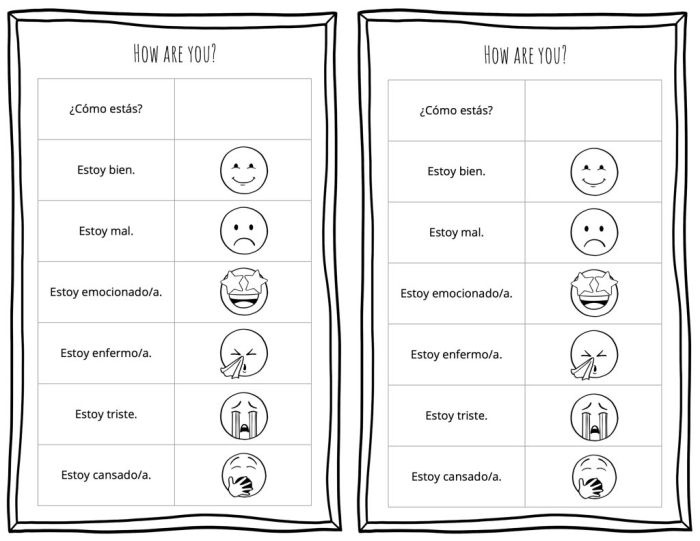
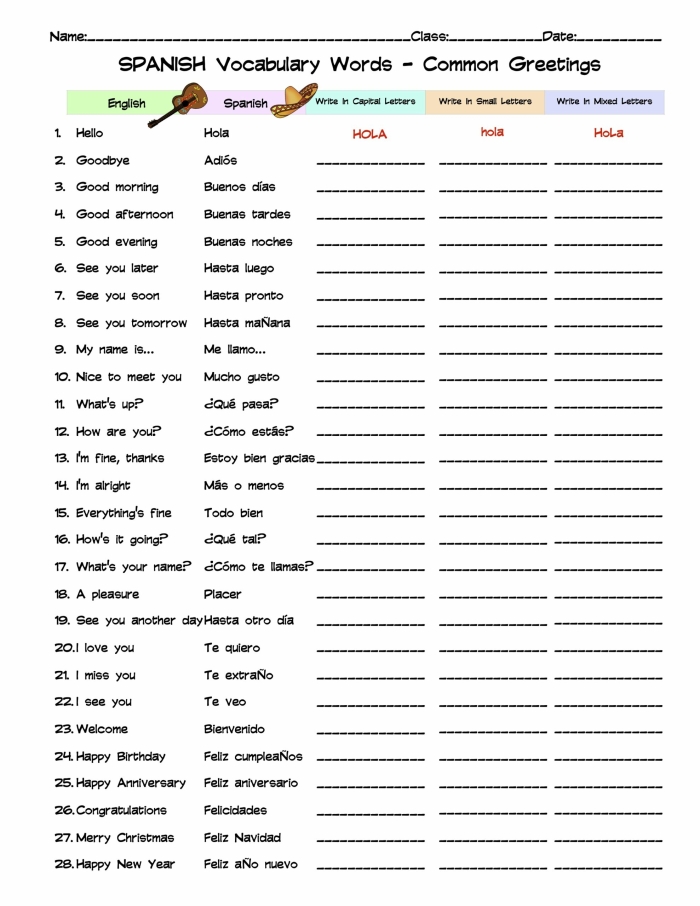
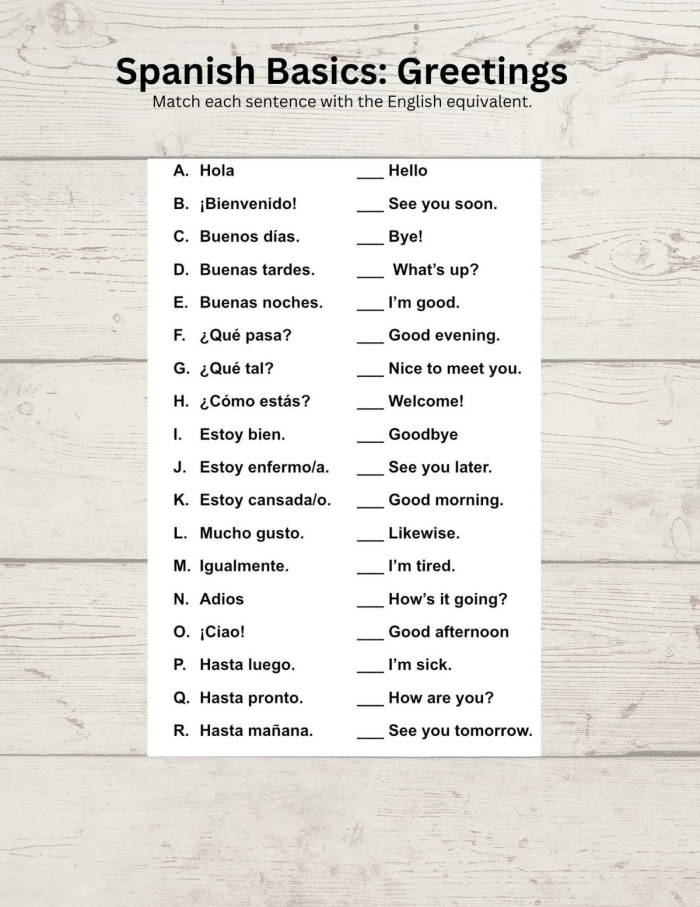
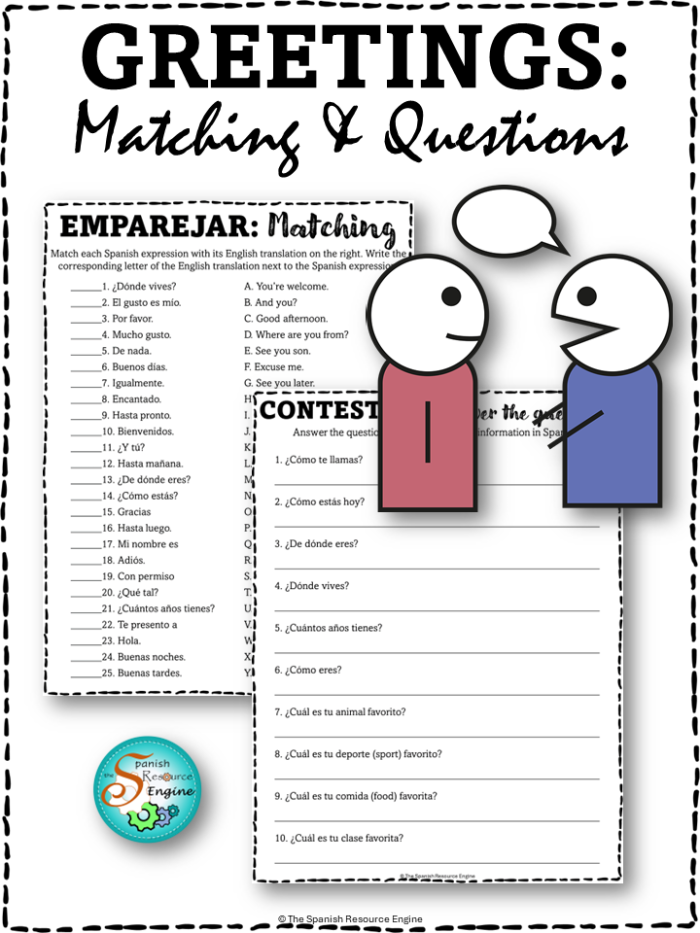
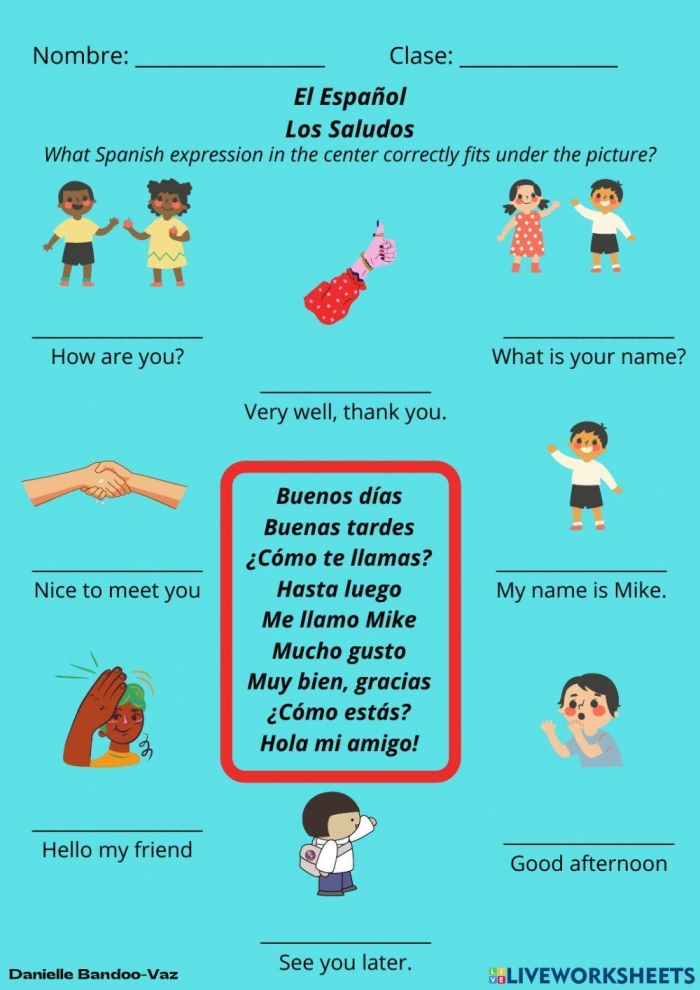
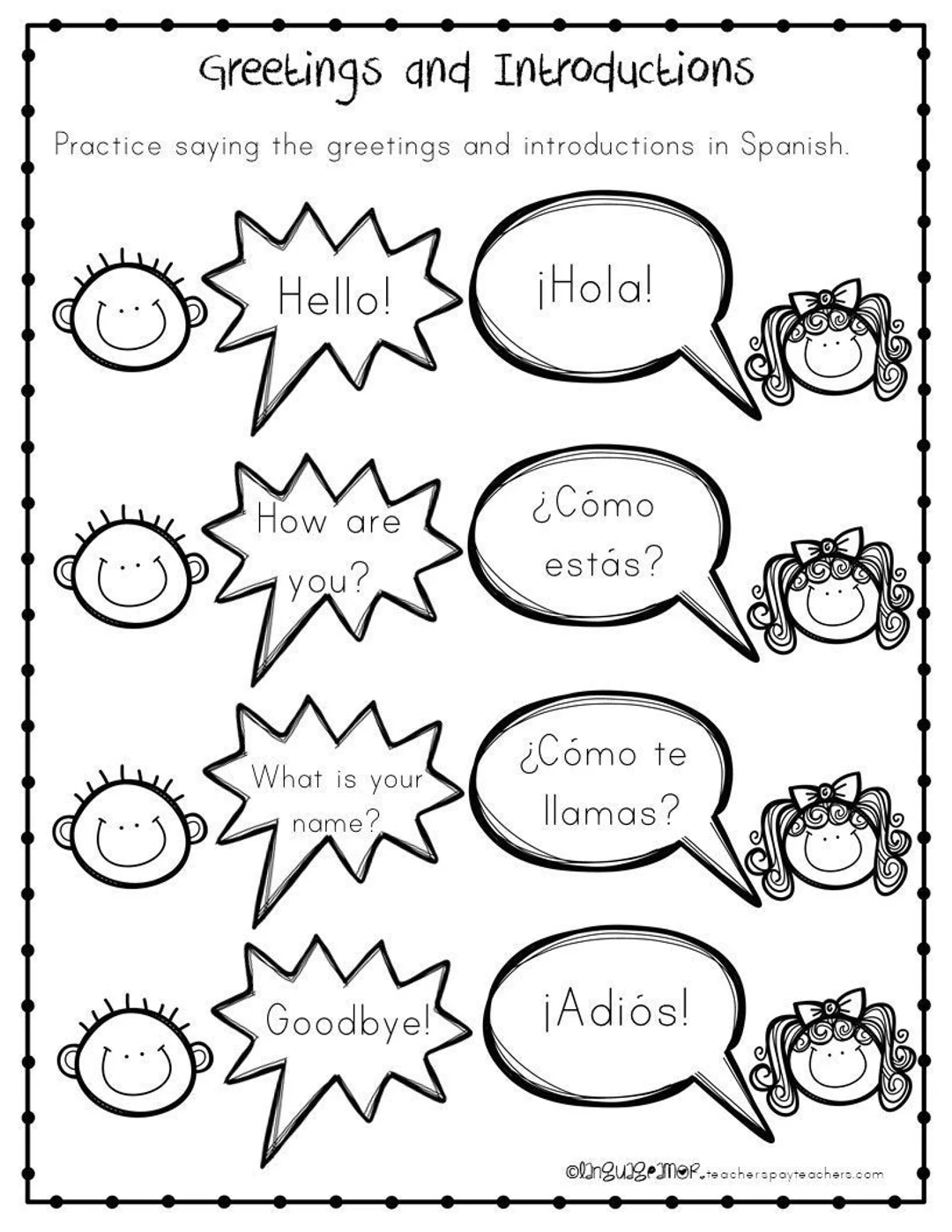
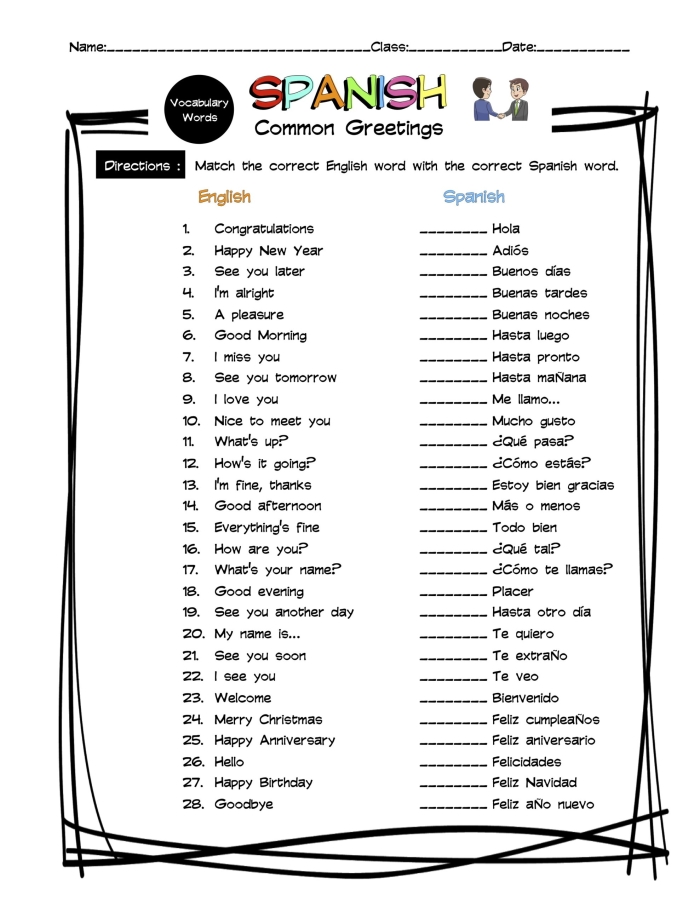
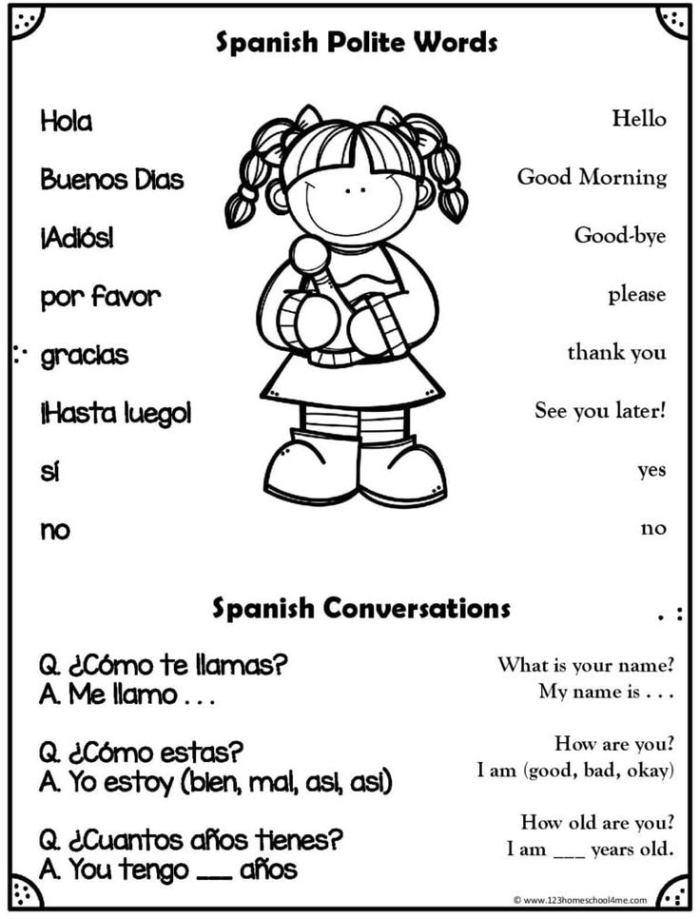
Beyond the basics, there’s a whole range of useful phrases that fit between hello and goodbye. Expressions like “¿Cómo estás?” (How are you?), “Mucho gusto” (Nice to meet you), and “Hasta luego” (See you later) expand what your student can actually say in conversation. These phrases teach cultural nuances too. Spanish speakers use different greetings depending on formality and time of day, which shows your learner that language carries social meaning.
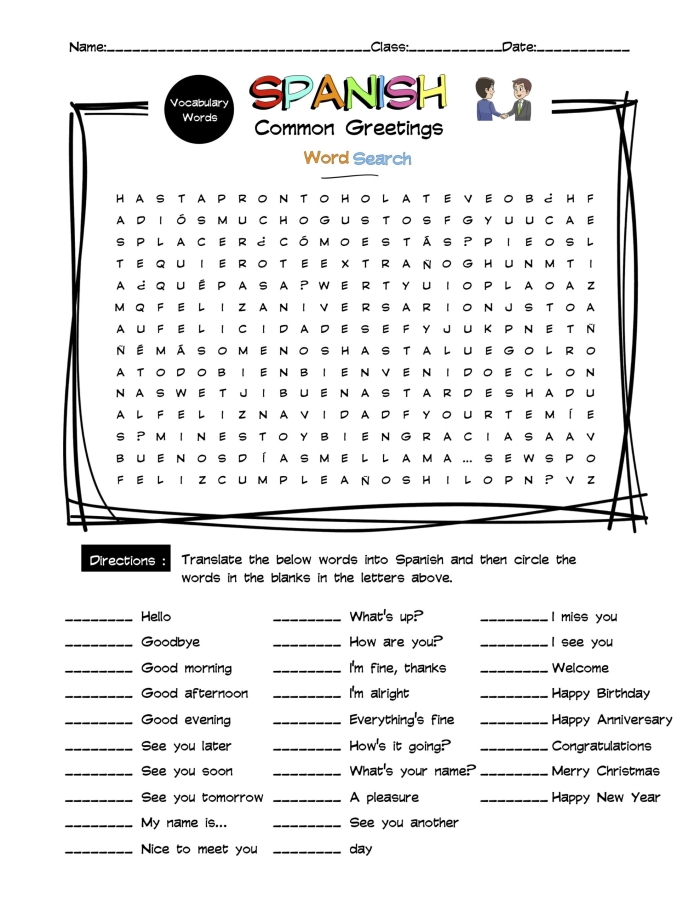
Building vocabulary with purposeful phrases works better than random word memorization. When you pair greetings with activities like finding sentence patterns, students start recognizing how language structures itself. Fourth grade reading comprehension improves when learners can identify these common phrases in written Spanish texts.
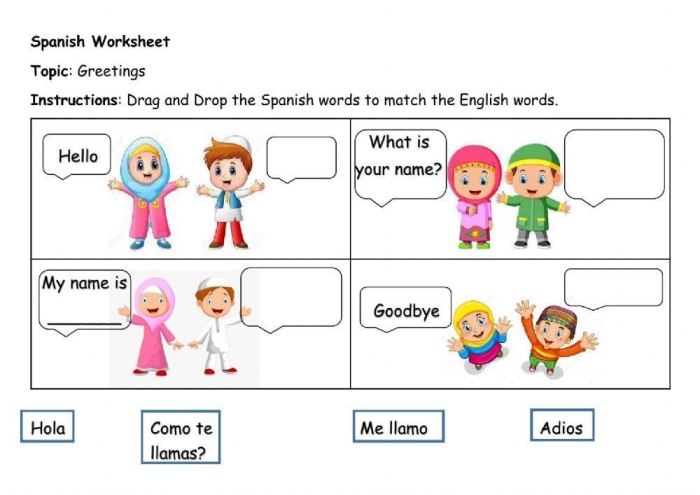
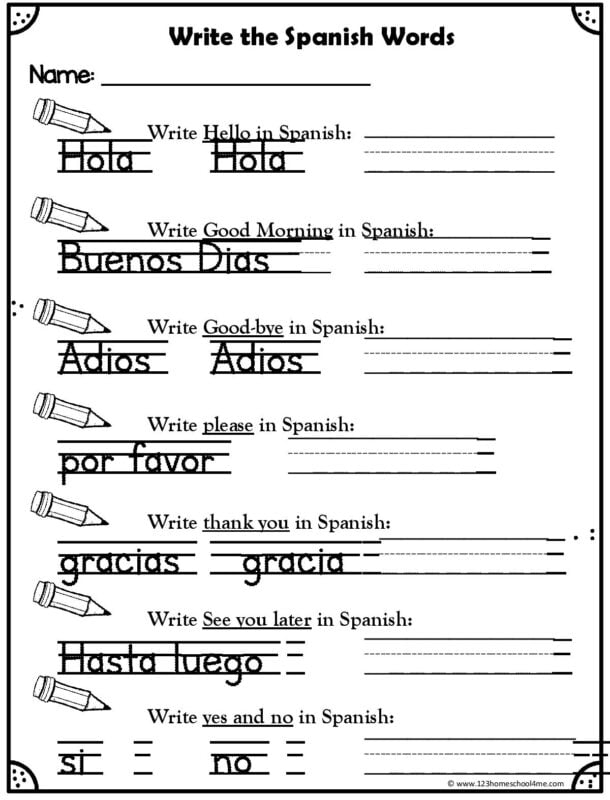
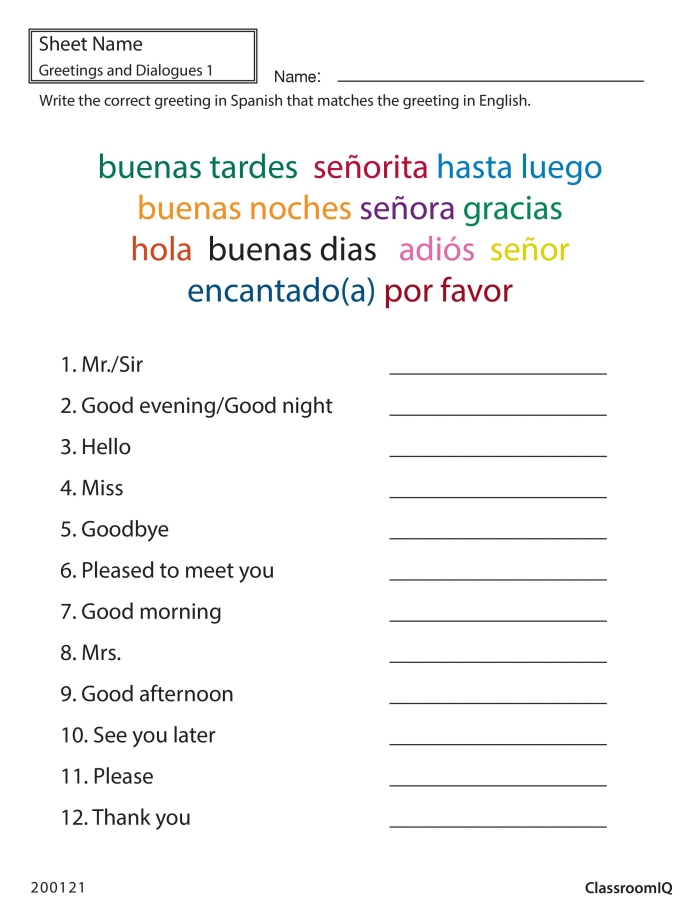
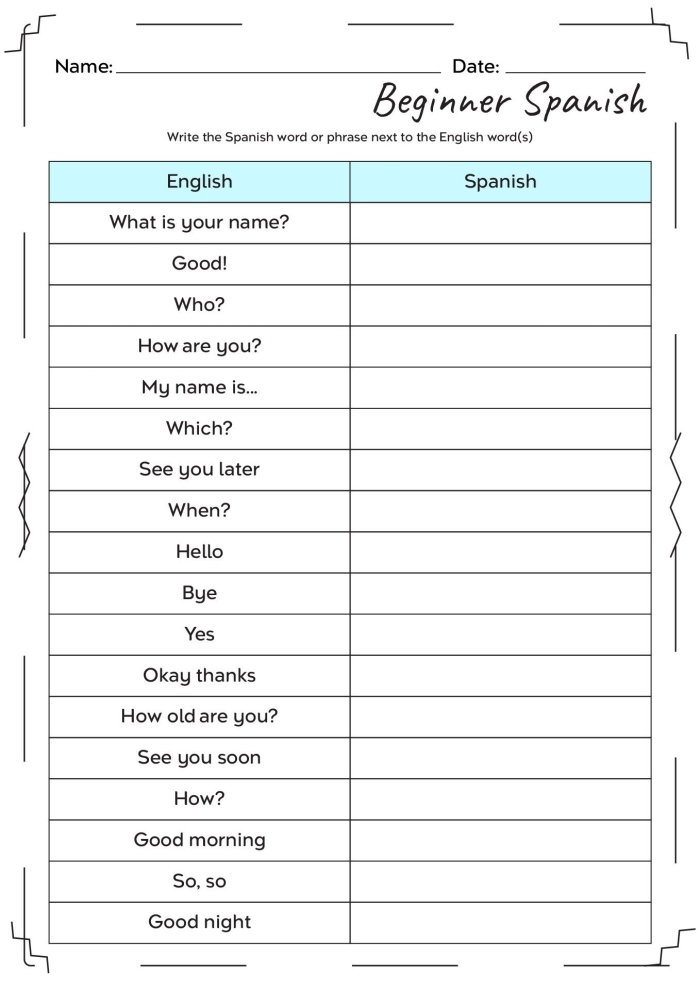
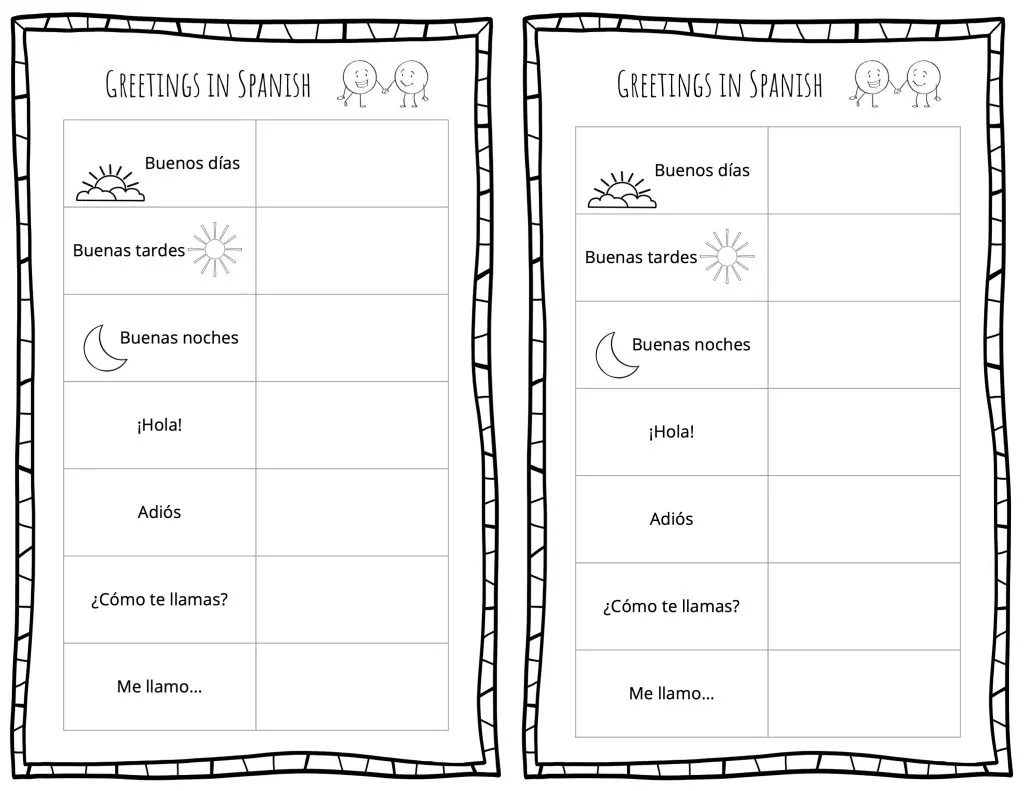
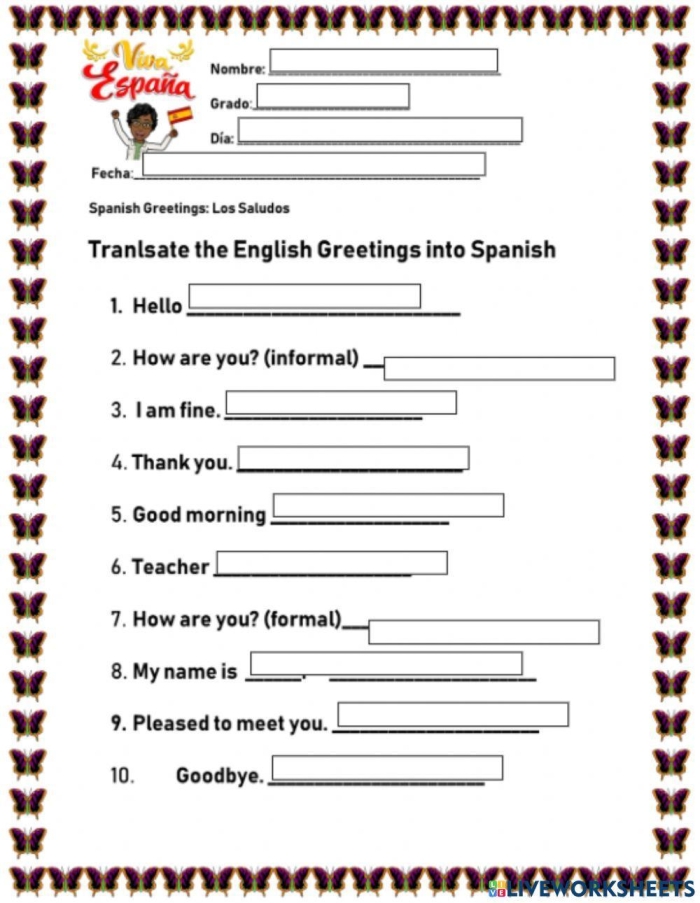
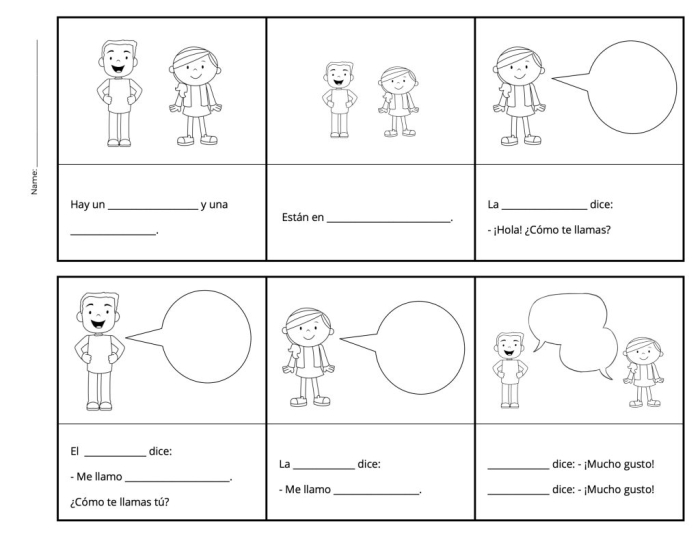
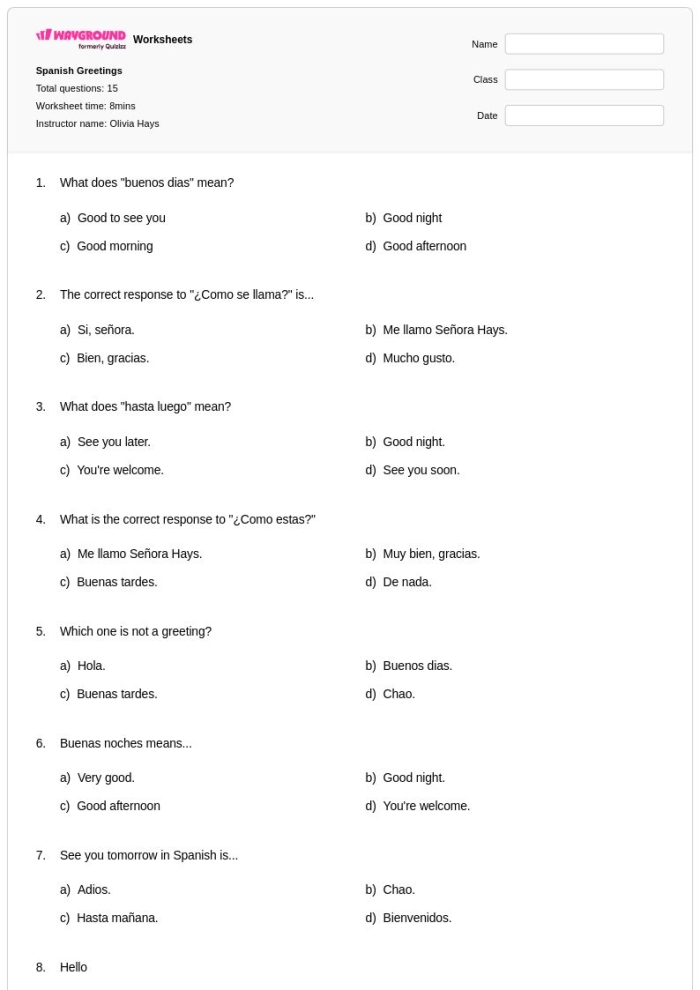
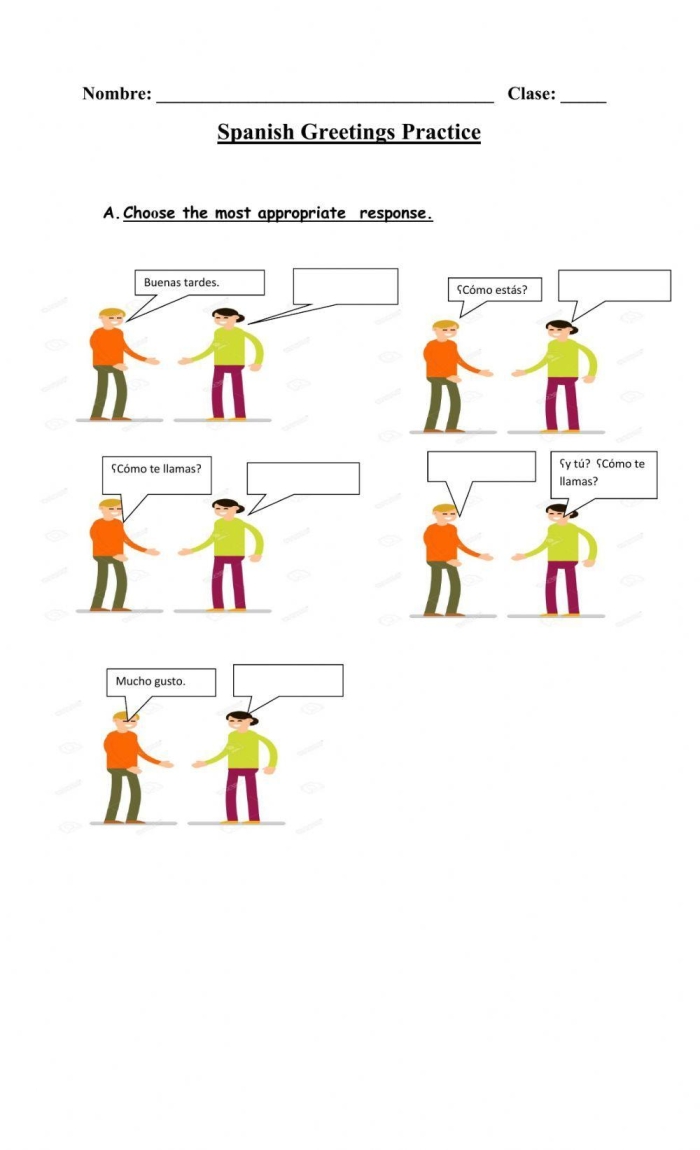
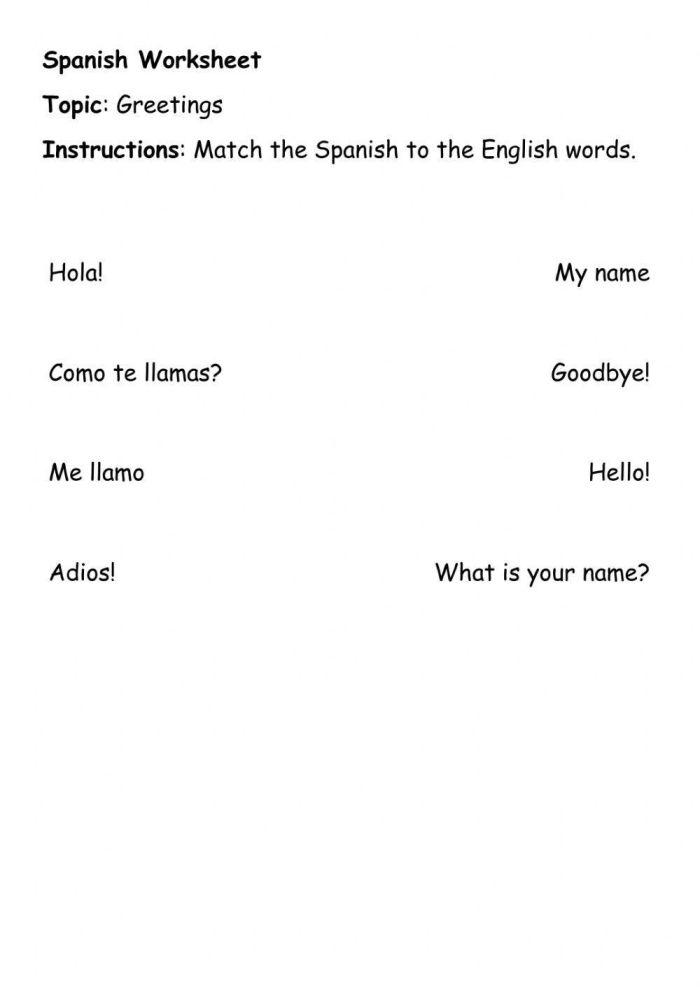
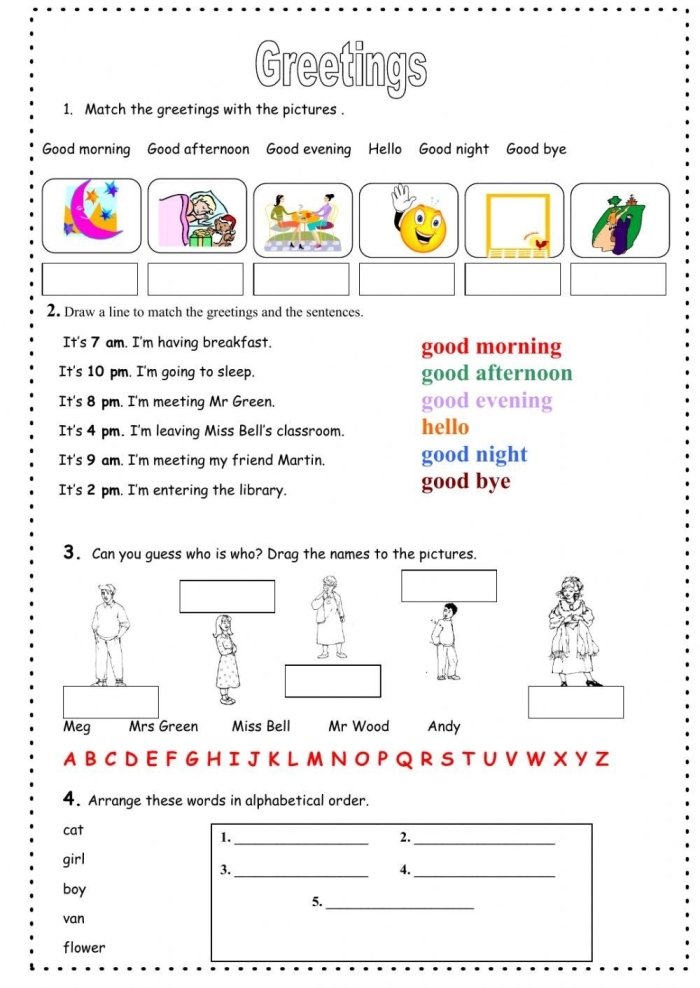
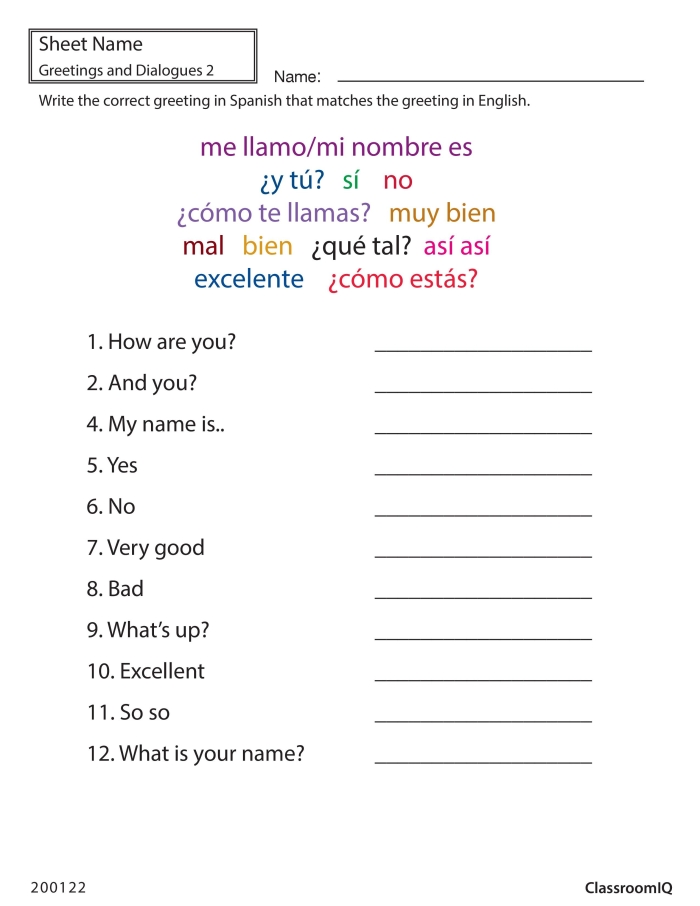
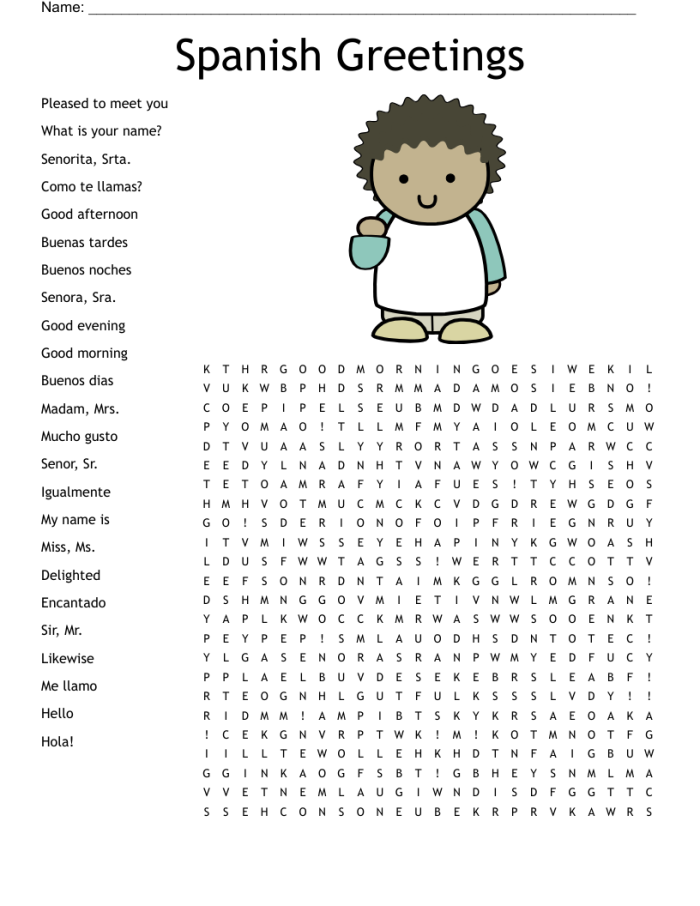
Printable greetings in Spanish worksheets give students practice outside the classroom. Repetition through writing reinforces what they’ve heard aloud, creating multiple pathways for learning. Your young Spanish speaker will develop confidence quickly once these essential phrases become automatic.
Download These Worksheets for Practice