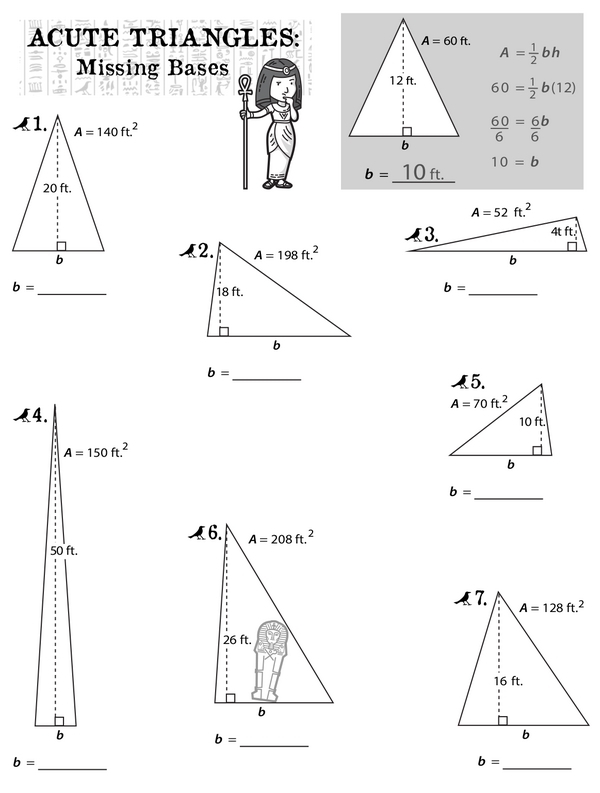
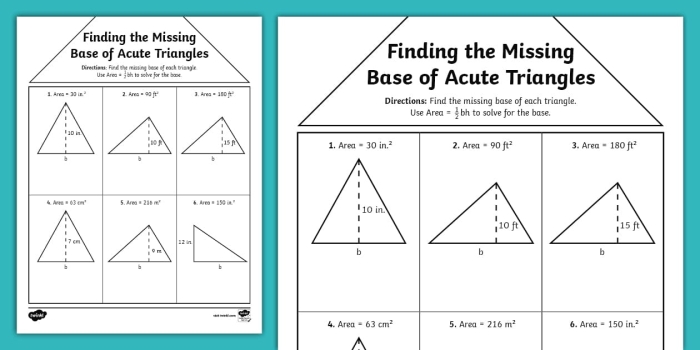
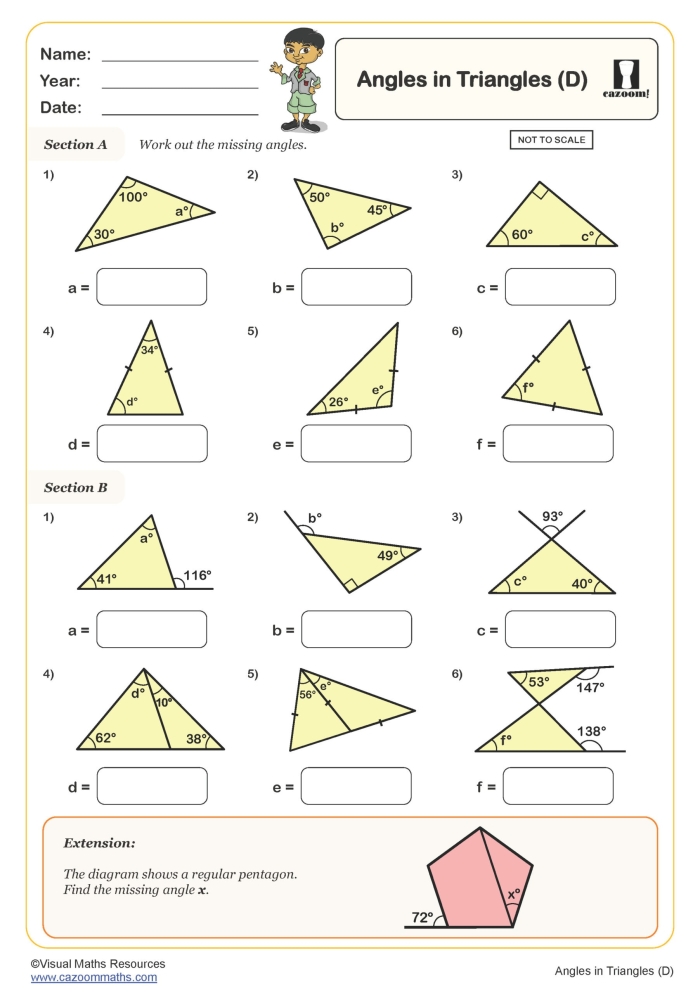
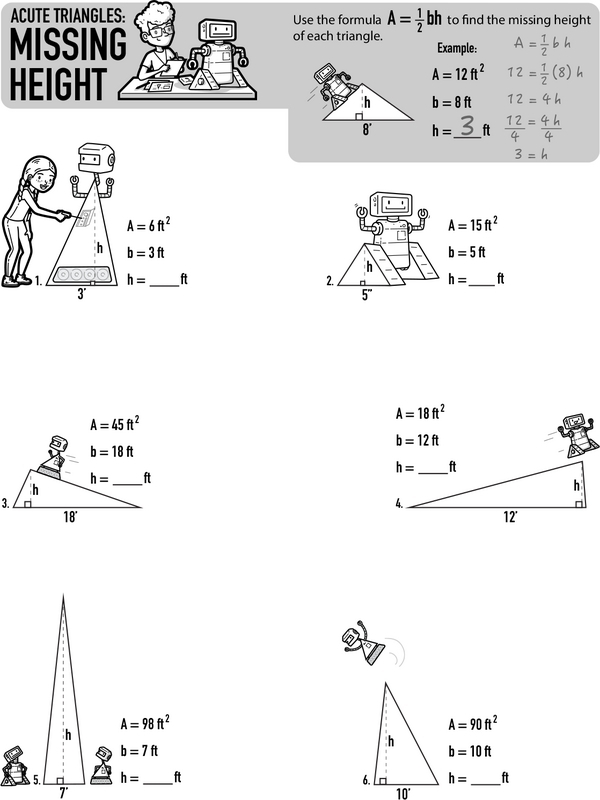
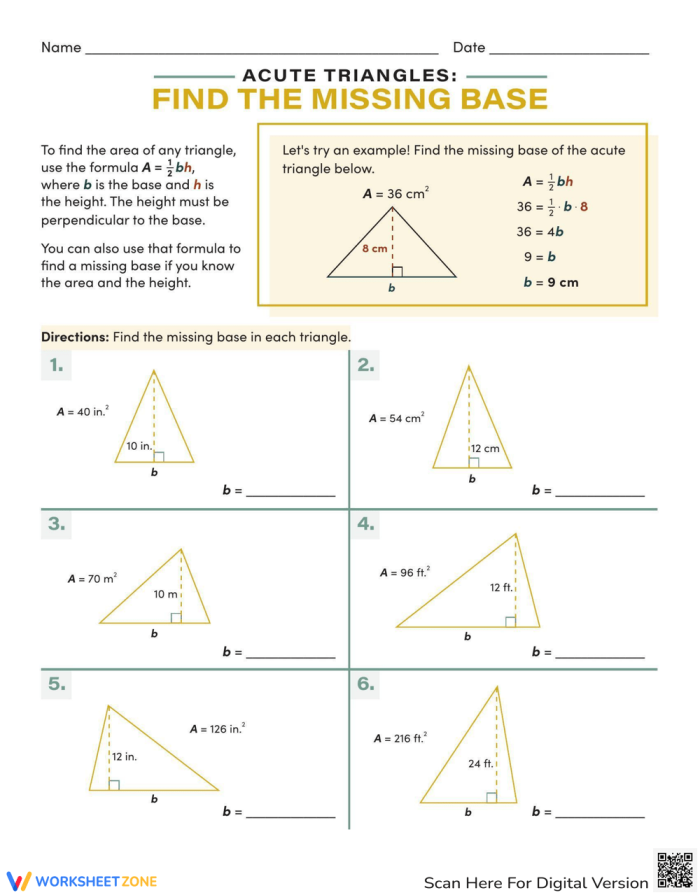
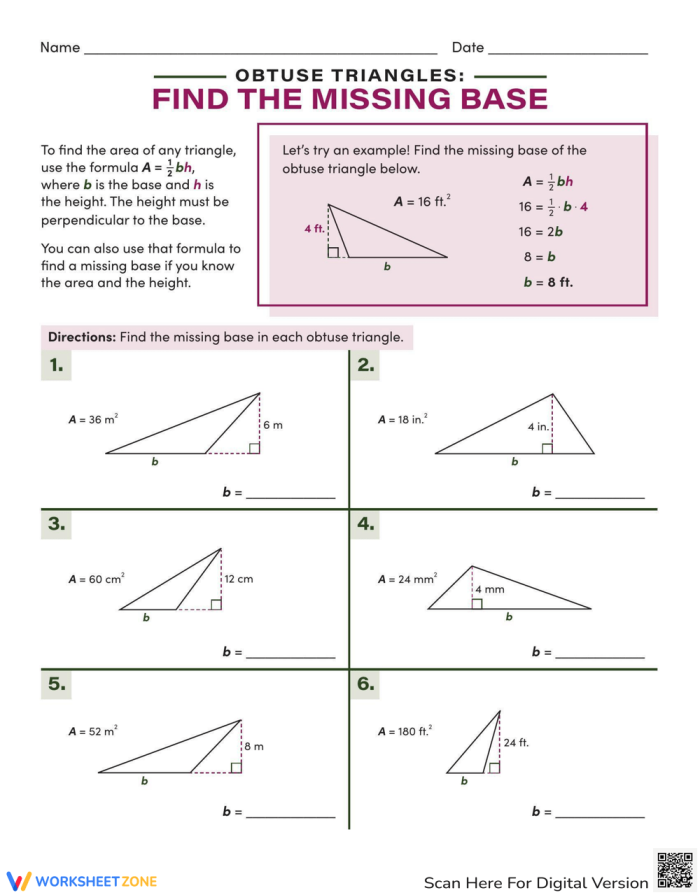
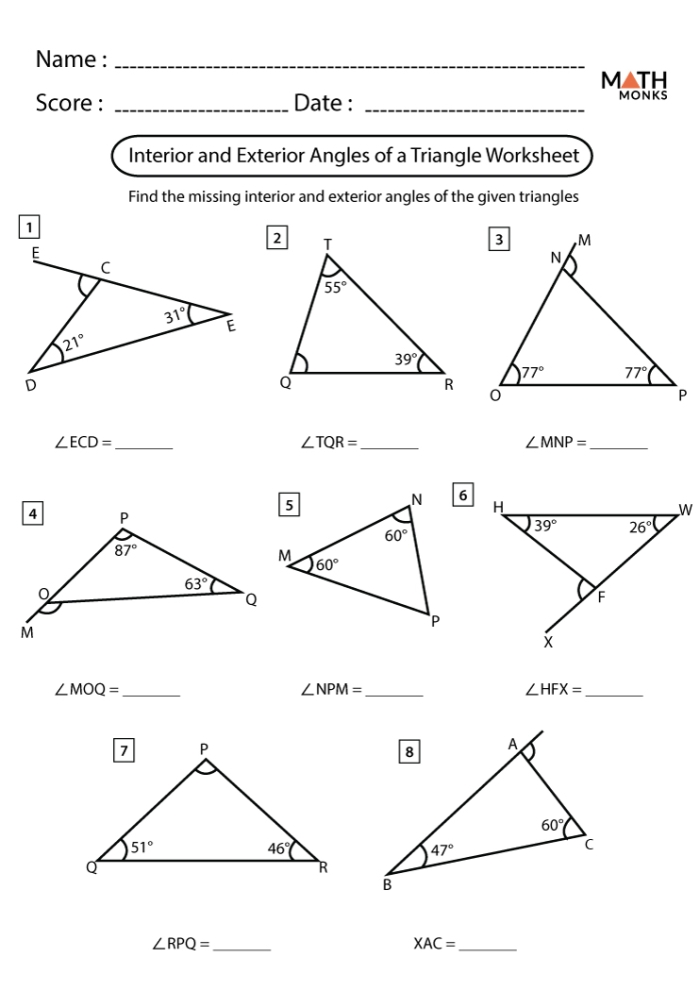
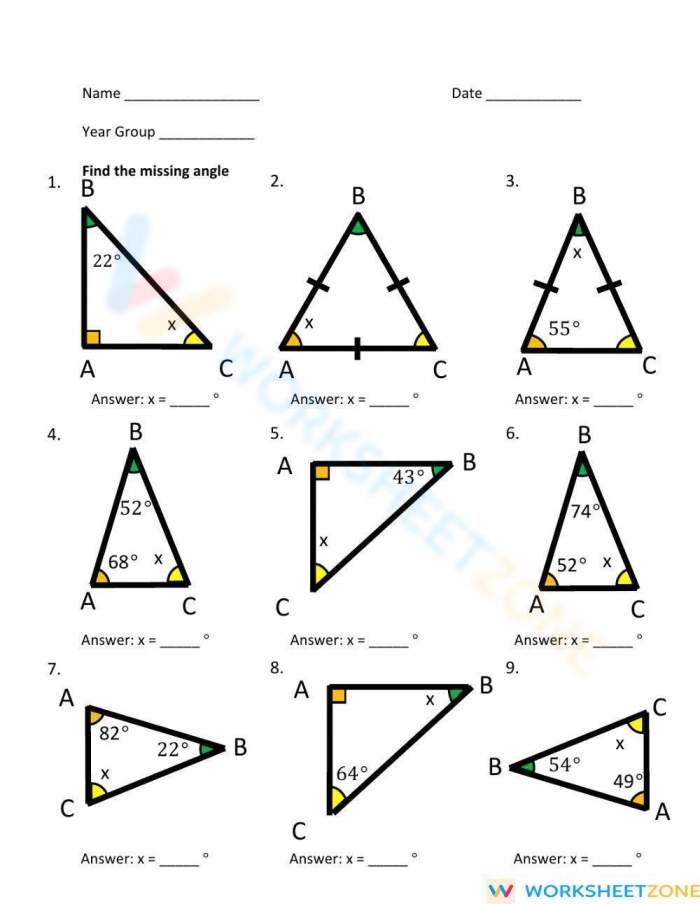
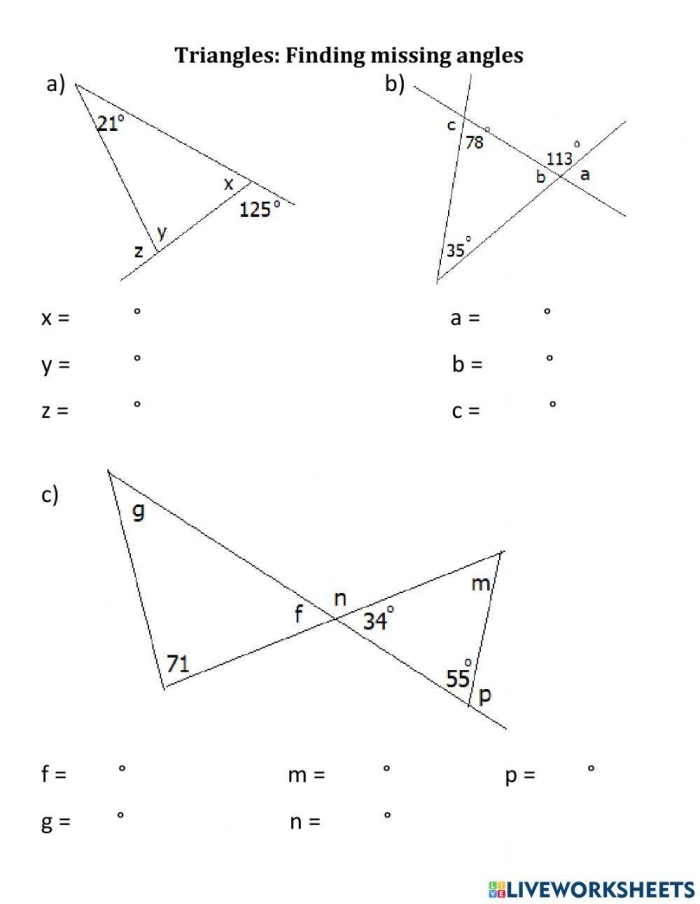
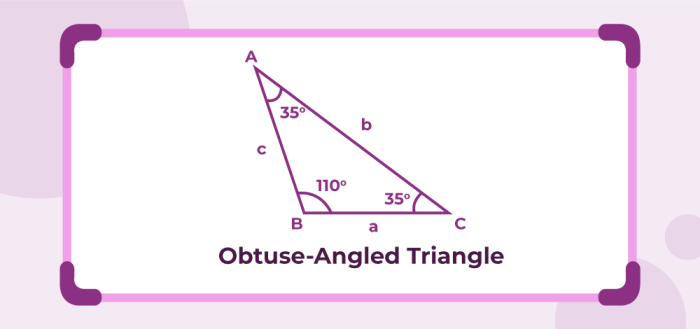
Geometry comes alive when students stop passively reading formulas and start hunting for clues. Turning your learner into a geometry detective transforms finding the missing base in acute triangles from a tedious calculation into an engaging puzzle.
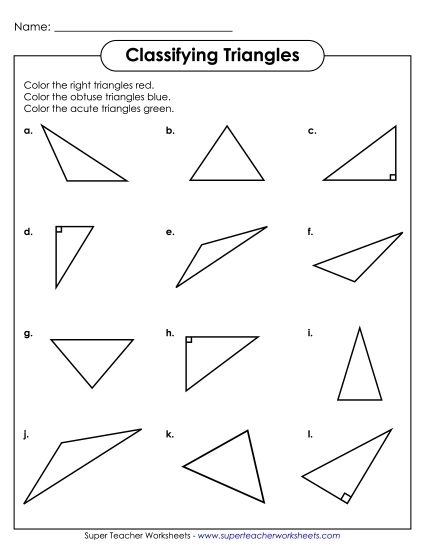
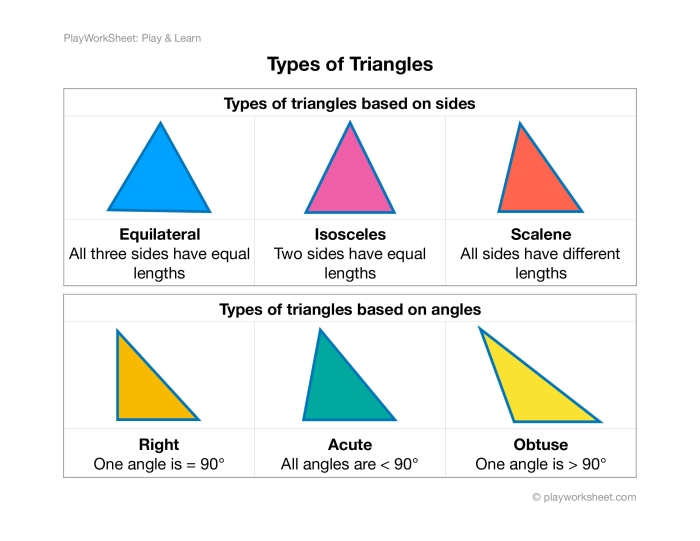
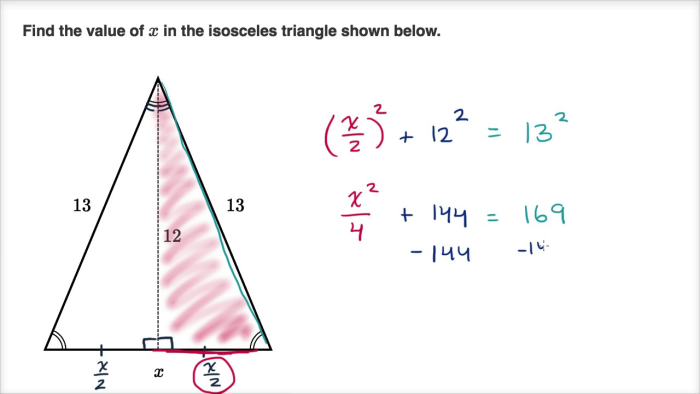
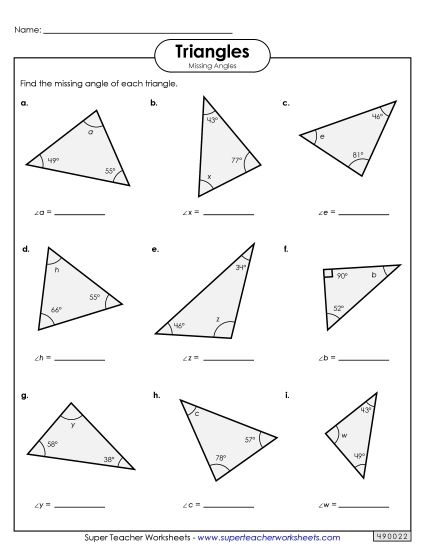
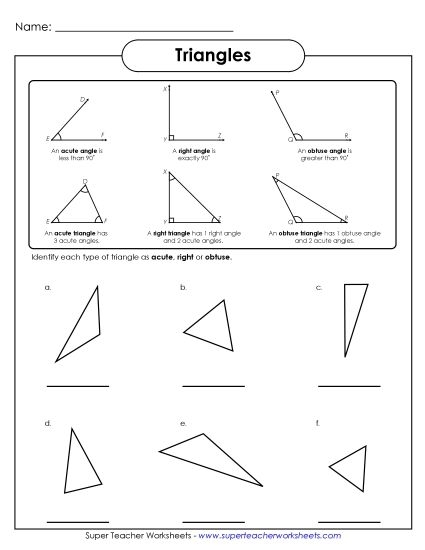
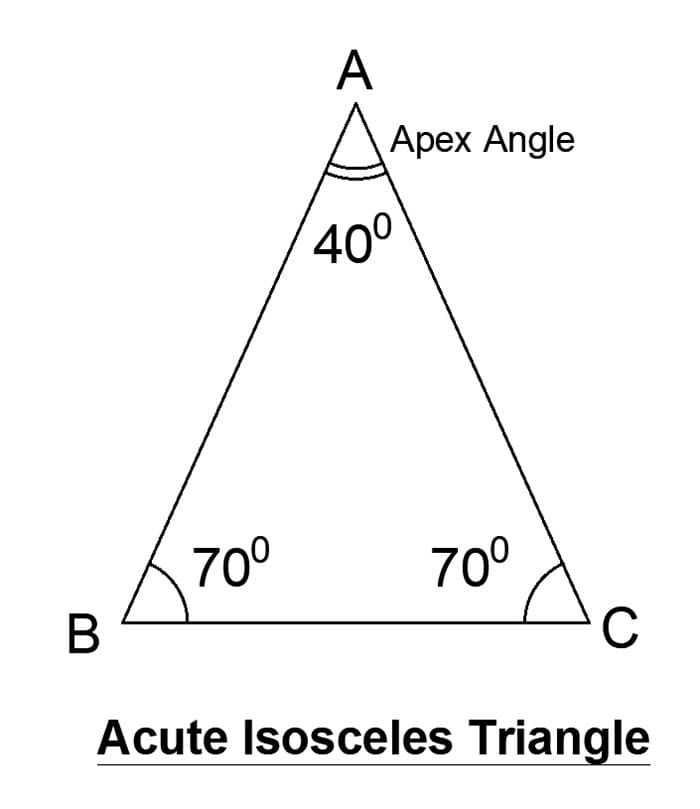
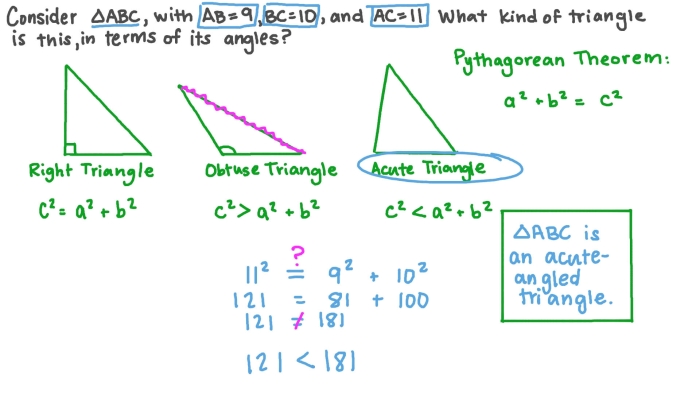
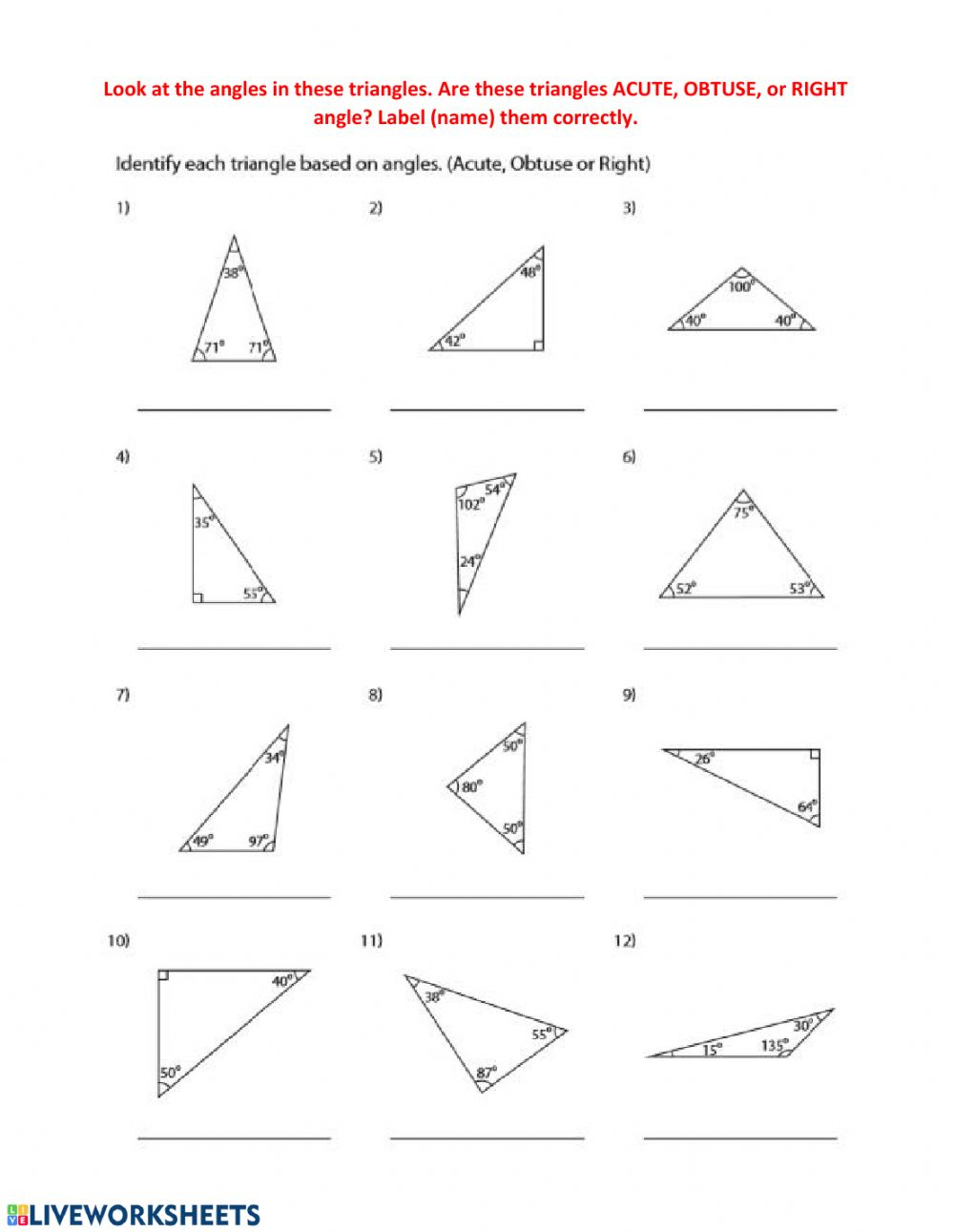
An acute triangle has all three angles measuring less than 90 degrees, which means the base can sit in different orientations depending on which side you designate as the bottom. This flexibility is exactly what makes detective work interesting. When students receive a series of acute triangles with missing base measurements, they must first identify which side serves as the base, then use the area formula or other given information to work backward and find the unknown value.
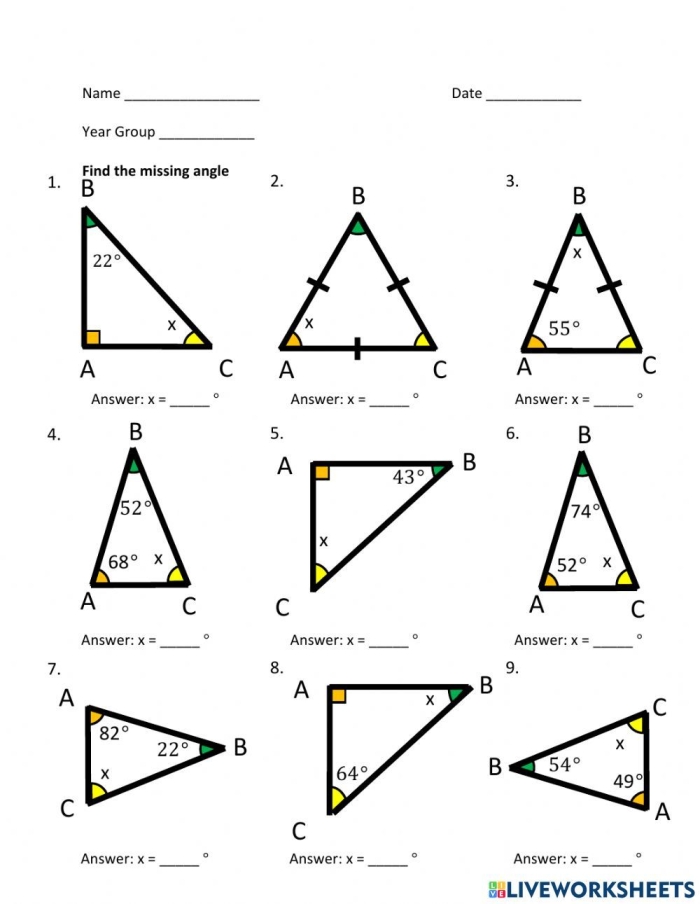
The detective approach works because it reframes the task. Instead of “solve for x,” students ask themselves “what clues do I have?” They examine the given area, the height perpendicular to that base, and any angle measurements. This investigative mindset helps sixth graders see addition and subtraction not as isolated operations but as tools for uncovering hidden information. When calculating areas or working through multi-step problems, they’re actually adding and subtracting measurements to build their solution.
This method connects naturally to how students approach other mathematical challenges. Just as they might practice finding the mean by adding values strategically, they learn to identify which measurements matter most when solving for a missing base.
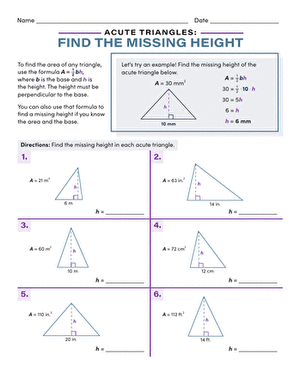
Providing a series of triangles with varying difficulty levels keeps the investigation fresh. Start with triangles where the height is clearly marked, then progress to problems requiring students to identify the height themselves. Each triangle becomes a new case to crack, building confidence and deepening understanding of how base, height, and area relate within acute triangle geometry.
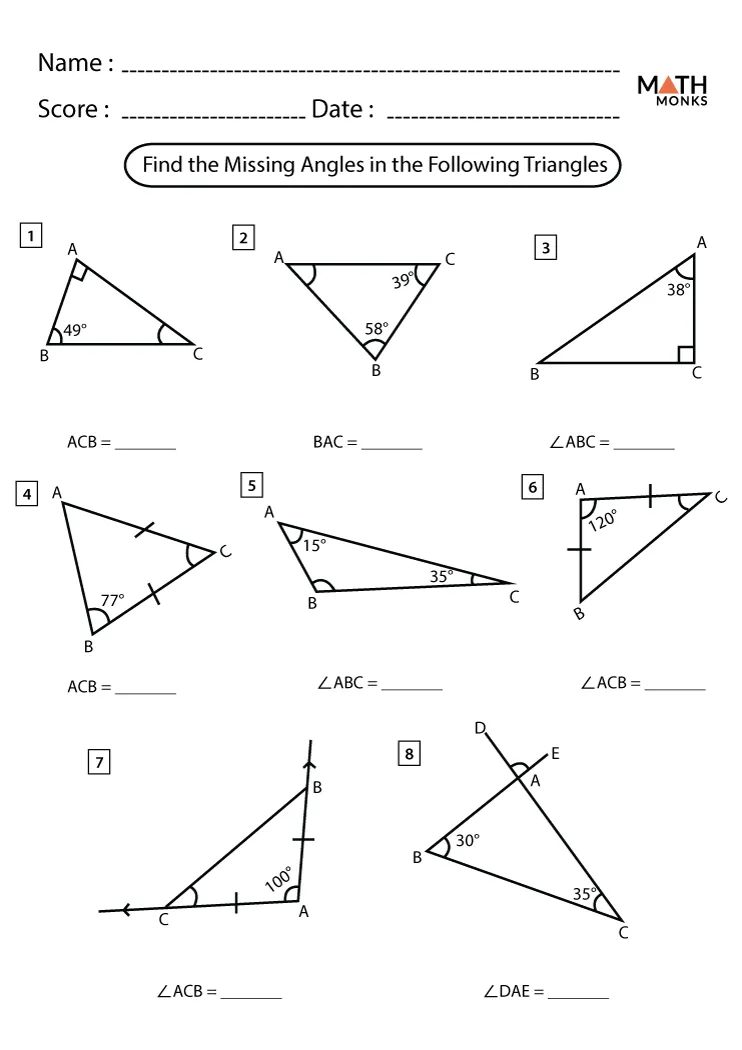
Worksheet Practice Section